
Kazakhstan demonstrates the path to sustainable transformation of food systems at COP29
19.11.2024 18:10:12 3606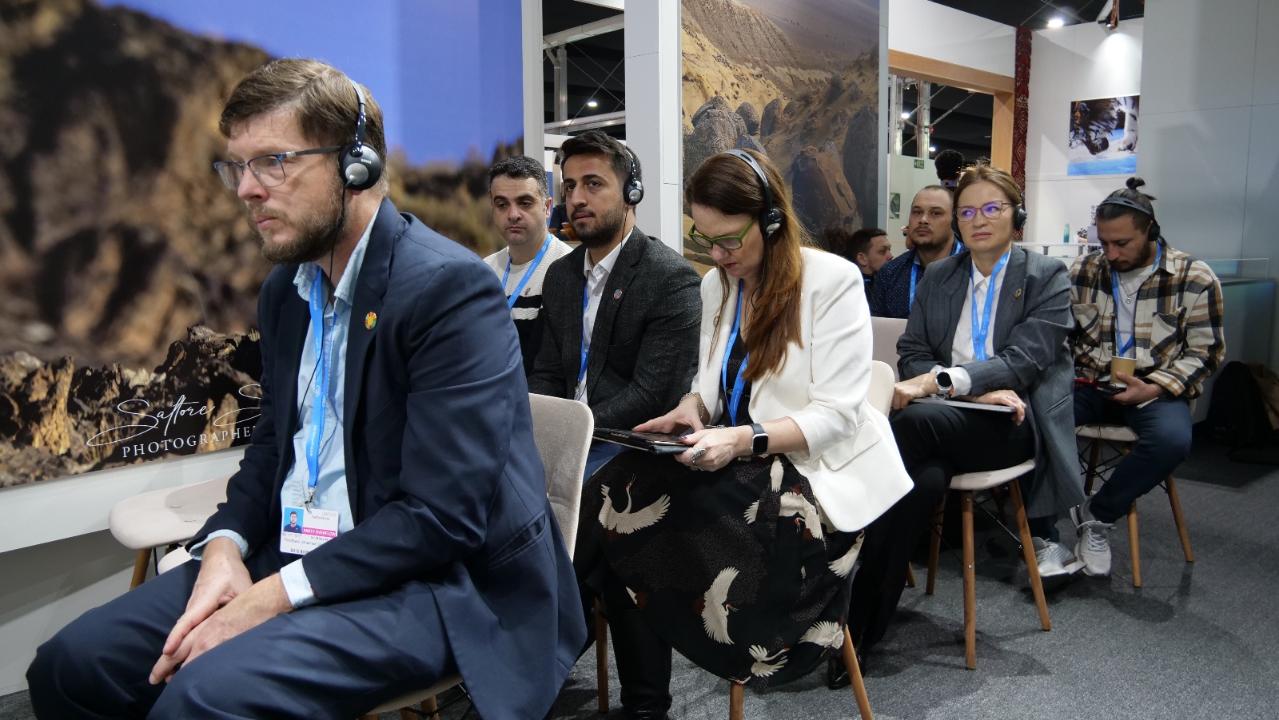
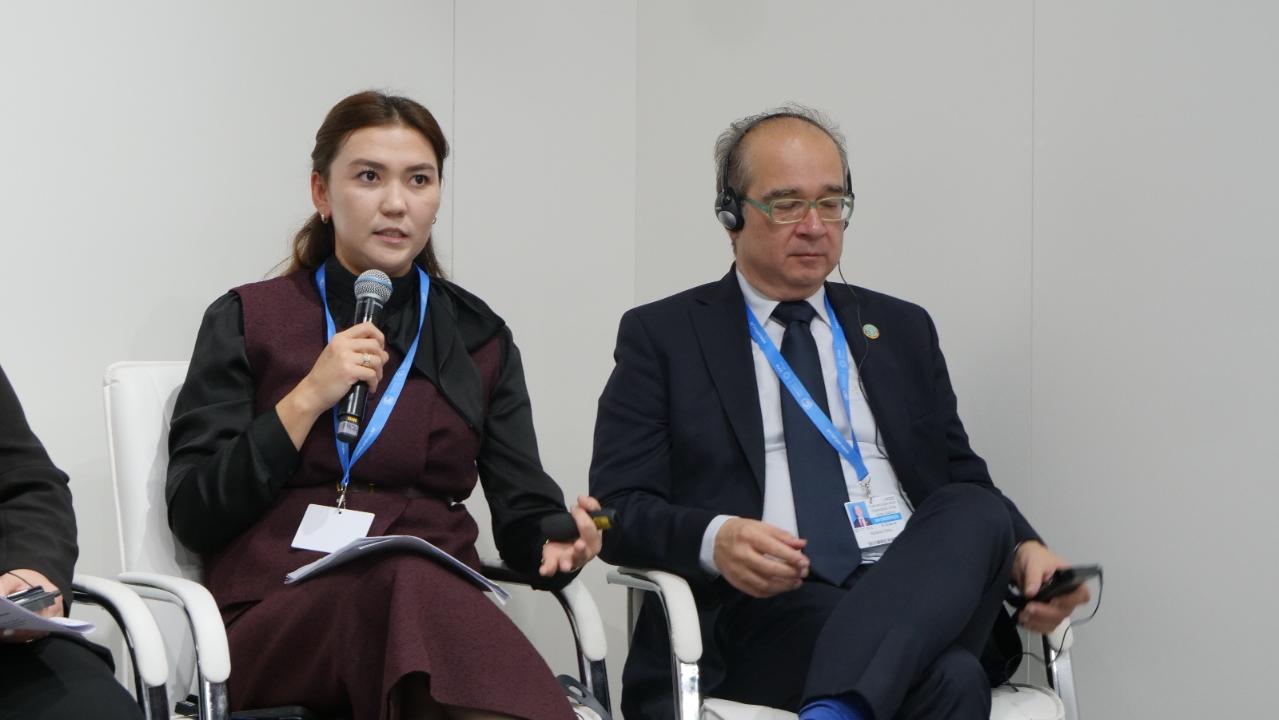
At the 29th Conference of the Parties to the United Nations Framework Convention on Climate Change (COP29) on November 19, 2024, the Bureau of Relations and Partnerships of the Food and Agriculture Organization of the United Nations (FAO) in the Republic of Kazakhstan, the Ministry of Ecology and Natural Resources of the Republic of Kazakhstan, the Ministry of Agriculture of the Republic of Kazakhstan held a parallel event on the topic "Convergence Project of transformation of food systems and climate Action: The experience of Kazakhstan". This event has become an important platform for sharing Kazakhstan's experience in combining climate initiatives and transforming food systems.
Kazakhstan and Central Asia face serious challenges in the field of sustainable agriculture: water scarcity, land degradation and the effects of climate change threaten food security and the sustainability of agricultural systems. In Kazakhstan, where losses in irrigation systems reach 40% and degradation affects 44% of arable land, issues of sustainable resource management and support for farmers are of particular importance.
As part of a national pilot project on the Convergence Initiative, supported by the Government of the Netherlands and the United Nations Food Systems Coordination Center, Kazakhstan became the first country to launch a program to combine food system transformation and climate action. At a seminar in October, representatives of the Government, science and civil society of Kazakhstan discussed joint efforts to create sustainable agri-food systems and synergistic actions to achieve the Sustainable Development Goals and commitments of the Paris Agreement.
The event presented the achievements of the national initial workshop in Kazakhstan, including the development of a Convergence Action Plan (CAB) and approaches to aligning the transformation of food systems with climate initiatives. Kazakhstan uses a synergistic approach to ensure that food and climate initiatives contribute to achieving the Sustainable Development Goals and objectives of the Paris Agreement. Informing about the next steps and about Kazakhstan's experience with the international community to facilitate cross-country learning to create similar programs in other regions.
Stefanos Fotiou, Director of the UN Food Systems Coordination Center, noted that the Coordinated Action Program (CAB) provides an important framework for harmonizing the transformation of food systems and climate action, directly responding to the national and regional needs of Kazakhstan. By coordinating efforts, CAB creates conditions for sustainable development that takes into account and adapts to local challenges — in particular, climate change, water scarcity and land degradation, which is especially important for Central Asia.
Mansur Oshurbayev, Vice Minister of Ecology and Natural Resources and Coordinator of Kazakhstan for the UNFCCC, added that Kazakhstan, becoming the first country to implement the initiative on the harmonization of food systems and climate action, demonstrates an example of a strategic approach to solving environmental and food problems. This experience paves the way for more sustainable agri-food systems in Central Asia and contributes to the achievement of global sustainable Development Goals.
Nazgul Khatepova, Director of the Department of Agri-food Markets and Agro-processing, as well as the national coordinator for Food systems of Kazakhstan, in turn noted that agriculture is crucial for the economy of Kazakhstan, and the Coordinated Action Program is focused on solving the problems of inefficient management of water resources and land degradation, which threaten food security. The modernization of irrigation systems and the promotion of sustainable tillage methods help to ensure stable agricultural production results, while increasing resilience to climate risks such as droughts and extreme weather events.
This side event should be a step towards closer interaction and integration of climate policy with food programs aimed at improving sustainability and environmental security in Central Asia and beyond.
Source : https://www.gov.kz/memleket/entities/moa/press/news/details/886246