
The products of farmers of the Karaganda region enter the markets of Central Asia and China
28.11.2024 19:07:24 3546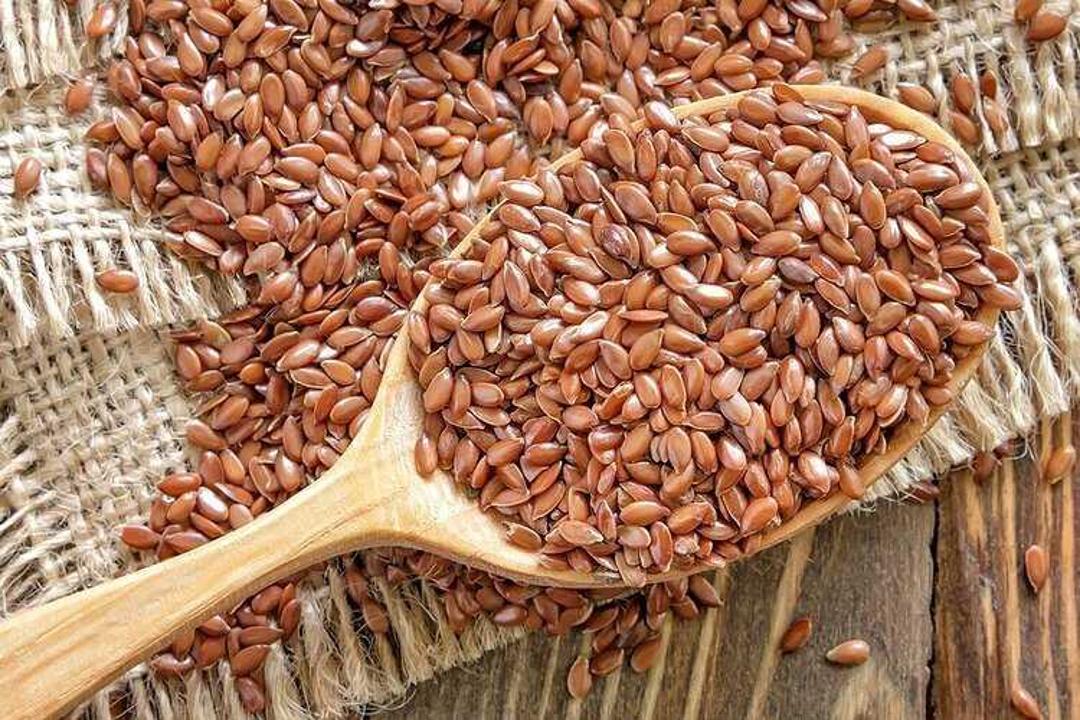
In early October, JSC NC Food Corporation launched a program to consolidate grain export shipments for small farms and traders. The project is being implemented in accordance with the instruction of the Head of State to increase exports of goods from the agro-industrial sector. BidayShah company, which specializes in the supply of Kazakh agricultural products abroad, became one of the first participants of the program.
According to the director of BidayShah LLP, Dauren Omerkulov, with the support of the grain operator, his company has already concluded four export contracts with buyers from Kyrgyzstan, Uzbekistan and China. The products of agricultural producers of the Karaganda region will be sent to the markets of these countries: Agrosynthesis LLP, 4 Luck LLP, Nurasyl Farm, Karagaily farm.
"Our cooperation with the farms of the Osakarovsky district began in 2022. We usually try to buy grain from farmers at a price above the market so that farmers can receive their revenue and maintain the profitability of the business. The sale of goods on foreign markets allows you to make payments in foreign currency, and thanks to the real buyer, the money is returned within three to four weeks, depending on the contract," explained Dauren Omerkulov.
According to him, agricultural enterprises have already completed the loading of wheat and flax seeds. In the coming days, 19 wagons with agricultural products will arrive in Kyrgyzstan, the remaining 16 will be delivered to the customer from Uzbekistan. The efficiency of the transaction was positively influenced by the assistance of the state grain operator.
"The food Corporation helped not only with the search for buyers, but also with the approval of additional transportation plans by rail, and also provided us with reliable freight forwarders. On our own, it would be more difficult for us to find importers in a short time, conclude contracts and ensure delivery," the trader noted.
According to Dauren Omerkulov, Kazakhstani producers and exporters of agricultural products are interested in new markets, but logistics issues are becoming the main deterrent for them.
"The agro-industrial sector is in a state of compressed spring today, it needs a little help in logistics, and this industry will shoot. Due to the geographical distance from capacious solvent markets, our manufacturers and traders have to spend significant money on the delivery of goods, which automatically makes it uncompetitive in price. Therefore, subsidizing transportation costs will be a significant contribution of the state to the development of exports. Then small and medium—sized traders and small agricultural companies will have more opportunities to enter world markets," the expert believes.
The Government is currently developing a mechanism to reimburse exporters for the transportation of grain to priority markets, including Azerbaijan, the European Union, North Africa, Iran, Afghanistan and Southeast Asia. Dauren Omerkulov is convinced that the result of this work will not take long to wait. The high purchasing potential of new markets will encourage manufacturers of Kazakh products to explore foreign destinations. And one more important point: when a farmer understands which types of products are in demand from buyers in different countries, he will move faster to diversify production.
"Who is interested in growing something new if they don't know who will buy it? The issue rests on the sales market. A wide range of crops can be produced in our country, but they remain unclaimed on the local market. Kazakhstanis, for example, prefer products made from soft wheat rather than buckwheat flour — this is simply not part of our habits. Yes, the share of such products is gradually growing, but let's look objectively: in 10 years their consumption will not increase tenfold. At the same time, there is a demand for such crops in foreign markets, especially in Europe or Asia. Now Southeast Asia is actively discovering new types of products. Europe is interested in organic products, while inner China, where 80% of the solvent population lives, is also focused on niche crops. All this creates additional opportunities for Kazakhstani producers and traders," the expert emphasizes.
By the end of the marketing year, BidayShah plans to export about 10 thousand tons of grain. The company mainly focuses on the supply of flax and leguminous crops to foreign markets. In the future, it plans to expand the names of exports, there is a desire to sell buckwheat and chickpeas to foreign consumers.
Dauren Omerkulov expects to further promote grain export shipments through the Food Corporation. At the same time, he emphasizes the need to consolidate the efforts of the state and business. In particular, KazakhExport, KazTrade and Food Corporations propose to create a dialogue platform for traders on the basis of national export promotion companies.
"One in the field is not a warrior. It is difficult for a small trader with small volumes to compete in the market. Due to the lack of consistency, we are losing opportunities. To enter large markets, you need to unite, negotiate and overcome barriers together. This will increase profitability and help open new horizons for Kazakh agricultural products," summed up Dauren Omerkulov, Director of BidayShah LLP.
Source : https://www.gov.kz/memleket/entities/moa/press/news/details/892568