
The Ministry of Emergency Situations reminds of avalanche danger
04.12.2024 10:06:34 2642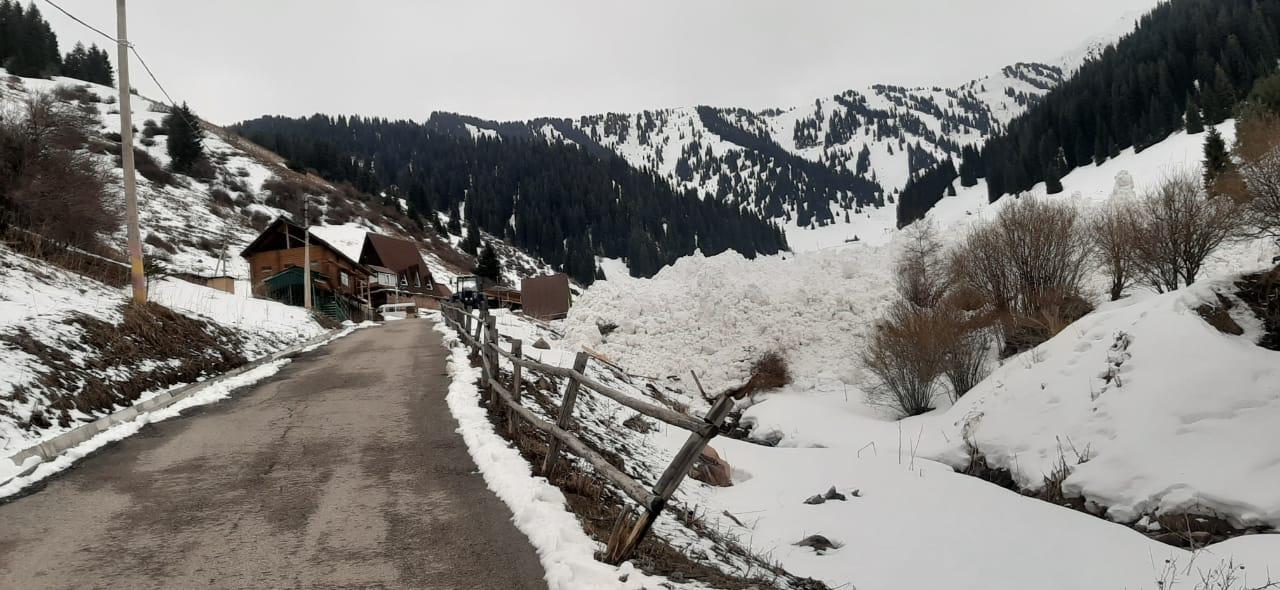
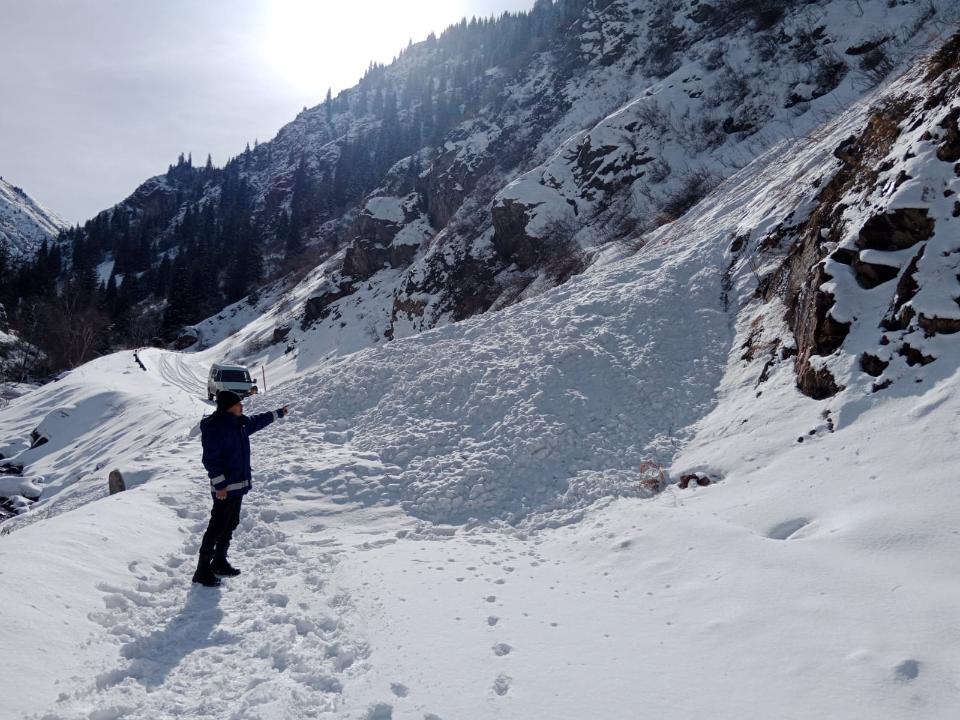
The mountainous regions of our republic pose an avalanche threat to varying degrees. Snow avalanches are most often observed on the slopes of the mountains of the Ile Alatau ridge (Almaty city) and in the Altai Mountains (East Kazakhstan region).
The most dangerous periods when avalanche activity occurs are considered to be the beginning of winter and the beginning of spring.
This year, 213 spontaneous avalanches were recorded, with a total volume of about 1.2 million m3. In general, the snow height is currently within the normal range or exceeds the norm.
"Since the beginning of the year, in order to ensure the safety of the population, roads, and ski resorts, 112 preventive avalanche descents have been carried out, the total volume of dumped snow amounted to 219 thousand m3. During dangerous periods, checkpoints were set up to restrict access of the population and vehicles to the avalanche risk zone. Prior to the start of the dangerous period, appropriate recommendations were issued to local executive bodies, owners of residential buildings and heads of organizations whose facilities are located in avalanche risk zones," said Yerbolat Sadyrbayev, head of Kazselezashchita State Institution.
Skiers, tourists, and climbers are most at risk. Therefore, in order to avoid death and not be caught in an avalanche, every person going to the mountains is obliged to learn the basic rules of behavior in the mountains and during avalanches.
If an avalanche warning has been announced, it is advisable to refrain from hiking in the mountains. If there was no warning, then before setting off, it is necessary to know meteorological forecasts, make travel routes, refrain from hiking and skiing in unprepared areas, move along marked trails, as well as find out as much as possible about the terrain in which there is a risk of avalanches, avoid dangerous slopes as much as possible (this is a simple rule of behavior it is quite capable of saving a life).
If heavy snowfalls were recorded before going to the mountains, it is better to postpone the hike for two or three days, and in the absence of avalanches, wait until it settles. Also, it is very important not to go to the mountains alone or together: it is advisable to stay in a group. This will always provide insurance in case of avalanches, for example, if the group members are tied with avalanche tape, this will make it possible to detect a satellite covered with snow.
Before going out into the mountains, it is advisable to bring an avalanche transceiver with you, which will make it possible to find a person trapped in an avalanche.
It is very important not to forget to bring your mobile phone with you (it has already saved the life of more than one person). It is also a good idea to take special avalanche backpacks, which provide a system of inflatable pillows that make it possible for a person caught in an avalanche to "float up".
In the mountains, you need to move only along roads and paved trails of valleys and along mountain crests, while it is very important to remember that you can not go out on steep snow-covered slopes, cross them across or move in a zigzag.
If an avalanche has fallen high and there is time to do something, it is very important to remember one of the basic rules of behavior when an avalanche is rushing at you: to get out of the way of a rushing stream to a safe place, you need to move horizontally, not downwards. You can also hide behind a ledge, preferably in a cave, climb an elevation, a stable stone or a strong tree.
If it so happened that it did not work out to get away from the avalanche, one of the rules of conduct says that you need to immediately get rid of all the things that will drag into the rushing stream and restrict movement: from a backpack, skis, poles, an ice axe. It is necessary to immediately start making your way abruptly to the edge of the stream, doing everything possible to stay at the top, and if possible, catch on a tree, stone, bush.
The Ministry of Emergency Situations, due to the unstable state of snow on the slopes of the mountains, recommends not to go out on the snow-covered slopes of the mountains, so as not to provoke avalanches, and refrain from hiking in the mountains.
Source : https://www.gov.kz/memleket/entities/emer/press/news/details/895665