REFORMS AND WELFARE: THE RESPONSIBILITY OF THE STATE
05.01.2026 10:40:07 3069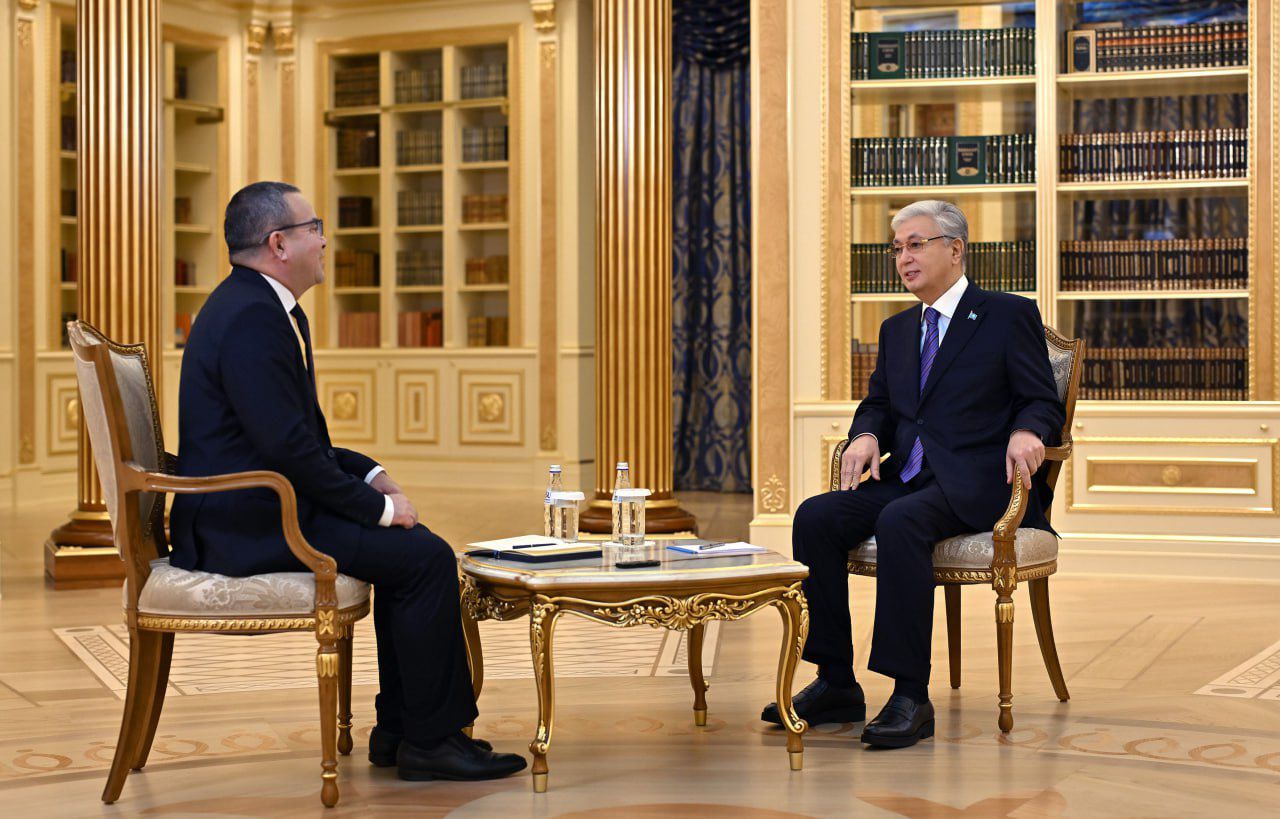
The Head of State said that he does not deny that society is concerned about the impact of economic reforms on the daily lives of the people. According to the President, as world experience shows, any large-scale reform does not find full understanding from the public at the initial stage. In such a critical moment, the role of a leader who assumes political responsibility is special.
The President noted that there is no way for Kazakhstan to abandon reforms. The country must not stand still, but implement systematic changes for sustainable development. This is a difficult and difficult path, but from a strategic point of view it is the only right one.
In order not to burden the lives of citizens, the Government temporarily suspended the increase in tariffs during the winter period through administrative means. In addition, special attention was paid to the issue of efficient use of budget funds. The Head of State warned that inappropriate allocation of funds to the economy would increase inflation and stressed the importance of strict budget discipline. Financial resources should be spent only on projects that are necessary and effective for the country.
The three-year program, jointly adopted by the Government, the National Bank, and the Agency for Regulation and Development of the Financial Market in November last year, aims to improve the well-being of citizens by reducing inflation. This document is considered a concrete step towards ensuring macroeconomic stability.
The Head of State also touched upon the issue of the "middle income trap" raised by international experts. According to him, this is not just a theoretical concept, but a reality that is reflected in the daily lives of many Kazakhstanis. The depreciation of income due to inflation, the increase in mandatory expenses such as mortgages, education, and medicine, weaken the financial stability of citizens.
The President recalled that a decision had previously been made to use pension funds for housing, medical treatment, and education. Although this initiative was supported by the people, it was also noted that it paved the way for some fraudulent activities. In particular, there were cases of large-scale embezzlement of funds under the pretext of providing medical services. Law enforcement agencies are currently dealing with this issue.
Regarding the business sector, the Head of State noted that entrepreneurs are creating jobs and paying taxes honestly. However, high credit rates and a shortage of working capital prevent them from developing on a large scale, introducing new technologies, and expanding their market reach.
The President did not hide that the structure of the economy is gradually changing, although the pace of this process is slow. Although international financial organizations assess Kazakhstan as a prosperous country, social and economic inequalities still persist within the country. The Head of State did not hide these problems, noting that there is a specific plan to systematically address them.
In general, during the interview, it became clear that the ultimate goal of economic reforms is to ensure the country's long-term development, curb inflation, and improve the quality of life of the population.