Kazakhstan and Germany Strengthen Sustainable and Green Strategic Partnership: Focus on Climate, Water and Sustainable Development
24.04.2026 08:36:02 2892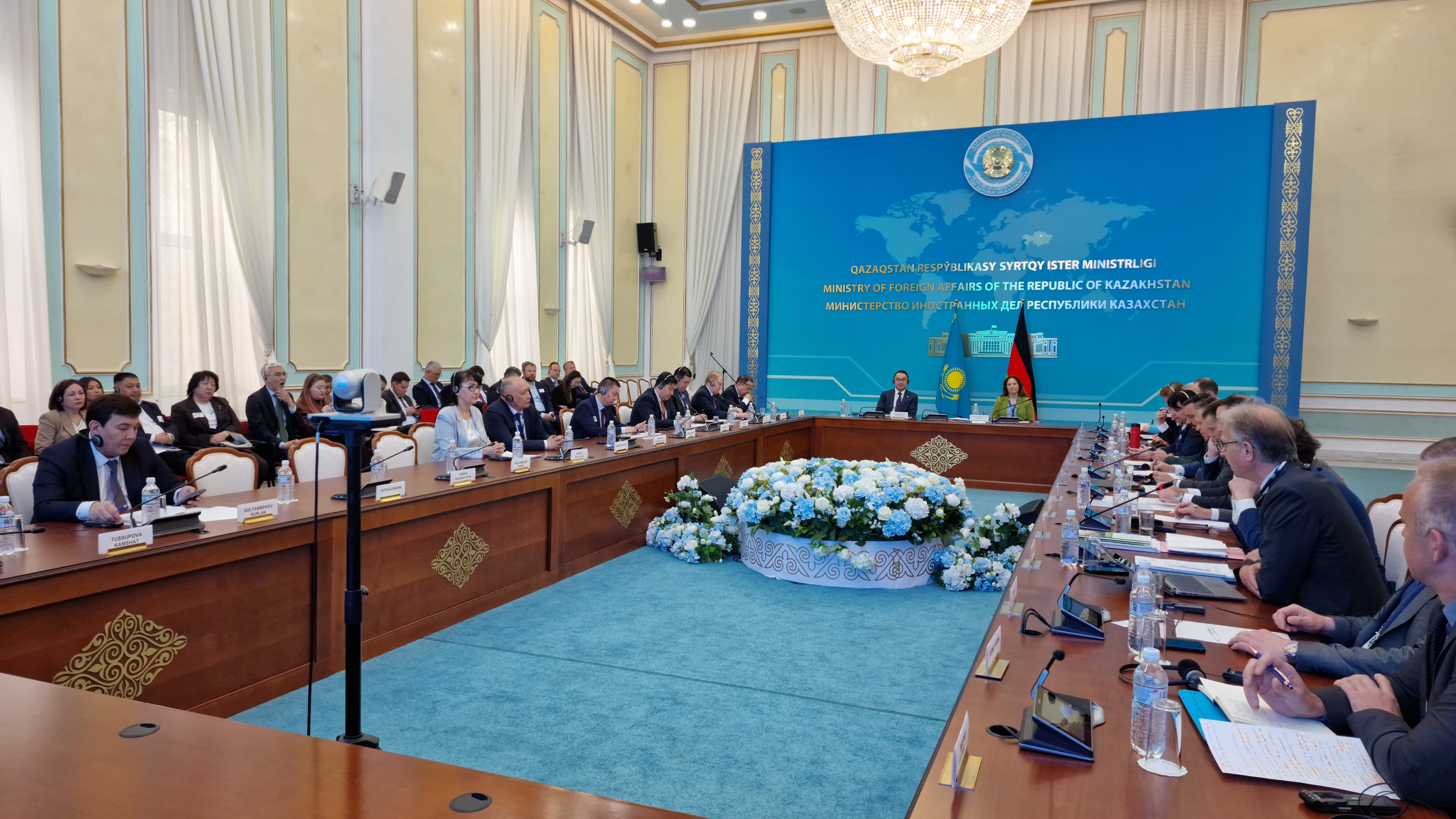
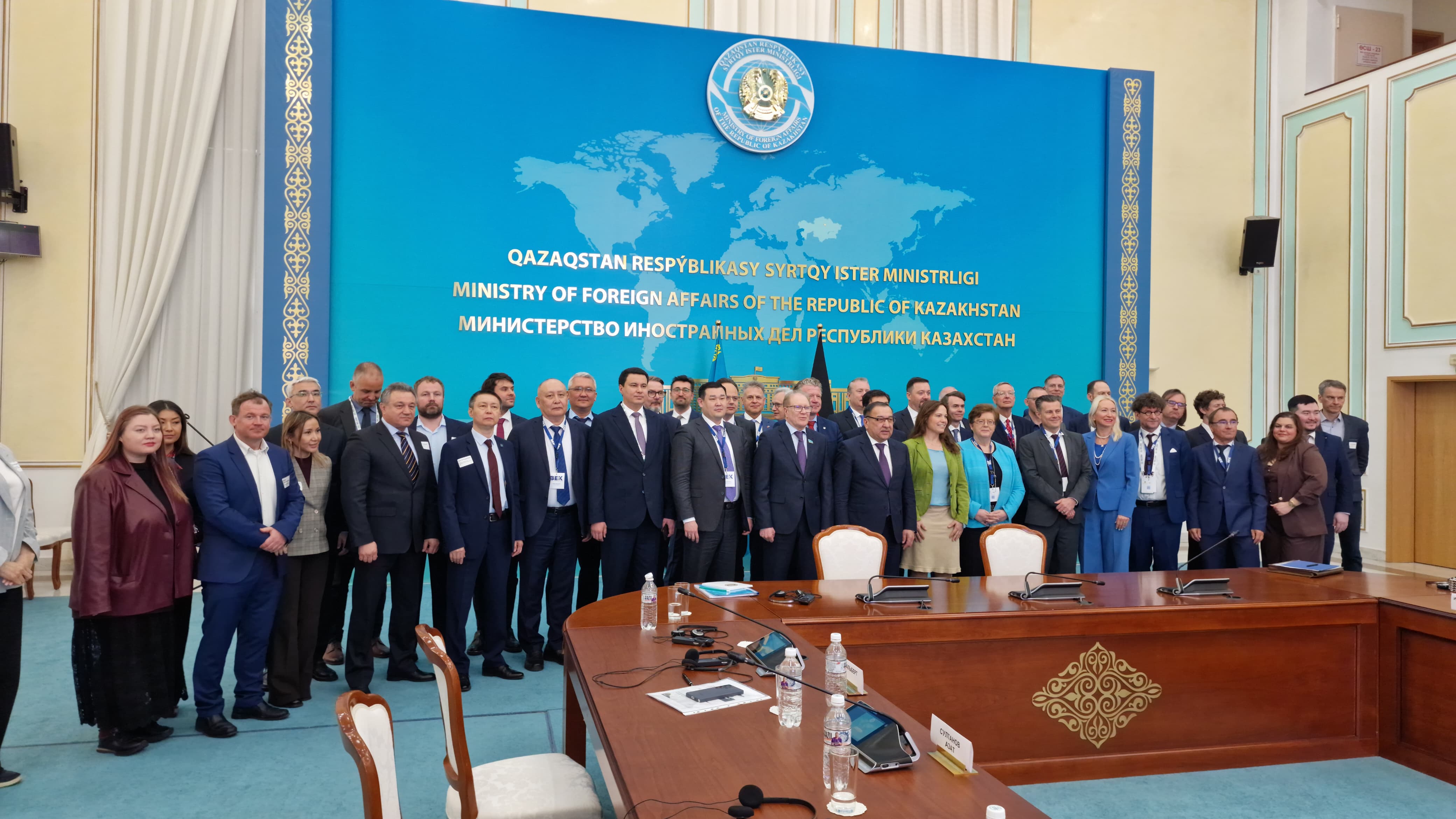
Astana, 2026 April 23 – The Ministry of Foreign Affairs of the Republic of Kazakhstan hosted the 46th meeting of the Berlin Eurasian Club under the theme “Achieving Sustainable Development Together: Strategic Partnership between Kazakhstan and Germany for a Green Future”. The meeting was held as part of the Regional Ecological Summit and brought together representatives of government bodies, business communities and international organizations from both countries to discuss key issues on the climate agenda and sustainable development.
In his welcoming remarks, First Deputy Minister of Foreign Affairs of the Republic of Kazakhstan Yerzhan Ashikbayev highlighted that since its establishment in 2012, the Berlin Eurasian Club has proven to be an effective platform facilitating the transition from dialogue to the implementation of concrete joint projects. He noted that Kazakh-German relations have reached the level of a mature strategic partnership based on trust, pragmatism and aligned long-term interests, further strengthened by active political dialogue and high-level mutual visits. Germany remains a key partner of Kazakhstan within the European Union, while Kazakhstan serves as an important regional hub for cooperation in Central Asia.
According to the Kazakh diplomat, in the context of climate change, water is becoming a strategic resource directly impacting economic development,
food security and regional stability, particularly in Central Asia. Kazakhstan considers water security a priority of its national policy and is implementing systemic measures, including the establishment of a dedicated ministry, modernization of infrastructure and the introduction of digital and water-saving technologies.
In this context, the importance of strengthening regional cooperation was emphasized, including within the C5+Germany format and the “Green Central Asia” initiative, as well as Germany’s contribution to advancing the water and climate agenda in the region. Kazakhstan is currently promoting the initiative to establish an International Water Organization under the auspices of the United Nations and looks forward to the support of international partners.
Chairwoman of the Eastern Committee of the German Economy, Cathrina Claas-Mühlhäuser highlighted Kazakhstan’s strong reform momentum and commitment to economic modernization. She emphasized the strategic importance of water resources for agriculture, energy and regional stability,
as well as the growing role of bilateral cooperation in the water sector.
The planned establishment of a Kazakh-German Water Hub was identified as a promising initiative to promote innovation, digitalization and capacity building. She also stressed the need for a comprehensive approach combining technology, investment and human capital development.
The parties noted the significant potential for expanding practical cooperation, including the joint implementation of infrastructure and environmental projects, the development of research initiatives and the strengthening of the regional climate agenda.
During two panel sessions participants discussed food security, water resource management, climate resilience, and the implementation of the “Green Central Asia” initiative as a tool for enhancing regional security and environmental cooperation. Attention was given to the exchange of advanced technologies and the development of cross-sectoral collaboration.
The meeting reaffirmed the mutual interest of Kazakhstan and Germany in deepening their partnership and implementing joint projects aimed at achieving a sustainable future, enhancing environmental responsibility and effectively responding to global climate challenges.
Following the meeting, a number of MoU were signed between the Ministry of Ecology and Natural Resources of Kazakhstan and the Independent Institute for Environmental Issues of Germany; the Ministry of Water Resources and Irrigation of Kazakhstan and the same institute; the Information and Analytical Center for Water Resources of Kazakhstan and the same institute; as well as between the Kazakhstan Center for Modernization and Development of Housing and Utilities, the German Water Partnership and the German company System S&P GmbH.
In conclusion, the parties confirmed their readiness to actively implement joint initiatives, including projects in water conservation, digitalization of water management, and the development of green energy, including hydrogen technologies. It was noted that the practical implementation of cooperation and the launch of concrete projects in the near future will determine the effectiveness of the partnership and its contribution to sustainable development in Central Asia.
Background: The Berlin Eurasian Club has established itself as an international and bilateral dialogue platform aimed at strengthening cooperation between Kazakhstan, Germany and the European Union. It serves as a venue for open exchange among representatives of government bodies, business, academia, international organizations on issues of economic development, sustainability, energy, environment and regional security.
The Club’s primary objective is to promote mutually beneficial cooperation, strengthen economic ties and advance joint initiatives aimed at sustainable development and long-term stability.
Source : https://www.gov.kz/memleket/entities/mfa-berlin/press/news/details/1207464?lang=kk