
Regional Ecological Summit Outcomes Discussed at Columbia University
06.05.2026 08:15:40 2307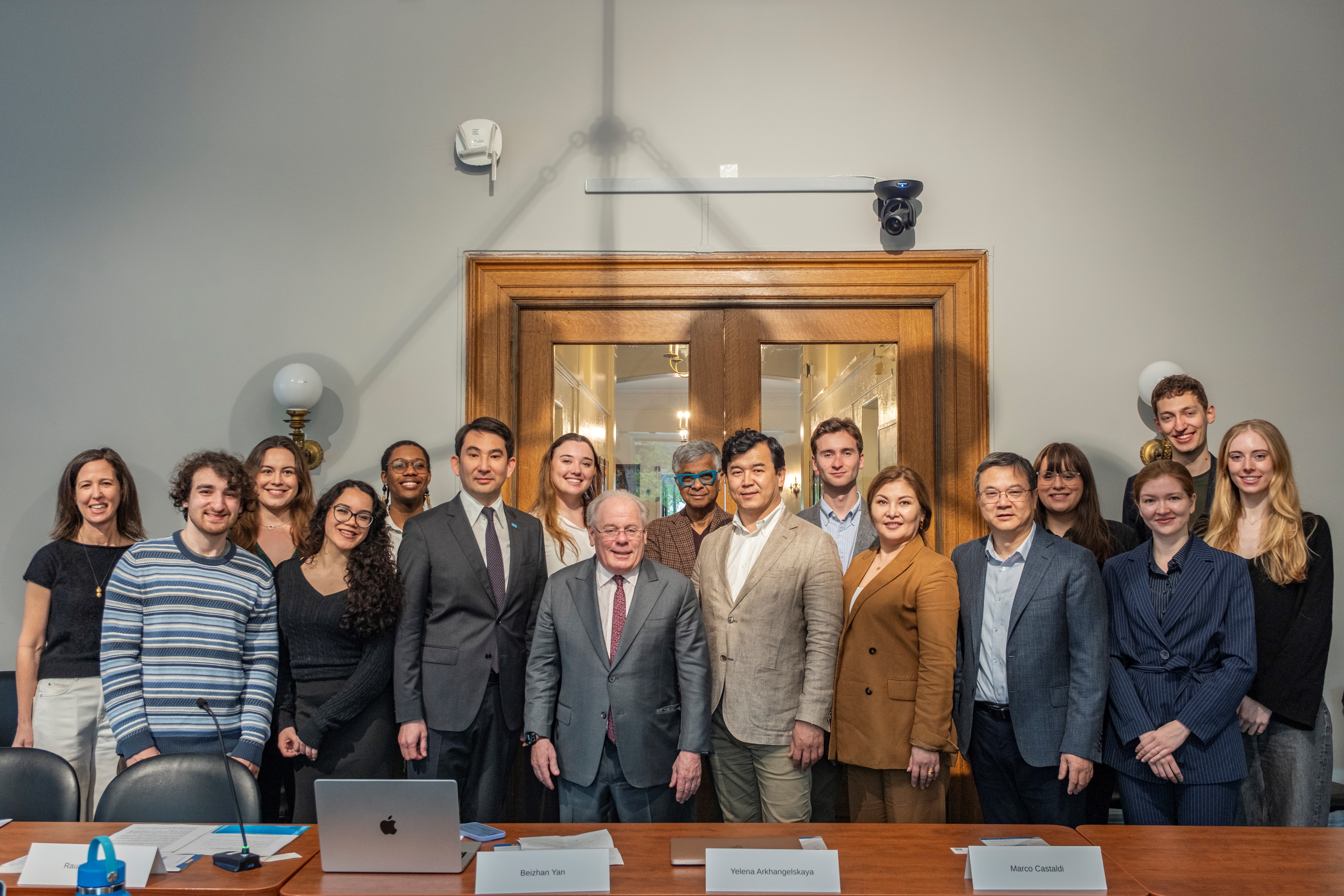
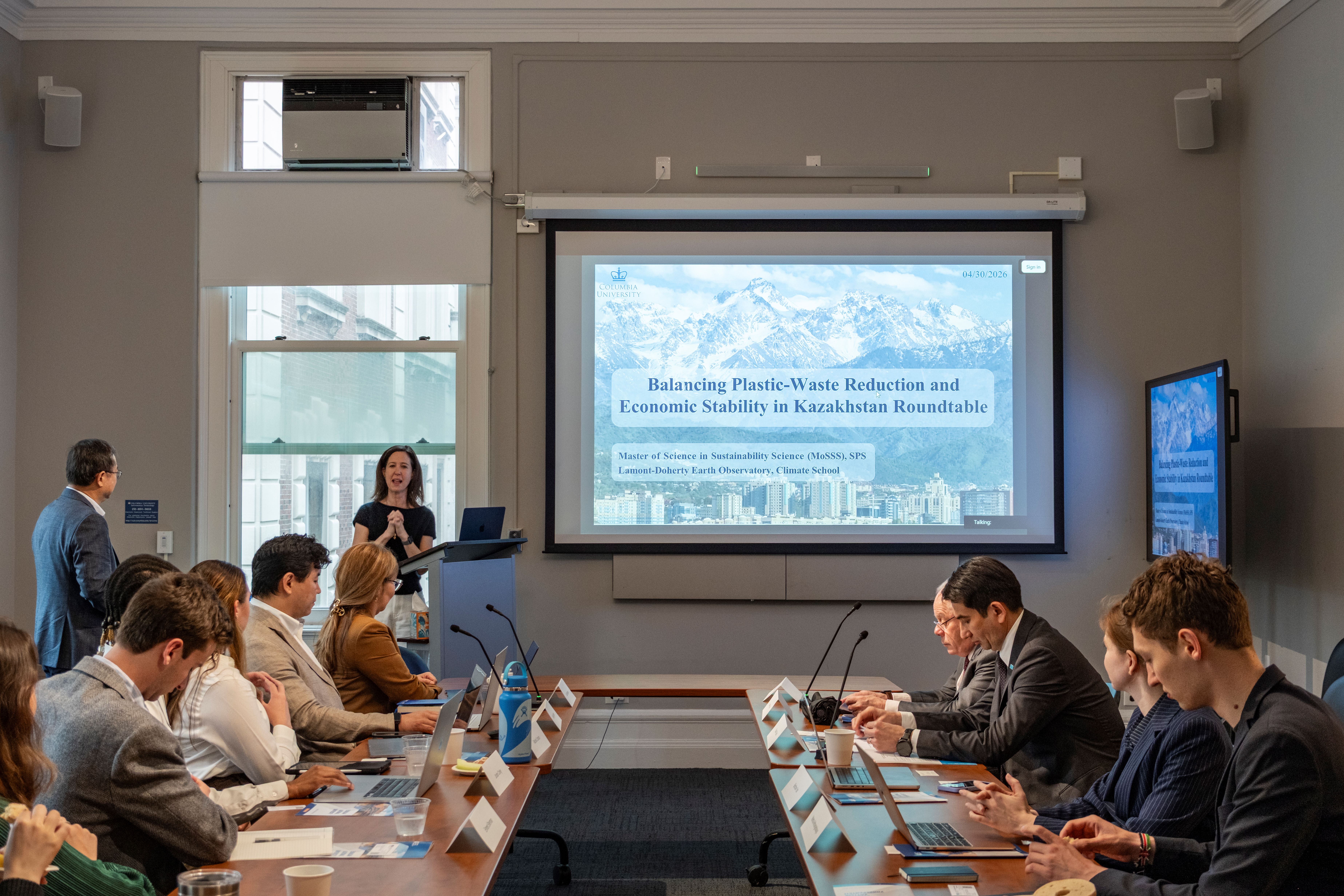
New York, April 30, 2026 – Columbia University hosted a roundtable discussion focused on identifying practical solutions for reducing plastic waste, advancing the circular economy, and ensuring a balance between Kazakhstan’s environmental commitments and economic priorities.
The event was organized by Kazakh students with academic support from Columbia University professor Beizhan Yan, Executive Director of the Petrochemical Association of the Republic of Kazakhstan Gaini Seitenova, and Professor Eldar Kopishev, Head of the Department of Chemistry at L.N. Gumilyov Eurasian National University. The discussion brought together members of the academic community and international experts.
One of the central topics of the discussion was the outcome of the Regional Ecological Summit (RES 2026), held in Astana on April 22-24, 2026, as well as the Summit’s final declaration, Ecological Solidarity of Central Asia, which reaffirmed the readiness of regional countries to pursue joint action in sustainable development, combating plastic pollution, waste management, and advancing a coordinated environmental agenda on international platforms.
Participants placed particular emphasis on the need to develop a balanced approach that takes into account both environmental objectives and the structure of Kazakhstan’s national economy, where the petrochemical sector remains an important component of industrial and investment development.
Welcome remarks were delivered by Alexis Abramson, Dean of the Columbia Climate School, and Rauan Tleulin, Consul General of the Republic of Kazakhstan in New York.
“The Regional Ecological Summit in Astana sent an important signal of Central Asia’s readiness for closer environmental cooperation. The RES 2026 Declaration established a shared regional approach to sustainable development, including combating plastic pollution, advancing the circular economy, and promoting practical environmental solutions. It is especially important that these agreements continue not only at the level of political dialogue, but also through practical cooperation among government, academia, and business,” said Rauan Tleulin.
During the expert discussion, Professor Beizhan Yan noted that RES 2026 set an important benchmark for moving from declarative environmental commitments to practical implementation. According to him, the outcomes of the Astana Summit confirmed that environmental sustainability must be addressed in close connection with economic stability, technological development, and industrial policy.
Gaini Seitenova emphasized the importance of a systemic approach to plastic waste management in Kazakhstan, including improved regulation, expansion of recycling capacity, and the introduction of technological solutions in the circular economy.
Participants underscored that the practical implementation of the RES 2026 agreements would strengthen regional cooperation and provide new momentum for Central Asia’s transition toward a more sustainable and economically balanced development model.
Background: Columbia University is one of the world’s leading research and educational institutions in the United States. A member of the Ivy League, the University has made a significant contribution to the advancement of science, economics, and international policy.
Source : https://www.gov.kz/memleket/entities/mfa-newyork/press/news/details/1214939?lang=kk