
Kazakhstani exporters are preparing for new EU climate requirements
30.06.2026 18:48:33 679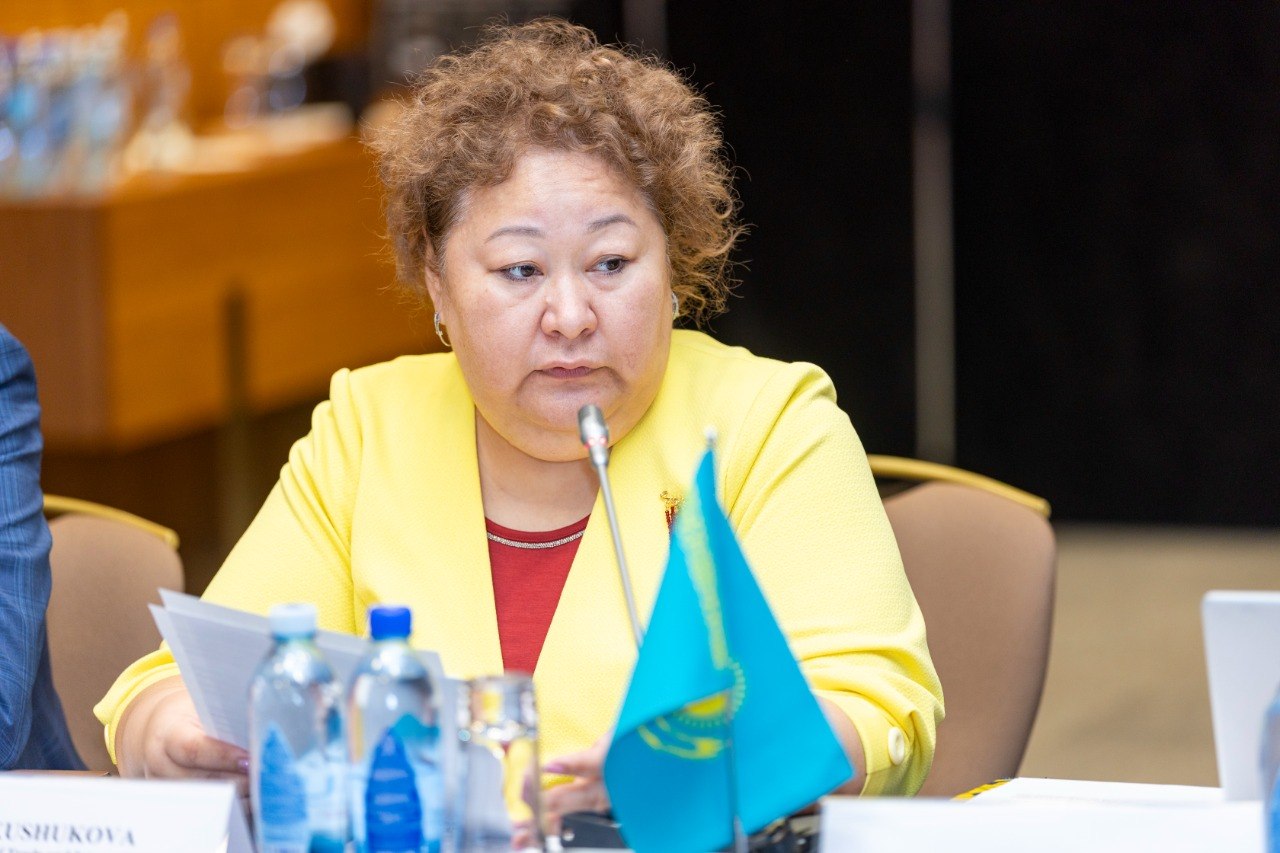
On June 3, 2026, a seminar was held in Astana to present the study "The European Union's Carbon Border Adjustment Mechanism (CBAM): Market Access, Financial Implications, and Compliance for Kazakh Exporters of Aluminum and Ferrous Metallurgy." The event was attended by representatives of government agencies, businesses, international organizations, and the expert community. The welcoming speech was delivered by Zhanel Kushukova, Vice Minister of Trade and Integration of the Republic of Kazakhstan.
CBAM (Carbon Border Adjustment Mechanism) is a carbon regulation mechanism introduced by the European Union as part of the EU's climate policy. Its goal is to account for the volume of greenhouse gas emissions during the production of imported goods and to ensure uniform environmental requirements for European and foreign producers. Since January 1, 2026, the mechanism has entered its mandatory application phase, making the accounting of a product's carbon footprint one of the key conditions for access to the EU market.
This issue is of particular importance for Kazakhstan, as the European Union remains one of the country's largest trading partners and the main market for Kazakh aluminum. The new requirements directly affect domestic exporters of aluminum, iron, and steel, who need to adapt to the changing conditions of international trade.
"According to the results of 2025, the EU's share in Kazakhstan's foreign trade was about 31%, and in the structure of Kazakh exports - about 44%. It is especially important to note that more than half of Kazakh aluminum exports are supplied precisely to the countries of the European Union," noted Zhanel Kushukova.
To support businesses, the Ministry of Trade and Integration of the Republic of Kazakhstan, the International Trade Centre, and JSC "QazTrade," within the framework of the Ready4Trade Central Asia project funded by the European Union, prepared a study assessing the impact of CBAM on Kazakhstan's aluminum and ferrous metallurgy industries. The document contains an analysis of possible financial implications, as well as practical recommendations for meeting the new requirements.
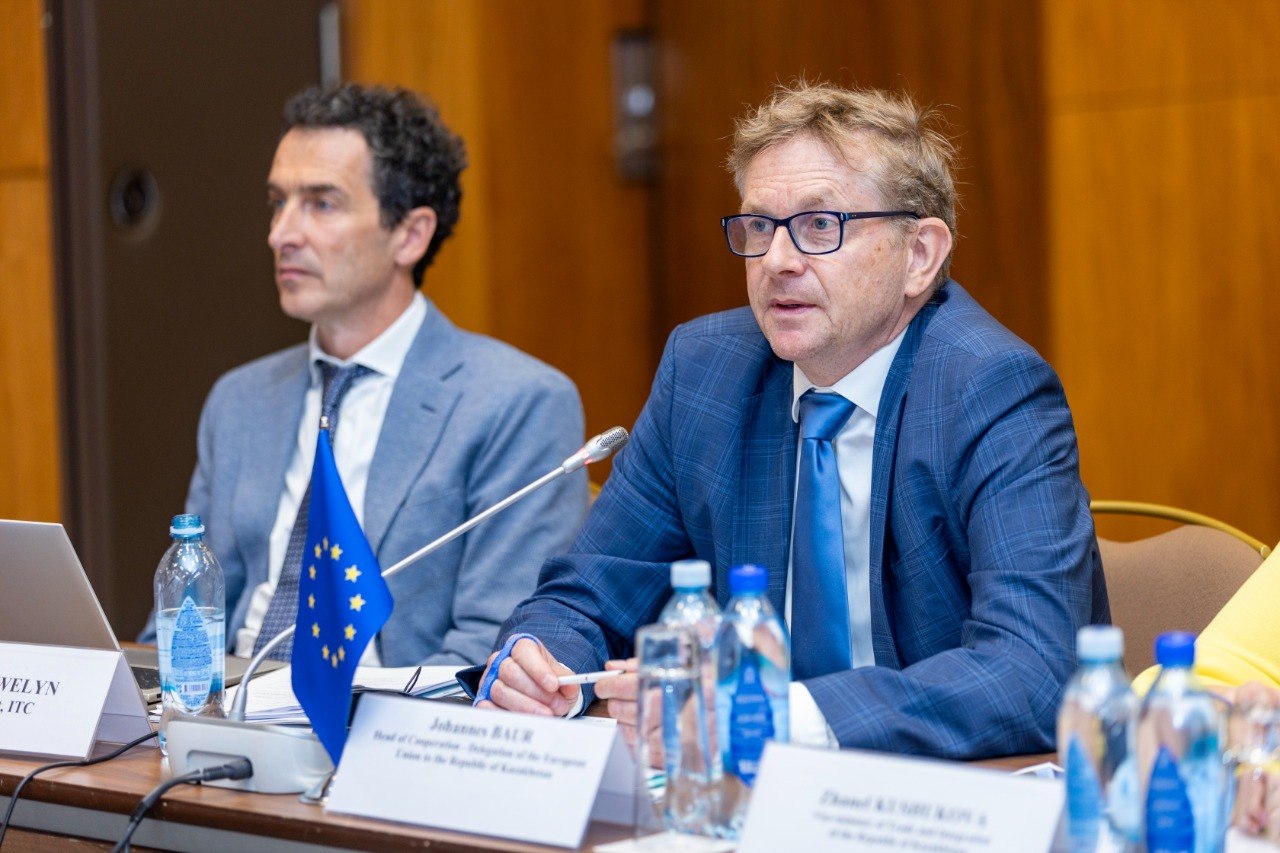
"The CBAM mechanism is one of the key elements of the European Union's broader climate and trade policy. Increasing transparency and improving sustainability reporting practices can help Kazakh exporters maintain competitiveness in the face of changing requirements on international markets. To facilitate this process, continued cooperation between government institutions, businesses, and international partners, such as the ITC, remains of paramount importance," emphasized Johannes Baur, Head of Cooperation at the EU Delegation to Kazakhstan.
"According to the ITC-QazTrade study, the annual obligations of Kazakh exporters under the CBAM mechanism for just four key product categories - unwrought aluminum, ferrochrome, as well as bars and rods - amount to approximately 114 million euros based on 2025 shipment volumes.
We have already begun the systematic adaptation of industrial exporters to the new European Union requirements. This work is aimed at minimizing the financial burden and preserving the competitiveness of Kazakh products in one of the most important markets for us," emphasized Nurlan Kulbatyrov, Deputy General Director of JSC "QazTrade."
During the seminar, participants were presented with the main findings of the study and recommendations for preparing enterprises to operate under the new conditions. Particular attention was paid to issues of emission accounting and verification, maintaining the competitiveness of Kazakh products on the European market, and utilizing opportunities associated with the transition to more environmentally friendly production.
Joost Pauwelyn, an ITC expert and lead author of the report, noted, "Currently, Kazakhstan exports steel and aluminum to the EU worth over 600 million euros. According to the assessment, using default emission values under CBAM could lead to annual CBAM-related costs exceeding 100 million euros. At the same time, 90% of this impact will fall on steel bars and rods, for which the estimated CBAM-related costs could exceed the product's own cost (123%). The good news is that Kazakh producers could significantly reduce these costs through simple measures: monitoring and declaring actual emissions instead of using default values, accrediting local verifiers, reducing emissions at production sites, and strengthening internal carbon pricing mechanisms."
Seminar participants emphasized that successful adaptation to CBAM requires the development of national emission monitoring and verification infrastructure, training of qualified specialists, and strengthening cooperation between the state, businesses, and international partners. At the same time, the new climate requirements are viewed not only as an additional challenge but also as an incentive for production modernization, improving energy efficiency, and implementing modern environmental technologies.
Source : https://www.gov.kz/memleket/entities/mti/press/news/details/1234299?lang=ru