Food inflation in Kazakhstan slowed from 13.5% to 9.5%
01.09.2026 18:57:33 1769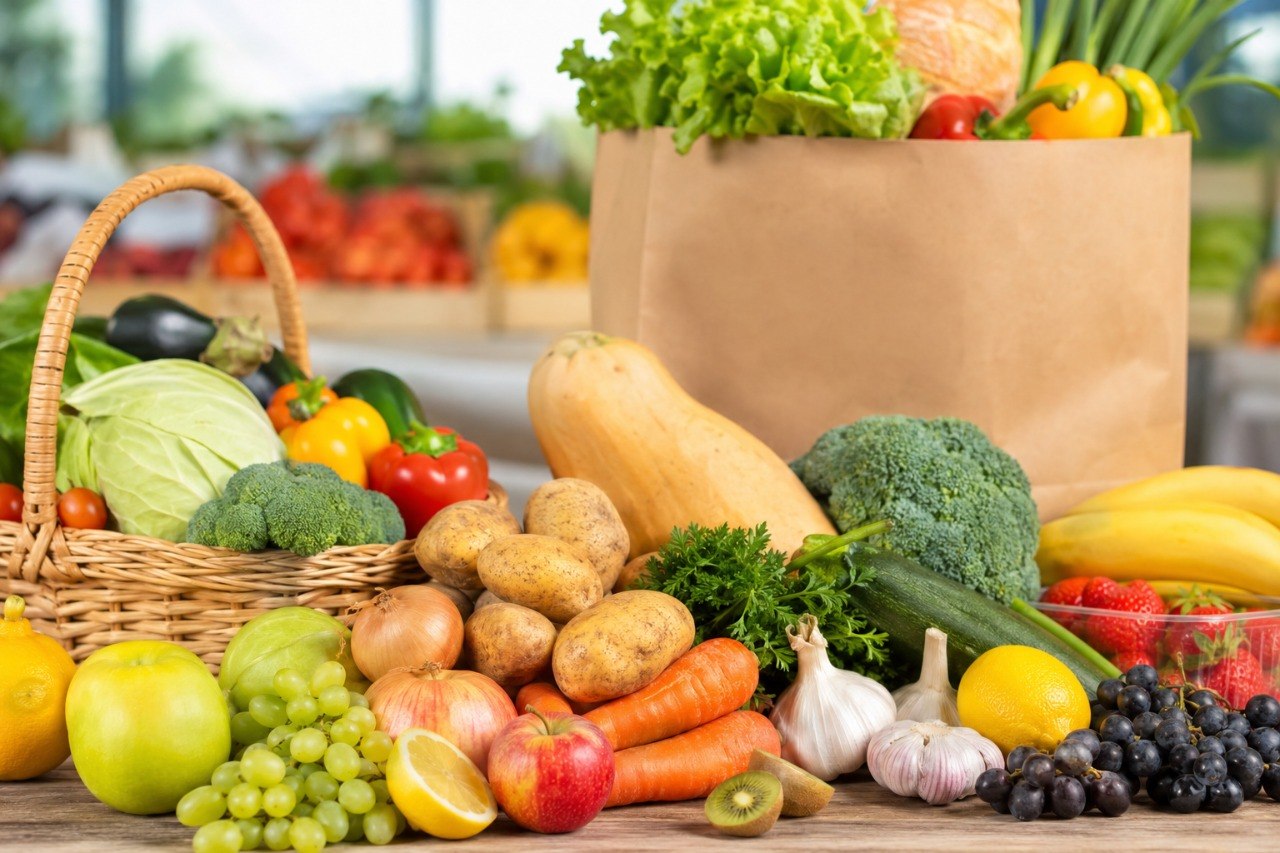
According to the Bureau of National Statistics, monthly inflation in Kazakhstan in August 2026 remained at the July level and amounted to 0.6%. At the same time, food prices declined for the first time since the beginning of the year. Monthly deflation was 0.1%.
The slowdown in inflation is facilitated by the implementation, on the instructions of the President, of a set of Government measures aimed at stabilizing prices and ensuring sufficient supply in the domestic market.
In August, price decreases were mainly observed for seasonal fruits and vegetables. During the month, prices decreased for 46 food items. A decrease was noted in the main commodity groups. These include vegetables and melons, fruits and berries, meat and fish products, dairy products and baby food, groceries and processed products, confectionery, ready-made products, and beverages.
Eggplants decreased in price most noticeably. Prices for them fell by 15.4%. Potatoes became cheaper by 12.3%, sweet peppers by 11.9%, cabbage by 9.7%, grapes by 8.0%, onions by 7.7%, kiwi by 7.3%, and zucchini by 6.6%. Prices for apples, carrots, lemons, beets, mushrooms, pears, and cucumbers also decreased.
Positive dynamics are also maintained in annual terms. Food inflation slowed from 13.5% in December 2025 to 9.5% by the end of August 2026.
Over the year, prices for eggplants decreased by 46.8%, zucchini by 40.0%, cucumbers by 39.9%, beets by 13.8%, tomatoes by 13.6%, and apples by 10.6%. Garlic, tangerines, cabbage, bananas, rice, oranges, cauliflower, and broccoli also became cheaper.
The Government continues to work on reducing factors that affect the final cost of products. Surveys of food markets are being conducted in the regions. Supply chains and rental conditions are being analyzed. Special attention is paid to identifying unnecessary intermediaries.
To reduce transportation costs, a preferential tariff for rail transportation of food products is in effect. More than 50 companies have already used it. 38 thousand tons of products have been transported.
Work with domestic producers continues. A 20% reduction in electricity tariffs is provided for producers of socially significant food products. Such support is provided upon acceptance of counter-obligations to restrain selling prices.
The mechanism of stabilization funds is also being revised. The main focus will be not on the volume of purchased products and the utilization of funds, but on the real impact of the measures taken on the final price. Stabilization mechanisms will be applied in a targeted manner, taking into account the situation for a specific product and region.
Control over the movement of products and the effectiveness of funds channeled through social-entrepreneurial corporations is also being strengthened.
Special attention is paid to compliance with trade markups. As of August 27, 2026, the territorial departments of the Ministry of Trade and Integration issued 3,096 administrative rulings totaling more than 76 million tenge for exceeding the established 15% trade markup. In 2025, 2,913 rulings were issued for the entire year. Thus, the current year's figure is already higher by 183 cases, or 6.3%.
Since the beginning of the year, more than 5,000 agricultural fairs have been held. At these fairs, farmers sell products directly, without intermediaries. It is planned to hold about 4,000 more fairs by the end of the year.
Source : https://www.gov.kz/memleket/entities/mti/press/news/details/1283813?lang=ru