The government has set purchase prices for wheat for the 2026 harvest
01.10.2026 09:03:37 154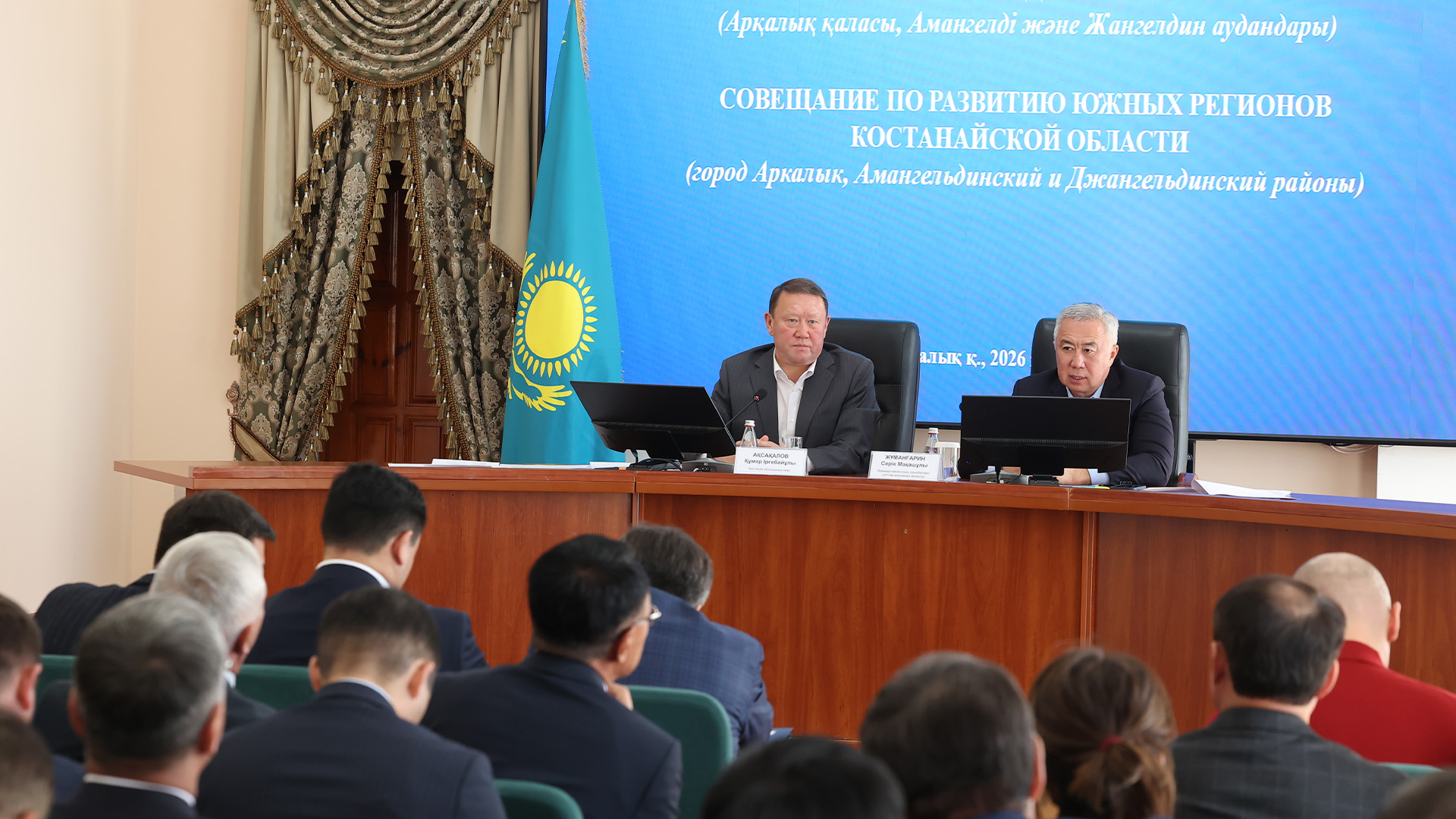
The government has set purchase prices for grain for the 2026 harvest. For grade 3 wheat, they will range from 92,000 to 115,000 tenge per ton, depending on quality. Deputy Prime Minister and Minister of National Economy Serik Zhumangarin announced this at a meeting with farmers in Arkalyk, Kostanay Region.
"Taking into account market conditions and proposals from market participants, the government has set purchase prices for grain for the 2026 harvest. Specifically, prices for grade 3 wheat are planned to range from 92,000 to 115,000 tenge, depending on quality. Therefore, the price remains at last year's level," said Serik Zhumangarin.
The Food Corporation's purchase prices serve as a benchmark for the market. Financial support for farmers is provided through forward and direct grain purchase mechanisms, allowing agricultural producers to cover production costs and prepare for the next season.
Another support measure will be a VAT refund for grain traders. The corresponding decision was made at a meeting of the Project Office for the Implementation of the Tax Code. Agricultural exporters will not be subject to any adjustments to the VAT amount claimed as a credit. The validity of VAT refund claims will be confirmed by a tax audit using the so-called "pyramid method," which allows for tracing the entire chain of goods and tax payments—from the agricultural producer to the exporter. If the audit results are positive, the exporter will be eligible for a full refund of previously paid VAT.
Serik Zhumangarin also announced that the state program for compensating expenses for grain exporters will be extended through the 2026-2027 marketing year.
Subsidizing grain shippers' transportation costs in previous years has allowed for the expansion of Kazakhstan's grain supply geography. In addition to traditional markets, Kazakhstan's wheat was purchased for the first time by Belgium, Poland, Portugal, Norway, the United Kingdom, and North African countries such as Morocco, Algeria, and Egypt. The Food Corporation also piloted grain shipments to Vietnam via a multimodal route through China.
The implementation of these measures has helped stabilize grain prices and reduce the risk of dumping. Related industries such as logistics, processing, mechanical engineering, and services have also benefited.
A separate section of the meeting was devoted to the development of livestock farming. There are currently 1,132 farms operating in three southern regions of the Kostanay region—Arkalyk, Amangeldy, and Dzhangeldy districts. The total sown area is 581,100 hectares, including 501,400 hectares under grain and 65,900 hectares under oilseeds. Over the past three years, the area under oilseed crops has increased by 1.3 times. Safflower is the main crop, accounting for 51,200 hectares, or 47% of the total area under this crop in the region.
Farmers raised questions about the implementation of the "Zhailau" program, which was originally initiated by Kostanay region. Specifically, they discussed the requirements for mandatory pasture irrigation and the construction of livestock facilities. Farms in the southern regions are predominantly located in river and lake floodplains, where natural water sources are available, and many farmers already have the necessary livestock infrastructure. Therefore, it was proposed to allow for the inclusion of existing facilities when implementing the program requirements.
Livestock breeders also proposed revising the maximum price for purebred cattle under preferential lending, as they estimate that the prices set by the program are below market prices.
Serik Zhumangarin instructed the Ministry of Agriculture to develop the necessary amendments to existing documents and to develop a price guide for purebred cattle.
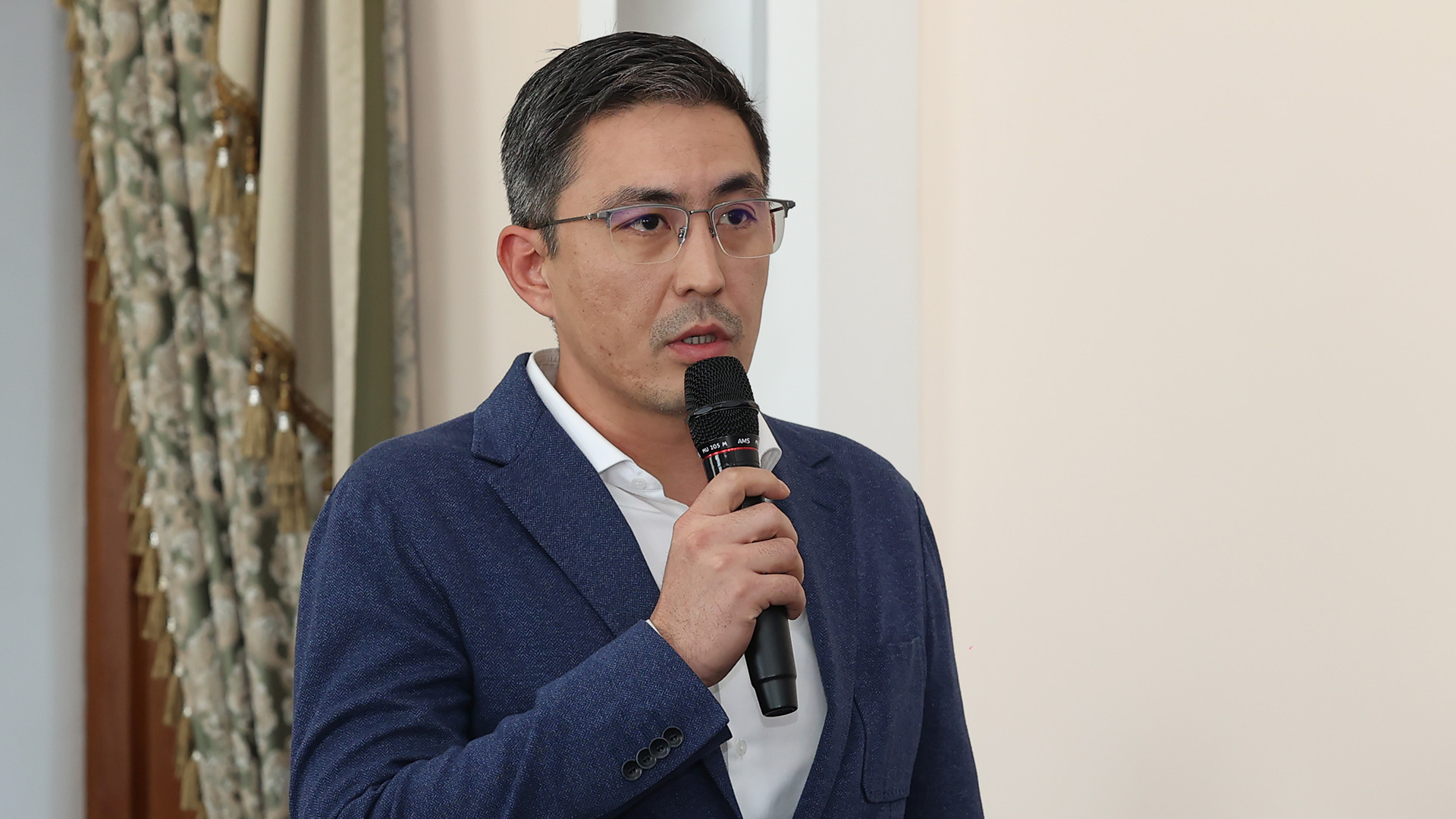
Zhenibek Kenjebaev, Director of Zengi Group LLC, presented plans to establish a genetic center for embryo production in Arkalyk. Investments have already been secured for the project.
"This project is our chance to increase the number of purebred cattle in Kazakhstan to develop livestock breeding. By using embryos, we will be able to produce purebred cattle. At the same time, we are working on creating a logistics hub for livestock transportation in Arkalyk. We plan to professionalize the production and sale of purebred cattle," noted Zhanibek Kenzhebayev.
Source : https://www.gov.kz/memleket/entities/economy/press/news/details/1301951?lang=ru