
The issues of reforming the veterinary system were considered by the Government
16.11.2024 18:23:34 3908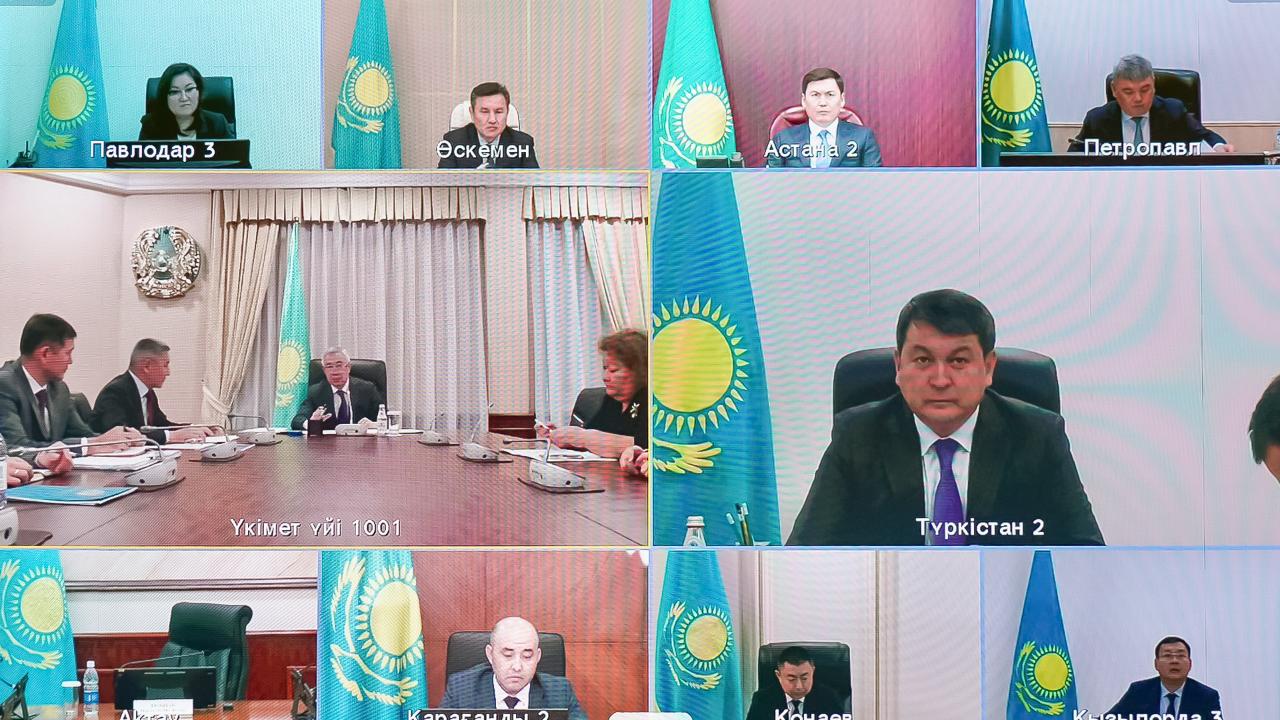
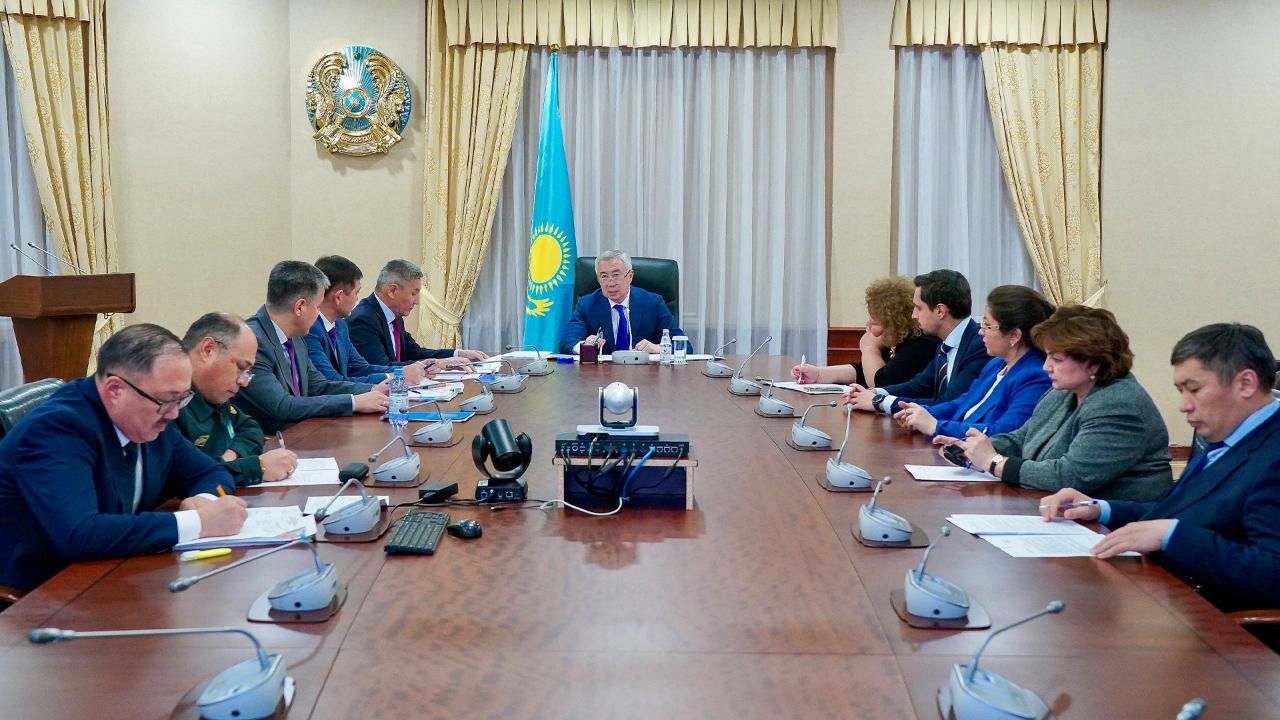
At a meeting chaired by Deputy Prime Minister Serik Zhumangarin, the Government considered proposals to reform the veterinary system.
The approaches presented by the Ministry of Agriculture to the creation of a sustainable and universally developed veterinary system are actually a continuation of the reform initiated in recent years in this area. The approaches are based on two key components — the complete identification of farm animals through the digital systems of EASU and ICI and the constant monitoring of the epizootic situation on the ground. Thanks to the phased measures taken in recent years, certain improvements have been achieved in the field of veterinary medicine — a decrease in such dangerous diseases as brucellosis, anthrax, pasteurellosis by 2.3 times compared to 2022, and by 28.5% from 2023. The welfare status of the World Organization for Animal Health has been restored in five regions of Kazakhstan and restrictions on meat exports to Russia, China, Turkey, and Belarus have been lifted. In the IC of Identification of farm animals (ICS), "VSE" modules have been created (control of movement, slaughter of animals and meat quality to the consumer), the function of controlling the issuance of quotas and export of animals in the "Processing Center" (control of the issuance of individual animal numbers) has been digitized. Next, it is planned to digitize import-export operations with subsequent traceability across the country, as well as organize traceability on the principle of "producer – processing – market – consumer".
At the same time, the existing logistical problems, low wages and qualifications of veterinarians, weak Internet coverage of veterinary facilities create serious barriers to building an effective veterinary system in the regions.
As noted by Vice Minister of Agriculture Amangali Berdalin, currently 75 veterinary stations (36% of the total) and 1,607 veterinary points (77% of the total) do not have separate buildings. More than 70% of the special equipment on the balance of veterinary stations and points is in poor condition. For example, in the village of Aksu, Almaty region, where anthrax was recently detected, the veterinary center was located in one office of the building of the akimat of the rural district, although it served more than 25.5 thousand heads of animals.
"With a large amount of work of a veterinarian, it is a household inspection of farms, inspection of animals, maintenance of a health insurance database, provision of public services, veterinary preventive and diagnostic studies and others, the salary of a veterinarian with higher education is 175 thousand tenge. Due to the lack of funds in the regions, veterinarians do not have the opportunity to improve their skills, which inevitably leads to errors in diagnosis, epizootic analysis and forecasting of the epidemic situation in the region," the Vice Minister noted.
Timely diagnosis and high—quality laboratory tests are the second component of the epizootic well-being of the country. Currently, there are 167 veterinary laboratories and 21 sample collection points in the country. Almost half of them require repairs, and 167 pieces of laboratory equipment are needed. All this is necessary to increase the level of ensuring the biological and food safety of the country. In addition, in the Mangystau and East Kazakhstan regions, due to the growth of road freight and through seaports, increased control over food and biological safety at the border, design and estimate documentation for the construction and repair of veterinary laboratories is being developed.
In order to strengthen veterinary control in the field, it is proposed, in addition to the existing veterinary departments in regions and cities of republican significance, to cascade the veterinary network until the creation of appropriate departments in district centers and cities of regional significance. This will strengthen control over the activities of veterinary and sanitary facilities in villages and villages (animal burial grounds, slaughterhouses, veterinary stations, etc.).
Source : https://www.gov.kz/memleket/entities/moa/press/news/details/876018