News
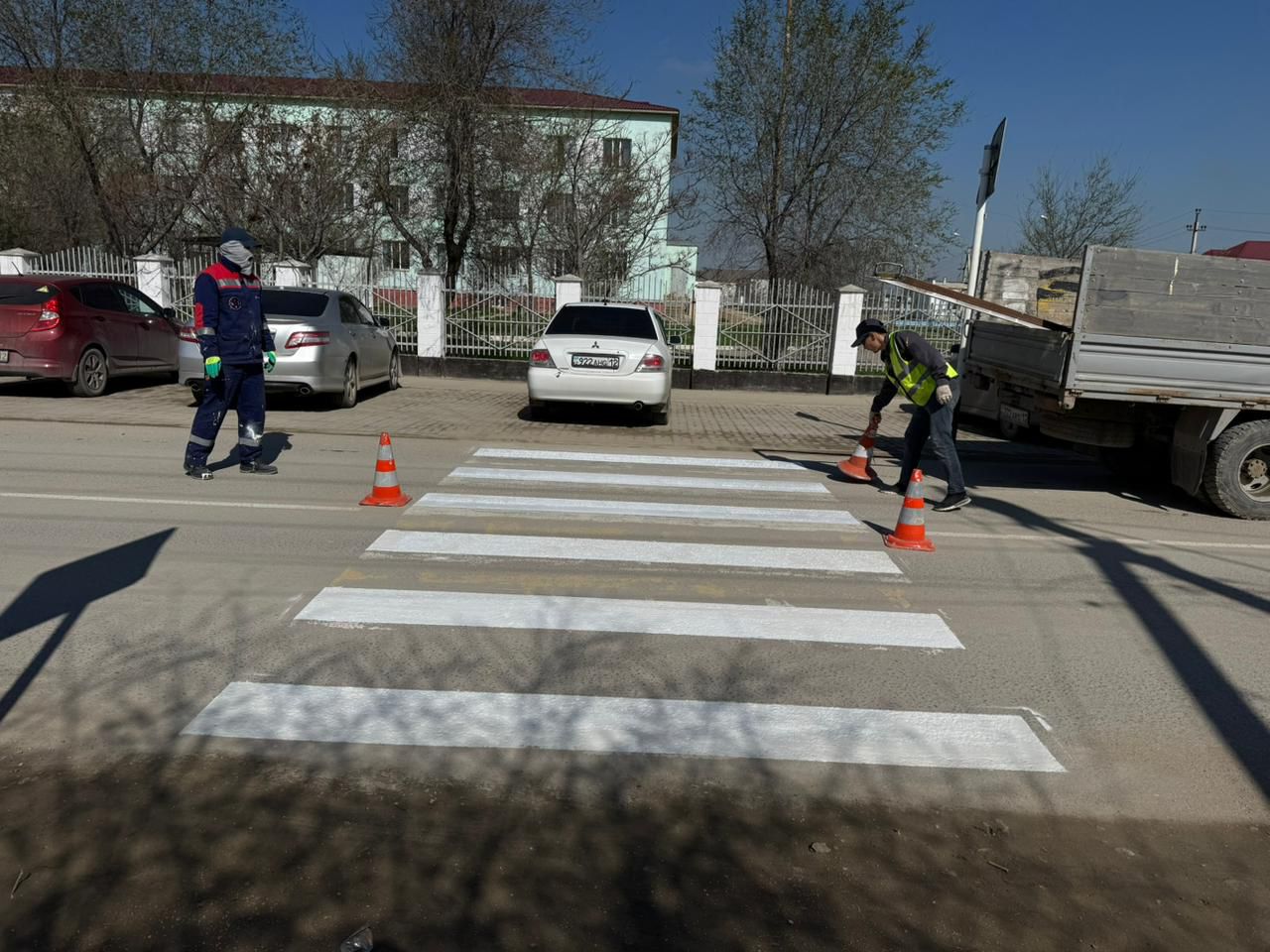
The pedestrian crossing lines have been redrawn. 02.04.2026
In the territory of the Baskuduk rural district, pedestrian crossing markings near kindergartens and schools have been renewed and redrawn in accordance with established standards to ensure road safety. The work carried out is aimed at improving children’s safety and preventing traffic accidents.Source : https://www.gov.kz/memleket/entities/mangystau-munaily-basqudyq/press/news/details/1192575?lang=kk
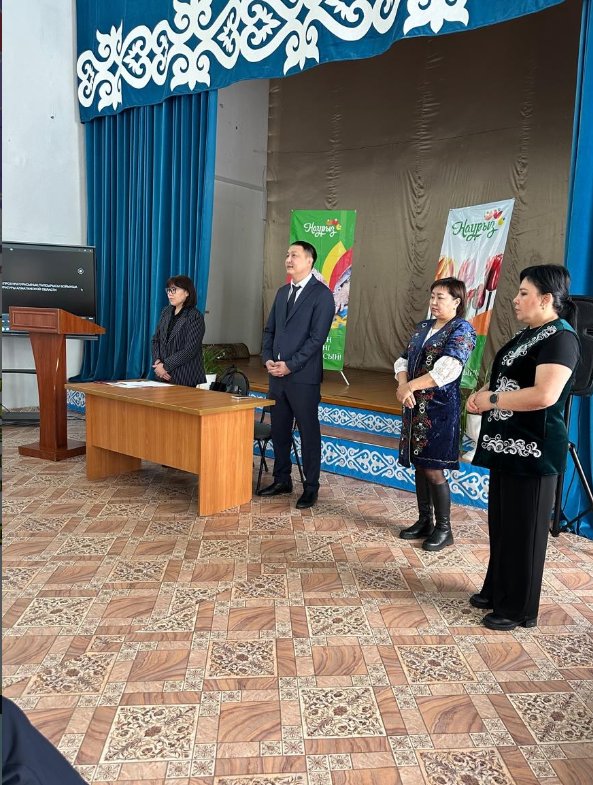
During the visit, he held a meeting with the staff and parents of the Koyanbay Secondary School, where they discussed the issue of declining student numbers. 02.04.2026
Measures were proposed to increase enrollment through the effective use of the pilot program "From City to Village".Also, after familiarizing himself with the school's material and technical base, the head instructed to prepare design and estimate documentation for the modernization of the heating system and the canteen.The working trip continued at Sosnovskaya Secondary School, where a preventive meeting was held with students in grades 5–11. During the meeting, students were explained the importance of rational use of time during the holidays.Furthermore, during a meeting with the teaching staff, issues of preparing students for the international MODA study using digital platforms, as well as enhancing teacher preparation for PBB, were discussed. Following the meeting, relevant instructions were given.Source : https://www.gov.kz/memleket/entities/beskaragay-roo/press/news/details/1192607?lang=kk
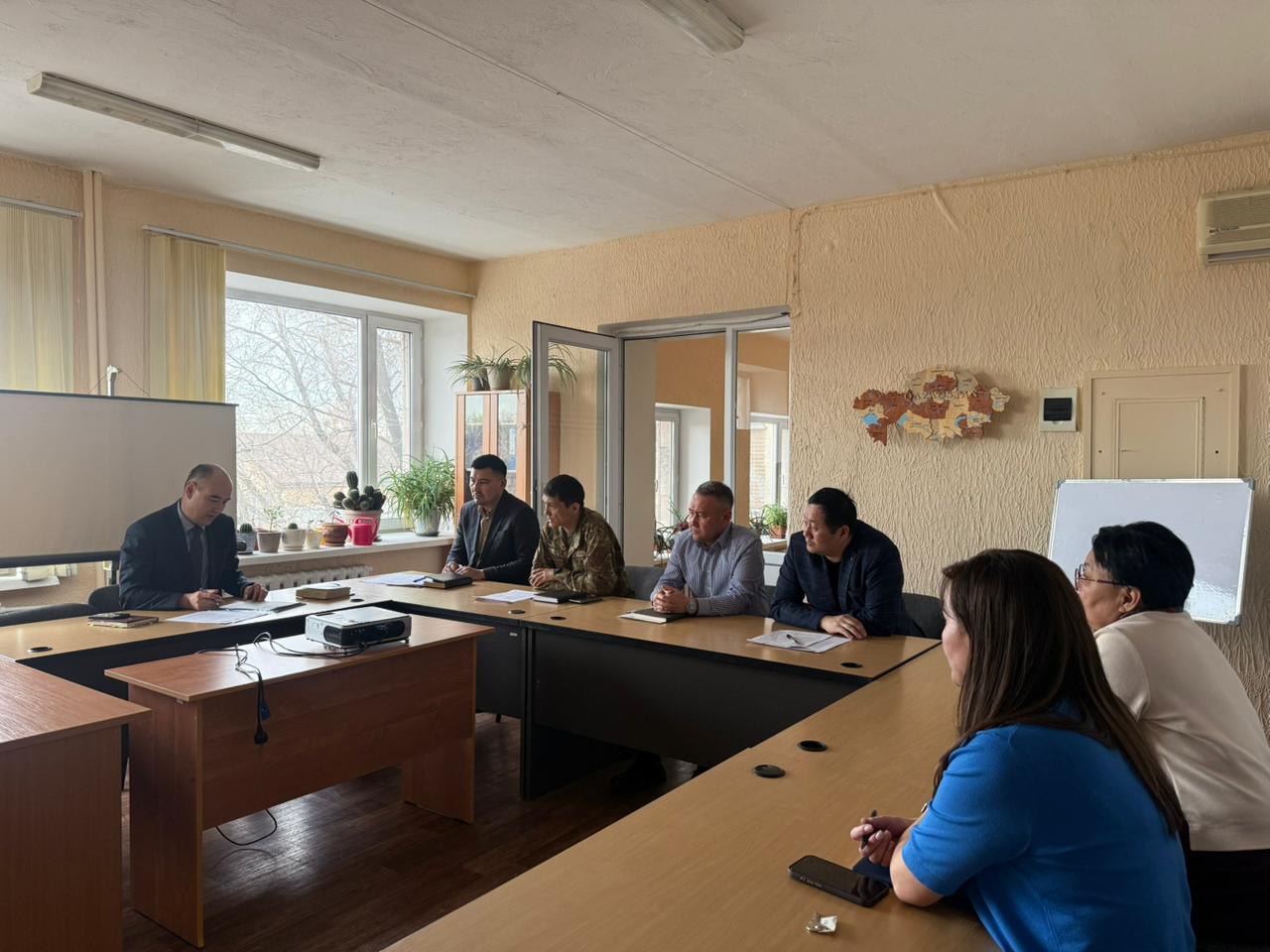
An Expert Council on Occupational Safety has been established: oversight of working conditions and the implementation of modern approaches will be strengthened in the Karaganda region 02.04.2026
As part of the implementation of the Occupational Safety and Health Concept in the Republic of Kazakhstan, and in accordance with paragraph 16 of the 2026 Plan of the Labor Inspection Department for the Karaganda Region, Order No. 11 dated March 17, 2026 established the Expert Council on Occupational Safety and Health.The first working meeting of the Expert Council, with its approved composition, was held on March 31, 2026.During the meeting, the following key issues were considered:compliance with labor legislation in the field of labor relations, occupational safety and health;implementation of a risk-based approach in assessing working conditions and occupational safety at enterprises.The work of the Expert Council is aimed at improving the level of occupational safety, preventing workplace injuries, and enhancing the occupational safety and health system in the region.Source : https://www.gov.kz/memleket/entities/karaganda-enbek/press/news/details/1192565?lang=kk
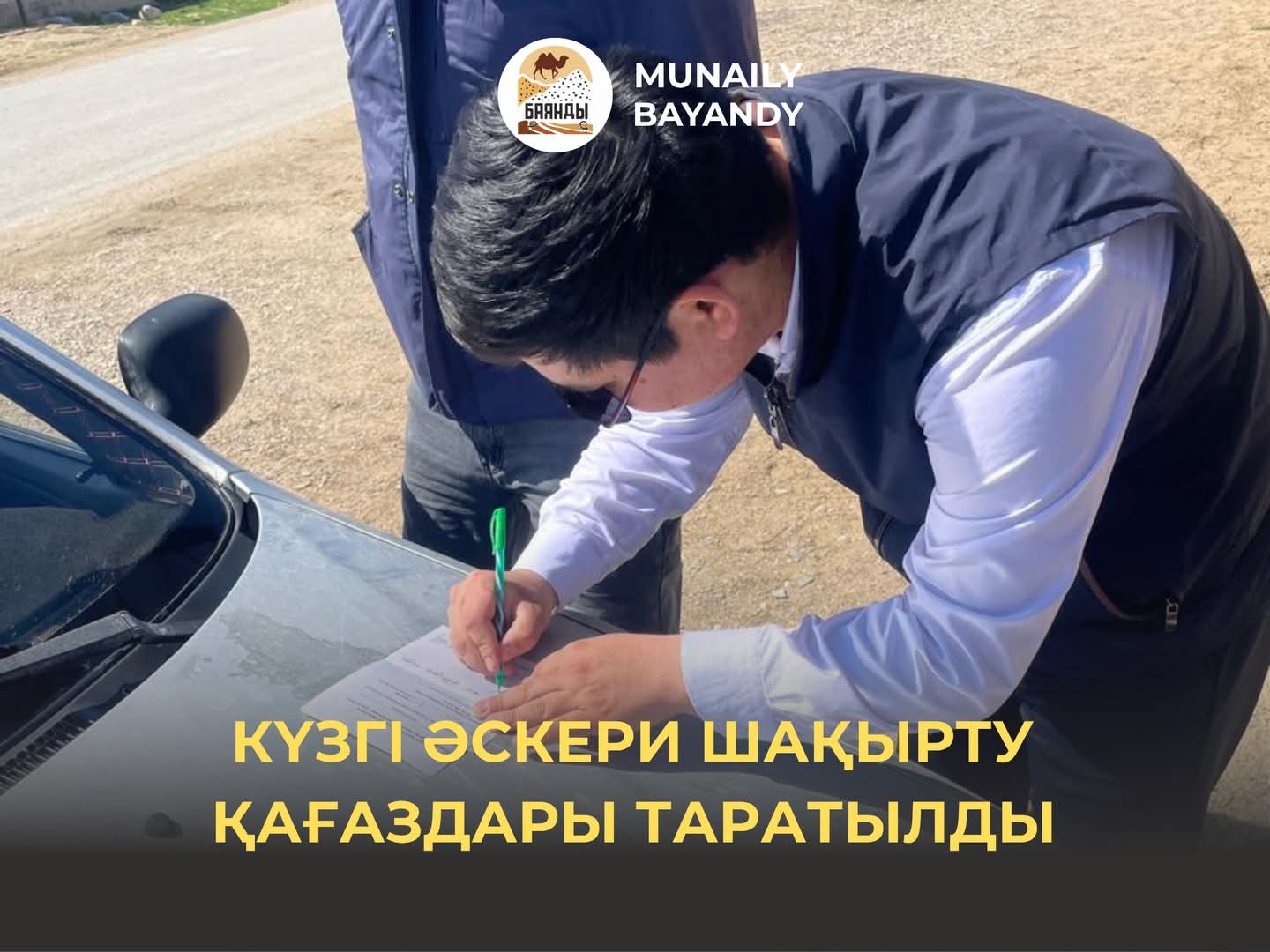
As part of the autumn conscription campaign for military service in 2026, work was organized in the village to distribute summonses to citizens and delivered to the appropriate addresses. 02.04.2026
As part of the autumn conscription campaign for military service in 2026, work was organized in the village to distribute summonses to citizens and delivered to the appropriate addresses.️ ️ The press service of the akim's office of Bayanda village.Source : https://www.gov.kz/memleket/entities/mangystau-munaily-bayandy/press/news/details/1192545?lang=kk
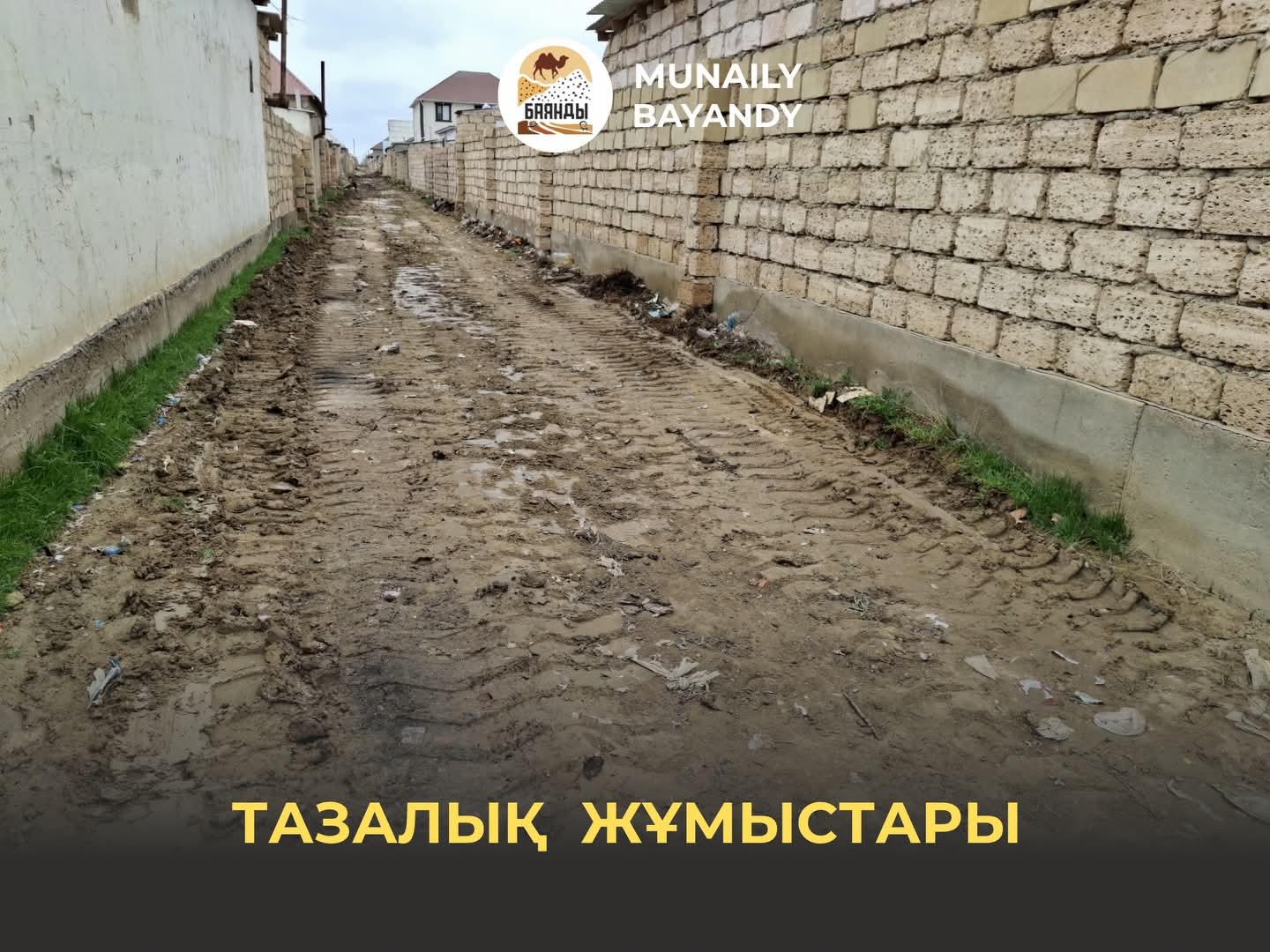
Work has been carried out to clean up household and other waste accumulated on fire routes (fire passageways) in the village. As a result, all fire-fighting access routes were completely cleared of debris and brought into a condition that meets safety requirements. ️ ️ The press service of the akim's office of Bayanda village. 02.04.2026
Work has been carried out to clean up household and other waste accumulated on fire routes (fire passageways) in the village.As a result, all fire-fighting access routes were completely cleared of debris and brought into a condition that meets safety requirements.️ ️ The press service of the akim's office of Bayanda village.Source : https://www.gov.kz/memleket/entities/mangystau-munaily-bayandy/press/news/details/1192550?lang=kk
Turnover and imports exempt from value added tax in the Eurasian Economic Union 02.04.2026
Dear taxpayers, the Office of VAT Administration within the EAEU informs.Sales turnover is exempt from value added tax:- works and services specified in Chapter 48 of the Tax Code of the Republic of Kazakhstan, if their place of sale is the Republic of Kazakhstan;- repair services for goods imported into the territory of the Republic of Kazakhstan from the territory of the EAEU member states, including its restoration and replacement of components.The documents confirming the provision of the services specified in this subparagraph are the documents provided for in paragraph 3 of Article 515 of the Tax Code of the Republic of Kazakhstan.The list of services specified in this subparagraph is approved by the authorized body.;- international communication services provided by a taxpayer of the Republic of Kazakhstan to a taxpayer of another EAEU Member State.Source : https://www.gov.kz/memleket/entities/kgd-mangistau/press/news/details/1192497?lang=kk
In Zhanakorgan, Defense Ministry personnel held meetings with schoolchildren and planted trees 02.04.2026
Source : https://www.gov.kz/memleket/entities/mod/press/news/details/1192482?lang=kk
Kazakhstan and the Republic of Korea Discussed the Development of Cooperation in the Customs Sphere 02.04.2026
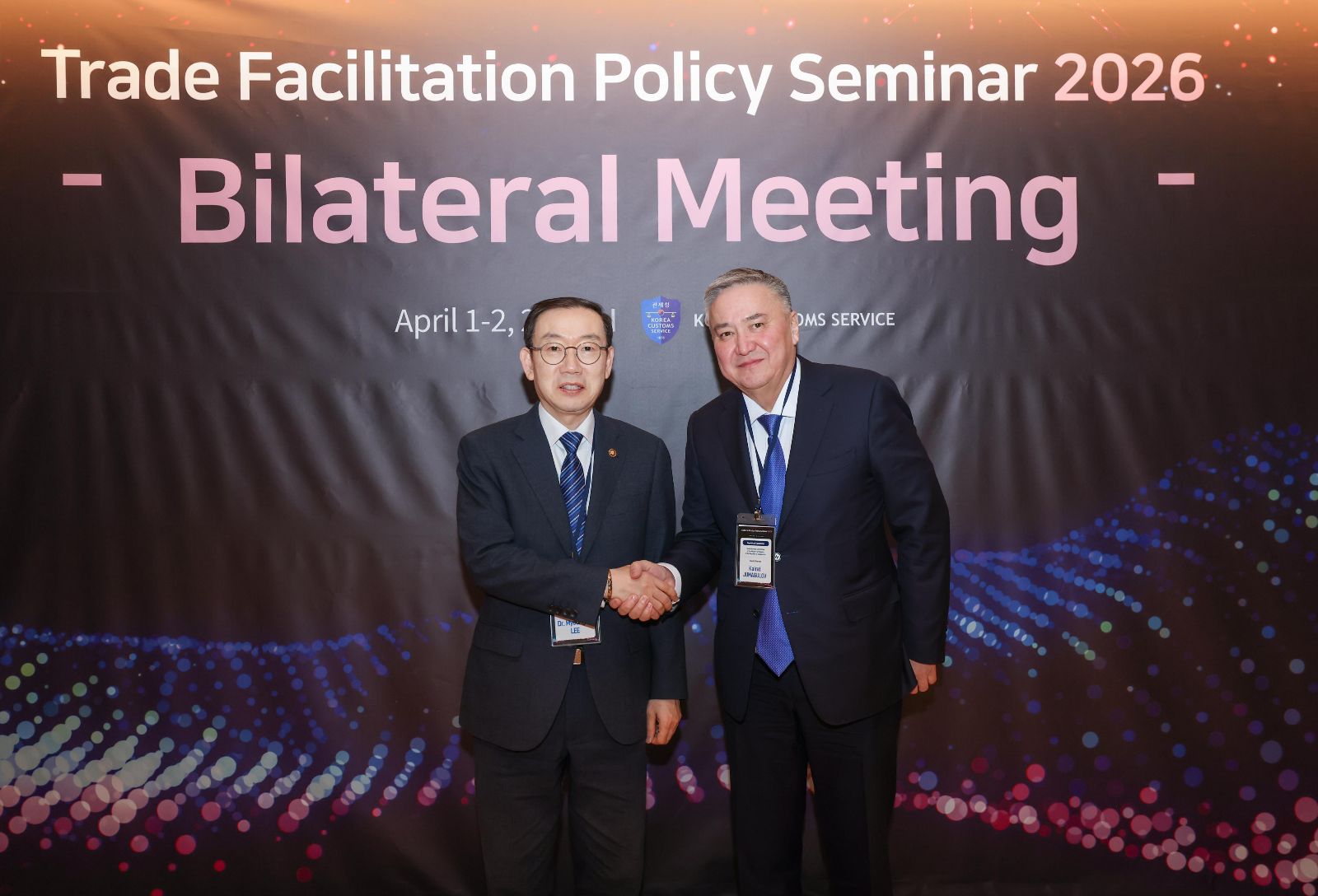
On April 1, 2026, on the sidelines of the Regional Seminar on Trade Facilitation Policy titled “Improving the Global Trade Ecosystem” held in Seoul, a bilateral meeting took place between Mr. Kairat Jumagulov, Deputy Chairman of the State Revenue Committee of the Ministry of Finance of the Republic of Kazakhstan, and Mr. Myeong-Gu Lee, Commissioner of the Korea Customs Service. The main objective of the meeting was to discuss the current state and future prospects for cooperation between the customs administrations of Kazakhstan and the Republic of Korea. During the discussions, the Kazakh side expressed its appreciation to the Korean partners for the high level of organization of the international seminar, highlighting the importance of such platforms for strengthening professional dialogue, exchanging experience, and developing joint solutions in the field of international trade facilitation. In turn, the Korean side emphasized Kazakhstan’s strategic role as a key transport and logistics hub in the Eurasian region, linking Asia and Europe. It was noted that the Republic of Korea is one of Kazakhstan’s important partners in trade, economic, and customs cooperation. In this regard, both sides reaffirmed their interest in maintaining regular dialogue and expanding practical cooperation in areas of mutual interest. Particular attention during the meeting was given to the digitalization of customs administration and the introduction of modern information technologies aimed at simplifying customs procedures. Following the meeting, the parties reached an agreement to further strengthen cooperation, including through the exchange of experience and the development of joint initiatives in digitalization and enhancing the efficiency of customs processes. The discussions confirmed the mutual interest of both sides in deepening Kazakhstan–Korea cooperation and marked an important step toward the development of a modern, technology-driven, and efficient customs system. Source : https://www.gov.kz/memleket/entities/kgd/press/news/details/1192463?lang=kk
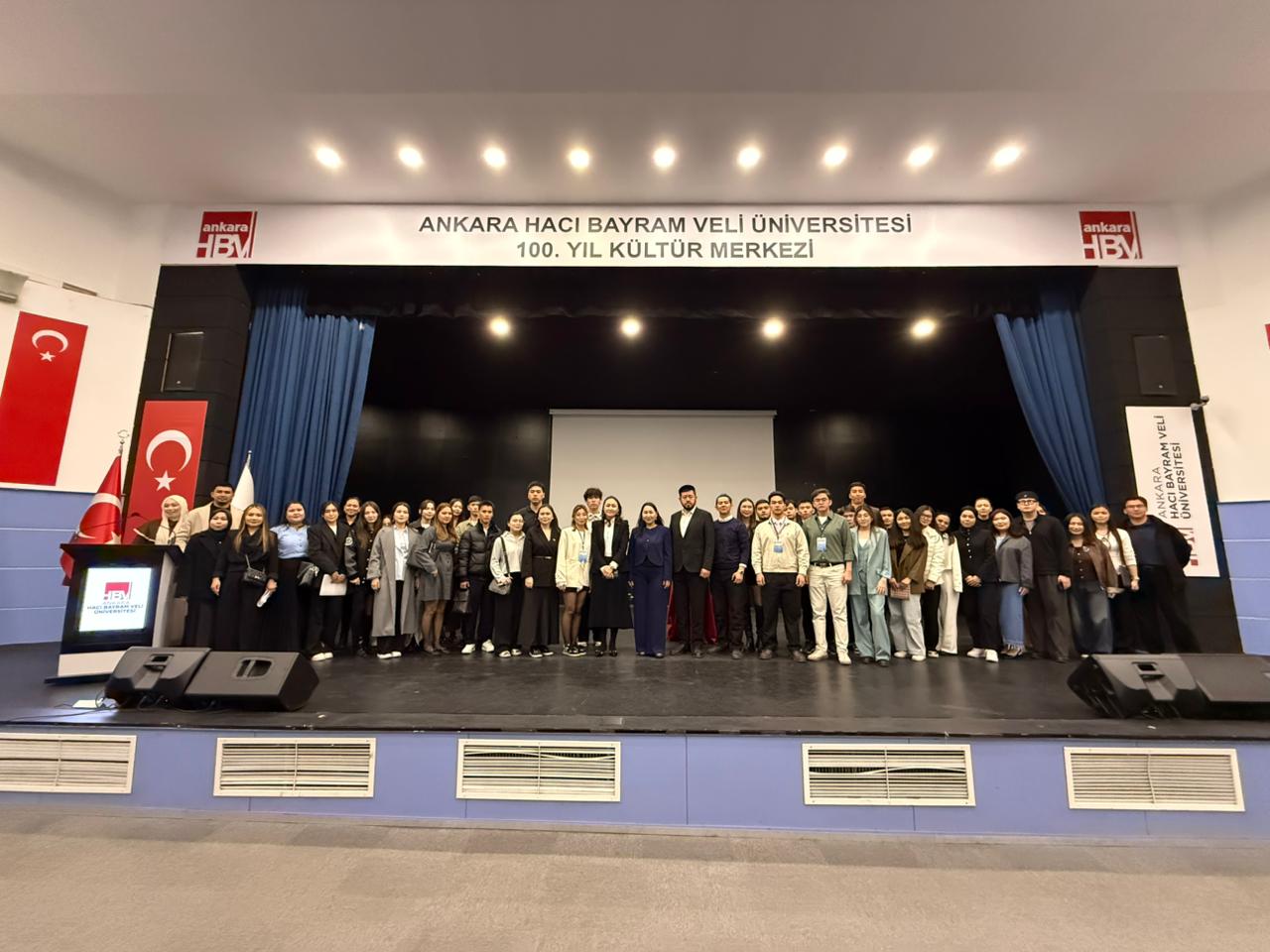
Kazakh Students Studying in Türkiye Unite at Intellectual Tournament 02.04.2026
Ankara, April 1, 2026 – Kazakh students studying in Türkiye came together for a large-scale student debate tournament held at a high level, titled the "Birlik Cup". The intellectual competition was organized under the coordination of the Embassy of Kazakhstan in Türkiye, as well as the Consulates General in Istanbul, Antalya, and Izmir.This initiative fully aligns with the course set by the President of the Republic of Kazakhstan, aimed at developing the intellectual potential of youth, promoting education and science, and fostering an active civic position. The tournament served as an important platform for shaping a generation of competitive young people capable of thinking in line with the demands of the modern era.The main goal of the debate tournament was to develop students' critical thinking, enhance their oratory skills, cultivate a culture of discussion, and strengthen mutual understanding and cooperation among young people. Participants demonstrated a high level of debating culture while discussing current social and international topics.A total of 12 fractions took part in the intellectual competition, with Kazakh students studying in Istanbul, Ankara, Karabük, and Eskişehir ranking among the best.The "Birlik Cup" tournament has established itself as a significant platform, making a substantial contribution to increasing the social activity of Kazakh students in Türkiye, developing their leadership and intellectual qualities, and strengthening unity and cooperation among compatriots abroad.Source : https://www.gov.kz/memleket/entities/mfa-ankara/press/news/details/1192472?lang=kk
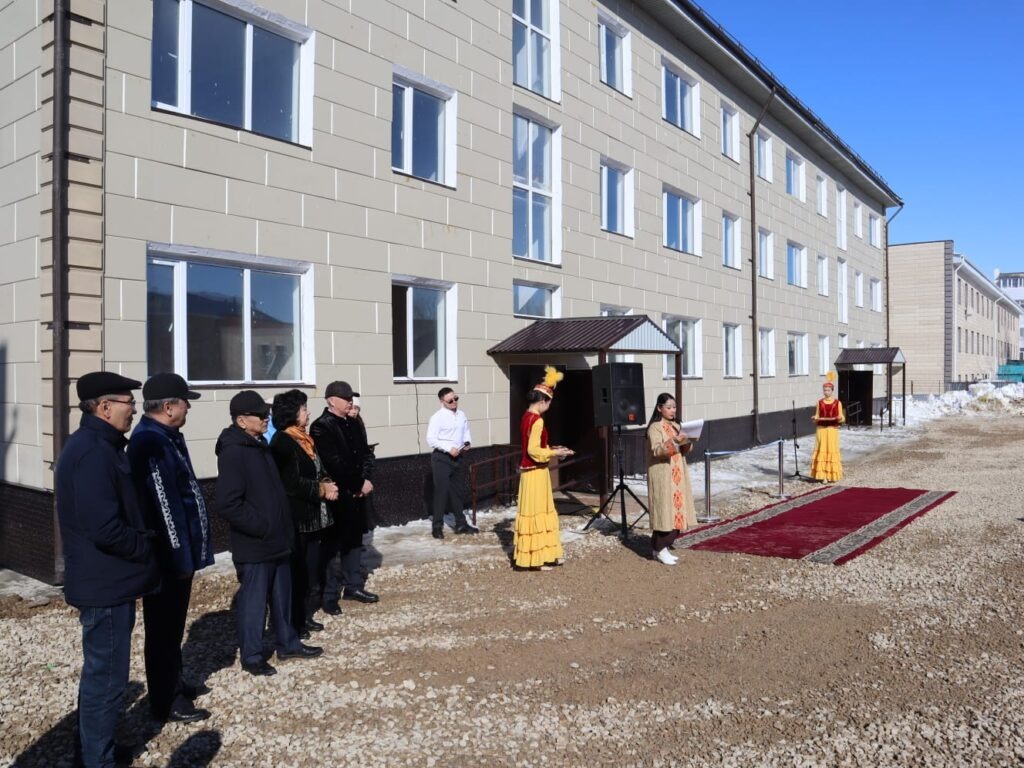
An 18-apartment residential building has been commissioned in Arkalyk 02.04.2026
In the city of Arkalyk, the work to provide housing for the population is consistently ongoing. This year, as part of the implementation of the instructions of the Head of State to support socially vulnerable segments of the population, another significant project has been realized.Thus, at the address 51 Shakshaka Zhanibek Street, an 18-apartment residential building has been commissioned, and families in need are already celebrating their housewarming.It is worth noting that work in this direction in the city is carried out in stages. In 2025, a 48-apartment residential building at 13 Baitursynov Street was renovated and transferred to socially vulnerable categories of citizens. In 2026, a 55-apartment residential building at 12 Baitursynov Street was also purchased for 983 million tenge and provided to families in need.The new apartment building has also been fully modernized in accordance with modern requirements. The facility was purchased for 281 million 967 thousand tenge with the aim of providing housing for socially vulnerable categories of citizens. The building includes 12 two-room and 6 three-room apartments.Source : https://www.gov.kz/memleket/entities/kostanay/press/news/details/1192474?lang=kk
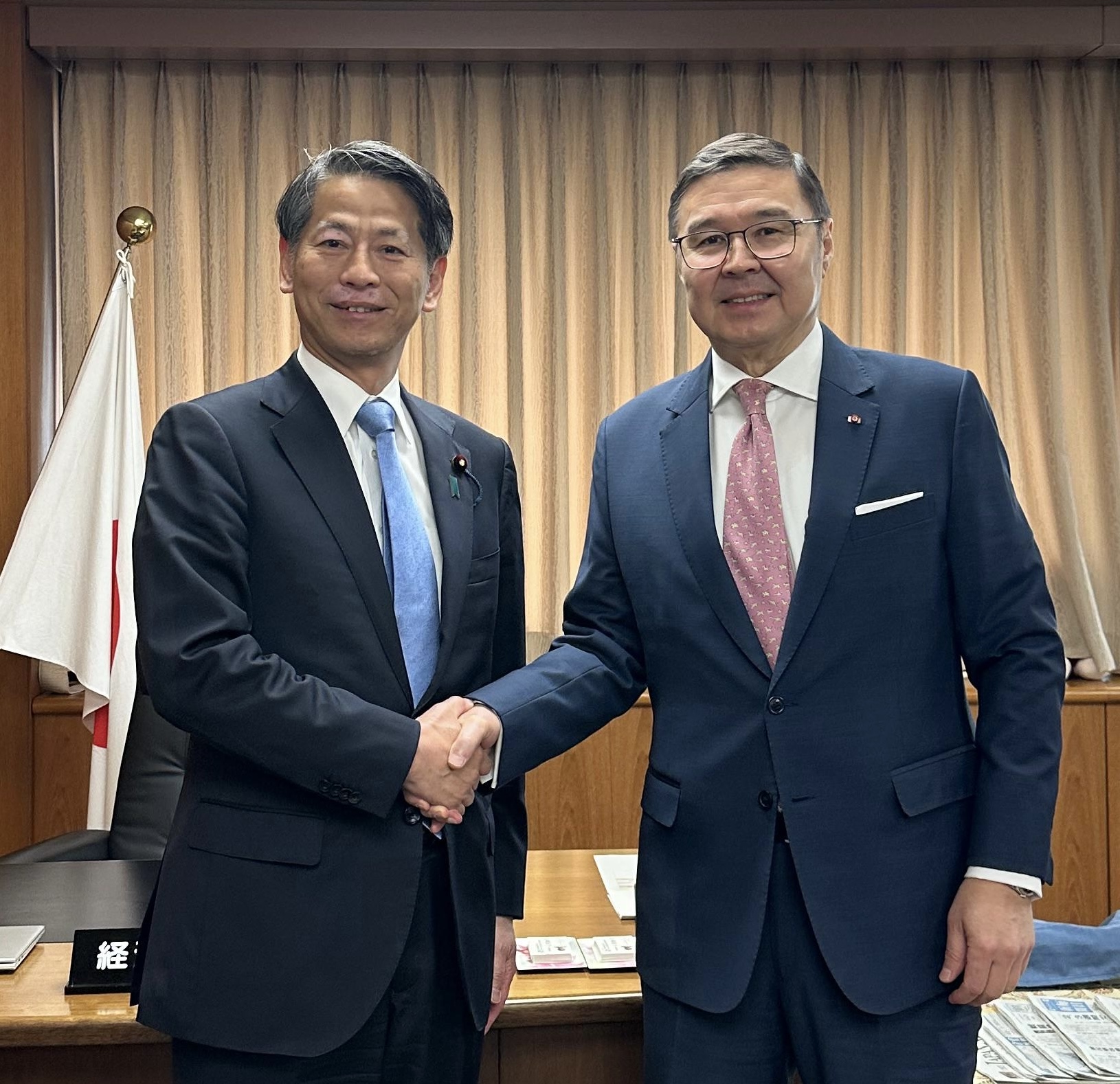
Japan’s State Minister of Economy Highlights Kazakhstan’s Key Role in Global Energy Security 02.04.2026
Tokyo, April 2, 2026 – Ambassador of the Republic of Kazakhstan to Japan Yerlan Baudarbek-Kozhatayev held a meeting with State Minister of Economy, Trade and Industry of Japan Kenji Yamada.The parties discussed the practical implementation of agreements reached during the official visit of President Kassym-Jomart Tokayev to Japan in December 2025.The interlocutors exchanged views on global energy security amid international instability and explored prospects for expanding cooperation in priority sectors, including energy, critical minerals, industrial cooperation, digitalization, transport and logistics. Kazakhstan’s growing role as a reliable partner for Japan in diversifying supply chains, strengthening economic security, and promoting sustainable transport routes was underlined at the meeting.Ambassador outlined topical issues of bilateral trade, economic and investment agendas, presenting promising projects.In his turn, K.Yamada confirmed Japan’s interest in holding the next meeting of the Joint Commission of the Government and Private Sectors of Kazakhstan and Japan on Economic Cooperation in Astana later this year.Source : https://www.gov.kz/memleket/entities/mfa-tokyo/press/news/details/1192479?lang=kk
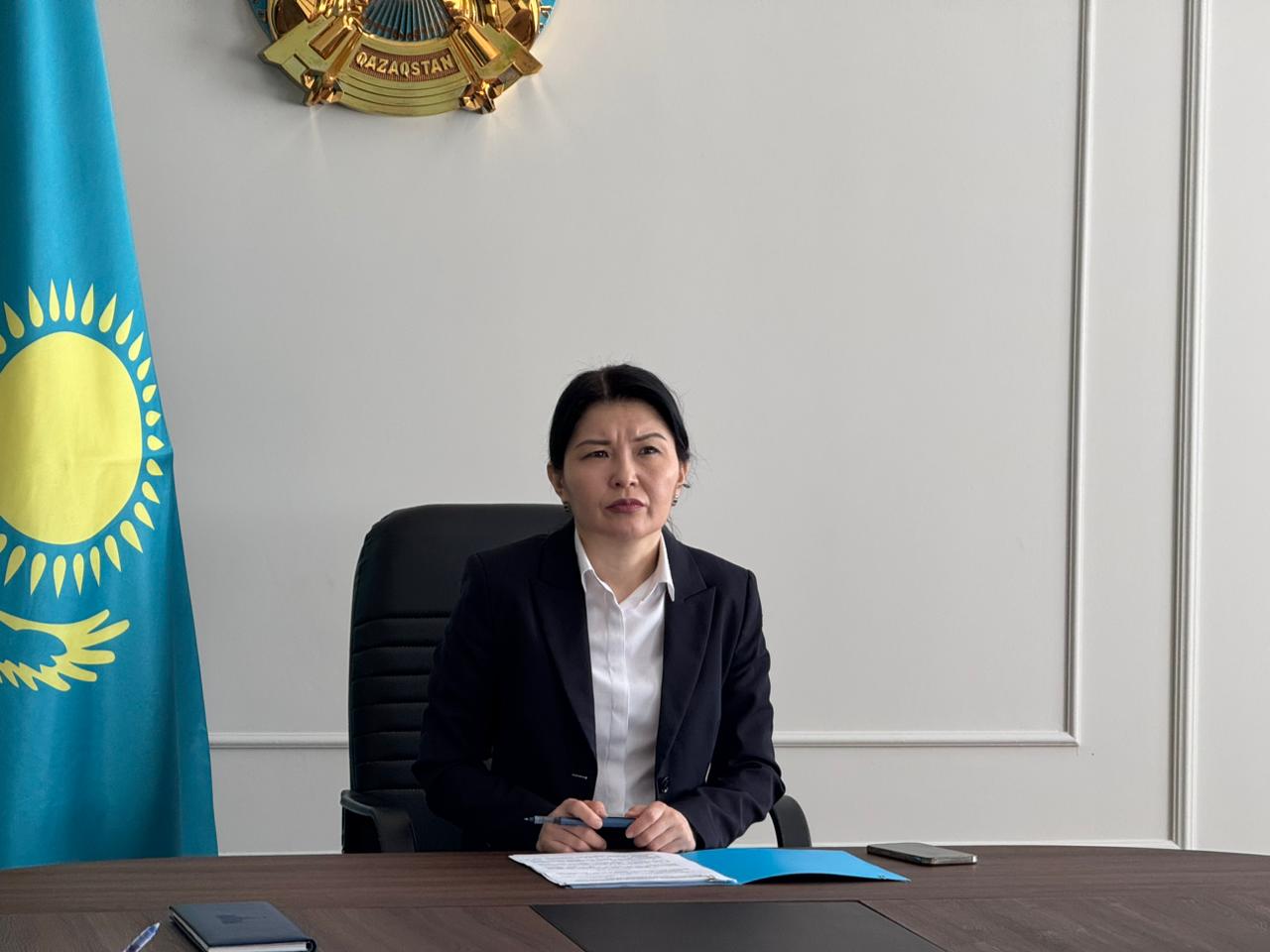
Interdepartmental meeting on phytosanitary safety, countering drug crime and compliance with ethical standards of public service 02.04.2026
On April 1 of this year, an interdepartmental meeting on phytosanitary safety, drug crime prevention and compliance with ethical standards of public service was held under the chairmanship of the akim of the district.During the meeting, the following reports were heard:— Deputy Akim of the district Koshchegulov Daulet Ospanovich on the issue of chemical treatments against harmful and especially harmful organisms;— Deputy Akim of the district Abzhanov Olzhas Amanbaevich on coordinating the activities of government agencies aimed at countering drug addiction and drug trafficking;— Chief of Staff of the akim of the district, Commissioner for Ethics Bocharnikova Olga Fridrikhovna on executive discipline and compliance with the norms of the Ethical Code of Civil Servants.Following the meeting, the information provided was taken into account. The participants were given relevant recommendations and instructions aimed at improving the efficiency of work in the designated areas.Source : https://www.gov.kz/memleket/entities/aqmola-zhaksy/press/news/details/1192449?lang=kk
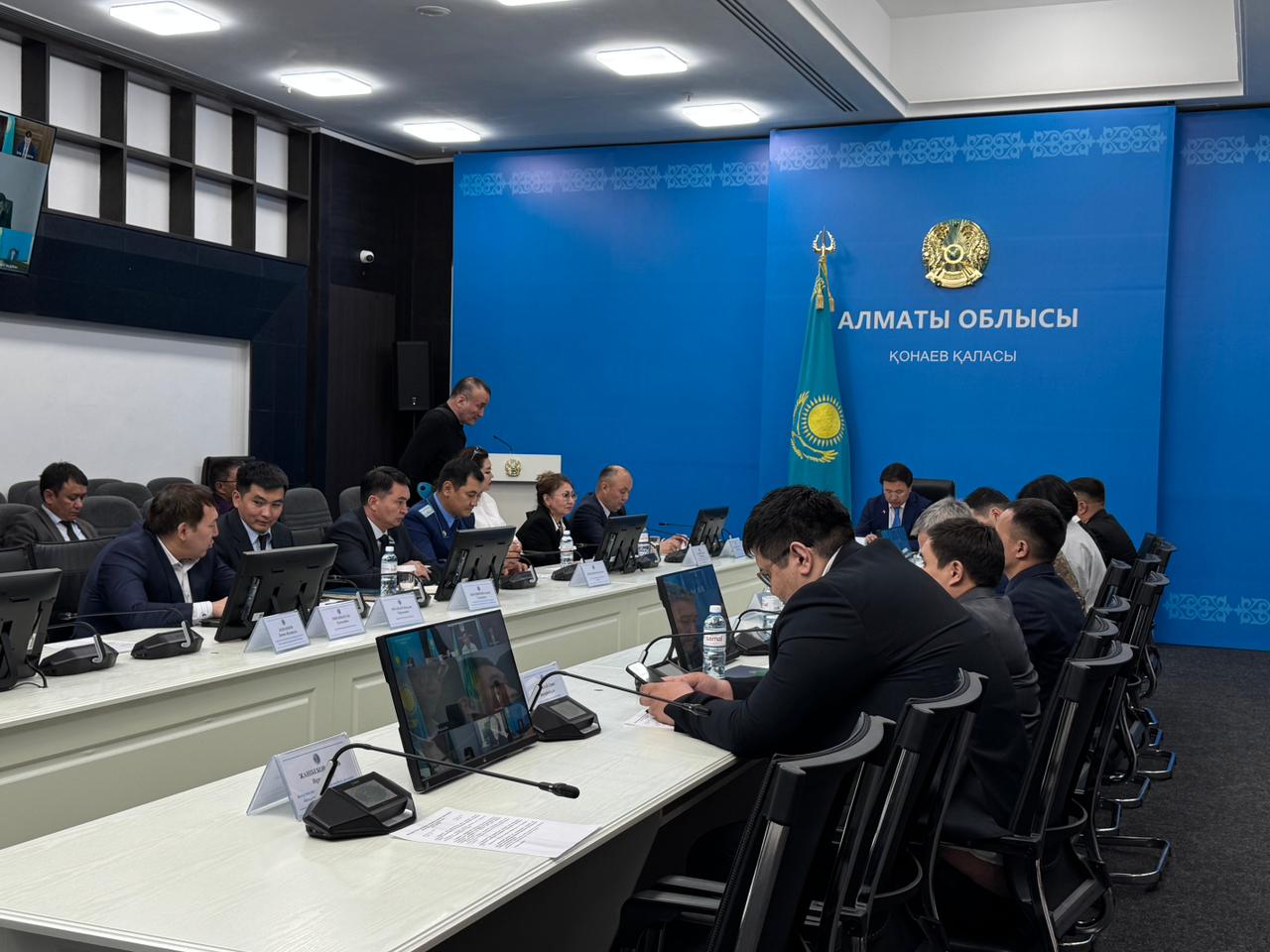
Coordination Council in the field of social protection 02.04.2026
Source : https://www.gov.kz/memleket/entities/almobl/press/news/details/1192455?lang=kk
How Kazakhstan is Preparing Its Resorts for the Influx of Tourists: From Rescue Stations to New Beaches 02.04.2026
Since the beginning of the year, issues related to the preparation for the summer tourist season have been under the постоянный контроль of the Ministry of Tourism and Sports of the Republic of Kazakhstan. In cooperation with local executive bodies (akimats) and relevant government agencies, systematic work is being carried out to ensure the readiness of the country’s key resort areas.As early as January of the current year, the Ministry, together with regional inspectors from the Government Office and sectoral state bodies, conducted inspections of six priority tourist destinations — the Abai, East Kazakhstan, Almaty, Zhetysu, Akmola, and Karaganda regions. Following the monitoring results, the regions are implementing comprehensive measures aimed at enhancing safety, developing infrastructure, and improving service quality.The Ministry of Tourism and Sports notes that the measures being implemented cover key areas of industry development — from safety and engineering infrastructure to logistics and service. Their implementation will ensure comfortable and safe conditions for visitors and increase Kazakhstan’s attractiveness as a tourist destination.Source : https://www.gov.kz/memleket/entities/aqmola-tourism/press/news/details/1192443?lang=kk
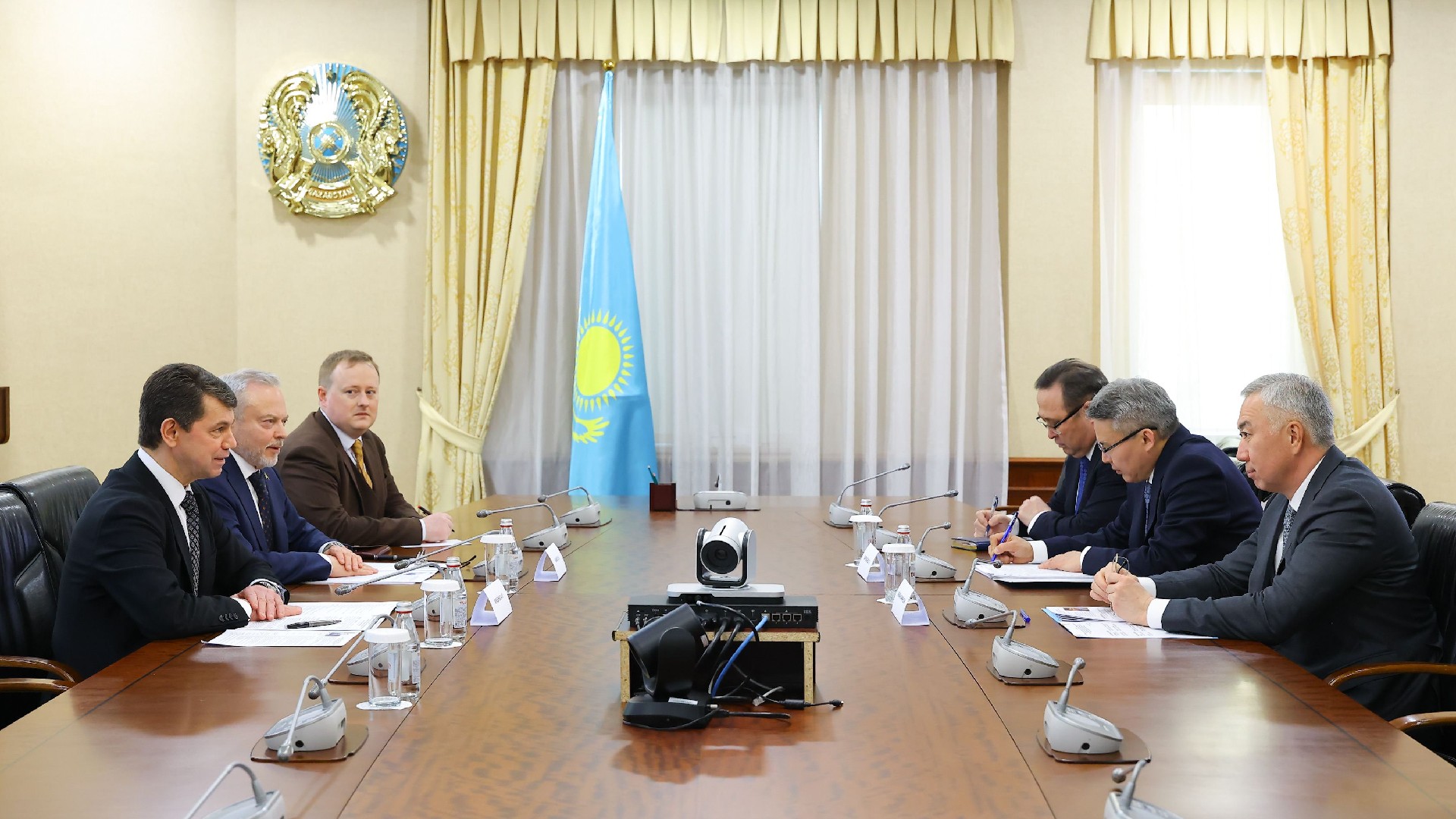
Серик Жумангарин провел встречу с заместителем министра иностранных дел Украины 02.04.2026
Заместитель Премьер-министра – министр национальной экономики Республики Казахстан Серик Жумангарин встретился с заместителем министра иностранных дел Украины Александром Мищенко.Стороны обсудили перспективы развития торгово-экономического сотрудничества, а также возможности возобновления деятельности Межгосударственной комиссии по торгово-экономическому сотрудничеству.Одним из ключевых направлений взаимодействия между странами остается агропромышленный комплекс. Отмечено, что молочные хозяйства нескольких казахстанских регионов на протяжении нескольких лет сотрудничали с Ассоциацией производителей молока Украины по поставкам племенного молочного скота, повышению квалификации казахстанских специалистов в области управления молочно-товарными фермами.За 2025 г. товарооборот между Казахстаном и Украиной составил $415,8 млн, что на 5,4% больше, чем в 2024 г. ($394,3 млн). Основными товарами экспорта из Казахстана в Украину являются ферросплавы, удобрения, рис и другие товары. В структуре импорта – шоколад и другие продукты с содержанием какао, мучные и кондитерские изделия, лекарственные средства, сыры, творог и другие.По итогам встречи стороны договорились активизировать деловые контакты, проработать вопрос возобновления деятельности МГК, а также расширить сотрудничество в приоритетных секторах, прежде всего, в агропромышленном комплексе. Source : https://www.gov.kz/memleket/entities/economy/press/news/details/1192448?lang=kk
How to get a license to sell alcoholic beverages in 2026 02.04.2026
The Department of State Revenue for the Mangystau region informs that from January 1, 2026, in accordance with the new Tax Code of the Republic of Kazakhstan, payment for the use of a license for certain types of activities is excluded.In this case, the license fee is paid once upon receipt of the license. Applying for and obtaining a license:through the E—Government portal - www.egov.kz(http:// elicense.kz ) Who issues the license:- Department of State Revenue The procedure for paying the license fee:- calculated according to the established rates- paid before submitting documents KBK: 105402 "License fee" The amount of the fee (art. 616 of the Tax Code of the Republic of Kazakhstan):- Capital, cities of national importance, regional centers — 100 MCI- Other cities and towns — 70 MCI- Rural settlements — 30 MCI Required documents (in electronic form):- Application- A copy of the document confirming the payment of the license fee- A copy of the lease agreement or gratuitous use of the premises- Information on compliance with qualification requirements Important:The premises must be located outside the territories:- healthcare organizations- educational institutions- sports facilities- gas stations- trading markets- cultural and leisure organizations All documents are submitted in electronic format. (Unofficial translation)Source : https://www.gov.kz/memleket/entities/kgd-mangistau/press/news/details/1240778?lang=ru
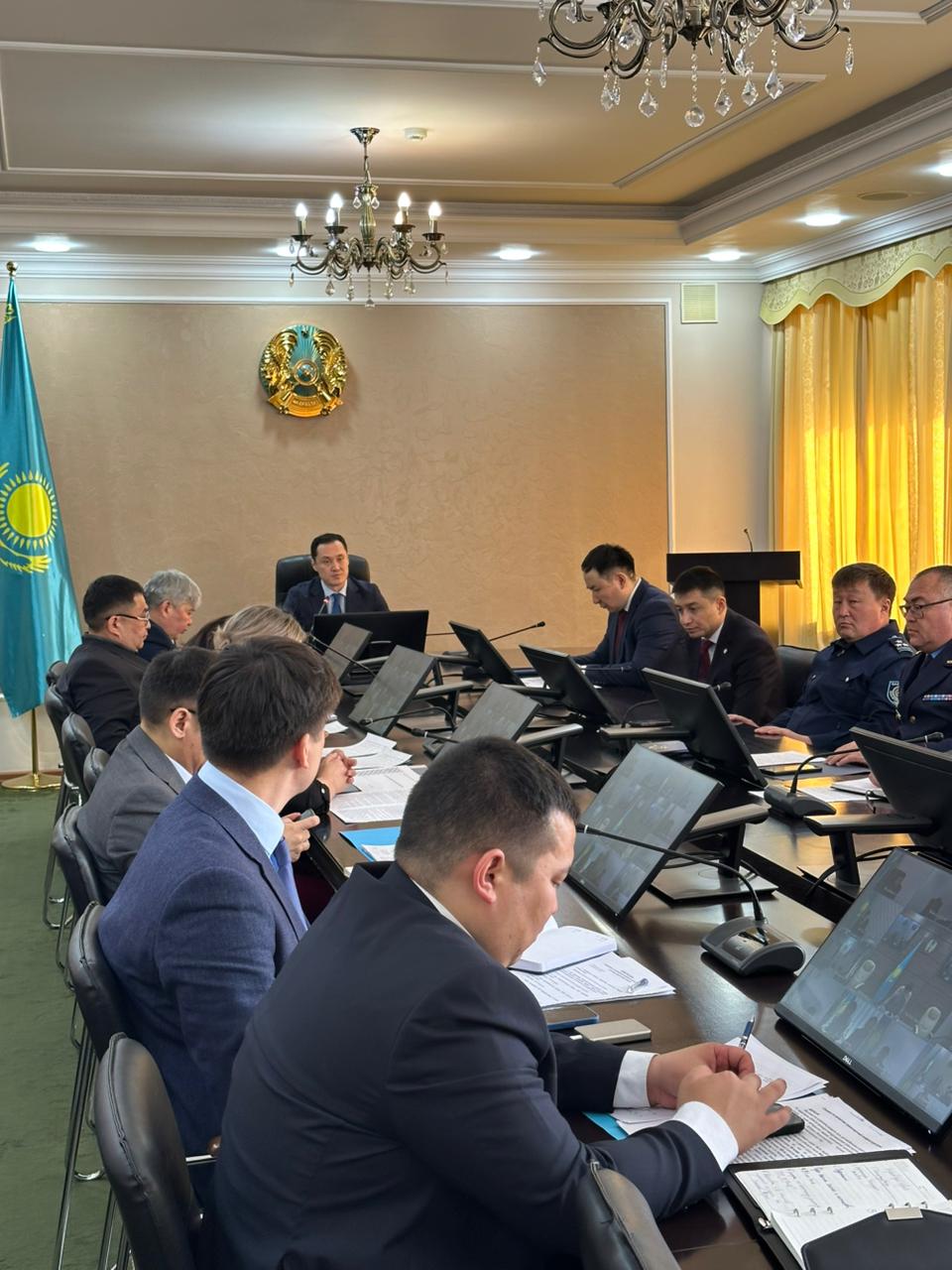
A meeting was held to discuss the readiness of resort areas in the Akmola Region for the upcoming summer season 02.04.2026
A meeting on the preparation of resort areas for the forthcoming summer tourist season was held in the Akmola Region, chaired by Deputy Akim of the region, Yernar Zharkeshov.In 2025, the domestic tourist flow to the Akmola Region exceeded 1.5 million visitors, and in the current season, it is expected to increase to 1.8 million.During the meeting, key areas of readiness were thoroughly reviewed, including sanitary conditions, tourism infrastructure, safety, and service quality.Special attention was given to the sanitary condition of public recreation areas.The most important and immediate priority at present is the identification and preparation of mass recreation areas near water bodies, particularly beach zones, ensuring their compliance with established standards by May 1.In the lead-up to the season, efforts on environmental clean-up will be intensified. To maintain cleanliness in areas with high tourist traffic during the summer period, it is planned to increase the frequency of waste collection to 6–7 trips per day, expand the number of containers and bins, and strengthen the workforce responsible for maintenance and landscaping.During the summer tourist season, uninterrupted 24/7 operation of public sanitary facilities will be ensured at the most visited locations within resort areas, with regular servicing and proper maintenance of sanitary conditions.A pressing issue remains the elimination of traffic congestion in the Burabay resort area. In this regard, instructions were given to take prompt measures to optimize the operation of checkpoints, including increasing their capacity, redistributing traffic flows, and improving traffic management to reduce congestion during peak periods.A separate focus was placed on the development of roadside services and the improvement of mobile network quality. It was поручено ensure stable coverage throughout resort areas.Specific instructions were given to responsible government bodies and services across all направлениям. Ensuring full readiness of resorts for the start of the tourist season has been placed under special control.The main objective is to create comfortable, safe, and modern conditions for tourists by ensuring coordinated work among all involved stakeholders.Source : https://www.gov.kz/memleket/entities/aqmola-tourism/press/news/details/1192436?lang=kk
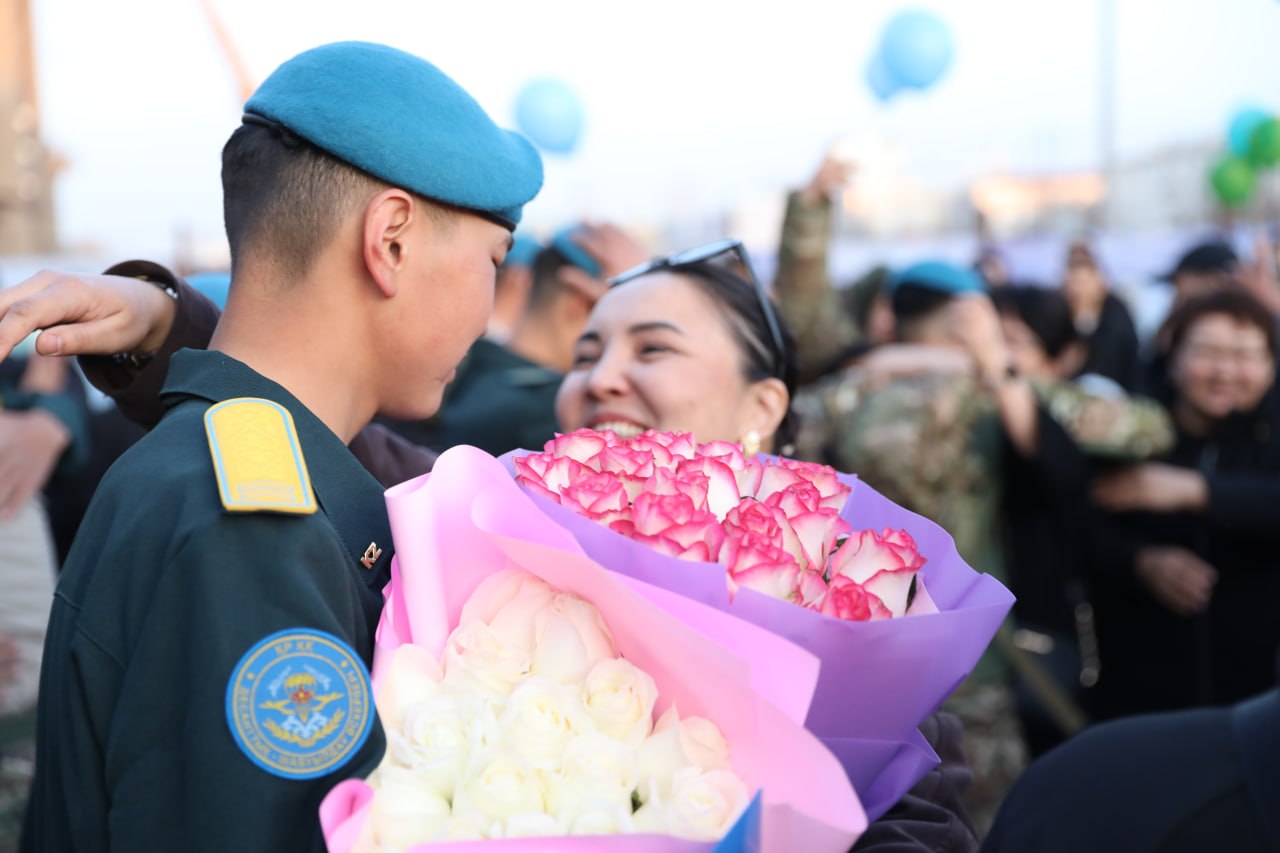
Astana solemnly welcomed retired paratroopers 02.04.2026
Source : https://www.gov.kz/memleket/entities/mod/press/news/details/1192402?lang=kk
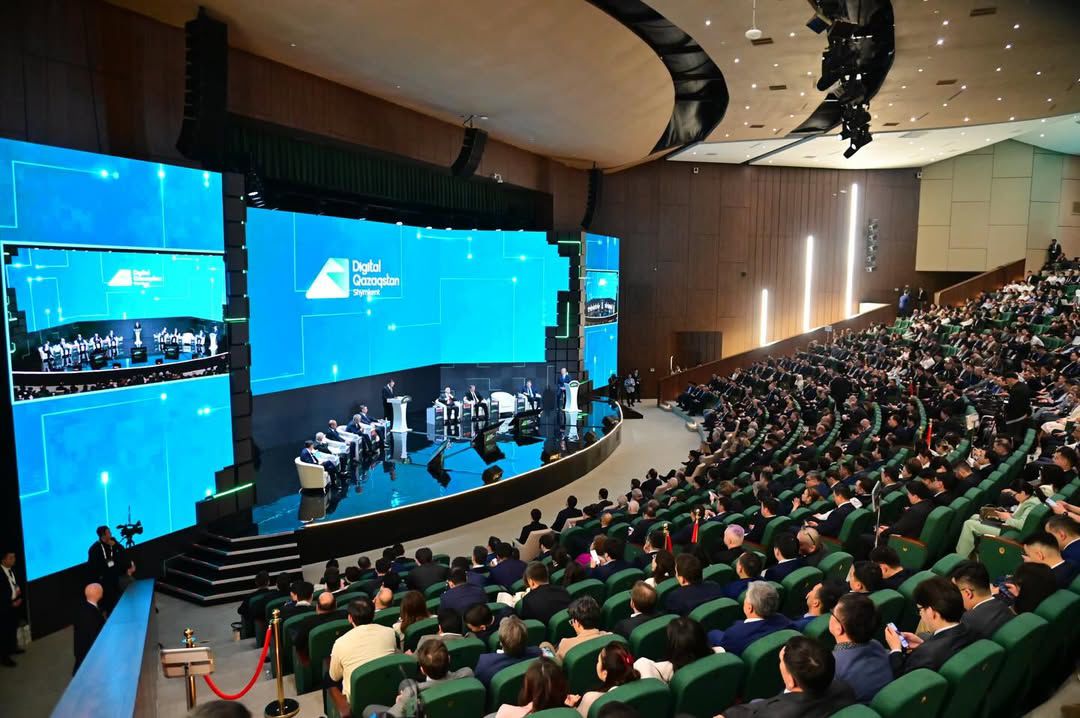
В Шымкенте прошел форум международного уровня Digital Qazaqstan 2026. 02.04.2026
Главная тема форума-Industry 5.0. Это направление основано на сочетании человека и технологий, что открывает путь к развитию искусственного интеллекта и цифровых решений.На этом форуме были организованы пленарные заседания, IT-выставки, хакатоны и Decentrathon 5.0.Как отметил Премьер-Министр Олжас Бектенов, эта площадка открывает двери для новых технологий и идей.Данная инициатива позволит развивать цифровую экосистему страны, поддерживать инновационные проекты и формировать новый импульс в сфере IT.Source : https://www.gov.kz/memleket/entities/shymkent-sandyk/press/news/details/1192393?lang=kk
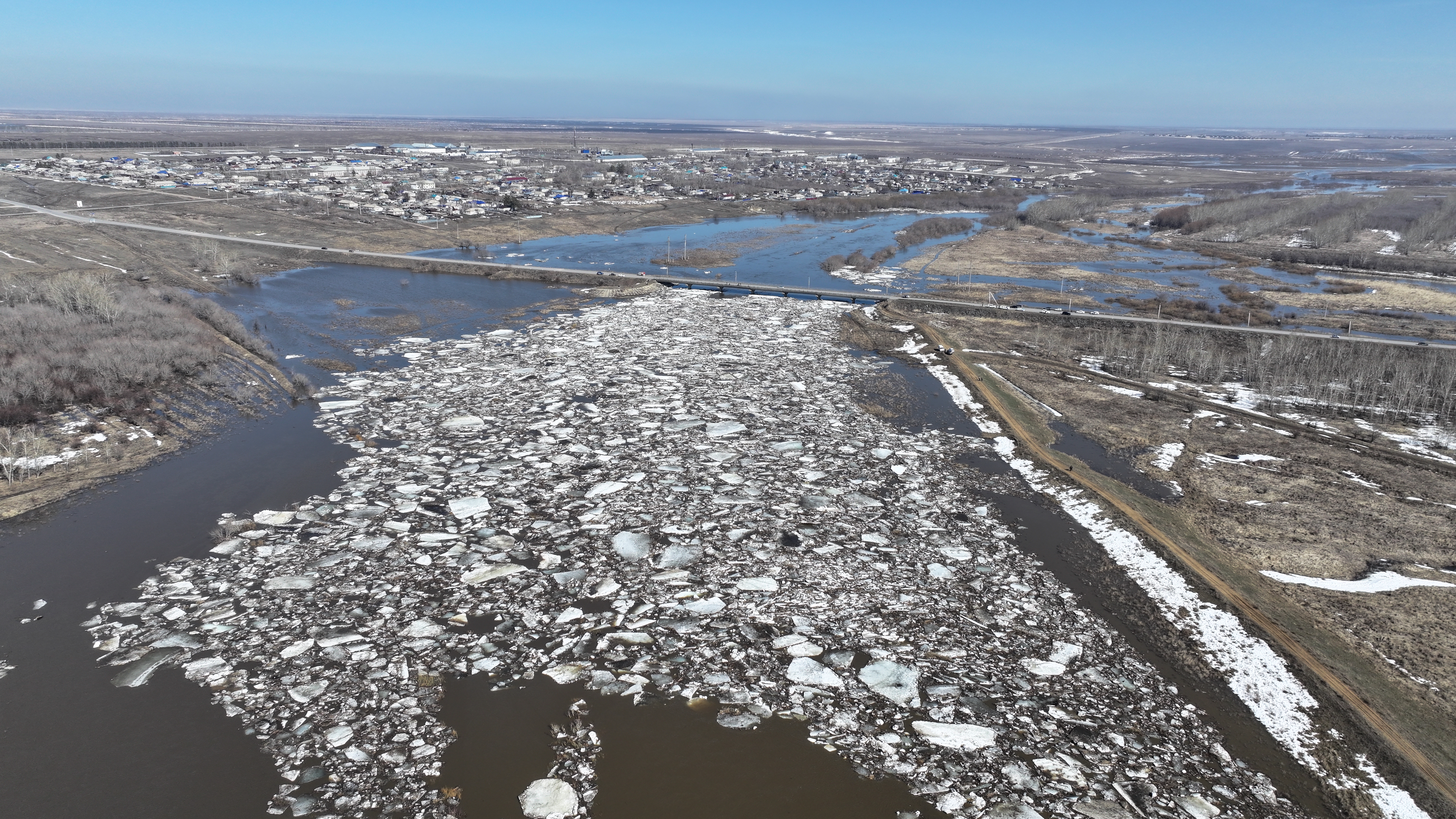
Beimbet Mailin district: there is no threat of flooding 02.04.2026
Akims of the Kostanay region, Kumar Aksakalov, visited the villages of Ayet and Varvarinka in the Beimbet Maylin district during a working trip, where he familiarized himself with the progress of flood control measures.To protect the region's settlements from floods, measures have been carried out for bank reinforcement works, the construction and strengthening of protective embankments, the building of diversion channels, and the erection of earth fills. Work continues to prevent potential flooding. Not a single household in the region has been flooded.As of today, the total water volume in the two major reservoirs is at 70% capacity (939.51 million m3), against a standard of 1.4 billion m3.A task force of 2,815 personnel, 392 units of equipment, 123 watercraft units, and 336 motor pumps has been designated for flood and inundation response.Since the beginning of March this year, water passage structures have been cleared. Round-the-clock duty has been organized in flood-prone areas.The flood situation is under special control.In the Beimbet Maylin district, two ice jams were observed on the Ayet River: the first in the village of Ayet, the second in the village of Mayskoye.Thanks to the riverbed clearing and deepening works carried out last year, as well as the preventive measures this year, ice drift began on both sections of the Ayet River by the evening of April 1, and water flow was restored.The peak of the high-risk period has passed. The situation is stable, and there is no cause for concern. Source : https://www.gov.kz/memleket/entities/kostanay/press/news/details/1192361?lang=kk