Regarding the New Draft Constitution of the Republic of Kazakhstan
07.02.2026 08:02:50 4111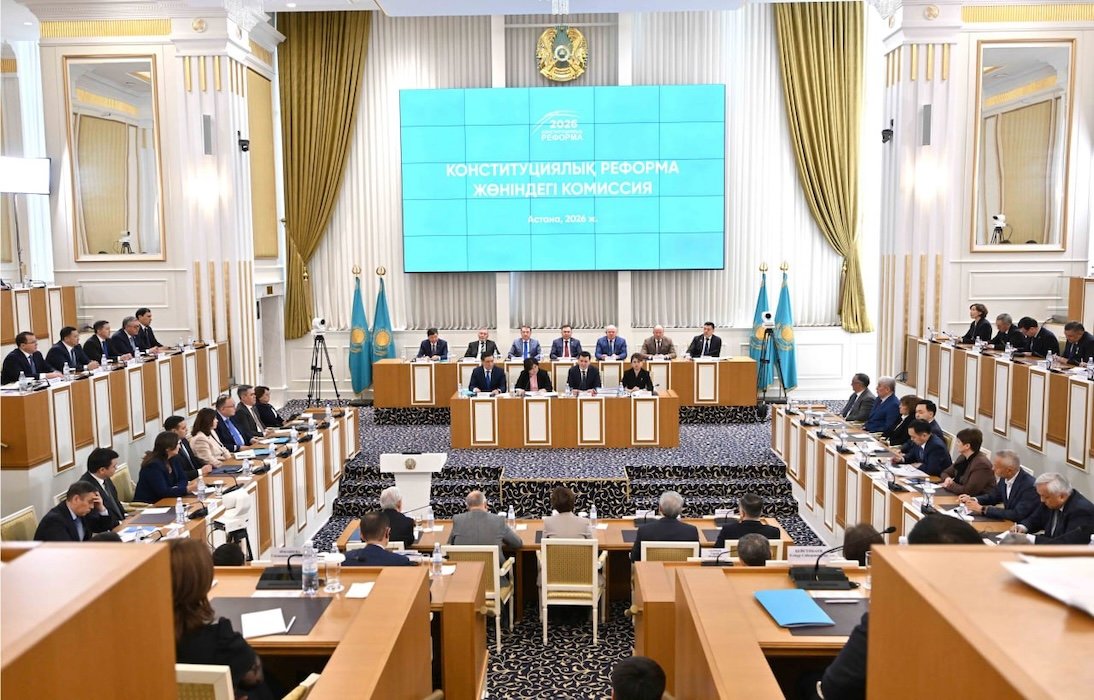
The Constitutional Court of the Republic of Kazakhstan has published the draft of a new Constitution on January 31, following an extensive constitutional reform process initiated by President Kassym-Jomart Tokayev.
The draft was formed following the discussions and debates among the members of the Constitutional Commission on the basis of the numerous proposals and suggestions received from the Kazakh society.
The reform marks a transition from targeted amendments to a comprehensive constitutional transformation, reflecting changes across the political system, governance model, and the state’s value framework. The final decision on adopting the new Constitution will be taken by citizens through a nationwide referendum.
Changes in the institutional and political system will affect the parliamentary system, the executive branch, and a new consultative body will be created.
It is planned to create a unicameral parliament (Kurultai), consisting of 145 deputies (members of parliament), who will be elected according to a proportional electoral system with a term of five years, and the powers of parliament will be expanded.
The new Consultative body presupposes the creation of the People's Council of Kazakhstan, the Highest national consultative body that will represent public interests and will be granted the right of legislative initiative.
In the executive branch, the institution of Vice President will be introduced. The Vice President will act on behalf of the President in engagement with domestic and foreign socio-political, scientific, cultural, and educational organisations.
The draft Constitution significantly strengthens legal safeguards and procedural rights.
The draft Constitution reflects Kazakhstan’s evolving political system, social priorities, and international standing. The new Constitution places human rights and freedoms at the center of the state’s constitutional framework.
Besides, the Constitution redefines the long-term development trajectory of the state by identifying education, science, culture, and innovation as central constitutional priorities. Digital transformation is explicitly addressed. For the first time, constitutional protection of citizens’ rights in the digital environment is introduced.
The new Constitution reinforces the secular nature of the state, clearly separating religion from government and affirming the secular character of education and upbringing. The Basic Law will include measures to protect traditional values and strengthen the legal protection of women's rights.
In general, the new text is positioned as an evolution, reflecting institutional maturity, accumulated international credibility, and a forward-looking governance model.
Constitutional Commission will continue its debates.
Background: The constitutional reform was launched following the President’s proposal, announced on 8 September 2025 in his annual Address to the Nation, to establish a unicameral Parliament as part of a broader political system reset.
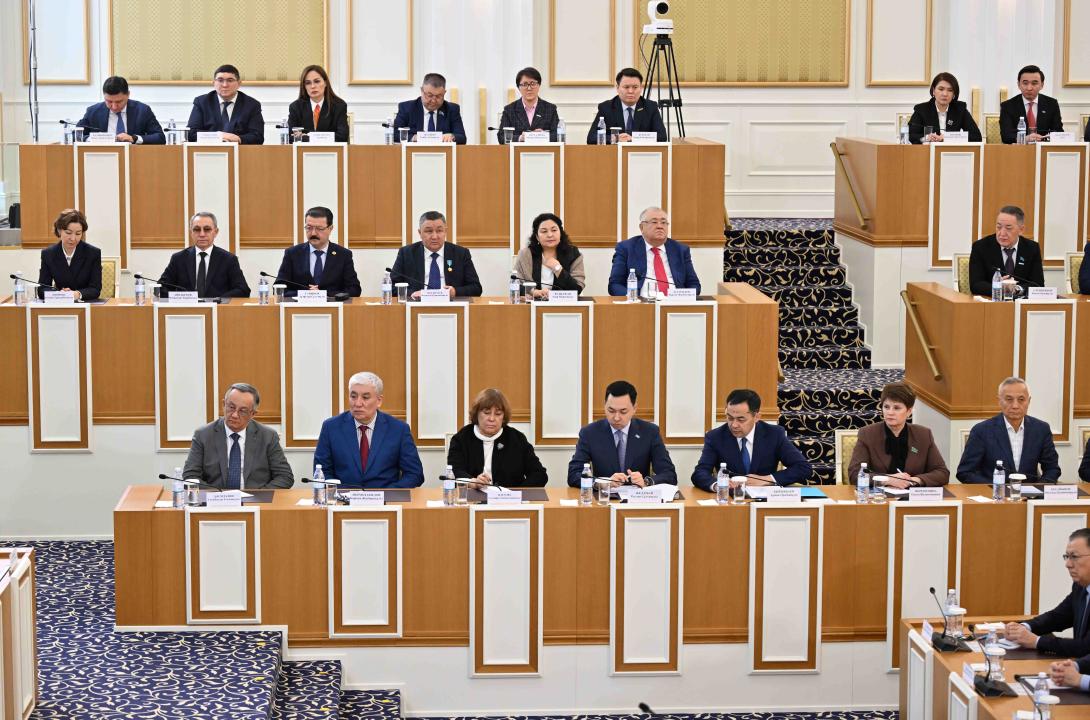
In January 2026, a Constitutional Commission was established, comprising 130 members representing all regions and social groups, including members of the National Kurultai (Congress), legal experts, government officials, media representatives, maslikhats (local executive bodies) chairs, and civil society.
Источник информации : https://www.gov.kz/memleket/entities/mfa-skopje/press/news/details/1156921?lang=kk