World
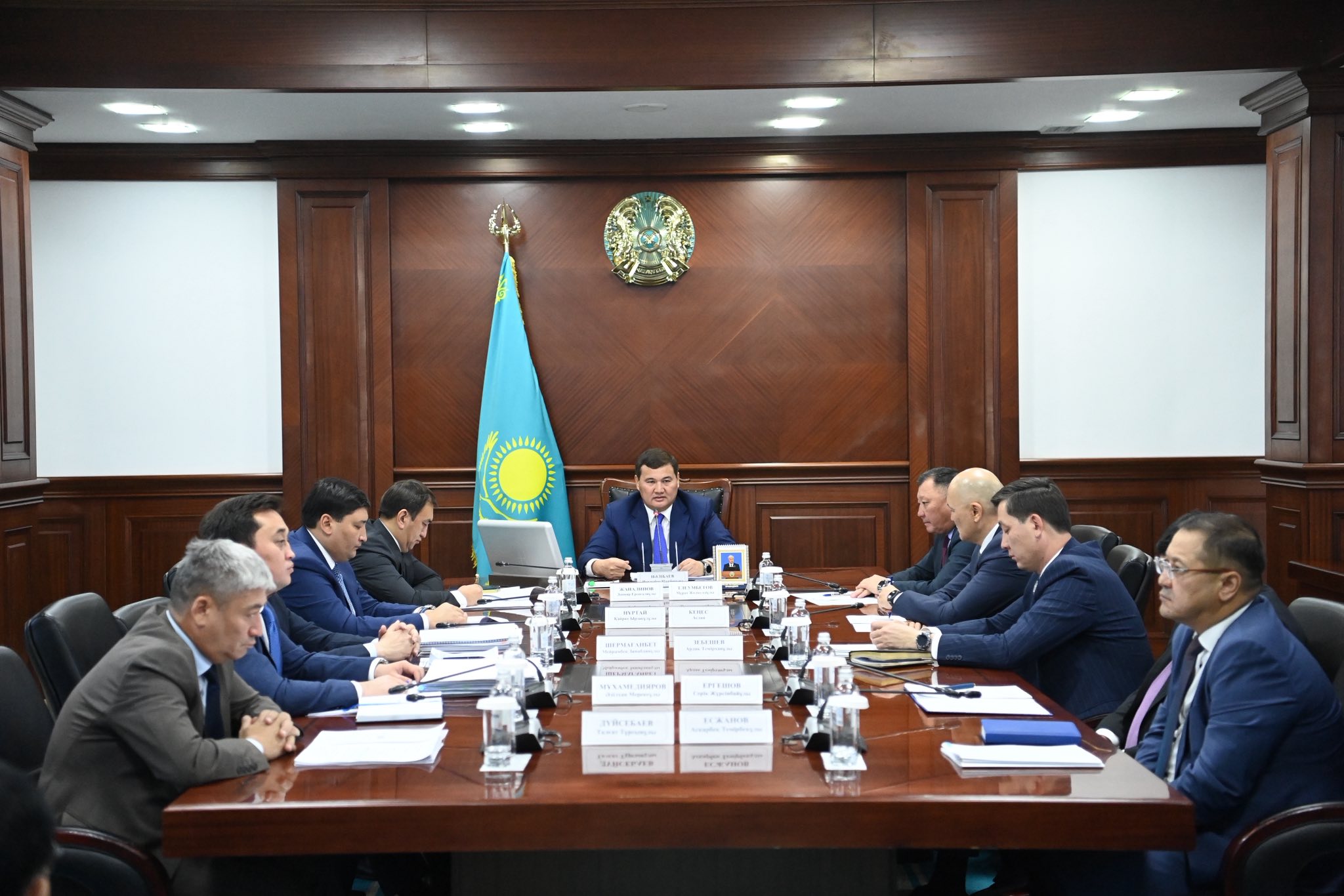
Issues of compulsory social and medical insurance and reduction of the shadow economy were discussed 14.10.2025
Today, a government meeting was held under the chairmanship of Prime Minister of the Republic of Kazakhstan Olzhas Bektenov. The agenda included discussions on modernizing the compulsory social and medical insurance and reduction of the shadow economy. Regional Akim Nurlybek Nalibayev participated in the meeting via conference call. Following the meeting, industry leaders were given instructions on these and other issues.It was noted that time is short and appropriate measures must be taken to fully meet the key target indicators for mandatory social health insurance. The importance of employment, insurance, and general socialization for special categories of citizens was emphasized.The President has instructed that ongoing measures be taken to suppress the actions of those who threaten and harm the economy. It was stated that the actual implementation of the planned workload and the targeted use of budget funds must be under the constant supervision of budget program administrators, the Baikonur Social Entrepreneurial Corporation, the state revenue departments, and the internal state audit department.Budget program administrators must digitize their operations, from the allocation of funds to the achievement of the final result, and ensure their transparency. Continuous monitoring and targeted spending of budget funds are essential.The State Revenue Department, together with the Kyzylorda city and district akimats, has been instructed to strengthen measures to prevent illegal trafficking and increase state budget revenues.It was noted that there is one week left before the start of the heating season. An order had previously been issued to stockpile coal. It was emphasized that there should be no problems with solid fuel or coal reserves during the heating season. Instructions were given to intensify efforts to supply coal and build up the necessary reserves. This year, 58 billion 785 million tenge has been allocated from the budget for housing construction and the purchase of 3,800 finished apartments from private developers. It has been emphasized that there should be no issues with the quality of the new housing.Source : https://www.gov.kz/memleket/entities/kyzylorda/press/news/details/1082315?lang=kk
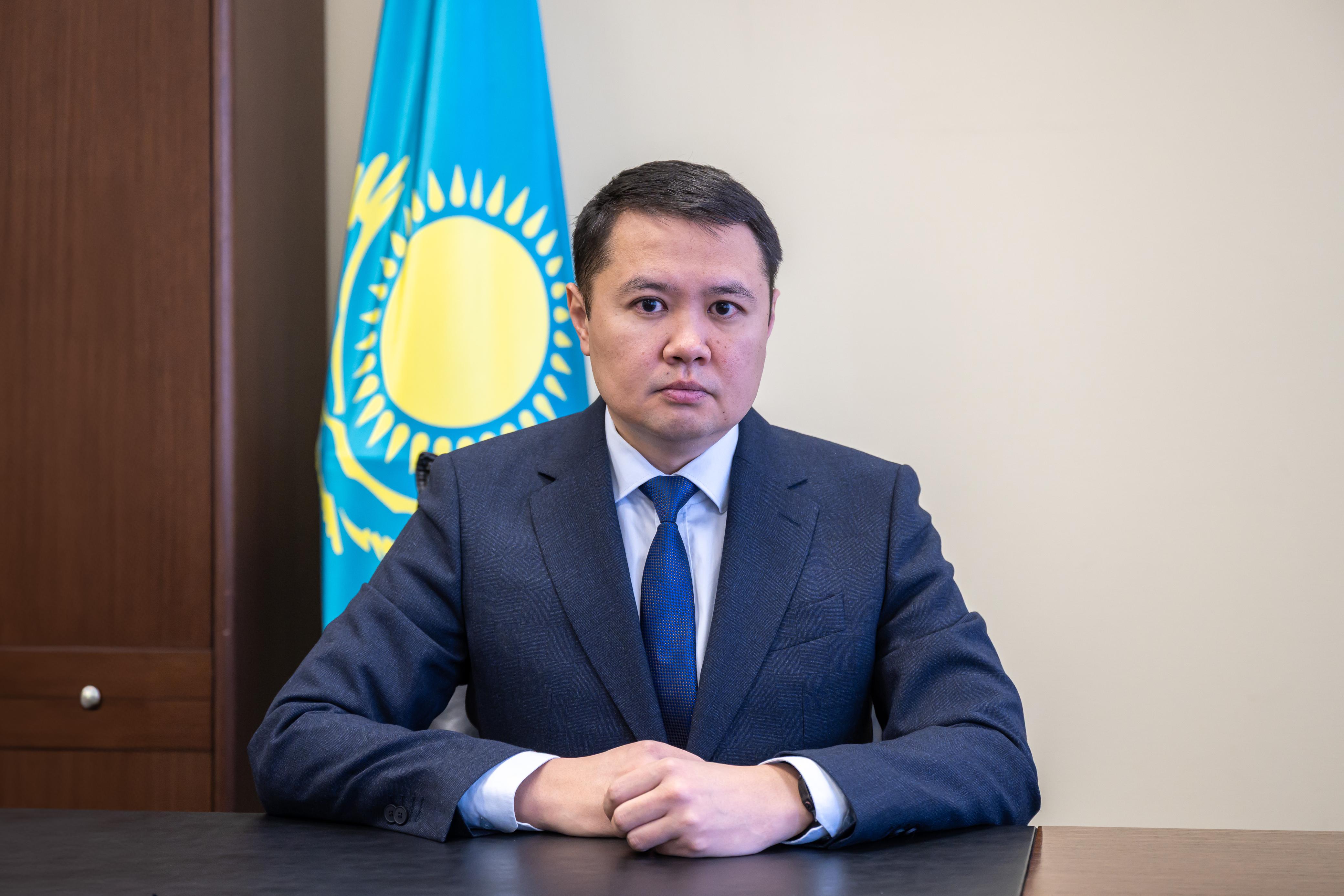
Banking Law Lays Foundation for Development of the Financial System 14.10.2025
Article by Dauren Salimbayev, Deputy Chairman of the Agency for Regulation and Development of the Financial MarketSince early 2025, extensive and systematic work has been carried out to develop a new Banking Law. This is one of the most significant legislative packages prepared in the financial sector for the past decade.The law has been developed at the instruction of the Head of State and is a result of a thorough review of the current banking regulations. Approaches to regulation, supervision, licensing, consumer protection, particularly for credit products and ensuring bank stability have been revised. The document rests on best international practices, including recommendations from the International Monetary Fund, as well as experience of leading countries –the United Kingdom, the United Arab Emirates, Malaysia and the European Union.From January to May 2025, over 30 working meetings, discussions and open consultations were held with participation of banks, experts and international consultants. All key provisions of the draft were openly discussed with detailed feedback from the market. As a result, we have developed a comprehensive, logically structured law covering the entire lifecycle of a bank – from obtaining a license and commencing operations to terminating operations and regulation of insolvency. The law includes 135 articles, 9 sections and dozens of related amendments to other legislative acts. Essentially, it creates a new legal framework for sustainable and technologically advanced financial sector.One of the central areas is the issue of digitalization. Today, digital technologies are no longer just a tool but a foundation of the banking system. That is why the new Law introduces, for the first time, a legal regime for digital financial assets (DFAs) – the so-called tokenized financial instruments. Three types of DFAs are envisaged: stablecoins backed by money; secured digital assets issued against a specific underlying asset; and digital financial instruments – stocks, bonds and other securities in token format. Such assets are considered financial instruments and are regulated in the same way as traditional ones, with mandatory platform registration, oversight of operations, internal control requirements, information disclosure and investor protection.To create a sustainable, technologically neutral and competitive financial environment, the National Bank will establish technical standards for operation of digital platforms and infrastructure. The National Bank will also regulate issue and circulation of stablecoins and oversee their integration into a unified legal system. The Agency, in turn, will focus on the investment side of the market, regulating issue and circulation of digital securities and other financial instruments, establishing requirements for issuers, monitoring information disclosure and ensuring investor protection. Together, both bodies will determine operating rules for key infrastructure – platforms, registrars, and exchanges – to enable development of a transparent and secure digital asset market.Legal status of the digital tenge is also fixed as a new form of national currency that can be used in the digital environment – through mobile apps, internet services and other technologies. It will become an important element of the fast and secure payment system. Furthermore, it is proposed to tighten requirements for payment institutions. Specifically, these relate to registration of payment institutions and grounds for removal from the register of payment institutions.Digitalization is impossible without updating the very model of access to the banking market. One of the key innovations of the new Law is introduction of a two-tier bank licensing system: basic and general licenses. This model allows for creation of a more flexible and competitive environment in which not only large banks but also new participants, including small regional banks and microfinance organizations, can develop. This is particularly important to stimulate financial inclusion, foster entrepreneurship and reduce territorial and digital gaps in banking services.Basic license is intended for small banks focused on a limited range of operations. Such organizations are subject to simplified minimum capital requirements and restrictions on types of activities. Specifically, lending to affiliates and non-residents is prohibited, volume of risky investments and large transactions is limited, and a limit is set on deposits from individuals. These restrictions help mitigate potential risks without overburdening participants with excessive regulatory burdens.However, availability of a basic license does not exempt such banks from supervisory requirements. They will undergo regular inspections, including a sustainability assessment procedure under the SREP (Supervisory Review and Evaluation) supervisory model. It is a comprehensive methodology to assess bank's stability that encompasses corporate governance, capital adequacy and other indicators. Thus, reliability and integrity of new participants will be ensured on par with universal banks, but with due consideration for the scale of their operations.General license is retained for existing large banks and allows for a full range of operations, from traditional lending to investment banking. This approach, on the one hand, increases competition and attracts new players, and on the other, maintains stability of the system and differentiates requirements depending on the nature and volume of operations.Creation of conditions for occurrence of small but stable banks is an important step toward increasing the financial inclusion, emergence of new business models, including digital ones and overall improvement of the competitive environment. In the long term, this will allow clients, both individuals and SMEs, to receive a wider choice of banking products, including with the use of innovative technologies.The next major focus area was implementation of behavioral supervision. We have shifted from an approach where supervision was limited to financial indicators to a model where client protection is the key priority. The new law introduces requirements for honest advertising, disclosure of product terms, prohibition of solicitation and assessment of service suitability. Financial institutions have to verify suitability of a particular product for a particular individual. Responsible lending standards are being introduced to prevent excessive debt burdens, especially among vulnerable groups.The complaint handling system is structured in two stages: first, complaint is reviewed by the service provider itself, then by a unified financial ombudsman service. This institution will combine all existing ombudsman functions and will become primary pre-trial mechanism for resolution of disputes between clients and financial institutions. We have also established the obligation of banks and microfinance organizations to implement initiatives to improve financial literacy. This is especially important against the background of digitalization and emergence of new complex products – clients must understand their choices.Considerable attention has been paid to resilience of banks and their preparedness for potential crises. The law includes a three-stage anti-crisis regulation system: enhanced supervision, recovery mode and regulation mode. Banks are required to develop recovery plans in advance in case of deterioration in their financial condition. If the situation continues to deteriorate, the regulation mode is initiated. At this stage, a temporary administration is appointed, bank's viability is assessed, and, if necessary, special measures are implemented: from transfer of some or all assets and liabilities to another financial institution to creation of a transition bank or write-off of debt to shareholders and investors.The law provides for specific regulation instruments consistent with the international practice. These first of all include write-off or conversion of capital and debt obligations, sale of businesses, transfer of assets, creation of a temporary organization (bridge bank), and separation of bank functions into "good" and "problem" assets (asset separation). Such measures ensure continuity of critical services, protect interests of depositors and maintain confidence in the financial system.Backbone banks are required to establish a safety margin – the TLAC (Total Loss Absorbing Capacity) mechanism. This means that the bank must have sufficient capital and debt instruments prepared in advance for possible write-offs or conversion to equity in case of significant losses. Thus, losses are first of all covered by shareholders and investors without resorting to budgetary funds.Direct government participation in regulation is now possible only in the most extreme cases – if the use of all market instruments has proven insufficient, and the bank poses a systemic risk to the country's financial stability. Even in such cases, government assistance is permitted only under strict conditions: transparency of decisions must be ensured, minimal intervention in market mechanisms, and mandatory compliance with the NCWO (No Creditor Worse Off) principle. This means that no creditor must suffer losses during the regulation process greater than they would have suffered under a standard bankruptcy procedure. This eliminates the possibility of arbitrary redistribution of losses and guarantees protection of rights of bona fide creditors.The new system completely eliminates automatic or politically motivated provision of the state aid. The approach to regulation has become predictable, economically justified and fair. This fundamental change is designed to eliminate moral hazard, increase responsibility of bank owners and protect interests of depositors and taxpayers.We have also strengthened corporate governance requirements, as bank’s stability and protection of client interests depend on quality of management decisions. The new law establishes clear standards for all levels of management, from shareholders to specialized functions within the bank.Heads of risk management, internal control and compliance departments are now officially recognized as key management personnel. This means that they are subject to the same strict requirements as members of the management board: experience, relevant education, business reputation and transparent professional history. Their independence and powers are fixed at the legislative level, allowing these functions to effectively influence decision-making and prevent violations at an early stage.Requirements for composition of boards of directors have also been tightened. Members of the board of directors, especially independent ones, must meet a number of criteria, including lack of affiliation with the bank, business reputation and qualifications. Term limits are being introduced to prevent excessive closeness to management and maintain an independent view. Annual verification of compliance with independence criteria will become mandatory, both by the bank itself and with the possibility of subsequent assessment by the regulator. This is necessary to ensure that boards of directors truly perform an oversight function, rather than merely formally approve decisions.Additionally, the law expands regulator's tools of reasoned judgment. This means that the authorized agency will be able to assess not only formal but also factual circumstances – for example, actual independence of a board member or a shareholder's influence on operations, even if all regulations are met on paper. This approach will help identify potential conflicts of interest and mitigate risks of abuse.To improve efficiency of asset management, a limit has been set for a period during which recovered assets can remain on a bank's balance sheet – no more than three years. This is important to prevent banks from turning into the so-called "real estate holdings" or "factory owners," and to focus on their core business – financial intermediation. This requirement will encourage rapid realization of collateral, return of assets to the real economy and reduction of non-core risks.Finally, an important part of the new law is development of the Islamic finance. A flexible "Islamic windows" model is being introduced, allowing traditional banks to provide Islamic services within their existing license without establishment of a separate structure. All such operations will be conducted separately, with separate accounting, internal barriers, and mandatory presence of a Shariah compliance council. This will ensure compliance with the principles of the Islamic law while integrating such services into the existing banking system.This model is already being successfully applied in countries with developed Islamic markets, including the UAE, Malaysia and Pakistan. It makes Islamic products more accessible, reduces costs for banks and opens up new opportunities for clients who prefer ethical or religiously oriented products, as well as for attracting investment from Islamic countries. Introduction of this model will be an important step toward development of an inclusive and diversified financial system in Kazakhstan.All these innovations are more than just regulatory updates. They represent a comprehensive legislative reform that opens a new chapter in development of the banking sector. The new Banking Law is a systemic document that zeroes in on sustainability, fairness, technological advancement and protection of interests of consumers of financial services.It is the result of joint and transparent efforts of the government, market participants and the expert community. The law establishes clear and predictable rules of the game, enhances confidence in the financial system, increases responsibility of all its participants and creates foundation for its sustainable, competitive and inclusive development.Source : https://www.gov.kz/memleket/entities/ardfm/press/news/details/1081970?lang=kk
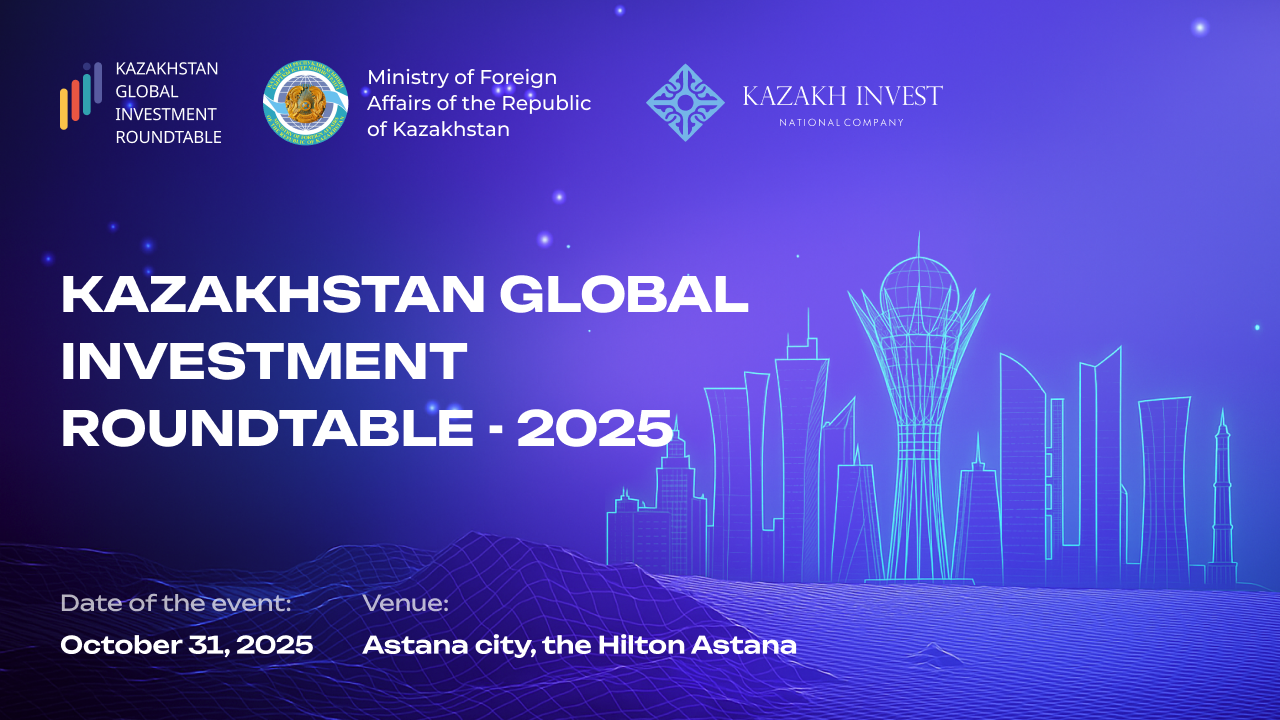
Kazakhstan invites you to KGIR-2025 — the Kazakhstan Global Investment Roundtable! 14.10.2025
Kazakhstan’s leading investment event is once again bringing together global leaders!KGIR has been held since 2017 and has established itself as a reputable platform for open dialogue between the government, business, and the international investment community.Theme of 2025:“New Solutions in the Era of Transformation: Kazakhstan as a Hub of Sustainable Economic Development”Participants will discuss:global challenges and investment opportunities;Kazakhstan’s role in shaping the economies of the future;the development of infrastructure, industry, energy, technology, and the green economy.This year, the forum will gather over 700 participants from 40 countries — including representatives of governments, multinational corporations, international organizations, investors, and the media.The program includes panel sessions, an awards ceremony, the signing of agreements, and B2B and B2G meetings.KGIR-2025 will serve as a platform where trends are shaped, partnerships are built, and new directions for growth are defined.🔗Participant registration is open at: www.kgir.kz #KGIR2025 # InvestInKazakhstan Source : https://www.gov.kz/memleket/entities/mfa-addis-ababa/press/news/details/1082052?lang=kk
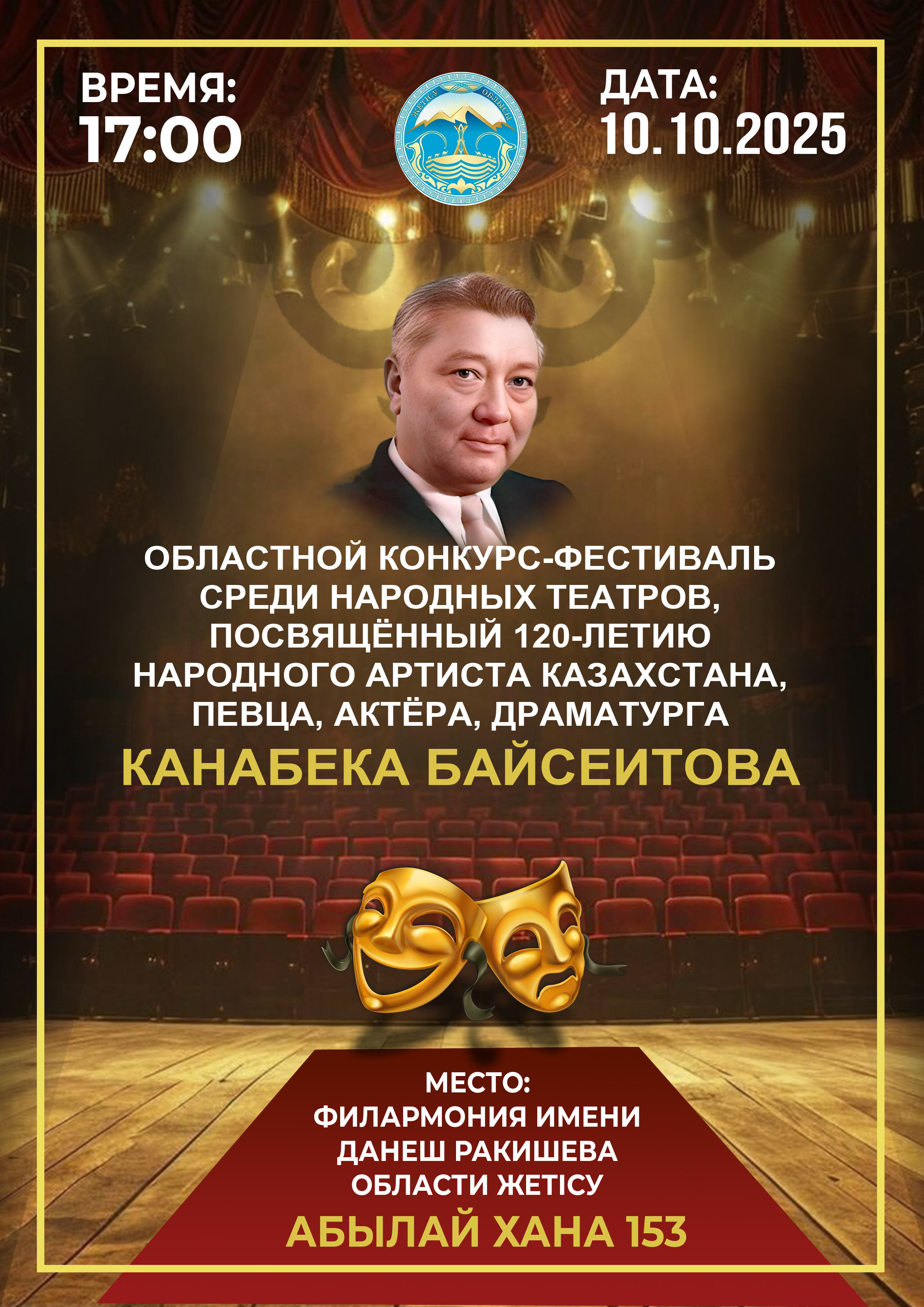
Regional competition-festival among folk theaters dedicated to the 120th anniversary of Kanabek Baiseyitov People’s Artist of Kazakhstan, singer, actor, and playwright 14.10.2025
Venue: Zhetysu Regional Danesh Rakishev PhilharmonicDate: October 10, 2025, 17:00 PMContact phone numbers:8 (7282) 24-34-07Email address: 7su.ocnt@mail.ruADMISSION IS FREESource : https://www.gov.kz/memleket/entities/zhetysu-archive/press/news/details/1082080?lang=kk

Taza Kazakhstan: pilot project "Recycling workshop" launched in Kostanay region 14.10.2025
The Kostanay region continues to implement measures within the framework of the state program "Taza Kazakhstan", aimed at improving the ecological culture of the population and forming a responsible attitude to the environment.In order to promote environmental responsibility among the residents of the district, in 2025, the Department of Internal Policy of Kostanay district is implementing a state social order project "Organization and ideological support of the national program "Taza Kazakhstan" in Kostanay district.As part of the project, on October 7, 2025, a pilot project "Recycling Workshop" was launched at the Kubeev secondary school in Oktyabrskoye village, providing for the installation of an interactive space "Eco-cabinet".The project is aimed at developing environmentally responsible behavior among students and villagers, developing a culture of separate waste collection and recycling, and raising awareness of the possibilities of recycling materials.The EcoCabinet is an interactive platform designed for waste collection and sorting with subsequent recycling. Here, residents and students can not only donate recyclables, but also observe the process of its transformation into new products, including 3D printing threads and other useful materials.The initiative is being implemented in cooperation with the Neco Environmental Club Public Foundation, with the support of an educational institution and government agencies. The implementation of the project contributes to the introduction of modern environmental practices, the development of environmental volunteerism and the formation of sustainable values of environmental management among the younger generation.The launch of the Recycling Workshop project is a significant step in the implementation of the Taza Kazakhstan state program and is aimed at further developing environmental culture in Kostanay region.#TazaQazakstan #clean country #ecology #recycling #TazaChallenge #sustainable development @TazaQazaqstanSource : https://www.gov.kz/memleket/entities/kostanay/press/news/details/1082092?lang=kk
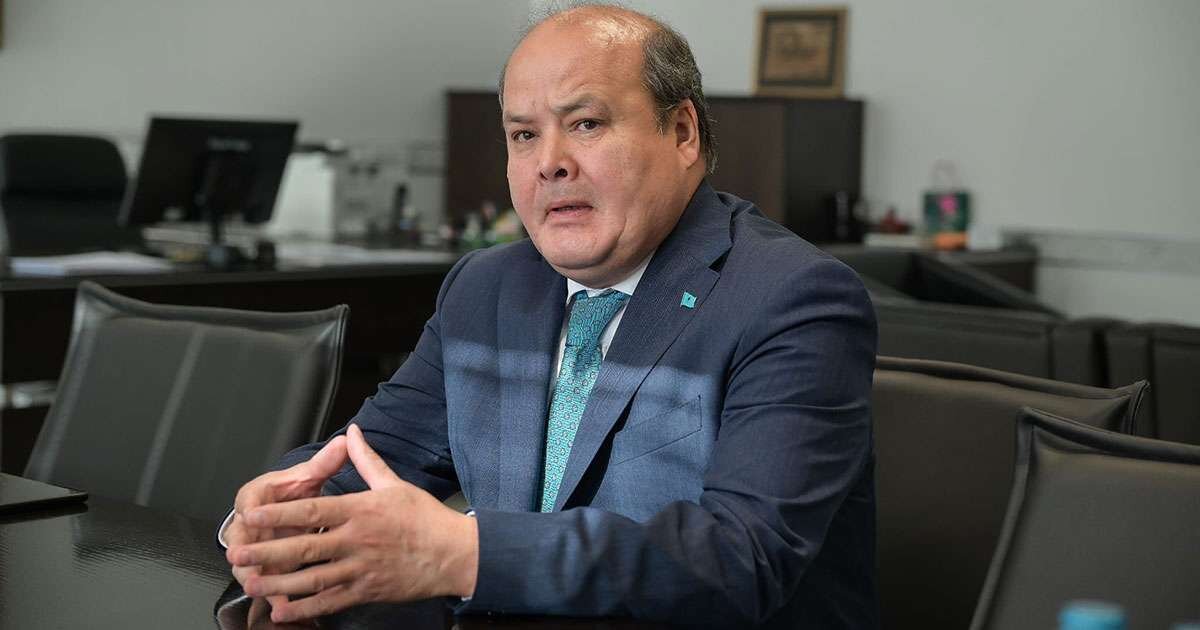
Interview of the Ambassador of the Republic of Kazakhstan Satybaldy Burshakov to the Macedonian magazine «Tourism and Management» 14.10.2025
Link to the interviewSource : https://www.gov.kz/memleket/entities/mfa-skopje/press/news/details/1082097?lang=kk
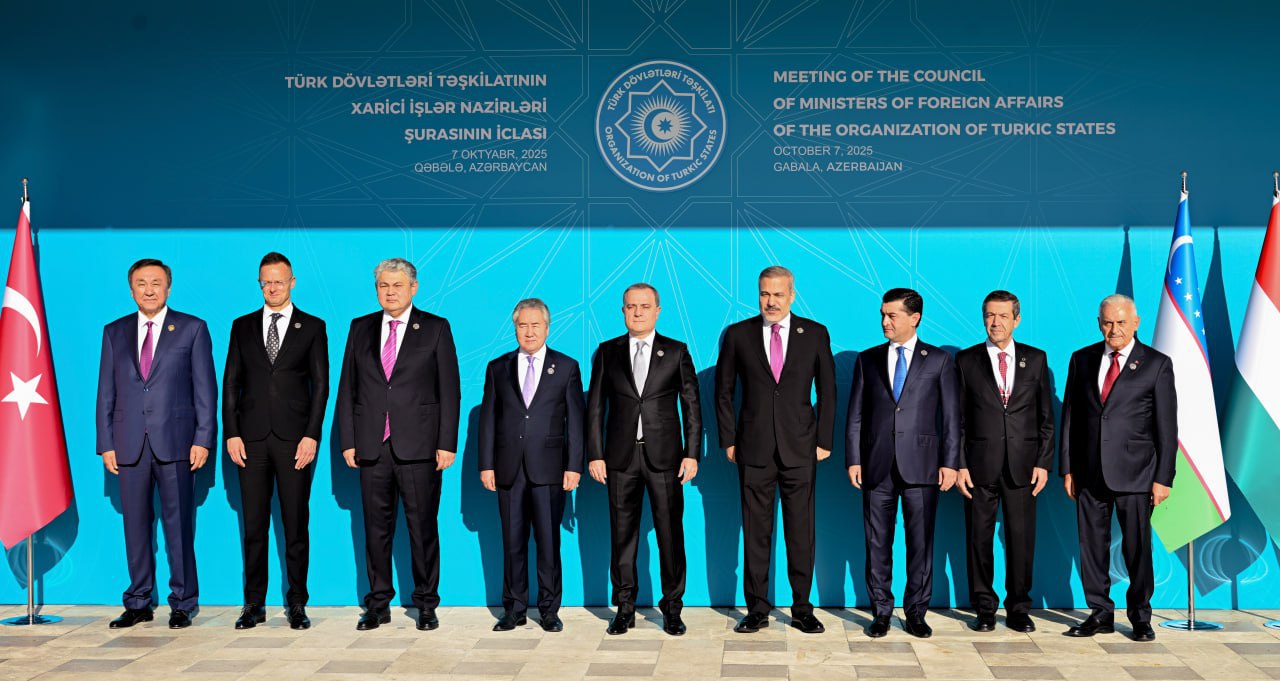
Kazakh Foreign Minister Took Part in a Meeting of the Council of Foreign Ministers of the OTS Member States 14.10.2025
Minister of Foreign Affairs of the Republic of Kazakhstan Yermek Kosherbayev took part in the meeting of the Council of Foreign Ministers of the member states of the Organization of Turkic States (OTS), which was held ahead of the 12th OTS Summit.During the ministerial meeting, participants exchanged views on further developing cooperation within the Organization and “compared the notes” on current international and regional issues.Source : https://www.gov.kz/memleket/entities/mfa-baku/press/news/details/1089041?lang=kk
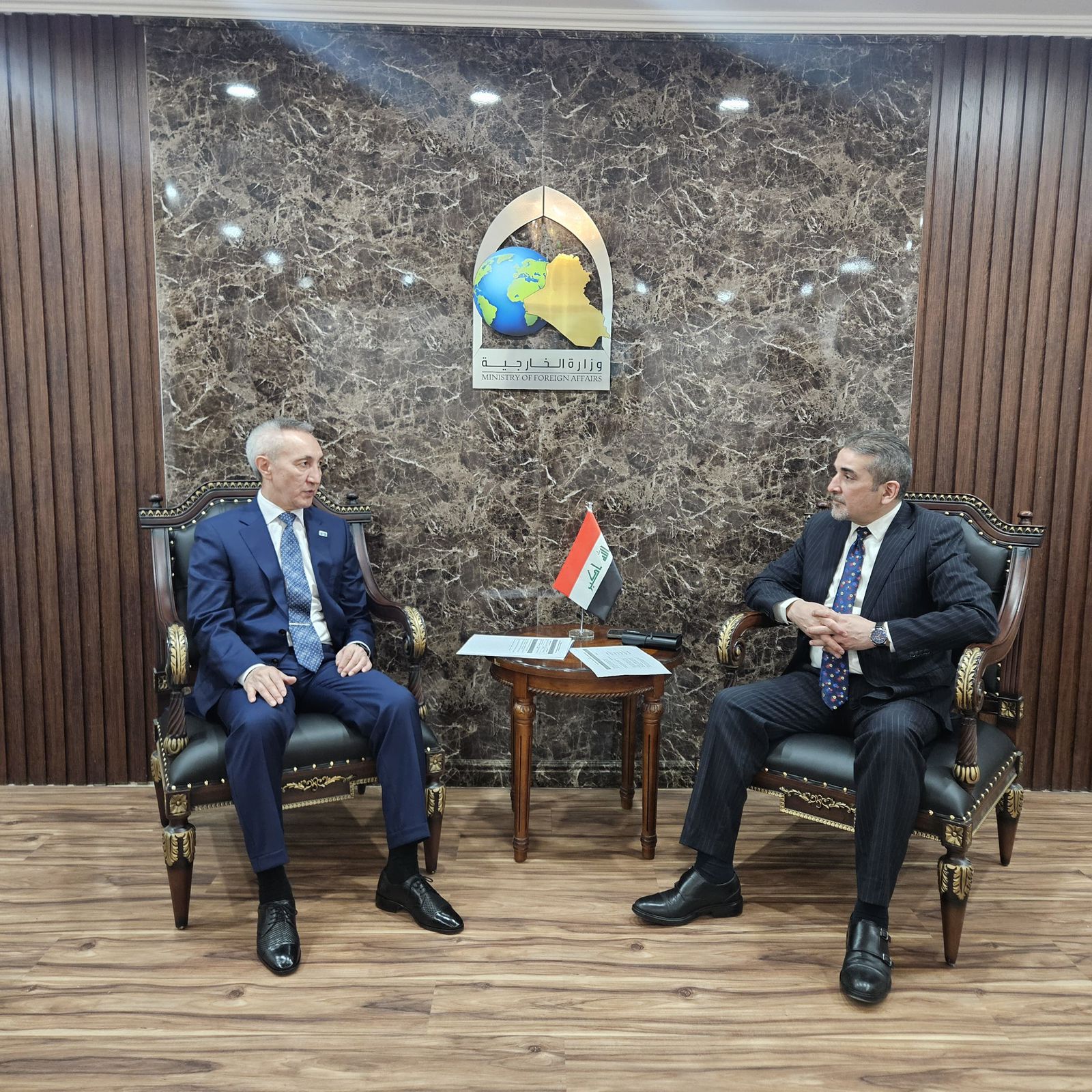
Kazakh-Iraqi Cooperation Discussed at Iraq’s Ministry of Foreign Affairs 14.10.2025
The Ambassador of the Republic of Kazakhstan to the Hashemite Kingdom of Jordan and concurrently to the Republic of Iraq H.E. Mr. Talgat Shaldanbay held bilateral meetings at Iraq’s Ministry of Foreign Affairs with the Director of the Asia Department Mats As-Samarai, and the Director of the Consular Department Falah Abdel Hassan.The parties discussed a wide range of issues, including strengthening political dialogue, developing a legal framework, and cultural interaction, as well as expanding consular cooperation between Kazakhstan and Iraq. The meetings were held in the framework of the сeremony of presenting copies of credentials to the Deputy Prime Minister-Minister-Minister of Foreign Affairs of Iraq Fuad Hussein.Source : https://www.gov.kz/memleket/entities/mfa-amman/press/news/details/1082147?lang=kk

Ahead of Republic Day, Ambassador Meets with Kazakh Students from Belgium and Luxembourg 14.10.2025
Brussels, October 6, 2025 – The adaptation of Kazakh students in Belgian and Luxembourg universities, their career prospects, as well as the upcoming celebration of Republic Day were discussed at a meeting held at the Embassy of Kazakhstan in Brussels.Kazakh youth were represented by members of the Qazaq Society in Belgium, a student association that unites Kazakhs studying and living in Belgium.Ambassador of Kazakhstan to Belgium, Roman Vassilenko, warmly welcomed the participants and congratulated the newly arrived students on beginning their studies at leading universities in Belgium and Luxembourg:“You are far from Kazakhstan, but each of you carries a part of our country within you. Your achievements abroad are a contribution to the future of our homeland. You are already informal ambassadors of Kazakhstan in the student, academic and youth communities of Europe.”He also highlighted the active participation of many students in events organized by the Embassy.During the meeting, the Ambassador informed the students about the activities of the diplomatic mission and the key priorities of Kazakhstan’s foreign and domestic policy. Particular attention was paid to the recent Address of President Kassym-Jomart Tokayev to the Nation, the country’s international initiatives, as well as upcoming cultural and public events in Belgium:“Today, Kazakhstan is moving towards a digital future. President Tokayev’s Address outlined important goals — among them the digitalization of all spheres of life and the development of artificial intelligence. This is not only a strategy but also concrete opportunities, especially for young professionals like you. Within the framework of building a digital economy, new programs and international partnerships are being launched, opening prospects for internships and research. We want you to be at the heart of these processes.”In turn, the young compatriots asked the Ambassador and Embassy staff about the organization of events in Belgium and Luxembourg, the expansion of international academic cooperation, and opportunities for internships and training in companies and institutions across Kazakhstan, Belgium, and Luxembourg.As noted by A. Nurbalin, leader of the Qazaq Society in Belgium:“It is important for us that Europeans learn more about Kazakhstan. We strive to represent our country through culture, education, and engagement with other communities. By bringing Kazakhs together abroad, we not only preserve our culture but also continue to develop it, all in close cooperation with our Embassy.”Participants noted that the informal atmosphere allowed students to better connect with Embassy staff and each other, facilitating valuable information exchange, stronger networks, and the preservation of close ties with the Homeland during their time abroad.Source : https://www.gov.kz/memleket/entities/mfa-brussels/press/news/details/1081769?lang=kk
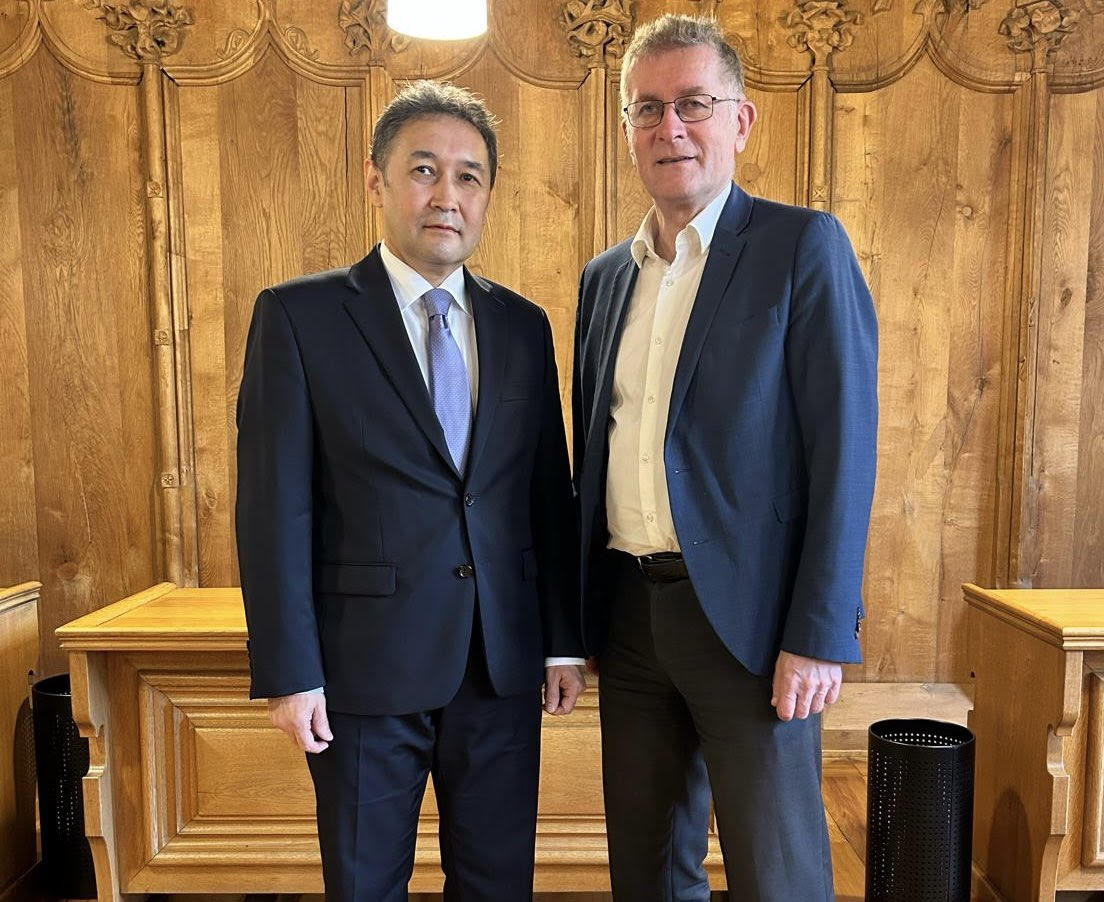
Kazakhstan and the Canton of Bern discussed prospects for interregional cooperation 14.10.2025
Bern, October 6, 2025 - Ambassador of the Republic of Kazakhstan to the Swiss Confederation Kairat Sarzhanov met with the President of the Government of the Canton of Bern, Christoph Neuhaus.During the meeting, the Ambassador briefed his counterpart on the key points of the Address of the President of the Republic of Kazakhstan, Kassym-Jomart Tokayev, entitled «Kazakhstan in the Era of Artificial Intelligence». The Swiss side commended Kazakhstan’s strategic course aimed at modernizing the economy, promoting digital transformation, developing human capital, and enhancing the country’s investment attractiveness.The parties discussed prospects for expanding bilateral cooperation, with particular emphasis on the potential of interregional partnerships and the establishment of direct contacts between the regions of Kazakhstan and the cantons of Switzerland, including the Canton of Bern. In particular, mutual interest was confirmed in organizing business missions and developing cultural exchanges.Source : https://www.gov.kz/memleket/entities/mfa-bern/press/news/details/1081770?lang=kk

Record growth of tourism in Almaty region 14.10.2025
Source : https://www.gov.kz/memleket/entities/almobl/press/news/details/1081776?lang=kk
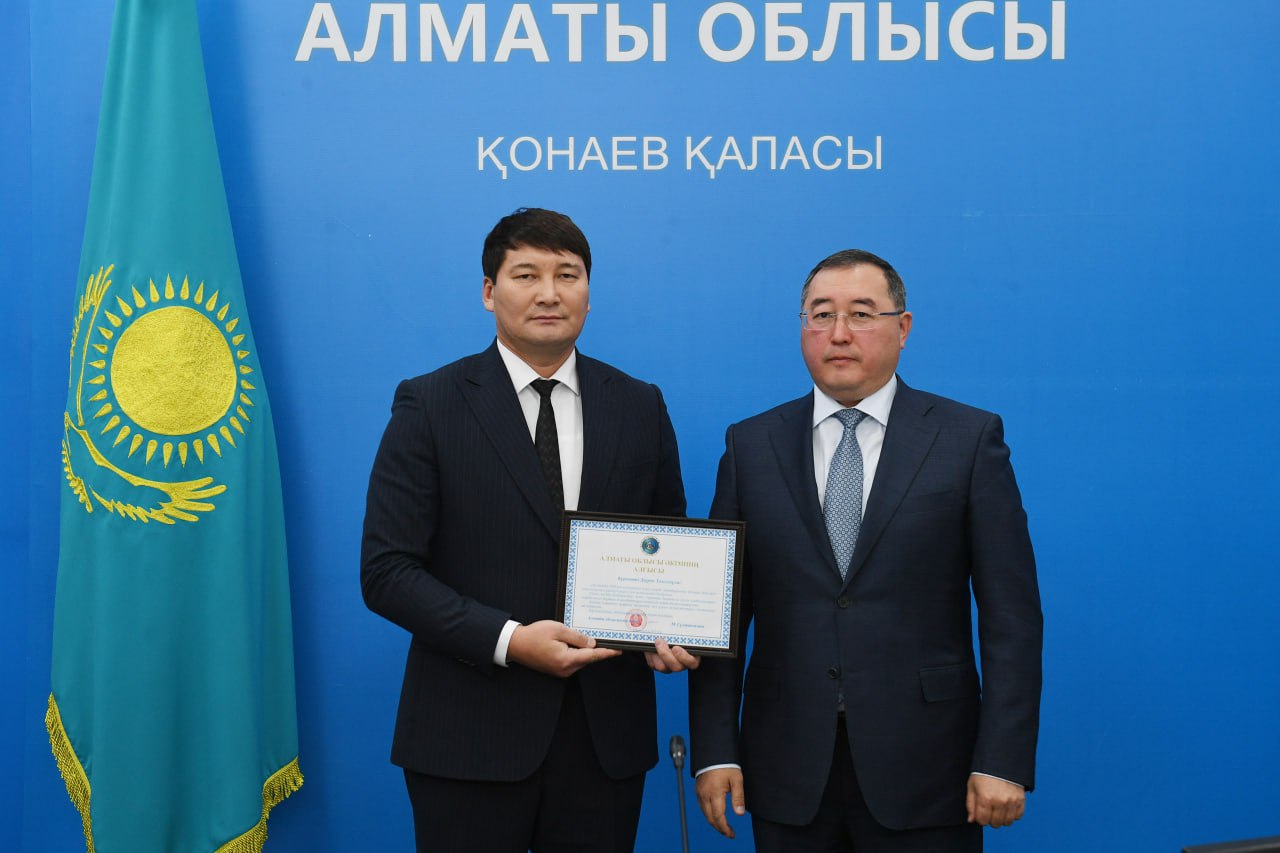
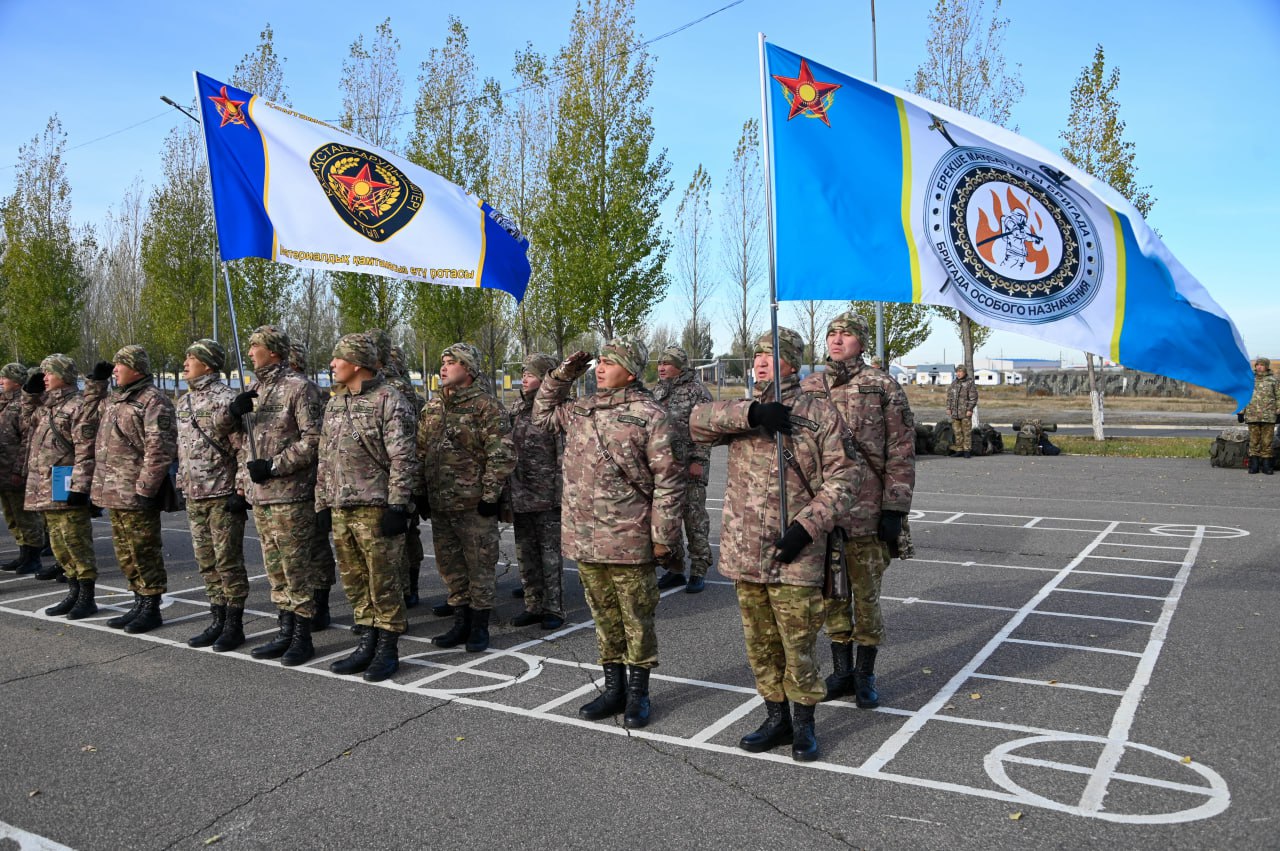
About 200 servicemen of the capital's brigade solemnly bid farewell to the Battle Banner 14.10.2025
Source : https://www.gov.kz/memleket/entities/mod/press/news/details/1081780?lang=kk

The National Guard Introduces the Institute of Senior Soldiers for the First Time: The New System Shows Its First Results 14.10.2025
To improve the effectiveness of educational work and enhance service conditions within the National Guard of the Ministry of Internal Affairs of the Republic of Kazakhstan, the Institute of Senior Soldiers is being implemented in military unit 5573. This innovation aims to develop a mentorship system among conscript servicemen and is already demonstrating positive results.Under the new model, soldiers of a senior draft who have shown discipline, leadership qualities, and a responsible attitude toward service are awarded the third qualification class and the status of “senior soldier.” They are assigned several junior conscripts to mentor, assisting them in adaptation, daily life organization, discipline, and moral-psychological support. Senior soldiers also accompany their mentees during cultural and patriotic events, acting as mentors and role models.A distinctive feature of the new system is that senior soldiers are entitled to wear a maroon-striped undershirt, symbolizing their special service status.According to the command of the capital brigade, the introduction of this system helps reduce the workload of contract servicemen, especially in areas of daily supervision and educational work. More than 15 soldiers who have earned the status of senior soldiers have already taken the opportunity to continue their service under contract, which indicates growing motivation and awareness of their personal contribution to the common cause. In a ceremonial setting, they were presented with keys to individual rooms in the barracks located within the unit’s territory.The introduction of the Institute of Senior Soldiers became possible thanks to the initiative and support of the Main Command of the National Guard. It is part of a comprehensive effort to improve service conditions, strengthen military discipline, and foster a strong sense of unity among personnel.Such measures not only ensure continuity between generations within units but also help form a responsible, motivated, and well-organized contingent capable of effectively fulfilling the tasks assigned to the National Guard.It is worth noting that the new system is currently being tested in the capital brigade, and if it proves successful, the practice of the Institute of Senior Soldiers will be implemented in all military units of the National Guard.Press Service of the National GuardMinistry of Internal Affairs of the Republic of KazakhstanSource : https://www.gov.kz/memleket/entities/kvv/press/news/details/1081791?lang=kk
The Name of the Teacher is Noble and Eternal 14.10.2025
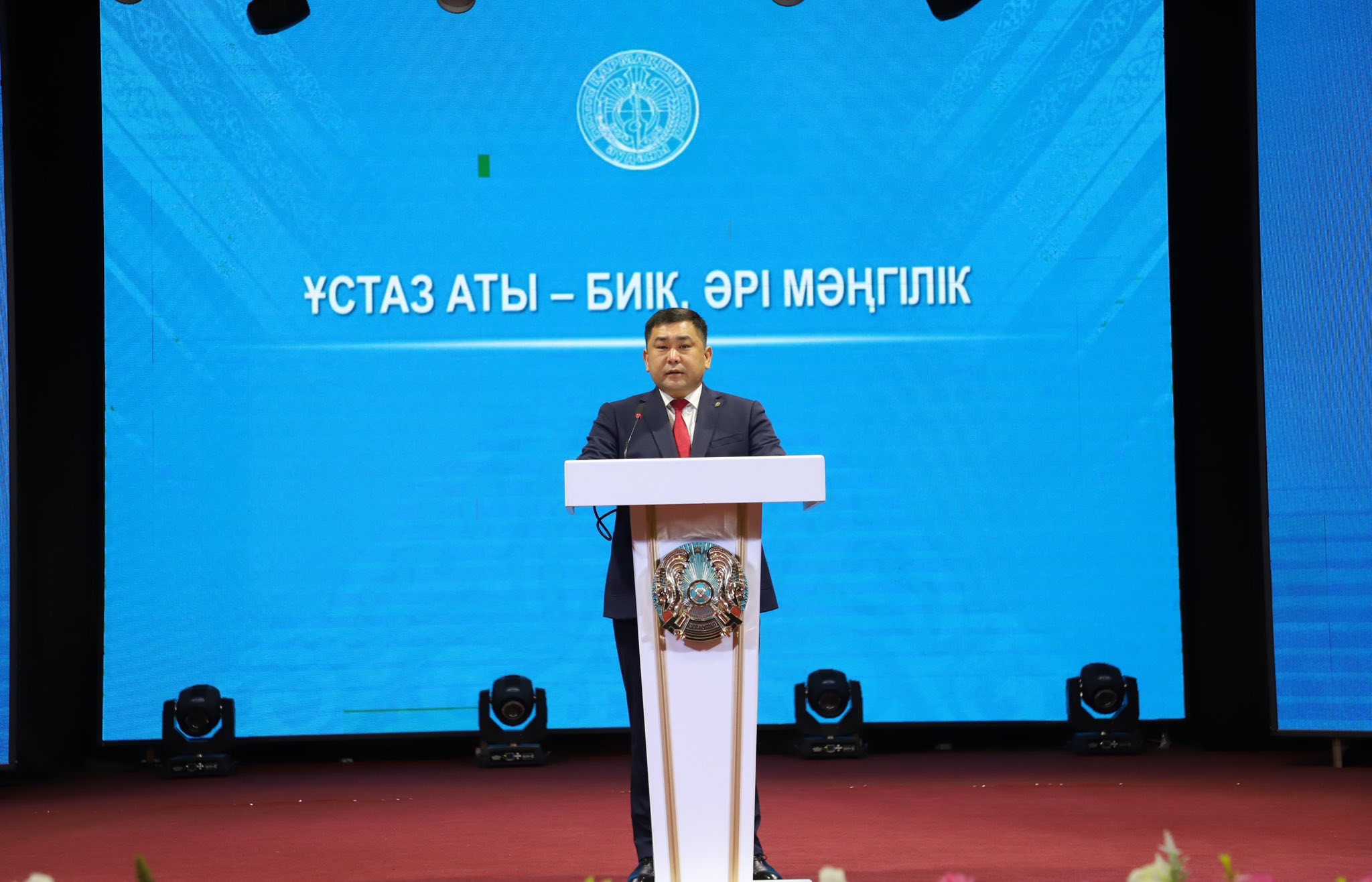
“When all the descendants of the Alash gather, the place of honor belongs to the teacher” — these wise words have never lost their relevance. Teachers, who light the flame of knowledge and become the spiritual foundation of society, have always been and will remain its true support.As a sign of respect for these great people, a festive evening entitled “The Name of the Teacher is Noble and Eternal” was organized in the Karmakshy district in honor of Teacher’s Day. The event took place at the Shamshat Tolepova House of Culture and began with a video prologue. The video presentation highlighted the district’s achievements in the field of education, the work of the best educational teams, and the outstanding results of recent years, serving as a tribute to the dedication of local teachers.The solemn evening was attended by the Akim of the district, Zhandos Yerkinbek, who congratulated teachers on their professional holiday. In his congratulatory speech, he noted:“If the foundation of the independent country’s path to civilization is the school, then the central figure of the school is the Teacher. The words of Abylai Khan: ‘The era ahead belongs not to the strength of the hand, but to the strength of knowledge,’ vividly reflect the teacher’s high place in society. The work of those who dedicate themselves to this noble profession and contribute to the nation’s future deserves the utmost respect. I wish you strong health, boundless energy, and success in your work!”During the event, on behalf of the Akim of the region and the Akim of the district, the best teachers were awarded Certificates of Honor, Letters of Appreciation, and commemorative gifts.The festive evening continued with songs and dances performed by district schoolchildren, spiritual compositions, and performances by pop singers, which added a special atmosphere to the celebration and filled teachers with joy and festive spirit.It should be noted that in recent years, the district has shown remarkable results in the field of education. In 2025, 766 students graduated from school, of whom 688 took part in the Unified National Testing, achieving an average score of 85%. Notably, two graduates received the maximum possible score of 138 points, 54 were awarded the “Altyn Belgi” distinction, and 48 received diplomas with honors. These achievements are the result of the dedicated efforts of district teachers and systematic work aimed at improving the quality of education.Source : https://www.gov.kz/memleket/entities/kyzylorda-karmakshy/press/news/details/1081804?lang=kk
Best Educators Honored 14.10.2025
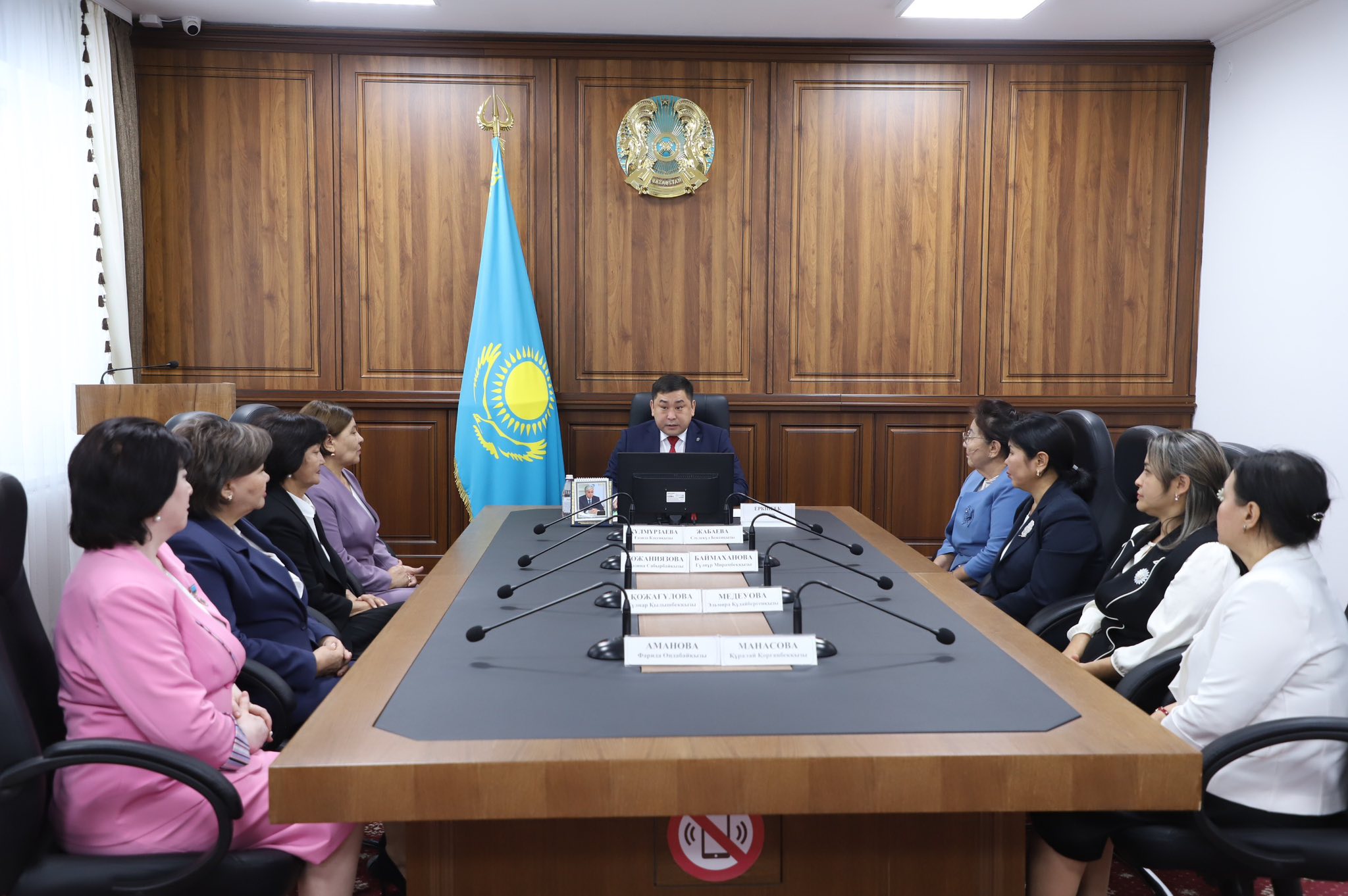
Every year on October 5, our country widely celebrates Teacher’s Day — a special occasion that highlights the social importance of teachers who dedicate their lives to educating and nurturing the younger generation. In honor of this day, a ceremonial reception for education workers was held today at the district administration office.The event was led by the Akim of the district, Zhandos Yerkinbek, who expressed his gratitude to teachers for their dedicated work in raising an educated generation:“Education gives a person confidence and freedom in choosing their life path, the ability to achieve success, and realize their potential. Therefore, developing the education sector, supporting teachers, and creating the best conditions for students and graduates will always remain among our top priorities.I sincerely congratulate all of you on your professional holiday — Teacher’s Day!I wish you strong health, well-being for your families, and success in your noble service for the future of our country!” said the district head in his address.During the ceremony, several teachers who made significant contributions to the development of the district’s education system were awarded the Veteran of Labor medal, Certificates of Honor and Letters of Appreciation from the regional akim, as well as bouquets of flowers and commemorative gifts.Veteran teachers Dameli Zhalgasbayeva and Gaziza Kulmurzayeva also spoke at the event, sharing their kind wishes and valuable experience from their teaching careers.Sincere gratitude to a teacher is higher than words and deeper than respect. Today’s event became a vivid expression of appreciation for those who faithfully serve the cause of education.Source : https://www.gov.kz/memleket/entities/kyzylorda-karmakshy/press/news/details/1081805?lang=kk

At the height: Karaganda duet of athletes topped the world ranking in trampoline gymnastics 14.10.2025
Danil Musabaev and Nikita Tumakov from Karaganda rose to the first place in the world trampoline gymnastics ranking with a score of 179 points. The athletes have proven their leadership with a series of successful performances this season.The World Championship started in February in Baku (Azerbaijan), where the Karaganda duo won silver. In July, the third stage of the Trampoline Gymnastics World Cup was held in the Portuguese city of Coimbra. Danil Musabaev and Nikita Tumakov took the fourth place, stopping one step away from the medal. Two months later, they won the next stage in Cottbus (Germany).Karaganda trampolinists won medals at other prestigious competitions – the III Games of the CIS countries were held in Azerbaijan. 1,840 athletes from eight countries participated in the tournament.- The competitions were very difficult, as the strongest participated in them, for example, the Olympic champion from Belarus Ivan Litvinovich, - said Sergey Vertyankin, the head coach of the national team of Kazakhstan and the senior coach of the Karaganda region in trampoline gymnastics. – But Nikita Tumakov, our youngest member of the team, was able to show an excellent result – he won a bronze medal, and he was the best in the preliminary stage.This is Nikita's first international award in individual jumping. Yerlan Tasmagambetov, another Karagandian, distinguished himself at the Games by taking third place in synchronized jumping.According to the press service of the Department of Physical Culture and Sports of the Karaganda regionSource : https://www.gov.kz/memleket/entities/karaganda/press/news/details/1081814?lang=kk
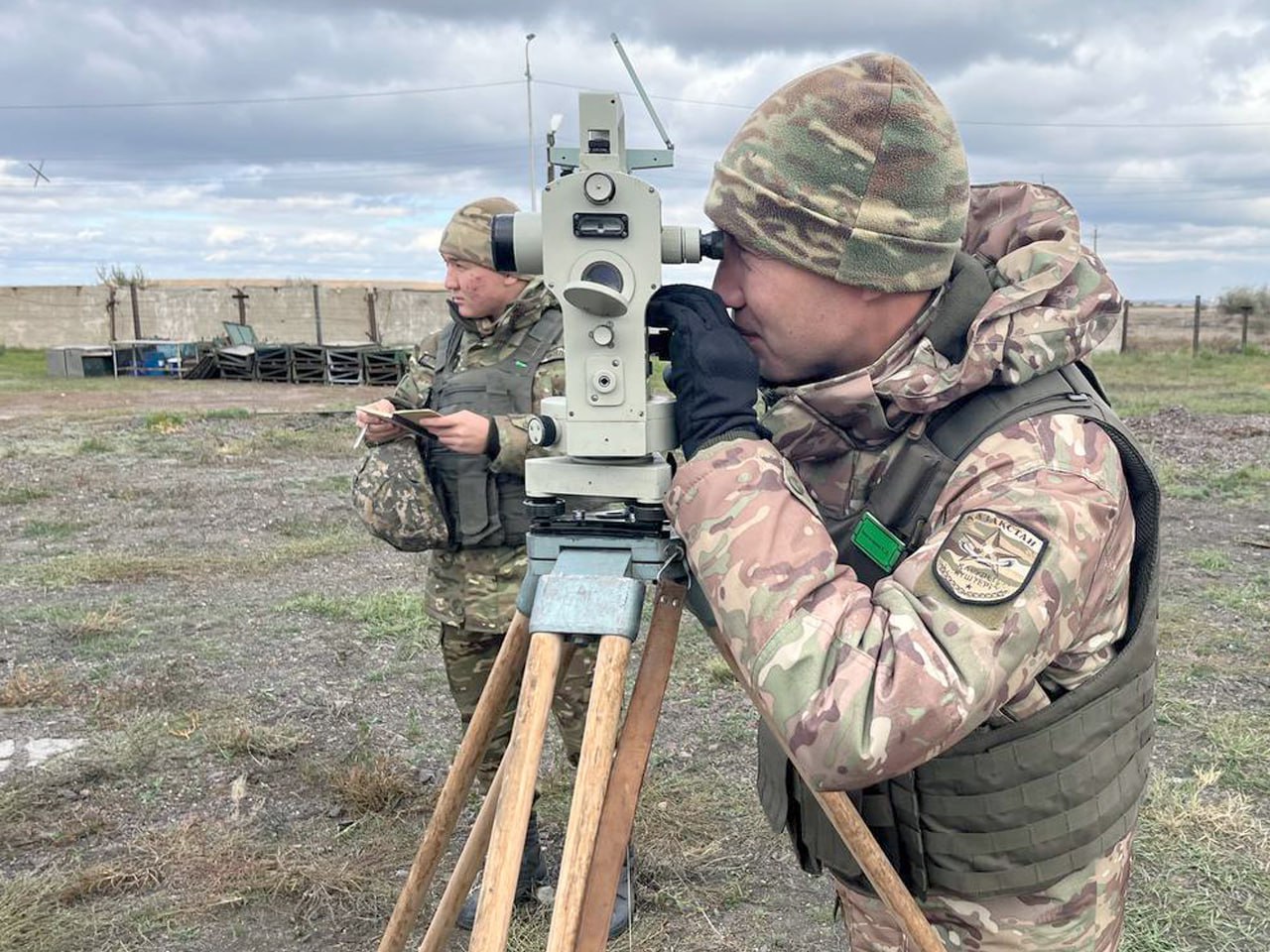
An exercise of military topographers was held in the Armed Forces 14.10.2025
Source : https://www.gov.kz/memleket/entities/mod/press/news/details/1081885?lang=kk
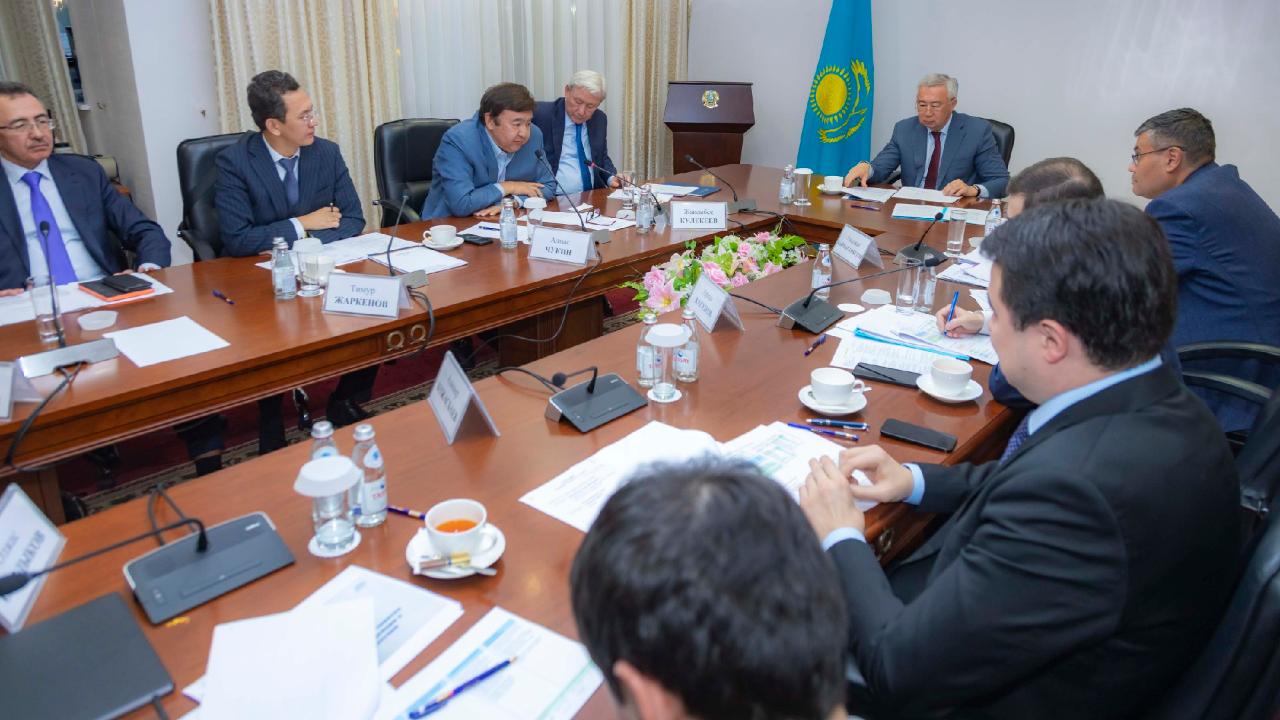
The Expert Council at the Ministry of National Economy discussed the vision of a proactive economic growth policy 14.10.2025
The meeting of the Expert Council under the Ministry of National Economy reviewed the vision of a new proactive policy of economic growth in Kazakhstan. The government's main goal is to double the country's GDP by 2029, bringing it to $450 billion. For this, investments in the economy should increase by more than 2.5 times.As noted by Vice Minister of National Economy Arman Kasenov, we are talking about the transition from a model where the state only accompanies business to a model of active participation in the organization and creation of industries and projects."We studied the experience of Japan, South Korea, and Singapore, countries that have achieved record growth rates precisely because the government has also participated in determining growth points and strategic directions for 5-10 years ahead," he explained. According to him, the implementation of this goal will require a large–scale increase in investments in fixed assets - from $41 billion in 2024 to $103 billion in 2029. During this period, the investment-to-GDP ratio is expected to rise from 14% to 23%, and the total investment volume for 2025-2029 will amount to about $400 billion.As part of a proactive economic growth policy, government agencies will receive new functions – not only to attract, but also to organize large export-oriented projects, providing their structuring, financing and management support. The main tasks of government agencies in this area are to attract leading foreign and domestic companies to jointly implement export-oriented high-performance projects and to provide financing through development institutions included in the Baiterek holding. "We are not replacing the business, but working with it. Entrepreneurs create added value – they are the ones who drive progress. We are appealing to domestic and foreign companies to attract their experience, technology and capital, and we will form lists of foreign champions and leading companies in our key areas of investment development – deep and medium grain processing, metallurgy, petrochemistry, and others. We are initiating negotiations with them regarding their participation in Kazakhstani projects. We hope that their investments, expertise, first—class understanding of the industry, technologies and much more will allow us to implement these projects most successfully," Arman Kasenov emphasized. Serik Zhumangarin, Deputy Prime Minister and Minister of National Economy, noted that the Investment Board, an investment service that will identify and support country-wide priority projects, is of key importance in the new model."In the new policy of proactive economic growth, we are talking about large projects that require high expertise. We plan to structure the development directions and create an Investment Board, an investment service, of professionals with high competencies in managing large projects, who will determine the directions and projects of our economy for the most effective development," Serik Zhumangarin emphasized.According to him, the previous system of attracting investments will remain, but it is the Investment Board that will become the driver of proactive policy.The experts made a number of suggestions and recommendations regarding the proposed vision of economic growth policy. In particular, how the new document will differ from the previous ones, whether the level of localization of new production facilities in Kazakhstan will be increased, what channels of distribution of funds will be, the impact of active economic growth and consumer lending on inflation, as well as many others. Chairman of the Public Council of the Ministry of National Economy Eldar Shamsutdinov noted that the main topic of discussion was the model of ensuring economic growth and the implementation of the state industrial program."One of the key issues concerned who would be involved in lending: the state itself through its own development institutions or commercial banks, to which funds would be allocated for subsequent lending. The logic is probably as follows: lending through banks inevitably leads to an increase in inflation, since it is the banking system that is the main mechanism for implementing inflationary processes. At the same time, it was noted that consumer lending makes a significant contribution to GDP growth today. In addition, it is planned to form an investment service, which will include participants who identify priority projects. The issue is the choice of specific financing mechanisms. These details will probably be worked out in the process," he said.Galim Khusainov, a member of the Board of Directors of Teniz Capital Investment Banking, stressed that the new policy meets the modern challenges facing the economy of Kazakhstan and focuses on the country's domestic investment potential."Today we discussed how to achieve the stated target level of 450 billion dollars of GDP. This is impossible without a significant increase in investment. Therefore, the proposal of the Ministry of National Economy on the transition to a more active state participation in investment policy seems justified and timely," he said. According to him, the large-scale involvement of development institutions, primarily the Baiterek holding, will create a financial infrastructure that will ensure the movement of capital from the state to specific industries and projects within the country. At the same time, it will be important to attract foreign companies not only as sources of capital, but also as carriers of competencies, technologies and management practices."The main thing is that the projects initiated by the state have a clear economic model, transparent selection and support mechanisms. Then they will be able to attract private capital and international participation. Without this, growth will be limited by budget financing," the expert noted.He also added that the new policy should clearly define the role of the private sector and the banking system."The question remains how investments will be distributed and how actively commercial banks will be involved in this process. On the one hand, the direct participation of the state provides guarantees and speed, on the other hand, it is important to preserve market mechanisms so as not to displace private initiative," Galim Khusainov explained.As the expert summarized, a competent combination of government and market instruments will allow Kazakhstan to reach a qualitatively new level of economic growth, while avoiding overheating and excessive inflation.https://www.gov.kz/memleket/entities/economy/press/news/details/1081075?lang=ruSource : https://www.gov.kz/memleket/entities/kostanai-ekonomika-zhosparlau/press/news/details/1081915?lang=kk