Memory Without Borders: Soviet Soldiers from Central Asia Commemorated in the Netherlands
11.04.2025 22:29:46 2618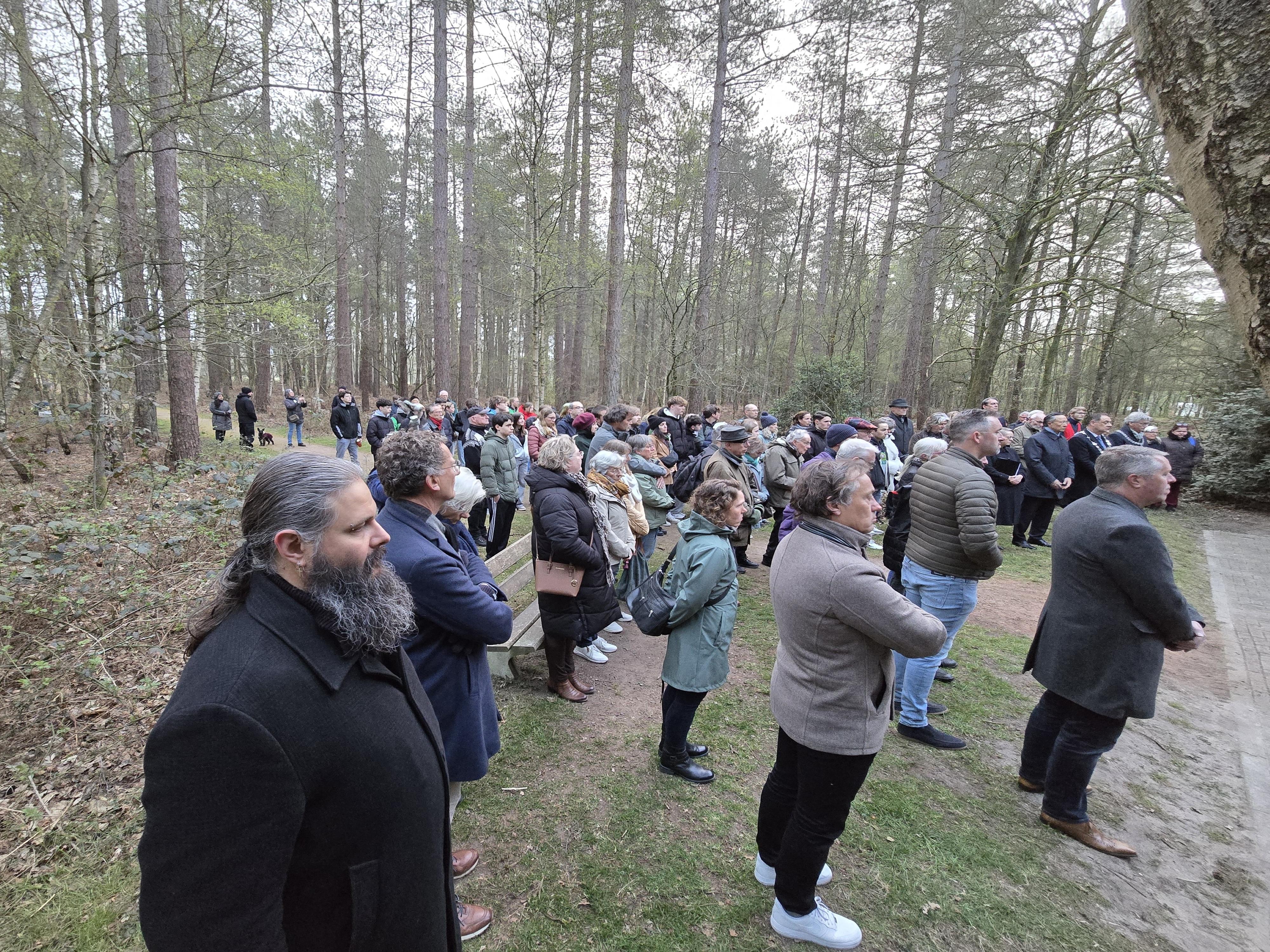
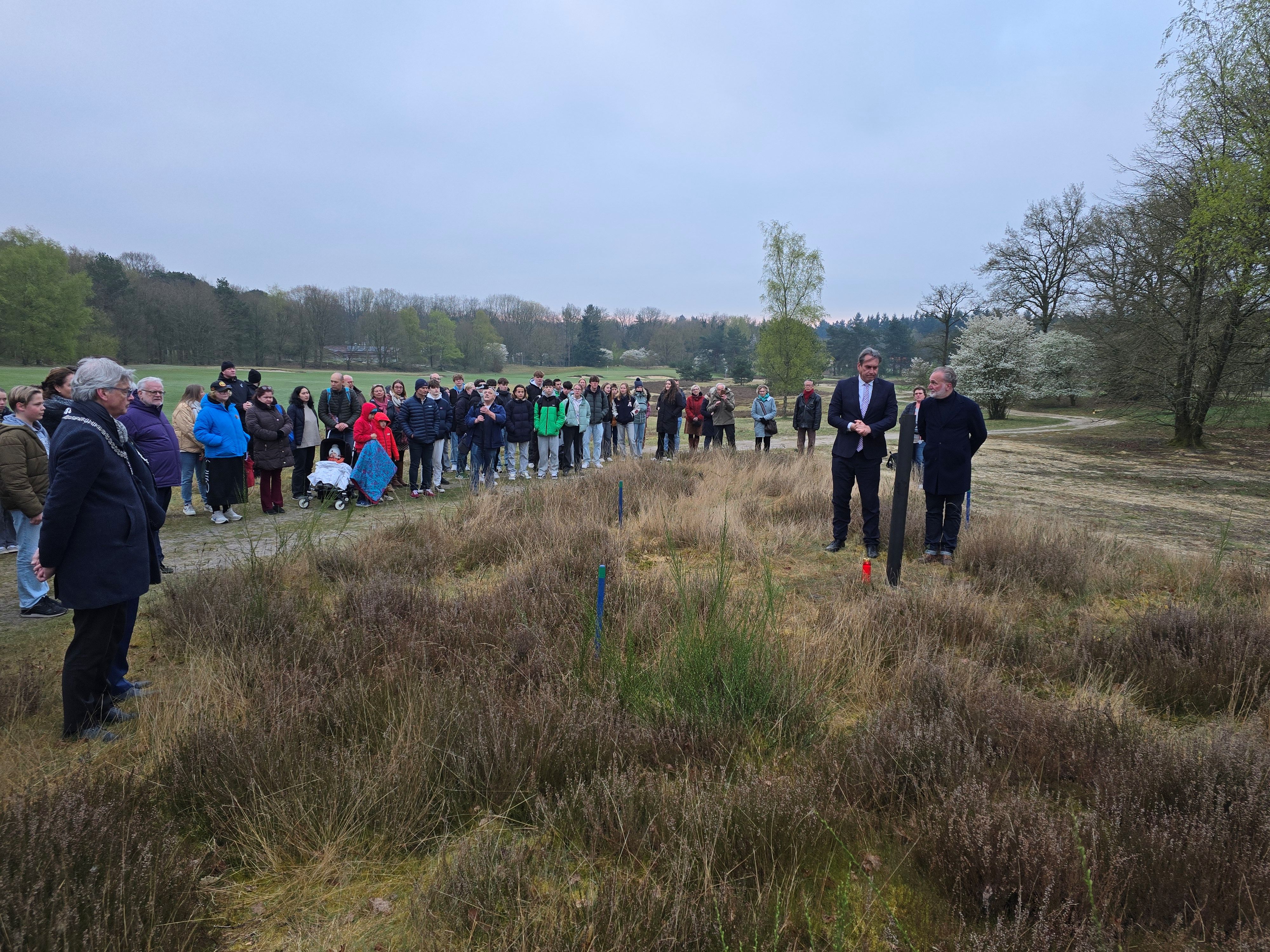
Leusden (The Netherlands), April 9, 2025 — In the early hours of April 9, the city of Leusden hosted its annual official commemorative ceremony honoring 77 Soviet prisoners of war who were executed by the Nazis in 1942. According to eyewitness accounts of those tragic events, most of the 77 executed soldiers came from the republics of Central Asia, particularly Kazakhstan and Uzbekistan. The ceremony was attended by mayors of local municipalities, representatives of the diplomatic corps — including the Embassy of the Republic of Kazakhstan in the Netherlands — as well as civil society activists, local historians, students, schoolchildren, and residents from neighboring towns.
The event began at dawn near the “Koedriest” obelisk, named after the forest area where the soldiers are buried. The ceremony opened with welcome remarks from the organizers — Rogier Reekers and Remco Reiding, directors of the Soviet Field of Honor Foundation (Stichting Sovjet Ereveld). Remco Reiding shared heartfelt memories of his visit to Kazakhstan and his meetings with families he had assisted in finding the burial sites of their fathers in Leusden. A large memorial candle was lit at the site of the tragedy, near the former Amersfoort concentration camp, followed by a solemn moment of silence.
This event marked an important continuation of the Foundation’s consistent and noble mission to preserve the memory of Soviet soldiers who died on Dutch soil during the Second World War. A total of 865 soldiers and officers from the former Soviet Union are buried at the Soviet Field of Honor, many of whom remained nameless for decades. It is especially noteworthy that in March of this year, a new museum — Sovjet Ereveld Experience — was opened at the site, dedicated to the personal stories and destinies of these soldiers. Thanks to the meticulous work of researchers and archivists, the identities of several Kazakh soldiers were established, and their relatives were specially invited to the ceremony. One family member was given the honor of cutting the ceremonial ribbon.
The museum is equipped with modern technologies, including elements of virtual reality, allowing visitors to immerse themselves in the stories of those who remained in the shadows of history and to deeply feel the heroism of the fallen. This project stands as a powerful example of how interstate humanitarian cooperation and the personal initiative of committed individuals can help restore the memory of victims of the war against Nazism — especially in this commemorative year marking the 80th anniversary of Victory.
Source : https://www.gov.kz/memleket/entities/mfa-hague/press/news/details/973181?lang=kk