In the East Kazakhstan Region, Changes to Tax Debt Collection Procedures and New Special Tax Regimes Were Explained
25.02.2026 08:17:40 1693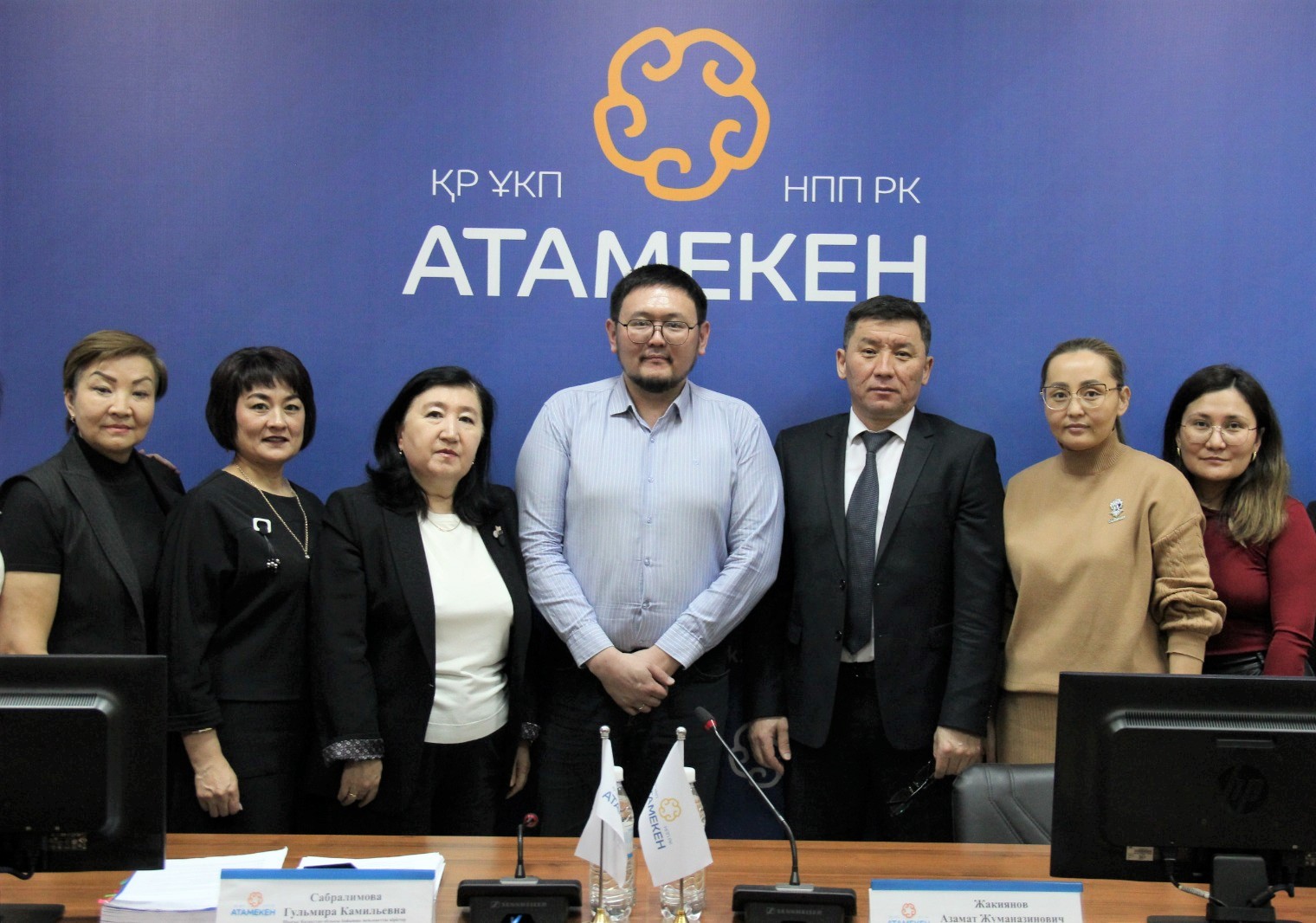
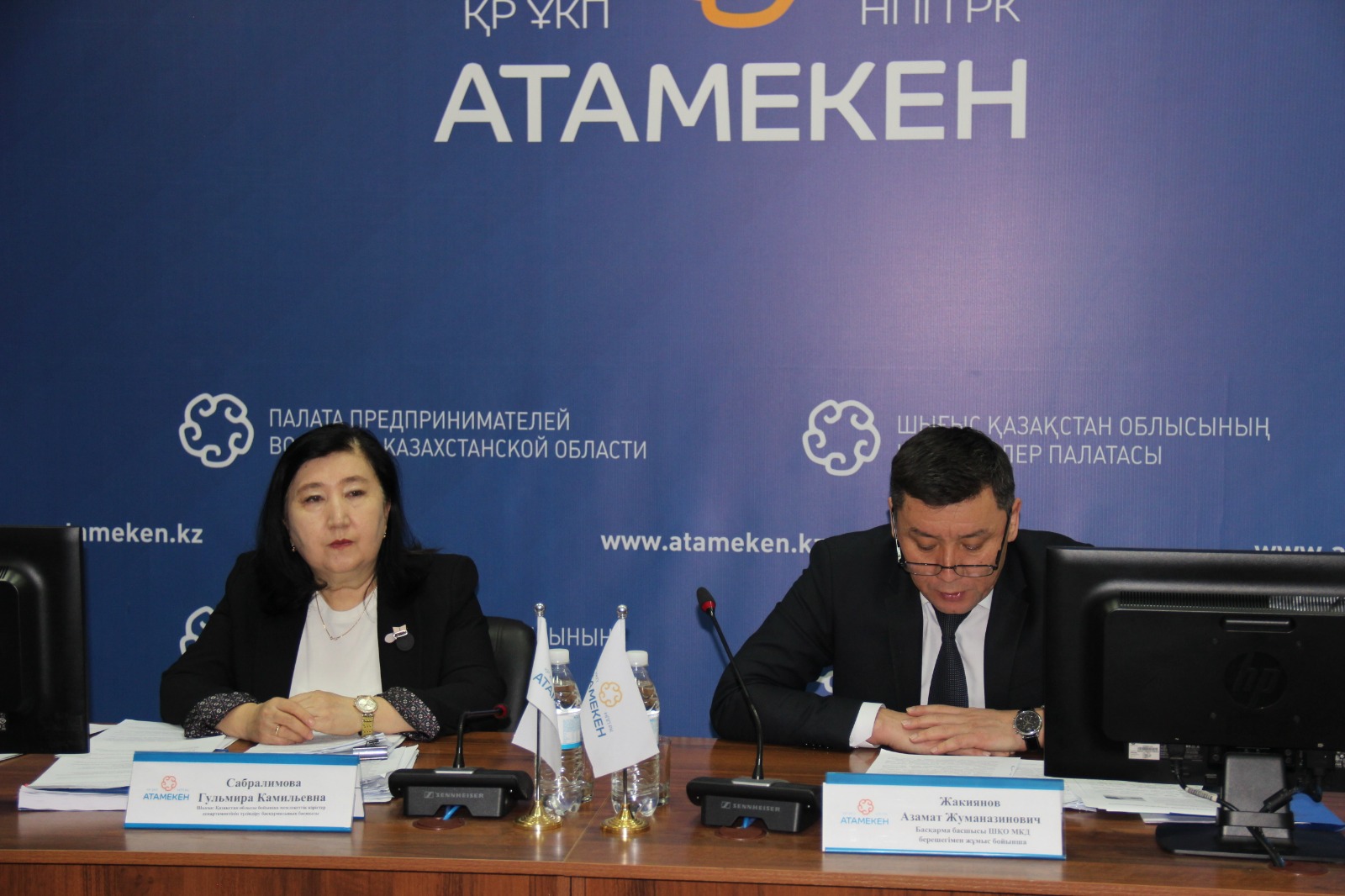
On February 19, 2026, a meeting was held at the site of the NCE RK “Atameken” (East Kazakhstan Regional Branch) in both offline and online formats as part of the “Business and Taxes” project, dedicated to amendments to tax legislation effective from 2026.
The event was attended by representatives of the Department of State Revenue for the East Kazakhstan Region — Azamat Zhakiya nov, Head of the Debt Management Department, and Gulmira Sabralimova, Head of the Explanatory Work and Contact Center Department.
During the seminar, the Head of the Debt Management Department elaborated on the new rules for the collection of tax arrears предусмотренных by the Tax Code and explained the procedure for applying the “clean slate” mechanism for writing off penalties and fines.
Azamat Zhakiya nov reported that the new Tax Code introduces a minimum threshold for tax debt — no less than 20 times the Monthly Calculation Index (MCI) (previously 6 MCI) — for the application of enforcement measures, eliminating the link to the taxpayer’s risk level. Before applying enforcement measures, tax authorities will send notices and notifications.
Collection measures will now be applied in stages:
up to 20 MCI — issuance of a notice and accrual of penalties;
over 20 MCI — issuance of a notification, accrual of penalties, freezing of bank accounts, and issuance of collection orders;
over 45 MCI — all enforcement measures, including seizure of property and accounts receivable;
over 27,000 MCI — travel ban (if the debt remains unpaid for more than three months by court decision).
The speaker also addressed the issues of deferral and installment payments. From 2026, it will be possible to obtain installment plans without collateral or a bank guarantee for taxpayers who meet the established criteria, as well as for participants in horizontal monitoring. In addition, installment plans without collateral will be available in cases of temporary financial difficulties for taxpayers with debts up to 1,500 MCI. The installment period may be up to 36 months, and the deferral period up to 6 months.
Gulmira Sabralimova, Head of the Explanatory Work and Contact Center Department, explained the innovations in tax legislation, special tax regimes, and transitional provisions. As noted by the speaker, the new Tax Code предусматривает three special tax regimes: for the self-employed, based on a simplified declaration, and for peasant and farming households.
“Taxpayers planning to apply the special tax regime based on a simplified declaration must submit a notification of the chosen taxation regime no later than February 28, 2026,” she emphasized. She added that if the notification is not submitted, the transition to the general taxation regime will be carried out automatically from January 1, 2026.
Following the meeting, entrepreneurs received answers to their questions regarding the practical application of the new provisions and expressed gratitude to the organizers and speakers for the detailed explanations.
Recording of the live broadcast is available at the following link:
https://www.facebook.com/share/v/1HS8Z67Aot/
Source : https://www.gov.kz/memleket/entities/kgd-vko/press/news/details/1167389?lang=kk