The importance of conducting a phytosanitary analysis of seed material
10.03.2026 17:44:28 2096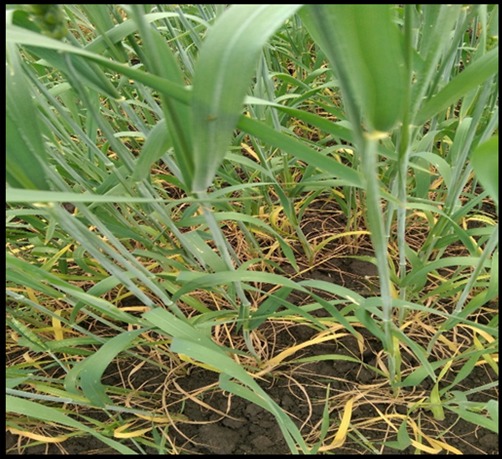
The key to a successful harvest of any agricultural crop lies in the seeds, which contain all the genetic information about growth and development during the growing season. Knowledge about the initial growth of a plant is essential for understanding the processes that lead to seemingly inexplicable losses during the growing season.
The infectious load inherent in any seed causes large crop losses every year, with some pathogens acting as the main source of infection. Seeds are carriers of the biological and economic properties of plants, so the yield obtained from their planting depends largely on their quality. Pre-sowing seed treatment has a significant impact on crop yields and, consequently, on food production.
Without high-quality seeds, it is impossible to grow competitive agricultural products, even if all agricultural practices are followed. The key to high yields and marketable quality of agricultural products is scientifically-based pre-sowing seed preparation, which includes the preparation of seed material, seed components, and their effective interaction during the processing process. To prevent the spread of diseases transmitted through seeds, it is necessary to conduct their phytosanitary examination.
The main objective of phytanalysis is to determine the external and internal infection of various pathogens that may be present on the seeds, as well as their species and genus affiliation to different fungi. Therefore, the selection of a protective and stimulating composition for the pre-sowing treatment of spring wheat and barley seeds against a complex of fungal and bacterial infections, Stimulating seed germination and root formation with anti-stress activity and resistance during the growing season is an urgent task.
Seed phytanalysis is an integral part of modern production technologies, as it allows for the prediction of possible plant diseases, thereby enabling the preservation of crop yields and grain quality. Proper diagnosis of diseases, knowledge of their causes and development patterns, are essential for successful preventive and protective measures. High-quality seed treatment with fungicides should begin with a mandatory phytological examination.
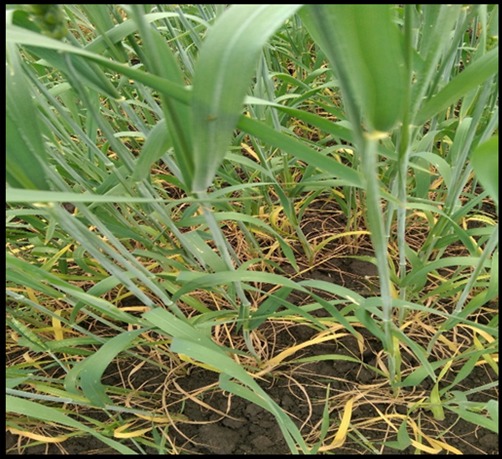
According to numerous literature sources, the main causes of root rot are fusarium and helminthosporiosis. When the spike is affected by fusarium, the number of grains decreases, the weight of 1,000 seeds decreases, the germination rate of seeds decreases, and the seedlings partially die. Fusarium infection of the spike can lead to a loss of up to 50% of the crop. Helminthosporium causes the death of seedlings and sprouts, stunted plants, reduced overall and productive bushiness, and root rot.
Crop losses can be as high as 10% or more, and seed germination can be reduced by up to 40%. Fungi of the genus Alternaria infect seeds during plant development in the field before harvest. Seeds affected by alternaria have low germination energy and germination rates. Root rot caused by phytopathogenic fungi, such as Bipolaris (Helmintosporium), Fusarium, Alternaria, and Pytium, is a common disease that leads to the death of seedlings and sprouts. Crop losses from harmful organisms reach 25-30%.
Seeds and planting material are a specific and widespread factor of transmission of phytopathogens in agroecosystems. Ensuring high phytosanitary and sowing qualities of seeds is of great importance in phytosanitary technologies of cultivation of crops.
A qualified diagnosis of seed disease agents allows for a differentiated approach to the selection of seed dressings, using the most effective ones against a specific species or complex of pathogens. In this regard, the importance of seed phytanalysis as the main content of integrated protection increases. All of the above does not cast doubt on the importance and relevance of conducting timely seed phytanalysis before sowing seed products!
For questions about the phytanalysis of seeds, please contact
Mendykara branch of the Russian State University "RMTSFDIP". the village of Borovskoye.
Altynsarina street 25. by phone 871443 22079. Cell 87058637695.