A discussion was held in Astana on how tax administration has changed for businesses and citizens
17.04.2026 19:39:24 3527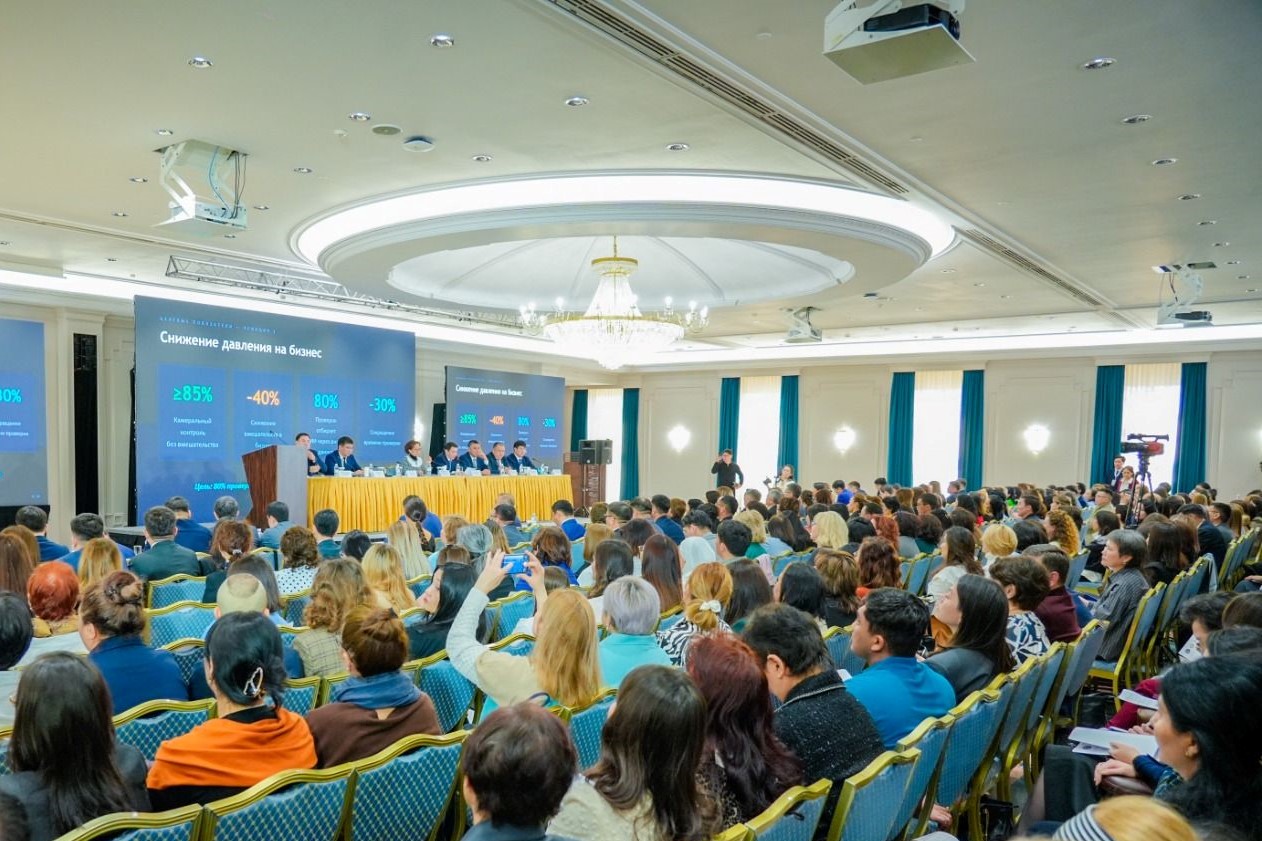
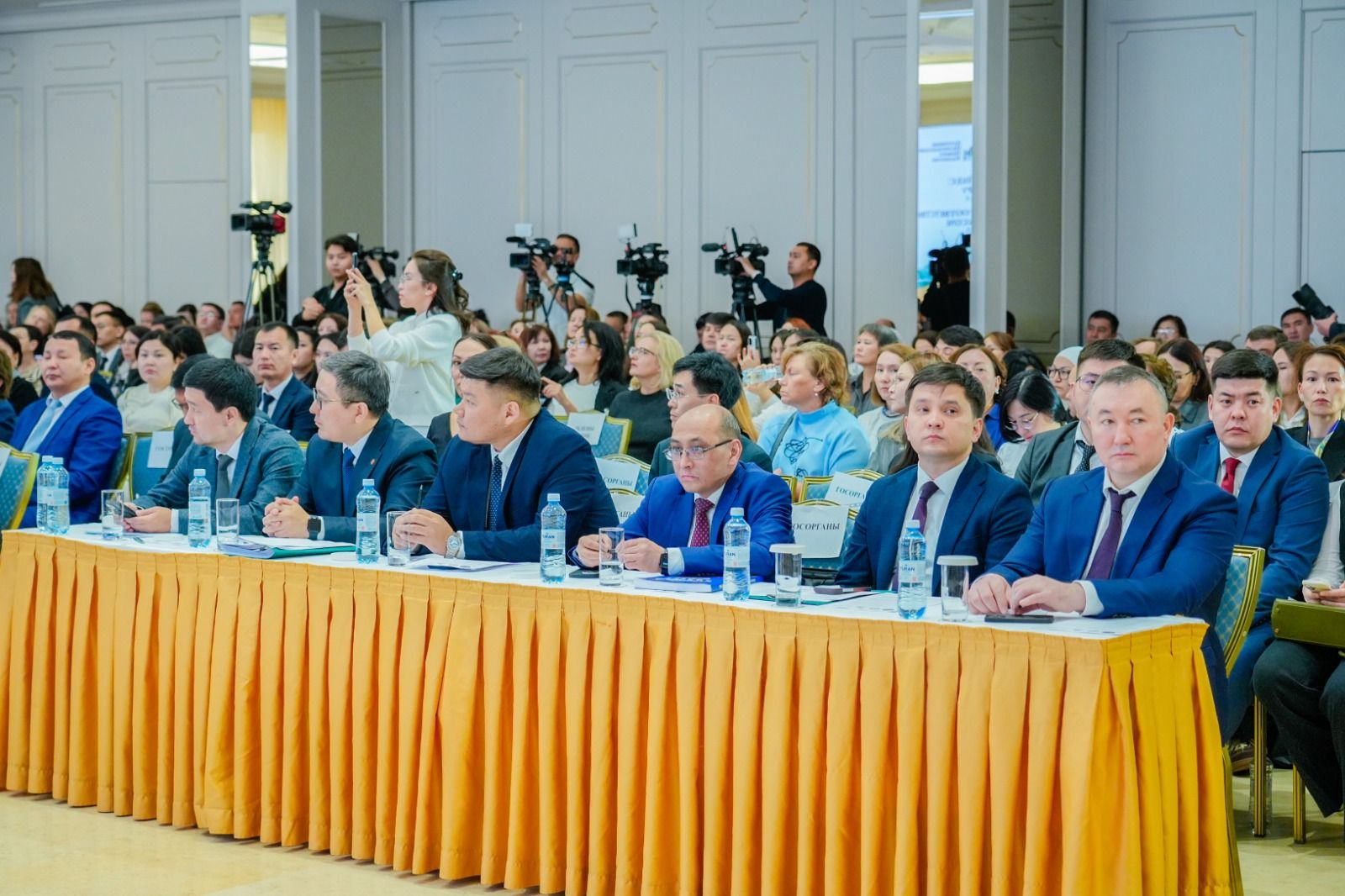
On April 17, 2026, a conference titled “Tax Administration in Accordance with the New Tax Code” was held in Astana, organized by the Taxpayers Association of New Kazakhstan in conjunction with the Ministry of Finance of the Republic of Kazakhstan and the State Revenue Committee.
The event served as a platform for open dialogue between government agencies, the expert community, and business representatives on the implementation of new approaches in the tax sphere. Participants were briefed on key legislative changes and their practical application, and were introduced to tools designed to simplify interactions with tax authorities.
Opening remarks were delivered by Zhandos Duisembiev, Chairman of the State Revenue Committee of the Ministry of Finance of the Republic of Kazakhstan, and Zhannat Yertlesova, Chairwoman of the Governing Council of the New Kazakhstan Taxpayers Association. In their speeches, they emphasized the importance of establishing a transparent, understandable, and taxpayer-oriented system.
During the conference, Zhandos Duisembiev and the heads of the Committee’s departments presented key areas for the development of tax administration. These include improving its principles, digitizing processes and developing online services, introducing a pre-filled VAT return service, applying international tax instruments, including the Multilateral Instrument (MLI), as well as updated approaches to desk audits.
In his report, Zhandos Duisembiev provided a detailed overview of the five principles of tax administration: proactive support rather than control (44 types of push notifications, a “clean slate” program that has written off 7.7 billion tenge in penalties and fines), predictability (30% reduction in reporting forms, VAT refunds within 15 days for all), technological maturity (SDF: 78 data sources, pre-filled tax returns), risk-based approach (horizontal monitoring of 109.7 billion tenge without audits, the “KEDEN” IS 12 electronic customs services) and a level playing field (the shadow economy decreased from 23.7% to 16.7% of GDP).
Particular attention was paid to digitalization, which reduces the administrative burden, minimizes errors in reporting, and makes tax procedures more convenient and understandable.
Specifically, certain procedures are being simplified; for example, failure to file reports is now treated as a zero return, and the deadlines for filing notifications have been extended. A service-oriented administration model is also being developed, which includes pre-filled tax returns, horizontal monitoring, and digital tools for self-assessment of tax risks.
Anuar Suleimenov, Deputy Chairman of the State Tax Committee of the Ministry of Finance of the Republic of Kazakhstan, presented the digitalization architecture (ISNA, KEDEN IS). Muratbek Musin, Director of the State Tax Committee Department of the Ministry of Finance of the Republic of Kazakhstan, demonstrated the VAT return pre-filling service in action. Sanzhar Moldabekov, Head of the Department at the State Tax Committee, explained the application of the Multilateral Convention (MLI) against base erosion. Bektas Adilgaliev, Head of the Department at the State Tax Committee of the Ministry of Finance, presented new mechanisms for desk-based control with an emphasis on notifications rather than sanctions.
The conference was held in an interactive format; after each presentation, participants could ask questions and receive clarifications on the most relevant topics.
Following the meeting, it was noted that the introduction of new approaches and services is aimed at improving tax literacy, reducing barriers to business, and establishing an effective and transparent tax administration system.
Source : https://www.gov.kz/memleket/entities/kgd/press/news/details/1203548?lang=kk