
Information for the population on the prevention of foot-and-mouth disease
05.05.2026 09:33:11 1911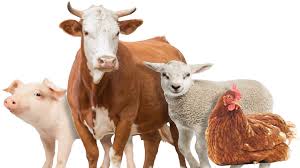
Foot-and-mouth disease is an acute viral disease of domestic and wild cloven-hoofed animals, characterized by fever and aphthous lesions of the oral mucosa, udder, and extremities. Cattle and pigs are most often affected; sheep, goats, and wild cloven-hoofed animals are less susceptible. Young animals are more susceptible and experience a more severe illness than adults. People can also contract foot-and-mouth disease.
The causative agent of foot-and-mouth disease is a virus that is not resistant to high temperatures and quickly dies when heated to 60 degrees Celsius, exposed to UV rays, and common disinfectants. Low temperatures, high humidity, and neutral environments are particularly favorable conditions for virus preservation in the environment. Animals that have recovered from one type of virus may become ill if infected with another type of virus.
SOURCE OF DISEASE – sick animals, including those in the incubation (latent) period of the disease, which usually lasts from 1 to 7 days, and sometimes up to 21 days. Such animals release the virus into the environment with the contents and walls of aphthae, milk, saliva, exhaled air, urine, and feces, resulting in contamination of pastures, buildings, equipment, water sources, feed, and vehicles. Infection occurs through the mucous membranes of the oral cavity, when eating food and drinking, or by licking various infected objects.
Individual animals that have recovered from foot-and-mouth disease, as well as those immunized against it and kept together with sick animals, may remain carriers of the virus for a long time and be a potential source of infection.
Transmission of the disease to healthy animals can occur through unsterilized food and raw materials obtained from animals infected with foot-and-mouth disease, as well as feed, water, bedding, care items, clothing and footwear of people contaminated with the excreta of sick animals, and vehicles, where the foot-and-mouth disease virus can persist for a long time.
There are no specific treatments for foot-and-mouth disease. To boost immunity in animals, you can use multivitamin preparations, immunomodulators, and broad-spectrum antibiotics to suppress opportunistic microflora.
IMPORTANT!!!
The primary route of infection for humans is through raw milk from sick animals and its processed products, and less commonly through meat. Persons in direct contact with sick animals can be infected directly (during milking, care, treatment, or slaughter), through airborne droplets (during breathing or coughing), and through objects contaminated with their excrement. The infection is not transmitted from person to person. Children are more susceptible to foot-and-mouth disease than adults. State Institution “Mendykarinsky district territorial inspection of KVKiN Ministry of Agriculture of the Republic of Kazakhstan”, Borovskoye village, Altynsarina str. 83, tel.: 2-40-94