
Алтын Орданың мұрасы – Қазақстанның тарихи бірегейлігінің маңызды бөлігі
21.05.2026 09:10:01 2036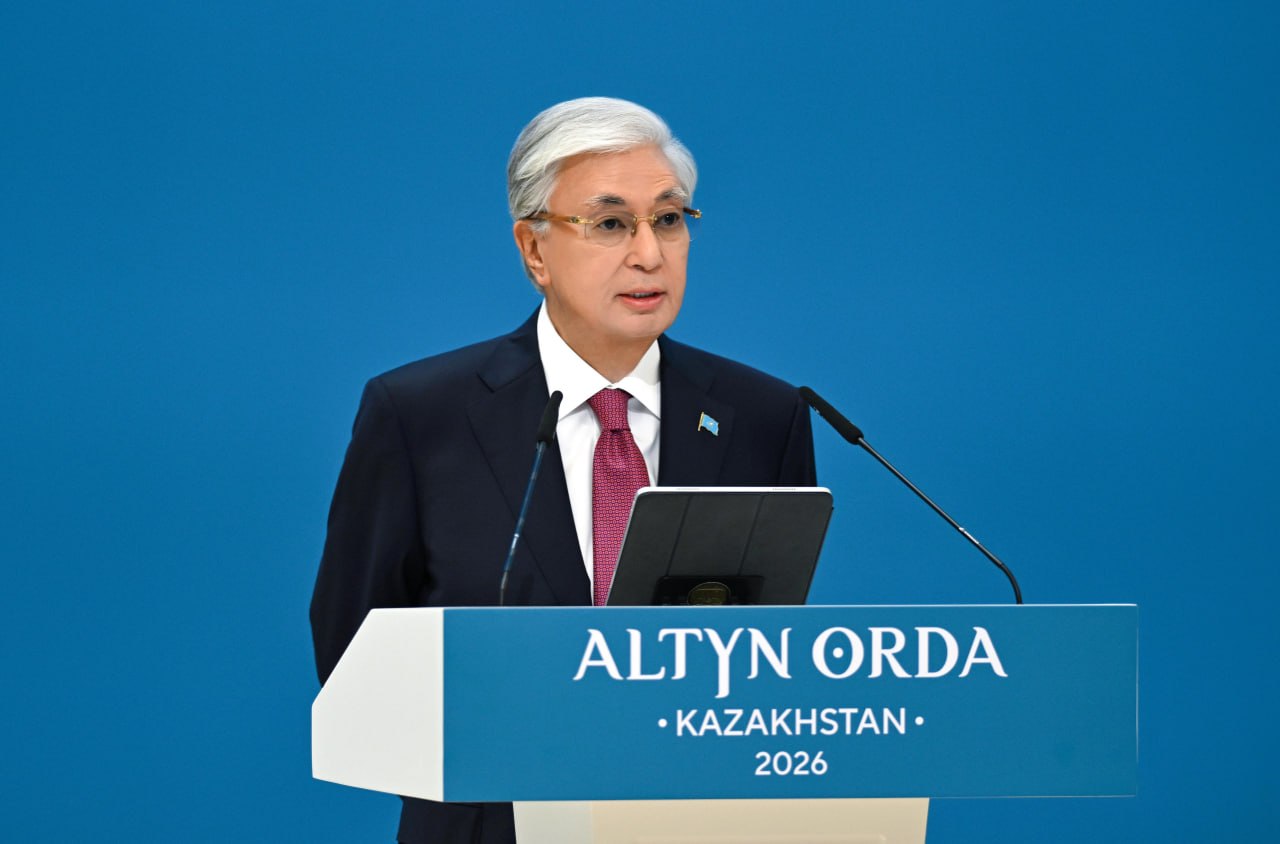
The Legacy of the Golden Horde Is an Important Part of Kazakhstan’s Historical Identity
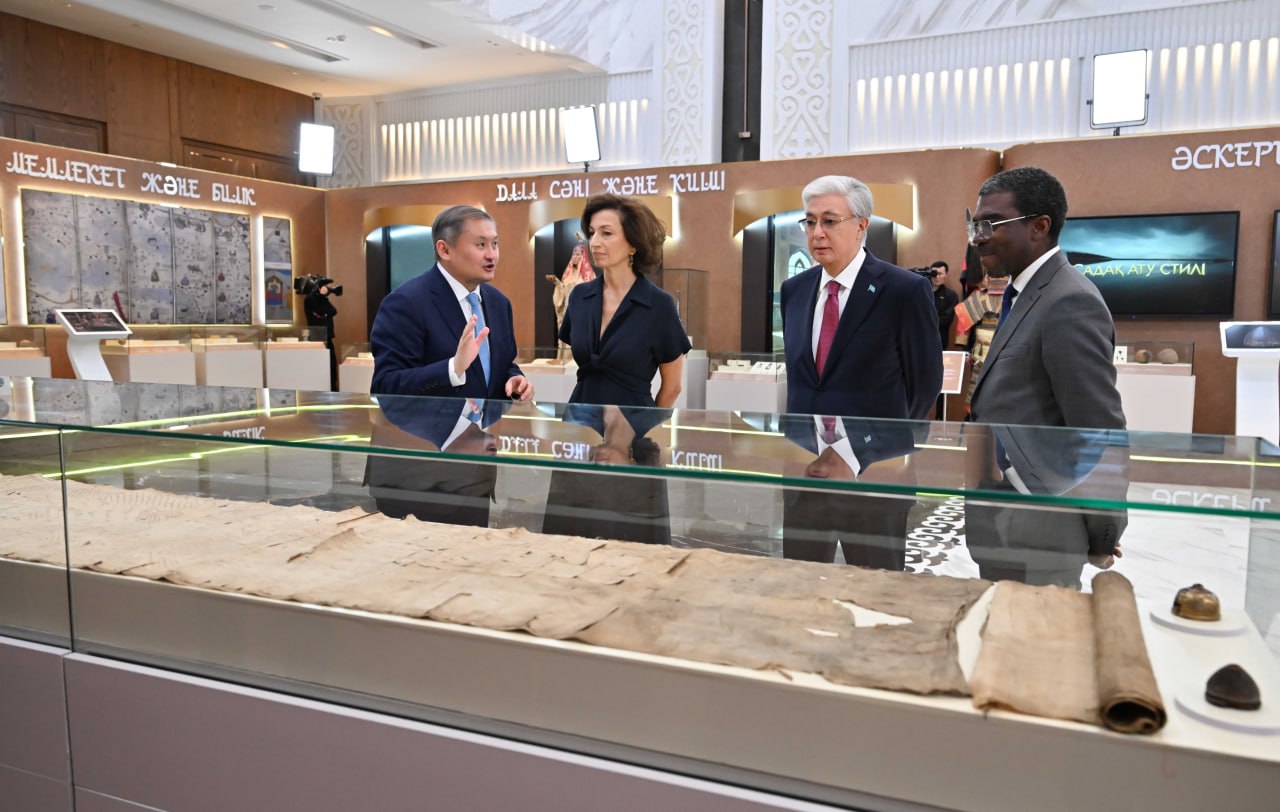
On May 19, an international symposium titled “The Golden Horde as a Model of Steppe Civilization: History, Archaeology, Culture, and Identity” was held at the Palace of Independence in Astana with the participation of President Kassym-Jomart Tokayev.
The Golden Horde occupies a special place in the history of Kazakhstan as the historical predecessor of the Kazakh Khanate and a state that played a key role in the formation of the Kazakh nation. It was during the Golden Horde period that the Turkic-Muslim civilizational space took shape, alongside the development of statehood, trade, culture, and diplomacy.
The President of Kazakhstan has repeatedly emphasized the importance of preserving historical memory and reexamining the nation’s history in depth. The symbolism and traditions of the Golden Horde continue to be reflected in modern Kazakh statehood. In particular, the name of the presidential residence, “Ak Orda,” is historically linked to the headquarters of the rulers of the Ulus of Jochi, while the name of the national currency, the “tenge,” originates from the monetary circulation of the Golden Horde era.
Speaking at the symposium, the Head of State shared several noteworthy observations.
“No historian doubts that the Golden Horde was a powerful empire that freely extended across the vast expanses of Eurasia and ruled over the territory of the Great Steppe. This is a universally recognized historical fact,” the President stated at the international symposium dedicated to the history of the Golden Horde.
According to Kassym-Jomart Tokayev, the Golden Horde became a political entity that connected East and West, and its history naturally remains the subject of extensive fundamental research.
The President noted that, unlike many states of that era, the Golden Horde demonstrated a principle of strategic openness in its development, which was reflected even in the design of its cities.
“At the height of its prosperity, the cities of the empire were not enclosed behind fortress walls but developed as centers of intensive trade and high human mobility. This experience convincingly refutes the myth of an eternal conflict between the steppe and the city. On the contrary, it was precisely their interaction that created one of the most flexible models of medieval statehood.”
The President stressed that the topic of the Golden Horde remains highly relevant and is of particular importance both for Kazakhstan’s national history and for global historical scholarship. In this regard, Kazakhstan intends to continue the systematic and comprehensive study of this period in cooperation with the international academic community.
“It is important that this symposium has brought together various research schools specializing in the history of the Golden Horde and the Great Steppe. It is only fair to acknowledge the role of Russian scholars, who for many years have been productively studying this vast subject and have created a substantial body of academic work providing extensive knowledge about the Golden Horde. At the same time, the topic has gone beyond the boundaries of a single state and attracted the attention of researchers from China, Mongolia, the United States, India, Pakistan, Japan, Kyrgyzstan, Uzbekistan, Egypt, and a number of European countries. One could say that interest in this subject is steadily spreading across the globe,” the President said.
The Head of State also expressed special gratitude to UNESCO for supporting Kazakhstan’s initiative to hold the symposium.
Source : https://www.gov.kz/memleket/entities/mfa-kuala-lumpur/press/news/details/1224109?lang=ru