
Kazakhstan promotes modern approaches to crime prevention at the United Nations in Vienna
30.06.2026 18:25:19 520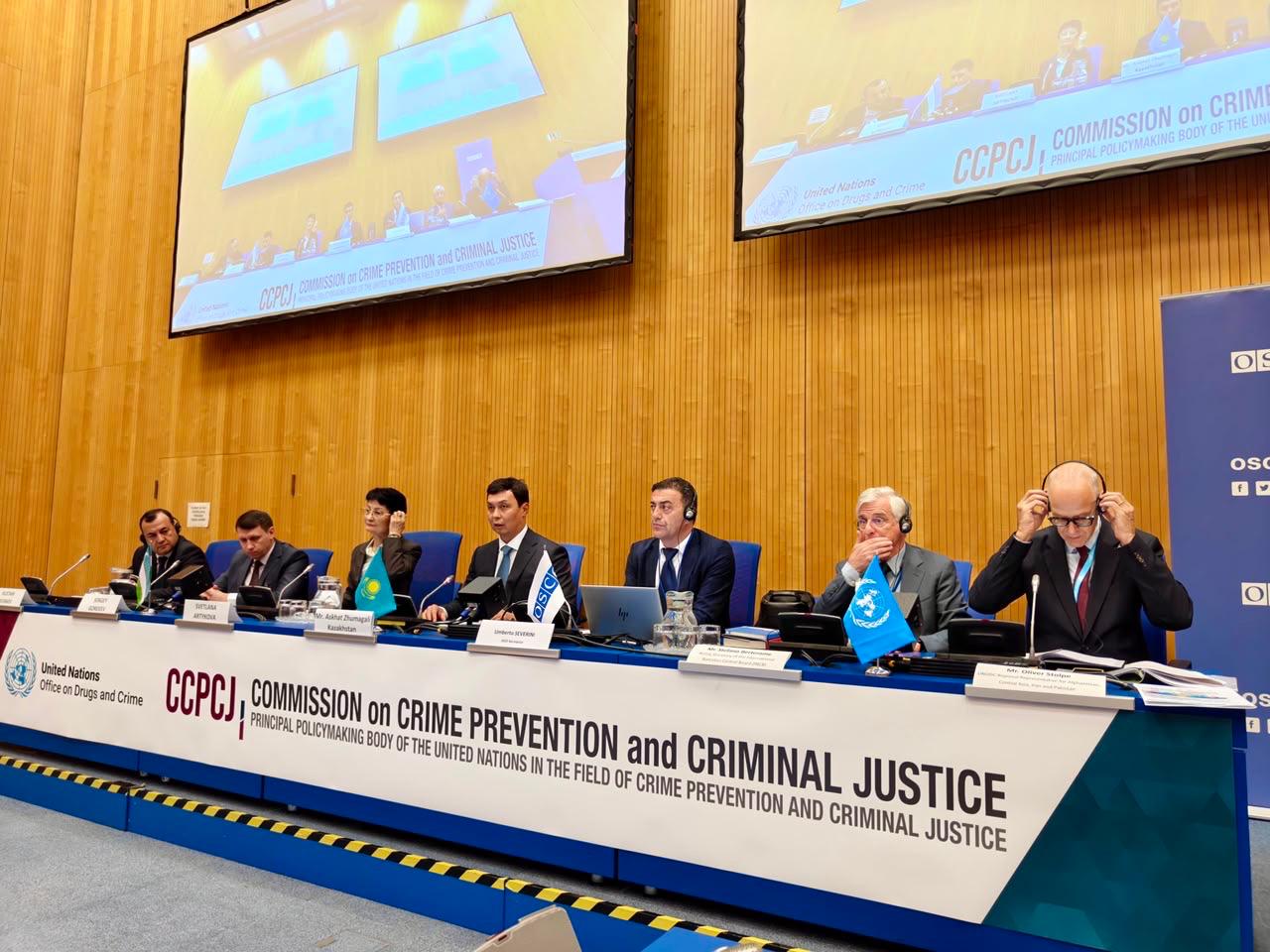
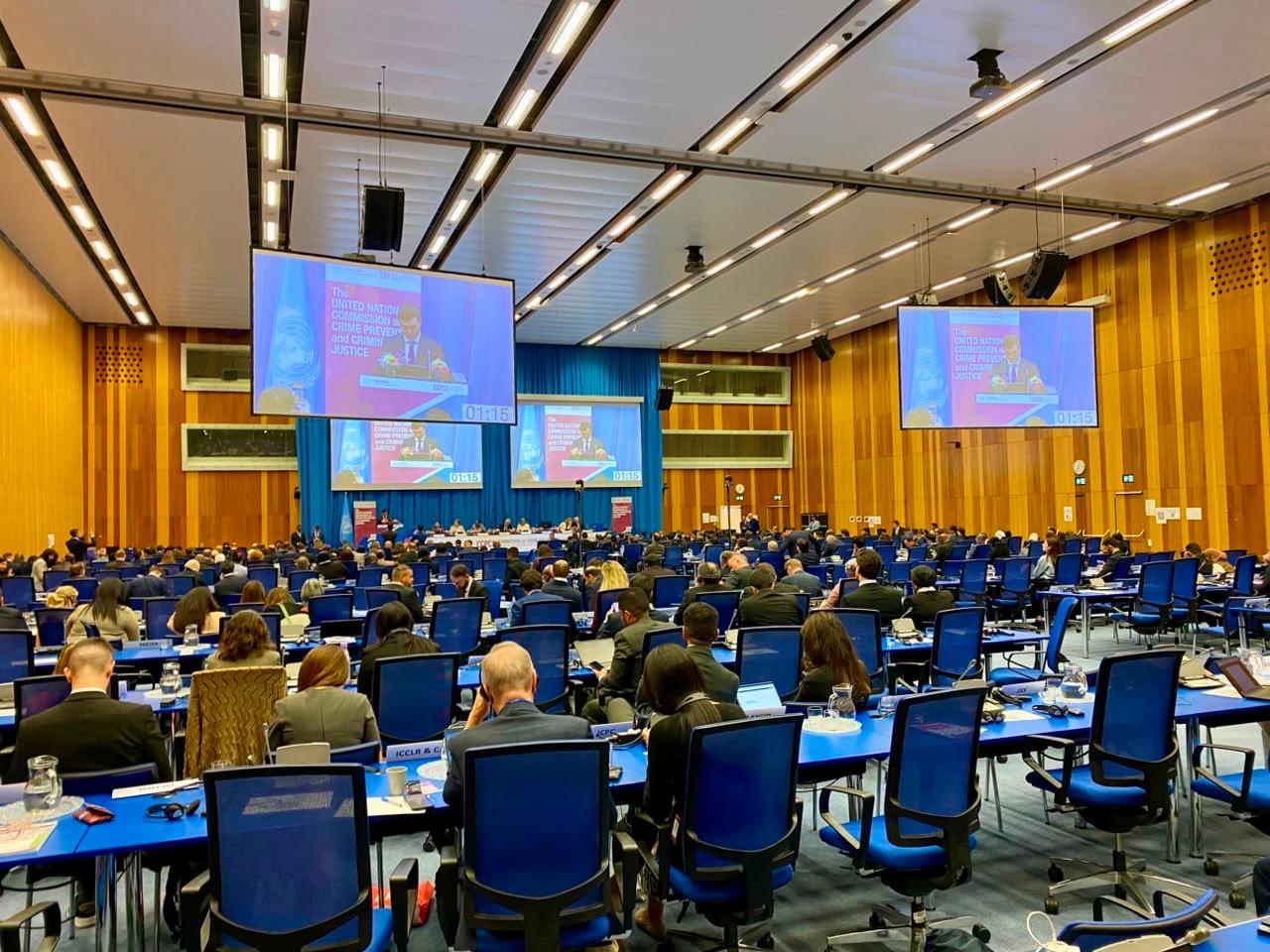
Vienna, 8 June 2026 – The 35th session of the Commission on Crime Prevention and Criminal Justice (CCPCJ), the United Nations’ principal policymaking body in the field of crime prevention and criminal justice, concluded at the United Nations Office at Vienna.
During the session, Member States addressed current international security challenges, including efforts to combat transnational organized crime, cyber-enabled fraud, trafficking in persons, and the increasing use of emerging technologies by criminal networks.
A Kazakh delegation participated in the session, comprising representatives of the General Prosecutor’s Office, the Ministries of Foreign Affairs and Internal Affairs, and the Permanent Mission of Kazakhstan to the International Organizations in Vienna.
In Kazakhstan’s national statement, Mr. Askhat Zhumagali, Deputy Prosecutor General of the Republic of Kazakhstan, reaffirmed the country’s commitment to strengthening international cooperation in crime prevention and criminal justice, as well as to the consistent implementation of obligations under the United Nations’ universal international legal instruments.
Particular emphasis was placed on the ongoing reforms aimed at strengthening the rule of law, enhancing public safety, improving interagency coordination, and introducing modern, evidence-based approaches to crime prevention.
On the margins of the session, the Kazakh delegation, in cooperation with the United Nations Office on Drugs and Crime (UNODC), organized a thematic side event entitled “From Punitive Penitentiary Systems to Rehabilitation: Experiences from Europe and Central Asia.” During the event, Mr. Nurzhan Ryspayev, First Deputy Chairman of the Committee of the Penal Correction System of the Ministry of Internal Affairs of Kazakhstan, presented the country’s experience in modernizing its penitentiary system, introducing rehabilitation-oriented policies, and strengthening mechanisms for the social reintegration of offenders in line with international standards.
Kazakhstan also co-organized a side event of the Central Asian Regional Information and Coordination Centre (CARICC) entitled “Artificial Intelligence and Digital Technologies in Countering Drug Trafficking and Organized Crime.” Opening the event, Mr. Askhat Zhumagali highlighted the growing importance of advanced technologies and international partnerships in addressing transnational criminal threats.
Kazakhstan’s practical experience in applying digital solutions and artificial intelligence tools to detect and disrupt drug-related crime was presented by Mr. Alzhan Nurbekov, Head of the Anti-Drug Crime Service of the General Prosecutor’s Office. Participants exchanged views on the potential of artificial intelligence and digital technologies to combat illicit drug trafficking, trace criminal financial flows, and enhance international law enforcement cooperation.
Kazakhstan’s participation in the Commission reaffirmed its commitment to strengthening international cooperation in crime prevention and criminal justice, promoting modern and internationally informed approaches to justice sector reform, and advancing innovative solutions to address evolving criminal threats.
Source : https://www.gov.kz/memleket/entities/mfa-vienna/press/news/details/1236959?lang=ru