
UN Discusses Practical Measures for Victim Assistance and Environmental Remediation
03.09.2026 19:16:30 187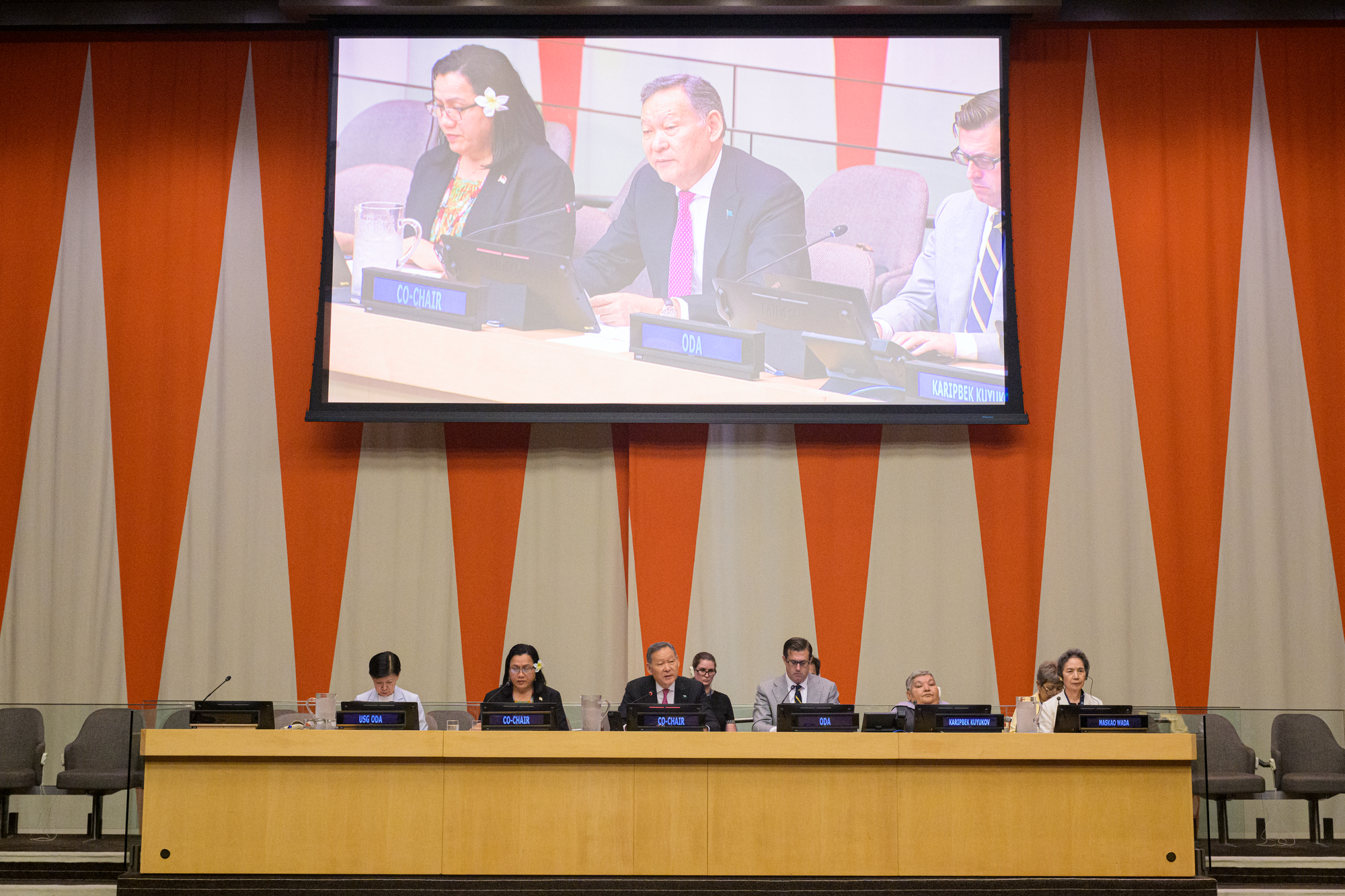
New York, 1 September 2026 – An International Meeting on Victim Assistance and Environmental Remediation was held at United Nations Headquarters under the co-chairmanship of Kazakhstan and Kiribati.
The meeting continued a series of events held at UN Headquarters to mark the International Day against Nuclear Tests, shifting the focus from preventing future tests to practical measures aimed at addressing their long-term humanitarian and environmental consequences.
The event was convened pursuant to relevant UN General Assembly resolutions co-sponsored by Kazakhstan and Kiribati. Discussions focused on assistance to individuals and communities affected by the use and testing of nuclear weapons, the environmental remediation of affected areas, and the strengthening of international cooperation.
As President of the Republic of Kazakhstan Kassym-Jomart Tokayev emphasized in his statement on the occasion of the International Day against Nuclear Tests, the Semipalatinsk Nuclear Test Site inflicted irreparable harm on human health and the environment for decades, leaving behind a painful legacy. The international meeting was therefore aimed at advancing practical solutions to these challenges.
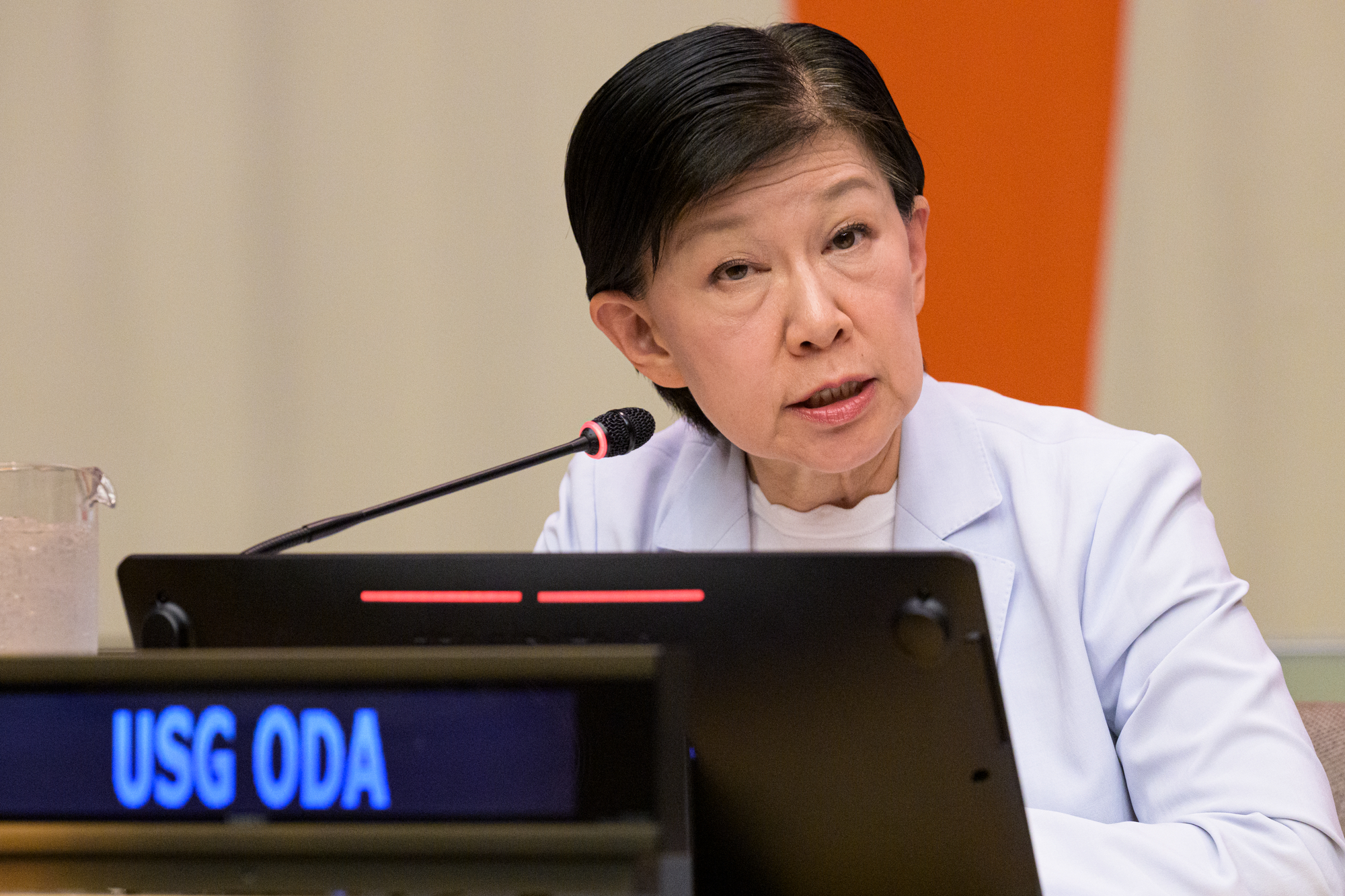
Opening the event on behalf of the UN Secretary-General, UN High Representative for Disarmament Affairs Izumi Nakamitsu expressed appreciation to Kazakhstan and Kiribati for their leadership in convening this important discussion. She stressed that the consequences of the use and testing of nuclear weapons persist for decades and affect multiple generations, while addressing them requires sustained national efforts, adequate resources and effective international cooperation. Particular emphasis was placed on ensuring the participation of affected communities in identifying priorities and shaping assistance measures.
Speaking as Co-Chair of the meeting, Permanent Representative of Kazakhstan to the United Nations Kairat Umarov emphasized that affected individuals and communities must remain at the centre of international efforts. He invited participants to share concrete experiences, lessons learned and practical recommendations capable of translating accumulated knowledge and expertise into tangible action.
The voices of affected communities featured prominently in the programme. Masako Wada, a representative of the Japan Confederation of A- and H-Bomb Sufferers Organizations, Nihon Hidankyo, spoke about the long-term consequences of the atomic bombings of Hiroshima and Nagasaki.
Kazakh artist and anti-nuclear activist Karipbek Kuyukov spoke about the consequences of nuclear testing at the Semipalatinsk Test Site and the significance of the international anti-nuclear movement “Nevada-Semipalatinsk.” Participants were also shown a short film about his life and public advocacy.
The meeting attracted broad international interest, bringing together numerous representatives of UN Member States, international organizations, affected communities, civil society, and scientific and academic institutions. Participants exchanged national and expert experiences and put forward proposals for improving practical mechanisms for victim assistance and environmental remediation.
Director of the Department of International Security at the Ministry of Foreign Affairs of Kazakhstan Arsen Omarov presented Kazakhstan’s experience in addressing the consequences of nuclear testing at the Semipalatinsk Test Site, including measures to provide medical and social support to the population, conduct scientific research into the effects of nuclear testing, carry out radiation monitoring, and rehabilitate affected areas.
He also highlighted the Treaty on the Prohibition of Nuclear Weapons (TPNW) and the work of Kazakhstan and Kiribati as Co-Chairs of the Working Group on Victim Assistance, Environmental Remediation, and International Cooperation and Assistance. In particular, proposals were presented for establishing an international trust fund designed to facilitate the mobilization of financial, technical and scientific support for affected States and communities.
During the thematic panel entitled “Victim Assistance and Environmental Remediation: Experiences, Lessons Learned and International Cooperation”, representatives of affected communities, including those from Kazakhstan, the World Health Organization, the International Committee of the Red Cross, and scientific and academic institutions discussed practical measures in this area.
Following the meeting, the Co-Chairs will compile the practical proposals and recommendations presented during the discussions with a view to their subsequent implementation in accordance with the mandate of the UN General Assembly.
Source : https://www.gov.kz/memleket/entities/mfa-kazakhstanun/press/news/details/1285387?lang=ru