
Kazakhstan and the WCO are expanding cooperation: digital customs, fast transit, and personnel training
09.09.2026 17:23:03 595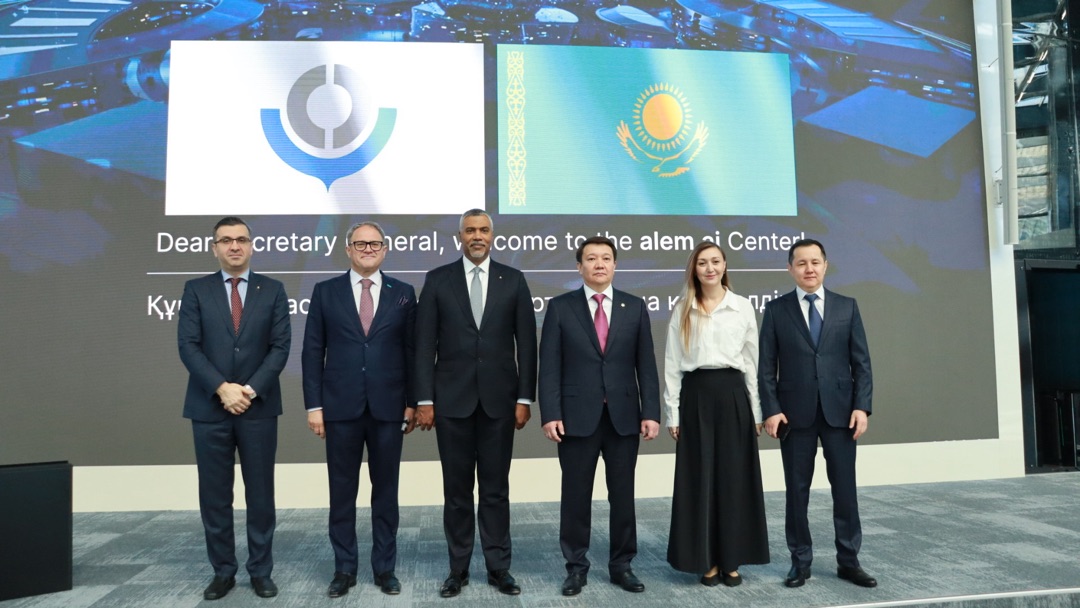
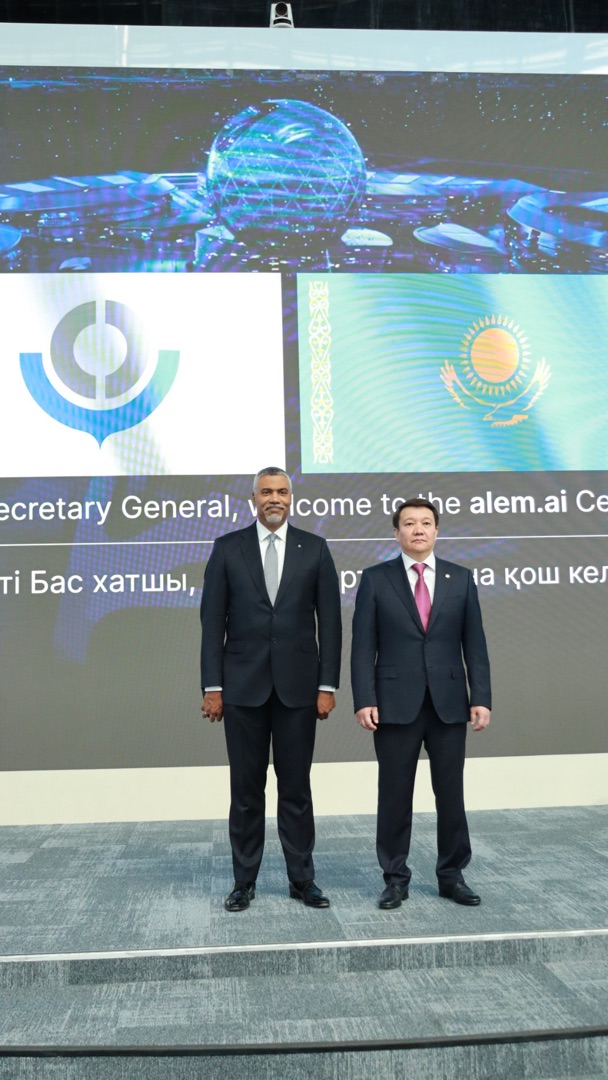
Kazakhstan is consistently strengthening the role of one of the key transit hubs in Eurasia. The growth in cargo flows requires customs to do two things simultaneously: process legitimate cargo more quickly and identify risks more accurately. These are precisely the tasks that became the central topic of negotiations with the Secretary‑General of the World Customs Organization (WCO), Ian Saunders, in Astana.
During the visit, meetings were held at the highest state level with the President of the Republic of Kazakhstan, Kassym‑Jomart Tokayev, and the Prime Minister, Olzhas Bektenov.
Kazakhstan has been a member of the World Customs Organization (WCO) since 1992. During this time, cooperation has evolved from joining international customs instruments to Kazakhstan’s active participation in the work of the Organization’s bodies and the implementation of regional programs.
This dialogue was continued by a meeting between WCO Secretary‑General Ian Saunders and Finance Minister Madi Takhiev, as well as Chairman of the State Revenue Committee Zhandos Duisembiev. At the working level, the parties discussed in detail practical issues related to the development of customs administration, including digitalization, the development of transit corridors, the simplification of procedures, and the further strengthening of Kazakhstan’s cooperation with the WCO.
The participation of the Minister of Finance gave the meeting a comprehensive interdepartmental character and made it possible to consider not only the current issues related to the activities of customs authorities but also the strategic directions for further cooperation.
A separate section of the negotiations was devoted to the information systems of the State Revenue Committee. The Secretary General was presented with information on how digital solutions are used in declaration and transit, data exchange with government agencies and foreign customs services, risk management, big data analysis, and the use of artificial intelligence.
The practical results of digitalization are already being measured by concrete indicators. Based on the results of the first half of 2026, about 60.5% of goods declarations were issued automatically. For transit declarations, 80% were processed without the use of customs control forms. The State Customs Committee is testing technologies for recognizing X‑ray images from inspection and screening complexes using AI, as well as digital tools to support customs decisions. Kazakhstan is interested in further developing these solutions, taking into account international standards, expert assessments, and WCO practices.
Ian Saunders positively assessed the digital development of Kazakhstan’s customs administration. The parties agreed to expand practical cooperation on digital tools, risk management, and the use of artificial intelligence. In this work, the WCO is important for Kazakhstan not only as a platform for developing international rules, but also as a source of methodological and technical support: expertise, training, testing of international approaches, and training of specialists.
For Kazakhstan, this is especially important in matters of transit. To develop its transit potential, the country simplifies customs procedures and builds direct digital exchange with other states. Such work is already underway with Uzbekistan, China, and Azerbaijan. Electronic exchange of preliminary information makes it possible to obtain information about the cargo before its arrival, assess risks in advance, and reduce the time required to complete customs formalities.
With Uzbekistan, Kazakhstan has begun developing the “Seamless Transit” pilot, which involves direct interaction between the information systems of customs services. Information cooperation with China is developing on the basis of bilateral protocols. The WCO provides Kazakhstan with methodological assistance in improving such procedures and applying international approaches to measuring and reducing the time required to cross the border.
A special place in the cooperation is occupied by the WCO Regional Training Centre in Astana. It has been operating since 2009 on the basis of the State Customs Committee and serves as a platform where specialists from the customs services of Kazakhstan and other countries in the region receive training from WCO experts, exchange best practices, and train their own trainers. In essence, it is a regional school of modern customs competencies.
Between 2024 and 2026 alone, 12 events were held at the Centre: three in 2024, five in 2025, and four in 2026. The topics covered container transport control, risk management, research into the time required to release goods, intellectual property protection, security in Central Asia and the Caucasus, the Harmonized System, and trade control of strategic goods. In 2024, a regional program for training master trainers in risk management, involving eight countries, also launched in Astana, and in April 2026, its final fifth meeting was held there.
Kazakhstan proposed continuing the joint training of master trainers, developing special training courses on export control and dual‑use goods, and using the Center’s potential to disseminate modern digital and risk‑based approaches in the region.
Following the meeting, the parties confirmed their common priority: customs should become faster for legitimate trade and more accurate for control. For Kazakhstan, cooperation with the WCO is a practical mechanism for developing transit potential, implementing international standards, and adopting digital solutions that enable the movement of goods across borders at lower costs and without compromising security levels.
Source : https://www.gov.kz/memleket/entities/kgd/press/news/details/1288572?lang=ru