
Kazakhstan Presents Outcomes of Systemic Reforms to the UN Committee on the Rights of the Child
16.09.2026 23:43:14 227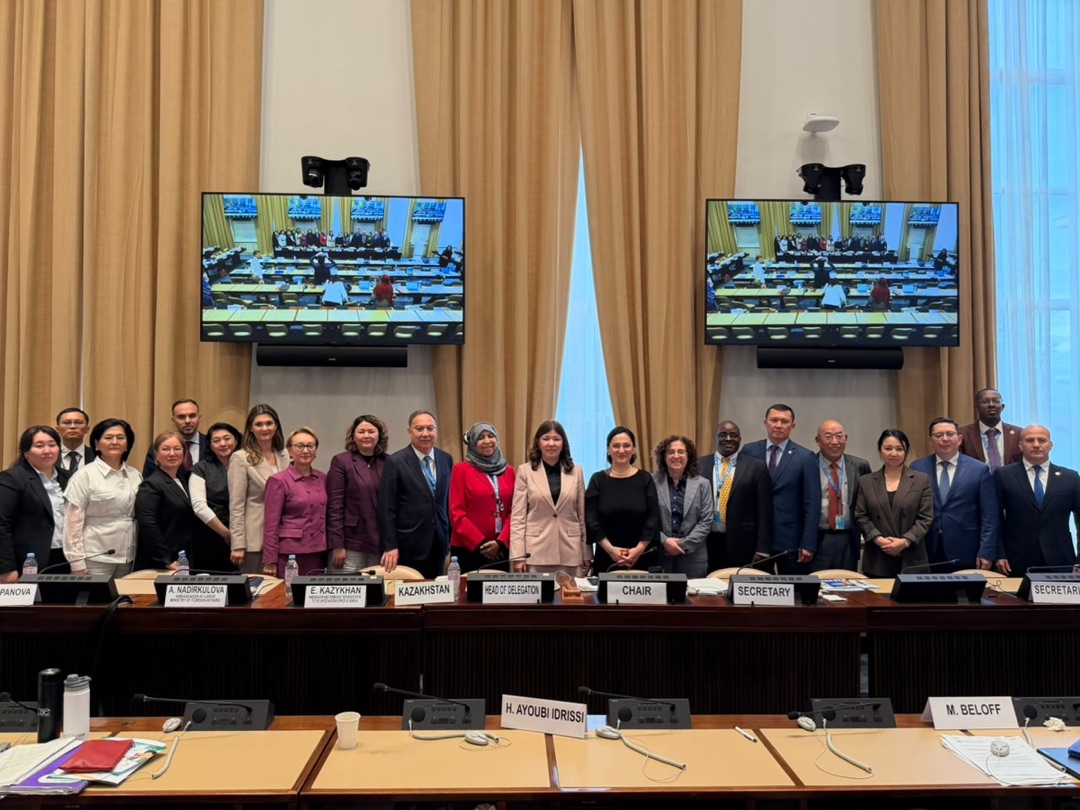
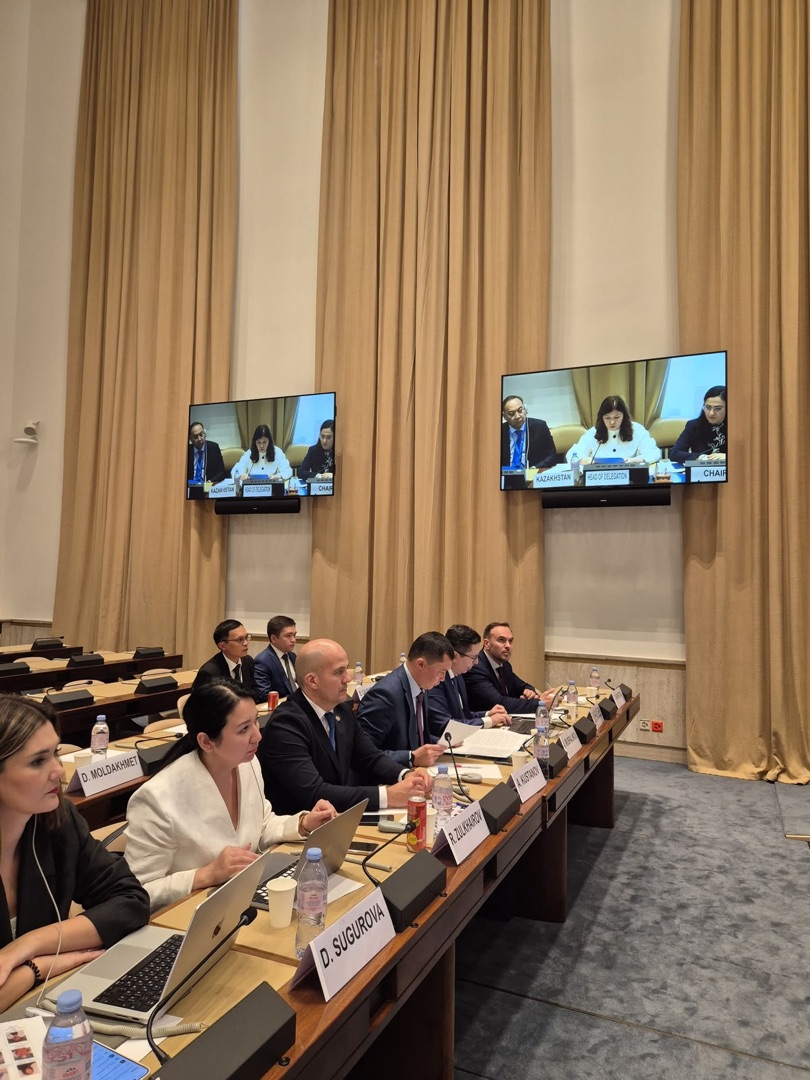
Geneva, 16 September 2026 – On 15–16 September 2026, during its 101st session, the United Nations Committee on the Rights of the Child considered the combined fifth and sixth periodic reports of the Republic of Kazakhstan on the implementation of the Convention on the Rights of the Child.
Kazakhstan’s inter-agency delegation was headed by Zhuldyz Suleimenova, Minister of Education of the Republic of Kazakhstan. During the consideration of the reports, the delegation presented the key legislative and institutional reforms aimed at further strengthening the national system for safeguarding children’s rights and well-being.
It was noted that Kazakhstan is home to approximately 6.9 million children, who account for around 34 per cent of the country’s population. Ensuring their rights, safety and well-being remains among the Government’s key policy priorities.
Particular attention was given to the new Constitution of the Republic of Kazakhstan, adopted in March 2026. The Basic Law strengthened guarantees relating to family policy and the protection of minors, while also enshrining the right to free secondary education in public educational institutions.
A key element in the further development of state policy in this area is the Children of Kazakhstan Concept for 2026–2030, which brings together measures relating to safety, education, healthcare and social support. Regional departments for children’s rights have been established, the system of guardianship authorities has been expanded, and targeted support for children and families is being introduced.
The delegation also presented measures to prevent violence against children, combat bullying and cyberbullying, strengthen psychological support services, and further develop the nationwide 24-hour “111” contact centre.
Special emphasis was placed on the transition from institutional care to family-based care. Today, 82 per cent of orphans and children deprived of parental care are being raised in family settings.
“The ultimate measure of our effectiveness is tangible improvement in the life of every child. Kazakhstan remains open to meaningful dialogue and to the continued strengthening of its national child rights protection system,” Minister Suleimenova stressed.
The dialogue also addressed the development of child healthcare, equal access to quality and inclusive education, children’s participation in decisions affecting them, and the protection of their rights in the digital environment.
As a specific example of the implementation of its international obligations, Kazakhstan presented its experience in the repatriation, rehabilitation and reintegration of 572 children returned from armed conflict zones in Syria and Iraq under the humanitarian operations “Zhussan” and “Russafa.”
The Kazakh delegation reaffirmed the country’s commitment to the consistent improvement of its national system in accordance with its obligations under the Convention on the Rights of the Child and its Optional Protocols, as well as to continued constructive engagement with United Nations treaty bodies and civil society.
Source : https://www.gov.kz/memleket/entities/mfa-geneva/press/news/details/1293090?lang=ru