
News
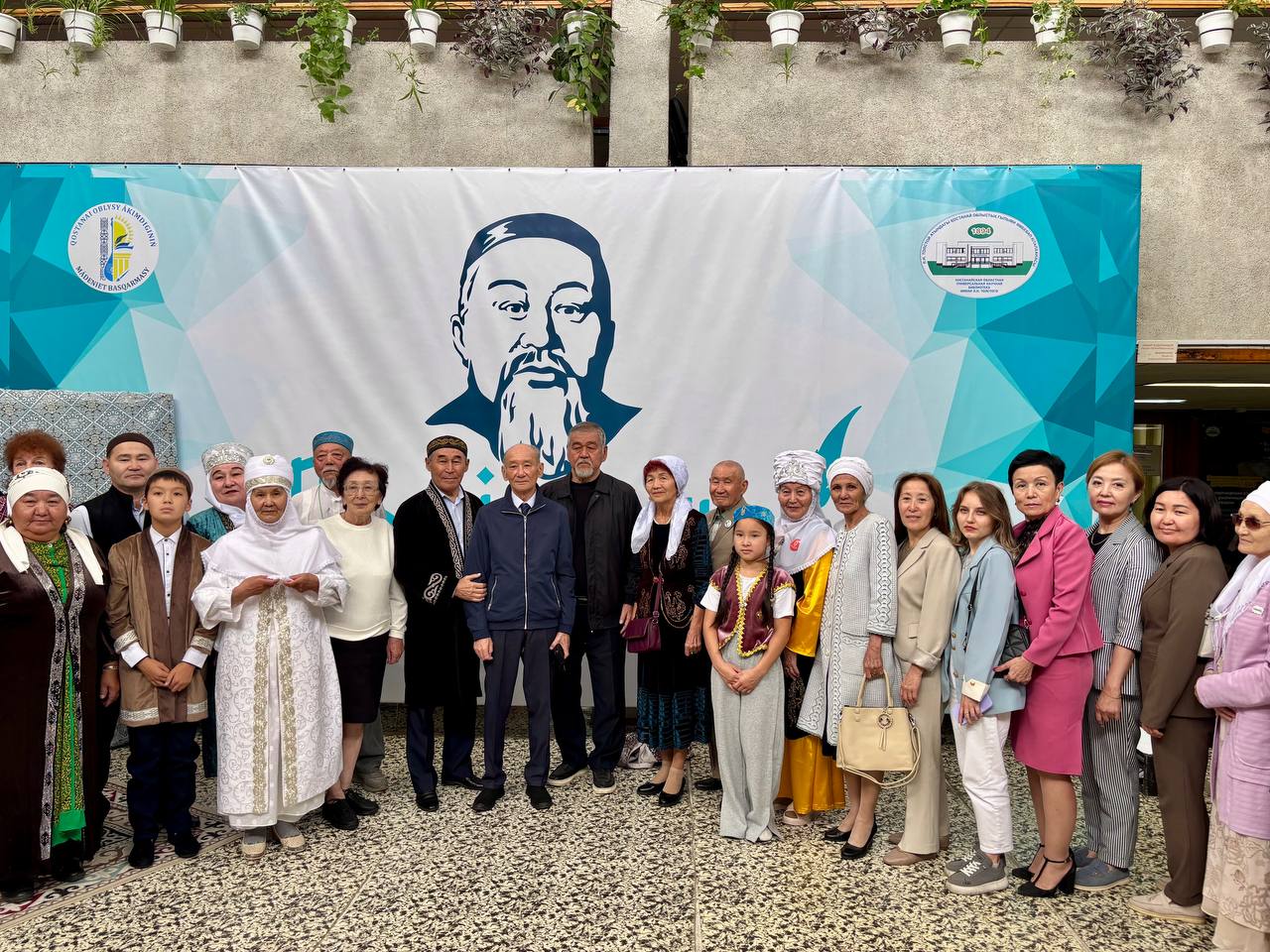
"The heritage of Abai - Halyk ulagaty" 01.08.2025
On August 1, 2025, employees of the Department of Justice of the Kostanay region took part in the open microphone platform "Abai Murasy - Halyk ulagaty", organized by the Kostanay Regional Universal Scientific Library named after L. N. Tolstoy.The event was dedicated to the 180th anniversary of the birth of the great Kazakh poet, educator and thinker Abai Kunanbayev.The participants expressively read poems and excerpts from Abai's "Words of Edification", shared their thoughts about his work and the relevance of his ideas in our days.Such meaningful meetings help to introduce young people to literature and foster respect for national values. Press ServiceDepartment of JusticeKostanay region Source : https://www.gov.kz/memleket/entities/adilet-kst/press/news/details/1044347?lang=kk

On the ongoing work on collecting tax arrears on transport 01.08.2025
According to the Constitution and tax legislation of the Republic of Kazakhstan, paying taxes—including the vehicle tax for individuals—is the responsibility of every citizen.While the Tax Code stipulates that taxpayers should calculate this tax independently, tax authorities perform a centralized calculation for the previous tax period (e.g., for 2024) every year in February and March. The payment deadline is set for April 1 of the year following the reporting tax period.Information on tax accruals is communicated to taxpayers via their personal accounts on the State Revenue Committee's website, the eGov portal, and through the mobile applications of Kaspi and Halyk Bank. This allows citizens to quickly review their tax liability and make timely payments.However, despite these efforts, a significant amount of debt is recorded annually, particularly for vehicle taxes. For instance, as of June 30, 2025, vehicle tax arrears amounted to 498.9 million tenge from 12,494 individuals, which accounts for 97% of all local tax arrears. This indicates a systemic problem that requires both administrative and legal responses.If a taxpayer fails to fulfill their obligations within the prescribed period, they will receive a notice of tax arrears at their address. If the tax is not repaid voluntarily, the tax authority will initiate a compulsory enforcement procedure.According to Article 116 of the Tax Code of the Republic of Kazakhstan, the fulfillment of an overdue tax obligation is enforced through the application of the following measures: accrual of penalties. A penalty is calculated for each day of delay at a rate of 1.25 times the base rate of the National Bank of the Republic of Kazakhstan. Suspension of spending operations on bank accounts. Suspension of cash operations. Restrictions on the disposal of property. In cases of continued non-compliance, the tax authority will issue a recovery order, which is then sent to a private bailiff for enforcement. Private bailiffs are authorized to apply further legal measures, which may include: seizure of property, blocking of bank cards, Automatic debiting of funds, banning travel outside the country, restricting the right to drive a vehicle.In addition, enforcement measures are being implemented in the region through an annual memorandum between the Regional Chamber of Private Bailiffs, the Department of Justice, and the Police Department of the East Kazakhstan region. As part of this agreement, the following actions are being taken: house-to-house visits to debtors, deducting arrears directly from wages, cooperating with employers to inform employees about the necessity of paying taxes on time.The practical effectiveness of these measures is confirmed by statistics from the East Kazakhstan region. Since the beginning of 2025: 447 raids have been conducted, leading to 582 debtors voluntarily paying off debts totaling 10.9 million tenge. 9,865 orders for the amount of 311.1 million tenge were sent to private bailiffs. Of these, 7,691 orders have already been executed.To strengthen targeted work with debtors, a letter was sent to the office of the regional akim requesting the assistance of district and city akims. This collaboration aims to improve the delivery of notifications, enhance interaction with state revenue departments, and implement additional measures to reduce tax debt.Source : https://www.gov.kz/memleket/entities/kgd-vko/press/news/details/1044348?lang=kk
.png)
Akzhar Reservoir Renovated: A New Step in Protecting the Ecosystem and Increasing Safety 30.07.2025
On July 30, 2025, a particularly important environmental and infrastructure event took place in Shymkent - the Akzhar reservoir, which had not been repaired for more than a century, underwent a complete reconstruction. By order of the city akim, funds were allocated from the budget for engineering and construction work on the reservoir this year, and a contractor was identified through a public procurement competition. On the occasion of the completion of the repair work, the city akim Gabit Syzdykbekov toured the facility and checked its quality. Akzhar reservoir is a strategic facility for the city and its surrounding settlements. It has been in continuous operation for almost 50 years, but the last comprehensive repair was carried out at the end of the last century. Through the reservoir, running water is supplied to 144 hectares of irrigated land , irrigation of agricultural lands is ensured. The reservoir has a water discharge dam with a diameter of 500 mm and vertical rails are installed to control the water level. According to the project documentation, 630 meters of the dam and 158 meters of emergency channels were completely concreted as part of the reconstruction. Mechanical cleaning was carried out at the bottom of the reservoir, accumulated silt and garbage were removed. In addition, lighting and video surveillance cameras were installed , and the guardhouse was reconstructed. These measures are aimed not only at increasing the technical capabilities of the reservoir, but also at strengthening security. The ability to constantly monitor the water level and the presence of emergency channels will help prevent flooding and protect urban and rural areas . The importance of this project is not limited to safety. The Akzhar reservoir is an integral part of the city's ecosystem . The water supplied by the reservoir is used to irrigate green spaces, parks, and agricultural crops in the suburbs. This will preserve soil fertility and reduce the risk of dust and drought. After the renovation, the reservoir will effectively store water and expand its ability to deliver it without waste. This is especially important in the current climate, when droughts are becoming more frequent . Compared to the experience of previous years, this year's reconstruction work is distinguished by its comprehensive and modern nature. For example, in 2022, only routine cleaning work was carried out on several small canals of the city, and their effectiveness was limited. In 2023, the Karasu Canal was partially repaired and its water carrying capacity increased, but full environmental and safety measures were not taken into account. In 2024, planned preventive maintenance was carried out on small reservoirs, but it yielded only partial results. And this year's reconstruction of the Akzhar reservoir is the largest project in the direction of restoring water facilities . The renovation of the reservoir will have a direct positive impact on the city's ecosystem . First, water supply to green areas and fields will be established on a stable basis. This will help preserve the "green belt" in the city, reduce dust and allergens. Second, efficient water use will allow preserving local biodiversity: the reservoir and its surroundings are a habitat for birds and small animals. Third, the reduction in the risk of flooding will have a positive impact on the quality of life of city residents, as safe and stable hydraulic structures will increase the city's climate resilience. According to environmental experts, the modernization of the Akzhar reservoir will bring long-term benefits to the ecological development of Shymkent. The removal of silt and debris from the reservoir will improve water quality, and video surveillance and lighting will increase the level of protection of natural areas. In addition, this project will strengthen resource ties between the city and agriculture and bring economic benefits. The volume and productivity of irrigated land will increase, and local farmers will be supported. In short, the reconstruction of the Akzhar reservoir, completed on July 30, 2025 , is a strategic step aimed at strengthening the ecological safety of the city of Shymkent and preserving the natural balance. Compared to minor repairs and preventive measures in previous years, this time the work is aimed at a comprehensive, modern and long-term result . The renovated reservoir plays an important role in providing water to the city and villages, protecting the ecosystem, and ensuring the safety of residents.
.png)
Reconstruction of the Akzhar reservoir: contribution to the safety and ecology of Shymkent 30.07.2025
July 30, 2025, became an important date for Shymkent in the field of ecology and infrastructure development. A large-scale reconstruction of the Akzhar reservoir, which for decades provided the city and nearby villages with water for irrigation and household needs, but had not undergone major repairs for almost half a century, was completed. Now the facility has received a second life, meeting modern safety requirements and rational use of natural resources. The Akzhar Reservoir is a strategic hydrotechnical facility for the metropolis. It irrigates about 144 hectares of agricultural land, maintains green areas, and delivers water to nearby settlements. For a long time, the structure operated without major upgrades, which created risks for the environment and safety: wear of the dam, siltation of the bottom, and outdated structures could lead to a decrease in operating efficiency and even create a threat of flooding in the event of heavy rainfall. The reconstruction, initiated by the Shymkent Akimat and carried out under the supervision of the Department for the Development of a Comfortable Urban Environment, covered the entire range of engineering and construction works. 630 meters of the main dam and 158 meters of the emergency discharge channel were concreted, which significantly increased the reliability of the facility. Mechanical cleaning of the bottom from silt and debris was carried out, which improved the quality of the water and increased its useful volume. In addition, new lighting and video surveillance systems were installed, allowing round-the-clock monitoring of the condition of the reservoir. Even the guard house was rebuilt to ensure full duty and prompt response in case of unforeseen situations. The significance of the project goes far beyond technical modernization. First of all, the reconstruction reduces the risks of emergency situations. The reinforced dam and emergency channel allow for the efficient discharge of excess water, preventing possible flooding in the spring and summer. This is especially important for a city that is rapidly developing and its suburbs are being actively built up. The safety of residents and the safety of property depend on the reliable operation of such hydraulic structures. The ecological effect is no less important. The reservoir is not just a reservoir for watering fields, but also part of the city ecosystem. It supports the life of green zones that clean the air, reduce dust levels and soften the summer heat. Irrigation systems fed from Akzhar help preserve lawns, trees and flower beds, creating a more comfortable living environment for city residents. After the reconstruction, the reservoir became more efficient: water is used more rationally, losses are minimized, and the quality of the water itself has improved due to the cleaning of the bottom. Biodiversity also benefits from the site’s renovation. The reservoir and its coastal zone are a natural habitat for birds, insects and small animals. Clean water and maintaining a stable level increase the chances of these populations surviving, which in the long term has a positive effect on the ecological balance of the entire region. Compared to previous years, the current work can be called breakthrough. Previously, the modernization of water bodies was local: in 2022, only individual canals and irrigation ditches were cleaned, which had a temporary effect. In 2023, small sections of dams were strengthened, but there was no comprehensive approach to restoring the ecosystem and hydraulic infrastructure. Even in 2024, when several small reservoirs underwent preventive work, the result was limited. The reconstruction of the Akzhar Reservoir has become the largest and most technologically advanced project in recent years, aimed not only at safety, but also at the long-term development of urban infrastructure. An additional advantage of the project was the introduction of security and monitoring equipment. Video surveillance and lighting allow for prompt monitoring of the facility's condition, preventing illegal dumping of waste and controlling access to the territory. This not only increases engineering reliability, but also protects the environment from the human factor. For Shymkent, the restoration of the Akzhar reservoir is a step towards a sustainable future. The city receives a tool for stable irrigation of agricultural lands and green areas, which is especially important in conditions of a hot climate and periodic droughts. The environmental situation improves due to the reduction of dust emissions, preservation of vegetation and protection of soils from drying out. In combination with other initiatives - night watering of streets, landscaping and cleaning of canals - the project forms a holistic system of environmental safety for the metropolis. The completed reconstruction clearly demonstrates that competent work with natural resources is not only a matter of comfort, but also a strategic necessity. The Akzhar reservoir now meets modern standards, combining the functions of protection, water supply and support of the ecosystem. For city residents, this means a safer, greener and more sustainable space for life. And for Shymkent itself, it is a confident step towards the status of a modern metropolis, where environmental and infrastructure issues are addressed comprehensively and with an eye to decades to come.
.png)
Ecology is a priority: Shymkent public council discussed the creation of a comfortable urban environment 30.07.2025
On July 30, 2025, a meeting of the city public council was held in Shymkent, where the key topic was the formation of a comfortable urban environment and the protection of the ecology of the metropolis. Representatives of the Department for the Development of a Comfortable Environment presented a report on the work done and shared plans for the near future, paying special attention to landscaping, greening and improving infrastructure. In recent years, Shymkent has demonstrated high rates of urbanization: the number of residential complexes is growing, the transport load and the volume of household waste are increasing. All this inevitably affects the state of the urban ecosystem. Therefore, the main goal of the Department and related structures is not only aesthetic improvement, but also long-term environmental sustainability. In their report, representatives of the department noted that since the beginning of the year, more than 20 thousand trees and shrubs have been planted in the city, new flower beds and lawns have been created, work has been carried out on sanitary cleaning of streets and systematic washing of ditches and canals. These measures are aimed at improving air quality and reducing the impact of summer heat. The members of the public council actively joined the discussion, proposing a number of initiatives aimed at raising the environmental culture of residents. They emphasized that the cleanliness of the city and the preservation of green areas depend not only on public utilities, but also on the citizens themselves. Among the proposals are holding additional clean-up days, organizing competitions for young people on the topic "Clean Yard - Clean City", installing additional bins for separate waste collection and developing a waste recycling system. The public activists also expressed their opinion on the need to strengthen control over construction sites, which often become a source of dust and garbage. Comparing the situation with previous years, the participants noted that the improvement and landscaping work has become more systematic and covers not only the city center, but also remote areas. In 2023, the main focus was on central streets and parks, while the outskirts of the city received a minimal amount of work. In 2024, the practice was expanded: active tree planting began in the Kaitpas, Tassay and Kyzylzhar microdistricts, new squares and flower areas were equipped. In 2025, the emphasis is on an integrated approach: in parallel with landscaping, automated night watering technologies are being introduced, which allows saving water and maintaining the viability of plantings in hot climates. The impact of these measures on the urban ecosystem is obvious. Green spaces reduce air temperature, trap dust and absorb carbon dioxide. Clean irrigation ditches and canals ensure normal water flow and prevent stagnation, which reduces the risk of insect breeding and the appearance of unpleasant odors. The development of green areas creates a favorable environment for birds and beneficial insects, maintaining biological diversity within the city. Thus, each planted bush or cleared section of the bank brings not only aesthetic but also practical environmental benefits. The meeting also discussed issues of rational use of resources. Council members approved the introduction of a "smart irrigation" system, which will allow monitoring water consumption and the movement of irrigation equipment in real time. This approach not only reduces costs, but also forms a responsible attitude to natural resources. In addition, proposals were made to expand the network of surveillance cameras in the coastal areas of canals and rivers in order to minimize cases of illegal dumping of garbage. An important part of the discussion was the topic of developing an environmental culture. Representatives of youth organizations emphasized that the participation of city residents in preserving the urban environment is the key to long-term results. Examples from previous years show that joint clean-up days and educational campaigns have a noticeable effect. In 2024, as part of the Clean City campaign, more than 1,200 residents took part in the events, over 50 tons of garbage were collected, and the number of complaints about unsanitary conditions in residential areas decreased by almost a third. Summing up the meeting, the public council and representatives of city services identified several priority areas of work. Among them are increasing the area of green spaces, introducing water-saving technologies, regularly cleaning water bodies, developing a system of separate waste collection and recycling, as well as holding educational events to form a responsible attitude towards the environment among city residents. Thus, the meeting of the public council held on July 30 showed that ecology and the creation of a comfortable urban environment are becoming a strategic priority for Shymkent. If the proposed measures are implemented in full, the city will receive a long-term effect: a decrease in pollution, an improvement in the microclimate, an increase in biodiversity and an increase in the quality of life of citizens. A clean and green environment will not only be a symbol of care for nature, but also a factor increasing the attractiveness of Shymkent as a modern and environmentally responsible metropolis.
.png)
The public council discussed the issue of ecology: a new approach to the comfortable environment of Shymkent and natural balance 30.07.2025
On July 30, 2025, a regular meeting of the Public Council was held in Shymkent. One of the most important topics on the agenda for city residents was the creation of a comfortable urban environment and environmental protection . At the meeting, representatives of the Shymkent City Comfortable Environment Development Department reported on the work done and shared their plans for landscaping, planting, improving infrastructure, and improving the environmental situation. The city has been developing rapidly in recent years, and the population is growing. This, in turn, increases the burden on greenery and puts pressure on the environment. In this regard, the issues of protecting and restoring the city's ecosystem became the main topic of discussion at the meeting. Representatives of the board reported that this year they are planting more than 20 thousand tree seedlings, creating several new flower beds and lawns, as well as systematically cleaning ditches, riverbeds and canals in the city. These measures are aimed at improving air quality, reducing temperatures in the city on hot days, and preserving biodiversity. The members of the public council emphasized the importance of ecological balance in the city . The lack of green areas and lawns intensifies the "heat island" effect in the city during the summer heat, and pollution of water sources negatively affects biological systems. Taking this into account, the council members made specific proposals to mobilize residents to protect nature and form an ecological culture. For example, measures were taken to attract volunteers to maintain greenery, expand the system of separate garbage collection, and reduce household waste. Compared to previous years, the regularity and scale of the current work have significantly increased. While in 2023, landscaping was mainly limited to central streets and parks, in 2024, the expansion of green areas also covered the outskirts of the city. For example, last year, more than 15 thousand trees were planted in the Kaitpas, Kyzylzhar and Tassai microdistricts. And in 2025, this initiative will continue, and it is planned to introduce an automated system for watering seedlings. This will increase the vitality of greenery and save water resources. The members of the public council also raised the issue of water conservation and protection of natural resources . As the experience of previous years has shown, systematic cleaning of ditches and canals in the city and night irrigation have yielded results: dust has decreased, the rate of drying of lawns has decreased, and air quality has improved. Currently, in order to increase environmental efficiency, the introduction of a "smart irrigation" project is being considered, through which the movement of irrigation equipment and water consumption will be fully monitored. Improving the city's ecosystem is not limited to natural balance, it directly affects the quality of life of residents . Clean air, shady alleys and flower-filled parks create conditions for city residents to walk, relax and improve their health. In addition, environmental sustainability increases the investment and tourist attractiveness of the city. A green and clean city is a symbol of a safe and comfortable living environment. Another important topic raised at the meeting was strengthening public control . Members of the Public Council stressed the need to increase the activity of not only state bodies, but also residents. "Ecology is a common cause for all of us. If every resident watered a tree in their yard and threw garbage in a trash can, the city would be much cleaner and more beautiful," the idea was expressed. In conclusion, the Public Council adopted a number of recommendations. Among them are measures to increase greenery, introduce water-saving technologies, reduce and recycle household waste, systematically clean rivers and canals, and increase the ecological culture of residents. These decisions will not only strengthen the city's ecosystem, but also pave the way for Shymkent to become one of the greenest and most comfortable cities in the country. Thus, the meeting of the Public Council held on July 30, 2025 showed that the topic of ecology is of strategic importance for the city. Compared with the experience of previous years, the work being carried out now is of a comprehensive and sustainable nature. If the planned measures are fully implemented, the natural balance of Shymkent will be preserved, and a comfortable and environmentally safe environment will be created for residents.
.png)
Shymkent Protects the Green City: Night Watering as a Guarantee of Environmental Sustainability 31.07.2025
In Shymkent, in the Abay district, regular work is underway to water streets, lawns and green spaces at night. The event was organized by the city's public utilities in order to maintain the city's ecosystem, preserve the green fund and create a comfortable microclimate for residents. The initiative is aimed at the rational use of water resources and improving the environmental situation in the hot climate of the metropolis. Night watering is a modern and effective approach to caring for green spaces in cities with high summer temperatures. During the day, most of the water evaporates without having time to soak into the soil, which leads to its irrational waste. At night, the air temperature drops and water evaporation is minimal, due to which plants receive maximum moisture, and utilities achieve significant savings. According to experts, night watering allows you to save up to 40% of water compared to daytime irrigation. In the Abay district, more than ten specialized watering machines go to work at night. The utility crews service not only the central streets, but also courtyards, squares and small parks. Watering covers trees, flower beds and lawns, and also helps to muffle the dust on the asphalt. Employees of utility services note that regular night watering has a positive effect on the condition of the city's greenery: lawns retain a rich color, trees survive the summer heat more easily, and flower beds remain attractive longer. The environmental impact of such events is hard to overestimate. Green spaces act as a natural filter for the air in the city: they absorb carbon dioxide, reduce the amount of dust and allergens, and improve the quality of oxygen. Night watering helps create a more favorable microclimate, which is especially important for the elderly and children. In summer, green areas and moist soil reduce the air temperature in residential areas by several degrees, reducing the effect of the "urban heat island." In addition, damp dust particles settle, which reduces the risk of respiratory diseases and makes life easier for people with allergies. This practice is not new for Shymkent, but in recent years its scale and efficiency have increased significantly. In 2022, watering was carried out more often during the day, which led to a large loss of water. In 2023, night watering began to be used on central streets and in several parks. In 2024, utilities switched to a systemic mode, using modern watering machines and taking into account weather conditions. The current 2025 campaign is distinguished by a comprehensive approach: not only the main streets are covered, but also courtyard areas, and the process itself has become regular and predictable. Experience from previous years confirms that night watering directly affects the stability of the urban ecosystem. According to public utilities, after switching to night mode in 2023, the number of dried-out lawns decreased by 15%, and in 2024 this figure dropped by almost half. Maintaining the city's green space helps preserve biodiversity: the number of birds and beneficial insects increases in squares and parks, and the soil retains its natural moisture longer. Night watering also has a social function. It creates more comfortable living conditions for city residents, increases the aesthetic appeal of districts, and creates a positive image of the city for tourists and investors. Clean and well-maintained streets, fresh air, and an abundance of greenery are an important component of the quality of life in a modern metropolis. In addition to the work of public utilities, the environmental culture of residents also plays an important role. Experts emphasize that watering alone does not guarantee an ideal environment if city residents break trees, trample lawns or throw garbage in green areas. In recent years, Shymkent has been actively developing environmental education programs, including the participation of residents in clean-up days and city campaigns to care for green spaces. Thus, night watering of streets and green areas of the Abay district is not just a technical procedure, but part of a systematic work to preserve the urban ecosystem. It combines saving water resources, caring for green spaces, improving air quality and creating a comfortable environment for residents. Comparison with previous years shows that Shymkent is moving towards a more sustainable and environmentally responsible model of urban management, where each action is aimed at a long-term result. If the current practice is supported and supplemented by the participation of citizens, the city will be able to maintain its green appearance and favorable climate even in the conditions of population growth and hot climate.
.png)
Shymkent: Night irrigation works are being carried out regularly in Abay district 31.07.2025
In Shymkent, the Abay district is carrying out street irrigation at night. This initiative is being implemented to preserve the city's ecosystem, protect greenery, and create a comfortable microclimate for residents. In the summer, the air temperature in the city is very high, and a significant part of the water poured during the day evaporates. For this reason, night irrigation allows for the efficient use of water resources, ensures full absorption of water into the soil, and contributes to the long-term viability of green areas. More than ten special irrigation vehicles and qualified teams of municipal services are involved in these works in the Abay district. They fully cover the trees, flower beds, lawns, and small parks along the streets. Residents will not experience any inconvenience during irrigation, as there is much less traffic at night and the equipment can operate without any obstacles. Night watering has a significant positive impact on the city's ecosystem. The green belt is considered a natural filter of the city, trees absorb carbon dioxide, purify the air, reduce the spread of dust and allergens, and preserve the natural habitat of insects and birds. In the summer heat, watered streets and lawns reduce air temperature by 3-5 degrees, which is especially important for the elderly and children. At the same time, night watering reduces dust in the streets and yards, which has a positive effect on the breathing of city residents and helps prevent allergic diseases. The main focus is also on the efficient use of water resources. As world experience shows, the problem of water shortage is currently relevant for urbanized regions. Therefore, the municipal services of Shymkent are achieving water savings of up to 30-40 percent by introducing night watering. This is an economically and environmentally beneficial step. This practice has existed in the city for a long time, but in recent years it has been significantly improved in terms of systematicity and technological efficiency. In 2022, irrigation was carried out mainly during the day, and most of the water evaporated. In 2023, night irrigation was introduced for the first time, but then only central streets and parks were covered. In 2024, water-saving technologies were used, modern irrigation vehicles were used, and the main feature of this year's 2025 campaign is the systematic organization of complex night irrigation works at the district level. This time, not only the main streets, but also residential areas and small parks were fully covered. As the experience of previous years has shown, this irrigation format has proven to be effective in preserving the city's ecosystem. As a result of night irrigation in 2023, the rate of lawn drying in the Abay district and adjacent territories decreased by 15 percent. In 2024, this figure did not exceed 8 percent. Thus, systematic and planned irrigation ensures the vitality of green areas, which, in turn, contribute to maintaining the city's climatic balance. Representatives of the municipal service note that such measures have not only technical, but also social significance. During the irrigation works, residents are being informed about the need to protect greenery, not to break trees, not to trample flower beds, not to pollute water sources. Such propaganda is of great importance in the formation of an ecological culture. The city administration also calls on residents to water the trees in their yards and streets and take part in the care of greenery. Last year, more than 500 residents voluntarily took part in lawn care as part of the "Green City" project, thanks to which it was possible to preserve the greenery of the streets during the summer season. Night irrigation has a comprehensive positive effect on the city's ecosystem. First, the preservation of green areas and lawns cleans the air, reduces carbon dioxide and dust levels in the city. Second, irrigation works contribute to the protection of biodiversity in the city: birds and beneficial insects retain their habitat, which has a positive effect on the natural balance. Third, the microclimate improves, especially in the summer months, the negative effects of daytime heat are reduced. Fourth, the improvement of the ecological situation directly affects the quality of life of city residents, because a clean and green environment is a guarantee of health and comfort. In conclusion, the night irrigation works that have begun in the Abay district are an important step in ensuring the ecological sustainability of Shymkent. Such systematic measures not only preserve green areas, but also save water, purify the air and create a comfortable environment for residents. Compared with the experience of previous years, the current work is at a much higher level in terms of scale and efficiency. If the city residents also approach this matter responsibly, Shymkent will strengthen its status as an environmentally friendly, green and clean city.
.png)
Clean rivers and canals are the foundation of environmental safety in Shymkent 26.07.2025
On July 26, 2025, a large-scale environmental campaign dedicated to cleaning rivers and canals took place in Shymkent. The event organizers reminded that water is the basis of life, and the cleanliness of waterways is directly related to the future of the city and the health of its residents. The campaign brought together municipal services, employees of environmental protection agencies, volunteers, youth organizations and activists. About two hundred participants worked along the city canals and on the banks of small rivers. Special equipment, trucks for waste removal and watercraft for cleaning hard-to-reach areas were brought in for the events. Several tons of garbage were collected in one day, mostly plastic bottles, bags, construction material scraps and household waste. Environmentalists emphasized that such pollution not only spoils the appearance of the city, but also causes serious damage to the ecosystem. Plastic decomposes for decades, pollutes the soil and water with microparticles, and organic waste provokes the growth of harmful microorganisms and attracts rodents. Cleaning rivers and canals is not just a matter of improvement. It has a direct impact on the urban ecology. Water flowing through clean canals retains its natural ability to nourish greenery without poisoning the soil and plants with chemical compounds. In addition, clean banks create a favorable environment for birds, fish and insects, supporting the city's biodiversity. In Shymkent, where the temperature rises very high in summer, water and green areas act as a natural air conditioner, softening the microclimate. Therefore, each such action is not only about cleaning up garbage, but also about improving living conditions for all residents of the metropolis. Experts note that river pollution often causes local environmental crises. Clogged channels reduce the system's capacity, create a risk of flooding, and can become a source of unpleasant odors. Keeping water bodies clean is a preventative measure against many urban problems. Shymkent holds similar events annually, but their scale and format have changed over the years. In 2022, the main focus was on cleaning the central irrigation ditches and canals. Then, about a hundred people took part in one of the clean-up days, and about five tons of waste were removed. In 2023, students and schoolchildren joined the initiative, and the campaign acquired an educational character. Information boards appeared on the banks with a reminder not to throw garbage into the water. In 2024, separate waste collection was introduced for the first time - plastic, glass and organic waste were collected separately and sent for recycling. This became an important step towards the formation of an environmental culture among residents. The current campaign in 2025 was the most comprehensive. It combined mechanized cleaning, manual garbage collection, waste sorting and simultaneous outreach work among the population. Volunteers talked to passers-by, explained the harm caused by water pollution and encouraged participation in future environmental initiatives. The organizers emphasize that the cleanliness of rivers and canals is not only the responsibility of public utilities. Each city resident bears personal responsibility for the environment. A bottle or a bag thrown into the water is not a trifle, but a contribution to the destruction of the ecosystem. Formation of ecological culture requires systematic work: from school lessons and competitions to city senbiliks and information campaigns. Experience from previous years shows that participation of residents directly influences the result. Where people regularly go out to clean up and monitor the condition of their neighborhood, there is noticeably less garbage. Following the event, city services outlined plans to further strengthen environmental safety: Monthly monitoring of the state of canals and rivers. Installing additional warning signs and surveillance cameras in areas prone to littering. Development of a system for separate waste collection along water bodies and in residential areas. Organization of regular public events and campaigns to educate citizens. These measures will help create a sustainable urban ecosystem where the cleanliness of water is directly related to the quality of life. Clean channels reduce the risk of diseases, prevent unpleasant odors and create an attractive environment for recreation and tourism. Cleaning rivers and canals is a step not only towards a well-maintained but also towards a healthy city. Experience from previous years shows that systematic measures and citizen participation can radically change the environmental situation. The July 30 campaign once again reminded us that ecology is a shared responsibility. Every bag thrown into a bin, not into the water, is a contribution to the future, where Shymkent will remain a clean, green and safe city to live in.
.png)
Clean rivers and canals are the guarantee of nature and city life 26.07.2025
On July 26, 2025, another ecological Saturday was held in Shymkent. This time, the campaign was dedicated to cleaning rivers and canals . It was emphasized that maintaining the cleanliness of natural waterways is a common responsibility for today's society and future generations, based on the principle that "Every drop of water is the basis of life." Public utilities, volunteers, youth organizations, and environmental inspectors worked together to clean up several major riverbeds and canals in the city. About 200 people participated in the campaign, and special equipment and garbage trucks were deployed. During the work, several tons of garbage were removed from the banks of the rivers and canals. Most of the garbage found was plastic bottles, bags, household waste and construction debris. According to experts, such waste not only reduces water quality, but also harms living organisms in rivers, and can block the flow of water in canals and create a risk of flooding. Impact on the ecosystem Rivers and canals are the lifeblood of the city's natural ecosystem . They are not only a source of water, but also a key factor in the stability of the city's climate and biodiversity. Polluted water sources negatively affect the greenery of the city, as the chemical compounds in the water that reach the plants and soil are altered. In addition, the cleanliness of water channels is directly related to the sanitary condition of the city. Harmful substances released from household waste are spread through water, creating conditions for the reproduction of mosquitoes and rodents. This, in turn, increases the risk of the spread of infectious diseases. Clean rivers and canals in the city preserve the natural habitat of birds and fish and ensure the biological balance of the ecosystem. Therefore, such cleaning activities are not just an environmental campaign, but a strategic measure aimed at improving the quality of urban life. Comparison with previous measures Although river and canal cleaning operations are carried out annually in Shymkent, their regularity has increased in recent years. For example: In 2022, a one-time citywide cleanup was held, mainly cleaning the ditches in the city center. About 5 tons of garbage were removed at that time. In 2023 , the scale of the environmental campaign increased, and youth organizations became more active. Posters and warning signs were installed along the canals to prevent littering , but they were mostly only seasonal. In 2024, the practice of separate waste collection was introduced for the first time . Plastic, glass, and other waste were collected separately and sent for recycling. This was an important step in creating an environmental culture. The highlight of this year's 2025 campaign is the increase in the number of participants , the involvement of more special equipment , and the simultaneous implementation of sanitary and educational works . In addition to cleaning the banks, specialists and volunteers explained to residents how to avoid water pollution and spread the message "Do not throw garbage into the water, choose recycling." Social responsibility and environmental culture The cleanliness of rivers and canals is not only the responsibility of municipal services. It is an indicator of the culture and responsibility of each resident . Considering that today a significant part of household waste is the result of the actions of residents themselves, environmental education is of great importance. The city administration and environmental protection agencies encourage residents to dispose of garbage in designated areas, sort household waste, and participate in public cleanups. Such public participation not only improves the city's environmental situation but also increases residents' love for their environment. In recent years, environmental education has also been given special attention in city schools. Campaigns and creative competitions for students under the title "Clean River - Clean City" are being organized. This makes a great contribution to shaping the attitude of the younger generation towards nature protection. A step towards the future As a result of the meeting and today's session, several important decisions were made: Monthly monitoring of rivers and canals will be established; Signs and video surveillance cameras will be installed prohibiting littering ; A waste collection system for recycling will be implemented on a regular basis; Public sabbaticals and environmental campaigns will be organized quarterly. These measures are aimed at preserving the city's ecosystem, improving the quality of life of residents, and preserving natural resources for future generations. Clean rivers and canals are the well-being of not only today, but also of future generations . The July 2025 Environmental Saturday was a demonstration of the systematic and effective work of the city of Shymkent in protecting nature. As the experience of past years has shown, only a sustainable and integrated approach will allow us to preserve the city's ecosystem. Every small right step by each resident is a guarantee of a clean environment in the future .
.png)
Shymkent is betting on a comfortable and environmentally friendly urban environment: results of the hardware meeting 29.07.2025
On July 29, 2025, the next hardware meeting of the Department for the Development of a Comfortable Urban Environment was held in Shymkent. The main topics of the meeting were the improvement of the city, sanitary cleaning, landscaping and improvement of infrastructure. Such events are held regularly, but the current meeting was especially indicative, since it focused not only on the everyday aspects of cleanliness and order, but also on their impact on the environmental sustainability of the metropolis. At the meeting, department heads presented reports on the work done and discussed new tasks. City services continue their course to create a comfortable and safe environment for residents, including systematic landscaping, infrastructure renovation, control over solid waste removal, and modernization of irrigation and lighting systems. Specific instructions with clear deadlines and the identification of responsible persons were given for each area. Improvement and sanitation as the basis of the urban ecosystem One of the central issues of the meeting was the sanitary cleaning of the city. In summer, the load on public utilities increases several times: high temperatures accelerate the decomposition of waste, increase the amount of dust and make areas where cleaning is not carried out regularly especially noticeable. In this regard, a decision was made to strengthen the garbage removal schedule and increase the number of mobile teams to work in remote areas. Special attention is paid to the introduction of a separate waste collection system and increasing the percentage of waste recycling. If a few years ago less than 20% of solid municipal waste was recycled in Shymkent, then by the end of the first half of 2025 this figure had grown to 27%. Such growth means a reduction in the load on landfills and a reduction in the risk of soil and groundwater pollution. Greening and creation of a "green shield" of the city The meeting also considered the issue of systematic greening. As part of the current program, it is planned to plant 15 thousand trees and shrubs by the end of the year, as well as to improve more than 40 new flower beds and lawns in courtyards and public spaces. This is not only an aesthetic improvement of the city's appearance, but also a real contribution to climate sustainability. Green spaces reduce dust levels, retain moisture in the soil and absorb carbon dioxide. In the hot climate of Shymkent, such measures are especially important: green areas reduce the effect of the urban heat island, making the summer months more comfortable for residents. The issue of caring for existing plantings was also raised at the meeting. Planting trees is often perceived as the final stage, but without regular watering and sanitary pruning, young trees do not take root, and old ones lose their stability. In this regard, the Department for the Development of a Comfortable Urban Environment, together with municipal enterprises, is strengthening control over the condition of city parks and squares. Infrastructure improvements and digital control Modern improvement is impossible without high-quality infrastructure. The meeting discussed plans to modernize street lighting and irrigation systems. The use of automated and cost-effective technologies allows for a reduction in water and electricity costs, while simultaneously increasing the efficiency of public utilities. Digital control has been actively implemented in the last two years. In 2024, the first GPS trackers appeared in Shymkent on equipment cleaning streets and watering green areas. Now city services can see in real time where each unit of special transport is and what work it is doing. This approach increases transparency and discipline, and residents get cleaner streets and well-kept yards. Comparison with past experience and the role of residents Compared to previous years, the approach to city improvement is becoming more systematic. In 2022–2023, the focus was mainly on seasonal work: spring clean-ups, summer watering, and autumn leaf removal. Today, the work is year-round, based on planning, digital technologies, and public participation. An important element was the involvement of residents. During the meeting, a proposal was made to more actively involve yard committees, youth organizations and volunteers in environmental campaigns and clean-up days. The experience of last year's "Clean City" campaign showed that citizen participation produces tangible results: in three months of 2024, it was possible to remove more than 50 tons of garbage from public areas, and the number of complaints about unsanitary conditions decreased by almost a third. Impact on the urban ecosystem and quality of life The measures discussed have a direct impact on the environmental sustainability of Shymkent. Regular cleaning reduces the amount of dust and allergens in the air, separate waste collection reduces the burden on nature, and the expansion of green areas improves the microclimate and increases biodiversity. A clean and well-maintained city is not only comfortable for residents, but also attractive for investors and tourists. Environmental stability is directly related to economic development: less money is spent on eliminating the consequences of pollution, more attention is paid to creating new infrastructure. Summary and Next Steps The results of the meeting showed that a long-term strategy for creating a comfortable and safe urban environment continues to be formed in Shymkent. Systematicity, digital control, public involvement and consideration of environmental factors make this process more effective than in previous years. The coming months will show how clearly the announced plans will be implemented. If the planned measures are completed on time, residents will receive not only a clean and green city, but also a sustainable ecosystem that will protect Shymkent from the climate and environmental challenges of the coming years.
.png)
Developing a comfortable environment in Shymkent: systematic steps towards improvement and environmental sustainability 29.07.2025
On July 29, 2025, the next meeting of the Department of Comfortable Environment Development was held in Shymkent. During the meeting, the status of improvement works in the city, sanitary measures, new initiatives in the direction of landscaping, and issues of improving infrastructure were comprehensively considered. The management of the Department noted that ensuring a safe and comfortable environment for the city's residents is one of the main priorities. The meeting gave specific tasks for each department, established deadlines for their implementation and control mechanisms. Cleaning city streets, landscaping parks and courtyards, maintaining engineering infrastructure facilities, improving lighting and irrigation systems were among the main issues on the agenda. Measures were also considered to ensure the timely removal of household solid waste and increase the level of recycling. The peculiarity of this meeting is its focus on the impact on the city's ecosystem and its sustainable development. Shymkent is one of the largest metropolises of the country, where the population is growing every year. Accordingly, traffic, the volume of household waste, and the load on green areas are also increasing. Therefore, landscaping and planting are important not only from an aesthetic, but also from an ecological point of view. The Department of Environmental Development plans to plant more than 15,000 tree seedlings this year to expand the city's green belt. In addition, work has been undertaken to create more than 40 new flower beds and lawns in the courtyards of apartment buildings and public parks. Such initiatives will improve the city's microclimate and help reduce air temperatures during the summer heat. The issue of sanitation is also a priority. The frequency of garbage collection on city streets has been increased, and the practice of separate collection of solid waste is being gradually introduced. In recent years, the share of household waste recycling has increased from 18% to 27%. This reduces the burden on the ecosystem and the risk of soil and water pollution. Compared to previous years, the format of such meetings has also changed significantly. For example, in 2022–2023, landscaping issues were mainly considered within the framework of seasonal planning, while from 2024, a system of constant environmental monitoring and digital control began to be introduced. Now, on a number of main streets in the city, garbage collection and irrigation equipment is tracked via GPS, and the quality of work is monitored in real time. This consistency is the main lesson learned from past experience. In addition, the role of residents in protecting the city's ecosystem is also increasing. The meeting made proposals to actively involve volunteers, youth organizations and local communities in landscaping. Such a practice of public participation proved its effectiveness during the "Clean City" campaign in 2023: then, more than 1,200 residents took part in the clean-up activities in 3 months, and about 50 tons of garbage were removed. This year, it is planned to double this figure. Landscaping and landscaping measures have a direct impact on the city's ecosystem. Trees absorb carbon dioxide, purify the air, reduce wind speed, and moderate the urban climate. Flower beds and lawns trap dust and reduce the spread of allergens. Efficient use of irrigation and lighting systems is consistent with modern approaches to energy and resource conservation. The Department of Development of a Comfortable Environment identified priorities for the coming months at a staff meeting. These include: Increase the city's green space by 10%; Improving the waste collection and sorting system; Comprehensive landscaping of the courtyards of multi-storey buildings; Modernization of lighting and irrigation systems in public places; Conducting monthly environmental campaigns and sabbaticals. In conclusion, the head of the department noted that improving the quality of life of city residents and protecting the ecosystem go hand in hand. He reminded that a comfortable environment in the city is not only clean streets and beautiful parks, but also a sustainable system that allows maintaining ecological balance.
.png)
Shymkent Cleanliness Week: Results and Significance of Environmental Work in the Abay District 28.07.2025
On July 28, 2025, another clean-up was held in the Abay district of Shymkent. This event was organized as part of the "Clean Kazakhstan" environmental campaign. During the clean-up, sanitary mowing of greenery in the district was carried out, streets and sidewalks were washed, and courtyards were cleaned. The event was attended by employees of the district akimat, representatives of municipal institutions and the KazStroyCapital company, as well as volunteer residents. A total of about 100 people took part in the cleanup, and 4 special vehicles were deployed. As a result, more than three tons of solid household waste were collected and taken to special landfills. Dry branches were cut and the yards were cleared of grass. These works were considered as a comprehensive measure that would not only be limited to external cleanliness, but also have a positive impact on the city's ecosystem. Today, maintaining ecological balance in cities is one of the most pressing issues. Especially in densely populated areas, air pollution, the reduction of green areas, and the increase in solid waste directly affect the quality of life of residents. Since Abay district is one of the largest and most rapidly developing areas in Shymkent, cleaning work here is of great importance. Sanitary pruning of trees during the Sabbath allows for the renewal of natural branches and their longevity. Pruning dry and diseased branches helps protect trees from pests and fungal diseases. This work contributes to the spontaneous regeneration of natural vegetation and the maintenance of a stable microclimate in the city. Mowing and cleaning the yard is important not only for the appearance, but also for ensuring sanitary safety. Grass and weeds that have not been mowed for a long time create a favorable environment for harmful insects and mites. This is a factor that poses a threat to the health of residents, especially in the summer months. Therefore, such work is of great preventive importance. Washing streets and sidewalks is an important step in reducing atmospheric dust in the city. In the summer, small dust particles floating in the air can trigger allergies, asthma, and other respiratory diseases. Washing the area with water reduces this risk. In addition, such measures also have a positive effect on the preservation of the road surface, safe movement, and aesthetic appearance. These measures are also important in order to increase environmental culture among city residents. In recent years, the number of residents who are not indifferent to public cleanliness has been increasing in Shymkent. The participation of volunteers and the activity of residents show that Shabbat is supported not only by the akimat, but also by the people themselves. This is a sign of environmental responsibility. Cleaning work in the Abay district is being carried out more systematically than in previous years. For example, while the 2023 clean-up days were mainly focused on garbage collection and landscaping, today these works are being carried out using specific approaches based on environmental assessment and planning. With the help of specialized specialists, it is determined in advance where sanitary mowing is necessary and in which areas it is important to mow the grass. This increases the efficiency of the work. In this regard, another important aspect that affects the city's ecosystem is waste management. Proper collection and disposal of solid waste reduces the burden on the city's natural resources. If waste is not disposed of in a timely manner, it harms not only the environment, but also human health. In general, the clean-up on July 28 was not just a one-time clean-up event, but a concrete step towards creating a sustainable environmental culture. Such comprehensive work in the Abay district is aimed at improving the city's ecology and improving the quality of life of residents. If in the future such measures are continued in other districts and the concept of "cleanliness is a shared responsibility" is established in the minds of every resident, then it is quite possible that Shymkent will become one of the most environmentally attractive and livable centers. Ecology is not only nature, it is the well-being of every person, the health of every family.
.png)
Urban ecology in action: clean-up day in Abay district 28.07.2025
On July 28, 2025, another large-scale sanitary campaign was held in the Abay district of Shymkent city as part of the eco-project "Taza Kazakhstan". Work on sanitary pruning of green spaces, mowing grass, washing streets and sidewalks were concentrated on the busiest residential areas, including park areas, adjacent territories and public spaces. The event involved employees of the district akim's office, public utilities, representatives of the contracting organization KazStroyCapital, as well as volunteers from among active citizens. In total, about 100 people took part, specialized equipment was used: water trucks, tractors with attachments and loaders. During the day of work, municipal services collected and removed about three tons of garbage, removed dozens of dry trees and cut hundreds of meters of weeds. But behind these figures lies a much deeper effect, primarily an environmental one. Today, when cities are faced with the growing effects of climate change, air pollution and degradation of green spaces, each such event plays a role not just for improvement, but for strategic purposes. The Abay district of Shymkent is densely populated, with a high density of development, and the presence of well-maintained green infrastructure is critically important here. Sanitary pruning of trees and shrubs is not just aesthetics. It is a measure that prevents the spread of pests, plant diseases and even possible sources of fire. In the hot southern summer, abandoned and dried branches pose a real threat to both the environment and the safety of residents. Cosmetic and sanitary pruning improves tree aeration, promotes their rejuvenation and sustainable growth, and therefore better absorption of carbon dioxide. Mowing the grass and removing weeds is another important factor, especially in the fight against insects that carry diseases. In Shymkent, in recent years, there has been an increase in complaints about mosquitoes and ticks in the summer season. Abandoned grass areas become their natural shelters. Keeping the vegetation clean and short is prevention. And prevention is not only biological, but also psychological. A clean yard is a completely different perception of the urban environment, especially for the elderly and children. It is worth mentioning the activities on washing sidewalks and roadways separately. This is important not only in terms of sanitation, but also in terms of reducing the level of dust in the air. In the summer, dryness and heat make the streets a potential source of aerosol pollution. Fine dust, mixed with particles of asphalt, plastic and other microscopic pollutants, settles in the respiratory tract, causing allergies, asthma and other respiratory diseases. Washing the streets helps to reduce this risk several times. Compared to previous years, the format of such events is becoming more and more comprehensive. If earlier — in 2022–2023 — clean-up days were mostly one-off, limited to garbage collection and curb painting, today the approach has become strategically thought-out. Based on satellite monitoring and akimat data, priority areas with high population density and the greatest environmental impact are identified. First of all, areas with a deficit of green spaces, increased air pollution levels and citizen appeals are processed. In addition, the involvement of the residents themselves is growing every year. People are beginning to understand that a clean environment is not only the responsibility of the state, but also of each citizen. More and more young people, schoolchildren, and volunteers are participating in such events. They receive basic knowledge of urban ecology, learn how to care for trees, how to properly dispose of waste, and which plants protect the soil from weathering. The city ecosystem is a living organism that reacts to any impact. Timely landscaping, maintaining cleanliness and sanitation, preventing pests and droughts are factors that together increase the climatic stability of the urban environment. The noise level decreases, the temperature stabilizes, the air humidity increases, and the number of diseases decreases. It is important that city authorities realize that ecology is not only parks and tree plantings. It is also the protection of existing green areas, supporting their viability and functionality. That is why, as part of the campaign, a preliminary diagnosis of the condition of trees was carried out, and in the future, it is planned to launch a project for digital registration of city plantings. Thus, July 28 has become more than just a day of cleaning. This is the date when ecology emerged from the shadow of routine clean-up days and became part of a conscious city policy. And if such events become regular, with the participation of residents, experts and the administration, Shymkent will receive not only clean streets, but also a healthy, sustainable and comfortable urban environment.
.png)
A clean city is everyone's concern: clean-up days continue in Al-Farabi as part of the "Taza Kazakhstan" campaign 24.07.2025
On July 24, 2025, another clean-up day was held in one of the microdistricts of the Al-Farabi district of the city of Shymkent, organized as part of the nationwide environmental campaign "Taza Kazakhstan". This time, employees of the district akimat, public utilities and local residents united to restore order in the courtyard of multi-story building No. 18 in the Karasu microdistrict. About 100 people took part in the cleanup, 4 units of special equipment were used. The participants of the event cleared the adjacent territory of garbage, mowed the grass, cut dry tree branches, collected and removed the accumulated rubbish. In total, about 3 tons of waste were removed. Such events are becoming more and more systematic in the city. If earlier cleanups were carried out mainly for holidays or as one-off events, today they have become regular. Local authorities and public utilities, having secured the support of city residents, continue systematic work to improve the sanitary condition of residential areas and increase the environmental culture of the population. The peculiarity of this cleaning was not only in the scale of the resources involved, but also in its timeliness. July is a period of active vegetation growth, and the lack of control over the condition of the adjacent territories can lead to undesirable consequences: accumulations of insects, growth of weeds, violation of sanitary standards. Trimming dry branches and mowing the grass are not just aesthetic measures, but an important prevention of the spread of dangerous diseases and potential fires in hot conditions. The ecological significance of such actions is difficult to overestimate. Systematic cleaning of urban space from garbage directly affects the health of the soil and the purity of the air. Garbage, especially of inorganic origin - plastic, polyethylene, glass - decomposes slowly and can emit harmful substances that poison the environment. Timely removal of such waste helps prevent pollution of the soil and groundwater, which is of paramount importance in a densely populated city. In addition, it is important to note that the population's participation in such clean-up days forms a culture of collective responsibility for the common space. Neighbors become not just residents of the entrances, but like-minded people in an effort to make their city cleaner and safer. This entails increased trust in municipal structures and a stronger connection between the government and society. If we look at the experience of previous years, we can note positive dynamics. In 2023, as part of a similar clean-up day in the Karatau district, only 40 people took part in the action, and it was possible to remove about 1.5 tons of garbage. Already in 2024, the number of participants increased to 70 people, and the volume of waste removed from the territory reached 2 tons. Current indicators indicate that civic activity and involvement in environmental initiatives are increasing every year. In the environmental context, it is also worth touching on the impact of such events on the urban ecosystem. Shymkent, as a large southern city, is subject to certain environmental loads: dust, heat, dense development. In such conditions, the support of green areas, timely care of trees and cleanliness in the courtyards are especially important. Removing dead wood allows trees to grow and breathe better, and mowing the grass reduces the concentration of pollen, which has a beneficial effect on the well-being of allergy sufferers. It is also worth noting that the urban landscape becomes noticeably more attractive after cleaning. This also affects the psychological state of residents, especially the elderly and families with children. A clean yard is a place for walks, communication, and sports. A space where you can feel comfortable and safe. The clean-up day on July 24 is another step towards sustainable development of the urban environment. Representatives of the district administration promised that similar work will be carried out in all microdistricts of Al-Farabi. The plans include areas adjacent to houses, vacant lots, areas along roads and near educational institutions. Schools, youth organizations and the business community are expected to join the events. Thus, such clean-up days are not just technical work on garbage removal, but targeted activities aimed at improving the quality of life in the city, preserving its nature and raising an environmentally conscious generation. Only through joint efforts is it possible to create an environment in which each resident feels responsible for the cleanliness and well-being of the surrounding world. Shymkent continues to confidently move along the path of environmental modernization, focusing on interaction, prevention and the participation of each city resident in the life of their district.
.png)
Clean city — healthy generation: Sabbath in the Al-Farabi district and its impact on the ecosystem 24.07.2025
On July 24, 2025, another clean-up was held in the Karasu microdistrict of the Al-Farabi district of Shymkent. This event was organized as part of the "Clean Kazakhstan" environmental campaign and was held in the courtyard of multi-storey residential building No. 18. About 100 people and 4 special equipment were involved in the clean-up, which was held in order to maintain urban cleanliness and ecological balance. The volume of garbage collected was 3 tons. The main activities of the Saturday were cleaning yards and public spaces from garbage, cutting dead branches from trees, mowing grass, and sweeping yards. Representatives of the district akimat and municipal services actively participated in the event. This Saturday is not just a cleaning event, but a significant initiative that directly affects the city's ecosystem. Maintaining the city's greenery and pruning old tree branches will allow the natural environment to renew. Also, timely garbage collection will help prevent soil pollution, the proliferation of pests, and the spread of unpleasant odors into the air. For comparison, similar Saturday works were also held in 2022 and 2023. However, while previous events were mostly held only in connection with holidays and specific calendar dates, in the last two years this event began to be held systematically, every week throughout the year. For example, in 2023, a similar Saturday was organized in the Karatau district, and about 1.5 tons of garbage were removed. This year's Saturday saw a significant increase in indicators - this indicates an increase in the activity and environmental culture of residents. In terms of impact on the city's ecosystem, the importance of sanitation measures is significant. Garbage and waste not only harm the eyes, but also negatively affect groundwater, soil quality, and air quality. Plastic waste and chemicals in particular can leach into the soil over time, posing a threat to plant growth and nearby living organisms. Regular sanitation measures are an effective way to prevent these threats. In addition, cutting dead branches from trees and mowing grass also have an ecological value. Dead branches are one of the factors that increase the risk of fire. Cutting them in a timely manner is a concrete measure aimed at preventing fires in the summer. And mowing grass prevents the reproduction of harmful insects such as mosquitoes and ticks, allowing you to protect the health of residents. In addition, Shabbat has a high social significance. Such collective events increase the unity of residents, form environmental awareness and a sense of responsibility. If people living in the courtyards of multi-storey buildings do not neglect the cleanliness of their environment, this will contribute to the improvement of the beauty of the city as a whole and the development of domestic culture. According to local authorities, such measures will continue in the future. One of the main goals is to hold cleaning months in each microdistrict, intensify planting activities, and provide environmental education among residents. In the future, it is planned to widely involve students, youth organizations, and public associations in these Saturdays. It is important to note that environmental measures should not be limited to one-time cleaning. To maintain a sustainable city ecosystem, simple actions by residents in their daily lives, such as sorting garbage, collecting recyclable materials, using water economically, and participating in landscaping, are very important. In conclusion, the clean-up drive in the Al-Farabi district on July 24 is not only a demonstration of cleanliness, but also a harmonious partnership between the city's residents and the authorities. We all need to be active to preserve the ecosystem. Protecting nature and keeping the city clean is a common task. Through this clean-up drive, the residents of Shymkent once again proved their responsibility for their city.
.png)
Providing agricultural producers with fuel: how the commission works and what it means for the city's ecology 22.07.2025
On July 22, 2025, a meeting of a special commission was held in Shymkent, which determined the operator for the distribution of diesel fuel intended for autumn field work. This decision became an important part of the preparation for the seasonal campaign in the agricultural sector and directly affects the efficiency of farms in the region. Autumn agricultural activities require a reliable supply of fuel and lubricants. That is why working groups are formed in advance at the city level, including representatives of the akimat, the agricultural department, technical specialists and farmers. The main task of the commission is to select a supplier capable of ensuring uninterrupted and environmentally safe delivery of fuel to the sites. The meeting considered proposals from several potential operators. The main selection criteria were logistics capabilities, availability of infrastructure, compliance with safety requirements and, importantly, minimization of environmental impact. In the context of growing interest in the environmental sustainability of urban development, this point has acquired special significance. One of the key topics was the discussion of the impact of transportation and storage of fuel and lubricants on the state of the ecosystem of Shymkent and adjacent agricultural areas. Representatives of the commission emphasized that the operator is obliged to use specialized tanks, sealed containers and certified equipment that eliminates leaks and pollution of soil, water bodies and atmospheric air. Looking back at previous years, similar meetings were held in 2022 and 2023, but in some cases the process of organizing supplies was delayed. This had a negative impact on the pace of sowing and harvesting, especially in remote communities. Farmers then faced delays due to untimely distribution of fuel and logistical failures. It was this experience that prompted local authorities to more clear and transparent planning in 2024, and the approach was further improved in 2025. The selected operator assumes responsibility not only for fuel delivery, but also for consulting farmers on the proper storage and use of fuel and lubricants. Information on the needs of agricultural enterprises is also collected to avoid shortages or irrational distribution of resources. This approach reduces the risk of equipment stopping in the midst of field work and helps to increase crop yields. However, in addition to production tasks, there is also an environmental issue on the agenda. The use of large quantities of diesel fuel is a potential threat to the ecosystem. Violation of storage and transportation rules may result in emissions of harmful substances, air and soil pollution, which is especially dangerous near water bodies and populated areas. To minimize such risks, environmental protection specialists also took part in the work of the commission. They proposed introducing a system of regular monitoring at storage and filling sites, including air measurements, soil analysis, and monitoring of compliance with sanitary standards. In addition, the idea of creating mobile environmental laboratories that can quickly respond to possible incidents is being considered. Special attention was paid to the development of a logistics scheme, whereby filling points will be located at a safe distance from residential areas, reservoirs and nature conservation areas. This is necessary to eliminate even the slightest threat to the flora and fauna of the city and suburban areas. The commission also proposed considering alternative energy sources for agriculture in the future, such as biofuels or hybrid models of agricultural machinery. For now, these are just plans, but such initiatives are already gaining support from the public and environmentalists. Thus, the past meeting of the commission in Shymkent was not just a technical stage in preparation for the agricultural season, but a comprehensive work to ensure food security and preserve the environment. The selected operator will have to not only fulfill its obligations to supply fuel, but also comply with increased requirements for environmental responsibility. This is an example of how a systemic approach, based on past experience and modern standards, can ensure sustainable development of the agricultural sector without harming the urban ecosystem. In the context of climate change and increasing pressure on natural resources, such solutions are becoming increasingly relevant and significant for a sustainable future.
.png)
Resources allocated as a fuel operator for autumn field work in Shymkent: a comparison of ecology and practice 22.07.2025
On July 22, 2025, a meeting of the commission was held in Shymkent to determine the operator of fuel and lubricants for agricultural producers to carry out autumn field work. This event was aimed at creating the necessary logistics base before the start of an important stage in the agricultural sector - sowing, fertilizer application, and field work. The commission included representatives of the local akimat, the agricultural department, entrepreneurs, and technical specialists. The commission considered the operator's service capacity, fuel supply volume, compliance with technical requirements, and environmental safety measures. In addition, indicators such as the operator's ability to efficiently transport fuel via rail, road, or warehouse systems, and taking into account the impact on the region's natural resources, were relevant. The volume of diesel fuel allocated to the Shymkent region has been planned in sufficient quantities, and one or more operators have been identified to ensure timely and uninterrupted supply of agricultural machinery arriving in the region. This was achieved through a comprehensive analysis of experienced specialists and infrastructure resources. This approach is not only effective in terms of fuel delivery, but also in terms of organizational efficiency. The selected operator ensures timely completion of field work by providing the necessary capacity for agricultural machinery in a timely manner. Given that the problems of water shortage and soil dryness traditionally arise in the summer and autumn periods, such planned provision is important for farmers. Social and environmental aspects were also not ignored. The commission was guided by the fact that the operator would cause minimal damage to the ecosystem when using fuel. In accordance with special environmental standards, it was necessary to prove that the operator's fleet met technical requirements, followed safe storage and distribution methods for fuel without spills. In order to prevent soil and surface water contamination, the operator must equip fuel storage facilities. This is an important task aimed at environmentally responsible management. In addition, the use of environmentally friendly techniques and filtration systems was considered to reduce the amount of hydrogen and carbon emissions released into the air. Compared to the experience of previous years, in 2022 and 2023, the supply of autumn field fuel was often not timely and in sufficient quantities, which led to delays in sowing in some rural areas. Unpreparedness of operators or poor infrastructure led to losses of agricultural products. In 2024, this problem improved somewhat, and major assessments and requirements were introduced among fuel suppliers, so the creation of the commission in 2025 is a continuation and improvement of that experience. Regarding potential environmental impacts, there are risks of spills, pollution, and indirect damage to trees and grass during fuel transportation. To prevent this, the operator should have special tanks, a spill cleanup system, and emergency preparedness measures in place when working with fuel. This will not affect the rural ecosystem or biodiversity. According to the decision of the commission in Shymkent, after the operator is selected, it is planned to introduce monitoring along with fuel distribution. This means that the status of the ecosystem should be constantly assessed, and the quality of air, soil, and water should be checked as a combined direction of control. This time, environmental safety and agricultural productivity were considered simultaneously. The commission meeting considered not only the operator's technical accessibility and infrastructure capabilities, but also the location of fuel exchange points. This is also important in order to avoid harm to the environment - the fuel station should be located at an appropriate distance from urban areas and water sources. In conclusion, after the commission selected the operator, specific plans were approved aimed at effectively organizing autumn field work. This is an important event that will give impetus to the development of the agro-industrial complex. Some experts believe that additional mechanisms should be introduced to conduct environmental audits and monitor fuel compliance with environmental standards, in collaboration with fuel operators. This will allow for the restoration of a balance between agriculture and the conservation of natural resources in the future. Thus, the commission meeting on July 22, 2025 is a clear demonstration of responsible management practices that combine fuel supply and ecology. If implemented, this balanced approach will allow increasing the efficiency of agriculture without harming the city's ecosystem. At the same time, taking into account the shortcomings of previous years, a systematic step was taken towards an efficient and safe supply system in 2025.
.png)
Large-scale locust control operations have begun in Shymkent: a balance between crop protection and ecosystem conservation 23.07.2025
On July 23, 2025, large-scale chemical treatment of agricultural areas against single (sayak) locusts began in Shymkent. This work is carried out on the recommendation of the Republican Methodological Center for Phytosanitary Diagnostics and Forecasts, and is aimed at preventing the spread of pests that annually threaten the region's agriculture. Locusts are one of the most dangerous seasonal disasters for the agricultural regions of Southern Kazakhstan. Under favorable weather conditions and without timely measures, pests can quickly destroy crops, grass on pastures and even individual bushes. This season, an increase in the number of single locusts was recorded, which required a rapid response from authorized bodies. Specialized mobile teams equipped with ground equipment, drones and hand sprayers were deployed to combat the pests. The work covers more than 3,000 hectares of land, including household plots, pastures and fields in suburban areas. The treatment is carried out mainly in the morning and evening hours to reduce the possible impact on people and animals, as well as to achieve the greatest effectiveness against locusts, which are most active at these hours. The preparations used comply with modern safety standards. These are selective pesticides aimed exclusively at pests. They quickly decompose in the environment, do not accumulate in the soil and do not pose a threat to humans or animals if all instructions are followed. However, despite the safety of the chemicals, it is important to consider the potential impact on the ecosystem as a whole. One of the most important aspects discussed by experts is the impact of treatment on biodiversity. Locusts, despite their harmful nature, occupy a certain niche in the food chain. They are hunted by birds, lizards and some insects. A sharp reduction in their numbers can lead to a disruption of the food supply of these species. In addition, even safe preparations, if used incorrectly, can affect the populations of bees and other beneficial insects. Therefore, the entire treatment process is accompanied by environmental monitoring, which assesses the condition of the soil, air and water in the treated areas. Comparing the current campaign with previous years, significant changes in the approach to phytosanitary safety can be noted. For example, in 2022, outdated preparations with a higher toxicity level were used in some regions of Southern Kazakhstan, which caused alarm among environmentalists and agricultural producers. Cases of mass death of pollinating insects were recorded, as well as complaints from the population about odors and deterioration in health. Since then, the approach to treatment has been seriously modernized: new, environmentally friendly preparations have been introduced, safety precautions have been improved, and public awareness has become more systematic. In some regions of Kazakhstan, such as Turkestan and Zhambyl, biological control methods have been actively tested in recent years. Predatory insects, fungi, and bacteria that attack locusts are used as an alternative to chemicals. However, biological methods are still less effective in the event of a sharp increase in pest numbers. Therefore, a mixed approach has been chosen in Shymkent: the priority is safe chemical protection with mandatory environmental monitoring and comprehensive analysis of the consequences. It is important to note the active interaction with the population. Before the start of the treatment, local authorities warned residents about the time and place of the events through the media, messengers and announcements. Those living near the treated areas were asked to temporarily limit their stay in the open air, not to drive cattle to pastures and thoroughly wash the harvest from vegetable gardens. Citizens were also recommended to ensure the protection of bees and other domestic insects by moving hives away from the danger zone. According to experts, current measures will not only help preserve the harvest and reduce farmers' economic losses, but will also serve as important experience for organizing similar operations in the future. With the right approach and compliance with all standards, it is possible to achieve a balance between protecting agricultural interests and minimizing damage to the environment. It is planned that after the treatment is completed, a comprehensive analysis of the effectiveness and environmental impacts will be carried out. This will allow for adjustment of future strategies and a further shift in focus towards sustainable and bio-safe pest control methods. Thus, the fight against locusts in Shymkent in 2025 became an example of a thoughtful and systematic approach that combines technology, safety and responsibility to society and nature.
.png)
Locust control in Shymkent: impact on the ecosystem and comparison with previous measures 23.07.2025
On July 23, 2025, large-scale chemical treatment against locusts began in Shymkent. This event was organized on the recommendation of the Republican Methodological Center for Phytosanitary Diagnostics and Forecasts. Due to the current threat to agriculture in the city, local authorities and specialists are taking urgent action and trying to limit the spread of harmful insects. Locusts have been multiplying, especially since mid-July, and have begun to threaten arable land and pastures. Locust invasions are a common seasonal phenomenon in the southern regions. If timely measures are not taken, they can destroy a significant part of agricultural products. Therefore, specialists have intensified preventive measures. Chemical treatment is currently being carried out on more than 3,000 hectares of land near the city. Special equipment, drones and sprayers have been involved in these works. Treatment is carried out in the morning and evening, since during these periods the insects are active, and the movement of residents and livestock facilities is low. The pesticides used are selected in accordance with modern safety standards. They are biodegradable and are aimed at affecting only pests and not harming beneficial insects, animals and humans. However, it is clear that any chemical intervention will have a certain impact on the ecosystem. To prevent this impact, the relevant authorities conduct environmental monitoring and monitor the condition of soil and water sources in the cultivated areas. When talking about possible impacts on the ecosystem, we should not forget that locusts themselves are part of the natural biocenosis. Many birds and insects feed on them. Therefore, a sharp decrease in their number can negatively affect the balance in the ecosystem. In addition, if residues of substances used during processing accumulate in the soil or water sources, this can also cause long-term harm. However, it is expected that the drugs used today will decompose naturally in a short time. These processing measures are not the first time that Shymkent has been carrying out these activities. Similar processing operations were carried out in 2022 and 2023. However, the chemicals used during those periods had a greater impact on the natural environment. That is why a decrease in the number of bees and other beneficial insects was recorded. In recent years, more attention has been paid to agroecological approaches in Kazakhstan, and biological control methods are being put into practice. For example, in 2024, a biological processing method against locusts using parasitic insects was used in the Turkestan region. Although this method is less harmful to the ecosystem, it is less effective, so this year a decision was made in Shymkent to use a mixed approach - that is, to combine chemical and control and analytical work. Public education is also being carried out systematically. The city's agricultural department, representatives of the sanitary and epidemiological service, and local akimats are warning residents in advance and explaining safety rules. Through social networks, local press, and advertising media, citizens are being provided with accurate information about the time and place of chemical treatment, as well as precautions. Among the main rules recommended to the population are recommendations such as not to go out into the field during treatment, not to let livestock out to pasture, thoroughly wash vegetables and fruits, and boil running water. The fight against locusts in Shymkent is a systematic measure aimed at protecting agriculture. The main goal of these works is not only to reduce the damage caused by pests to agricultural products, but also to maintain environmental stability. The use of modern methods and environmentally friendly preparations is becoming more effective and safer than in previous years. However, these works must be constantly monitored to reduce the potential impact on the ecosystem, and in the future, the need to increase the share of biological methods will remain on the agenda.