
Society
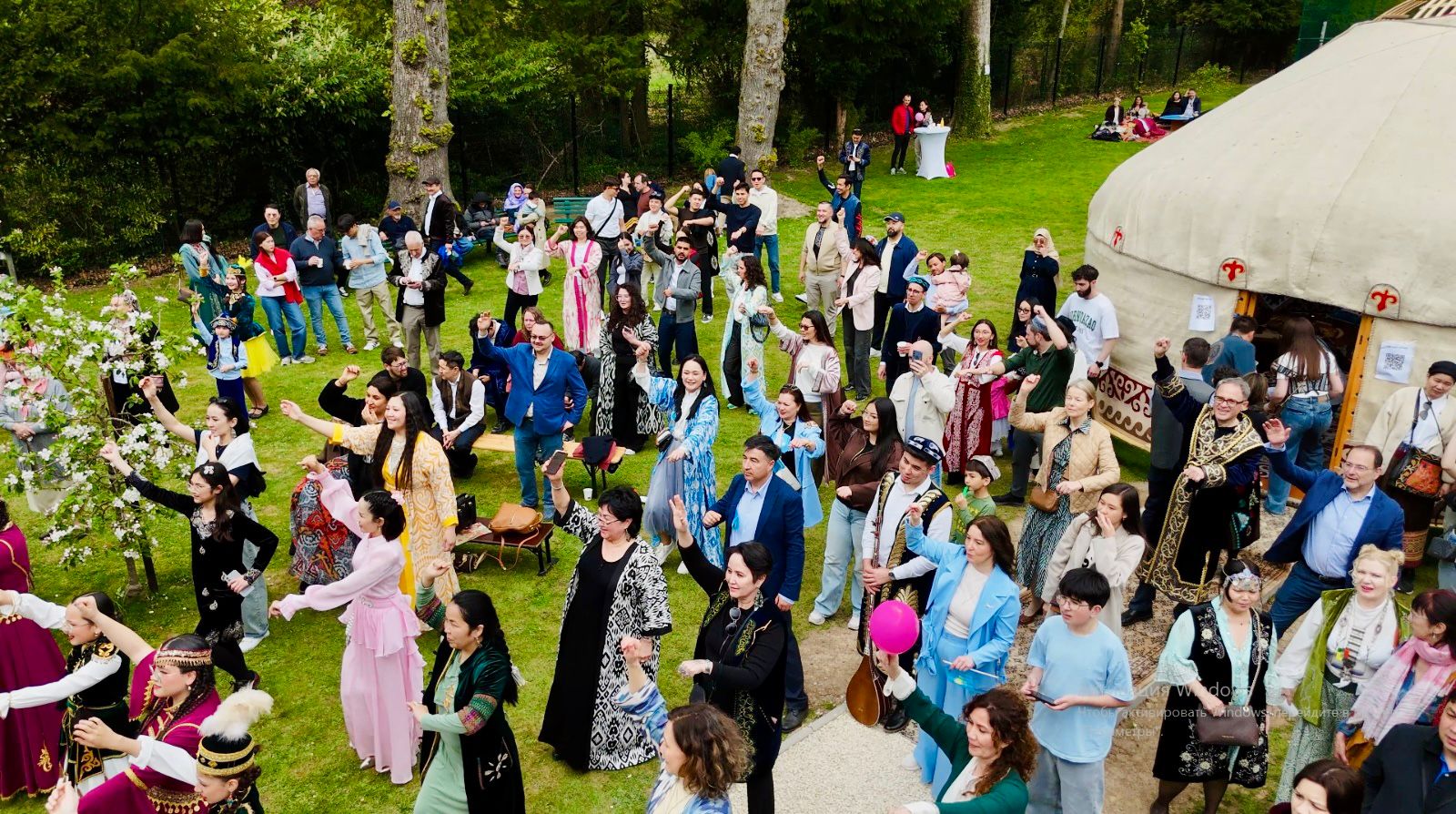
Kazakh Culture in the Spotlight in Brussels: Traditions, Music and National Rituals Bring Together Over 500 Guests 13.04.2026
Brussels, April 11, 2026 – The Embassy of Kazakhstan in Belgium hosted a large-scale cultural event in Brussels, bringing together over 500 guests, including compatriots and students, as well as representatives of the Belgian authorities, the diplomatic corps, European institutions and business circles.Welcoming remarks were delivered by the Ambassador of the Republic of Kazakhstan, Roman Vassilenko, who highlighted the importance of such cultural initiatives as an effective tool for strengthening international dialogue and fostering mutual understanding.The centerpiece of the event was a traditional Kazakh yurt installed on the Embassy premises with the support of the Akimat of the Karaganda Region. Now a permanent feature of the Embassy, the yurt symbolizes openness and hospitality while serving as a living space that introduces visitors to the history and lifestyle of the nomadic civilization.Particular attention was drawn to the rich cultural program presented by the “Zhoshy” folk music ensemble and renowned Kazakh performers, with the support of the Akimat of Astana. The program enabled guests not only to observe but also to experience Kazakh traditions firsthand. Traditional games showcasing the spirit of competition and folk customs were featured, alongside a ceremonial performance of betashar, one of the most recognizable Kazakh rituals symbolizing respect for family and tradition.A memorable highlight of the event was a large-scale flash mob involving more than 200 participants, serving as a vivid symbol of unity and the growing interest in Kazakh culture across Europe.The event received enthusiastic feedback from the international audience, confirming strong interest in Kazakhstan’s cultural heritage and underscoring the potential of cultural diplomacy as a powerful tool for fostering mutual understanding and trust.The event was held as part of the inaugural Shanyraq Fest Brussels, laying the foundation for a new annual cultural platform of Kazakhstan in Brussels.Source : https://www.gov.kz/memleket/entities/mfa-brussels/press/news/details/1199090?lang=kk
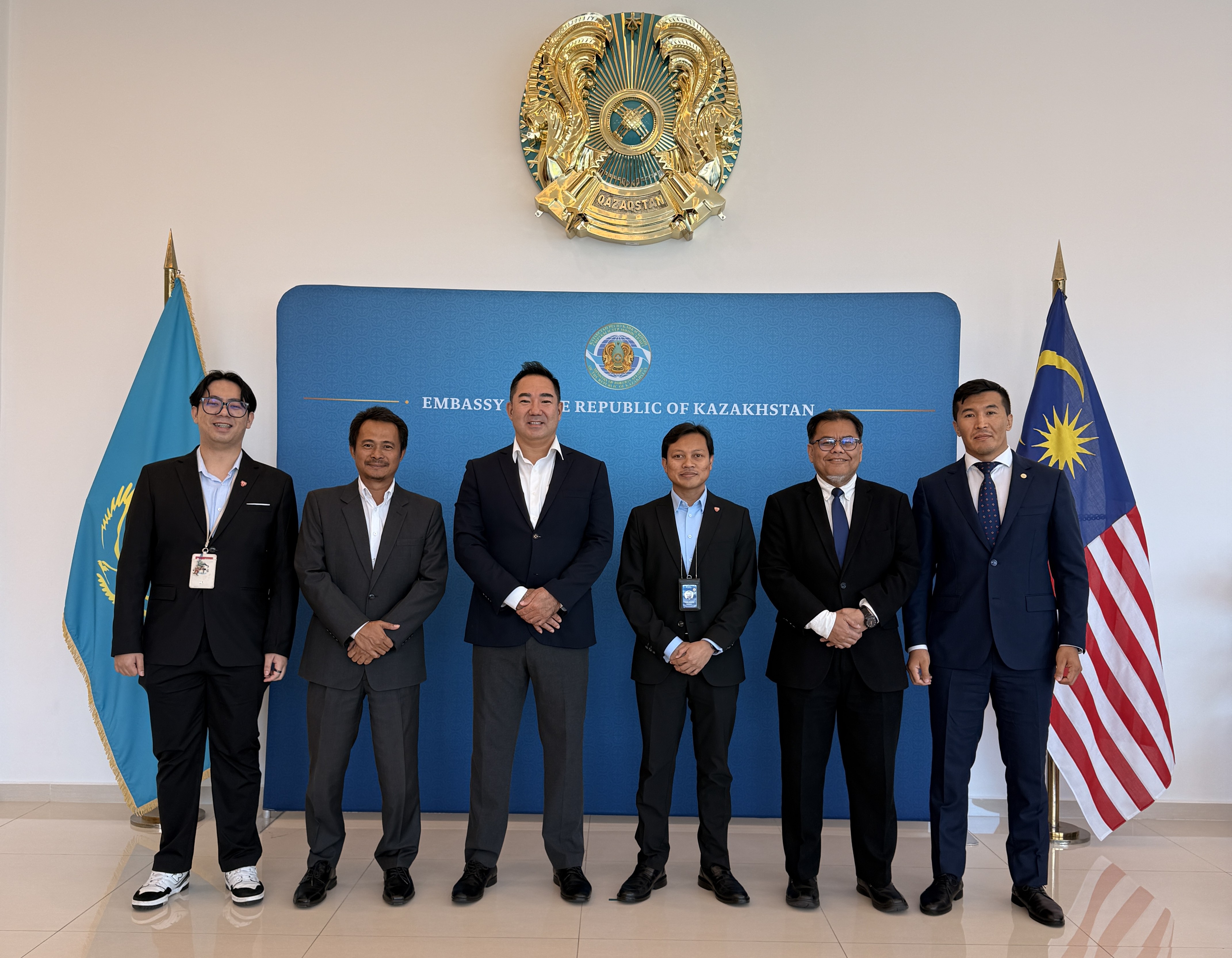
Kazakhstan Strengthens Business Ties with Malaysia: New Projects and Growing Business Interest 13.04.2026
The Embassy of the Republic of Kazakhstan in Malaysia continues its consistent efforts to enhance trade, economic, and investment cooperation with the Malaysian business community. A series of recent engagements with leading Malaysian companies and industry associations reflects the growing interest in Kazakhstan as a promising destination for business and investment projects.In the course of cooperation with the Federation of Malaysian Manufacturers, opportunities to expand collaboration were discussed, including an initiative to establish a Malaysian Trade House at the Khorgos International Centre for Boundary Cooperation. Particular attention was also given to the preparation of a business delegation visit to Kazakhstan, aimed at gaining a comprehensive understanding of the country’s investment potential.During a meeting with Mega Fortris Group, prospects for the company’s entry into the Central Asian market were explored. Discussions focused on the potential establishment of a regional office and the localisation of production in Kazakhstan, which could contribute to the development of new value chains and strengthen industrial cooperation.Negotiations with Malaysia’s largest electricity utility, Tenaga Nasional Berhad, confirmed mutual interest in expanding cooperation in the energy sector. In particular, opportunities for the company’s participation in renewable energy projects in Kazakhstan were discussed. In addition, the parties explored prospects for strengthening cooperation in education, including the training of Kazakh students in engineering disciplines at Universiti Tenaga Nasional (UNITEN), including nuclear energy. The Malaysian side also expressed readiness to offer scholarship opportunities for Kazakh students.The Embassy of Kazakhstan in Malaysia remains actively engaged in expanding partnership networks, facilitating business linkages, and attracting investment into priority sectors of the national economy.Source : https://www.gov.kz/memleket/entities/mfa-kuala-lumpur/press/news/details/1199097?lang=kk
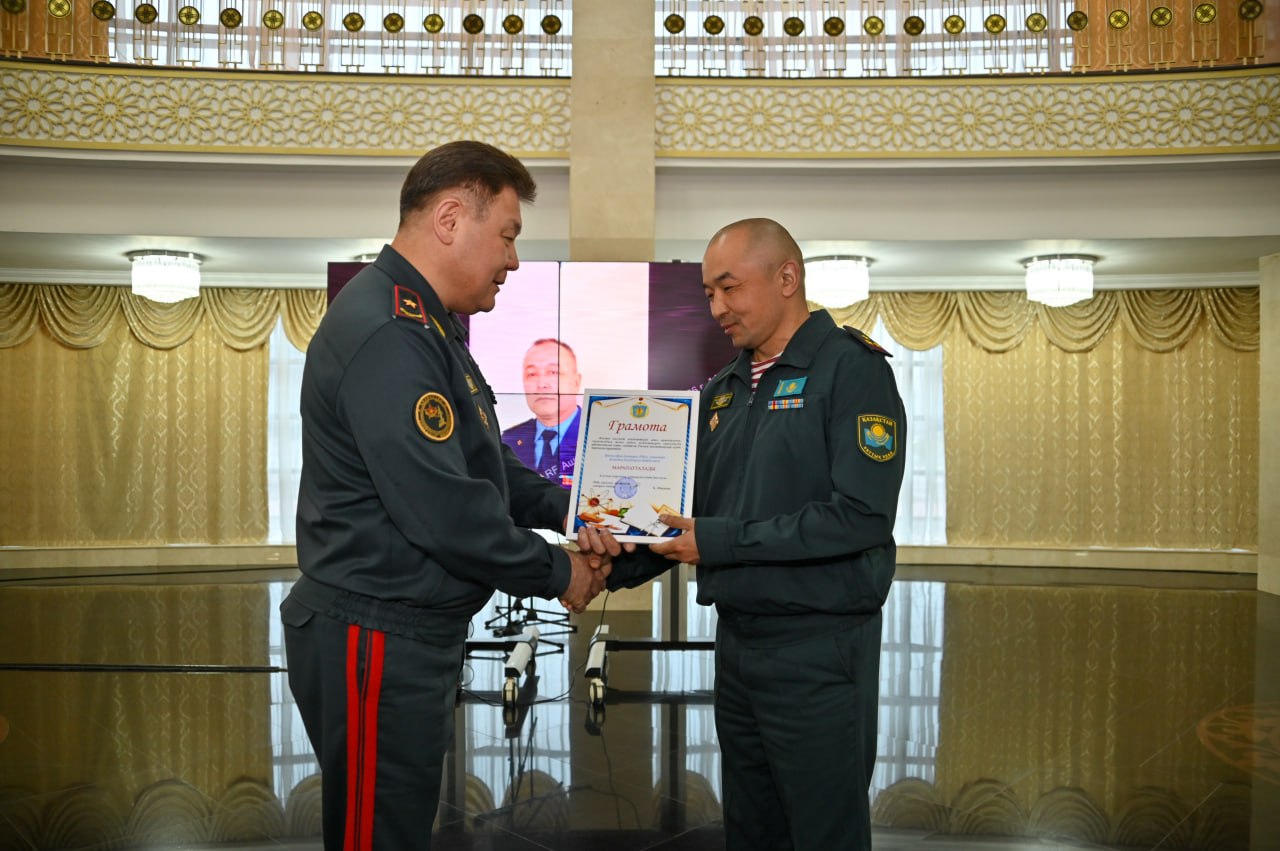
22 projects worth 1.9 billion tenge: National University of the Army Scientific Potential Reserve 12.04.2026
Source : https://www.gov.kz/memleket/entities/mod/press/news/details/1199077?lang=kk
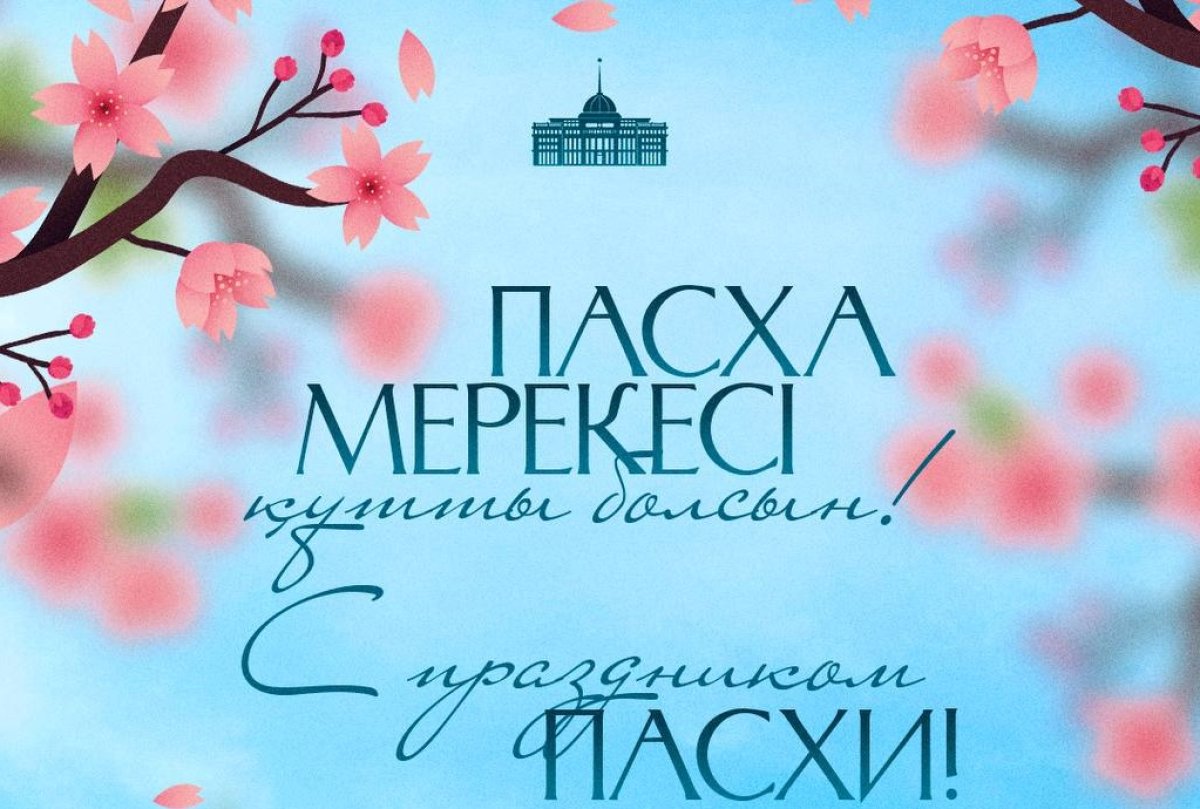
Congratulatory Message from President Kassym-Jomart Tokayev on the Occasion of Easter 12.04.2026
Dear Orthodox citizens of Kazakhstan! I sincerely congratulate you on the joyous celebration of Easter, the Resurrection of Christ. This significant day holds a special place in the Christian calendar, symbolizing love, hope, and spiritual renewal. The celebration of Easter, together with the preceding period of fasting, instills in believers the ideals of compassion, mercy, good neighborliness, and mutual support. Orthodoxy makes a significant contribution to strengthening the principles of justice, peace, tolerance, and trust in our society. Easter traditions, passed down from generation to generation, help preserve family values, reinforce moral foundations, and foster respect for elders and care for others. The development of our country is grounded in national unity and interfaith harmony, as well as in a balanced combination of traditional values and comprehensive modernization. The Constitution, adopted through a national referendum, stands as a vivid expression of our people’s aspiration to live and work in a progressive country founded on peace and stability, the rule of law and order, knowledge and innovation, and respect for nature and cleanliness. I am confident that our shared responsibility for the future of our Homeland will enable us to overcome any challenges and achieve our goals. May this wonderful holiday bring joy and prosperity to every home. I wish all my fellow citizens good health, happiness, and success in all their endeavors.Source : https://www.gov.kz/memleket/entities/mfa-minsk/press/news/details/1199072?lang=kk
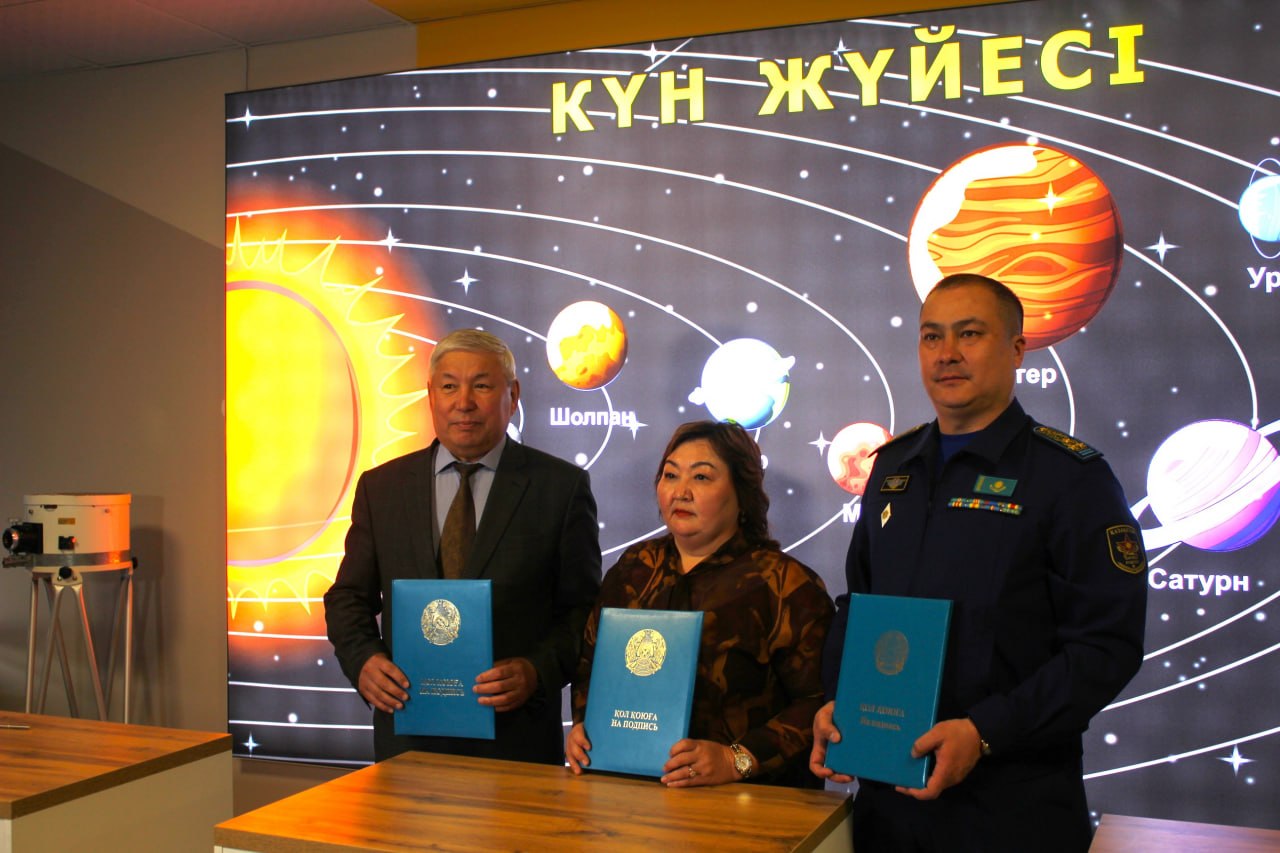
Cosmonautics Day: Aktobe expands youth training in aviation and science 12.04.2026
Source : https://www.gov.kz/memleket/entities/mod/press/news/details/1199060?lang=kk
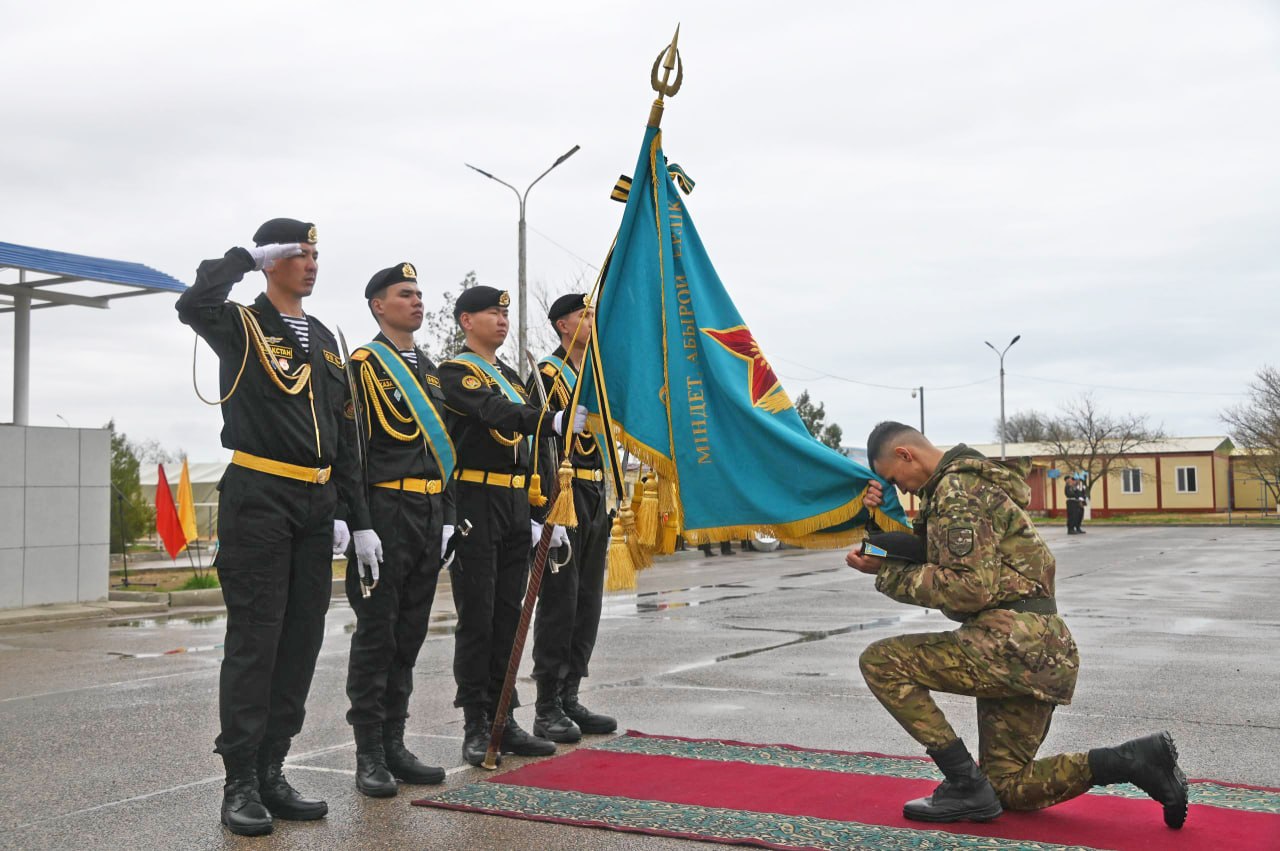
Over 600 marines have completed their military service in Aktau, some of whom remain to serve under contract 11.04.2026
Source : https://www.gov.kz/memleket/entities/mod/press/news/details/1199007?lang=kk
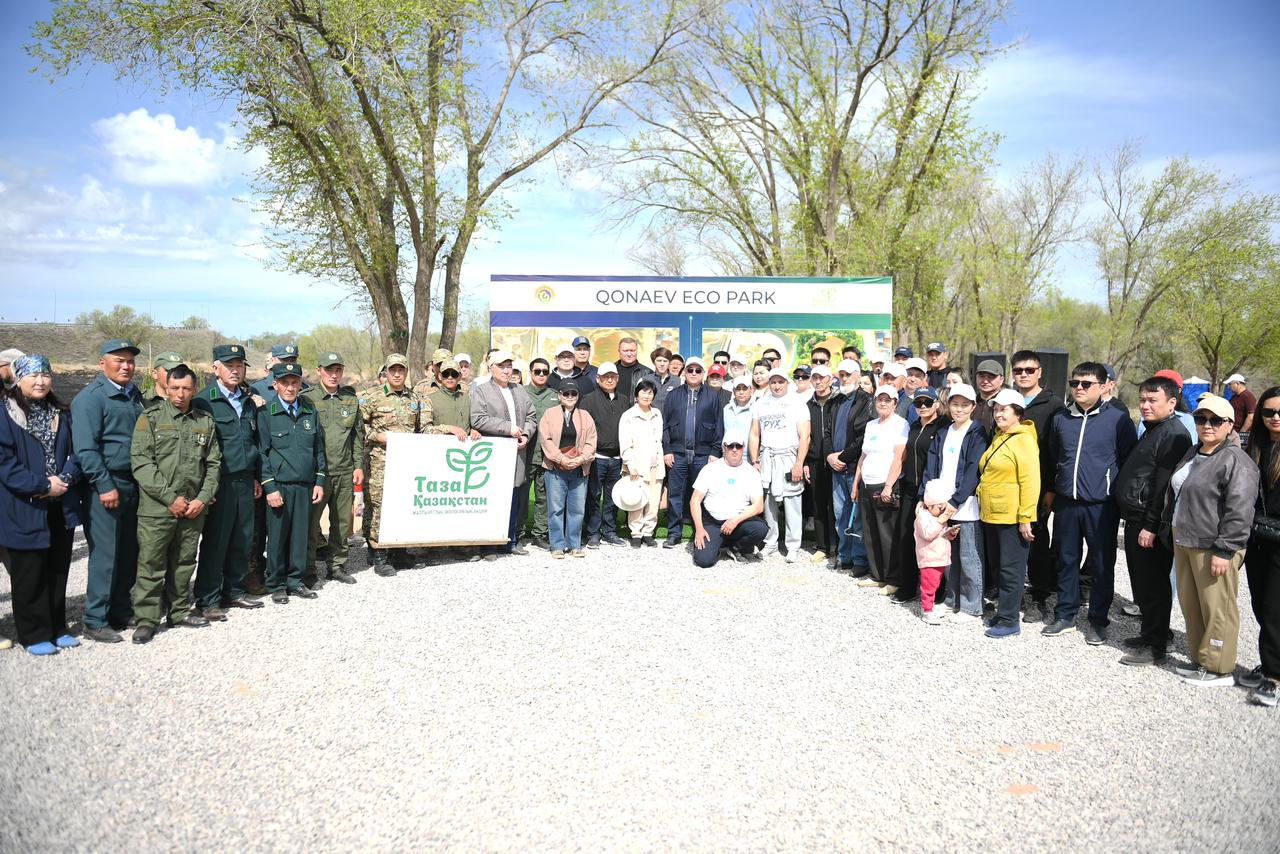

В Алматы курсанты почтили память прославленных казахстанцев 11.04.2026
Source : https://www.gov.kz/memleket/entities/mod/press/news/details/1198918?lang=kk

The action "We are volunteers" was held in the Naurzumsky district 11.04.2026
In the Nauryzym district of the Kostanay region, the "We Are Volunteers" campaign was held, during which young people contributed to the improvement of the area. Active volunteers of the district gathered together and carried out work to clean the monument dedicated to veterans of the Great Patriotic War, as well as the adjacent territory.During the campaign, participants cleared the area of litter, tidied up the surrounding space, and beautified the memorial site. Such events are aimed at fostering a sense of patriotism and respect for historical heritage among the younger generation.It is worth noting that the volunteer movement in the country is actively developing. Social and environmental initiatives contribute to increasing the civic engagement of youth and involving them in socially significant activities.According to the organizers, the "We Are Volunteers" campaign is not a one-time event. In the future, such initiatives will continue, and the youth of the district will remain actively involved in the life of society.Source : https://www.gov.kz/memleket/entities/kostanay/press/news/details/1198917?lang=kk
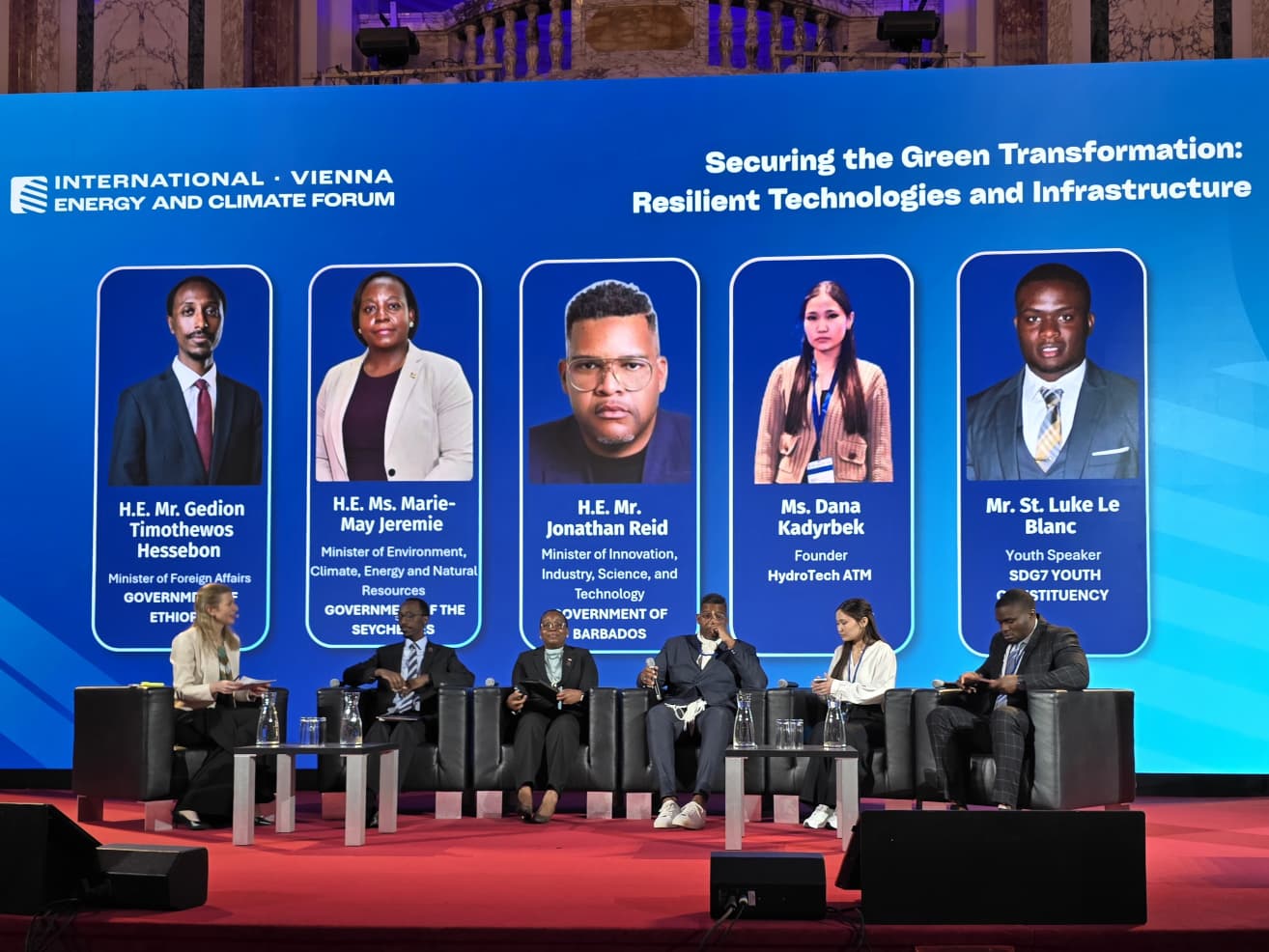
Kazakh Startup Becomes Prize Winner of an International Competition in Vienna 11.04.2026
Vienna, 10 April 2026 — Within the framework of the International Vienna Energy and Climate Forum, jointly organized by the United Nations Industrial Development Organization (UNIDO) and the Federal Ministry for European and International Affairs of the Republic of Austria, the Kazakh startup HydroTech Atm became a prize winner of the Global Cleantech Innovation Programme (GCIP) international competition.Particular attention was drawn to the fact that the founder and CEO of the HydroTech Atm project, Dana Kadyrbek, is the youngest and the only participant in the GCIP programme aged 17. Despite her young age, Dana has developed a fully autonomous device for producing clean drinking water from the atmosphere based on nanomaterials. Her technology is already undergoing pilot implementation in Kazakhstan, including laboratory testing and cooperation with relevant governmental and scientific institutions.In addition, Dana Kadyrbek participated as a speaker in the plenary session entitled «Securing the Green Transformation: Resilient Technologies and Infrastructure», where she presented her project and its key advantages to an international audience.The international recognition of the HydroTech Atm project demonstrates the high potential of young Kazakh innovators and confirms Kazakhstan’s ability to offer relevant technological solutions in response to global challenges in water security, environmental protection and climate.Background: The Republic of Kazakhstan became the first country in Central Asia to join the GCIP programme. In December 2025, a national competition of climate startups was held under the GCIP-Kazakhstan programme, where HydroTech Atm, SpaceLab and Forest Hero were selected as prize winners. These startups represented Kazakhstan at the global finals of Cleantech Days 2026 in Vienna.Source : https://www.gov.kz/memleket/entities/mfa-vienna/press/news/details/1198892?lang=kk
Актюбинская область занимает первое место в Казахстане по площади пастбищных земель 11.04.2026
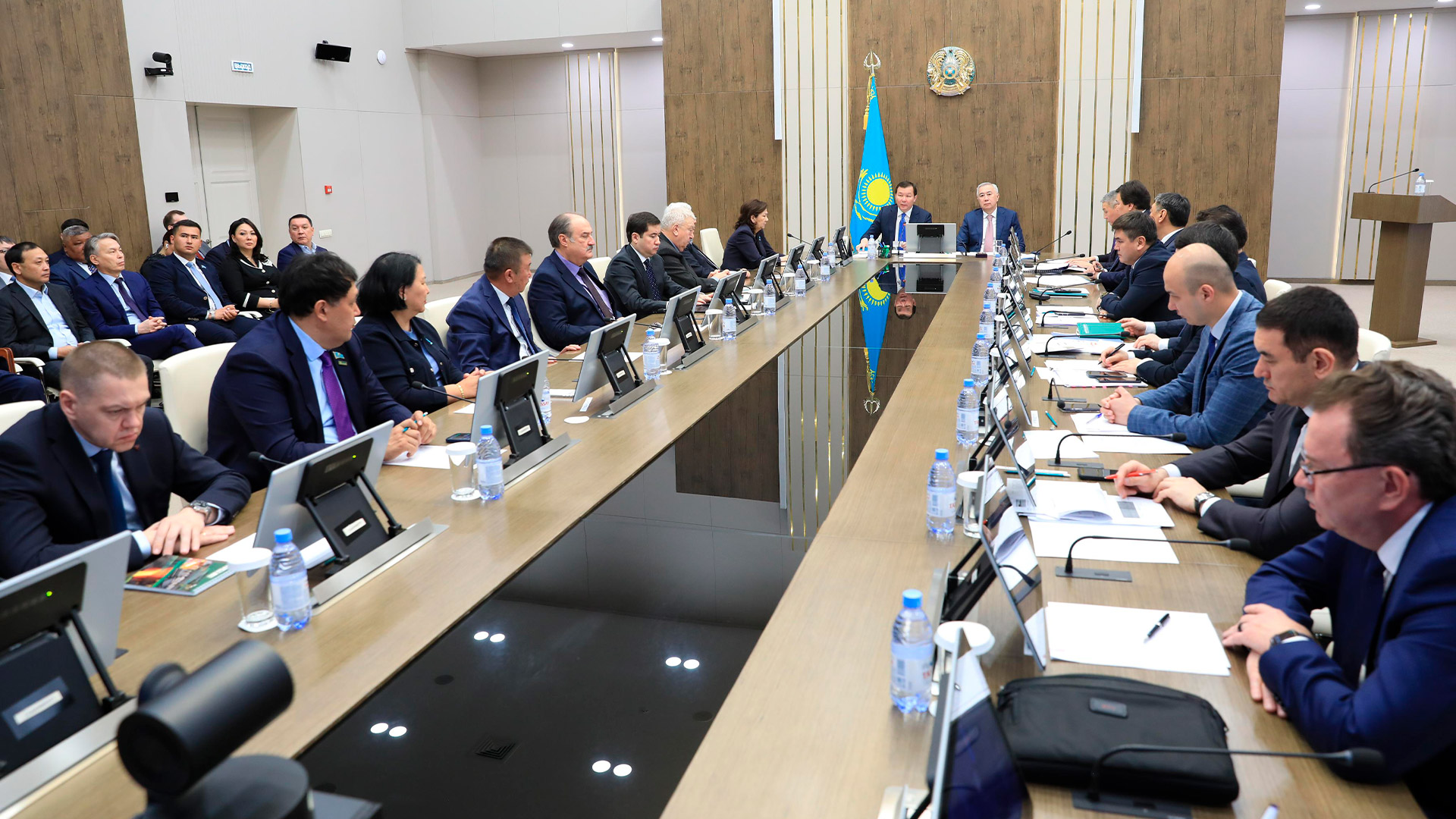
Заместитель Премьер-министра – министр национальной экономики Серик Жумангарин в рамках рабочей поездки посетил Актюбинскую область, где провел встречу с аграриями региона.В расширенном формате к встрече по онлайн-связи подключились руководители крестьянских хозяйств районов. Аким области Асхат Шахаров отметил, что ключевым направлением сельского хозяйства региона остается животноводство. Вместе с тем в Айтекебийском, Каргалинском, Хромтауском и Мартукском районах активно развивается и растениеводство.По итогам 2025 г. объем сельскохозяйственного производства составил 412 млрд тенге, рост – 2,5% к предыдущему году. В 2026-2028 гг. в агропромышленном комплексе региона планируется реализовать 11 инвестиционных проектов на сумму 94,9 млрд тенге, из которых 4 проекта будут запущены уже в текущем году. Среди них – строительство и расширение откормплощадок КХ «Жаннур» и ТОО «Agroproduct development», запуск птицефабрики ТОО «Рамазан кус», а также молочно-товарной фермы ТОО «АЙС». В 2025 г. в регионе собрано 554 тыс. тонн зерновых и 72,4 тыс. тонн масличных культур. Также получены значительные объемы картофеля и овощей. В рамках диверсификации посевных площадей увеличены площади под масличные и кормовые культуры.О параметрах нового Комплексного плана развития животноводства участников встречи проинформировал вице-министр сельского хозяйства Амангалий Бердалин. В ходе обсуждения аграрии подняли ряд практических вопросов. В частности, руководитель областного филиала Ассоциации фермеров Казахстана Кусайын Сарсембай предложил рассмотреть возможность предоставления гарантий через Фонд развития предпринимательства «Даму» по программам «Игілік», «Береке» и «Жайлау».Серик Жумангарин отметил, что в настоящее время прорабатывается механизм предоставления гарантий по этим программам через фонд «Даму». Достигнута предварительная договоренность о внедрении инструмента, при этом отдельные условия и технические параметры находятся на стадии согласования. Отдельно был поднят вопрос доступности субсидирования процентных ставок по кредитам и лизингу. Директор ТОО «Айс плюс» Куаныш Ищанов сообщил о невозможности подачи заявок из-за приостановки работы портала в связи с отсутствием бюджетных средств. Также свои вопросы озвучили представители других хозяйств региона — ТОО «Степное», ТОО «Кумкудык», ТОО «Пригородное», КХ «Меңдібай-Қарағаш». По всем обращениям даны разъяснения в ходе совещания.Подводя итоги встречи, вице-премьер отметил, что Актюбинская область является одним из крупнейших регионов по площади пастбищных земель – 25,3 млн га. Государство продолжает оказывать аграриям значительные меры поддержки, при этом усиливаются встречные требования. Ключевым из них является эффективное использование сельскохозяйственных земель. В настоящее время прорабатывается внедрение целевых показателей эффективности их использования, а также подход, при котором хозяйства, занимающиеся растениеводством, будут параллельно развивать и животноводческое направление.Сразу же в этот день Серик Жумангарин провел отдельное совещание по вопросам бюджета области, в ходе которого были рассмотрены ключевые параметры финансирования и приоритетные направления расходов. По итогам обсуждения даны поручения по обеспечению эффективного использования бюджетных средств и усилению контроля за их освоением. В рамках поездки по региону министр также ознакомился с работой завода по переработке шерсти ТОО «KAZFELTEC». Предприятие использует итальянские технологии и специализируется на выпуске тепло- и шумоизоляционных материалов на основе натуральной овечьей шерсти.Source : https://www.gov.kz/memleket/entities/economy/press/news/details/1198893?lang=kk
“Nauryznama” Campaign in Switzerland Concludes in Geneva 11.04.2026
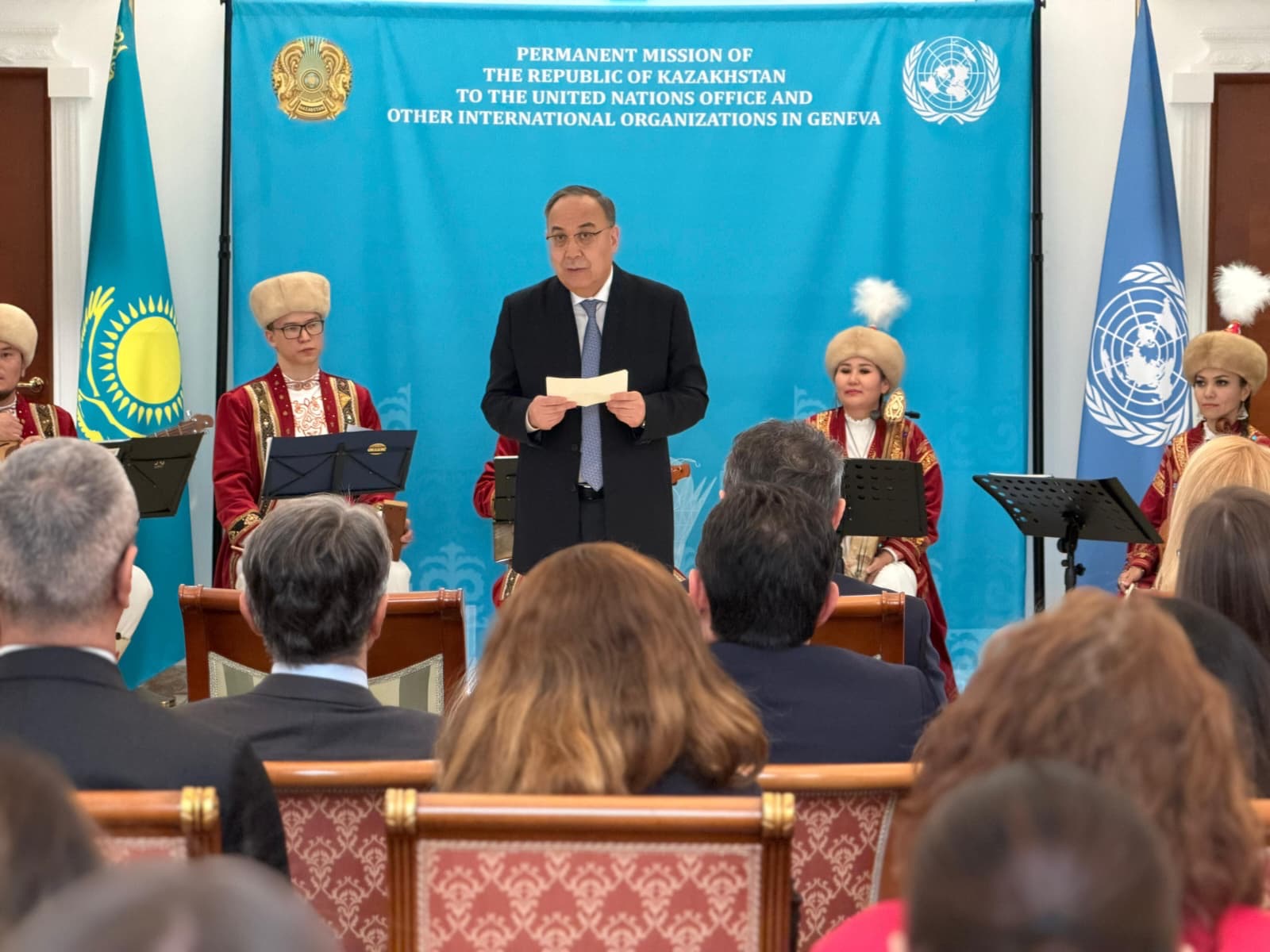
On April 10, 2026, in Geneva, the Permanent Mission of the Republic of Kazakhstan hosted a festive event dedicated to Nauryz celebration, marking the conclusion of a series of cultural and outreach activities held across Switzerland under the “Nauryznama” calendar events.The celebration brought together heads of diplomatic missions from countries across Asia, Africa, the Middle East, and Europe, along with representatives of international and non-governmental organizations, business and academic circles, and the Kazakh community in Switzerland.In his opening remarks, Ambassador Erzhan Kazykhan, Permanent Representative of Kazakhstan to the UN in Geneva, highlighted the deep historical roots of Nauryz and its role in strengthening national unity and cultural identity. Referring to the remarks of President Tokayev, he emphasized that the strength of Kazakhstan lies in the unity of its people and their shared values. He noted that, in a rapidly changing world, Nauryz serves as a symbol of renewal, promotes mutual understanding, and fosters dialogue among nations.As a part of the cultural program, a professional artistic ensemble from the Kyzylorda region presented traditional Kazakh music and dance performances. The audience warmly welcomed renditions of “Saryarka,” “Baqsy,” “Besik Zhyry,” and “Nauryz,” recognizing the performers’ high level of professionalism.The event concluded with an official reception, where guests were offered a selection of traditional Kazakh dishes, showcasing the richness of the national cuisine.Participants praised the musicians and dancers for their vibrant and professional performances and noted that celebrating Nauryz in Geneva - a global hub of multilateral diplomacy - plays an important role in advancing intercultural and interethnic dialogue.Source : https://www.gov.kz/memleket/entities/mfa-geneva/press/news/details/1198897?lang=kk
The International Craft Festival will take place in Taraz 11.04.2026
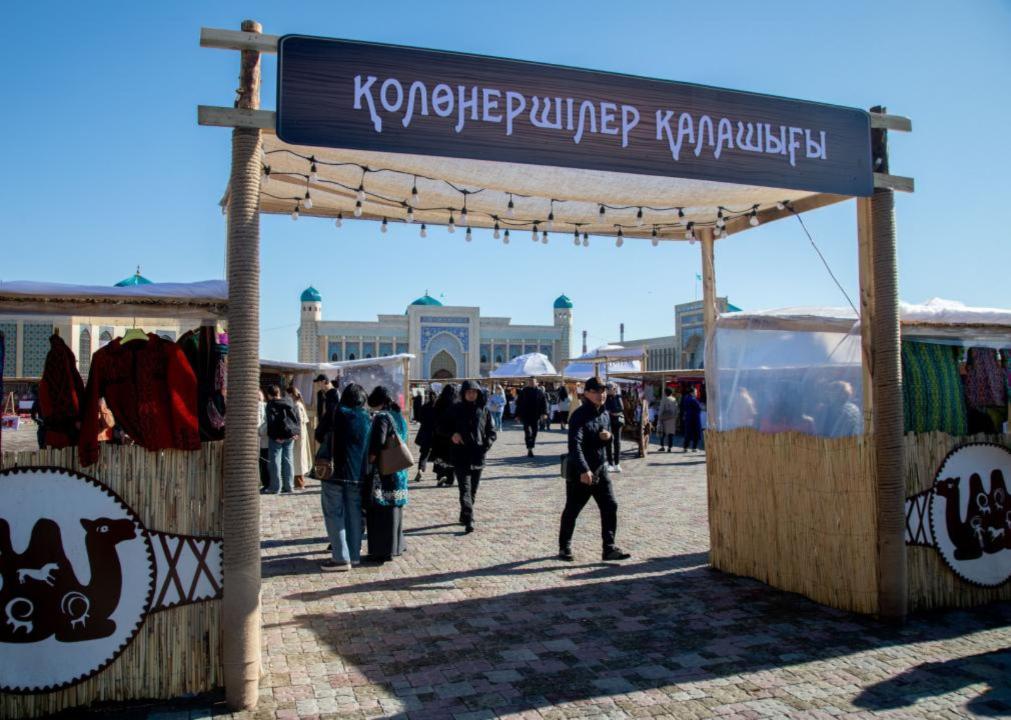
On April 23-24, 2026, the International Craft Festival «Taraz — City of Craftsmen» will be held at the historical and ethnocultural complex «Kone Taraz» in the city of Taraz.This is not just a festival, but a major cultural platform that combines traditions and modernity, contributing to the revival of national heritage and the development of craft art.The festival will gather over 100 craftsmen from foreign countries (Kyrgyzstan, Uzbekistan, and Tajikistan), as well as from neighboring regions of Kazakhstan (Almaty and Turkestan). Local artisans will also present their work.To create a special atmosphere and inspire the guests, a rich program is planned: a scientific and practical conference on the topic «Taraz — City of Craftsmen. Traditional and Modern Crafts», an exhibition of handcrafted items, workshops, and an exhibition of young artisans and artists titled «My World: Fantasy and Reality».Additionally, the International Fashion Week «ASPARA FASHION WEEK» will take place as part of the festival, where national styles and modern trends will blend harmoniously.The musical program «Dombyra Party», which will be held next to the felt item included in the Guinness World Records, will give the guests an atmosphere of live traditional music.Festival guests will have the opportunity to discover the secrets of craft art, see a showcase of national clothing, and enjoy a gala concert featuring pop stars.Moreover, participants will be able to purchase the items they like and take part in tours of the historical and cultural landmarks of the city.Source : https://www.gov.kz/memleket/entities/mfa-seoul/press/news/details/1200520?lang=kk
«Taraz - City of Craftsmen» will be held at the historical and ethnocultural complex «Kone Taraz» in the city of Taraz 11.04.2026
On April 23-24, 2026, the International Craft Festival «Taraz - City of Craftsmen» will be held at the historical and ethnocultural complex «Kone Taraz» in the city of Taraz. This is not just a festival, but a major cultural platform that combines traditions and modernity, contributing to the revival of national heritage and the development of craft art. The festival will gather over 100 craftsmen from foreign countries (Kyrgyzstan, Uzbekistan, and Tajikistan), as well as from neighboring regions of Kazakhstan (Almaty and Turkestan). Local artisans will also present their work. To create a special atmosphere and inspire the guests, a rich program is planned: a scientific and practical conference on the topic «Taraz — City of Craftsmen. Traditional and Modern Crafts», an exhibition of handcrafted items, workshops, and an exhibition of young artisans and artists titled «My World: Fantasy and Reality». Additionally, the International Fashion Week «ASPARA FASHION WEEK» will take place as part of the festival, where national styles and modern trends will blend harmoniously. The musical program «Dombyra Party», which will be held next to the felt item included in the Guinness World Records, will give the guests an atmosphere of live traditional music. Festival guests will have the opportunity to discover the secrets of craft art, see a showcase of national clothing, and enjoy a gala concert featuring pop stars.Moreover, participants will be able to purchase the items they like and take part in tours of the historical and cultural landmarks of the city.Source : https://www.gov.kz/memleket/entities/mfa-tallin/press/news/details/1198879?lang=kk
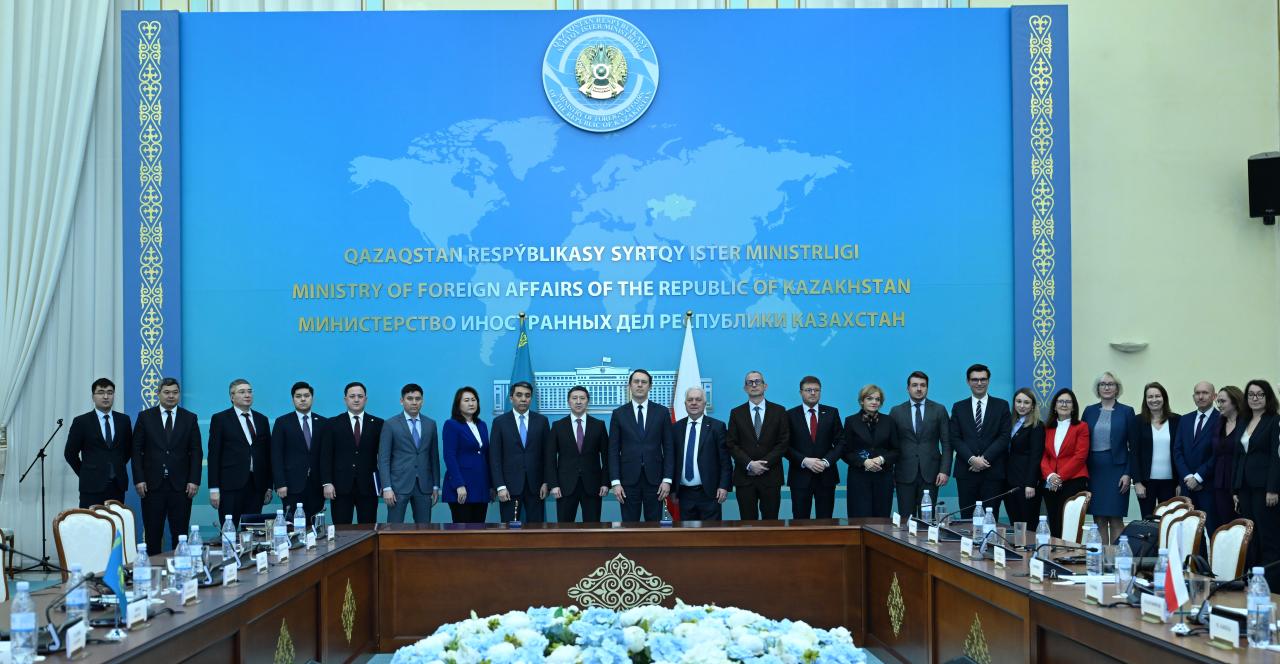
Prospects for Cooperation Considered at the Kazakhstan–Poland Intergovernmental Commission 10.04.2026
Astana, April 10, 2026 – The 10th meeting of the Kazakhstan–Poland Intergovernmental Commission on Economic Cooperation (IGC) was held in Astana, aimed at further strengthening trade, economic, and investment ties between the two countries.The Co-Chairs of the IGC – Deputy Minister of Foreign Affairs of the Republic of Kazakhstan Arman Issetov and Deputy Minister of Economic Development and Technology of the Republic of Poland Michal Baranowski – together with representatives of relevant government agencies, discussed the current state and future prospects of bilateral cooperation, as well as measures to ensure sustainable economic growth.The parties reaffirmed their mutual interest in advancing the partnership and reviewed prospects for cooperation in key sectors, including agro-industry, energy, mining, transport, pharmaceuticals, and digital technologies.“Poland is a reliable partner of Kazakhstan in Central and Eastern Europe and the European Union. Since the establishment of diplomatic relations, Astana and Warsaw have been strengthening constructive political dialogue and expanding trade, economic, and investment ties,” said Deputy Minister Issetov, highlighting the successful activities of Polish companies in Kazakhstan.The Polish side, in turn, expressed interest in Kazakhstan’s policies aimed at economic diversification and enhancing investment attractiveness, reaffirming Kazakhstan’s importance as a key partner in Central Asia.The parties also noted the important role of the Kazakhstan–Poland Business Forum held earlier as an effective platform for establishing direct contacts between the business communities of the two countries.Following the meeting, the Protocol of the 10th session of the Intergovernmental Commission was signed.Source : https://www.gov.kz/memleket/entities/mfa-warsaw/press/news/details/1199542?lang=kk

A Spring that Unites: Kazakhstan Celebrated Nauryz in the Heart of Spain 10.04.2026
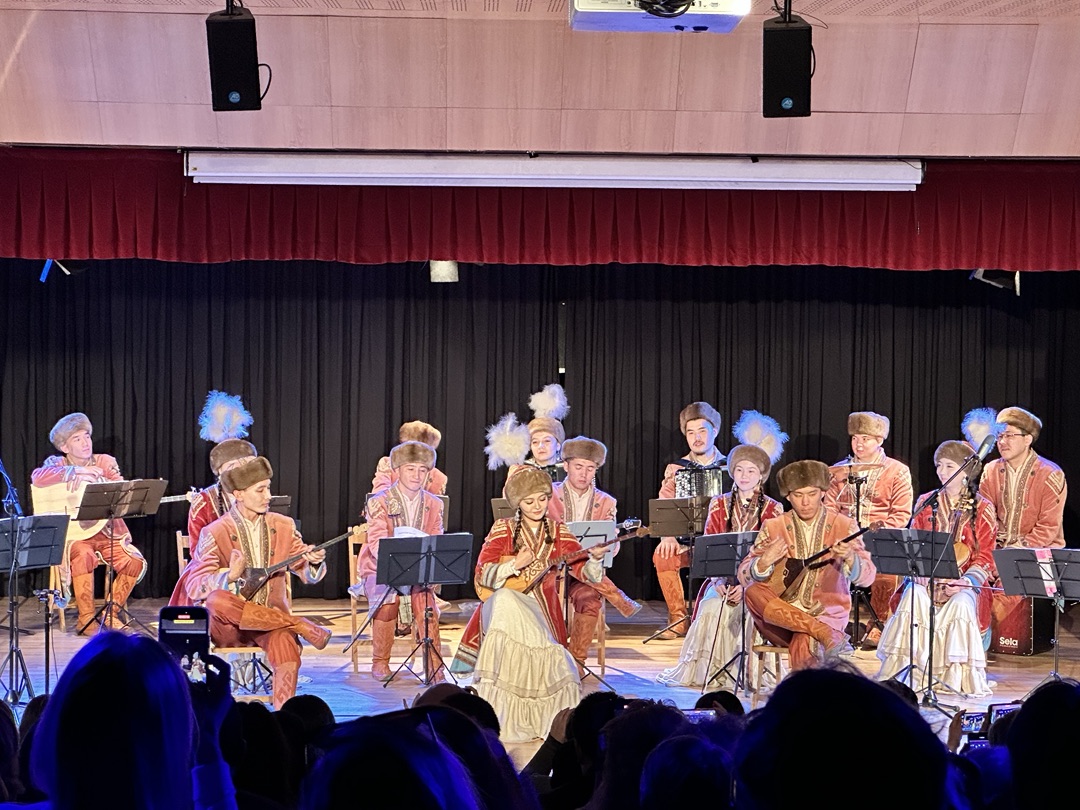
Madrid, April 9, 2026 – The Embassy of the Republic of Kazakhstan in the Kingdom of Spain organized the celebration of Nauryz in Madrid. The event brought together representatives of Spanish ministries and government agencies, business circles, media, academia, as well as members of the Kazakh diaspora.In his welcoming remarks, Ambassador Danat Mussayev highlighted the symbolic significance of Nauryz as a celebration of renewal, unity, and harmony, emphasizing its role in strengthening intercultural understanding and friendship between nations.The concert became a vibrant cultural event, making a significant contribution to strengthening cultural and humanitarian ties between Kazakhstan and Spain, as well as promoting Kazakhstan’s national cultural heritage among the Spanish audience.The highlight of the evening was the performance of the Kazakh ensemble “Alkonyr” from the Turkestan region, which presented an engaging program featuring traditional music, folk songs, and elements of national performing arts. The high level of performance and authenticity of the program received warm appreciation from the audience and fostered a deeper understanding of Kazakhstan’s unique culture.Guests of the event noted the high level of organization and emphasized the importance of such initiatives for the development of bilateral cooperation in cultural and humanitarian fields.Source : https://www.gov.kz/memleket/entities/mfa-madrid/press/news/details/1198814?lang=kk

About the launch of the "Declaration of Goods" functionality in the "KEDEN" information system 10.04.2026
Dear participants of foreign economic activity!Schedule of technical work and launchOn April 10, 2026, from 21:00– technical work on the transfer of functionality will begin in the ASTANA-1 IP. Access to the system will be restricted.On April 11, 2026, from 00:00, the "Declaration of Goods" functionality in the KEDEN IP will begin operating normally.What needs to be done in advanceIn order to avoid possible difficulties during registration and authorization in the IP "KEDEN", please:To register: register in the new system in advance.Check your accounts: Make sure that your account is not blocked due to prolonged inactivity.Check the status of the EDS: ensure control over the validity period of your electronic digital signatures used for customs operations. If necessary, extend them in a timely manner.Rules of work during the transition period (from 00:00 on April 11, 2026)We would like to draw your attention to the procedure for completing operations on declarations of goods (DT) initiated in the old system.:1. Completion of VTD: DTS issued in the ASTANA-1 IP with the "VTD" declaration feature are subject to completion in the ASTANA-1 IP (submission and issuance of DTS with the "LDP" feature).2. Filing of VDT: The filing of VDT with the special feature of declaring "VDT", for which the release of goods was carried out in accordance with the application for the release of goods prior to the submission of the VDT to the IP ASTANA-1, is carried out in the IP ASTANA-1.3. Incomplete control: For VDT, for which Customs control was not completed at the time of the launch of the KEDEN IP, the release of goods is carried out at the ASTANA-1 IP.4. Release of PTD: The release of goods according to DT with the special feature of declaring "PTD", already registered in the IP "ASTANA-1", is carried out in the IP "ASTANA-1".Additional information will be posted on the official resources of the State Revenue Committee as updated.Support ServiceThe KEDEN IP methodological and technical support service operates around the clock for participants of foreign economic activity:Email: keden_support@kgd.minfin.gov.kzTelegram channel:(https://t.me/kedenkgdgovkz)Source : https://www.gov.kz/memleket/entities/kgd-pavlodar/press/news/details/1198790?lang=kk
Announcement of the start of accepting applications for participation in the annual contest "Paryz 2026" 10.04.2026
Announcement of the start of accepting applications for participation in the annual contest "Paryz 2026"The Department of Employment and Social Programs of the Abai district informs employers and entrepreneurs of the district that the Ministry of Labor and Social Protection of the Population of the Republic of Kazakhstan, the National Chamber of Employers, and the Federation of Trade Unions of the Republic of Kazakhstan have announced the launch of the republican business social responsibility competition "Paryz" in 2026. The results of the competition will be announced at the end of the year. The competition is aimed at the formation and enhancement by private business entities of their corporate social responsibility to society in order to further improve the well-being of the population.Participation in the regional and national stages of the competition is free of charge. The competition is held in 4 nominations:1) "The best socially responsible enterprise". This nomination examines the activities of applicants implementing social programs aimed at supporting their own staff, participating in the implementation of social projects in the region, social adaptation of people with disabilities and improving the well-being of society as a whole (organization of wages and social benefits, professional training and retraining systems, employment of the largest number of people with disabilities, etc. next).2) "The best company in the field of occupational safety". This nomination examines the activities of applicants who create working conditions that allow employees to maintain their health during their work.3) "The best collective agreement". This nomination examines collective agreements that significantly improve and strengthen the labor and social rights of employees provided for by the legislation of the Republic of Kazakhstan.4) "For his contribution to the environment." This nomination examines the activities of applicants who have significantly distinguished themselves in the implementation of environmental protection (environmental) programs aimed at improving the state of the environment. Also, a special award "The best social project of the Year" is being established in the competition.This special award examines social projects implemented by businesses that promote employment and/or improve the living conditions of socially vulnerable and low-income segments of the population. For more information about the rules and procedures for participation in the Paryz 2026 contest, please contact the Department of Employment and Social Programs.Source : https://www.gov.kz/memleket/entities/social-abay/press/news/details/1198748?lang=kk
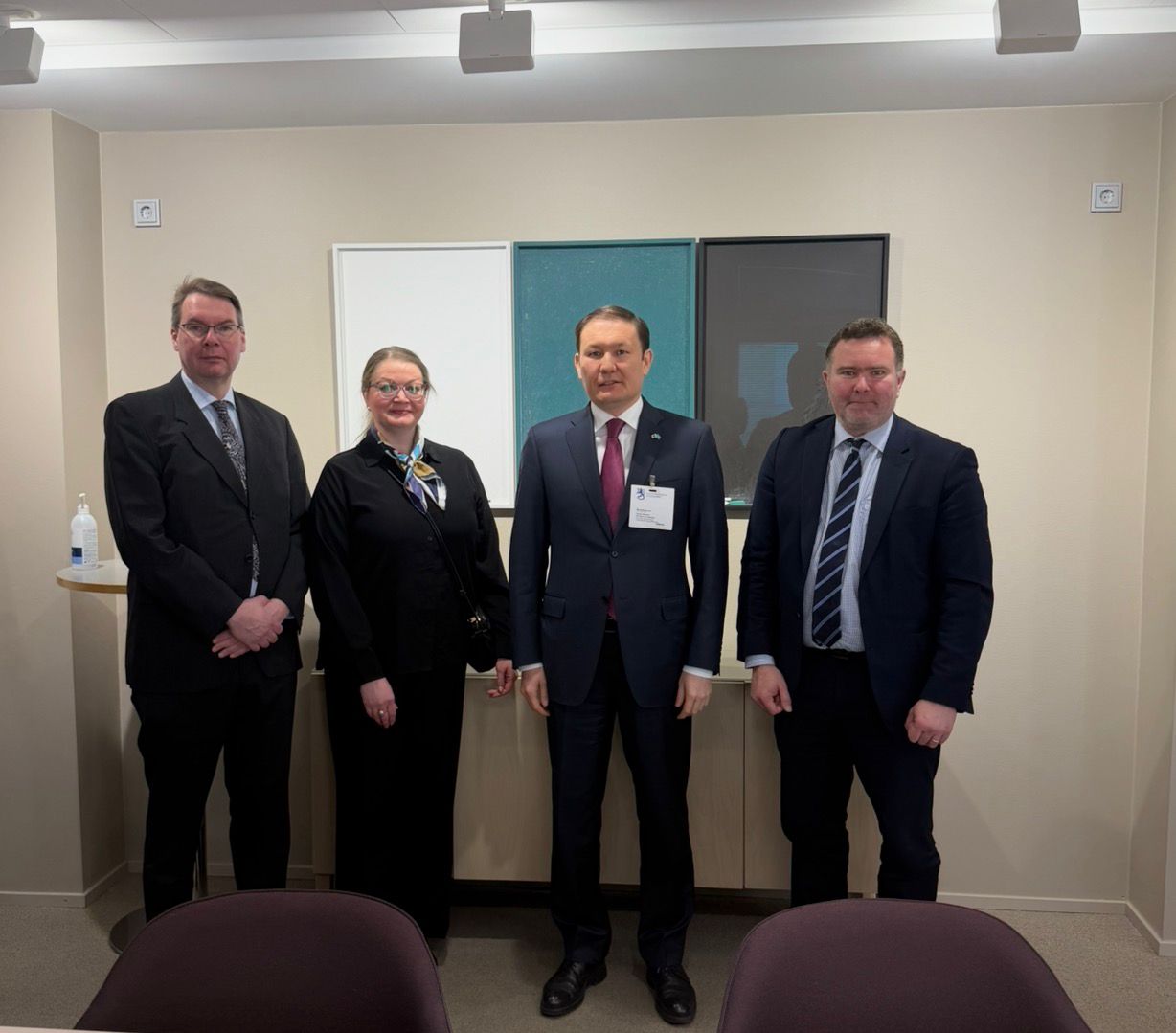
KAZAKHSTAN AND FINLAND STRENGTHEN COOPERATION IN ELECTIONS AND DEMOCRATIC INSTITUTIONS 10.04.2026
Helsinki, April 10, 2026 – The Ambassador of Kazakhstan to Finland, Azamat Abdraimov, held a meeting with the Head of the Department for Elections and Democracy of the Ministry of Justice of the Republic of Finland, Niklas Wilhelmsson.During the meeting, the Kazakh diplomat informed his counterpart about the outcomes of the national referendum on the adoption of the new version of the Constitution of the Republic of Kazakhstan, noting that the document envisages amendments related to the redistribution of powers among the branches of government, the development of the parliamentary system, and the expansion of citizens’ participation in socio-political processes. In this context, it was noted that the envisaged transition to a unicameral parliamentary model takes into account, inter alia, the experience of countries with well-established democratic institutions, such as Finland.It was emphasized that these transformations are being implemented within the framework of the political and constitutional reforms initiated by the President of the Republic of Kazakhstan, Kassym-Jomart Tokayev, and are aimed at further improving the system of public administration, including the development of electoral procedures and their implementation mechanisms.The Finnish side expressed its readiness to further strengthen bilateral cooperation, including through interaction between relevant state bodies, as well as the exchange of best practices in the field of electoral technologies and legal regulation. Source : https://www.gov.kz/memleket/entities/mfa-helsinki/press/news/details/1198766?lang=kk