World
.png)
Disinfection work was organized in the Enbekshi and Turan districts of Shymkent 03.08.2025
On August 3, 2025, joint sanitary and anti-epidemic measures were carried out in Shymkent city, aimed at residents of Enbekshi and Turan districts. This work was carried out as a result of the joint efforts of the local akimat, police and municipal services. The main goal of the event was to raise awareness among residents about sanitary and anti-epidemic measures and systematically carry out disinfection work in barns and designated settlements. Throughout the day, residents of both districts were briefed on specific guidelines to ensure cleanliness and safety in their homes. Further, utilities conducted sanitary disinfection work in public areas, playgrounds, yards, and garages using disinfectants. These activities are aimed at maintaining the cleanliness of the streets and protecting the health of residents. The main feature of this campaign is that, along with disinfection work, public education was carried out. Usually, such sanitary raids are held only at the level of public utilities and residents are not informed. This time, citizens were explained the importance of disinfection, advised on contraindications, safety measures, and the specific features of the use of disinfectants. Residents understood that compliance with sanitary standards is an important factor affecting public safety and the health of life. At the same time, during the event, residents showed interest in getting acquainted with the work of sanitary and disinfection teams - they saw instructions, methods of using brushes and solutions, asked questions, and received feedback. This approach increased the residents' desire to participate in creating a safe environment. In recent years, sanitation campaigns have been organized in Shymkent several times. However, they were mainly carried out by the municipal department of the city administration only on a technical level. Residents were not informed about the events in advance and observed them from the sidelines. For example, during the 2024 Sabbath cleanings and sanitation raids, residents had little opportunity to participate themselves - they were mostly involved in limited tasks such as washing the streets and cleaning up garbage. In addition, although disinfection activities were carried out in some infectious areas in 2023–2024 as part of the prevention of dangerous diseases, explanatory work was rarely carried out. Residents did not receive sufficient information about why disinfection was necessary and its medical significance. This time, the action was a concrete example of strengthening the sanitary regime in both districts, as well as establishing an open dialogue with the population. The organizers of the action answered citizens' questions, determined monthly regimes for disinfection, and informed residents of the need for daily monitoring of compliance with sanitary standards. According to public opinion, this initiative was positively assessed. Residents noted that the event was very open and informative. Many understood the importance of disinfection work and were proud of the increased cleanliness, which was combined with public services. Some residents expressed the opinion that similar campaigns should be held in the coming months. The organizers envisioned the following: regular implementation of such measures — monthly strengthening of sanitary control, systematic public education. Such actions are especially important in densely populated areas, public places, private homes, and rural areas. In conclusion, the “community awareness + disinfection” campaign in the Enbekshi and Turan districts of Shymkent, held on August 3, offered a new approach to maintaining public safety and raising the sanitary culture of the population. This campaign was a concrete step towards improving the level of cleanliness and safety in the public environment by combining information and practical experience, different from last year's raids.
.png)
Interim report on the disinfection work carried out in the Karatau district: treatment is carried out on an area of 865,900 square meters 03.08.2025
According to the interim report on disinfection work carried out in the Karatau district, the area currently being treated is 865,900 square meters. This area includes livestock buildings and adjacent buffer zones. During the work, 33,675 heads of cattle and horses, as well as 28,750 heads of small cattle, were sprayed and bathed. All activities are carried out in accordance with the approved plan and are under daily control.Experts emphasize that disinfection in autumn is especially important. After the summer growth of tick populations and other harmful insects, their activity is still preserved, so preventive measures during this period significantly reduce the risk of disease outbreaks in the upcoming spring-summer season. For processing, preparations that have passed laboratory tests are used, which are safe for people and animals, but effectively affect parasites. Experienced disinfectors, veterinarians and utility workers are involved in the work. Before chemical treatment, each object undergoes mechanical cleaning - waste and manure are removed, garbage is removed, and the adjacent territory is tidied up. This approach allows for a significant increase in the effectiveness of disinfection. Experts emphasize that the autumn stage is of particular importance in terms of prevention. During this period, after the summer peak of activity, the number of ticks and other dangerous insects remains high. If treatment is carried out right now, this will significantly reduce the risk of their mass spread in the spring and summer of next year. Before disinfection, mandatory mechanical cleaning of the premises is carried out: manure is removed, feed and garbage remains are removed, excess vegetation is trimmed. Only after this are chemicals used that have passed laboratory testing and are recognized as safe for humans and warm-blooded animals. This two-stage approach increases the efficiency of the work several times. Experienced disinfectors, veterinarians and public utilities are involved in the activities. All actions are carried out in accordance with sanitary standards, and the results are recorded and transmitted daily to the responsible authorities. Such large-scale campaigns are held regularly in the Karatau district. For example, in 2023, about 800 thousand square meters of territory and more than 60 thousand heads of animals were treated. This made it possible to reduce the number of tick bites by 15% compared to the previous year. In 2024, due to the expansion of the treatment area and the active participation of residents, this figure became even lower, and in a number of villages, cases of infection were not recorded at all. In 2025, the scope of work became even wider. The area of disinfection was increased, the number of animals treated increased. In addition, much attention is paid to explanatory work with the population: leaflets are distributed, meetings are held in rural districts, the importance of sanitization and personal precautions is explained. These activities have a direct impact on the development of the region's agro-industrial complex. In livestock farming, the fight against parasites increases productivity, improves the quality of meat and milk, reduces animal mortality and farmers' expenses on treatment. This strengthens the position of local farms' products on the market and increases their competitiveness, including for export. In poultry farming, systematic disinfection reduces the risk of spreading diseases and parasites, which ensures stable egg and meat production. For beekeeping, reducing the number of parasitic insects helps maintain the health of bee colonies, which is important for stable honey production and pollination of agricultural crops. Even crop production benefits indirectly: control of pests and disease vectors reduces the threat of crop contamination, especially in suburban greenhouses and farm fields. In addition to economic benefits, there is also an ecological aspect. The preparations used selectively affect harmful insects, minimally affecting beneficial ones. This helps maintain biological balance and does not disturb the ecosystem of the area. The social effect is also significant. Residents' participation in preparation for disinfection - cleaning yards, cleaning outbuildings, monitoring the condition of animals - forms a more responsible attitude to sanitary standards and strengthens the culture of housekeeping. To ensure full control over the process, a daily monitoring system has been created. Each stage of work is recorded, and if problems are identified, prompt measures are taken, including the allocation of additional resources. Residents of the area are also reminded of personal precautions. It is recommended to regularly inspect animals, use repellents, wear closed clothing when going out to pastures or natural areas, and if bitten by a tick, immediately consult a doctor. The experience of past years convincingly proves that only a comprehensive approach - a combination of mechanical cleaning, chemical treatment, explanatory work and participation of citizens themselves - gives a sustainable result. The autumn stage of 2025, according to experts' forecasts, will reduce the risk of diseases to a minimum and create favorable conditions for the stable development of agriculture in the Karatau region. If the current campaign is fully implemented, the district will not only receive an improved sanitary situation, but also an additional incentive to grow agricultural production, strengthen food security and improve the quality of life of local residents.
.png)
Interim report on ongoing decontamination work in Karatau district: 865,900 square meters of area is being decontaminated 03.08.2025
According to the interim report on the ongoing disinfection work in Karatau district, an area of 865,900 square meters is currently being treated. This area includes barns and adjacent buffer zones. During the work, 33,675 heads of cattle and horses, as well as 28,750 heads of small livestock, were disinfected by spraying and sterilizing. All measures are being carried out in accordance with a pre-approved plan and are monitored by daily reporting. Experts say that disinfection is especially important in the autumn period. Ticks and other insects that have multiplied during the summer months are still active in the fall, so carrying out prophylaxis at this time significantly reduces the risk of disease outbreaks in the following spring and summer. The drugs used for disinfection have undergone special laboratory tests and are harmless to animals and humans. Qualified disinfectors, veterinarians, and representatives of public utilities are involved in these works in the Karatau district. Each barn undergoes mechanical cleaning - garbage and manure are removed, and only then chemical treatment is carried out. This method increases the efficiency of treatment several times. Such large-scale disinfection work is carried out annually in the Karatau district. In the autumn of 2023, about 800 thousand square meters of territory were treated, and more than 60 thousand livestock were treated. That year, tick bites in the district decreased by 15%. In 2024, this figure decreased even more, significantly reducing the risk of disease spread. The main reason for these achievements is the timely disinfection and active participation of the population. The scope of work in 2025 is wider than in previous years. Firstly, the area of disinfection has increased, and secondly, the number of livestock to be processed has increased. Thirdly, this year, information and explanatory work has been intensified - memos on safety rules and the importance of prevention are being distributed to residents, and meetings are being held in rural districts. Impact on the agro-industrial complex Autumn disinfection not only ensures sanitary safety, but also has a positive impact on the development of the agro-industrial complex of the region. The reduction of parasites in livestock farming improves animal health and increases productivity. Improved meat and milk quality strengthens competitiveness in the domestic market and opens the way to increasing export potential. In addition, preventing parasitic diseases reduces livestock mortality and veterinary costs, which directly affects the financial stability of farmers. Disinfection also has a positive impact on the stability of the ecosystem. The reduction of parasites and insects helps maintain the natural balance, and modern chemicals used for treatment do not harm beneficial insects. From a social point of view, such measures increase the responsibility of residents for their own health and the environment. Keeping livestock clean and caring for livestock in a timely manner is part of the formation of a sanitary culture in rural areas. The autumn disinfection work being carried out in the Karatau district is a planned and large-scale event. This is a comprehensive work aimed not only at reducing the number of ticks and parasites, but also at increasing livestock productivity, ensuring the safety of the population, and improving the ecological situation. As the experience of previous years has shown, timely and high-quality disinfection gives real results. It is expected that after the autumn campaign in 2025, the sanitary condition and agricultural indicators of the district will improve even more.
.png)
Preparations for the second stage of disinfection work were discussed in Shymkent: the priority is protecting the population and developing the agro-industrial complex 29.07.2025
On July 29, 2025, a meeting was held in Shymkent chaired by the Deputy Akim of the city A. Karimov, dedicated to the prevention of Crimean-Congo hemorrhagic fever (CCHF) and other enzootic diseases. The discussion focused on organizational and technical measures that will allow the second stage of disinfection activities to be carried out efficiently and on time. The meeting brought together representatives of relevant departments, the veterinary service, sanitary and epidemiological control, district akimats and other responsible departments. The deputy akim noted that the fight against CCHF and similar infections requires a systematic approach, and timely preparation is the key to effectiveness. The second stage involves treating over 152,000 heads of farm animals by spraying and bathing in solutions that destroy ticks and other parasites. More than 2.3 million square meters of livestock facilities and adjacent areas will also be disinfected. Public spaces — parks, squares, flower beds — will also be treated, which will reduce the risk of infection in places where citizens enjoy mass recreation. Karimov emphasized that chemical treatment alone is not enough for maximum efficiency. Preliminary mechanical cleaning of premises and yards is important: removal of manure, garbage and other contaminants. It is the combination of mechanical and chemical treatment that gives the most lasting result. The issue of the quality of the preparations used was discussed separately. All products undergo laboratory testing and have certificates confirming their safety for people and warm-blooded animals. The work will be carried out by qualified disinfectors using 6 units of specialized equipment. Crimean-Congo hemorrhagic fever is a particularly dangerous viral infection transmitted to humans by the bite of an infected tick or by its biological fluids coming into contact with the skin and mucous membranes. The disease develops rapidly, and the risk of complications is high, so prevention remains a priority. In Shymkent, such events are held annually, and statistics confirm their effectiveness. Thus, in 2023, thanks to two-stage disinfection, the number of registered cases of tick bites decreased by 17%, and in 2024, not a single infection was recorded in a number of areas of the city. The second stage of 2025 has not only sanitary but also economic significance, directly influencing the development of the region’s agro-industrial complex. In livestock farming, parasite control improves livestock health, increases productivity, reduces mortality, and reduces farmers' veterinary costs. This improves the quality of meat and milk, and strengthens the position of local products in domestic and foreign markets. In poultry farming, systemic disinfection reduces the risk of spreading diseases such as avian influenza and external parasites, which stabilizes meat and egg production. For fish farms, sanitary treatment of areas around water bodies helps maintain water quality, which prevents outbreaks of diseases among fish and ensures stable volumes of aquaculture products. In beekeeping, control of the number of parasites and insect pests helps maintain the health of bee colonies, which has a positive effect on the volume and quality of honey, as well as on the pollination of agricultural crops. Crop production and greenhouse farming also benefit from systematic preventative measures: treatment of areas reduces the risk of transfer of plant pests and diseases from animals and wildlife, increasing crop yields and reducing the need for chemical pesticides. In terms of land and water resources, eliminating foci of enzootic diseases makes unfavorable areas suitable for agricultural production again. Clean areas around water bodies ensure the safety of watering and watering animals, and maintain the ecological balance. At the meeting, a clear schedule of work was approved, those responsible for each section were appointed, and an operational headquarters was created at the Akimat. This headquarters will monitor the implementation of plans on a daily basis and, if necessary, allocate additional resources. Particular attention is paid to interaction with the population. Residents are advised to actively participate in preparation for disinfection - clean yards, clean outbuildings, check pets. They are also reminded of personal precautions: use repellents, wear closed clothing when going outdoors, and the need to immediately seek medical help if bitten by a tick. According to the participants of the meeting, the key to the success of the second stage is a combination of the efforts of city services and the awareness of residents. Only joint actions can reduce the risks of the spread of CCHF and other enzootic diseases, as well as provide favorable conditions for the development of all areas of the agro-industrial complex. Experience from previous years shows that a comprehensive approach yields sustainable results. If the current campaign is fully implemented, Shymkent will be able not only to strengthen sanitary safety, but also to create a solid foundation for further growth in agriculture, processing and exports, while maintaining human health and the stability of the region's ecosystem.
.png)
Measures to prevent CSF and enzootic diseases in Shymkent: preparation for the second phase and impact on the agricultural industry 29.07.2025
On July 29, 2025, under the chairmanship of Deputy Akim of Shymkent A. Karimov, the progress of preparations for the second stage of disinfection work to prevent Crimean-Congo hemorrhagic fever (CCHF) and other enzootic diseases was discussed. The meeting was attended by responsible departments, veterinary services, the Department of Sanitary and Epidemiological Control, representatives of district akimats, and relevant industry specialists. The agenda included issues of high-quality and timely disinfection work, regulation of mechanical cleaning of barns and inaccessible settlements. Deputy Akim A. Karimov gave specific instructions to all participants, ordering them to pay special attention to areas where cases of STDs are often recorded. Experts say that chemical disinfection alone is not enough to stop the spread of the disease. Mechanical cleaning of barns, livestock holding areas and their surroundings is a key step to increase the efficiency of work. Processing on land that has not been cleared of garbage and manure will not be fully effective. In the second phase of this year, the scope of disinfection will be expanded: more than 152 thousand farm animals will be sprayed and sterilized; 2.3 million square meters of barns and buffer zones, as well as the same amount of parks and flower beds, will be disinfected. 18 disinfector specialists and 6 special equipment will be involved in these works. The quality and safety of the drugs are of primary importance. All the tools used are pre-tested and certified in the laboratory. This ensures that they only affect parasites, without harming humans or animals. Crimean-Congo hemorrhagic fever is a very dangerous virus. It is transmitted to humans through a tick bite or when the tick's blood comes into contact with the skin or mucous membranes. Since the disease progresses rapidly and the risk of complications is high, timely preventive measures are the main task. Such disinfection work is carried out annually in Shymkent. In 2023, as a result of two-stage disinfection, the number of tick bites decreased by 17%, and in 2024 this figure decreased again. This was positively influenced by, in addition to disinfection, explanatory work carried out with the population. Impact on the agro-industrial complex This measure is not limited to sanitary safety, but will have a positive impact on all sectors of the agro-industrial complex. Eradicating ticks and other parasites in livestock farming helps maintain animal health and increase productivity. Animal mortality is reduced, meat and milk quality improves, and farmers' losses are reduced. This, in turn, increases competitiveness in the domestic market and in exports. It is also very useful in poultry farming. Ticks can spread bird diseases, and disinfection prevents bird flu and parasitic diseases, stabilizing the quality of meat and eggs. Disinfection in fisheries, especially near water bodies, helps maintain water quality and prevent fish diseases. This ensures the safety of aquaculture products. Reducing pest infestations in beekeeping helps maintain the health of beehives and stabilize honey production. It also ensures the pollination of agricultural crops. It is also effective in agriculture and greenhouses. By preventing harmful insects and plant diseases, it increases productivity and allows for less use of chemical pesticides. In terms of land relations and water resource use, the decontamination of unfavorable areas opens the way for their reuse in agriculture. Maintaining sanitary cleanliness near water bodies ensures the safety of agriculture, livestock irrigation, and fisheries. The result of systematic work In accordance with the plan approved at the meeting, responsible persons were appointed for each district, and an operational headquarters was established under the city administration. It will monitor the work performed on a daily basis and allocate additional resources if necessary. Deputy Akim A. Karimov emphasized the active participation of residents. If the population pre-cleans their premises and helps specialists, disinfection will be much more effective and faster. In addition, residents were advised to regularly inspect their pets, use repellents, wear closed clothing when walking in nature, and immediately seek medical help in case of tick bites. Taking into account the experience of previous years, there is great confidence that this year's campaign will be effective. If the city authorities and residents work together, the risk of STDs and enzootic diseases in Shymkent can be minimized. This will not only strengthen sanitary safety, but also directly affect the sustainable development of all sectors of the agro-industrial complex.
.png)
A new phase of disinfection work has begun in Shymkent 31.07.2025
On July 31, 2025, the second stage of large-scale disinfection work aimed at preventing enzootic diseases officially began in Shymkent. This event is being carried out jointly by the State Municipal Enterprise "Veterinary Service" and the local branch of the "National Expertise Center". The main goal is to suppress the reproduction of ticks and other dangerous insects, including reducing the risk of infection with Congo-Crimean hemorrhagic fever. 18 professional disinfectors and 6 special equipment are involved in the work. All drugs used have undergone preliminary laboratory testing and are certified. This ensures their effectiveness and safety for humans and pets. During disinfection, sanitary requirements are strictly observed, and processing is carried out only in accordance with the approved procedure. During the current period, it is planned to treat more than 152 thousand farm animals by spraying and sterilizing. In addition, the total area of the barns and the buffer zones around them with a total area of 2.3 million square meters will be completely disinfected. The same amount of work will be carried out in city parks, flower beds and green areas. This means that security measures will be strengthened even in places of mass recreation of residents. Disinfection carried out at the expense of the budget is carried out only in livestock houses and special barns. According to experts, the highest results are observed in areas where mechanical cleaning has been carried out, that is, where garbage and manure have been removed. Therefore, residents are required to ensure preliminary cleanliness. Crimean-Congo hemorrhagic fever, which is transmitted by tick bites, is a very dangerous virus. It can be transmitted to humans not only through a direct bite, but also when a tick that is full of blood is crushed or when blood from a tick taken from an animal comes into contact with the skin or mucous membranes. Symptoms of the disease develop quickly, and the risk of complications is high. Therefore, prevention is the most effective protection. Work in this direction is carried out annually in Shymkent. In 2023, more than 120 thousand livestock were processed, and about 1.8 million square meters of territory were disinfected. In 2024, this figure increased, but most of it was carried out on the outskirts of the city, in rural areas. And this year, 2025, the scope of disinfection has expanded, and in addition to livestock barns, central parks and squares in the city are included in the plan. This is a step taken to systematically carry out protective measures against ticks and other insects even in areas where there are a lot of people. Experts noted another feature of this year's work - information and explanatory work with residents has been significantly intensified. Warning leaflets have been distributed in the city, and videos about safety measures have been posted on social networks. Residents are being explained how to properly remove ticks, how to examine animals, and in what cases it is necessary to consult a doctor. This disinfection is also important from an ecological point of view. The drugs used only affect harmful insects, and do not pose a threat to humans and warm-blooded animals. At the same time, processing is carried out according to a special methodology so as not to harm beneficial insects. This is necessary to maintain the natural balance in the city. In general, the treatment of green areas not only increases the comfort of residents, but also creates a safe environment for children and pets. Disinfection work in parks and flower beds significantly reduces the risk of tick bites in recreation areas. Experts remind city dwellers to follow a few simple rules: regularly inspect pets; use special repellents when going outdoors; wear closed clothing in forested or grassy areas; carefully inspect your body and clothes after a walk. If a tick is detected, it should not be pulled out by hand; it must be removed with special tools or with the help of a specialist. This second phase, which began on July 31, is an important part of ensuring sanitary safety in Shymkent. As previous years have shown, only comprehensive and systematic disinfection, keeping the territory clean, and compliance with safety rules by residents will allow achieving long-term results. If residents strictly maintain cleanliness and follow the advice of specialists, the risks posed by ticks in the city can be significantly reduced. For Shymkent, this is not just a seasonal event, but part of the sanitary protection system that is being improved every year. The increasing scope and level of coverage of the work proves that the city administration and special services prioritize the health and safety of residents.
.png)
The second stage of disinfection measures is being carried out in Shymkent: the priority is protection from tick-borne infections 31.07.2025
On July 31, 2025, the second stage of large-scale disinfection measures aimed at preventing the spread of dangerous diseases carried by insects, primarily ticks, began in Shymkent. The work is carried out by the municipal enterprise "Veterinary Service" together with the local branch of the "National Center of Expertise" as part of seasonal enzootic measures. The operation involves 18 experienced disinfectors and 6 units of specialized equipment. All the drugs used have undergone laboratory tests, have quality certificates and are safe when used correctly for both animals and humans. During the campaign, it is planned to treat more than 152 thousand heads of farm animals using spraying and bathing in disinfectant solutions, to sanitize more than 2.3 million square meters of utility rooms and adjacent buffer zones, as well as similar volumes of urban public areas - parks, squares and flower beds. Free treatment is carried out in yards where farm animals are kept and in buildings intended for their maintenance. For maximum effect, owners must first clear the areas of garbage and manure. Particular attention is paid to the prevention of Crimean-Congo hemorrhagic fever, a viral disease that is transmitted by the bite of an infected tick or when its blood gets on the skin and mucous membranes, for example, during clipping or removing ticks from animals. The disease is characterized by a severe course and a high risk of complications, so preventing contact with the carrier is of key importance. Veterinary specialists conduct explanatory work with the population, talk about the signs of bites, the rules for safe tick removal and the need to consult a doctor at the first symptoms. In Shymkent, such events are held annually, but the current campaign is distinguished by its scale and expanded coverage. In 2023, about 120 thousand animals and 1.8 million square meters of territory were treated, with the main focus on suburban areas. In 2024, the volume of work increased, and the geography of treatment expanded. In 2025, the plan will include not only private farms, but also city parks and squares, which will reduce the risk of infection in places of mass recreation. The ecological aspect is also taken into account - the preparations used selectively affect insect carriers, without causing harm to warm-blooded animals and having a minimal effect on beneficial insects. This is important for maintaining the natural balance in the urban environment. Treatment of green areas makes walks and recreation in parks safer for children and pets. Residents are advised to regularly inspect their pets, use protective equipment, keep pens and barns clean, and wear closed clothing and use repellents when visiting forest park areas. If a tick is found on a person or animal, you should contact a specialist, avoiding self-removal with bare hands. The second stage of disinfection activities in Shymkent has become an important step in strengthening the sanitary safety of the city. The second stage of disinfection work in Shymkent, which began on August 31, is a continuation of the systemic program to protect public health and reduce the risk of spreading tick-borne infections. The scale, resources involved and expanded coverage of territories make the current campaign one of the most significant in recent years. Experience from previous seasons shows that only with a combination of comprehensive treatment, sanitary maintenance of territories and responsibility of the residents themselves can a lasting result be achieved. If city residents maintain order in their areas and services continue scheduled disinfection, Shymkent will be able to significantly reduce the risk of tick-borne infections and maintain high sanitary safety standards.
.png)
Youth eco-challenge launched in Shymkent: instead of dancing, cleaning the city 31.07.2025
At the end of July 2025, an unusual event was launched in Shymkent as part of the national project "Clean Kazakhstan". The city's youth decided to move away from the usual Internet flash mobs with dances and pranks and launched a new challenge, the main goal of which is to clean up their hometown and make cleaning a fashionable trend. The essence of the campaign is simple: participants choose a site in the city - it can be a park, a square, a yard, an embankment or an area near a body of water - they clean up the garbage, record the process in photos or videos and post them on social networks with the campaign hashtags. At the same time, they "pass the baton" to friends or acquaintances, calling them to join the challenge. This format allows you to reach a large audience and make cleaning not a boring duty, but a popular activity. Youth as a driver of change The first to join the action were students, youth activists and volunteers. They not only collected garbage, but also sorted it: plastic, glass and paper were put into separate bags to be sent for recycling. According to the participants, there is a special satisfaction in this – to see the results of their work and understand that their contribution to the cleanliness of the city has a real effect. Interestingly, the challenge immediately acquired an emotional coloring. Many participants accompanied the video with funny comments, added music, and held mini-competitions between teams. Thus, cleaning ceased to be a routine task and turned into a socially significant event that you want to repeat. How it was before Environmental campaigns have been held in Shymkent for a long time, but the challenge format is a new phenomenon. In 2022, the city's environmental activists organized the Eco-Saturday project, within the framework of which mass cleanups were held once a month with the participation of public utilities and employees of organizations. In 2023, schoolchildren and students joined the Clean Kazakhstan campaigns, but the events remained one-time and did not always receive a wide response. In 2024, the Leave No Trace flash mob was held in the city park, in which bloggers and famous artists participated, but it was also limited in time. The current format is different in that it is not tied to a specific date. You can take part at any time, in any place, and the number of participants is not limited. The main thing is to record your work and invite others. This creates a chain reaction that can maintain interest in the topic of city cleanliness throughout the year. Social and environmental value According to environmentalists, such initiatives give tangible results not only in terms of cleaning. They form a sustainable attitude towards the environment among young people and city dwellers in general. When a person cleans up garbage with his own hands, he begins to pay more attention to what is happening around him. In addition, waste sorting, which has become part of the challenge, is an important step towards reducing the load on landfills. Recycling plastic and paper allows you to reduce the amount of garbage, and therefore reduce harm to nature. Support from the city and business Local authorities and public organizations have expressed their willingness to support the challenge. In the future, it is planned to reward the most active participants, publish their work on official resources, and even attract sponsors who can provide prizes or discounts for participation in the campaign. Some entrepreneurs have already offered bonuses for those who show photos or videos of cleaning as part of the challenge. Young people note that such events are not only useful for the city, but also help people communicate. Participants gather in teams, meet new people, learn to work together. Joint activities bring people together, and the results inspire new projects. The organizers plan to expand the geography of the challenge beyond Shymkent. There is an idea to pass the baton to other cities of Kazakhstan so that the project turns into a national youth movement. At the same time, they emphasize that the main goal is not just to clean the territory once, but to make caring for cleanliness a permanent habit. A new eco-challenge in Shymkent has become a fresh look at an old problem. Instead of one-time cleanups or traditional cleanups, young people have proposed a format in which everyone can contribute while staying in their own rhythm of life. The idea of "cleaning instead of dancing for likes" is already finding a response among city residents and could become the beginning of a long-term trend. If this momentum continues, in a few months the city will have not only cleaner streets and parks, but also a new generation of residents for whom ecology is not an empty word, but part of their way of life.
.png)
Clean Kazakhstan: Shymkent youth launch new eco-challenge 31.07.2025
At the end of July 2025, a unique environmental initiative was launched in the city of Shymkent. As part of the “Clean Kazakhstan” campaign, the city’s youth launched a new format of the challenge on social networks, turning cleanliness into a fashion and trend. This time, the youth set a goal of “not dancing, but cleaning up the trend.” That is, instead of the usual internet dances or flash mobs, the focus is on collecting garbage, cleaning public places, and promoting environmental culture. The idea of the challenge is simple but effective: participants clean up a certain area of the city and film the process. Then they post the video on social media and invite several friends or acquaintances to repeat the same action. This method is popular because, on the one hand, it benefits society, and on the other hand, it increases activity on social media. Students and representatives of youth organizations were among the first to join this eco-initiative. They began cleaning up the city's parks, river and lakeside areas, courtyards of apartment buildings, and recreation areas. According to the participants, such work is fun and useful, because when working as a group, cleaning is easier and faster. During the challenge, the focus was not only on collecting garbage, but also on sorting it. Young people tried to collect plastic, glass, paper and other waste separately and recycle them. This is an important direction of the "Clean Kazakhstan" campaign in forming an ecological culture. Comparison with previous years Environmental actions have been held in Shymkent before. In 2022 , the “Eco-Saturday” project was launched in the city, and it became a tradition to hold a Saturday once a month. At that time, most of the participants were civil servants and representatives of municipal institutions. In 2023, as part of the “Clean Kazakhstan” republican campaign, the city's youth voluntarily organized several environmental raids, but most of these events were held only on a certain day. In 2024, bloggers and art stars joined the environmental movement, and a one-day flash mob called “Leave a trace on nature” was held. The difference with this new challenge for 2025 is its sustainability and the ability to spread quickly through social media. There is no restriction on a specific day, everyone can start cleaning at a time convenient for them and share it with their friends. Thus, environmental responsibility will gradually become a part of everyday life. Social and environmental impact According to experts, such initiatives have a significant positive impact on the city's ecosystem. First, the amount of garbage decreases, and secondly, the attitude of residents towards their environment changes. As the city's residents see less garbage around them, they themselves try not to litter. This is a clear manifestation of the principle of "clean environment - clean consciousness." Such youth activity creates a new level of environmental culture. Every video on social networks is, on the one hand, motivation, and on the other, a tool for environmental propaganda. The advantage of this trend is its borderlessness: young people not only in the city, but also in other regions can join the challenge. The future of the environmental movement in a new format The city administration and environmental organizations plan to support this challenge and introduce additional motivational measures. For example, awarding the most active participants, awarding a special "Eco-Cup" or publishing videos of participants on official pages. Also, some entrepreneurs may support the eco-initiative and offer discounts and gifts to participants. Another important aspect of the Challenge is to teach young people teamwork and how to use their free time effectively. According to participants, working together not only strengthens friendships, but also allows them to make new acquaintances. Conclusion A new challenge within the framework of "Clean Kazakhstan" in Shymkent is a modern and creative way to develop an ecological culture. It differs from traditional Sabbaths in its voluntariness, flexibility and the possibility of wide dissemination through social networks. Compared to the experience of previous years, this format attracts more attention from young people and is close to turning the ecological movement into a permanent habit. If such initiatives receive sustained support and are widely promoted, it is quite possible that Shymkent will soon become a city with a high culture of cleanliness and strong environmental responsibility.
.png)
Shymkent prepares for weekly city clean-up days: residents are invited to join 01.08.2025
From August 1, 2025, a large-scale environmental initiative will start in Shymkent - citywide clean-up days, which will take place every week, on Saturdays, throughout the entire metropolis. The organizers - the city administration and public utilities - call on all city residents, entrepreneurs, youth and activists to take an active part in cleaning and improving their hometown. The goal of the campaign is simple and at the same time large-scale - to create and maintain cleanliness in all areas of Shymkent, to raise the level of environmental culture and involve residents in caring for the common urban space. Cleaning streets, courtyards, parks, squares and recreation areas is not only a matter of aesthetics, but also health. Regularity as a key factor Previously, city clean-up days were held mainly in spring and autumn, as part of beautification months. However, this time the emphasis is on consistency. Weekly cleaning will help maintain cleanliness throughout the year, preventing the accumulation of garbage and cluttering of areas. What works are planned? During the clean-up days, participants will be cleaning up trash, clearing sidewalks, trimming dry branches, caring for green spaces, and performing minor repairs to small architectural forms in public areas. Particular attention will be paid to landscaping — planting flowers and shrubs, and restoring damaged lawns. In addition, at each clean-up day, the organizers intend to hold educational talks about the importance of separate waste collection and recycling. City residents will be explained how to properly sort garbage and what materials can be recycled in order to reduce the load on landfills. Experience of past years In recent years, Shymkent has already accumulated considerable experience in holding mass city cleaning campaigns. Thus, in 2022, as part of the spring month of improvement, more than 25 thousand people took part in the cleanup, over 1,200 tons of garbage were collected. In 2023, enterprises, entrepreneurs and educational institutions joined the Clean City - Clean Future campaign, taking on the improvement of adjacent territories. In 2024, special emphasis was placed on involving young people: as part of the Clean Kazakhstan eco-campaign, schoolchildren and students participated in cleaning parks and planting trees. However, the new initiative differs from the previous ones precisely in its systematicity. If previously the cleanups were timed to coincide with separate dates, now the city will be cleaned every week. This approach allows not only to promptly solve problems with garbage, but also to form a habit among city residents to constantly take care of the condition of their yard, street, and district. Social and environmental impact Regular clean-up days will help reduce the number of illegal dumps, improve the sanitary condition of the city and strengthen the image of Shymkent as a clean and well-kept metropolis. But the social effect is no less important. Joint work unites people, helps neighbors and colleagues get to know each other better, strengthens the sense of community and responsibility for the common space. In addition, a clean urban environment directly affects health. The absence of garbage reduces the risk of reproduction of insects and rodents, which are carriers of infections, and well-kept green areas improve air quality and create a comfortable atmosphere for relaxation. The role of each resident The organizers emphasize that cleanups are not only the responsibility of public utilities. Maintaining cleanliness is the responsibility of every resident. Even a small contribution, such as helping to clean up a yard or planting a few bushes, is of great importance on a citywide scale. For the convenience of the participants, the authorities will provide the necessary equipment - gloves, garbage bags, brooms, rakes. The removal of the collected garbage will be organized by special equipment. Plans for the future In the future, it is planned to diversify the format of clean-up days. Thus, on certain dates, thematic environmental events will be held: "Eco-marathon", "Green zone", "City without garbage". They will include master classes on waste recycling, competitions for schoolchildren and flash mobs to make participation not only useful, but also interesting. There is an intention to expand cooperation with businesses - enterprises will be able to take patronage over individual sections of the city, ensuring their regular cleaning and improvement. The start of weekly clean-up days on August 1 is not just another campaign, but a long-term strategy to improve the urban environment. The experience of past years proves that such events give tangible results. But it is a systematic approach supported by residents that can make Shymkent one of the cleanest and most comfortable cities in the country. If citizens respond to the call and regularly participate in cleanups, noticeable changes will be visible in just a few months: cleaner streets, well-kept parks, pleasant courtyards for walks. This will not only be an external transformation, but also a step toward the formation of a new level of environmental and civic responsibility in society. Shymkent is ready to take this step - all that remains is for each resident to take it together with the city.
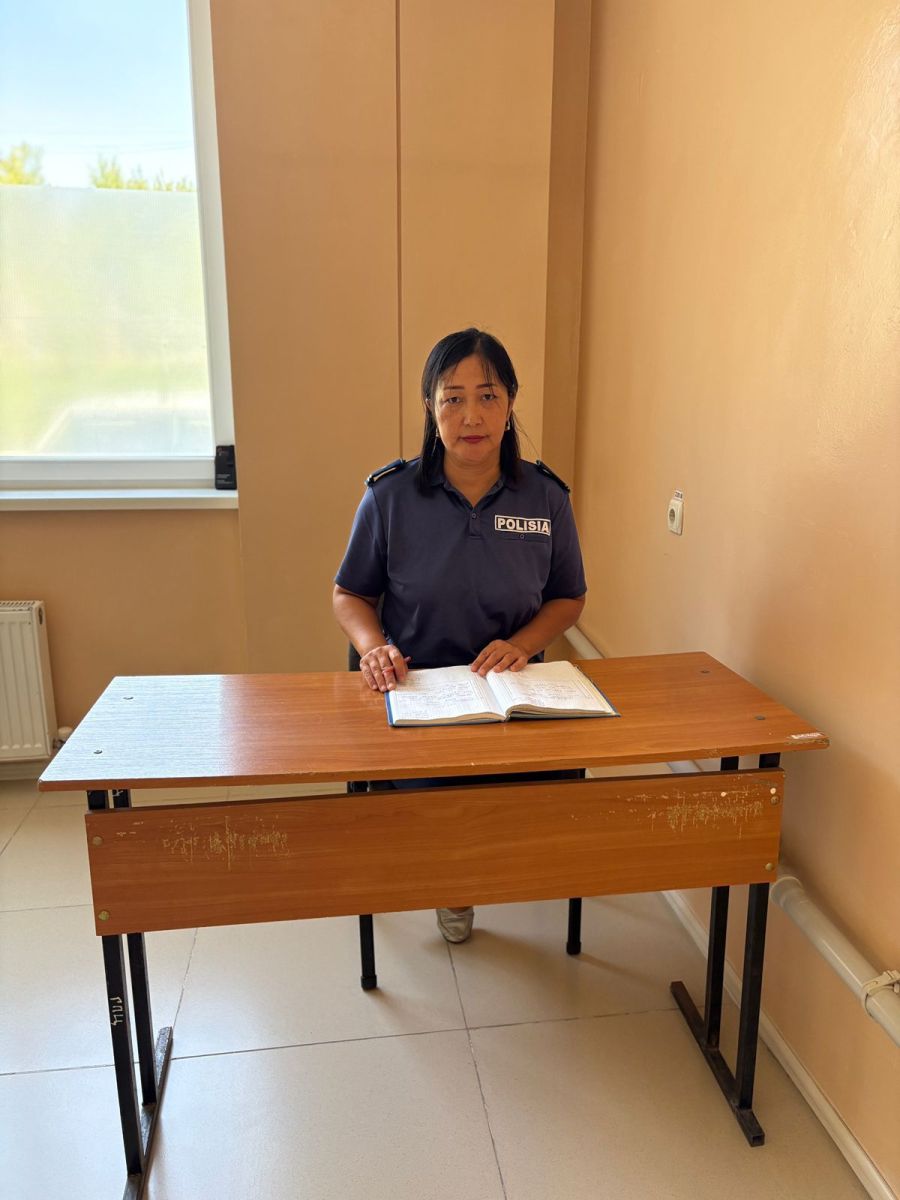
POLICE STATIONS OPENED AT MEDICAL ORGANIZATIONS IN SHYMKENT 14.08.2025
The Shymkent City Health Department and Police Department have launched police stations in six medical institutions. These include Clinical Hospital No. 1, City Hospitals No. 2 and No. 3, the Perinatal Center, the City Maternity Hospital, and the Children's Hospital. The organization of police stations will allow for a rapid response to incidents, prevent tensions, and ensure the safety of medical workers and patients. This measure was taken due to the increase in attacks on medical workers. We recall that the Head of State has instructed to toughen penalties for violence against medical workers in the performance of their official duties. In addition, the Shymkent City Health Department organized round-the-clock duty at the "City Infectious Diseases Hospital", "T. Orynbayev Hyperbaric Oxygenation Center" and the "Khadisha" polyclinic, and sent a letter to the Shymkent City Police Department to take control in order to maintain order in medical institutions.

The world's strongest fighters are taking to the tatami in Astana: Kazakhstan is hosting the first World Military Kazakh Wrestling Championship 14.08.2025
Source : https://www.gov.kz/memleket/entities/mod/press/news/details/1050864?lang=kk
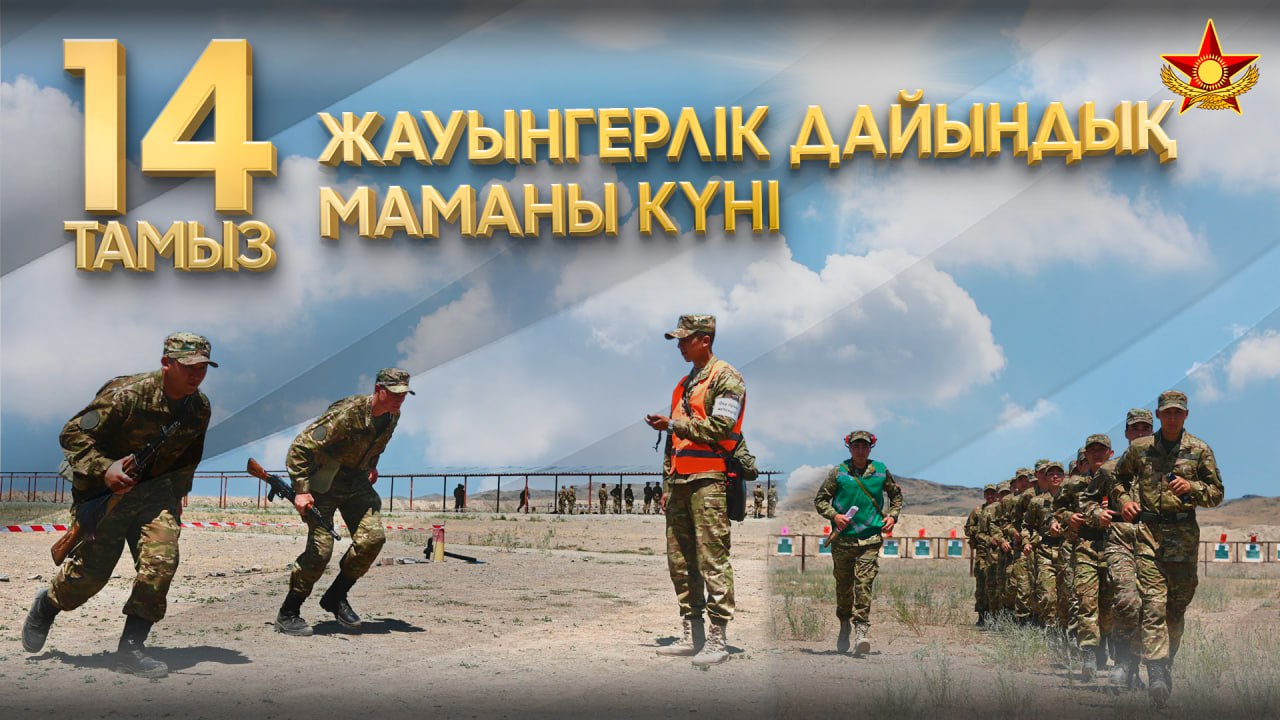
August 14 is Combat Training Specialist Day 14.08.2025
Source : https://www.gov.kz/memleket/entities/mod/press/news/details/1050852?lang=kk
.png)
🎓 "BilimQadam-2025" - the fair of young teachers has taken place! 14.08.2025
A job fair for teachers was held today at the Exhibition Center in Shymkent. 📌 Goal: to strengthen direct connections between young professionals and educational organizations. 🔹 The event was opened by Gulnaz Suleimenova, head of the Shymkent City Education Department, and she wished the participants good luck. 344 vacancies were offered at the fair: – 243 — school teacher; – 60 — kindergarten teacher; – 41 — additional education specialist. 💡 In addition, participants registered through the NOBD HR system and familiarized themselves with the procedure for submitting documents. 🖥 Specialists at the "HR Registration Corner" helped with online registration via EDS. 💬 It is worth noting that graduates who studied on a grant basis, have a GPA of 3.33 or higher, and have passed certification, are hired without a competition. ✨ We wish young professionals a successful choice and a bright professional path! #BilimQadam2025 #ZhasMaman #Teacher #Shymkent #EducationDepartment
.png)
Iron-winged life: the dignity of the pilot's profession 14.08.2025
Within the framework of the Year of Working Professions - 2025, special attention should be paid to the profession of pilot, one of the most important sectors for the economy and security of the country - working in civil and military aviation. Pilot is a profession that requires high professional training, technical literacy, the ability to make quick decisions and great responsibility. These specialists ensure the safe and timely delivery of passengers, cargo or special tasks. They must be prepared to fly in difficult meteorological conditions, at various altitudes and in international airspace. The importance of this profession is particularly evident in the development of the country's transport infrastructure, strengthening international relations, as well as ensuring the ability to respond quickly in emergency situations. Pilots serving in military aviation directly contribute to strengthening the state's defense capabilities. Becoming a pilot is a difficult path that requires perseverance and continuous learning. To work in this field, in addition to theoretical knowledge, a high level of practical training is required. The constant updating of international requirements for aviation safety requires that specialists constantly improve their professional level. The profession of a pilot is not just a professional job, but also a life mission that carries with it loyalty to the homeland and great responsibility.
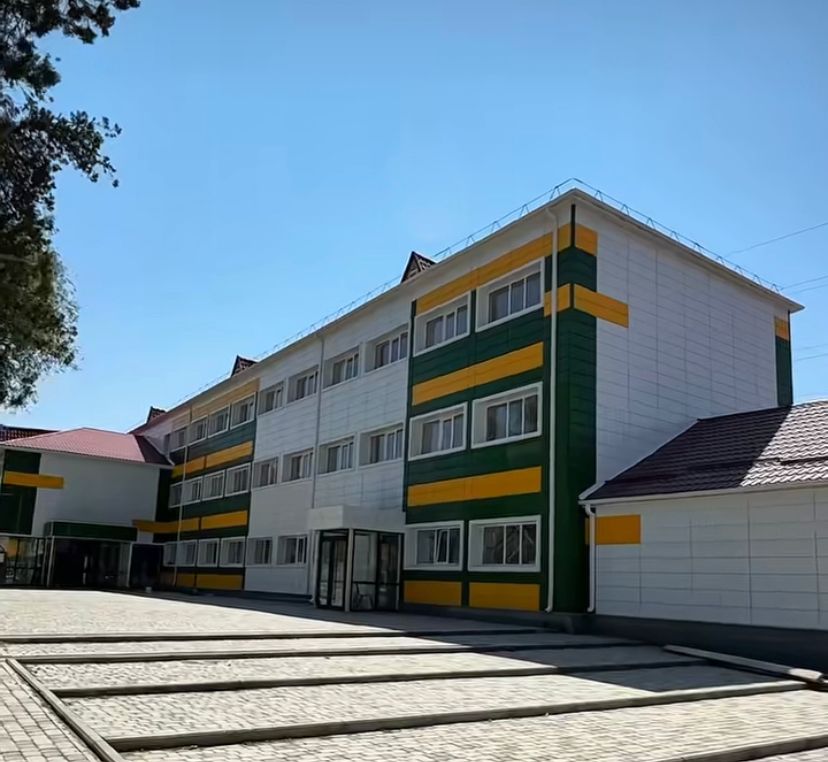
CONSTRUCTION WORK IS IN PROGRESS AT EDUCATIONAL FACILITIES IN SHYMKENT 14.08.2025
Major repairs and construction and installation work are underway at a number of educational institutions in the city. Major repairs at the Specialized IT Boarding School No. 1 for Gifted Children began in March of this year. To date, 85 percent of the work has been completed. The repairs are planned to be fully completed by September and put into operation by the new academic year. Major repairs are continuing at the same time and pace at IT Lyceum No. 9 named after O. Zholdasbekov. The quality and timely completion of construction work are under constant control. In addition, 60 percent of the major repairs that began in June at kindergarten No. 97 "Akmaral" have been completed. The quality of work is also the main focus at this facility. In general, construction work in educational institutions is aimed at creating a comfortable environment for students and educators, with full completion by the new academic year.
.png)
Shymkent: Cleanliness is a common task! Invitation to a city-wide cleanup 01.08.2025
Starting from August 1, 2025, a regular city-wide Sabbath will be held every Saturday in Shymkent. This initiative is one of the important steps aimed at improving the cleanliness, beautification and environmental condition of the metropolis. The city administration invites all residents, business owners, young people, volunteers and active citizens to actively participate in the Sabbath. The main goal of the Sabbath is to clean the streets, yards, parks and public places in the city from garbage, take care of trees and flower beds, as well as to form an ecological culture among residents. This will not be just a one-time event, but a systematic environmental campaign . Every week, every district of the city will be covered, and cleaning work will be carried out throughout the territory. The importance of such an initiative is evident in several aspects. First, improving the city's ecology directly affects the quality of life of residents. Clean air, well-maintained streets, and green areas not only enhance the beauty of the metropolis, but also have a positive impact on the health of residents. Secondly, Senbilik is a social platform that allows citizens to cooperate with each other and work for the common good. The experience of previous years clearly proves the effectiveness of such campaigns. For example, in 2022 , more than 25 thousand people participated in the two-month spring cleaning in Shymkent, and more than 1,200 tons of garbage were removed. In 2023 , as part of the "Clean City - Clean Future" campaign, not only city residents, but also local entrepreneurs joined the cleanup, contributing to the improvement of the surroundings of their facilities. In 2024 , during the "Clean Kazakhstan" environmental campaign, we noticed an increase in the participation of schoolchildren and students, which contributed to the formation of responsibility for nature among young people. The peculiarity of the 2025 Sabbilik is that they will be organized regularly, every week. Previously, cleaning activities were mainly carried out in the spring and autumn months, but now this initiative will continue throughout the year. This approach will allow us to maintain the cleanliness of the city at a high level, not just during a certain season. The main tasks for the participants of the Sabbath include: Garbage collection and disposal; Cleaning pedestrian paths; Cutting dead branches from trees; Care for flower beds and lawns; Repair of small architectural forms in public places. In addition, during the weekend, environmental education activities will be carried out for residents. The importance of sorting garbage and recycling plastic and paper will be explained to reduce the amount of waste going to landfills. This will help to form a culture of waste recycling in the future and reduce the environmental burden. According to environmental experts, there is a direct connection between the cleanliness of the city and the health of residents. The accumulation of garbage in the streets and yards creates conditions for the reproduction of harmful bacteria and insects. And this, in turn, increases the risk of the spread of various infectious diseases. Therefore, regular cleaning is an important part of ensuring the sanitary safety of city residents. Senbilik is not only a cleanliness measure, but also a manifestation of public solidarity and patriotism . Neighbors living in the same yard, citizens working in different fields, working together for a common goal, strengthens the collective spirit. In the process of such joint work, the bonds between people are strengthened, and love for our common home - our city - increases. In the future, the format of the Saturday events will also be updated. For example, on certain days, it is planned to hold thematic events such as "Eco-marathon", "Green Zone", "Garbage-Free City". These events are aimed at increasing the participation of children and young people and arousing their interest in environmental issues. The Shymkent city administration and municipal services will provide the necessary equipment for the Shabbat. Gloves, garbage bags, brooms and other accessories will be distributed free of charge to participants. The collected garbage will be promptly removed by special vehicles and delivered to processing landfills. In conclusion, the citywide cleanup, which will be held every Saturday starting August 1 , is not just a cleaning operation, but an investment in the future of our city. As the achievements and experiences of past years have shown, such measures not only improve the environment, but also increase unity and mutual respect among residents. If every resident supports this initiative and participates in the Sabbath, Shymkent will undoubtedly become one of the cleanest, most comfortable, and environmentally safe cities in the country in a short time.
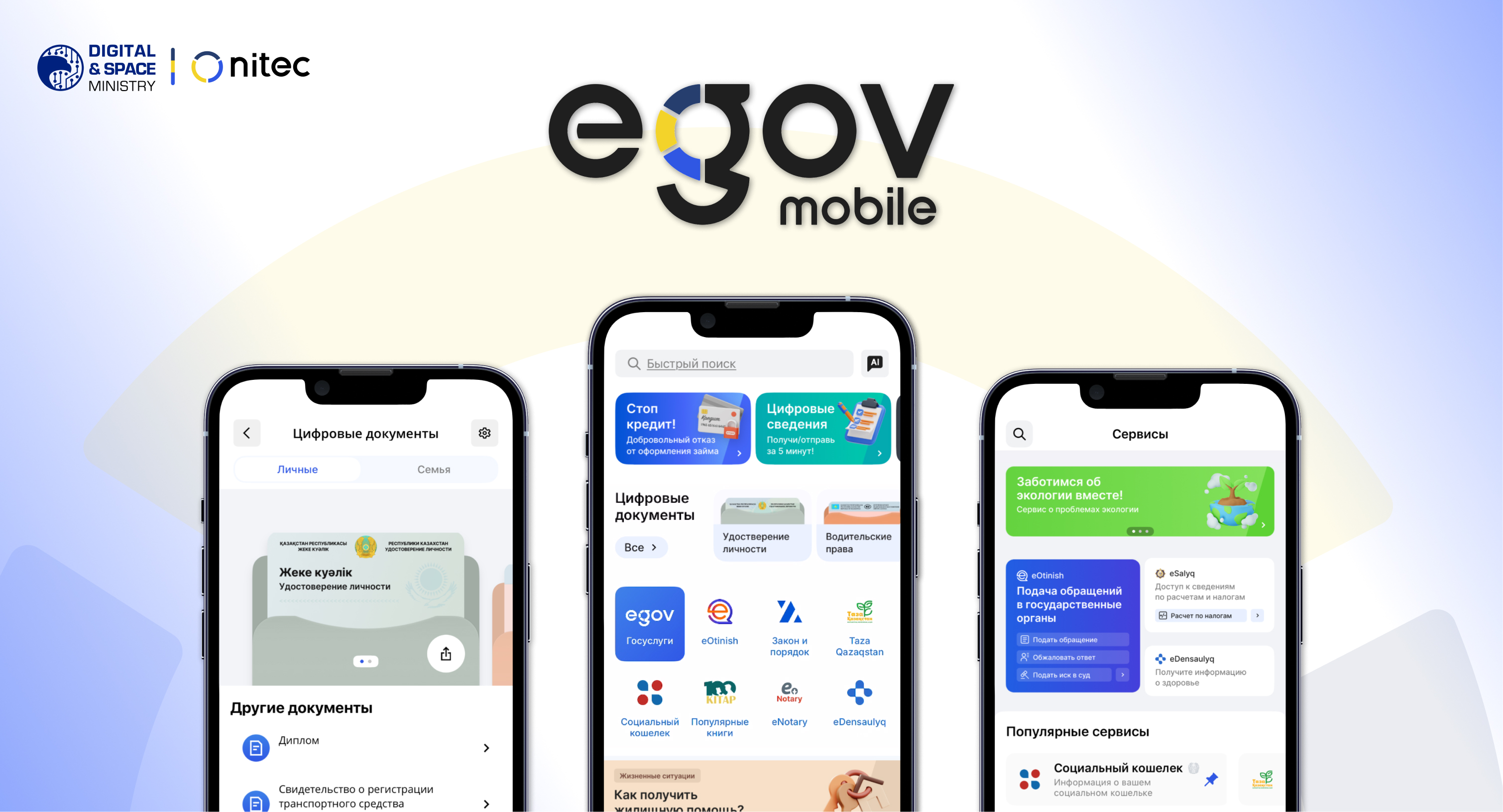
New version of the eGov Mobile application is now available to citizens of Kazakhstan 14.08.2025
The eGov Mobile application has undergone its most significant update in recent years: featuring a redesigned interface, improved navigation, intelligent search capabilities, and quick access to digital documents. The update responds to growing demand – over the past five years, the number of eGov Mobile application users has increased sixfold, surpassing 11 million.Intelligent search and virtual assistantOne of the key innovations is the intelligent search feature. Now, when you enter a query, all relevant results are displayed, including services, real-life situations. An AI-powered eGov virtual assistant has been introduced next to the search bar.The eGov AI is integrated into the app and assists users in quickly finding the information they need about public services. It operates in a chat format – simply ask a question, and the assistant will explain in plain language what steps to take, and if needed, direct you straight to the relevant section or service. This approach saves time and makes navigation easier. Simply click the eGov AI icon next to the search bar to start a chat with the assistant and receive an answer within seconds. Enhanced securityDuring the eGov Mobile update, special attention was given to information security. Personal data protection has been enhanced, and several technical improvements have been implemented to strengthen the system’s resilience against external threats.User-friendly navigation The homepage now includes icons for the most popular services, including quick access to public services. The icon featuring the eGov logo is prominently displayed and leads directly to the catalog, where all the services are conveniently organized by category. For easier navigation, services are divided into two sections: the e-Government portal and the e-Licensing portal. Below, banners with brief information about new features are displayed, along with lists of top, popular, and recommended services.Updated "Services" sectionFor user convenience, the complete list of digital services is now accessible through the "Services" icon in the app’s bottom menu. In addition to the popular services featured on the homepage, all available tools are presented here, organized by sections.The section’s interface has become more intuitive: each service is accompanied by a pushpin icon. When clicked, the service is automatically added to the list of popular services. Banners with brief descriptions of key features are also displayed on the page, helping users navigate the app’s capabilities more quickly.Instant access to digital documents Major updates have been implemented in the Digital Documents section. ID cards, passports, birth certificates, and other important documents are now displayed directly on the homepage – eliminating the need to navigate to a separate section. This enables you to instantly present the required document or QR code for authenticity verification.Catalog of real-life situations For user convenience, a dedicated catalog for real-life situations has been introduced. It provides step-by-step instructions for various processes, such as registering with a clinic, restoring documents, or obtaining a driver’s license. When selecting a specific situation, structured information is displayed detailing what to do, where to apply, which services to use, and the applicable regulatory documents.Each real-life situation is accompanied by an interactive survey. The user is provided with a personalized script based on their responses. If the proposed solution doesn’t work, you can retake the survey – the system will then suggest an alternative option.Improved eGov QR capability An explanation of the service’s purpose is now displayed on the screen, and if needed, the screen automatically adjusts its brightness for comfortable use at night.Modernization of the "Messages" section Notifications about service statuses, survey results, and important updates are now grouped by topic, making it easier to locate the information you need.Extended personal profile informationIt now displays personal data, along with information about family, health, employment, fines, property, and other areas. The history of submitted consents is also available, and users can navigate to the desired section through clear and intuitive navigation.The large-scale update of eGov Mobile was the result of the joint work of the Public Services Committee of the Ministry of Digital Development, Innovations and Aerospace Industry of the Republic of Kazakhstan and National Information Technologies JSC. Source : https://www.gov.kz/memleket/entities/mdai/press/news/details/1050774?lang=kk
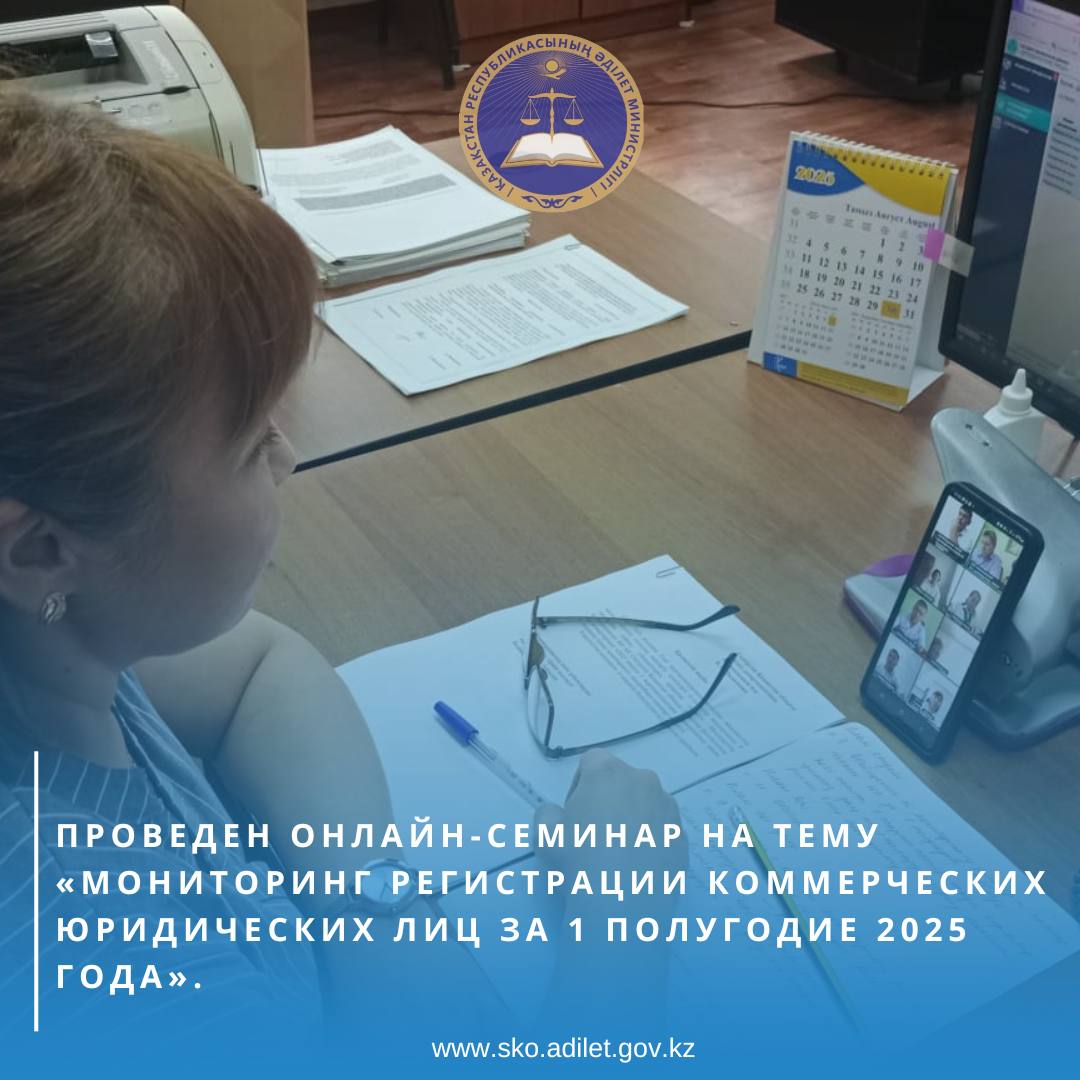
An online seminar was held on the topic “Monitoring the registration of commercial legal entities for the first half of 2025.” 14.08.2025
On August 13, 2025, the chief specialist of the department of control in the field of registration service and registration of non-profit organizations of the Department of Justice of the North Kazakhstan region held an online seminar with employees of the branch of the NAO State Corporation "Government for Citizens" in the North Kazakhstan region on the topic "Monitoring the registration of commercial legal entities for the first half of 2025".Source : https://www.gov.kz/memleket/entities/adilet-sko/press/news/details/1050730?lang=kk

Unity is the foundation of an unshakable state and a prosperous future 14.08.2025
History has clearly proven to us one truth: the stability and prosperity of a state are directly related to peace within the country and the unity of the people. As world experience shows, societies with shaken unity do not last long, internal conflicts and discord hinder their development, and even lead to their destruction. On the contrary, countries with harmony, united by a common goal, stand out from the crowd and take a leading position on the path of civilization. Kazakhstan is a country that has made unity its main value. Since gaining independence, the country's leadership has made social harmony and interethnic harmony the main pillars of national security and development. This is not a random decision, but a principle born of centuries of historical experience. In the 20th century, the Kazakh people went through many critical periods. Famine, persecution, World War II, land reclamation, mass migration - all this radically changed the country's demography and created an ethnically diverse society. But this diversity, rather than causing division, became the basis for a fusion of cultures and cooperation. The principle "Kazakhstan is our common home" has become not just a slogan, but a real way of life. Representatives of different ethnic groups contribute equally to the development of the state, working shoulder to shoulder in the fields of science, education, art, business and public administration. The people respect each other's language and traditions, and continue the principle of respecting the elders and caring for the younger ones from generation to generation. Unity is not just a moral value, it is a system anchored by concrete mechanisms. Social harmony, civil equality, the rule of law, public dialogue - all this strengthens our stability. Institutions such as the Assembly of the People of Kazakhstan have become an effective platform for strengthening harmony and peace within the country. In the era of globalization, external influences and internal challenges are increasing. Disinformation in the information space, provocative actions, economic and geopolitical changes - all this can test the integrity of any state. In such a period, the strength we need most is unity. If we continue on this path, maintaining mutual trust, respect and understanding, Kazakhstan will remain an unshakable state. Our unity is our main defense, and our peace is the guarantee of our confidence in the future. Unity is the foundation of an unshakable state and a prosperous future History has clearly proven to us one truth: the stability and prosperity of a state are directly related to peace within the country and the unity of the people. As world experience shows, societies with shaken unity do not last long, internal conflicts and discord hinder their development, and even lead to their destruction. On the contrary, countries with harmony, united by a common goal, stand out from the crowd and take a leading position on the path of civilization. Kazakhstan is a country that has made unity its main value. Since gaining independence, the country's leadership has made social harmony and interethnic harmony the main pillars of national security and development. This is not a random decision, but a principle born of centuries of historical experience. In the 20th century, the Kazakh people went through many critical periods. Famine, persecution, World War II, land reclamation, mass migration - all this radically changed the country's demography and created an ethnically diverse society. But this diversity, rather than causing division, became the basis for a fusion of cultures and cooperation. The principle "Kazakhstan is our common home" has become not just a slogan, but a real way of life. Representatives of different ethnic groups contribute equally to the development of the state, working shoulder to shoulder in the fields of science, education, art, business and public administration. The people respect each other's language and traditions, and continue the principle of respecting the elders and caring for the younger ones from generation to generation. Unity is not just a moral value, it is a system anchored by concrete mechanisms. Social harmony, civil equality, the rule of law, public dialogue - all this strengthens our stability. Institutions such as the Assembly of the People of Kazakhstan have become an effective platform for strengthening harmony and peace within the country. In the era of globalization, external influences and internal challenges are increasing. Disinformation in the information space, provocative actions, economic and geopolitical changes - all this can test the integrity of any state. In such a period, the strength we need most is unity. If we continue on this path, maintaining mutual trust, respect and understanding, Kazakhstan will remain an unshakable state. Our unity is our main defense, and our peace is the guarantee of our confidence in the future. #МирИСогласие #ЗаМир #МыВместе #PeaceAndHarmony #PeaceForAll #TogetherForPeace #АНК30жыл #АНК30лет #APK30years #АНК #ANK