
99.7% of Astana residents were vaccinated against influenza
27.11.2024 13:09:32 3850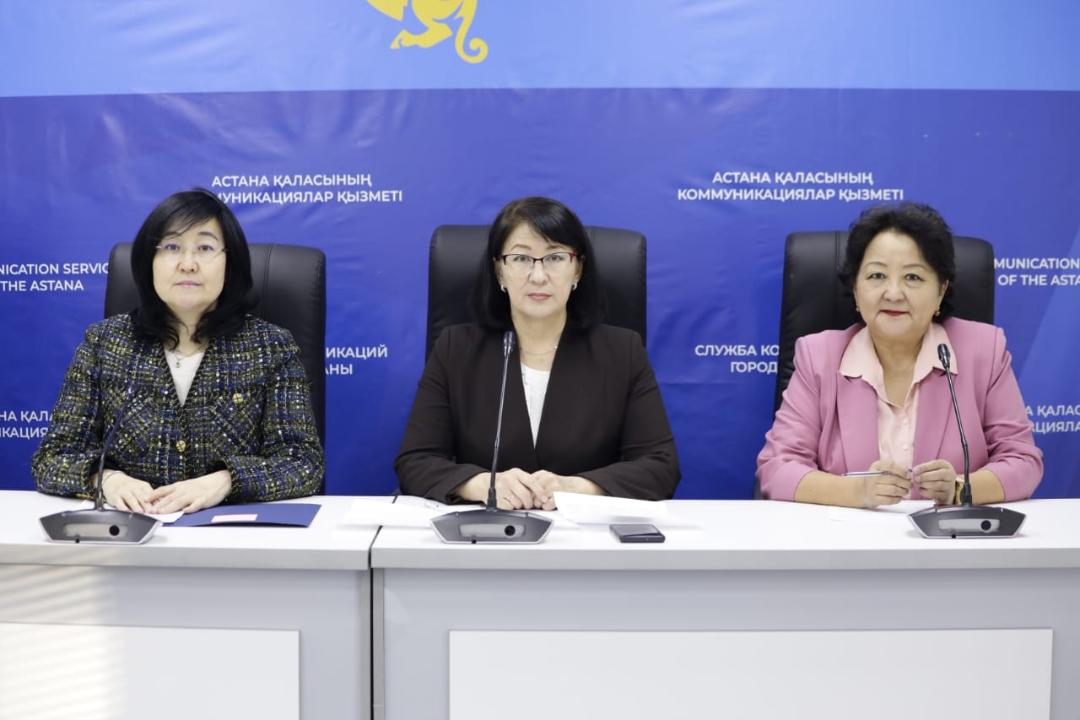
Over the past week, more than 7 thousand cases of SARS have been detected in Astana. This figure is slightly higher than in the same period last year. The state sanitary doctor of Astana Aigul Shagaltayeva told about the epidemiological situation in the capital for acute respiratory viral infections and influenza at a briefing in the Communications Service, the official website of the Mayor's Office of Astana reports.
According to the results of laboratory studies in the current epidemic season, at week 46, influenza virus type A(H1N1) pdm09 was detected in one patient among patients with SARS and influenza, currently the circulation of non-influenza viruses such as parainfluenza, rhinovirus, adenovirus, bokavirus, coronavirus, MS virus, mixvirus-9 and others has been detected.
"99.7% of the population in Astana is vaccinated, that is, out of 160,000 people, 159,539 people have been vaccinated," the speaker said.
She reminded the townspeople that timely vaccination is the best way to prevent or minimize severe flu complications.
The immunity acquired as a result of vaccination reliably protects against the disease. Annual vaccinations against seasonal influenza significantly reduce morbidity and mortality in all age groups. The influenza virus mutates annually, therefore, the flu vaccine must be received annually in the pre-epidemic season (October-November) only with the vaccine of the current year of production.
"After vaccination, immunity is formed after 14 days and persists throughout the season - up to 1 year. In addition to vaccination, personal protective measures should always be applied," Aigul Shagaltayeva added.
These measures include:
- regular hand washing;
- compliance with the rules of respiratory hygiene (cover your mouth and nose when coughing or sneezing);
- if symptoms similar to ARVI appear (fever, malaise, fever, etc.), the patient should immediately limit the number of contacts with other people in order to prevent further spread of the virus;
- avoid close contact with people with signs of SARS and flu;
Also, non-specific preventive measures include wearing masks in public places (in polyclinics, hospitals, etc.).

Source : https://www.gov.kz/memleket/entities/astana/press/news/details/891128