Seed phytoanalysis is the key to a healthy harvest
04.02.2026 15:27:10 2496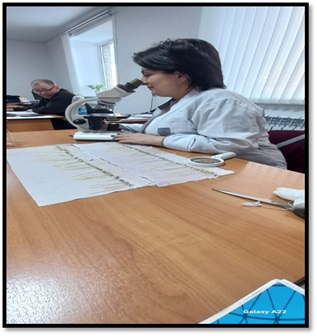
High seed quality is one of the most important agronomic requirements. A large number of pathogenic microflora are concentrated on the surface of the grain. Therefore, phytopathological examination is essential during preparation for sowing.
What is the most dangerous for agricultural producers? Pathogens that persist in seed material lead to significant yield losses and reduced grain quality. Fusarium-helminthosporium root rot, early blight, and bacterial blight affect both the grain itself and the plant's root system, leading to thinning of crops. Loose smut and common smut of cereal crops reduce the number of productive stems. Preparing the seed material and choosing the right seed treatment are essential for preventing disease development in the field and ensuring healthy seedlings.
– All seed lots undergo phytoanalysis. The analysis is conducted in the laboratory during the winter. A certain number of seeds are placed in a moist environment in Petri dishes (transparent containers shaped like low, flat cylinders, covered with a transparent lid of a similar shape but slightly larger diameter) on filter paper. They are then kept in a thermostat at a temperature of 20 degrees Celsius for seven days. During this period, the plants awaken in the darkness, and, consequently, the microflora on the surface of the grain. After analyzing each seed, we determine which chemical should be used to treat a particular batch of seeds. Based on the phytosanitary analysis results, all farms receive a phytosanitary certificate. Specialists from the Republican State Institution "RMCFDIP" of the Committee for State Inspection of Agriculture in the Agro-Industrial Complex of the Ministry of Agriculture of the Republic of Kazakhstan, conducting phytosanitary examinations, can compare seed contamination data over several years. This helps decide on the need for seed treatment and the selection of a seed treatment with the appropriate spectrum of activity. – Seed phytosanitary analysis is necessary annually. Phytosanitary examination results vary widely. Everything depends on weather conditions during the growing season and harvest. For example, fusarium develops in a humid environment, especially if the year is rainy, the grain is immature, or if there is intense respiration during storage. Helminthosporium seed blight also has its own specific conditions. If the material is imported from regions with different climates, the phytotest results will differ.
Chief Phytopathologist Zh. Mustafin
tel. 8714 43 22079.