Kazakhstan’s New Draft Constitution was discussed at the National Human Rights Center
05.02.2026 12:51:55 2621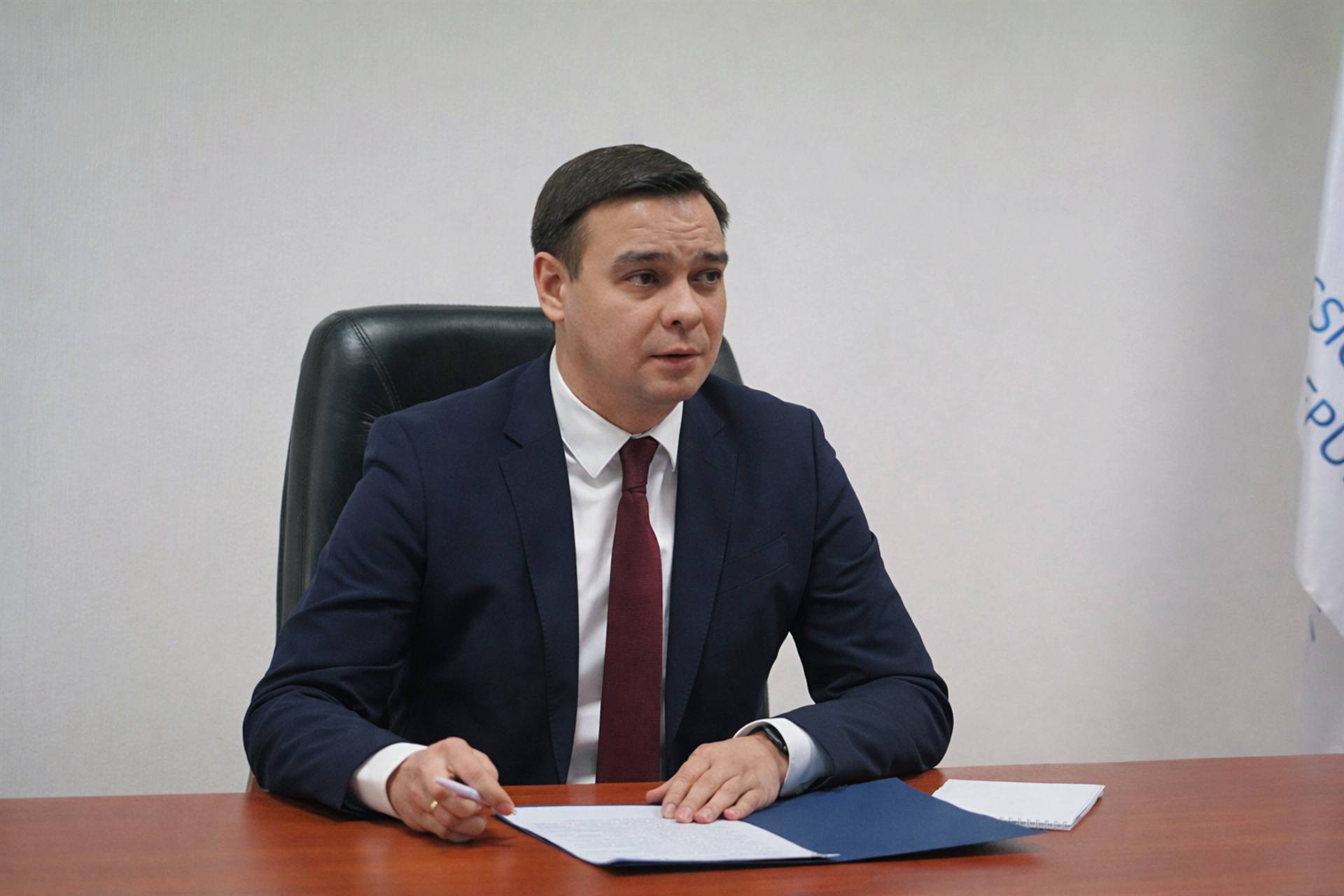
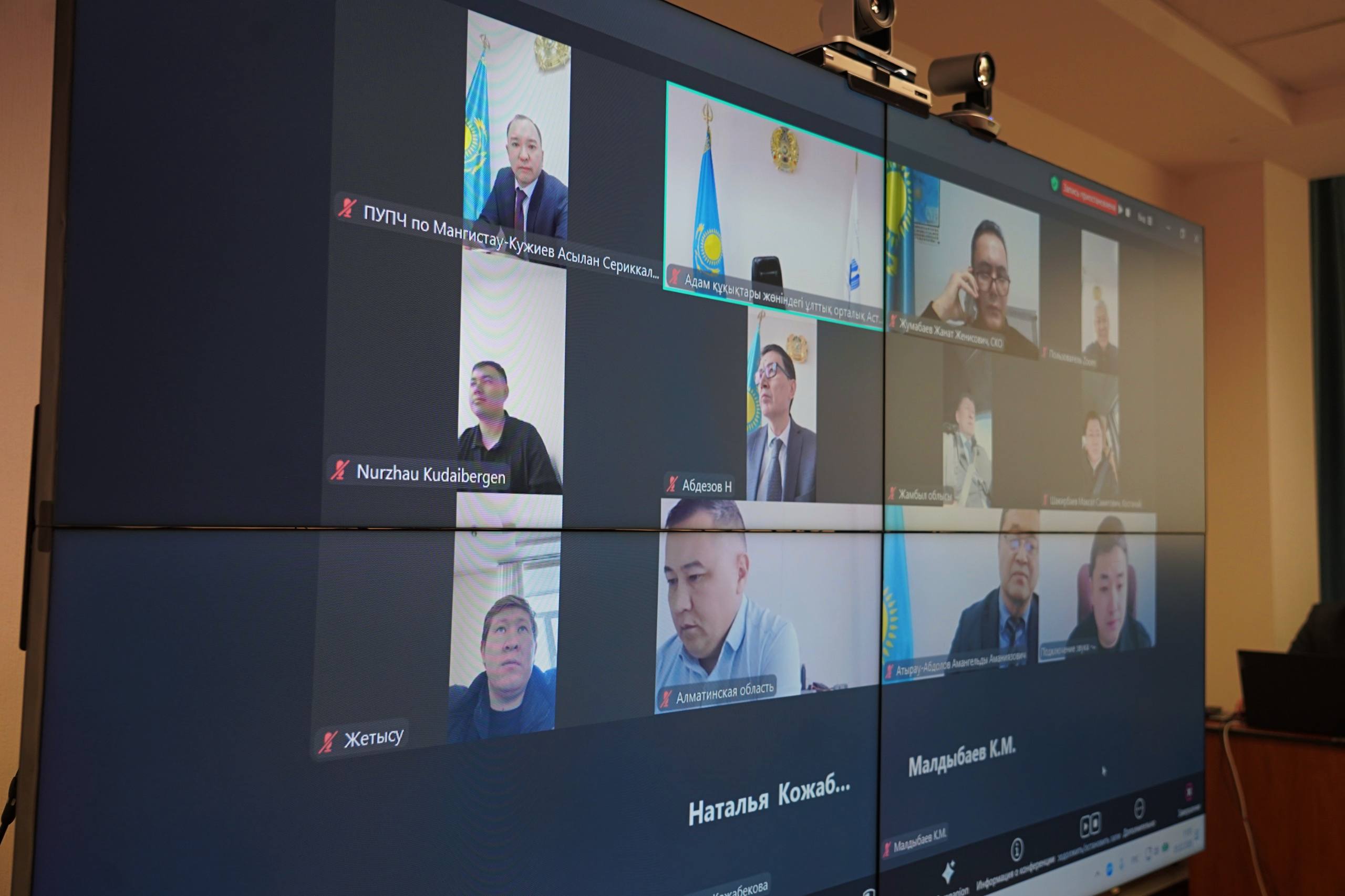
A discussion of the main provisions of the draft of the new Constitution took place at the National Center for Human Rights.
As noted by the Human Rights Commissioner, Artur Lastayev, in his address to the staff of the Center and regional ombudsmans, the drafting of the country’s Basic Law took place over several months and took into account the views of engaged citizens, as well as the proposals of the working group and the members of the Constitutional Reform Commission (Constitutional Commission).
The presented draft of the new Constitution elicited a broad public response and became the subject of active discussion.
The amendments to the Basic Law affected all sections and 77 articles, accounting for over 80% of the Constitution's text. The draft reflects the foundations of profound constitutional modernization and provides a solid basis for the state’s future development.
In his address, the Ombudsman focused specifically on issues related to human rights and the mechanisms that protect them.
The Commissioner emphasized that, for the first time in the history of independent Kazakhstan, the Preamble declares the unwavering observance of citizens’ rights and freedoms.
The Commissioner emphasised that this is the first time in the history of independent Kazakhstan that the Preamble has declared unwavering observance of citizens’ rights and freedoms. Once again, the emphasis has been placed on the paramount importance of human rights, with the section devoted to them being renamed.
According to Artur Lastayev, the key point was the enshrinement of the absolute right to life in the draft Constitution: “This is the foundation of all rights and freedoms. Without it, other freedoms would simply not exist.”
The Ombudsman also highlighted other proposed provisions of the new Constitution, including the right not to testify against oneself or one’s relatives and not to bear the burden of proving one’s own innocence; the enshrinement of the secular character of the state; the principle of presumption of innocence; the foundational principles of marriage and family; the continued prohibition of the death penalty; strengthened guarantees of personal inviolability; the protection of personal data; and other key measures.
In discussing the draft of the country’s Basic Law, the meeting participants emphasized the importance of strengthening guarantees for the protection of citizens’ fundamental rights and freedoms.
Source : https://www.gov.kz/memleket/entities/ombudsman/press/news/details/1155456?lang=kk