Production and employment at Institution No. 2
10.02.2026 11:16:15 2672
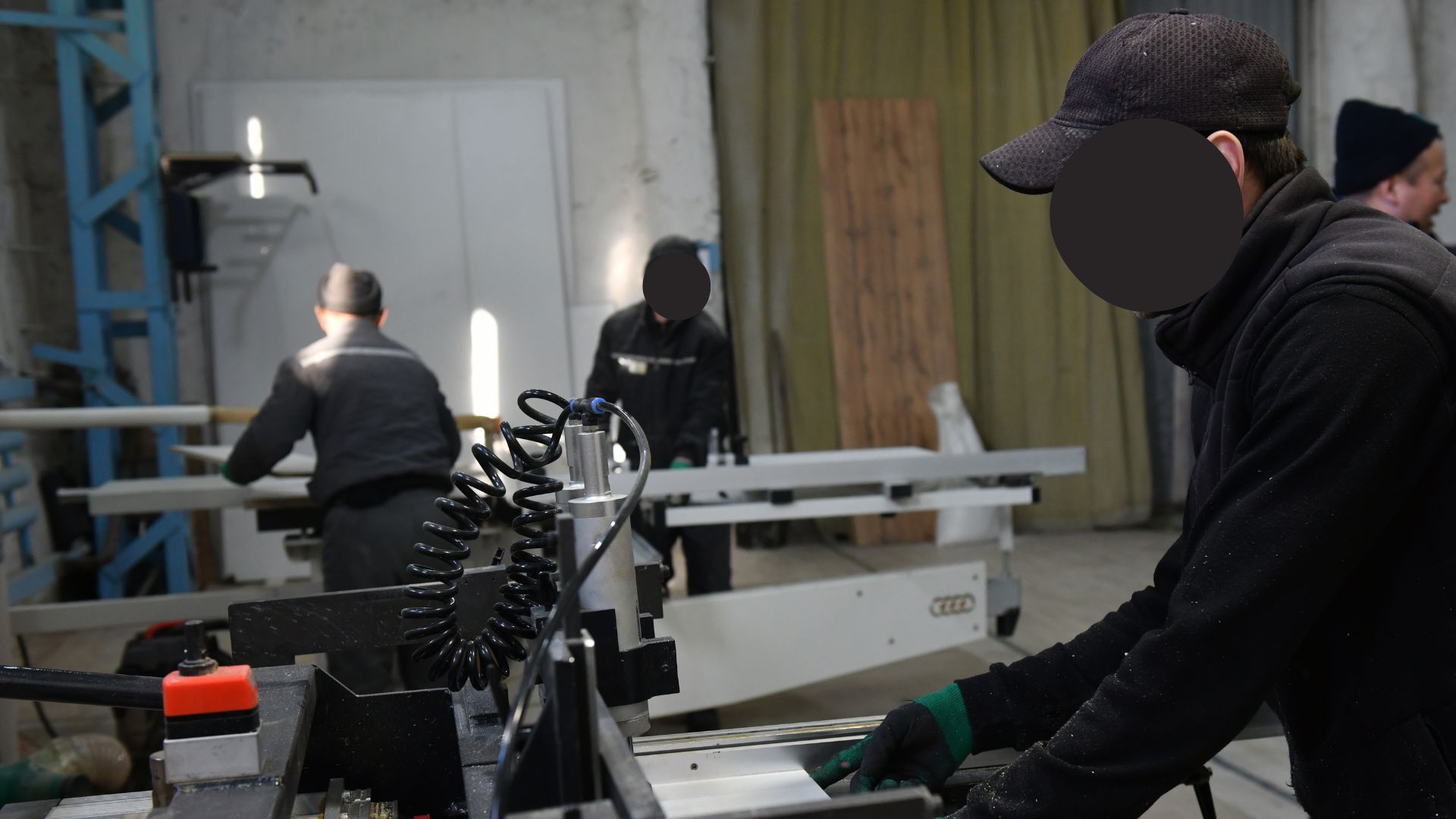
Production and employment at Institution No. 2 of the Department of the Penal System for the city of Astana are one of the key areas of social adaptation for convicts. In the maximum-security correctional institution located near the capital, the operation of industrial workshops has been established, and their products are sold on the country's domestic market.
Currently, 657 convicts are held in the institution. Inmates work in the production of furniture, metal structures, as well as individual components, including sofa and cabinet legs. According to the institution's staff, participation in labor activities helps develop work skills and increases the convicts' chances of successful resocialization after release.
Arman Baiguanyshev, Deputy Head of Institution No. 2 for the city of Astana:
A branch of the "Yenbek Arshaly" operates on the territory of the institution, as well as eight small and medium-sized business entities. 154 convicts are employed in private enterprises, and another 154 people work in the RSE branch. Over the past year, three new SMEs have been opened, expressing interest in cooperating with the institution.
Production sites operate in two to three shifts. Convicts are employed on a voluntary basis, independently choose their field of work, undergo training, and master new professions. One of the workshops for manufacturing furniture legs employs 15 people. One of the workers, an operator-adjuster, is responsible for setting up and maintaining the equipment and notes that the acquired skills will be in demand after release.
Rakhat (name changed), a convict:
I decided to master new equipment. Such machines are now actively used in civilian life, specialists are needed. Here you can learn and then work immediately after release.
Convicts note that work allows them to spend time usefully and instills discipline. The amount of wages depends on the volume of work performed, with the minimum income being at least 85 thousand tenge. Part of the funds is allocated for personal needs, repayment of civil claims, and assistance to families.
Rakhat, a convict:
Part of the salary goes to compensation for damages, the rest is for personal expenses. There is an opportunity to buy necessary things.
Those who had professional experience even before conviction also work in the production workshops. For example, Roman Lozhanin was previously engaged in furniture production and today works in one of the workshops alongside 30 convicts. Wages are paid on a piece-rate basis—for each manufactured item.
Roman Lozhanin, a convict:
The work is familiar, no difficulties. On average, we produce 8–10 cabinets per day. A specific payment is set for each item, and the salary is formed at the end of the month.
Convicts admit that the work requires effort, but over time one gets used to the load. For those who have not previously encountered this type of activity, training and support from specialists are provided, who explain the procedure for working with equipment and safety requirements.
Source : https://www.gov.kz/memleket/entities/duisastana/press/news/details/1158139?lang=kk