THE NEW CONSTITUTION SPECIFICALLY SPECIFIES ALL TRANSITIONAL PROCEDURES, TIMELINES AND REGULATIONS
11.02.2026 15:52:38 2256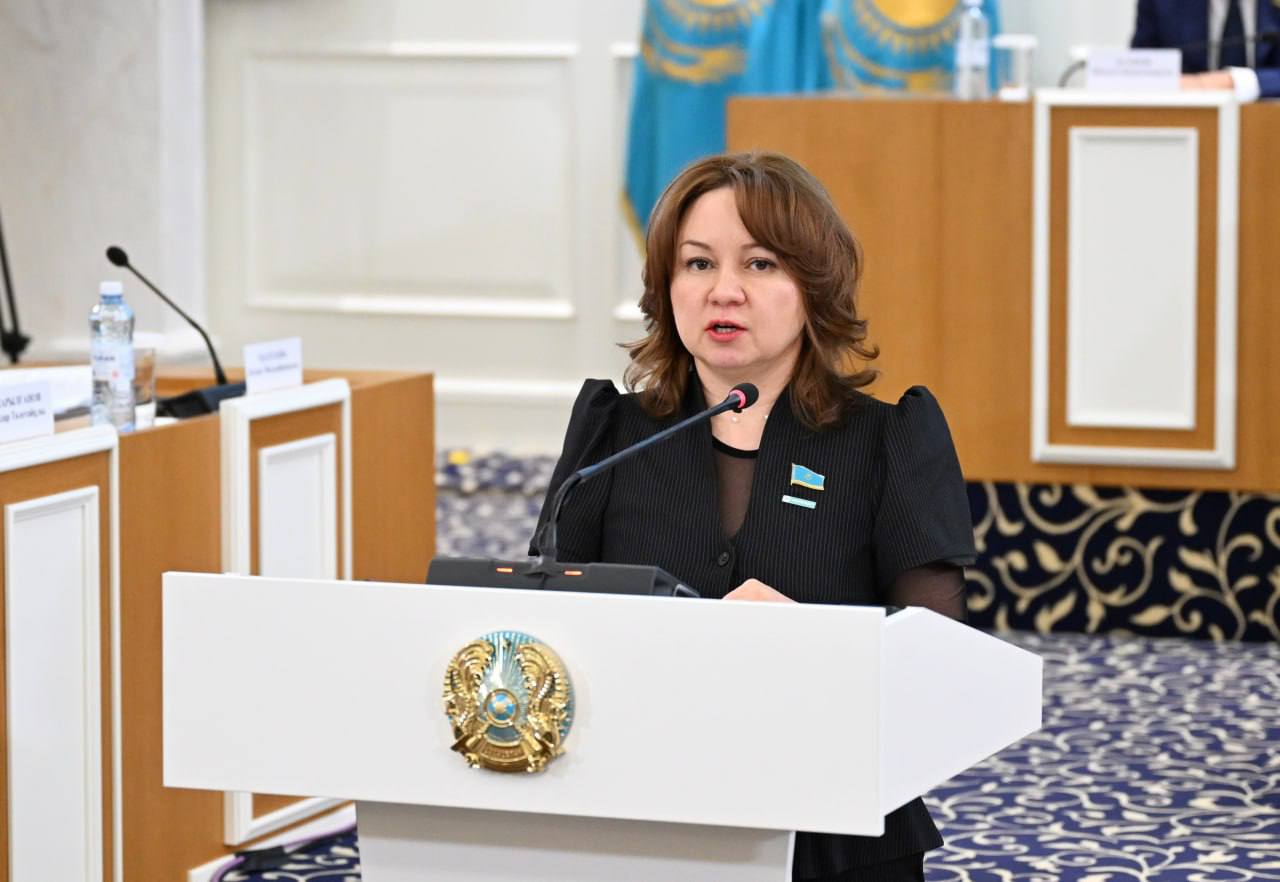
At the 11th meeting of the Commission on Constitutional Reform, Majilis deputy Snezhana Imasheva expressed the opinion that it is necessary to clarify all transitional provisions in the draft of the new Constitution of Kazakhstan in order to ensure the continuity of the political process in the country.
The Majilis deputy noted that, first of all, it is necessary to clearly define the procedure and terms of entry into force of the new Constitution.
"The draft should specify the exact date from which its provisions will come into force. From the date of the official announcement of the results of the republican referendum or from another specifically established date?" he said.
According to him, it is also necessary to resolve the issue of the status of the current state authorities during the transitional period.
In particular, it is necessary to determine until what point the current Parliament will exercise its powers, what is the deadline and in what order will the Constituent Assembly elections be held?
"I believe that these issues should be considered while ensuring the continuity of the implementation of the legislative function, including taking into account the need to implement the institutional innovations of the Constitution," the deputy noted.
Snezhana Imasheva said that it is important to consider in the transitional provisions the mechanisms for forming the new composition of the Constitutional Court, the Central Election Commission, and the Supreme Audit Chamber.
In addition, the procedure for appointing officials of key state bodies also requires regulation.
"The specific approval of these procedures will provide legal clarity and prevent the absence of constitutional bodies during the period of institutional transition," he said.
According to the deputy, the issue of the application of current legislation requires special attention. In this regard, the draft of the new Constitution should clearly specify whether the laws and other regulatory legal acts in force on the date of the Constitution's entry into force will remain in force and within what period they must be brought into line with the rules, he said.
"The approval of these rules will ensure legal clarity, predictability of the functioning of state institutions, and a clear definition of the limits of the powers of each body during the transitional period," concluded Snezhana Imasheva.