From classrooms to messaging apps: How Almaty is strengthening drug prevention among young people
11.02.2026 16:04:33 1883*From classrooms to instant messaging apps: How Almaty is strengthening drug prevention among young people*
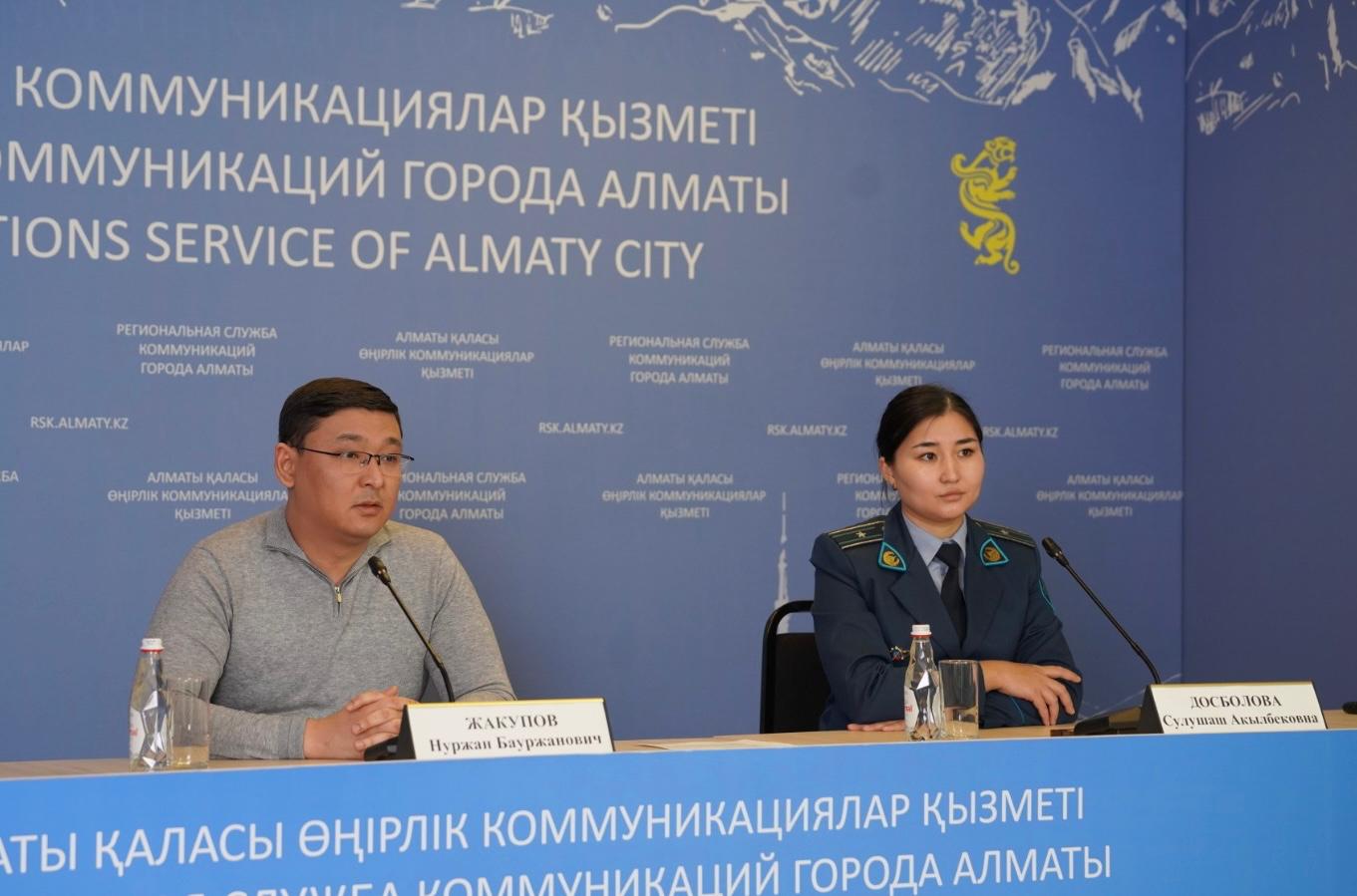
A press conference on drug prevention among youth within the framework of the "Law and Order" principle was held at the Almaty Regional Communications Service. Nurlan Zhakupov, the project's curator, discussed the results and future plans of the "Narkostop" project. He explained that the main focus was on systematic work with adolescents and young adults, as well as on combating drug trafficking in the digital space.
Over the past few years, the "Narkostop" project has proven its effectiveness. Prevention efforts were conducted simultaneously in educational institutions, online, and in the urban environment. Lectures for teenagers and students were held in schools, colleges, and universities, cybervolunteers identified online resources distributing illegal substances, and drug graffiti was regularly painted over in the city. This comprehensive approach helped raise awareness among young people, reduce the availability of drug-related content, and foster a more conscious attitude toward the problem.
"Modern drug crime has changed. While distribution used to occur primarily offline, today recruitment and distribution have shifted to messaging apps, websites, and private channels. Teenagers are encountering this in a familiar environment—on their phones," noted Nurzhan Zhakupov.
This year, the project plans to strengthen its prevention focus. Organizers will expand their outreach to schools and universities, increase the number of lectures, intensify online monitoring, and continue their work to eliminate visual drug advertising in urban areas. Particular attention is being paid to recruiting young people into drug trafficking under the guise of "easy money," where minors are offered the role of drug dealers, concealing the real consequences—criminal liability and broken lives.
"One of the main challenges today is youth recruitment. Young people are promised quick money without being told the consequences. Our task is to honestly and directly explain the real risks and legal responsibilities," the project's curator emphasized.
Narkostop's work is multi-pronged. A professional lecturer works with teenagers and students at educational institutions. The meetings are structured as a dialogue, exploring real-life situations and engagement mechanisms, without pressure or moralizing. Meanwhile, the project's cybervolunteers monitor the internet, identifying websites and resources with drug-related content and reporting the information to authorized agencies for blocking. The project also continues to paint over drug-related graffiti, reducing the visual advertising of drugs in urban environments.
This year, analytical work is also planned, including a survey among young people to assess awareness, attitudes toward the problem, and identify risk factors. Based on the data obtained, preventive measures will be adjusted. Furthermore, the project's outreach component will be strengthened. A series of short educational videos for adolescents and young adults is planned, covering the risks of drug involvement, online recruitment mechanisms, legal liability, and the consequences of synthetic drug use.
"We must speak to young people in modern terms and use the channels where they spend the most time. Prevention can't be a one-time event – it must be ongoing, systemic, and based on real data," said Nurzhan Zhakupov.
The most vulnerable groups today remain adolescents aged 14–17 and young adults aged 18–25. According to the speaker, synthetic drugs pose a particular danger, as they quickly become addictive and cause serious harm to mental health. Within the framework of the "Law and Order" principle, the Narkostop project builds partnerships with law enforcement agencies, drug treatment services, and educational institutions, fostering strong civic engagement among young people. The speaker emphasized that at the first sign of a problem, it is important to contact professionals, including the project's specialists, as soon as possible to preserve the health and future of young people.