
Human capital development is a strategic direction of state activity
17.02.2026 18:35:32 2560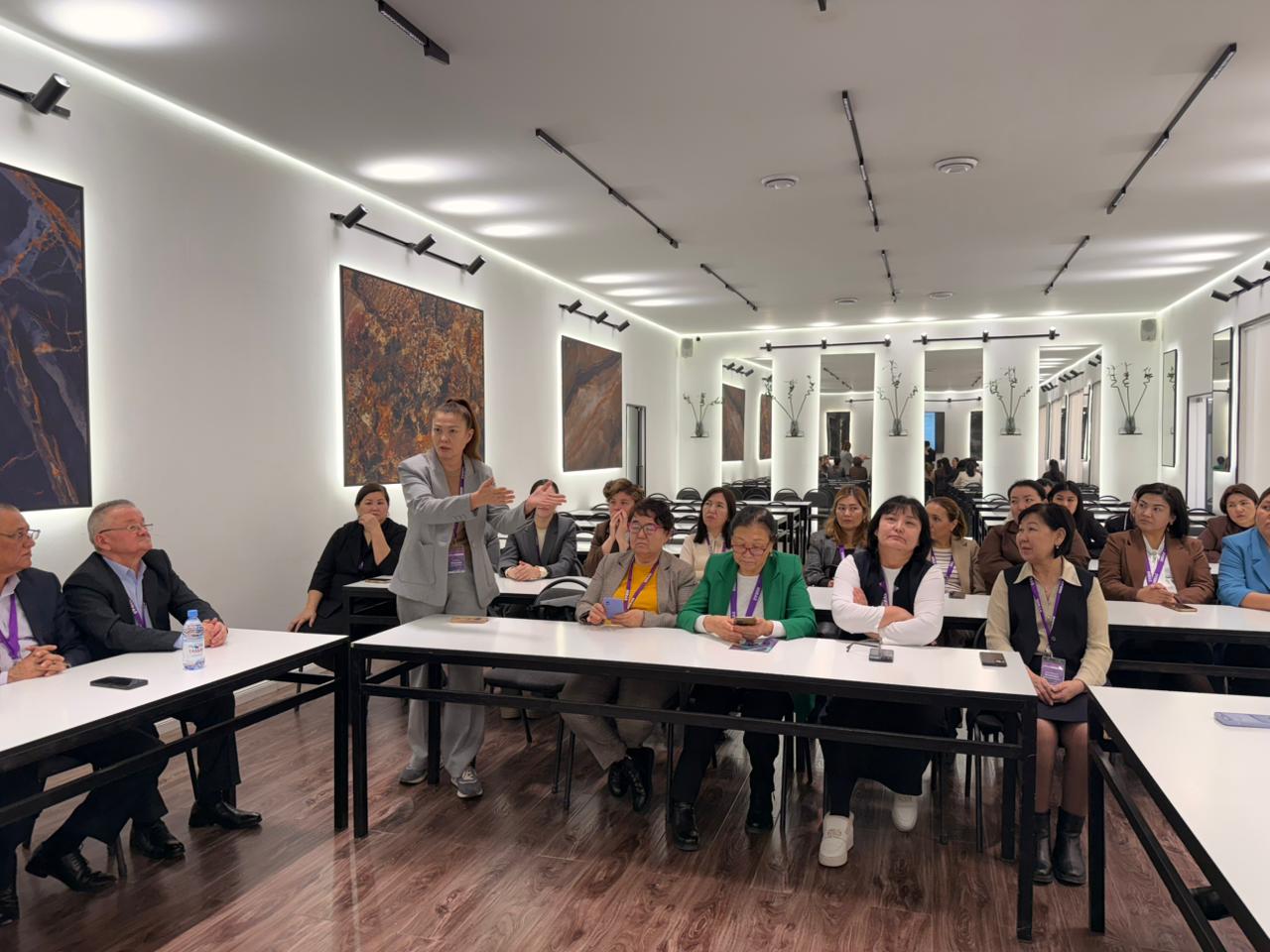
A meeting was held at Miras University in Shymkent to explain the content of the New Constitution. The event was attended by the university's faculty and students, who discussed the meaning and significance of the new norms in the Constitution.
The meeting was chaired by PhD, Associate Professor Gulzada Shinet. In her speech, she noted that the definition of human capital in the Constitution as a strategic direction of the state marks a new stage in the development of society.
"At the present stage, the main resource of the economy is not natural wealth, but educated and qualified people. The fact that the Constitution gives priority to education and science, as well as professional competence, indicates that the state adheres to a long-term development strategy," he said.
At the meeting, PhD, senior lecturer Mira Bekebayeva focused on the impact of new norms on the labor market. According to her, prioritizing human capital will be the basis for qualitative changes in labor relations.
"Competitiveness is now measured not only by the volume of production, but also by the professional level of a specialist. Therefore, investing in education is a guarantee of the country's sustainable economic development," he said.
Candidate of Legal Sciences, senior lecturer Nurzhan Zhaksylykov explained the direct connection between the legal norms in the Constitution and the daily lives of citizens.
— Constitutional amendments are not an abstract concept. A citizen's access to education, professional development, and the ability to protect their rights are determined within the framework of this document. Therefore, a deep understanding of the new norms is important for every citizen, - said N. Zhaksylykov.
During the meeting, the participants exchanged views on the development of the education system, the professional development of young people, and the improvement of legal culture. Students and teachers asked questions of interest to them and received informative answers.
According to the organizers, such explanatory meetings contribute to increasing the legal literacy of citizens and a deeper understanding of the essence of constitutional reform. According to the results of the meeting, all participants expressed support for the new Constitution.