Vaccination of farm animals
25.02.2026 08:18:16 2099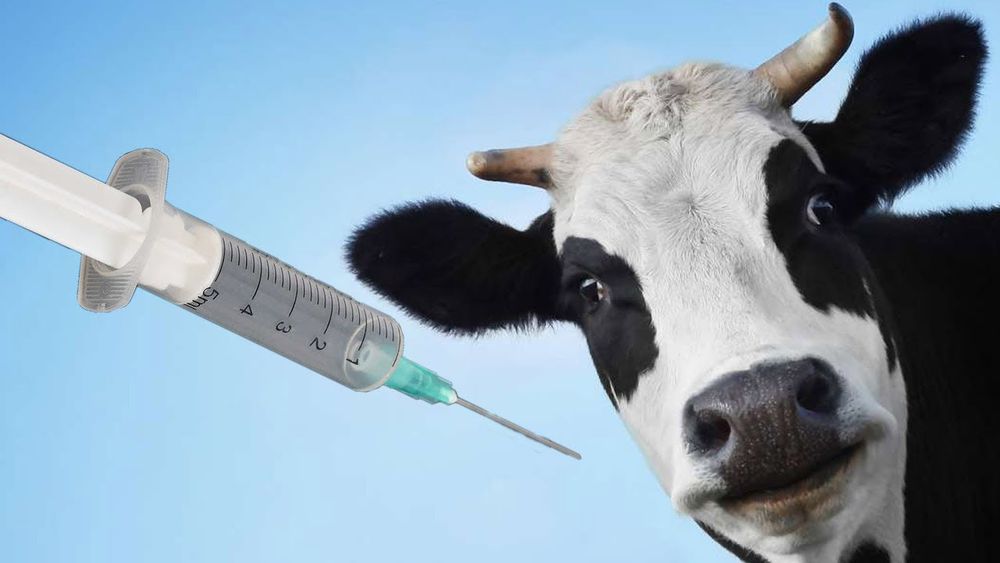
A key measure for the prevention of infectious diseases (anthrax, brucellosis, foot-and-mouth disease, emphysematous carbuncle, and rabies), ensuring epizootic well-being and reducing mortality. It is carried out according to an approved veterinary plan, including vaccinations for young animals (calves, lambs, foals, and piglets) and regular revaccination. Live, inactivated, associated, and other types of vaccines are used.
The main aspects of vaccination:
Cattle (CFR): vaccination includes protection against anthrax, rabies, emphysematous carbuncle, as well as pasteurellosis and foot-and-mouth disease.
Pigs: prevention of pasteurellosis, anthrax, foot-and-mouth disease.
Small ruminants (sheep, goats): vaccination against rabies, anthrax, foot-and-mouth disease.
Poultry: highly pathogenic avian influenza.
Rules and principles:
Planneness: The activities are carried out by the veterinary service, including free of charge within the approved plans.
Health: Only clinically healthy animals are vaccinated.
Immunity: It is formed within 1-2 weeks, during this time the animal should not be exposed to stress.
Revaccination: Repeated vaccinations are necessary to maintain a strong immune response.
The use of vaccines allows to protect the livestock from specific diseases and prevent the spread of zoonoses.
GU "Mendykaryn District Territorial Inspection of the Ministry of Agriculture of the Republic of Kazakhstan", Borovskoye Village, 83 Altynsarin Street, phone numbers: 2-40-94, 2-42-67