
Regions are strengthening measures to ensure transparent pricing in markets
17.04.2026 13:07:18 2384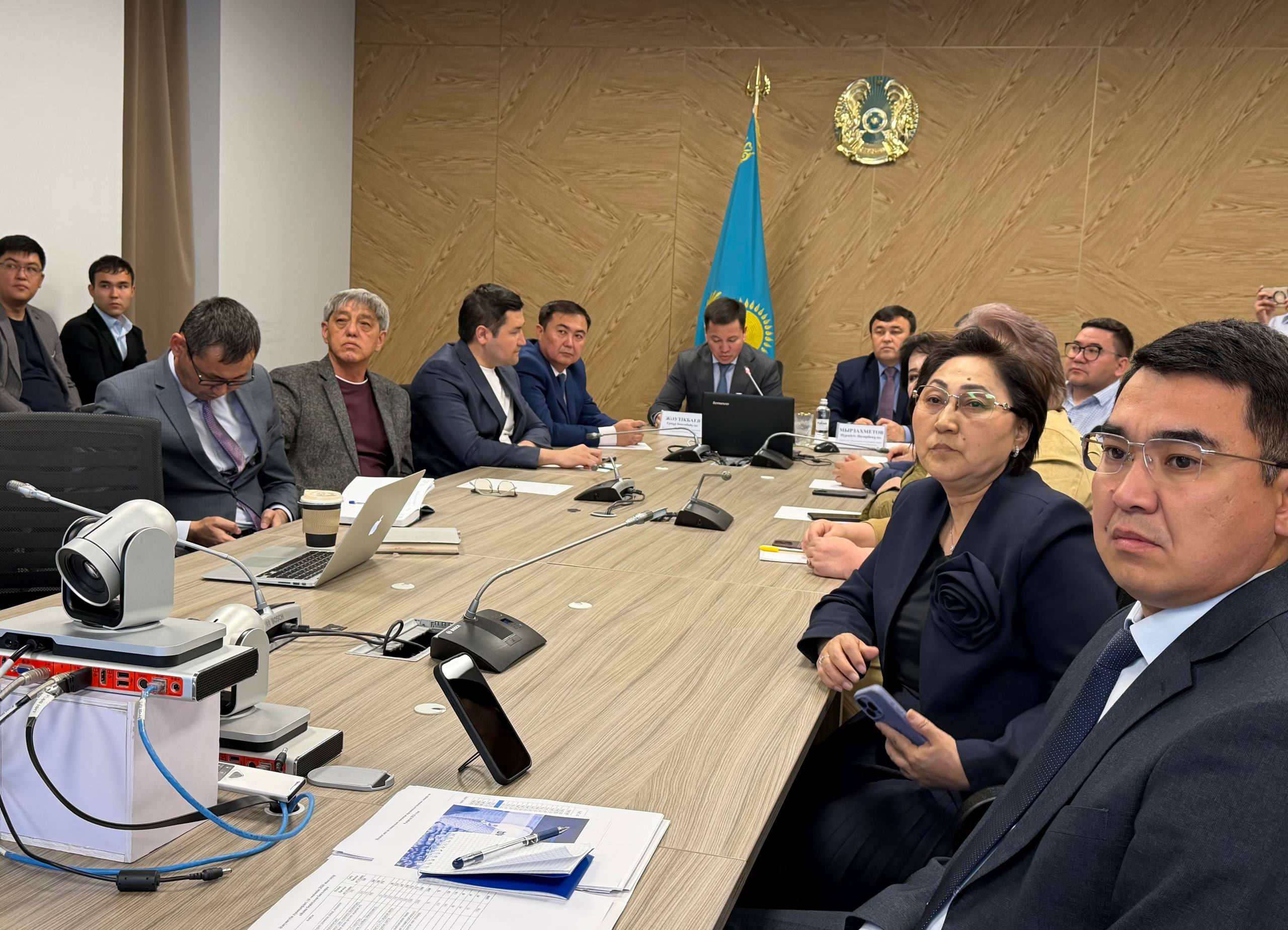
The Ministry of Trade and Integration of the Republic of Kazakhstan, in line with the Prime Minister's instructions, has intensified efforts to reduce unproductive intermediation in the country's markets. The focus is on building transparent supply chains and eliminating factors contributing to unjustified price increases.
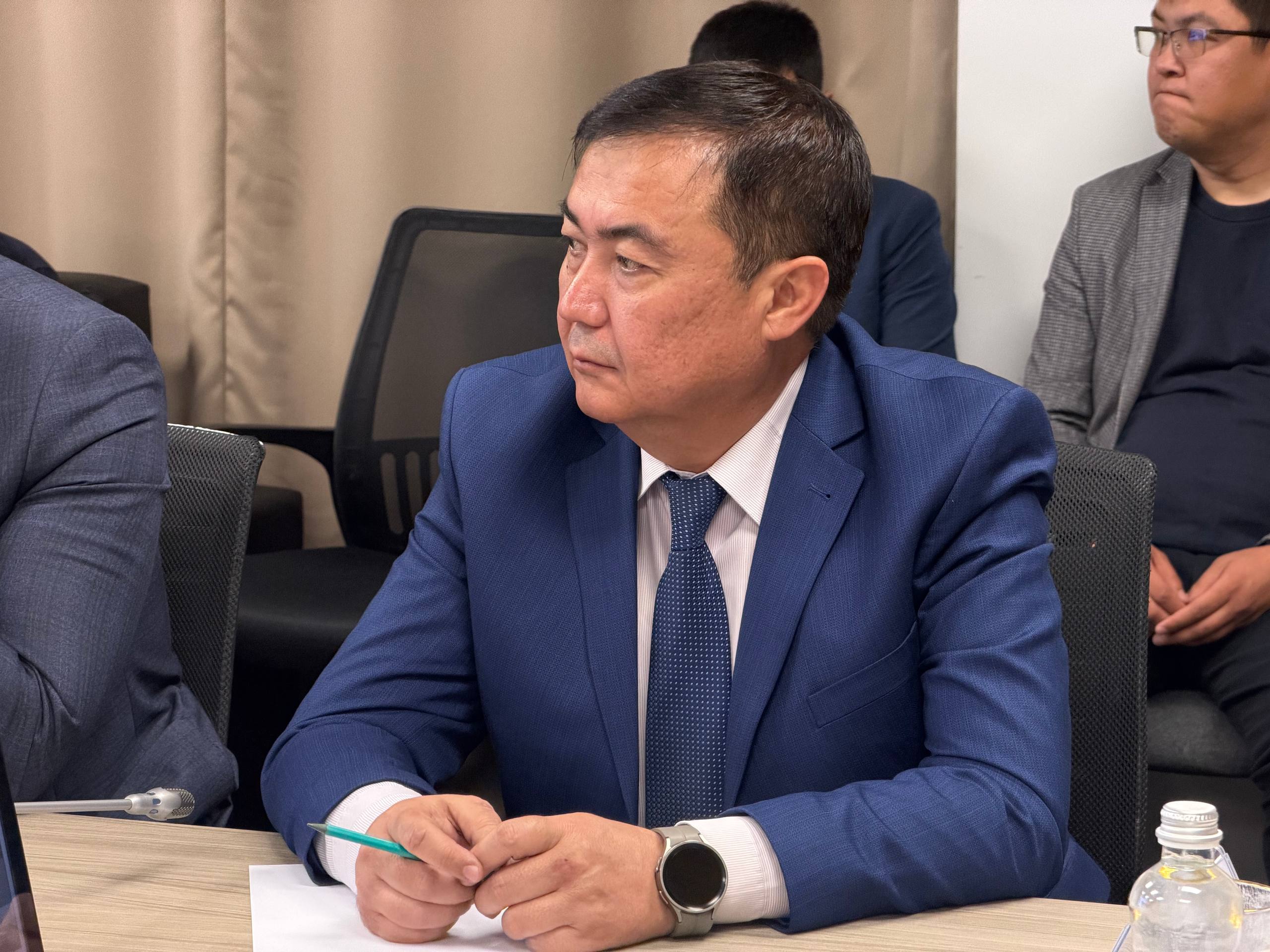
On April 16, the Chairman of the Trade Committee of the MTI RK, Yernur Zhautikbayev, held an on-site cluster meeting in the city of Turkestan with the participation of market owners and administrations of trade facilities from the Turkestan, Kyzylorda, Zhambyl regions, and the city of Shymkent.
As part of improving the Rules of Internal Trade at the legislative level, a distinction has been made between retail sellers and wholesale suppliers. This has streamlined the composition of participants in the procurement process and limited the involvement of unproductive intermediaries — entities that do not create added value in the supply chain but affect the final price for the consumer.
The Chairman of the Committee drew special attention of market owners to the need for strict compliance with legal requirements. A key element is the mandatory conduct of activities using information systems, which must record all contracts with sellers, rental payments, and trading conditions. It is precisely the lack of transparent digital accounting that creates preconditions for distorting real turnovers, informal settlements, and the emergence of unproductive intermediaries. In this regard, control measures are primarily focused on entities ignoring work in information systems.
According to Yernur Zhautikbayev, comprehensive work has already begun in markets across the country, primarily in the wholesale segment. The work involves state revenue authorities, internal affairs bodies, the antimonopoly authority, and local executive bodies, with coordination by the MTI. The application of tax administration tools is being strengthened, including the timing of trading activities, which allows for an objective comparison of actual turnovers with declared ones and the identification of signs of shadow turnover.
Following control measures, territorial departments of trade and consumer rights protection issue orders to eliminate violations. Regarding non-compliance with requirements for mandatory use of information systems, administrative liability in the form of fines is provided, as well as the application of stricter response measures as established by law, up to consideration of the issue in court.
"The market is not a territory for opaque schemes. Every participant must operate within the legal framework. Any trading activity must be transparent and digitalized. Working outside of information systems is a direct risk zone for the shadow economy and price distortions. If market participants are not ready to work according to established rules, the state will consistently apply the entire range of response tools provided for by legislation," emphasized Yernur Zhautikbayev.
In each region, regional commissions chaired by deputy akims (governors) of the regions are functioning, responsible for analyzing supply chains. At their platforms, specific supply schemes are considered, unproductive intermediaries are identified, and decisions are made to exclude them. At the same time, it was noted that in a number of regions, the work of the commissions is formal and does not yield the desired effect.
Since the beginning of the year, approximately 316 meetings of regional commissions have been held across the country, resulting in the exclusion of 73 intermediary links from trade chains. The Trade Committee instructed the akimats (local administrations) to ensure the practical effectiveness of this work and strengthen control over the formation of transparent and efficient supply chains.
The implementation of these measures is aimed at reducing the share of the shadow economy, forming a fair competitive environment, and ensuring fair prices for the population.
Concluding his working visit to the Turkestan region, Yernur Zhautikbayev visited the stabilization fund, social stores, and a number of markets in the region. Similar on-site cluster meetings will be conducted systematically across the country's regions, covering specific territorial groups for targeted consideration of trade infrastructure and pricing issues.
Source : https://www.gov.kz/memleket/entities/mti/press/news/details/1203072?lang=kk