
Golden Horde as a Civilizational Phenomenon
22.05.2026 08:13:35 1897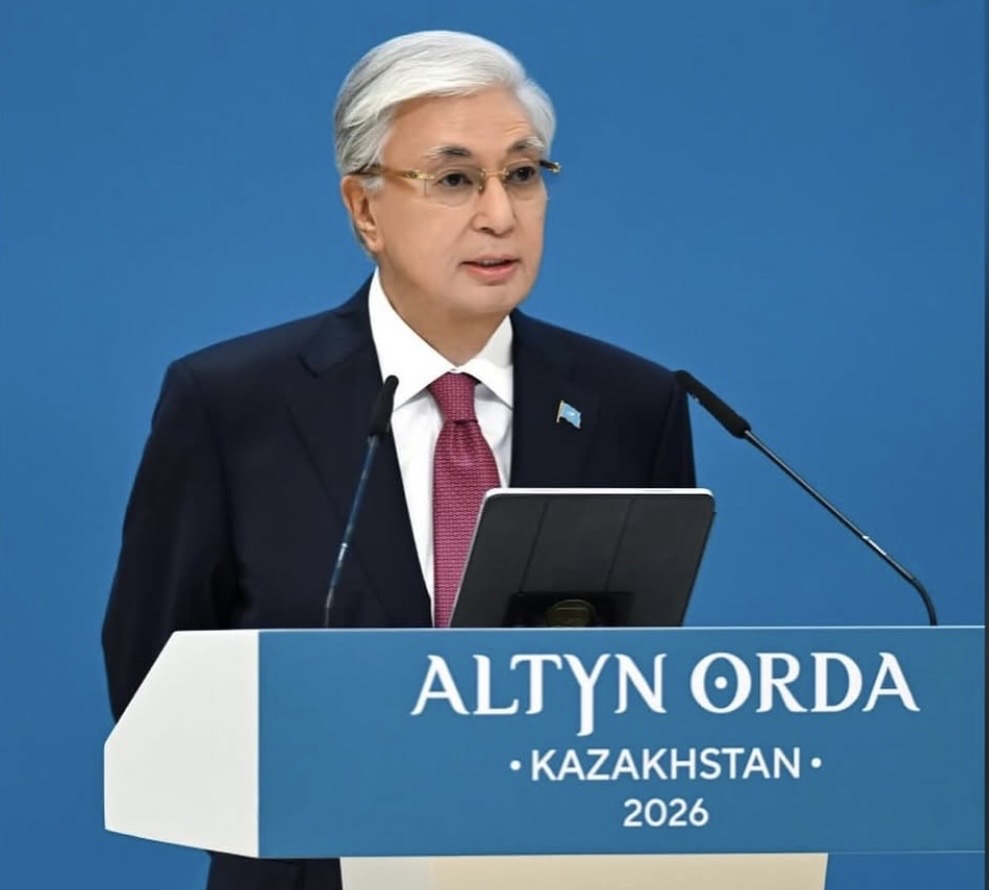
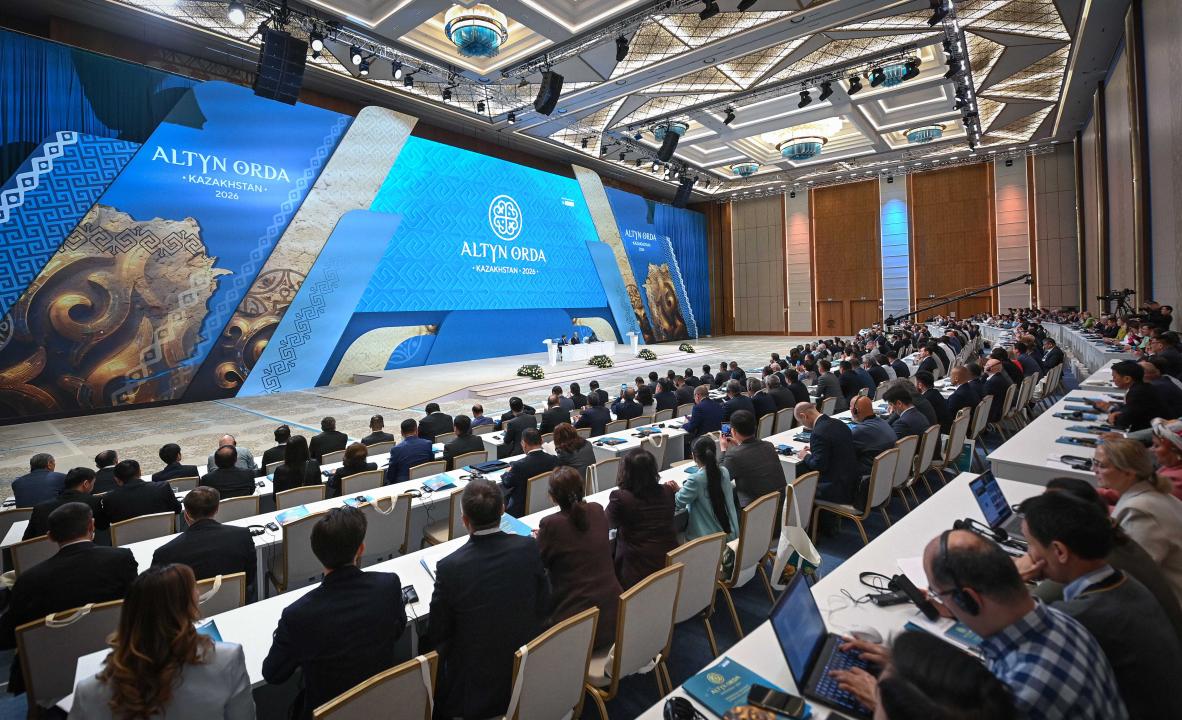
On May 19–20, 2026, an international symposium titled “The Golden Horde as a Model of Steppe Civilization: History, Archaeology, Culture, and Identity” was held in Astana with the participation of the President of the Republic of Kazakhstan, Kassym-Jomart Tokayev.
The event brought together more than 350 delegates, including representatives of international organizations, leading foreign and Kazakh historians, archaeologists, researchers, and scholars specializing in the history of the Great Steppe and the Golden Horde. Kazakhstan considers itself a direct successor to the state traditions of the Golden Horde and the Great Steppe. The Golden Horde was one of the largest political entities of its time, covering vast territories of Eurasia and connecting East and West.
It made a significant contribution to the formation of civilizations, the development of state structures, and the historical evolution of the Great Steppe. The history of the Golden Horde remains an important part of both Kazakhstan’s national history and the general history of humankind. The power of the Golden Horde was not limited to its vast territories but was also based on effective governance and institutional stability.
The empire developed advanced legal, administrative, and diplomatic systems that ensured stability across its vast and diverse territory. Key features of the state included meritocracy, discipline, justice, and the peaceful coexistence of various ethnic and religious communities. The Golden Horde maintained active diplomatic relations with major powers of Eurasia, which had a significant impact on the development of later Eurasian states. A unique model of civilization emerged in the Great Steppe, based on a nomadic lifestyle, trade, and close interaction between nomadic and sedentary peoples.
The Golden Horde controlled key trade routes of Eurasia, turning the steppe into a secure transit corridor connecting East and West. The empire developed advanced monetary and trade systems, including large-scale coin minting and thriving commercial centers. The era of the Golden Horde contributed to the “Golden Age” of Turkic literature, music, and epic poetry, which continues to influence the culture of the region today. Kazakhstan considers itself a direct successor to the state traditions of the Golden Horde and the Great Steppe.
Source : https://www.gov.kz/memleket/entities/mfa-brazil/press/news/details/1225702?lang=ru