The Ministry of Trade summarized the interim results of its efforts to reduce the number of unproductive intermediaries in food markets
04.07.2026 05:34:43 2079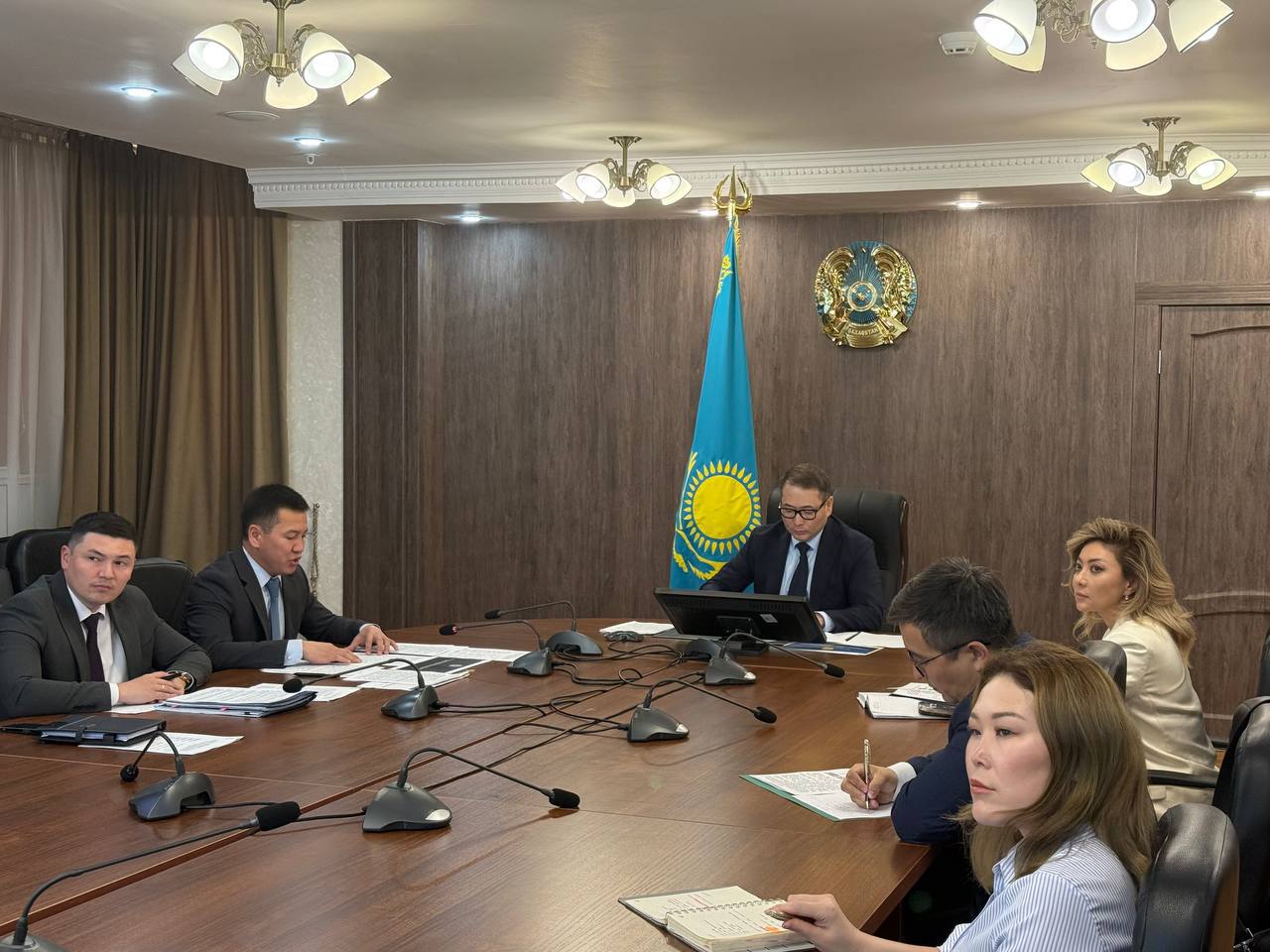
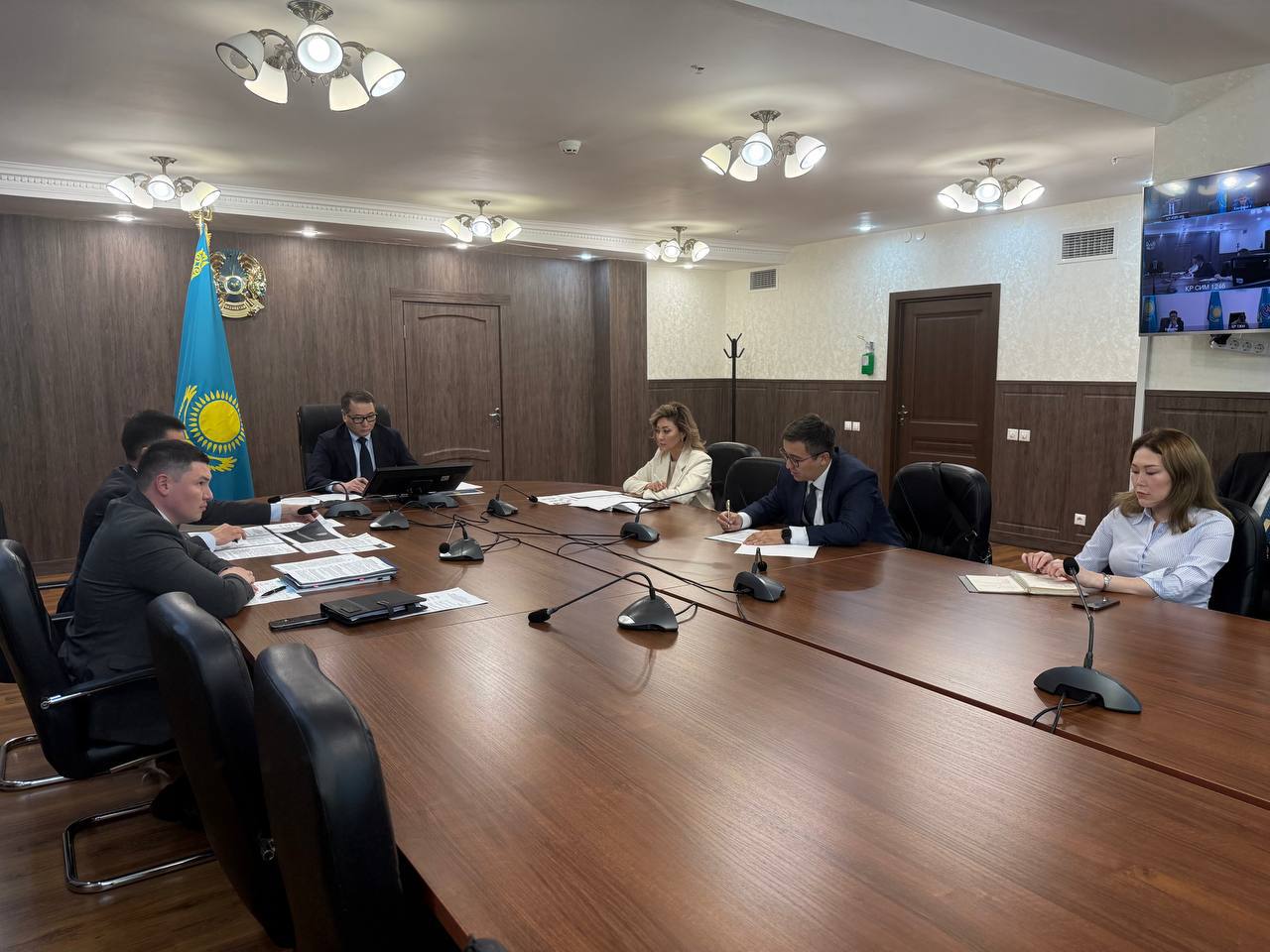
On June 15, a meeting chaired by the Minister of Trade and Integration of the Republic of Kazakhstan, Arman Shakkaliyev, was held on issues of establishing order in food markets and reducing unproductive intermediaries in commodity distribution chains. The meeting was attended by deputy akims (governors) of the regions, as well as representatives of the Ministry of Agriculture of the Republic of Kazakhstan, the Ministry of Finance of the Republic of Kazakhstan, the Ministry of Internal Affairs of the Republic of Kazakhstan, the Ministry of Health of the Republic of Kazakhstan, the Ministry of Emergency Situations of the Republic of Kazakhstan, and the Agency for Protection and Development of Competition of the Republic of Kazakhstan.
This concerns systematic work aimed at increasing trade transparency, eliminating shadow schemes, and ensuring fair pricing for socially significant products. As noted, the key task is to reduce unnecessary links between the producer and the consumer and to make pricing more transparent and controllable.
This work has now moved into the practical phase. Sixty-three key markets that have the greatest impact on the price situation in the regions have been identified. On-site inspections, monitoring, and explanatory work are being conducted there. Just recently, 18 markets have been covered, including major markets such as "Altyn Orda" and "Barys-4". As a result of the inspections, about 486 violations have been identified, and response measures are being taken for each.
"Simultaneously, efforts to establish order in commodity distribution chains are being intensified. Since the beginning of the year, 150 unproductive intermediaries have been removed from them. At the same time, inspections show that the problems are systemic, ranging from counterfeit and unmarked products to shadow turnover, violations of cash discipline, unregistered labor relations, and multiple subleases of trading spaces," reported Yernur Zhautikbayev, Chairman of the Trade Committee of the Ministry of Trade and Integration of the Republic of Kazakhstan.
The issue of illegal product trafficking was separately raised at the meeting. Despite existing restrictions, cases of selling imported chicken eggs without the necessary documents and labeling are being detected in a number of regions. In total, approximately 32.5 thousand units have been seized from illegal circulation. The need to strengthen interdepartmental coordination and mandatory video recording of the destruction of seized products was emphasized. Separately, during the meeting, data from the Ministry of Finance of the Republic of Kazakhstan was presented. The ministry reported that its representatives conducted walk-throughs of 38 large food markets, as well as a comprehensive analysis of the financial and economic activities of the markets and trading entities operating on their territory.
Based on the results of this work, 67 food markets have been selected for further monitoring and control measures. In total, 16,640 trading entities operate on their territory. The analysis showed that 4,843 entities were engaged in retail trade without registering cash registers, and 5,846 did not have registered POS terminals. Also, 247 entities with signs of underreporting income were identified. Additional analyses and time-study surveys have been scheduled for them.
Furthermore, notifications about the need to appear for hearings have been sent to 109 entities. To date, hearings have been held for 74 entities, resulting in the submission of additional declarations of total income amounting to 3.5 billion tenge.
Internal affairs bodies have also been involved in the work. According to their data, 2,345 cases of spontaneous trade, 37 cases of illegal trade, and 201 cases of illegal entrepreneurship have been identified in markets and adjacent areas.
Further work will be structured according to a unified algorithm with a clear distribution of responsibility between state bodies and akimats (local administrations). The regions have been instructed to strengthen control in markets, install video surveillance systems, and intensify work to identify and eliminate unproductive intermediaries. Simultaneously, control over trade markups is being strengthened.
"Taking risk factors into account, 63 food markets have been identified where systemic violations are recorded, ranging from illegal activities and shadow employment to gross violations of sanitary and fire safety requirements. All these facilities have been placed under special control. We have conducted all necessary preventive and explanatory work. All warnings have been given. We will no longer work solely in an explanatory mode; strict measures will be taken, up to and including revising the operating format of these markets. Individuals operating outside the legal framework should not remain in the trading system," noted Arman Shakkaliyev.
Source : https://www.gov.kz/memleket/entities/mti/press/news/details/1241997?lang=ru