News
Article by the Minister of Foreign Affairs Yermek Kosherbayev on the 25th Anniversary of the Shanghai Cooperation Organization 02.07.2026
The 25th Anniversary of the Shanghai Cooperation Organization: A New Frontier, Broad ProspectsDialogue has always been – and remains – the hard currency of politics. The ability of countries to listen to one another and jointly develop responses to the challenges of the times directly determines the stability of the international system, especially during periods of change or crisis. In today’s world, this has become particularly evident: the decline in trust between states is a consequence of dialogue itself becoming an increasingly scarce “resource.”At the same time, modern politics offers examples of countries coming together through dialogue and creating strong multilateral structures aimed at strengthening peace and trust while unlocking the potential for good-neighbourliness and cooperation. The Shanghai Cooperation Organization (SCO) is undoubtedly one such organization.Established 25 years ago – on June 15, 2001 – the SCO has grown into one of the world’s largest regional multilateral organizations.Over the past quarter century, the SCO has forged a unique history of building trust, finding compromises, and strengthening partnerships across the vast Eurasian space. The Organization has travelled a long, complex, and dynamic path, demonstrating not only its viability but also its effectiveness and enduring relevance.The origins of the SCO can be traced to the “Shanghai Five,” a dialogue platform established in 1996 by Kazakhstan, China, Kyrgyzstan, Russia, and Tajikistan. Sharing the group’s fundamental objectives, Uzbekistan joined in 2001, transforming the “Five” into the Shanghai Cooperation Organization and establishing a strong Central Asian core within it. Today, the SCO comprises ten member states. In addition to those already mentioned, they include India, Pakistan, Iran, and Belarus. Collectively, the SCO member states account for more than 60% of the Eurasian landmass, nearly half of the world’s population, and a significant share of global GDP.Throughout these years, the SCO has consistently strengthened its standing among influential international and regional institutions, serving as an effective mechanism for promoting security, stability, and sustainable development. Today, we are witnessing the SCO’s growing global role.Its greatest asset remains its constructive and pragmatic approach to cooperation, founded on the universal principles of equality and mutual benefit, without the dominance of any single ideology. This approach has become known as the “Shanghai Spirit,” reflecting the distinctive strategy adopted by its member states. Over time, this model has proven the resilience, effectiveness, and enduring value of the multilateral mechanisms developed within the SCO framework.The outcomes of recent SCO summits have demonstrated the enormous scale of the tasks undertaken and the ambitions set, highlighting the Organization’s ability to make swift and effective decisions on pressing regional issues in the fields of politics, security, trade, the economy, and humanitarian cooperation.One of the most recent examples is the adoption in 2024, at Kazakhstan’s initiative, of the SCO Initiative “On World Unity for a Just Peace, Harmony and Development.” This unprecedented and comprehensive document sets out principles for strengthening confidence-building measures and maintaining stability and security amid today’s global challenges. It was subsequently presented to the UN General Assembly as an official document.The security dimension remains one of the key pillars of the SCO agenda, and the Organization has accumulated significant experience in the joint fight against terrorism, separatism, and extremism. A central role in these efforts is played by the Regional Anti-Terrorist Structure (RATS), established within the SCO framework. The effectiveness of these measures is reflected in tangible and measurable results in dismantling terrorist infrastructure. A system for the rapid exchange of information has been established, and regular counterterrorism exercises are conducted. According to experts, thanks to this coordinated approach, the number of terrorist attacks within the SCO’s area of responsibility has steadily declined.In our view, one of the Organization’s principal achievements has also been the creation of a Eurasian space characterised by strong connectivity in transport, energy, investment, and technology. It has developed a flexible model of economic partnership based on respect for sovereignty, pragmatism, and the pursuit of mutual benefit.One of the concrete steps taken to strengthen practical cooperation was the agreement among the member states to establish the SCO Development Bank. Negotiations on this project are currently progressing actively, which is encouraging, as I am confident that the SCO Development Bank could, in the future, become a key financial institution for implementing a wide range of economic and humanitarian projects across the Organization.Equally important is the expansion of cultural and humanitarian cooperation among the SCO member states, which is becoming increasingly substantive. A number of flagship projects have already been launched, including the SCO University, the “Education without Borders” initiative, “Spiritual Shrines,” the SCO Tourism and Cultural Capitals programme, the Youth Forum, and many other initiatives. These projects not only amplify the voice of the SCO but also serve as bridges between peoples, thereby strengthening mutual understanding and trust among its member states.Kazakhstan is a steadfast supporter of the principles of the SCO and an advocate of the Organization’s further institutional development and the strengthening of its international standing.It is worth recalling that it was during Kazakhstan’s chairmanship in 2017 that India and Pakistan were admitted to the Organization, marking the first phase of the SCO’s expansion. At the 2024 Astana Summit, meanwhile, the Shanghai Cooperation Organization convened for the first time in its expanded ten-member format, with the Republic of Belarus participating for the first time as a full member of the SCO.At Kazakhstan’s initiative, and with the support of the other member states, a number of highly significant documents were adopted, including the SCO Development Strategy to 2035, the Food Security Programme, the Agreement on Cooperation and Interaction among Member States on Border Issues, the Programme on Combating Terrorism, Separatism, and Extremism, and several others.One of the key priorities of Kazakhstan’s policy within the SCO framework is to improve the Organization’s effectiveness and enhance its efficiency in the context of a rapidly evolving international environment.Astana consistently advocates for the modernization of the SCO, the adaptation of its institutions to contemporary challenges, and the strengthening of the practical dimension of cooperation.In this context, Kazakhstan’s chairmanship of the SCO in 2023–2024 assumed particular significance. During the 2024 Astana Summit, a process of institutional reform was launched with the aim of strengthening the Organization’s resilience, improving the efficiency of its decision-making, and expanding cooperation among its member states.President of Kazakhstan Kassym-Jomart Tokayev emphasized that, in a period of global instability, the SCO must adapt in a timely manner to new geopolitical and economic realities. To this end, Kazakhstan proposed a comprehensive review of the Organization’s activities, including its decision-making mechanisms, the implementation of joint projects, and the coordination of the work of its specialized bodies.The reform process proposed by Kazakhstan is currently under active consideration by the member states. The primary objective of this initiative is to enhance the practical effectiveness of the Organization and strengthen its role as one of the key centres of international cooperation across the Eurasian space.Kazakhstan also advocates strengthening the economic dimension of the Organization. This aspect of cooperation is often criticised for failing to realise the SCO’s full potential, and it must be acknowledged that such criticism has some basis.In terms of the combined GDP of its member states, the SCO is one of the world’s largest regional groupings. According to various estimates, the combined foreign trade turnover of the SCO member states amounts to approximately US$1 trillion. The Organization includes some of the world’s largest producers and consumers of energy, while many of the world’s key overland transport routes pass through its territory.The SCO’s economic potential gives it every opportunity to become one of the leading centres of economic cooperation and connectivity. Yet this potential remains far from fully realised. With this in mind, Astana proposes intensifying joint investment projects, expanding the use of national currencies in mutual settlements, and developing international transport corridors that pass through the territories of SCO member states.As a middle power with a high level of digital readiness and substantial experience in the services sector, Kazakhstan is promoting within the SCO an agenda of digital transformation that includes the adoption of innovation and the creation of new platforms for cooperation in e-commerce, cybersecurity, and artificial intelligence.For the SCO member states, environmental issues are directly linked to economic stability, food security, and the quality of life of their populations.The challenges of climate change, desertification, dwindling water resources, and environmental pollution are particularly acute across the region. Central Asia is among the world’s most vulnerable regions in terms of water security, giving the SCO’s environmental agenda strategic importance.In this context, I would like to highlight the initiative put forward by the President of the Republic of Kazakhstan, Kassym-Jomart Tokayev, to establish a Centre for the Analysis of Water Issues of the SCO Member States.The Centre will focus on consolidating and sharing technologies and best practices in efficient and sustainable water management, while also promoting the development and implementation of joint innovative solutions in the water sector.Overall, it is clear that the SCO has evolved into a comprehensive international organization in which every area of cooperation develops harmoniously while preserving the “Shanghai Spirit” and ensuring the active participation of all member states.It is important to emphasize that, despite its extensive work in the field of security, the SCO is neither a military bloc nor a closed alliance directed against third countries. Rather, it is an open platform for cooperation.Kazakhstan has consistently advocated for dialogue on the basis of equality, consensus-based decision-making, and the rejection of confrontational approaches. Only by remaining faithful to the goals and principles of the SCO Charter can the Organization ensure its balanced development while fostering an open and trusting multilateral dialogue.Over the past 25 years, the SCO has repeatedly demonstrated its ability to bring together states with different political traditions, economic models, and cultural backgrounds in pursuit of common goals and a shared responsibility for the future.Behind this anniversary lies a quarter century of hard work, diplomatic skill, political wisdom, and a genuine commitment by its member states to strengthening trust and mutual understanding.Today, the SCO is entering a new stage of its development – a period in which the stability of the international order and the quality of life of millions of people will increasingly depend on the effectiveness of cooperation.I am deeply convinced that the Organization’s accumulated experience, its unique potential for cooperation, and its steadfast commitment to the enduring principles of the Shanghai Spirit will enable it to remain one of the world’s leading platforms for constructive international cooperation.As President Kassym-Jomart Tokayev has noted: “Our peoples place great hopes in the SCO. They expect that fruitful cooperation within the Organization, based on compromise and due consideration of mutual interests, will enable us to overcome today’s trials and tomorrow’s challenges with dignity, while improving the well-being of our citizens.”Source : https://www.gov.kz/memleket/entities/mfa-ljubljana/press/news/details/1239886?lang=ru
Article by the Minister of Foreign Affairs Yermek Kosherbayev on the 25th Anniversary of the Shanghai Cooperation Organization The 25th Anniversary of the Shanghai Cooperation Organization: A New Frontier, Broad Prospects 02.07.2026
Dialogue has always been – and remains – the hard currency of politics. The ability of countries to listen to one another and jointly develop responses to the challenges of the times directly determines the stability of the international system, especially during periods of change or crisis. In today’s world, this has become particularly evident: the decline in trust between states is a consequence of dialogue itself becoming an increasingly scarce “resource.”At the same time, modern politics offers examples of countries coming together through dialogue and creating strong multilateral structures aimed at strengthening peace and trust while unlocking the potential for good-neighbourliness and cooperation. The Shanghai Cooperation Organization (SCO) is undoubtedly one such organization.Established 25 years ago – on June 15, 2001 – the SCO has grown into one of the world’s largest regional multilateral organizations.Over the past quarter century, the SCO has forged a unique history of building trust, finding compromises, and strengthening partnerships across the vast Eurasian space. The Organization has travelled a long, complex, and dynamic path, demonstrating not only its viability but also its effectiveness and enduring relevance.The origins of the SCO can be traced to the “Shanghai Five,” a dialogue platform established in 1996 by Kazakhstan, China, Kyrgyzstan, Russia, and Tajikistan. Sharing the group’s fundamental objectives, Uzbekistan joined in 2001, transforming the “Five” into the Shanghai Cooperation Organization and establishing a strong Central Asian core within it. Today, the SCO comprises ten member states. In addition to those already mentioned, they include India, Pakistan, Iran, and Belarus. Collectively, the SCO member states account for more than 60% of the Eurasian landmass, nearly half of the world’s population, and a significant share of global GDP.Throughout these years, the SCO has consistently strengthened its standing among influential international and regional institutions, serving as an effective mechanism for promoting security, stability, and sustainable development. Today, we are witnessing the SCO’s growing global role.Its greatest asset remains its constructive and pragmatic approach to cooperation, founded on the universal principles of equality and mutual benefit, without the dominance of any single ideology. This approach has become known as the “Shanghai Spirit,” reflecting the distinctive strategy adopted by its member states. Over time, this model has proven the resilience, effectiveness, and enduring value of the multilateral mechanisms developed within the SCO framework.The outcomes of recent SCO summits have demonstrated the enormous scale of the tasks undertaken and the ambitions set, highlighting the Organization’s ability to make swift and effective decisions on pressing regional issues in the fields of politics, security, trade, the economy, and humanitarian cooperation.One of the most recent examples is the adoption in 2024, at Kazakhstan’s initiative, of the SCO Initiative “On World Unity for a Just Peace, Harmony and Development.” This unprecedented and comprehensive document sets out principles for strengthening confidence-building measures and maintaining stability and security amid today’s global challenges. It was subsequently presented to the UN General Assembly as an official document.The security dimension remains one of the key pillars of the SCO agenda, and the Organization has accumulated significant experience in the joint fight against terrorism, separatism, and extremism. A central role in these efforts is played by the Regional Anti-Terrorist Structure (RATS), established within the SCO framework. The effectiveness of these measures is reflected in tangible and measurable results in dismantling terrorist infrastructure. A system for the rapid exchange of information has been established, and regular counterterrorism exercises are conducted. According to experts, thanks to this coordinated approach, the number of terrorist attacks within the SCO’s area of responsibility has steadily declined.In our view, one of the Organization’s principal achievements has also been the creation of a Eurasian space characterised by strong connectivity in transport, energy, investment, and technology. It has developed a flexible model of economic partnership based on respect for sovereignty, pragmatism, and the pursuit of mutual benefit.One of the concrete steps taken to strengthen practical cooperation was the agreement among the member states to establish the SCO Development Bank. Negotiations on this project are currently progressing actively, which is encouraging, as I am confident that the SCO Development Bank could, in the future, become a key financial institution for implementing a wide range of economic and humanitarian projects across the Organization.Equally important is the expansion of cultural and humanitarian cooperation among the SCO member states, which is becoming increasingly substantive. A number of flagship projects have already been launched, including the SCO University, the “Education without Borders” initiative, “Spiritual Shrines,” the SCO Tourism and Cultural Capitals programme, the Youth Forum, and many other initiatives. These projects not only amplify the voice of the SCO but also serve as bridges between peoples, thereby strengthening mutual understanding and trust among its member states.Kazakhstan is a steadfast supporter of the principles of the SCO and an advocate of the Organization’s further institutional development and the strengthening of its international standing.It is worth recalling that it was during Kazakhstan’s chairmanship in 2017 that India and Pakistan were admitted to the Organization, marking the first phase of the SCO’s expansion. At the 2024 Astana Summit, meanwhile, the Shanghai Cooperation Organization convened for the first time in its expanded ten-member format, with the Republic of Belarus participating for the first time as a full member of the SCO.At Kazakhstan’s initiative, and with the support of the other member states, a number of highly significant documents were adopted, including the SCO Development Strategy to 2035, the Food Security Programme, the Agreement on Cooperation and Interaction among Member States on Border Issues, the Programme on Combating Terrorism, Separatism, and Extremism, and several others.One of the key priorities of Kazakhstan’s policy within the SCO framework is to improve the Organization’s effectiveness and enhance its efficiency in the context of a rapidly evolving international environment.Astana consistently advocates for the modernization of the SCO, the adaptation of its institutions to contemporary challenges, and the strengthening of the practical dimension of cooperation.In this context, Kazakhstan’s chairmanship of the SCO in 2023–2024 assumed particular significance. During the 2024 Astana Summit, a process of institutional reform was launched with the aim of strengthening the Organization’s resilience, improving the efficiency of its decision-making, and expanding cooperation among its member states.President of Kazakhstan Kassym-Jomart Tokayev emphasized that, in a period of global instability, the SCO must adapt in a timely manner to new geopolitical and economic realities. To this end, Kazakhstan proposed a comprehensive review of the Organization’s activities, including its decision-making mechanisms, the implementation of joint projects, and the coordination of the work of its specialized bodies.The reform process proposed by Kazakhstan is currently under active consideration by the member states. The primary objective of this initiative is to enhance the practical effectiveness of the Organization and strengthen its role as one of the key centres of international cooperation across the Eurasian space.Kazakhstan also advocates strengthening the economic dimension of the Organization. This aspect of cooperation is often criticised for failing to realise the SCO’s full potential, and it must be acknowledged that such criticism has some basis.In terms of the combined GDP of its member states, the SCO is one of the world’s largest regional groupings. According to various estimates, the combined foreign trade turnover of the SCO member states amounts to approximately US$1 trillion. The Organization includes some of the world’s largest producers and consumers of energy, while many of the world’s key overland transport routes pass through its territory.The SCO’s economic potential gives it every opportunity to become one of the leading centres of economic cooperation and connectivity. Yet this potential remains far from fully realised. With this in mind, Astana proposes intensifying joint investment projects, expanding the use of national currencies in mutual settlements, and developing international transport corridors that pass through the territories of SCO member states.As a middle power with a high level of digital readiness and substantial experience in the services sector, Kazakhstan is promoting within the SCO an agenda of digital transformation that includes the adoption of innovation and the creation of new platforms for cooperation in e-commerce, cybersecurity, and artificial intelligence.For the SCO member states, environmental issues are directly linked to economic stability, food security, and the quality of life of their populations.The challenges of climate change, desertification, dwindling water resources, and environmental pollution are particularly acute across the region. Central Asia is among the world’s most vulnerable regions in terms of water security, giving the SCO’s environmental agenda strategic importance.In this context, I would like to highlight the initiative put forward by the President of the Republic of Kazakhstan, Kassym-Jomart Tokayev, to establish a Centre for the Analysis of Water Issues of the SCO Member States.The Centre will focus on consolidating and sharing technologies and best practices in efficient and sustainable water management, while also promoting the development and implementation of joint innovative solutions in the water sector.Overall, it is clear that the SCO has evolved into a comprehensive international organization in which every area of cooperation develops harmoniously while preserving the “Shanghai Spirit” and ensuring the active participation of all member states.It is important to emphasize that, despite its extensive work in the field of security, the SCO is neither a military bloc nor a closed alliance directed against third countries. Rather, it is an open platform for cooperation.Kazakhstan has consistently advocated for dialogue on the basis of equality, consensus-based decision-making, and the rejection of confrontational approaches. Only by remaining faithful to the goals and principles of the SCO Charter can the Organization ensure its balanced development while fostering an open and trusting multilateral dialogue.Over the past 25 years, the SCO has repeatedly demonstrated its ability to bring together states with different political traditions, economic models, and cultural backgrounds in pursuit of common goals and a shared responsibility for the future.Behind this anniversary lies a quarter century of hard work, diplomatic skill, political wisdom, and a genuine commitment by its member states to strengthening trust and mutual understanding.Today, the SCO is entering a new stage of its development – a period in which the stability of the international order and the quality of life of millions of people will increasingly depend on the effectiveness of cooperation.I am deeply convinced that the Organization’s accumulated experience, its unique potential for cooperation, and its steadfast commitment to the enduring principles of the Shanghai Spirit will enable it to remain one of the world’s leading platforms for constructive international cooperation.As President Kassym-Jomart Tokayev has noted: “Our peoples place great hopes in the SCO. They expect that fruitful cooperation within the Organization, based on compromise and due consideration of mutual interests, will enable us to overcome today’s trials and tomorrow’s challenges with dignity, while improving the well-being of our citizens.”Source : https://www.gov.kz/memleket/entities/mfa-kuala-lumpur/press/news/details/1248312?lang=ru
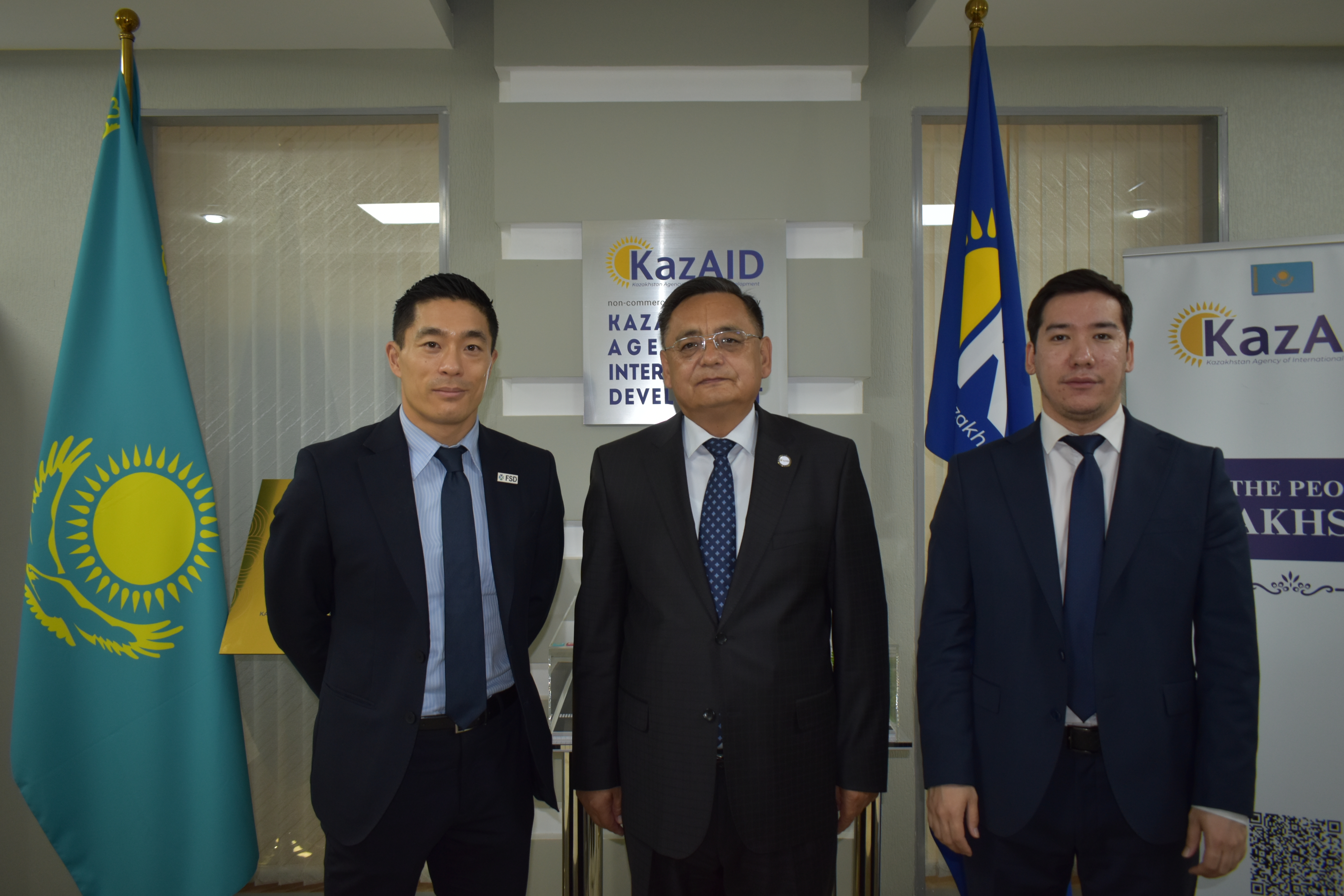
KazAID hosted a meeting with a representative of Fondation suisse de déminage (FSD) 02.07.2026
Astana, June 12, 2026 – The KazAID office hosted a working meeting between the Acting Chairman of the Board, J.Asanov and Yoshiyuki Shiomi, the FSD Group Programme Manager for Central Asia.During the meeting, the FSD representative presented the foundation's current projects in the region, including humanitarian demining, mine safety education in Tajikistan, and the partnership with the OSCE on training EOD/IEDD specialists. The leadership of KazAID provided information about its activities in Central Asia and Afghanistan.The parties discussed promising areas of cooperation, such as joint humanitarian and regional initiatives, as well as government capacity building.Source : https://www.gov.kz/memleket/entities/kazaid/press/news/details/1239882?lang=ru

THE ANNOUNCEMENT! Live broadcast of the Department of State Revenue in Pavlodar region Topic: "Provision of installments and deferrals for the payment of taxes and fees, innovations in the application of methods and measures of compulsory collection" 02.07.2026
Dear taxpayers,On June 12, 2026, at 16:00, a live broadcast on the topic will be held on the Department's Instagram page @pavlodar_mkd: "Provision of installments and deferrals for the payment of taxes and fees, innovations in the application of methods and measures of compulsory collection."Speakers:- Head of the Debt Management Department Kazylova Nurgul Abzalovna;- Yerbol Kendibaevich Rakhimov, Chief Specialist of the Debt Management Department.Moderator:- Tolegen Bilyalovich Shaimardanov, Head of the Department of Explanatory Work and the Contact Center.In order not to miss the broadcast, subscribe to the Instagram of the Department of State Revenue for the Pavlodar region – pavlodar_mkd.Department of Explanatory Work and Contact CenterState Duma of the Pavlodar regionSource : https://www.gov.kz/memleket/entities/kgd-pavlodar/press/news/details/1239884?lang=ru
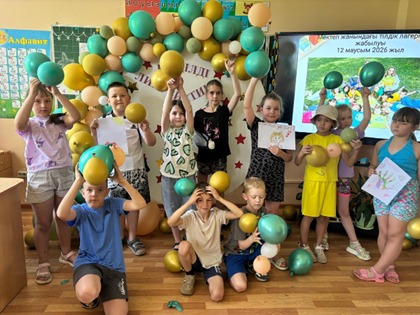
Summer language camps in East Kazakhstan have successfully completed their work 02.07.2026
Another season of school language camps has been successfully completed. The organization and execution of these camps required great responsibility and diligent work from the teachers. Conducting linguistic camps aimed at the in-depth study of Kazakh, Russian, and English languages proved to be a valuable experience for language teachers and school teams.In the language environment, creative, professional, and emotional interaction was established with the students, which provided special impressions and joy. This became one of the bright and interesting events that will remain in the students' memory for a long time.The effectiveness of the camp's work was evident in the improved mood of the schoolchildren. It contributed to reducing children's dependence on the internet and developing their language and creative abilities. Through collective work, the students learned cooperation, respect for others' opinions, and effective teamwork.The main thing — all 10 modular topics provided by the children's language camp program were successfully mastered.Source : https://www.gov.kz/memleket/entities/vko-bilim/press/news/details/1239868?lang=ru
Получение государственных грантов 02.07.2026
В целях поддержки предпринимательской инициативы среди социально уязвимых категорий населения с 24 июня по 8 июля 2026 года на портале Business.enbek.kz будет осуществляться прием заявок на получение государственных грантов для реализации новых бизнес-идей.Размер гранта составляет 400 месячных расчетных показателей или 1 730 000 тенге. Государственная поддержка предоставляется на безвозмездной основе и направлена на содействие развитию предпринимательства, создание новых источников дохода и повышение экономической активности граждан.Грант предоставляется единовременно и может быть получен только один раз.Участниками конкурса могут стать зарегистрированные безработные, а также индивидуальные предприниматели, срок государственной регистрации которых не превышает одного года.При этом претенденты должны относиться к одной из следующих категорий: лица с инвалидностью; лица с действующим статусом «кандас»; межрегиональные переселенцы; получатели государственной адресной социальной помощи; получатели ежемесячного государственного пособия многодетным семьями и (или) их супруги; лицо, воспитывающее ребенка-инвалида и (или) из супруги; получатели пособия по потере кормильца.Одним из обязательных требований для участия является наличие сертификата об обучении основам предпринимательства по проекту «Бастау Бизнес», полученного не ранее трех лет до даты подачи заявки.Отбор претендентов будет осуществляться конкурсными комиссиями на основе представленных бизнес-проектов. В ходе рассмотрения заявок будут оцениваться жизнеспособность и перспективность бизнес-идеи, финансовая обоснованность проекта,а также его потенциал по созданию новых рабочих мест.Подача заявки осуществляется в электронном формате через портал Business.enbek.kz. Для участия необходимо зарегистрироваться на портале, заполнить форму заявления, прикрепить бизнес-план и подписать документы электронной цифровой подписью. За подробной информацией обращаться в филиал «Карьерный центр Федоровского района» по адресу Федоровский район село Федоровка ул. Красноармейская 53 каб. 14, телефон 8(71442)21306.Прием заявок продлится до 8 июля 2026 года включительно.Source : https://www.gov.kz/memleket/entities/kostanay-fedorov/press/news/details/1239873?lang=ru
Pay your taxes on time!!! 02.07.2026
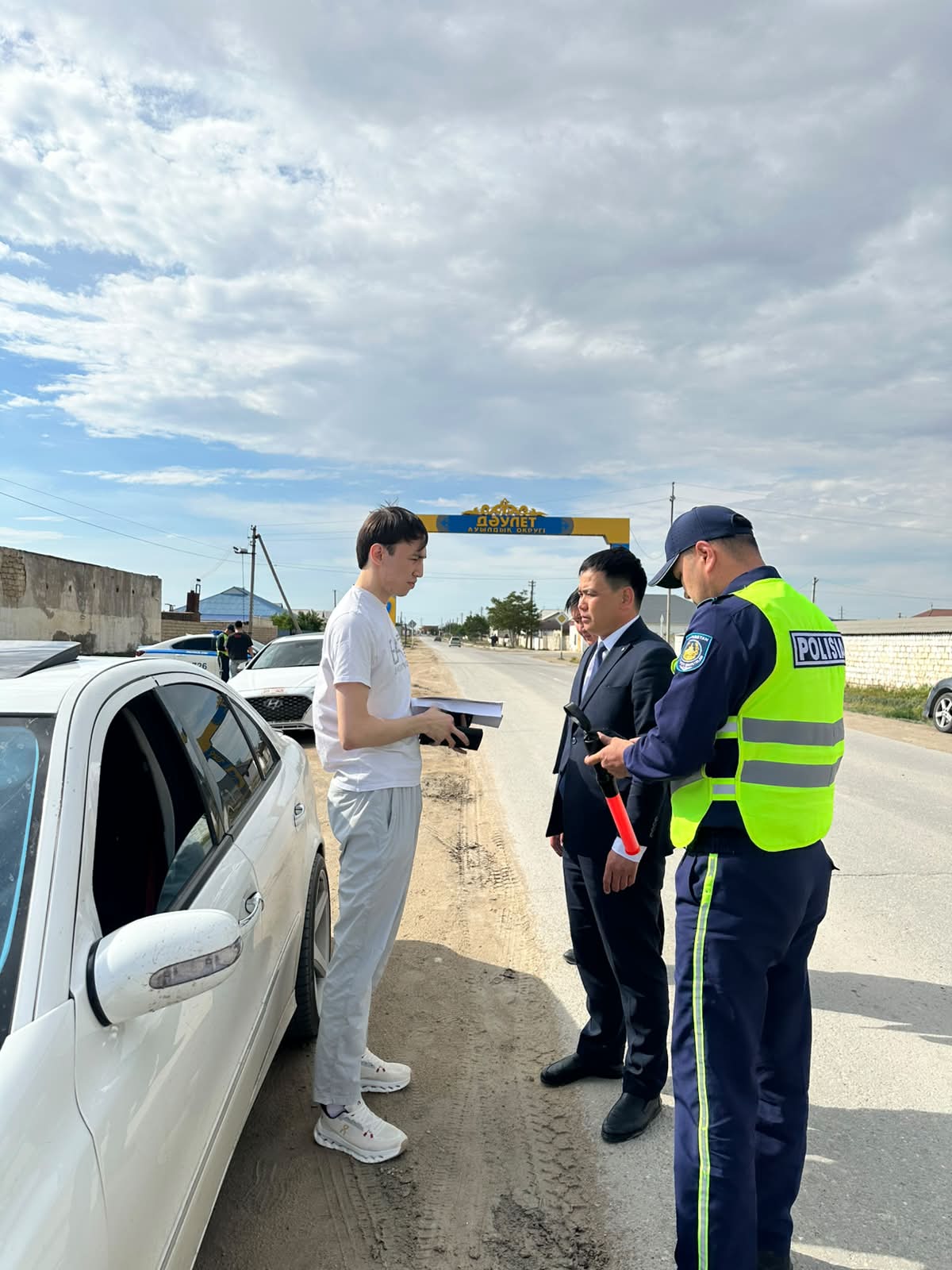
Munaily District traffic police officers and employees of the Daulet village akim's office jointly conducted outreach activities among the rural population.The main goal was to inform and remind the rural population of the need to pay their tax arrears on time.The rural population was informed of the need to pay their tax arrears within the deadlines established by the Tax Code of the Republic of Kazakhstan.We remind the population that, in accordance with the Tax Code of the Republic of Kazakhstan, late payment of taxes is subject to a fine of 1.25% for each day of delay.Press Service of the Daulet Village Akim's OfficeSource : https://www.gov.kz/memleket/entities/mangystau-munaily-daulet/press/news/details/1239876?lang=ru
Kazakhstan and the European Union enter a new stage of negotiations on visa facilitation and readmission 02.07.2026
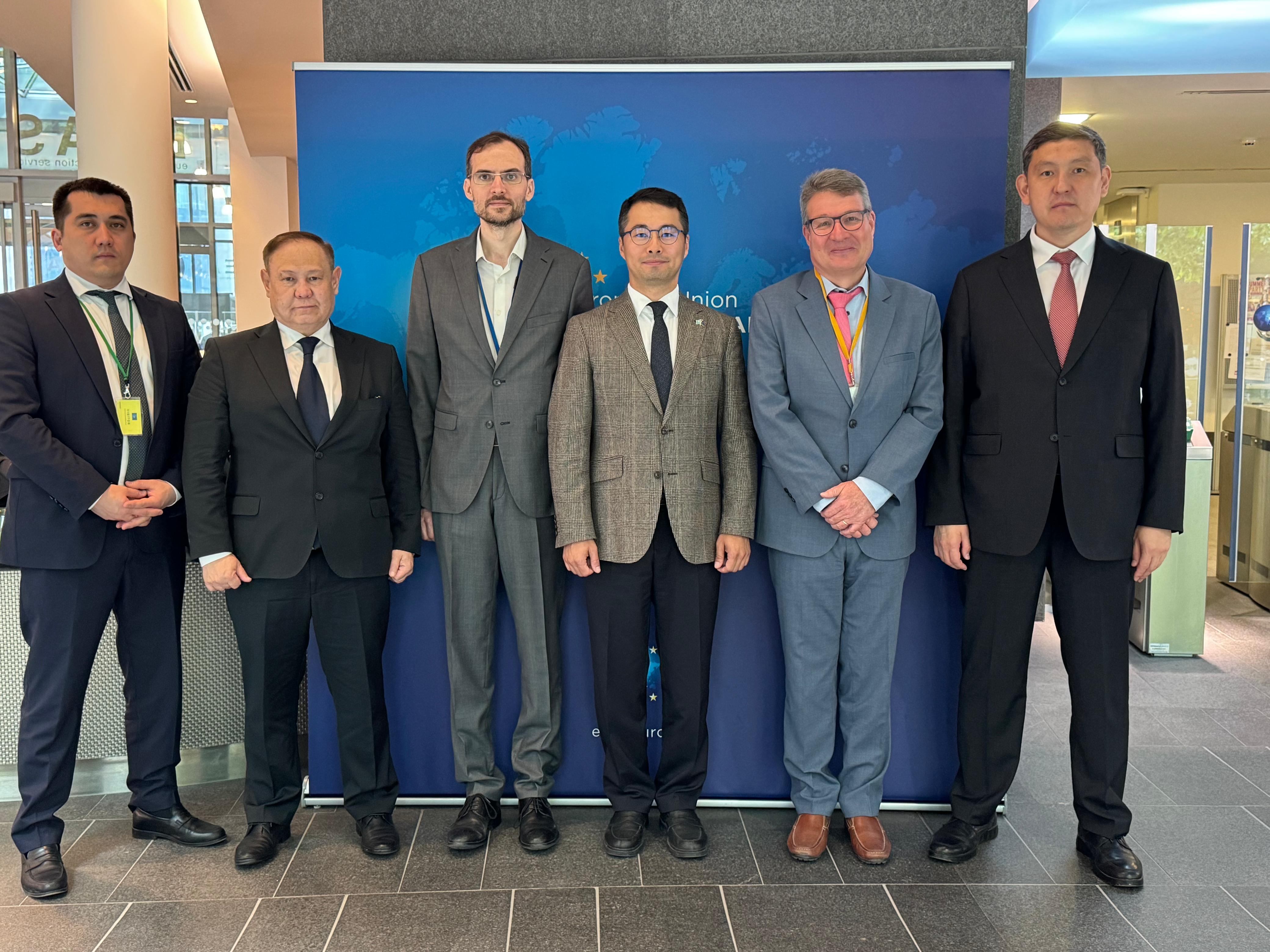
The delegations of the Republic of Kazakhstan and the European Union successfully held another round of negotiations on the draft Agreement of Visa Facilitation and Readmission Agreement.During the negotiations, the parties continued substantive discussions aimed at further aligning their positions on the key provisions of the future agreements.Particular attention was paid to improving visa procedures for citizens of the Republic of Kazakhstan, including application processing times, the issuance of multiple-entry visas, the optimization of supporting documentation requirements, and other practical measures designed to facilitate people-to-people contacts.At the conclusion of the negotiations, the parties noted significant progress on the majority of provisions of both agreements and confirmed their readiness to continue the work.The results achieved reflect a high level of mutual understanding and provide a solid foundation for further enhancing the mobility of citizens, as well as expanding business, educational, scientific and humanitarian ties between Kazakhstan and the European Union.Source : https://www.gov.kz/memleket/entities/mfa/press/news/details/1239841?lang=ru
European Parliament Event Welcomes Kazakhstan’s Political Modernization and the Development of Strategic Partnership with the EU 02.07.2026
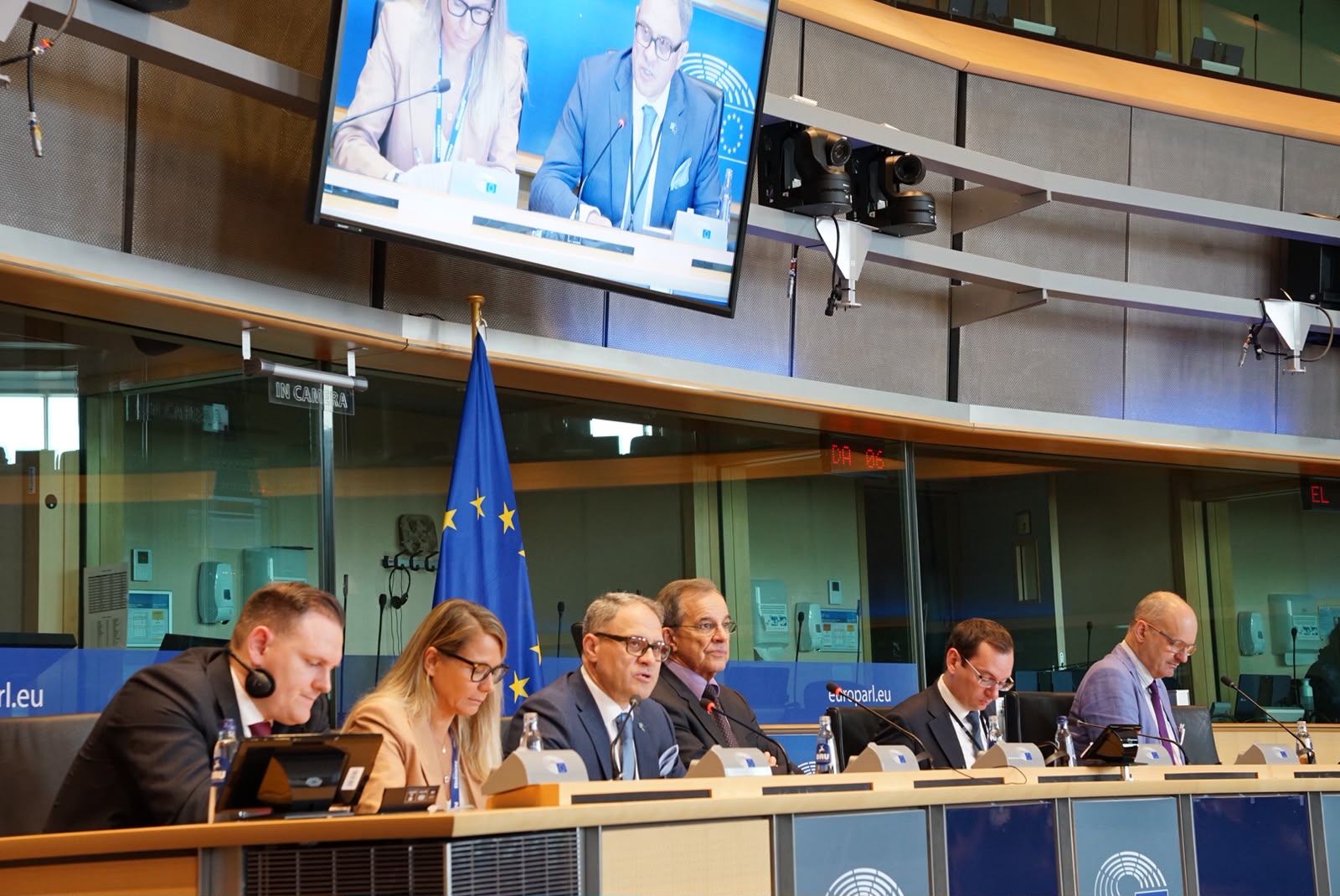
Brussels, June 11, 2026 – A roundtable discussion entitled “Kazakhstan’s New Political Modernization and the Future of the Kazakhstan–EU Strategic Partnership” was held at the European Parliament, bringing together Members of the European Parliament, diplomats, representatives of the expert community, think tanks, and media organizations to discuss the reforms being implemented in Kazakhstan and the prospects for further development of cooperation between Kazakhstan and the European Union.The event generated significant interest among European political and expert circles. Approximately 70 participants took part in the discussion, demonstrating the high level of attention being paid to the transformations taking place in Kazakhstan and the country’s role in fostering cooperation between Europe and Central Asia.Opening the event, the moderator of the discussion, Alberto Turkstra, Project Director at Diplomatic World, emphasized the importance of political dialogue between the European Union and Kazakhstan, as well as the country’s growing role in Central Asia.Thierry Mariani, Member of the European Parliament from France and former French Minister of Transport, highlighted the importance of strengthening interparliamentary cooperation and underscored Kazakhstan’s strategic role as one of the European Union’s key partners in Central Asia. He recalled first visiting Kazakhstan in 1993 and noted that he had witnessed the country’s remarkable transformation over the years.“Kazakhstan has come a long way in its political and economic modernization. Over the years, the country has achieved impressive results in economic development, state-building, and international cooperation,” the MEP stated. He emphasized that Kazakhstan is the European Union’s key trade and investment partner in Central Asia, while the EU holds the same position for Kazakhstan.Referring to the significance of Kazakhstan’s ongoing constitutional reform, Mr. Mariani stressed that an objective assessment of these developments can only be made through firsthand experience of the country. He encouraged participants to visit Kazakhstan to see the results of the reforms and the country’s dynamic development for themselves.Roman Vassilenko, Permanent Representative of the Republic of Kazakhstan to the European Union, stated that the large-scale political reforms initiated by President Kassym-Jomart Tokayev are aimed at strengthening state institutions, expanding citizens’ political participation, and increasing government transparency.According to him, a major milestone in this process was the successful nationwide referendum on the new Constitution held on March 15. The new Constitution, which will enter into force on July 1, further consolidates the democratization of the political system, strengthens checks and balances, expands the role of representative institutions, and reinforces the rule of law.The Ambassador noted that the referendum results reflect society’s desire for the consistent modernization of state institutions and more effective public administration, as well as clear support for the President’s vision of building a Just Kazakhstan.Virginie Joron, Member of the European Parliament from France and a member of the Parliament’s Delegation for Relations with Central Asia, noted that Kazakhstan’s constitutional reforms have attracted considerable interest within the European Parliament. According to her, the country continues to make progress in strengthening democratic institutions and improving public governance, developments that are welcomed by international partners.For his part, Tomasz Froelich, a Member of the European Parliament from Germany, welcomed the reforms and emphasized the strategic importance of Kazakhstan and Central Asia as a whole for the European Union, particularly in the context of energy security and the diversification of transport and logistics routes.Another speaker, Michel De Kemmeter, Professor at the Brussels School of Governance (VUB) and founder of the Brussels Club, highlighted Kazakhstan’s growing role in establishing sustainable transport and economic links between Europe and Asia. He paid particular attention to the importance of the Trans-Caspian International Transport Route (the “Middle Corridor”), cooperation in critical raw materials, and collaboration in higher education and science.During the substantive discussion, participants examined prospects for Kazakhstan–EU cooperation in transport and logistics, conventional and renewable energy resources, innovation, and research within the framework of the Horizon Europe programme.Particular attention was paid to the importance of strengthening people-to-people contacts. In this regard, the Ambassador of Kazakhstan emphasized the significance of the upcoming signing of the Horizontal Air Services Agreement between Kazakhstan and the European Union, as well as the substantial progress achieved in negotiations on visa facilitation for Kazakh citizens.The audience also warmly welcomed information about the constructive and dynamic development of cooperation within the Central Asian “Five” format, which is strengthening the region’s standing as an increasingly important actor in global political and economic affairs.At the conclusion of the event, participants noted that Kazakhstan’s political modernization is creating a solid foundation for further strengthening its strategic partnership with the European Union and opening new opportunities for long-term cooperation in the political, economic, and humanitarian spheres.Source : https://www.gov.kz/memleket/entities/mfa-brussels/press/news/details/1239845?lang=ru
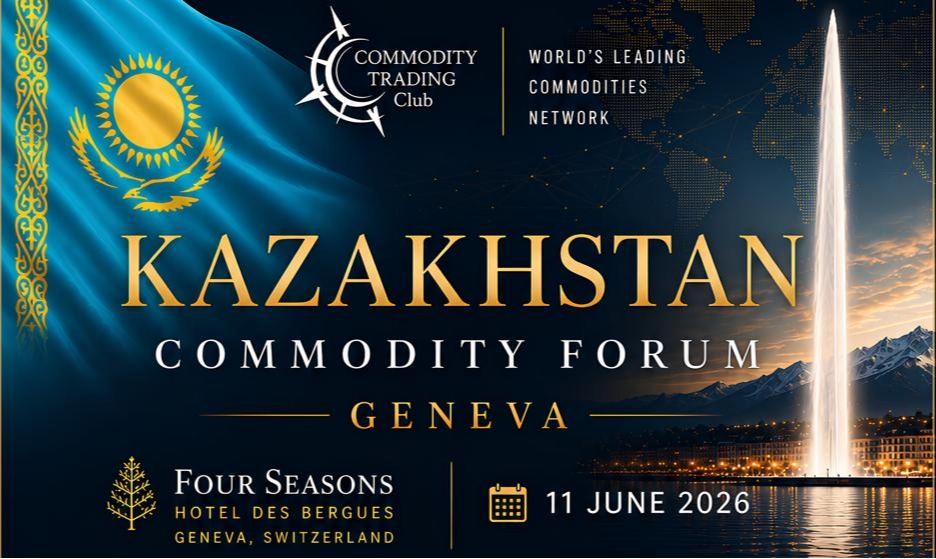
Kazakhstan Commodity Forum Brings Together Global Commodity and Investment Leaders in Geneva 02.07.2026
Geneva, 11 June 2026 – The inaugural Kazakhstan Commodity Forum took place in Geneva. The event was organized by the Commodity Trading Club with the support of the Permanent Mission of the Republic of Kazakhstan to the World Trade Organization (WTO) and the Embassy of the Republic of Kazakhstan to the Swiss Confederation.The Forum brought together more than 200 participants, including senior executives from leading global commodity trading houses, representatives of financial institutions, international organizations, the diplomatic corps, and Kazakhstan's national companies.The event was opened by Kairat Torebayev, Permanent Representative of the Republic of Kazakhstan to the WTO, Kairat Sarzhanov, Ambassador of the Republic of Kazakhstan to the Swiss Confederation, Julien Arbace, President of the Commodity Trading Club, and Vincent Subilia, Director General of the Geneva Chamber of Commerce, Industry and Services (CCIG) and President of the Swiss Chamber of Commerce and Industry.In their remarks, the speakers highlighted Kazakhstan's growing role as a key player in global commodity markets, a strategic transport and logistics hub across Eurasia, and a reliable partner for international business.The Forum brought together representatives of leading global companies and organizations, including Cargill, Bunge, Louis Dreyfus Company (LDC), ADM, COFCO, Ameropa, Gunvor Group, Trafigura, Mercuria, Olam, Phillips 66, SOCAR Trading, ING Bank, Goldman Sachs, Arab Bank, Bank of China, MSC, FIATA, SGS, SUISSENÉGOCE, CCIG, and other major players shaping the global agenda in commodity trading, logistics, and trade finance.The Kazakh delegation included senior representatives of Baiterek National Managing Holding, KazMunayGas, Qazaqstan Investment Corporation, and the Food Contract Corporation, as well as sectoral business associations and government agencies.Participants noted that Kazakhstan is the largest economy in Central Asia, accounting for approximately 60% of the region's GDP and attracting the highest volume of foreign direct investment among Central Asian countries.Kazakhstan holds leading positions in global commodity markets, producing around 40% of the world's uranium output and serving as a major exporter of crude oil, copper, ferroalloys, grain, flour, and gold. The country also possesses substantial reserves of critical minerals essential for the energy transition and advanced technologies.In 2025, Kazakhstan's foreign trade turnover reached nearly USD 144 billion, while non-resource exports exceeded USD 40 billion, reflecting the country's continued economic diversification and growing export potential.Particular attention was given to the development of the Trans-Caspian International Transport Route (Middle Corridor), which is rapidly emerging as one of the key freight corridors connecting Europe and Asia and strengthening Kazakhstan's position as a major Eurasian transit and logistics hub.The Kazakhstan Commodity Forum confirmed the strong interest of the international business community in Kazakhstan and Central Asia as promising destinations for trade, investment, and the development of new logistics routes.The Forum provided a platform for direct dialogue between government representatives, national companies, international traders, financial institutions, and logistics operators, creating opportunities for new projects and long-term partnerships.As noted by Permanent Representative K. Torebayev:“The story of Kazakhstan today is no longer simply a story of natural resources. It is a story of connectivity, investment, and new opportunities. Kazakhstan is becoming a vital link between Europe and Asia, while the Middle Corridor is emerging as a strategic route shaping the new architecture of Eurasian trade. For forward-looking businesses, Kazakhstan offers broad opportunities for cooperation across the entire value chain – from commodities and logistics to finance and industrial partnerships.”He also emphasized: “The Kazakhstan Commodity Forum was created not for protocol, but for practical dialogue and tangible business outcomes. We expect that the key results of today's gathering will be new investments, trade agreements, and long-term partnerships.”The inaugural Kazakhstan Commodity Forum demonstrated Geneva's unique role as a global center for commodity trading and highlighted significant opportunities for expanding economic cooperation between Kazakhstan and the international business community.Source : https://www.gov.kz/memleket/entities/mfa-wto/press/news/details/1239846?lang=ru
Arkalyk's 70th anniversary: large-scale projects are underway, ushering in a new phase of the city's development 02.07.2026
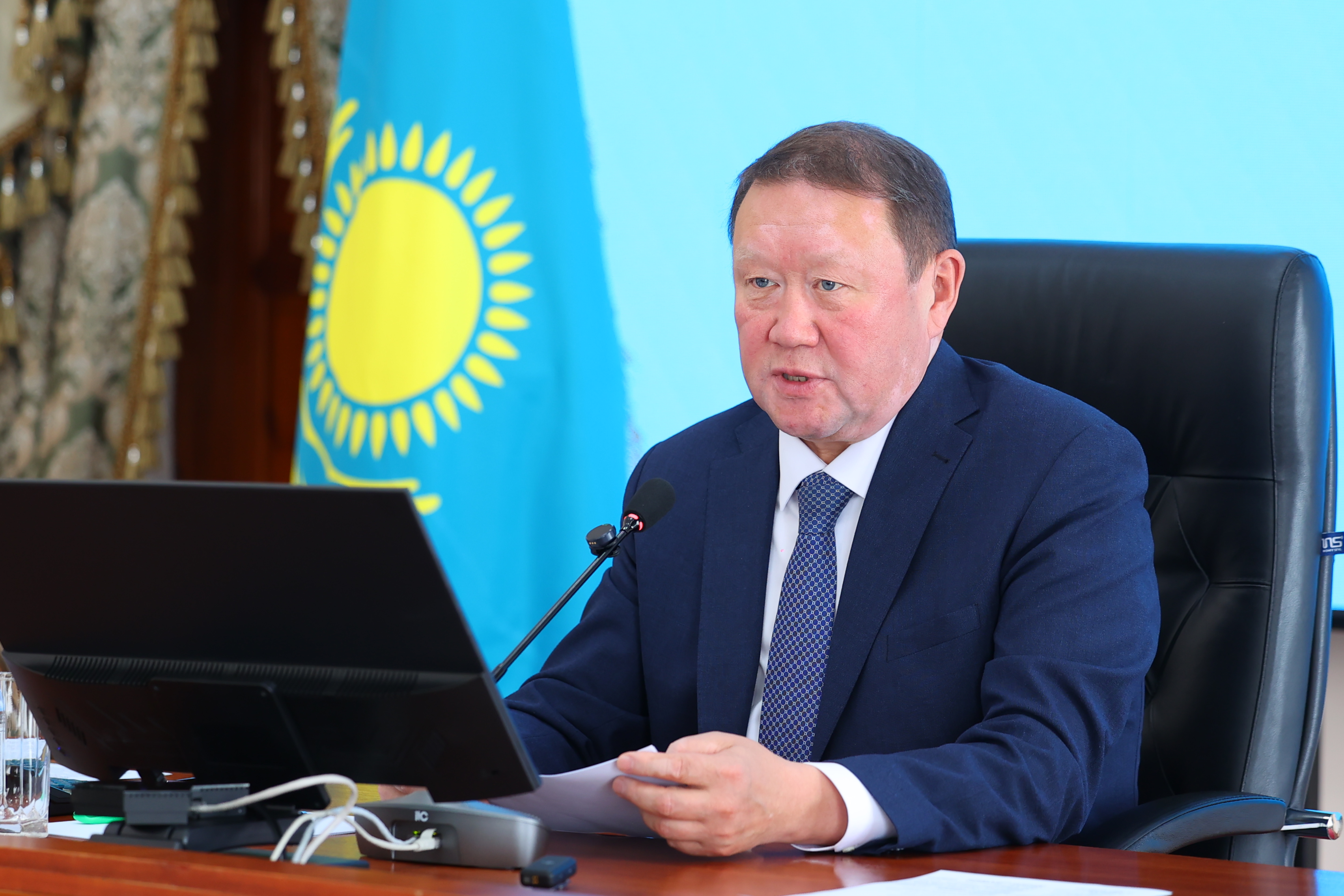
Ahead of the 70th anniversary of the city of Arkalyk, large-scale projects are being implemented in the region in the social, infrastructural, cultural, and economic spheres. During a working trip, the Akim (Governor) of the Kostanay region, Kumar Aksakalov, visited a number of important facilities and reviewed the progress of the ongoing projects.Organizing and holding the anniversary at a high level is an important milestone on the path of the city's formation and development. This anniversary is not just a festive date, but an important stage for reflecting on the path traveled, summarizing the work done, and determining future development directions.In his Address to the People of Kazakhstan dated September 8, 2025, President of the Republic of Kazakhstan Kassym-Jomart Tokayev noted that the development of the Torgay region should be in the special focus of the Government. Today, as part of the implementation of this instruction, large-scale projects for the development of the city are being implemented in Arkalyk."In recent years, the city's socio-economic indicators have shown steady growth. If in 2022 the budget of Arkalyk was 20.1 billion tenge, then in 2026 this figure reached 36.6 billion tenge, increasing 1.8 times. The funds are directed towards the development of education, healthcare, culture, sports, housing and communal services, engineering infrastructure, road construction, and improvement," noted the head of the region.A number of important projects have been implemented in the healthcare sector. In 2024, new paramedic-midwife stations were commissioned in the villages of Vostochnoye and Furmanova. The Arkalyk Regional Hospital was modernized into a multidisciplinary interregional hospital, and the major renovation of the maternity hospital building is nearing completion.Positive changes are also taking place in the field of education. In 2024, the first "Keleshek Mektebi" school in the region opened in Arkalyk. And in 2025, the Arkalyk Pedagogical Institute received university status. To expand its material and technical base, the building of the former agriculture department was converted into an academic building."Over the past three years, more than 30 social facilities have been renovated in the city. Housing construction is developing at an active pace. During this period, 20.8 thousand square meters of housing were commissioned. Last year alone, 9.5 thousand square meters of housing were built, which is 2.3 times more compared to 2022," said the regional Akim Kumar Aksakalov.Large-scale work is also being carried out in the field of sports. Last year, a wrestling hall, a boarding school for gifted children, and the "Kazakhstan" sports complex were commissioned. Currently, the renovation of the "Zhiger" stadium continues, and the construction of an indoor hockey rink is underway. Furthermore, a physical culture and health complex is being built with funds from the "Samruk-Kazyna" fund.To create conditions for systematic sports activities in courtyards, 43 sports grounds have been built.The cultural infrastructure is also developing consistently. The major renovation of the house of culture in the village of Ashutasty is nearing completion.In the direction of developing road infrastructure, 56 kilometers of roads have been repaired in recent years. As a result, 40 streets have been updated and 29 new bus stops have been installed.Transport infrastructure plays an important role in increasing the city's economic potential. In this regard, a section of the road to the Ulytau region has been repaired. Additionally, the construction of a new highway in the direction of Arkalyk - Torgay - Irgiz continues.To improve the region's transport accessibility, work is underway to restore the Arkalyk airport. The project to reconstruct the railway station is also nearing completion.To increase the city's investment attractiveness, a decision was made to create an industrial zone. This will allow for the placement of new production facilities, attracting investments, and creating new jobs.The modernization of utility infrastructure continues. Water supply networks have been updated in Arkalyk and the settlement of Severnoye, and new water supply systems have been built in the villages of Molodezhnoye and Ushtobe. In 2025, 1.6 kilometers of heating networks were restored. In the future, it is planned to repair 39 kilometers of sewer networks.To improve the city and enhance the quality of life for residents, several streets have been illuminated, with poles and 100 lamps installed. Over the past three years, the external appearance of 65 residential buildings has been improved. This year, the facades of another 25 apartment buildings will be updated. If 10 houses were renovated in 2022, last year this figure reached 67 houses.As part of the development of digital infrastructure, new base stations have been commissioned in the villages of Zhankala, Ekidin, Molodezhnoye, Angarskoye, Ashutasty, Zhalgyzgal, Rodina, and Tselinnoye, providing residents with quality internet access.Ahead of the 70th anniversary of Arkalyk, the state is creating all conditions for the further development of the region. At the same time, the social responsibility of business is also of particular importance. In this regard, it is important to attract entrepreneurs and patrons to actively participate in the implementation of social and infrastructure projects.This refers to initiatives such as the improvement of public spaces, repair and modernization of social facilities, support for educational, cultural, and sports organizations, landscaping of territories, construction of children's and sports playgrounds, aimed at improving the quality of life of the population."The events held as part of the 70th anniversary of Arkalyk should not only give a festive mood to the residents and guests of the city but also contribute to the broad promotion of the city's achievements and potential, demonstrating its investment and tourism opportunities. Clean streets, improved courtyards, renovated buildings, and comfortable public spaces form the new image of Arkalyk and create the foundation for its bright future," emphasized the head of the region.The head of the region instructed all institutions and organizations responsible for preparing and holding the anniversary events to perform their assigned tasks with quality and in a timely manner and to ensure readiness to receive the city's guests at the highest level. Source : https://www.gov.kz/memleket/entities/kostanay/press/news/details/1239820?lang=ru
Kazakhstan moves to retain IT sector tax incentives through 2045 02.07.2026
The Ministry of Artificial Intelligence and Digital Development has initiated efforts to establish lasting conditions for the growth of technology entrepreneurship in the country.As part of its digital economic transformation strategy, the Ministry is developing a post-2028 support framework for Astana Hub participants, with a planning horizon extending to 2045.The initiative aims to create a predictable and competitive business environment that will strengthen Kazakhstan's position as a leading regional IT hub. The long-term vision for sector development through 2045 takes into account global AI trends, the scalability of export potential, and the need to attract high-technology investment.Astana Hub has demonstrated its effectiveness as a driver of the digital economy. Accordingly, the Ministry's objective is not merely to sustain existing momentum, but to achieve a qualitative leap - building conditions under which every IT company operating in Kazakhstan can plan with decades-long confidence.To date, the Astana Hub ecosystem has recorded steady growth: 2,268 companies are registered within the hub, 35,000 highly skilled jobs have been created, 438 billion tenge in investment has been attracted, and the export volume of Kazakhstani IT solutions has reached USD 1.9 billion.The Ministry of Artificial Intelligence and Digital Development is currently conducting systematic analytical and advisory work alongside expert community representatives and relevant government agencies, focused on reviewing and adapting existing support mechanisms. Priority is placed on cultivating a distinctive environment for innovators, developing human capital, and advancing AI-driven solutions.The development of a long-term strategy for Astana Hub represents a priority direction of state policy, aimed at positioning Kazakhstan among the world's most attractive jurisdictions for technology business. Source : https://www.gov.kz/memleket/entities/maidd/press/news/details/1239782?lang=ru

Pupils of the military-patriotic club "Umit" will represent Astana at the international training camp "Aibyn" 02.07.2026
Source : https://www.gov.kz/memleket/entities/mod/press/news/details/1239748?lang=ru
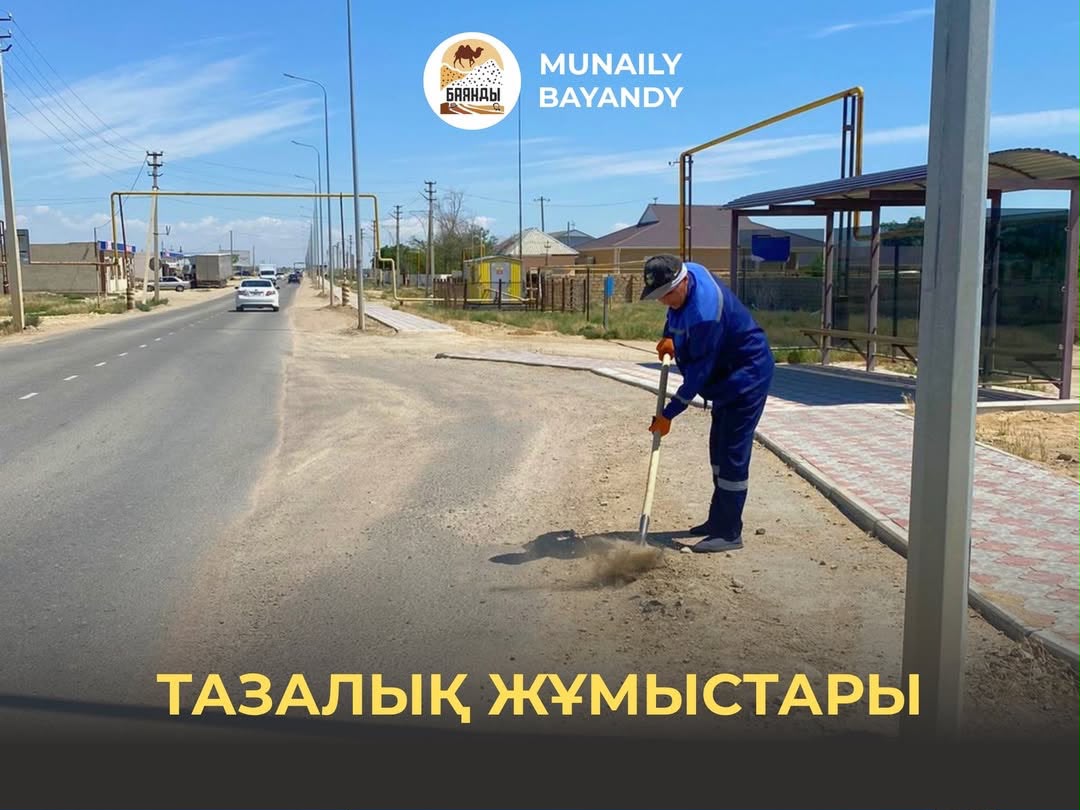
The bus stop area has been cleaned 02.07.2026
In order to ensure the sanitary cleanliness of the village, cleaning work was carried out at the bus stop. During the work, household waste and garbage were collected and removed from the territory. In addition, mounds of soil were cleared at the bus stop and the territory was put in order.Cleaning and landscaping work will continue on an ongoing basis.️ ️ The press service of the akim's office of Bayanda village.Source : https://www.gov.kz/memleket/entities/mangystau-munaily-bayandy/press/news/details/1239680?lang=ru
Financial control measures 02.07.2026
In order to implement financial control measures, the persons defined in this article shall submit the following declarations of individuals:-declaration of assets and liabilities;-income and property declaration.The declaration of assets and liabilities is presented by:- candidates for President of the Republic of Kazakhstan, deputies of the Parliament of the Republic of Kazakhstan and maslikhats, akims of districts, cities of regional significance, cities of district significance, towns, villages, rural districts, as well as members of elected local governments and their spouses – before registering as a candidate;- persons who are candidates for a public position or a position related to the performance of state or equivalent functions, and their spouses, with the exception of the persons specified in subparagraph 1) of this paragraph, until the issuance of an act of an official (body) authorized to appoint to the position, on appointment to the position (as of on the first day of the month of submission of the declaration).The declaration of income and property is submitted by:- persons holding responsible government positions and their spouses;- persons authorized to perform government functions and their spouses;- officials and their spouses;- persons equated to persons authorized to perform state functions and their spouses.Source : https://www.gov.kz/memleket/entities/kgd-astana/press/news/details/1239685?lang=ru
Changes to Budget Legislation Discussed at CSR 02.07.2026
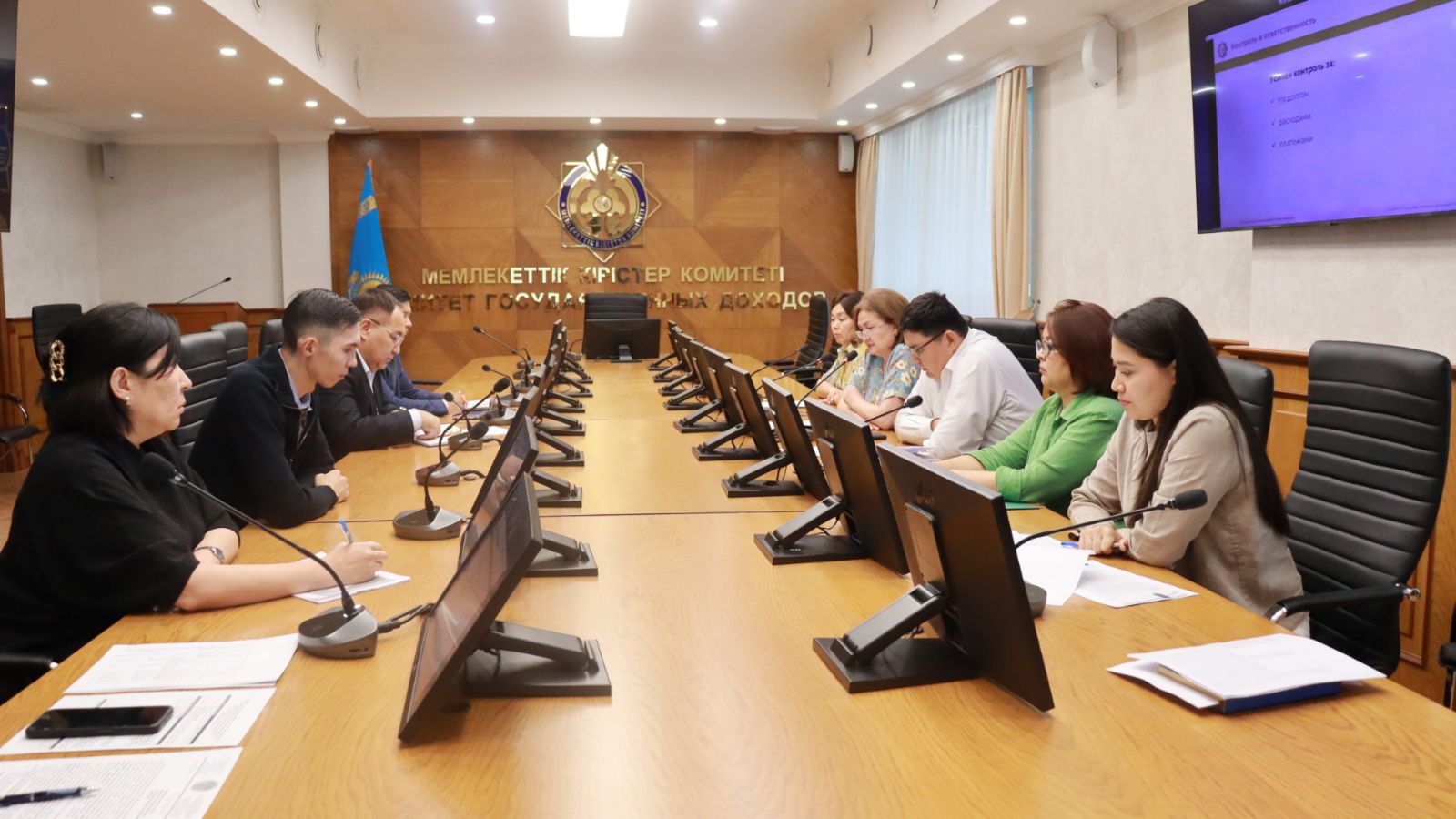
On June 10, 2026, a seminar dedicated to the recent changes in the budget legislation of the Republic of Kazakhstan was held at the Committee of State Revenues (CSR). Participants included representatives from the financial departments of state revenue agencies, as well as specialists from the Department of Development of Technical Infrastructure and Financial Provisioning of CSR. During the seminar, the main provisions of the new Budget Code of the Republic of Kazakhstan were discussed, along with questions related to planning and forming budget requests, as well as amendments to normative legal acts regulating the budget process. A particular focus was given to the practical application of the new legislative norms and improving the efficiency of budget planning. Participants received necessary clarifications regarding the innovations and discussed issues arising during their implementation. Holding such events contributes to the timely introduction of legislative changes and enhances the quality of budget management. Source : https://www.gov.kz/memleket/entities/kgd/press/news/details/1239666?lang=ru
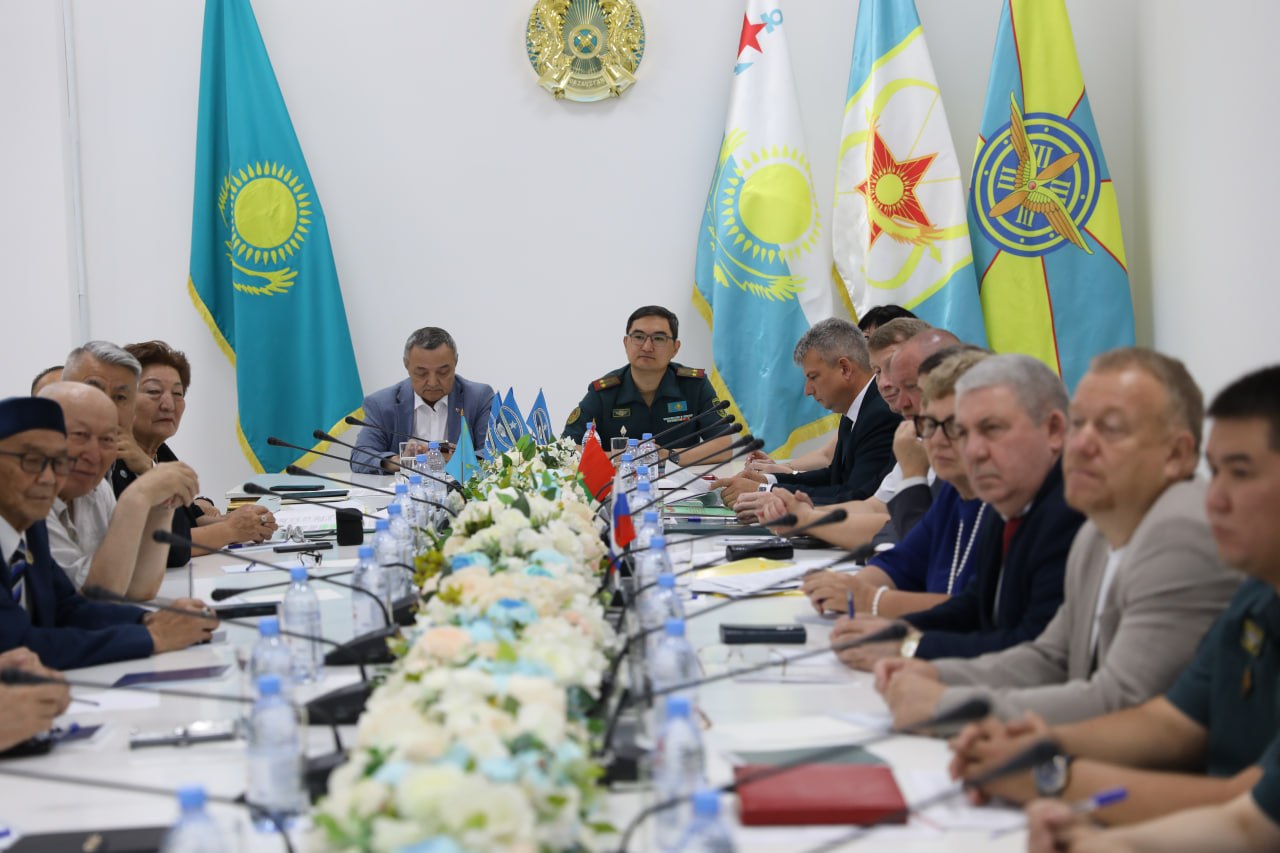
Trade unions from Kazakhstan, Russia, and Belarus discussed the protection of labor rights for civilian personnel of the Armed Forces. 02.07.2026
Source : https://www.gov.kz/memleket/entities/mod/press/news/details/1239669?lang=ru
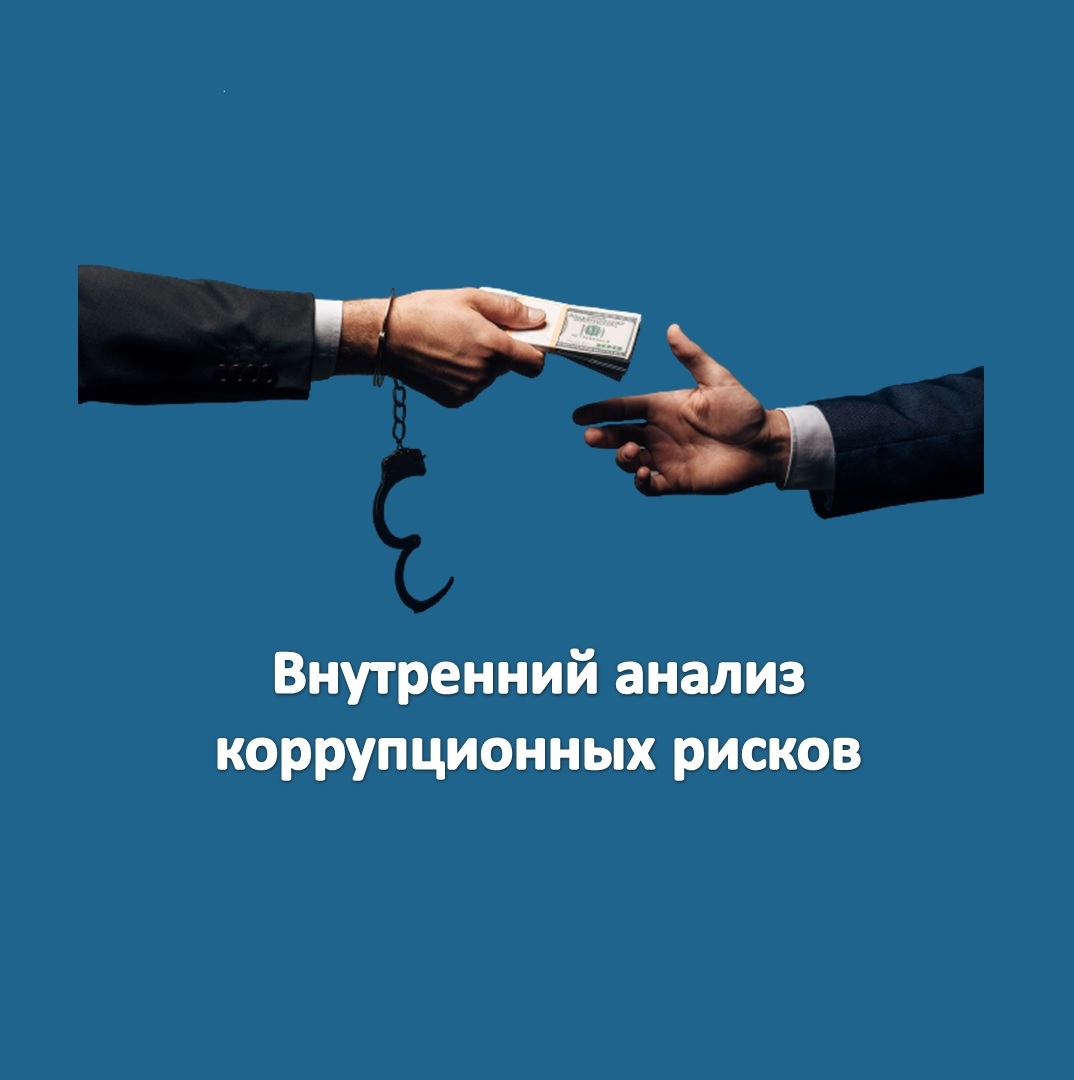
Analytical report on the results of the internal analysis of corruption risks in the activities of the Republican State Institution «Main Dispatch Department of the State Revenue Committee of the Ministry of Finance of the Republic of Kazakhstan» 02.07.2026
I. INTRODUCTORY SECTION In accordance with Paragraph 5 of Article 8 of the Law of the Republic of Kazakhstan "On Combating Corruption", Order No. 12 of the Chairman of the Agency of the Republic of Kazakhstan for Civil Service Affairs and Anti-Corruption dated October 19, 2016 "On Approval of the Model Rules for Conducting Internal Analysis of Corruption Risks", as well as Order No. 55 of the Head of the Republican State Institution "Main Dispatch Department of the State Revenue Committee of the Ministry of Finance of the Republic of Kazakhstan" dated April 10, 2026 "On Conducting Internal Analysis of Corruption Risks in the Activities of the Republican State Institution 'Main Dispatch Department of the State Revenue Committee of the Ministry of Finance of the Republic of Kazakhstan'", an internal analysis of corruption risks was conducted in the activities of the Republican State Institution "Main Dispatch Department of the State Revenue Committee of the Ministry of Finance of the Republic of Kazakhstan" (hereinafter referred to as the MDD). The internal analysis of corruption risks was conducted by the working Group consisting of: Head of the working Group – Deputy Head of the MDD D.S. Nasyrov; members of the working Group: Head of the Management «Sitation Center» of the MDD D.O. Tlekeev, Head of the «Electronic Declaration Center» Department of the MDD B.N. Ispanov, Head of the Monitoring of customs declaration Department of the MDD G.A. Aliaskharova, Head of the Administration Department of the MDD S.S. Saurambayeva, Head of the Human Resources and Organizational Affairs Department of the Administration Department of the MDD U.A. Akhmetova, Head of the Legal Department of the MDD M.S. Asanbaeva. The internal analysis of corruption risks was conducted from April 17, 2026, to June 3, 2026. II. DESCRIPTIVE SECTION 1. Legal Acts and Internal Documents Regulating the Activities of State Revenue Bodies Description of Corruption Risk: During the analysis of the regulatory legal acts and internal documents governing the activities of the MDD, no discretionary powers and provisions conductive to the commission of corruption offenses were identified. 2. Human Resources Management Description of Corruption Risk: As of April 1, 2026, the total authorized staffing level of MDD is 134 positions (the actual headcounts is 117 employees). During the period from April 1, 2025, to April 1, 2026, there were 22 employees were dismissed, including:voluntary resignation – 15;transfer to another state body – 5;other reasons – 2. In the period from April 1, 2025, to April 1, 2026, 20 employees of MDD were subjected to disciplinary action. No offenses discrediting the civil service were recorded, and no civil servants were held disciplinary liable for violating the provisions of the Code of Ethics for Civil Servants within the MDD. No corruption risks were identified in the area of human resources management during the period of the internal risk analysis of the MDD's activities. 3. Resolution of Conflicts of Interest Description of Corruption Risk: During the period from April 1, 2025, to April 1, 2026, no notifications were received from civil servants to their immediate supervisors or the management of the MDD regarding an arisen conflict of interest or the possibility of its occurrence. No instances of conflicts of interest involving the employees of the MDD in the performance of their official duties were identified. The Ethics Commissioner of the MDD, Deputy Head B.A. Ainakulov, regularly conducts explanatory activities among civil servants aimed at compliance with the requirements of the Code of Ethics and legislation of the field of civil service, including matters concerning conflicts of interest. No corruption risks were identified regarding the resolution of conflicts of interest during the period of the internal risk analysis of the MDD's activities. 4. Provision of Public Services Description of Corruption Risk: «Electronic Declaration Center» Department of the MDD provided 247 293 state services, including 124 215 for individuals and 123 078 for legal entities during the period from April 1, 2025, to April 1, 2026. All services were provided in electronic format. Furthermore, the public services rendered by the «Electronic Declaration Center» Department were provided within the established timeframes for the release of goods, pursuant to Article 119 of the Customs Code of the Eurasian Economic Union. Thus, 130 638 GDs (53%) were released within the first 4 hours from the moment of registration, 38 562 GDs (16%) were released within 24 hours, 76 088 GDs (31%) were released within a time limit of up to 10 working days, and 2 005 GDs (0,8%) were released in a period exceeding 10 working days due to customs expert examination and inspection. No corruption risks were identified regarding the provision of public services in the activities of the MDD. 5. Execution of Permissive Functions Description of Corruption Risk: No corruption risks were identified regarding the execution of permissive functions during the period of the internal risk analysis of the MDD's activities. 6. Execution of Control Functions Description of Corruption Risk: No corruption risks were identified in the area of the execution of control functions by the MDD. 7. Allocation and Distribution of Budgetary and Financial Funds Description of Corruption Risk: No corruption risks were identified in the area of the allocation and distribution of budgetary and financial funds of the MDD. 8. Conclusion of Contracts with Individuals and Legal Entities Description of Corruption Risk: The total number of contracts concluded through the MDD state procurement portal during the period from April 1, 2025, to April 1, 2026 is 36, of which 15 were concluded with individuals and 28 with legal entities. No corruption risks were identified in the area of the conclusion of contracts with individuals and legal entities by the MDD. 9. Development and Operation of Information Systems Description of Corruption Risk: Pursuant to Paragraph 1 of Article 410 of the Code of the Republic of Kazakhstan "On Customs Regulation in the Republic of Kazakhstan" dated December 26, 2017, No. 123-VI LRK (hereinafter referred to as the Code), if the submission of a customs declaration was not accompanied by the presentation of documents confirming the information declared in the customs declaration, the customs authority is entitled, in respect of the information under verification, to request from the declarant the documents, the details of which are specified in the customs declaration. The request for documents and information shall be sent in the following cases: 1) specified by the risk management system; 2) when information regarding the documents confirming the origin of goods, compliance with prohibitions and restrictions, and (or) information therefrom cannot be obtained by the customs authority in accordance with Paragraph 2 of Article 146 of the Code. Thus, due to the fact that the request is currently filled out in hard copy, after which the scanned request signed by an authorized official is attached to the Information System (IS), and the request for each document is filled out manually in the IS by an employee, there arises a risk of failure to send the request within the established time limit. Risk Mitigation Recommendations: To automate the process at the level of an automated request generated by the IS without the intervention of an authorized official. Expected Result: Elimination of violations of customs legislation by authorized officials. According to the response from the State Revenue Committee of the Ministry of Finance of the Republic of Kazakhstan № КГД-14-1-12/12483-ВН dated May 26, 2026, an automated process for sending requests for documents and information has currently been implemented in the "KEDEN" IS, pursuant to Paragraph 1 of Article 410 of the Code of the Republic of Kazakhstan "On Customs Regulation in the Republic of Kazakhstan," without the intervention of an authorized official. This mechanism allows for the minimization of corruption risks by eliminating the human factor and ensuring the transparency of the process. 10. Other Matters Arising from Organizational and Management Activities Description of Corruption Risk: No corruption risks were identified regarding other matters arising from the organizational and management activities of the MDD. Source : https://www.gov.kz/memleket/entities/kgd-gdu/press/news/details/1239636?lang=ru
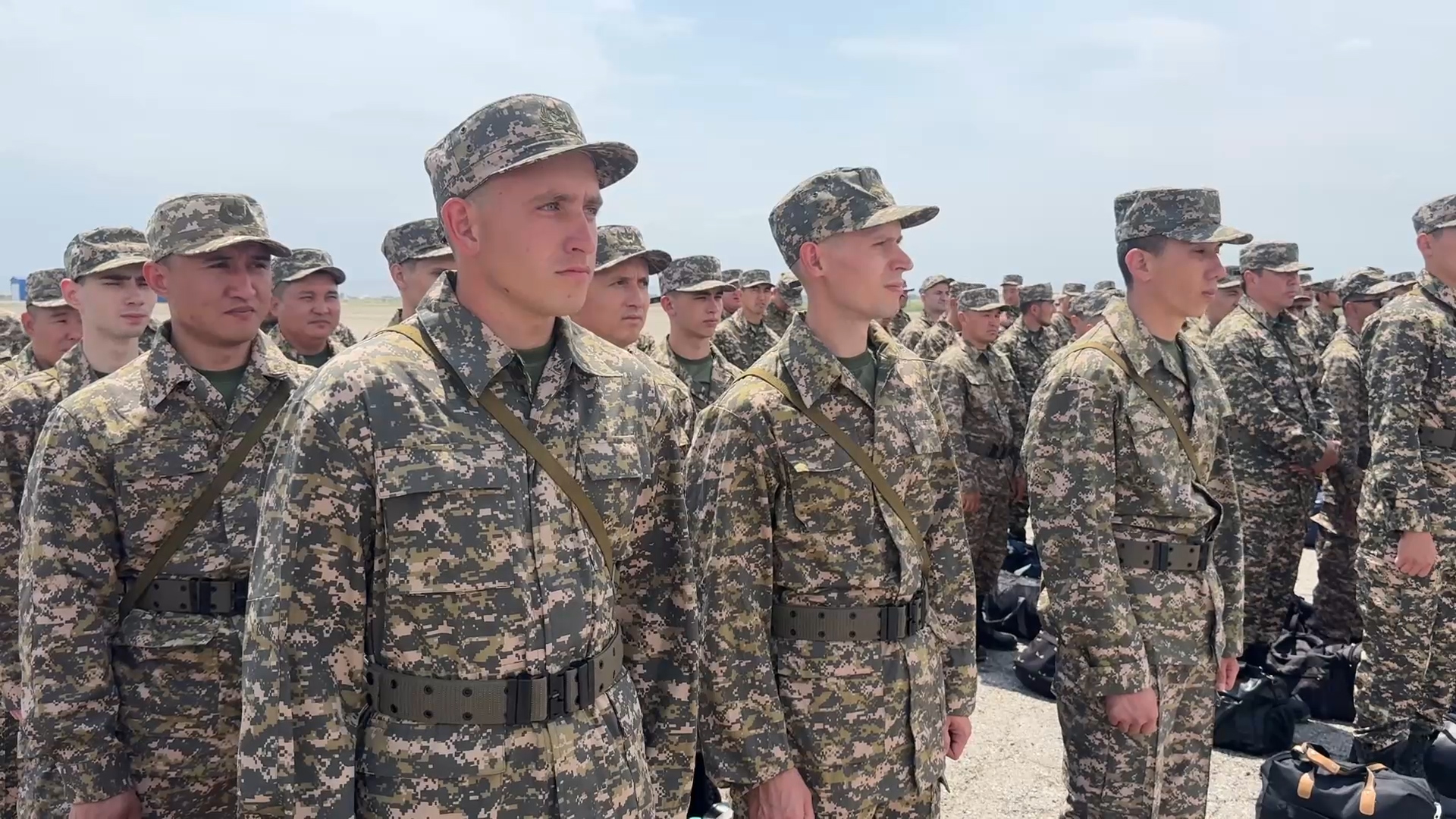
In the Zhambyl region, 120 military personnel will be trained as UAV operators. 02.07.2026
Source : https://www.gov.kz/memleket/entities/mod/press/news/details/1239613?lang=ru
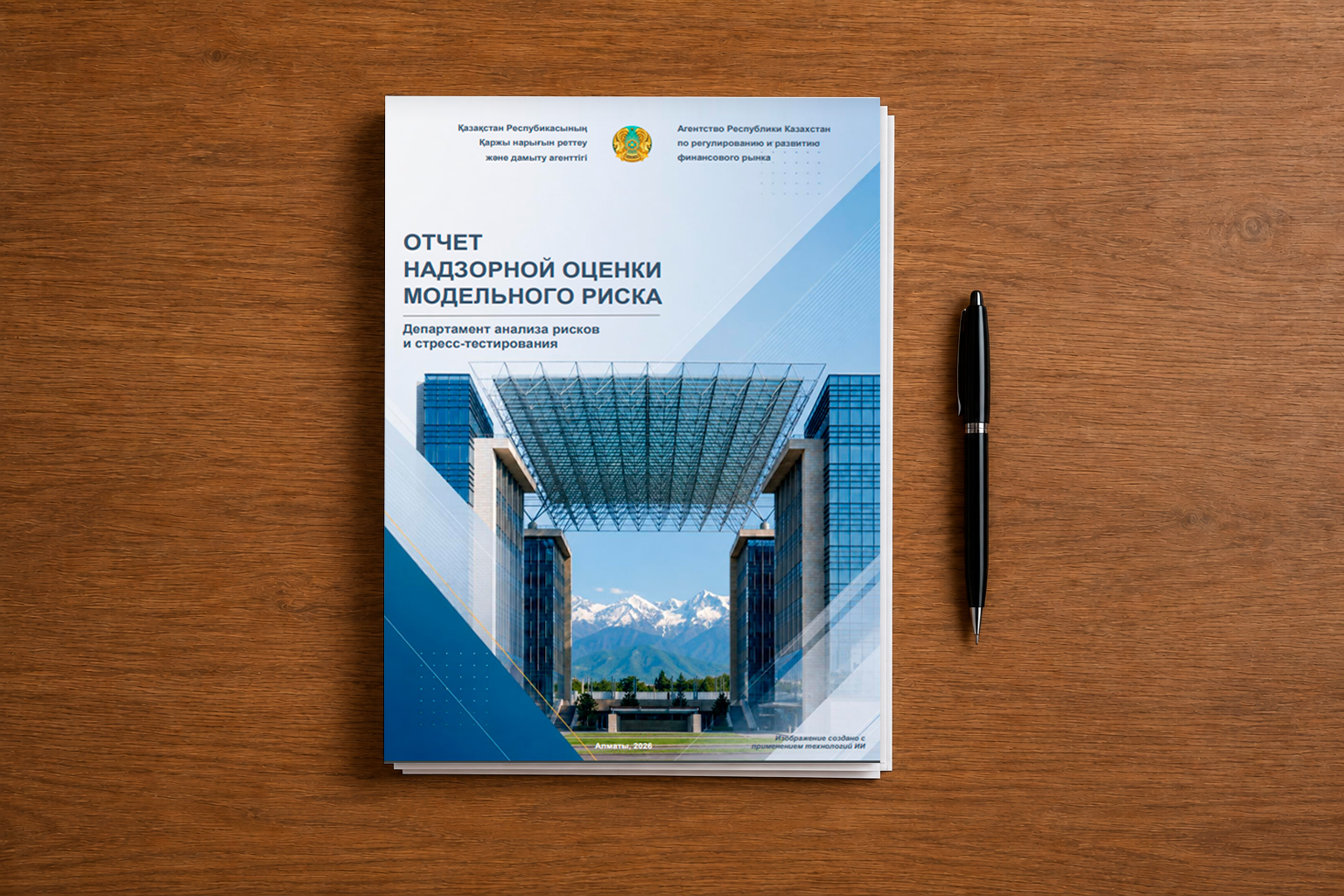
The Agency has published the results of the first supervisory assessment of model risk 02.07.2026
The Agency for the Regulation and Development of the Financial Market has published a report on the results of the first supervisory assessment of the model risk management system at second-tier banks.The assessment represented the next step in the development of risk-based supervision, along with the SREP, the Asset Quality Review (AQR) and supervisory stress testing. The assessment was conducted to determine the maturity level of model risk management systems and included an analysis of approaches within the three lines of defense, as well as independent validation of individual models.The report outlines the approaches and principles used in the assessment, presents the results of the analysis of the current state of model risk management systems at selected banks, and sets forth the Agency’s supervisory expectations regarding the establishment of an effective model risk management system.The assessment found that, at the banks covered, the model risk management systems are at a formative stage and require further development in the areas of corporate governance, independent oversight and model validation processes.The Agency’s supervisory expectations take into account the growing use of quantitative models in banking activities and cover both traditional models and those based on machine learning and artificial intelligence methods. These expectations are formulated in accordance with leading international standards and best practices.The publication of the report aims to enhance the transparency of the Agency’s supervisory approaches in the area of model risk, foster dialogue with market participants, and establish common guidelines for the banking sector. External Communications Office press@finreg.kzSource : https://www.gov.kz/memleket/entities/ardfm/press/news/details/1239600?lang=ru