News

New Requirements for the Content of Cash Register Receipt 28.08.2026
Starting from 2026, mandatory requirements for cash register receipts have been updated to automate fiscal accounting. Receipts must now additionally include: the name of the product in strict accordance with the Product Code Nomenclature; the product identification code; and digital identification means for goods subject to mandatory labeling.Entrepreneurs will no longer need to enter product names manually — it will be sufficient to scan the barcode. All data has already been entered into the state database and is automatically retrieved through the services of fiscal data operators.The State Revenue Department for Almaty recommends checking cash register equipment and, if necessary, updating the software through cash register suppliers or fiscal data operators.Please be reminded that issuing a receipt that does not comply with the approved requirements entails administrative liability.Source : https://www.gov.kz/memleket/entities/kgd-almaty/press/news/details/1282104?lang=ru
Correctness of filling out tax reporting when obligations arise for local taxes payable to LSG codes 28.08.2026
Correctness of filling out tax reporting when obligations arise for local taxes payable to LSG codesIn accordance with Article 27 of the Budget Code of the Republic of Kazakhstan dated March 15, 2025, No. 171-VIII, certain types of tax revenues and payments are credited to the budgets of a town of district significance, village, settlement, or rural district.Such revenues include: personal income tax on income subject to self-taxation by individuals; property tax on individuals; land tax on lands of populated areas; vehicle tax; fee for the use of land plots; fee for placing outdoor (visual) advertising; mineral extraction tax on common minerals, groundwater, and therapeutic mudsImportance of a properly completed tax reportingIn accordance with the requirements of the Budget Code, tax reporting forms provide for the specification of the BIN of offices of akims of rural districts.When filling out tax reporting, it is necessary to ensure the correct reflection of the place where the tax obligation arose and the corresponding local self-government (hereinafter - the LSG) code, as well as the BIN of the beneficiary akim’s office.Special attention should be paid to the annexes to tax forms, which specify details for specific objects of taxation and the corresponding administrative-territorial unit.An erroneous specification of the LSG code, BIN of the akim’s office, or location of the object may lead to the calculated amount being reflected under the wrong administrative-territorial unit. This, in turn, creates a risk of incorrect distribution of revenues between local budgets.Thus, when filling out tax reporting, it is necessary to check not only the accuracy of calculating the tax or payment amount, but also the correctness of territorial details associated with the object of taxation. In doing so, one should be guided by the current norms of the Tax Code of the Republic of Kazakhstan, the Budget Code of the Republic of Kazakhstan, as well as the effective tax reporting forms approved by Order of the Minister of Finance of the Republic of Kazakhstan No. 695 dated November 12, 2025.Source : https://www.gov.kz/memleket/entities/kgd-vko/press/news/details/1282121?lang=ru
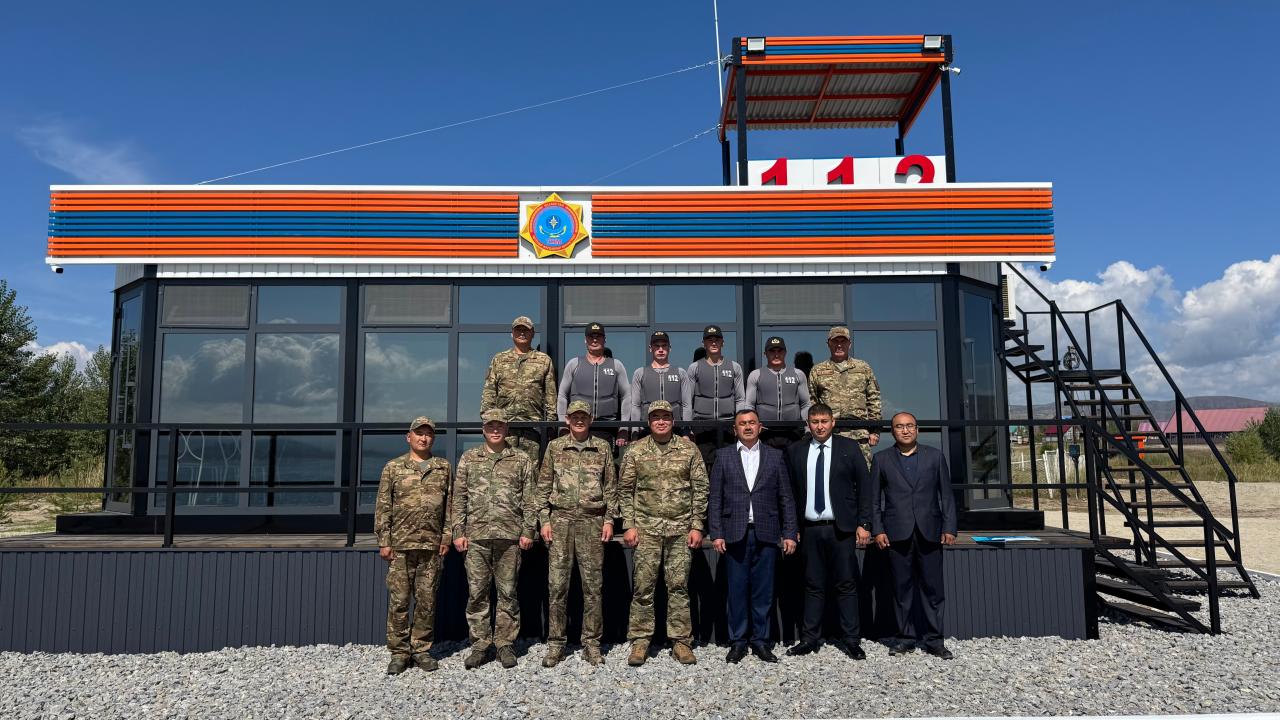
A New Rescue Station Has Opened on the Bukhtarma Reservoir 28.08.2026
A new rescue station of the Ministry of Emergency Situations of the Republic of Kazakhstan has opened on the coast of the Bukhtarma Reservoir in the village of Goluboy Zaliv, Altai District, East Kazakhstan Region.The Bukhtarma Reservoir is one of the most popular tourist destinations in East Kazakhstan. Every year, more than 70,000 holidaymakers visit its coast. Including the bays, the recreation area stretches for approximately 40 km, with dozens of large and small recreation facilities and hundreds of other tourism infrastructure facilities located along it.The new modular rescue station is designed for round-the-clock duty. The facility is equipped with an observation post, a rescue tower, working and utility rooms, lighting and power supply systems.To improve the efficiency of rescue operations, modern boats, communication equipment, specialized equipment and the necessary gear have also been provided.The development of modern rescue infrastructure will improve the efficiency of emergency response and provide an additional level of safety for tourists and holidaymakers during periods of high visitor numbers at the reservoir.Infrastructure development and ensuring safety are among the key areas of work aimed at improving the quality of tourism services along the coast of the Bukhtarma Reservoir.The opening of the new rescue station will strengthen continuous monitoring of holidaymakers’ safety and improve the readiness of emergency services to respond promptly to possible incidents.Photos provided by the Press Service of the Ministry of Emergency Situations of the Republic of Kazakhstan.Source : https://www.gov.kz/memleket/entities/tourism-vko/press/news/details/1282130?lang=ru
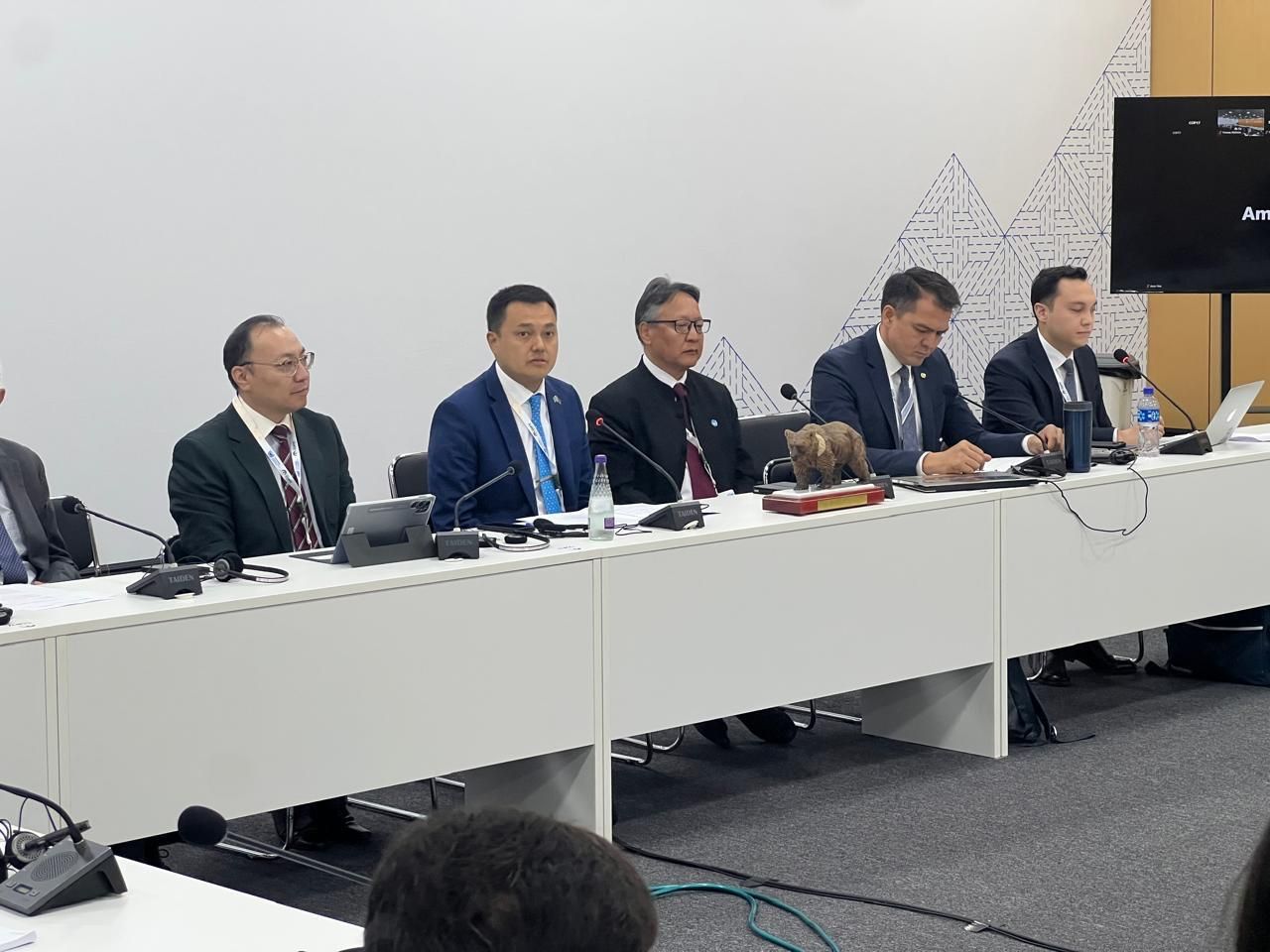
Kazakhstan actively participated in the COP17 events held in Ulaanbaatar 28.08.2026
Ulaanbaatar, August 28, 2026 – From 17 to 28 August 2026, Ulaanbaatar hosted the 17th Conference of the Parties to the United Nations Convention to Combat Desertification (COP17), bringing together representatives of more than 190 countries.The delegation of Kazakhstan took an active part in the work of the Conference and its associated events, which focused on environmental protection, preventing land degradation, the sustainable use of water resources, and strengthening multilateral cooperation and international dialogue in these areas.One of the key events featuring Kazakhstan was the side event entitled “Strengthening Global Water Governance to Address Desertification, Land Degradation and Drought,” held on the margins of COP17. The event was aimed at advancing the initiative of President of the Republic of Kazakhstan Kassym-Jomart Tokayev to establish an International Water Organization under the auspices of the United Nations. The event brought together 14 speakers and more than 100 delegates.Mr. Z. Batbayar, Head of the Water Agency, an implementing agency of the Government of Mongolia, and Dr. D. Baasandorj, a prominent expert in the field of water resources, highlighted the timeliness and relevance of the initiative put forward by the President of Kazakhstan and expressed their full support for it. Representatives of other countries and international organizations also underscored the need to further strengthen multilateral cooperation in the water sector.In addition, at Kazakhstan’s initiative, COP17 hosted a side event entitled “From the Regional Environmental Summit to UNFCCC COP31: Advancing Land Restoration, Biodiversity Conservation and Climate Resilience under the Rio Conventions.”Representatives of the relevant government agencies of the Republic of Kazakhstan also participated in COP17. Vice Minister of Agriculture of the Republic of Kazakhstan N.Khatepova delivered remarks at the high-level opening ceremony of the Conference.Ambassador Extraordinary and Plenipotentiary of the Republic of Kazakhstan to Mongolia A.Seitakynov took part in a number of COP17 events, presenting Kazakhstan’s approaches to combating desertification and land degradation, as well as to the sustainable use of water resources, to the international community.Kazakhstan consistently advocates for joining the efforts of the international community in the field of environmental protection and for strengthening multilateral cooperation. We will continue our systematic work to advance relevant initiatives and promote practical cooperation on international platforms.Source : https://www.gov.kz/memleket/entities/mfa-ulaanbaatar/press/news/details/1282083?lang=ru
VAT for organizations of persons with disabilities 28.08.2026
According to subparagraph 7) of Article 474 of the Tax Code, turnovers on the sale of goods, work, and services which place of realization is the Republic of Kazakhstan are exempt from value-added tax if, in the tax period in which the sale was executed, as well as for the four preceding tax periods, the following conditions are met simultaneously:- the average number of persons with disabilities is at least 51 percent of the total number of employees;- salaries of persons with disabilities are at least 51 percent of total payroll expenses total expenses for payment for labour.At the same time, the provisions of this subparagraph apply if the number of employees who are persons with disabilities is at least 10 people, and the production of goods, provision of services, or execution of work was carried out with the participation of such employees.Thus, turnovers from the sale of goods, work, and services are exempt from VAT and are not taken into account when determining the size of the turnover for mandatory VAT registration only if the conditions provided for in subparagraph 7) of Article 474 of the Tax Code are met simultaneously. Source : https://www.gov.kz/memleket/entities/kgd-vko/press/news/details/1282063?lang=ru
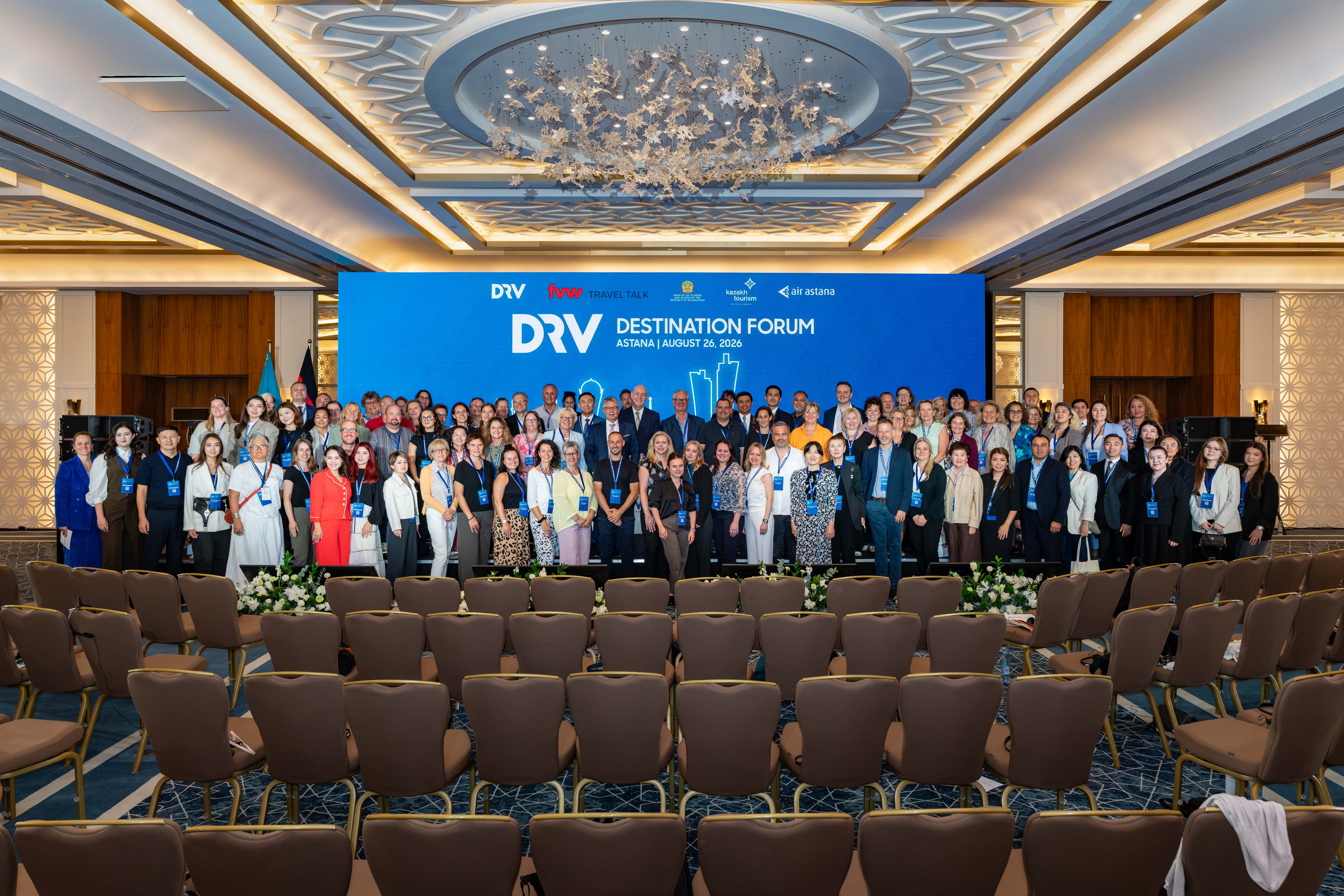
East Kazakhstan Strengthens Cooperation with the German Tourism Business 28.08.2026
East Kazakhstan Region continues its work to promote the region’s tourism potential in international markets and develop cooperation with foreign representatives of the tourism industry.One of the priority areas in 2026 was expanding cooperation with the German tourism business.In March 2026, a delegation from East Kazakhstan Region took part in the international tourism exhibition ITB Berlin, where the region’s tourism opportunities were presented and business meetings were held with representatives of the German tourism business.As a continuation of this work, from 21 to 25 August 2026, a delegation of German tour operators visited East Kazakhstan Region. As part of the familiarization visit, the guests explored the tourism potential of Ridder, Altai, Katon-Karagay District, Bukhtarma Reservoir and other tourist areas of the region.Particular attention during the visit was paid to the opportunities for developing mountain, ecological, adventure and winter tourism, as well as prospects for promoting regional tourism products in the German market.On 26 August 2026, the DRV Destination Forum 2026 was held in Astana — one of the key events of the German tourism industry. For the first time, Kazakhstan hosted the forum, which brought together around 130 participants, including 69 representatives of Germany — heads and representatives of leading tour operators, travel agencies, industry associations and specialized media.As part of the forum, the East Kazakhstan delegation presented the region’s tourism potential and discussed with representatives of the German tourism industry prospects for further cooperation, the development of direct business contacts and the promotion of the region’s tourism products.Consistent work, including participation in ITB Berlin, the organization of a familiarization visit of German tour operators to East Kazakhstan and participation in the DRV Destination Forum 2026, creates additional opportunities for the international promotion of the region, expanding business ties and increasing inbound tourist flows.East Kazakhstan continues its work to develop international cooperation and promote the region’s tourism opportunities in foreign markets.Source : https://www.gov.kz/memleket/entities/tourism-vko/press/news/details/1282056?lang=ru
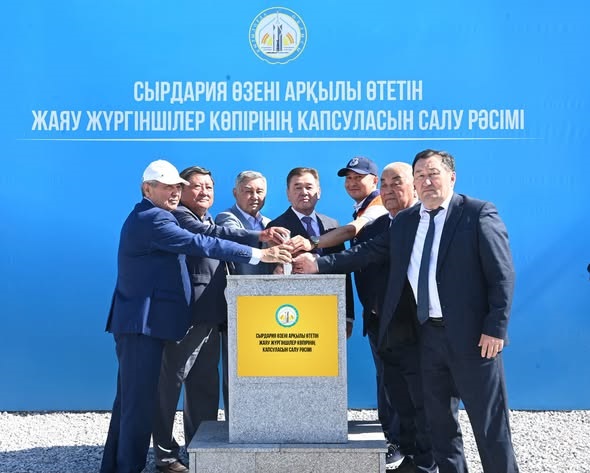
A capsule of a pedestrian bridge across the Syrdarya River was laid in Kyzylorda 28.08.2026
Today, a capsule-laying ceremony for a pedestrian bridge across the Syrdarya River took place in Kyzylorda. The event was attended by the regional akim Murat Ergeshbayev, representatives of the intelligentsia, and elders.At the event, the head of the region highlighted projects that will give impetus to the city's development. One of them is the construction of a pedestrian bridge across the Syrdarya River. This important infrastructure project, connecting the "Astana" microdistrict and the Presidential Park and emphasizing the new architectural appearance of our city, was an initiative of Nurlybek Mashbekuly."The construction of the new bridge is being carried out by the company 'Alem Kurylys', which has extensive experience. The length is 319.4 meters, the width is 12 meters, and the total cost is approaching 13 billion tenge. A 3-meter-wide pedestrian walkway and two bicycle lanes, each one and a half meters wide, will be laid along the bridge.This year, 23 projects worth 38 billion tenge are being implemented for the development of the road and transport infrastructure of the city of Kyzylorda, and 71 streets are undergoing major repairs and reconstruction. For example, when the construction of the new bridge across the southern main canal in the 'Baiterek' residential area is fully completed, traffic connections will be regulated. The reconstruction work on Sagymbaev Street from Toraigyrov Street to the 'Kyzylorda-Kumkol' highway is also nearing completion. Thus, the new bridge and the renovated Sagymbaev Street will become large and modern gates connecting the international corridor 'Western Europe-Western China' and the road leading from the city of Astana.In addition, Nazarbayev Avenue and main streets have been reconstructed. Imanov, Bozgul-1, Nauryz, and Yesenov streets in the Tasboget settlement have been widened.These benefits are being realized thanks to the support of our President and the Government. I wish everyone success in your creative work on the path of the country's development, a comfortable life for our residents, and a bright future for the younger generation!"- said Murat Nalkhozhauly.The chairman of the regional council of veterans, Serik Duisenbayev, spoke at the event, after which the construction capsule was laid.Today, progressive efforts for the development of the region are being implemented systematically.Within the framework of the Head of State's 'Taza Kazakhstan' program, the Presidential Park has acquired a new look. A road and a parking lot have been built for the safety and comfort of visitors to this area.Work on strengthening the protective dams of the Syrdarya River has also gained momentum. Two-lane pedestrian and bicycle paths are being laid along the riverbank.In addition, the joy of our fellow countrymen has been multiplied by the opening of the year-round educational and recreational center 'Ai-Kerim'. A Botanical Garden has been put into operation next to the camp. The garden has become a place where unique species of green spaces grow, serving the development of ecological culture, education, and domestic tourism, and has become a favorite meeting place for residents and guests of the region.In the near future, a residential complex of fifteen nine-story buildings adjacent to the park will be put into operation. A five-star hotel and the 'Ibis' hotel, as well as a perinatal center with 200 beds, are being built next to the residential complex.In accordance with the instruction of the Head of State, the foundation has been laid and construction is underway for the Presidential Library and the Drama Theater.Source : https://www.gov.kz/memleket/entities/kyzylorda/press/news/details/1281980?lang=ru
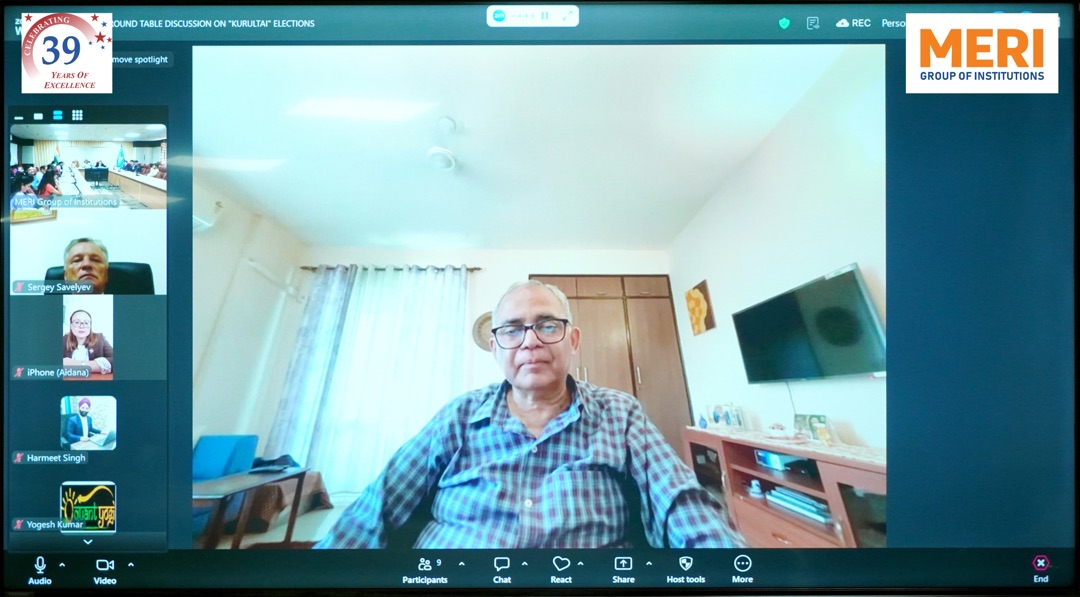
Indian Experts Welcome the Outcomes of the Kurultai Elections 28.08.2026
New Delhi, 27 August 2026 - The Embassy of the Republic of Kazakhstan in the Republic of India, jointly with the “MERI Centre for International Studies,” held a roundtable in New Delhi dedicated to the outcomes of the Kurultai elections held on August 23, 2026.The event was attended by representatives of the diplomatic, academic and expert communities of Kazakhstan and India. The discussion provided an opportunity for an exchange of views on the election results, their significance in the context of Kazakhstan’s political modernization, as well as the prospects for further development of the country’s political system.The roundtable was moderated by professor Ramakant Dwivedi, head of the “MERI Centre for International Studies” and director of the “India Central Asia Foundation.” Professor Lalit Aggarwal, vice-President of the “MERI Group of Institutions,” delivered welcoming remarks to the participants.Minister-counsellor of the Embassy of Kazakhstan in India Mr. Darkhan Seitenov presented the main outcomes of the Kurultai elections and highlighted their significance for the further development of Kazakhstan’s political institutions.The expert discussion was attended by former Ambassador of India to Kazakhstan Mr. Ashok Kumar Sharma, former Foreign secretary of India Mr. Gitesh Sharma, Ms.Aida Yermekkaliyeva, Deputy Director of the Department of Foreign Policy Analysis and Strategic Planning of the Ministry of Foreign Affairs of the Republic of Kazakhstan, Dr. Raj Kumar Sharma from Suleyman Demirel University in Almaty, Dr. Pramod Kumar from the School of International Studies at Jawaharlal Nehru University, as well as Mr. Sergey Savelyev, Senior Expert at the Institute of Foreign Policy Studies under the Ministry of Foreign Affairs of Kazakhstan.During the discussion, particular attention was paid to the political and institutional transformations being carried out in Kazakhstan, the development of the party system, strengthening representative institutions, and expanding opportunities for citizens’ participation in the socio-political life of the country.The participants also exchanged views on the significance of the elections for further improvement of Kazakhstan’s political institutions and emphasized the importance of consistently continuing reforms, taking into account contemporary public demands.Particular attention was also devoted to the prospects for developing expert and academic cooperation between Kazakhstan and India. The participants noted the importance of maintaining regular dialogue among think tanks, higher education institutions and research organizations of the two countries as an important factor in strengthening mutual understanding and further developing Kazakh-Indian relations.The roundtable served as a substantive platform for an exchange of expert assessments on topical issues of Kazakhstan’s political development and its role in Central Asia.For reference: MERI Centre for International Studies is an independent research and analytical centre based in New Delhi, specializing in international relations, foreign policy, geopolitics and regional processes. The Centre serves as a platform for expert and academic dialogue, bringing together representatives of the academic community, diplomatic circles and think tanks from India and other countries. Source : https://www.gov.kz/memleket/entities/mfa-delhi/press/news/details/1282000?lang=ru
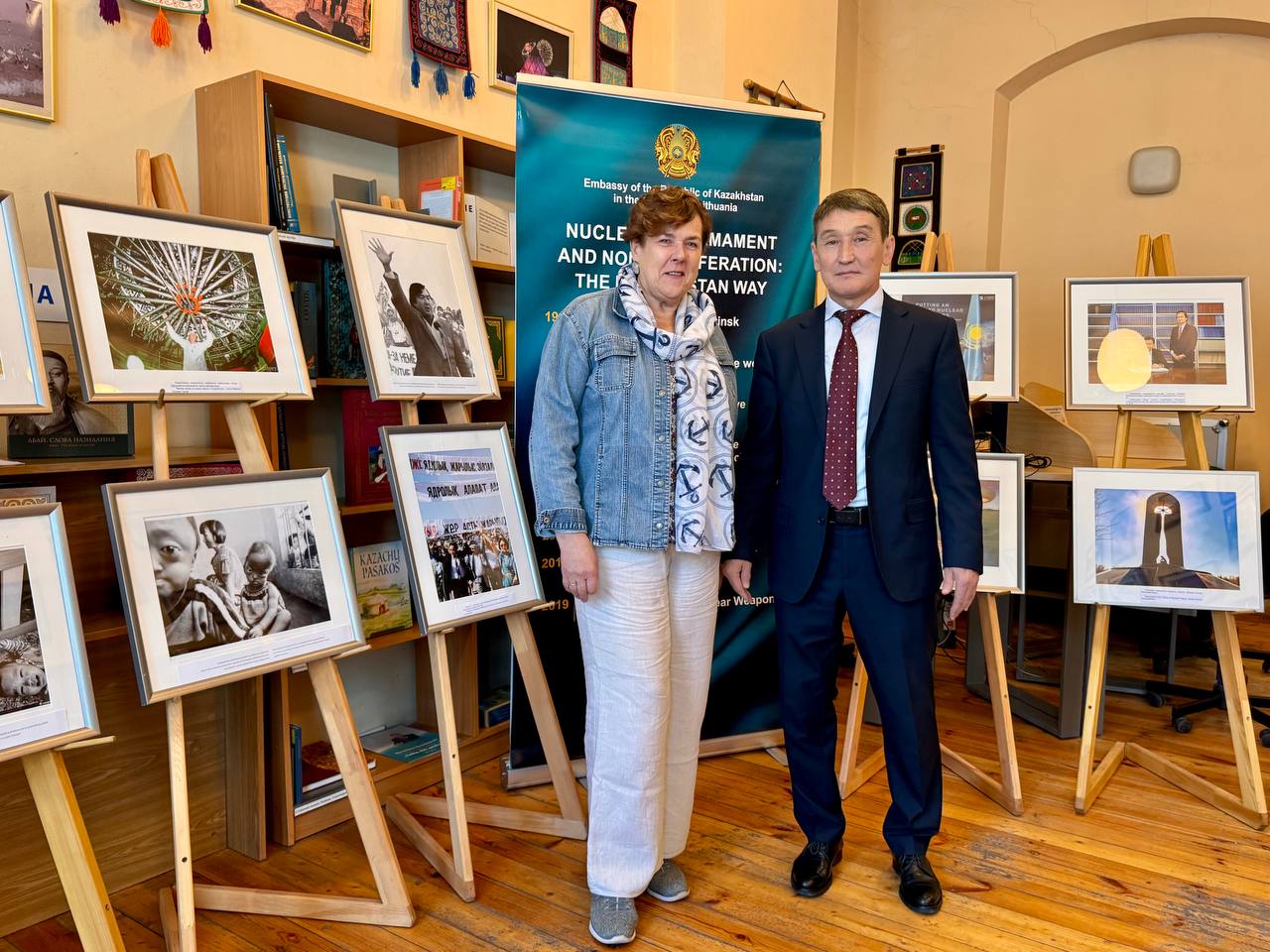
Photo Exhibition Opens in Vilnius to Mark the 35th Anniversary of the Closure of the Semipalatinsk Nuclear Test Site 28.08.2026
Vilnius, 28 August 2026 – The Embassy of Kazakhstan invites everyone to visit an exhibition at the Adam Mickiewicz Public Library in Vilnius. The photo exhibition is dedicated to the International Day against Nuclear Tests and the 35th anniversary of the closure of the Semipalatinsk Nuclear Test Site.The documentary photographs on display tell the story of one of the most tragic chapters of the nuclear age – the history of the Semipalatinsk Test Site, the scale of the nuclear tests conducted there, and their long-lasting consequences for people and the environment. The exhibition will be open to library visitors for one week.The date of 29 August holds special historical significance for Kazakhstan. It was on this day in 1991 that the Semipalatinsk Nuclear Test Site, where 456 nuclear tests were conducted between 1949 and 1989, was closed. Eighteen years later, in 2009, at the initiative of Kazakhstan, the United Nations General Assembly proclaimed 29 August the International Day against Nuclear Tests.The closure of the Semipalatinsk Test Site marked the starting point of Kazakhstan’s consistent anti-nuclear policy. The country voluntarily renounced one of the world’s largest nuclear arsenals inherited following the dissolution of the Soviet Union and, over the subsequent decades, has consistently advocated for nuclear disarmament, non-proliferation, and the definitive end of nuclear testing. Source : https://www.gov.kz/memleket/entities/mfa-vilnius/press/news/details/1281858?lang=ru
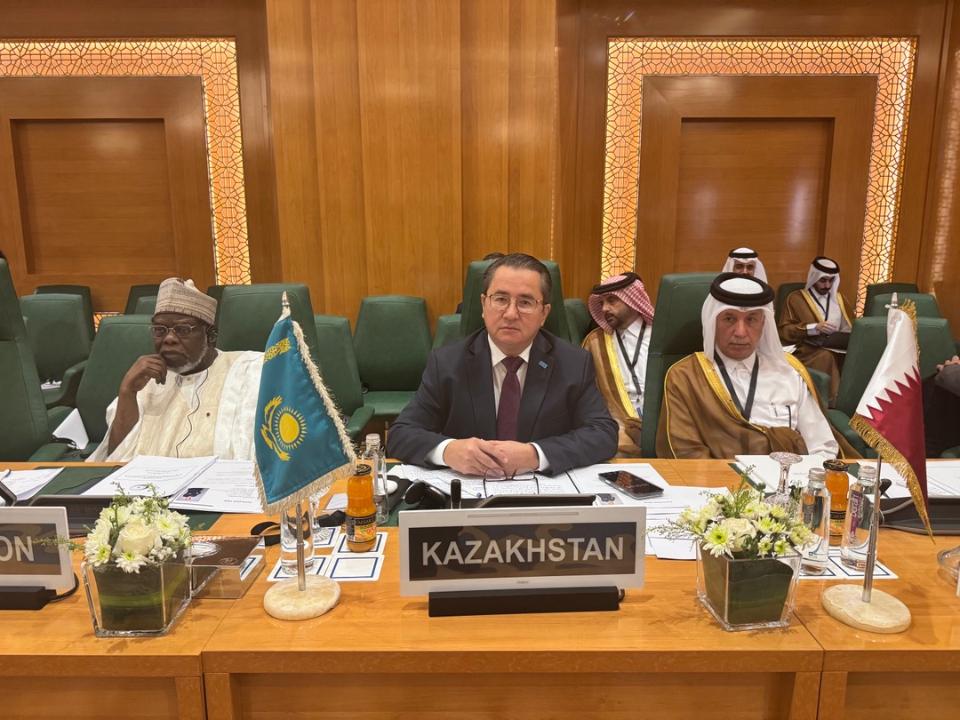
Kazakhstan Participated in the 23rd Extraordinary Session of the OIC Council of Foreign Ministers 28.08.2026
Jeddah, August 27, 2026 – Deputy Minister of Foreign Affairs Arman Issagaliyev participated in the 23rd Extraordinary Session of the Council of Foreign Ministers of the Organization of Islamic Cooperation.The key focus of the closed working session was the discussion of the current situation surrounding Palestine. Participants noted the continuing tensions, the difficult humanitarian situation in the Palestinian territories, and the risks of further instability spreading across the region. The meeting also emphasized the need to continue diplomatic efforts aimed at de-escalating tensions, ensuring the delivery of humanitarian assistance, and exploring avenues for a political settlement.In his statement, Arman Issagaliyev stressed the need for the earliest possible resolution of the Palestinian conflict exclusively through political and diplomatic means. The head of the Kazakh delegation expressed Kazakhstan’s readiness to make a practical contribution to supporting the Palestinian people by providing food assistance, participating in the reconstruction of Gaza’s social infrastructure, and allocating educational grants for Palestinian youth. The Kazakh side reaffirmed that lasting peace in the Middle East can only be achieved on the basis of the “two states for two peoples” formula and the establishment of an independent State of Palestine within the 1967 borders, with East Jerusalem as its capital.Following the session, a resolution on Palestine was adopted, and a new Secretary-General of the OIC was elected.Source : https://www.gov.kz/memleket/entities/mfa-pretoria/press/news/details/1283140?lang=ru
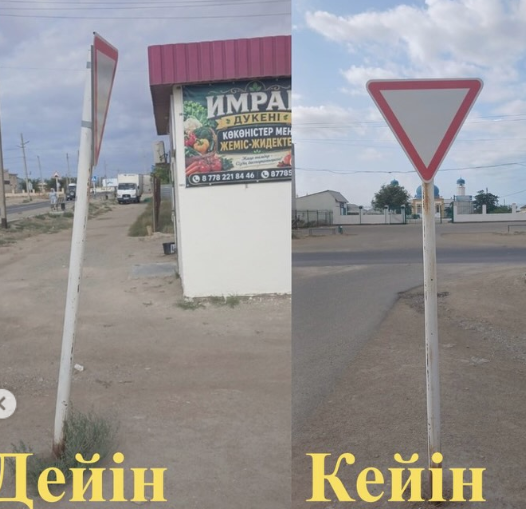
As part of the work on sanitary cleaning and maintenance of intra-village roads in kyzyltobe rural district, work is underway to clear the edges of pedestrian paths from dead grass. 28.08.2026
As part of the work on sanitary cleaning and maintenance of intra-village roads in kyzyltobe rural district, work is underway to clear the edges of pedestrian paths from dead grass.Source : https://www.gov.kz/memleket/entities/mangystau-munaily-qyzyltobe/press/news/details/1281843?lang=ru
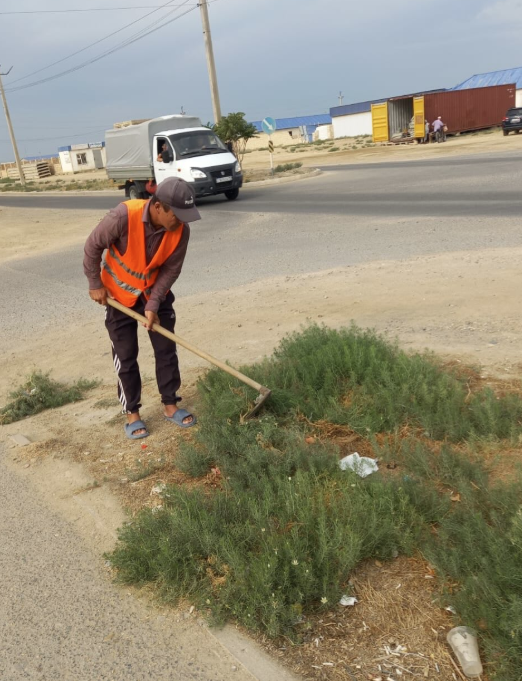
As part of the work on sanitary cleaning and maintenance of intra-village roads in kyzyltobe rural district, work is underway to clear the edges of pedestrian paths from dead grass. 28.08.2026
As part of the work on sanitary cleaning and maintenance of intra-village roads in kyzyltobe rural district, work is underway to clear the edges of pedestrian paths from dead grass.Source : https://www.gov.kz/memleket/entities/mangystau-munaily-qyzyltobe/press/news/details/1281838?lang=ru
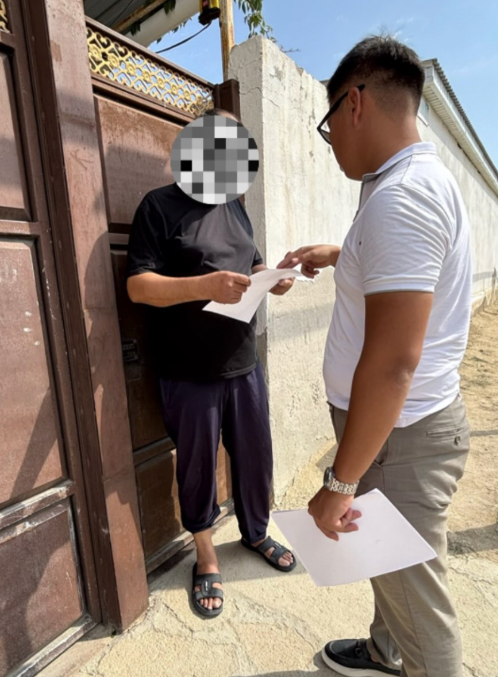
Мамандары specialists of the Office of the Akim of kyzyltobe rural district distributed warnings to residents who have tax arrears on Land, Transport and property (House) taxes in the rural district, and carried out explanatory work on the need for timely payment of payments. The purpose of this event is to encourage the population to fulfill their tax obligations and prevent the growth of arrears. In case of non-payment of Land, Transport and property (House) taxes within the established time limits, in accordance with the tax code of the Republic of Kazakhstan: for each month of delay, a penalty of 0.1% is charged; if the arrears are not paid, they can be sent to the judicial authorities; bank accounts are likely to be blocked and the property knotted. 28.08.2026
Мамандары specialists of the Office of the Akim of kyzyltobe rural district distributed warnings to residents who have tax arrears on Land, Transport and property (House) taxes in the rural district, and carried out explanatory work on the need for timely payment of payments.The purpose of this event is to encourage the population to fulfill their tax obligations and prevent the growth of arrears.In case of non-payment of Land, Transport and property (House) taxes within the established time limits, in accordance with the tax code of the Republic of Kazakhstan:for each month of delay, a penalty of 0.1% is charged;if the arrears are not paid, they can be sent to the judicial authorities;bank accounts are likely to be blocked and the property knotted.Source : https://www.gov.kz/memleket/entities/mangystau-munaily-qyzyltobe/press/news/details/1281826?lang=ru

🌿 Daily sanitation and cleanup operations being carried out by the “Taza Munaily” Municipal State Enterprise across the Kyzyltobe rural district as part of the “Taza Qazaqstan” (Clean Kazakhstan) environmental campaign. 📍 Press Service of the Kyzyltobe Rural District Akim’s Office. 28.08.2026
🌿 Daily sanitation and cleanup operations being carried out by the “Taza Munaily” Municipal State Enterprise across the Kyzyltobe rural district as part of the “Taza Qazaqstan” (Clean Kazakhstan) environmental campaign.📍 Press Service of the Kyzyltobe Rural District Akim’s Office.Source : https://www.gov.kz/memleket/entities/mangystau-munaily-qyzyltobe/press/news/details/1285097?lang=ru
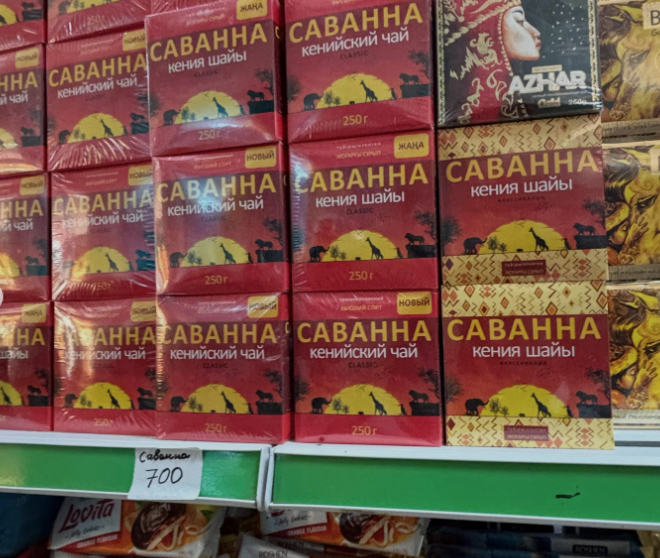
Monitoring of food products ✅ On August 26, 2026, monitoring of socially important food products was carried out in small stores located on the territory of Kyzyltobe rural district. During the monitoring, entrepreneurs were explained that in accordance with Article 9 of the law of the Republic of Kazakhstan “on regulation of trade activities”, the price surcharge for socially important food products should not exceed 15% and it is necessary to visually display the prices of goods. 28.08.2026
Monitoring of food products ✅On August 26, 2026, monitoring of socially important food products was carried out in small stores located on the territory of Kyzyltobe rural district.During the monitoring, entrepreneurs were explained that in accordance with Article 9 of the law of the Republic of Kazakhstan “on regulation of trade activities”, the price surcharge for socially important food products should not exceed 15% and it is necessary to visually display the prices of goods.Source : https://www.gov.kz/memleket/entities/mangystau-munaily-qyzyltobe/press/news/details/1281796?lang=ru
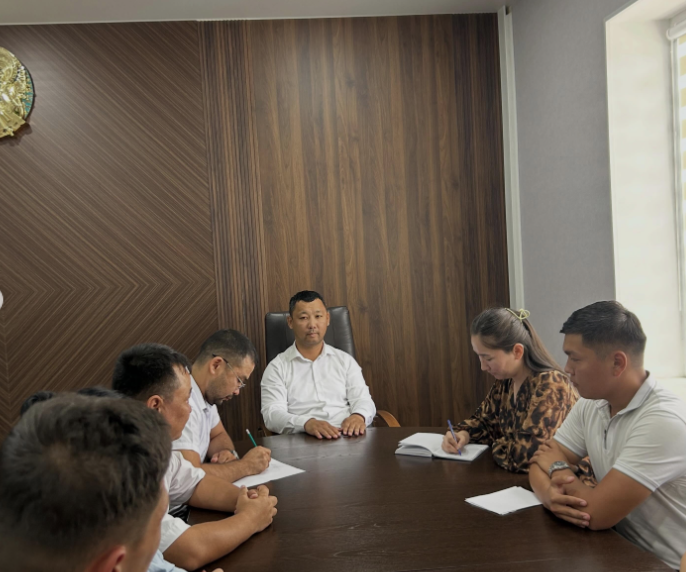
A meeting was held on compliance with the ethical standards of civil servants and the fight against corruption. Баспасөз press service of the Office of the Akim of kyzyltobe rural district! 28.08.2026
A meeting was held on compliance with the ethical standards of civil servants and the fight against corruption.Баспасөз press service of the Office of the Akim of kyzyltobe rural district!Source : https://www.gov.kz/memleket/entities/mangystau-munaily-qyzyltobe/press/news/details/1281810?lang=ru
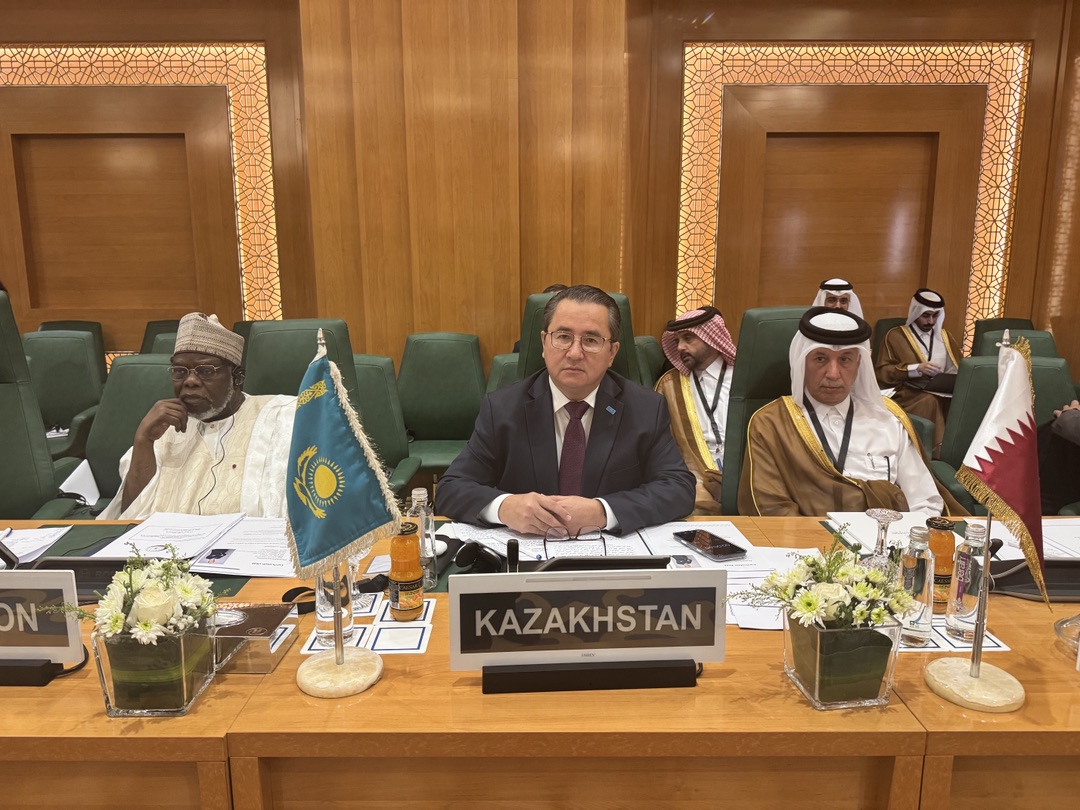
Kazakhstan Participated in the 23rd Extraordinary Session of the OIC Council of Foreign Ministers 28.08.2026
Jeddah, August 27, 2026 – Deputy Minister of Foreign Affairs Arman Issagaliyev participated in the 23rd Extraordinary Session of the Council of Foreign Ministers of the Organization of Islamic Cooperation.The key focus of the closed working session was the discussion of the current situation surrounding Palestine. Participants noted the continuing tensions, the difficult humanitarian situation in the Palestinian territories, and the risks of further instability spreading across the region. The meeting also emphasized the need to continue diplomatic efforts aimed at de-escalating tensions, ensuring the delivery of humanitarian assistance, and exploring avenues for a political settlement.In his statement, Arman Issagaliyev stressed the need for the earliest possible resolution of the Palestinian conflict exclusively through political and diplomatic means. The head of the Kazakh delegation expressed Kazakhstan’s readiness to make a practical contribution to supporting the Palestinian people by providing food assistance, participating in the reconstruction of Gaza’s social infrastructure, and allocating educational grants for Palestinian youth. The Kazakh side reaffirmed that lasting peace in the Middle East can only be achieved on the basis of the “two states for two peoples” formula and the establishment of an independent State of Palestine within the 1967 borders, with East Jerusalem as its capital.Following the session, a resolution on Palestine was adopted, and a new Secretary-General of the OIC was elected.Source : https://www.gov.kz/memleket/entities/mfa/press/news/details/1281768?lang=ru
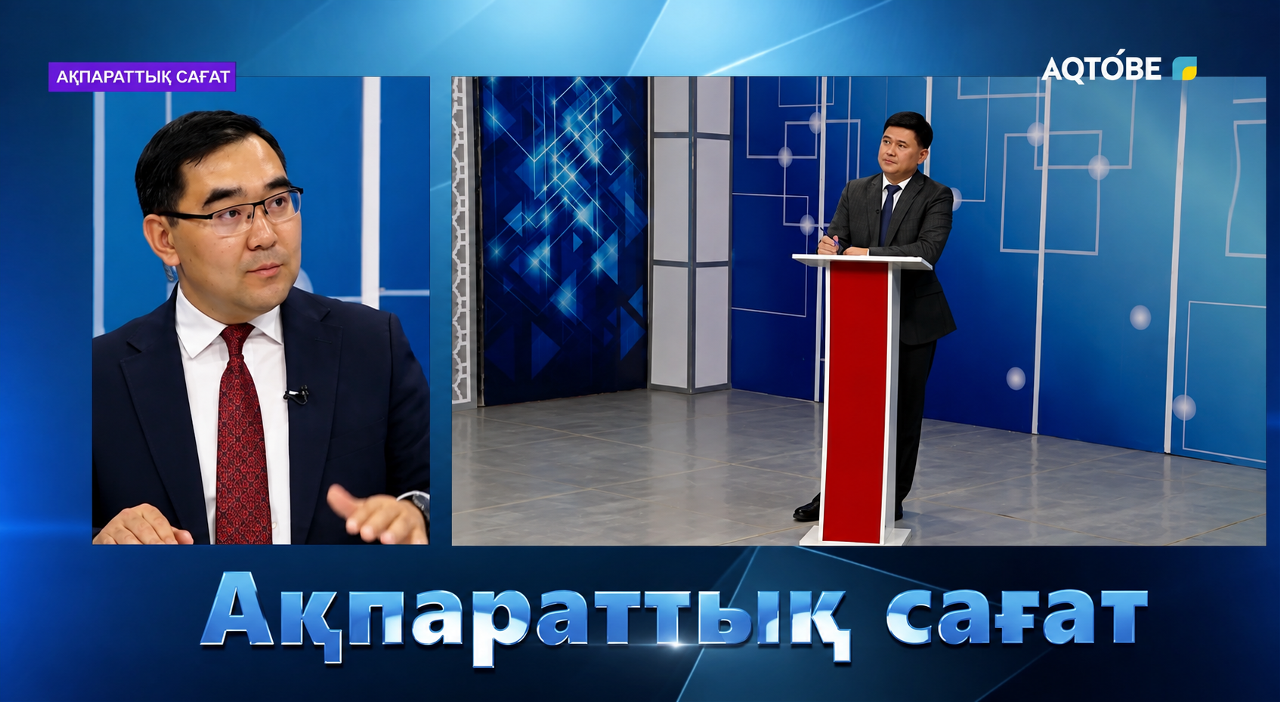
On the “Information Hour” Program 28.08.2026
Today, I took part in the “Information Hour” program on Aktobe TV, where I spoke about the work carried out by the department during the first six months of this year.During the broadcast, I shared the results of the work being implemented in the field of youth policy, key performance indicators, and plans for the upcoming period.Our efforts to work systematically with young people, support their initiatives, and develop their potential will continue in the future.Source : https://www.gov.kz/memleket/entities/aktobe-zhastar1/press/news/details/1281731?lang=ru
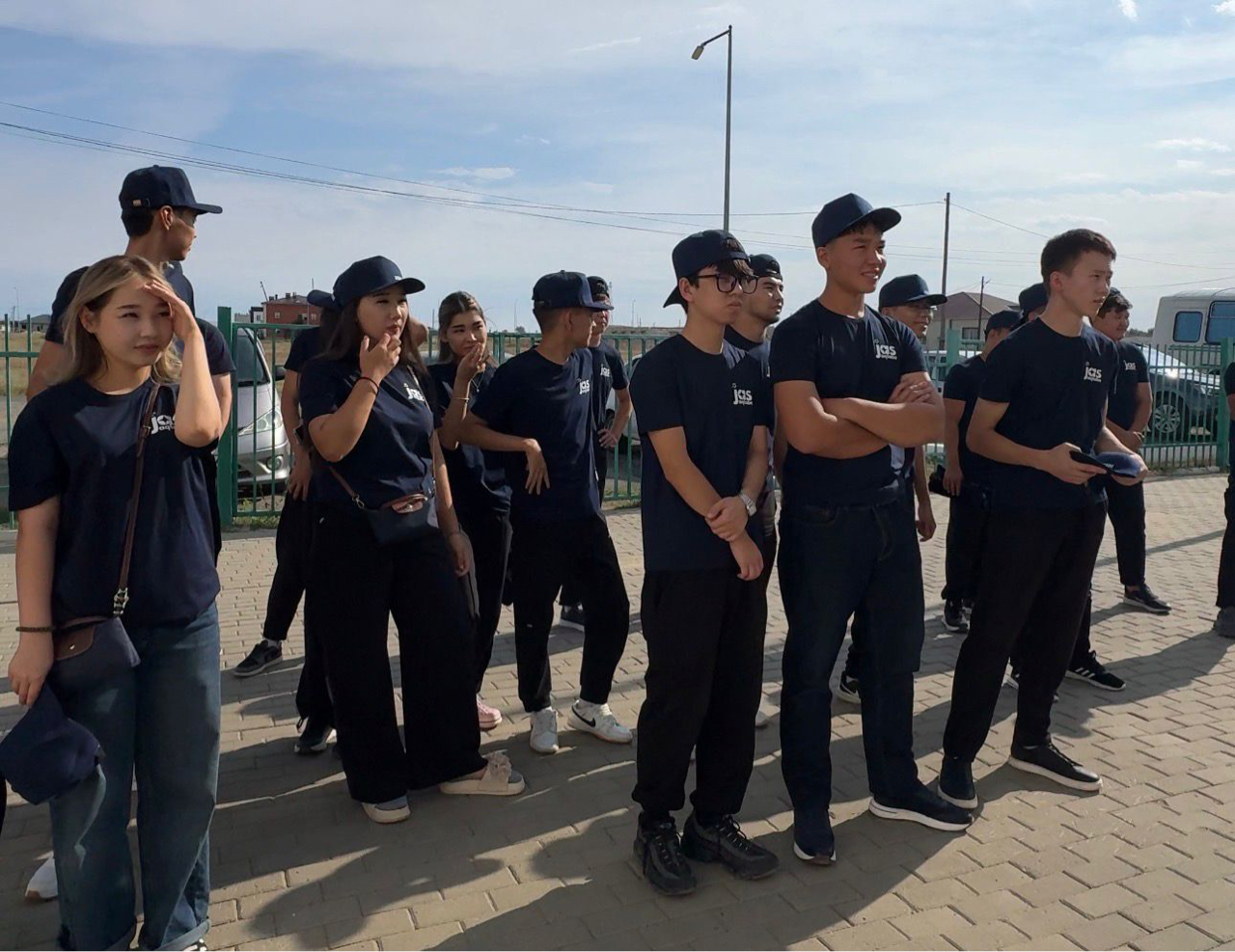
From August 26 to 28, the regional “Aуыл LIFE” project is taking place in Temir District, bringing together young people from across the region. 28.08.2026
As part of the three-day project, young people are getting acquainted with rural life and everyday traditions, promoting national customs and traditions, and competing with one another in various areas of work and creativity.📍 Day One — “HONORING HISTORY: THE TEMIR REGION”The first day, which began in the village of Shubarkuduk, started with a visit to the Doszhan Khazret Memorial Complex and the district museum. The participants met with poet Yershat Kaiboldin and took part in workshops on kamchy weaving, leather processing, embroidery, spinning, and kurpak-making. At the end of the day, a Quiz game and an open-air movie screening were organized.🌾 Day Two — “TRADITION AND LABOR — THE CORE OF THE NATION”The project continued in the village of Kopa. Participants actively engaged in the everyday work of rural life and took part in competitions in various types of agricultural and household work, including caring for livestock, cleaning barns, milking cows, using a cream separator, making ayran, shearing sheep, collecting hay, chopping firewood, making kurt, pounding millet, and churning butter.🐎 In addition, competitions were held in saddling horses, milking mares, baking bread in a taba, as well as in traditional national games. At the end of the day, a team-building session and a creative evening with live guitar accompaniment were organized for the young participants.🥩 Day Three — “RURAL LABOR — A SCHOOL OF ENDURANCE AND SKILL”Today, August 28, the final day of the project is taking place in the village of Kopa. Participants are putting their skills to the test in butchering, cleaning offal, cutting meat into traditional portions, and preparing baursaks.🏆 At the end of the project, a closing ceremony will be held, where the most active participants will be awarded.✨ “Aуыл LIFE” is an educational and meaningful project that gives young people an opportunity to experience the true spirit of rural life, promote national values, learn about the culture of labor, and strengthen unity among young people.Source : https://www.gov.kz/memleket/entities/aktobe-zhastar1/press/news/details/1281739?lang=ru