
News
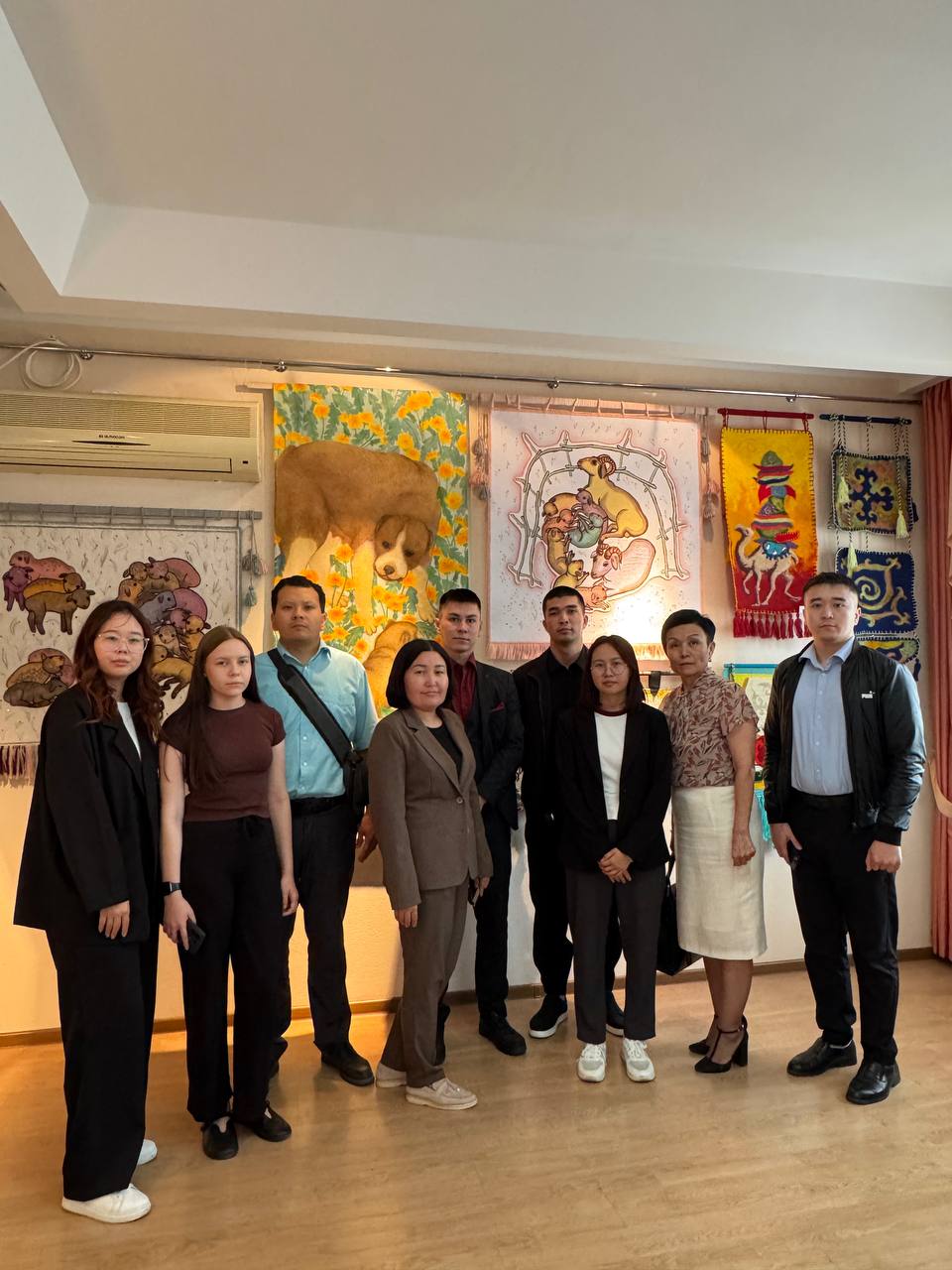
The exhibition "Symbols of the Great Steppe" 02.09.2025
As part of the cultural and educational program, on August 29, 2025, employees of the Department of Justice visited the exhibition "Symbols of the Great Steppe", organized in the art gallery.The exhibition reveals the rich symbolic heritage of Kazakh culture, traditions and crafts. Special attention was paid to the works of local artists Bayan Batalova, Leyli Abi, Dinara Kipshakbayeva, Inabat Zhumatayeva, Tazagul Baiturina and their students, who convey images of the Great Steppe through the prism of modern art.Visiting the exhibition was an inspiring reminder of the value of the spiritual heritage and cultural identity of the people. Press ServiceDepartment of JusticeKostanay region Source : https://www.gov.kz/memleket/entities/adilet-kst/press/news/details/1059968?lang=kk
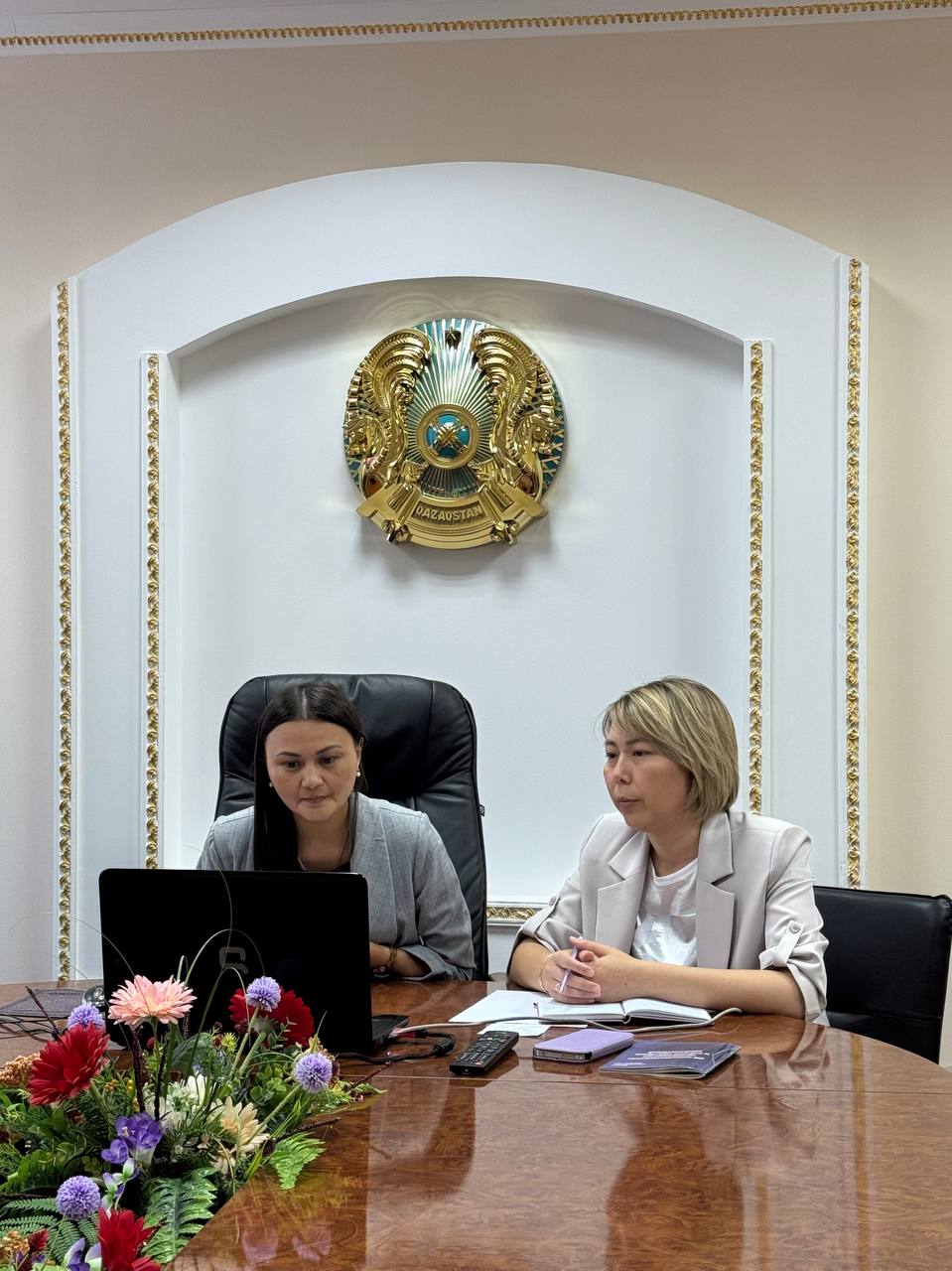
Online promotion for free legal advice to citizens 02.09.2025
On August 29, 2025, the head of the Department of regulation and control over the activities of bailiffs, Saltanat Alshimbayeva, conducted an online campaign for free legal advice to citizens of Kostanay district, Ozernoye village. The meeting was aimed at providing legal advice to citizens. It was also noted that the updated AdiletGov mobile application is functioning, through which citizens can receive the necessary information and services on enforcement proceedings. Press ServiceDepartment of JusticeKostanay region Source : https://www.gov.kz/memleket/entities/adilet-kst/press/news/details/1059969?lang=kk
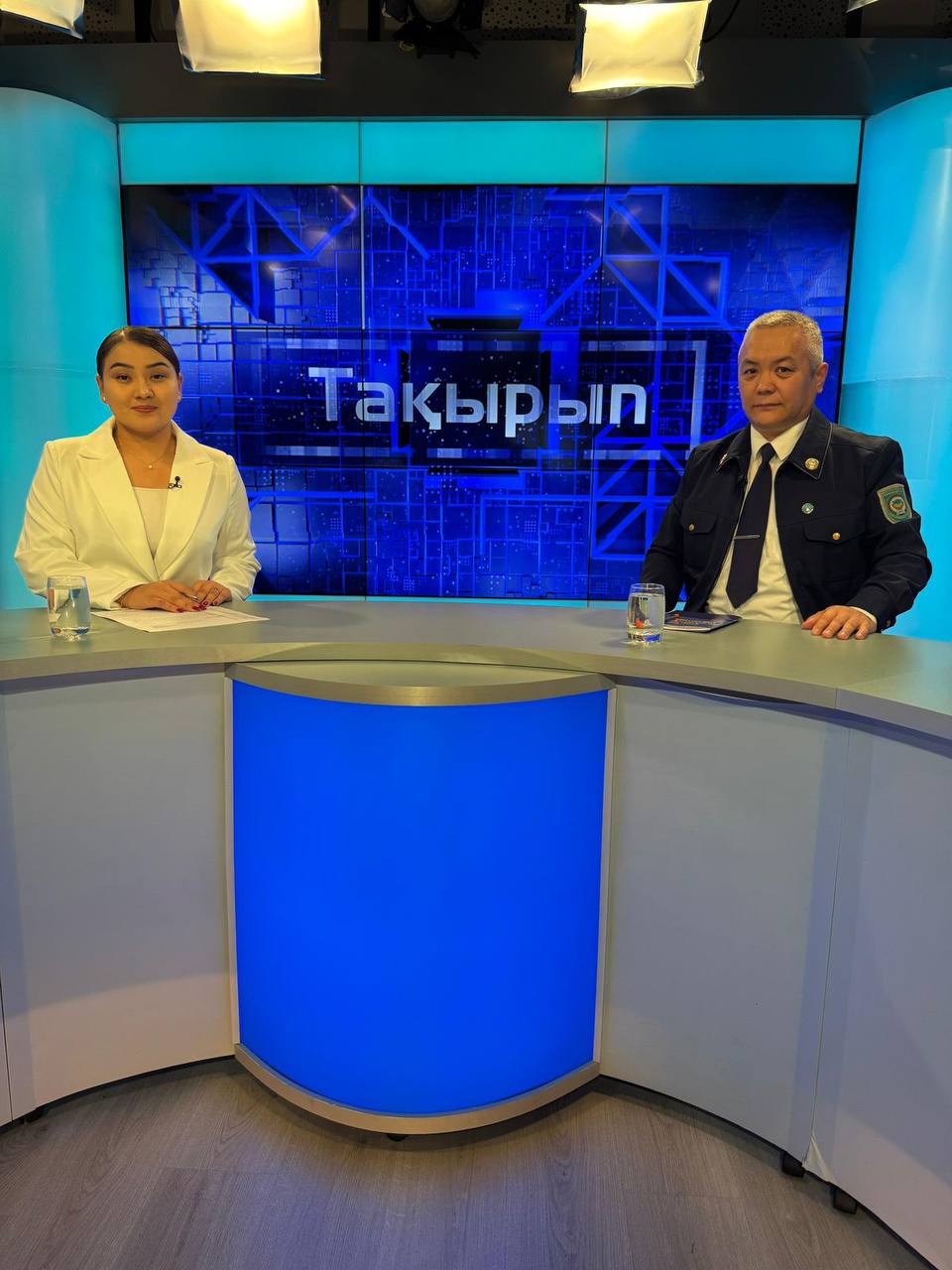
"The Court and the Constitution: the guarantor of the rule of law" 02.09.2025
As part of the implementation of the ideology of "Law and Order", as well as in honor of the 30th anniversary of the Constitution of the Republic of Kazakhstan, State bailiff Erbol Abdildin gave an interview to Qostanai TV in the program "Takyryp" on the topic: "The Court and the Constitution: the guarantor of the rule of law."Link: https://youtu.be/1ZcuxdVohVY?si=dwLzbEqHRmpyT1bm Press ServiceDepartment of JusticeKostanay region Source : https://www.gov.kz/memleket/entities/adilet-kst/press/news/details/1059972?lang=kk
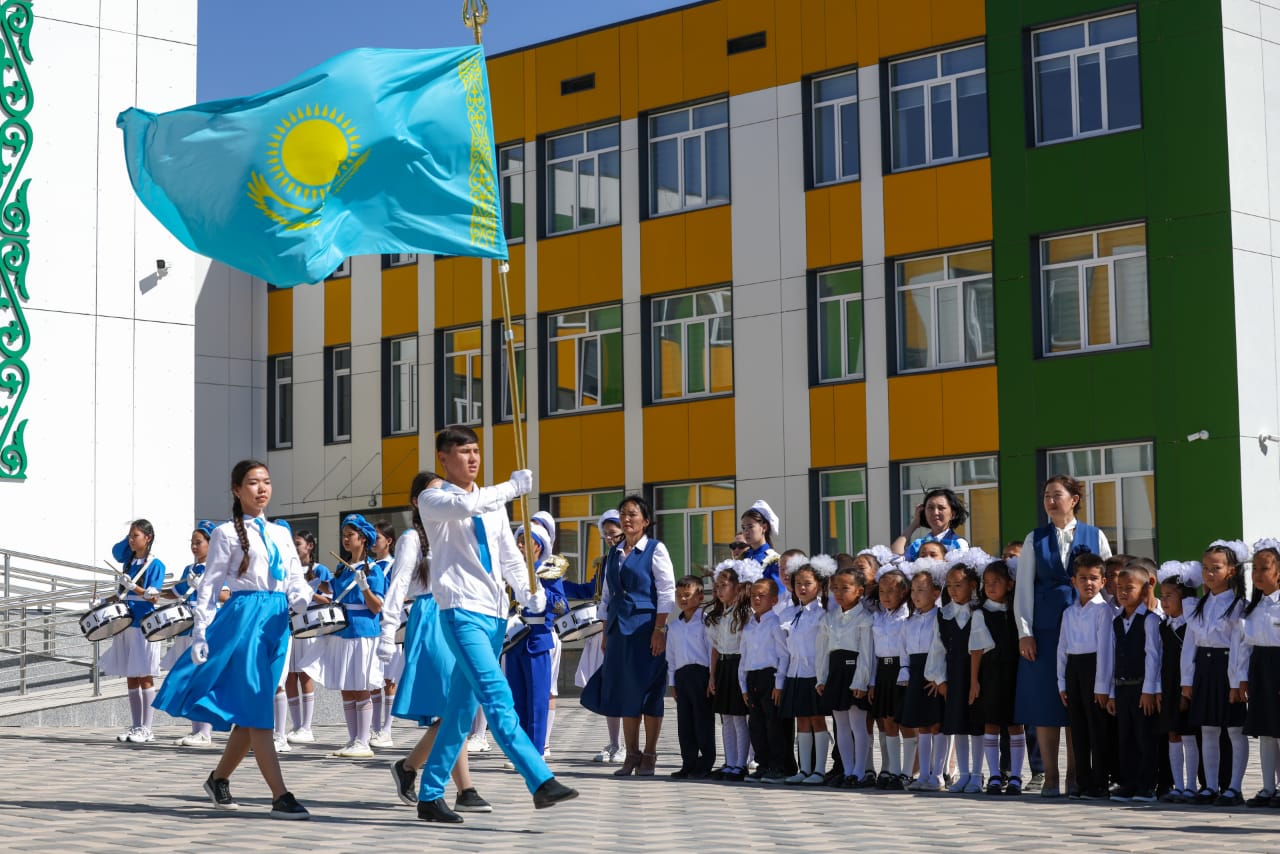
A new school modeled after the "School of the Future" was launched in Shymkent 01.09.2025
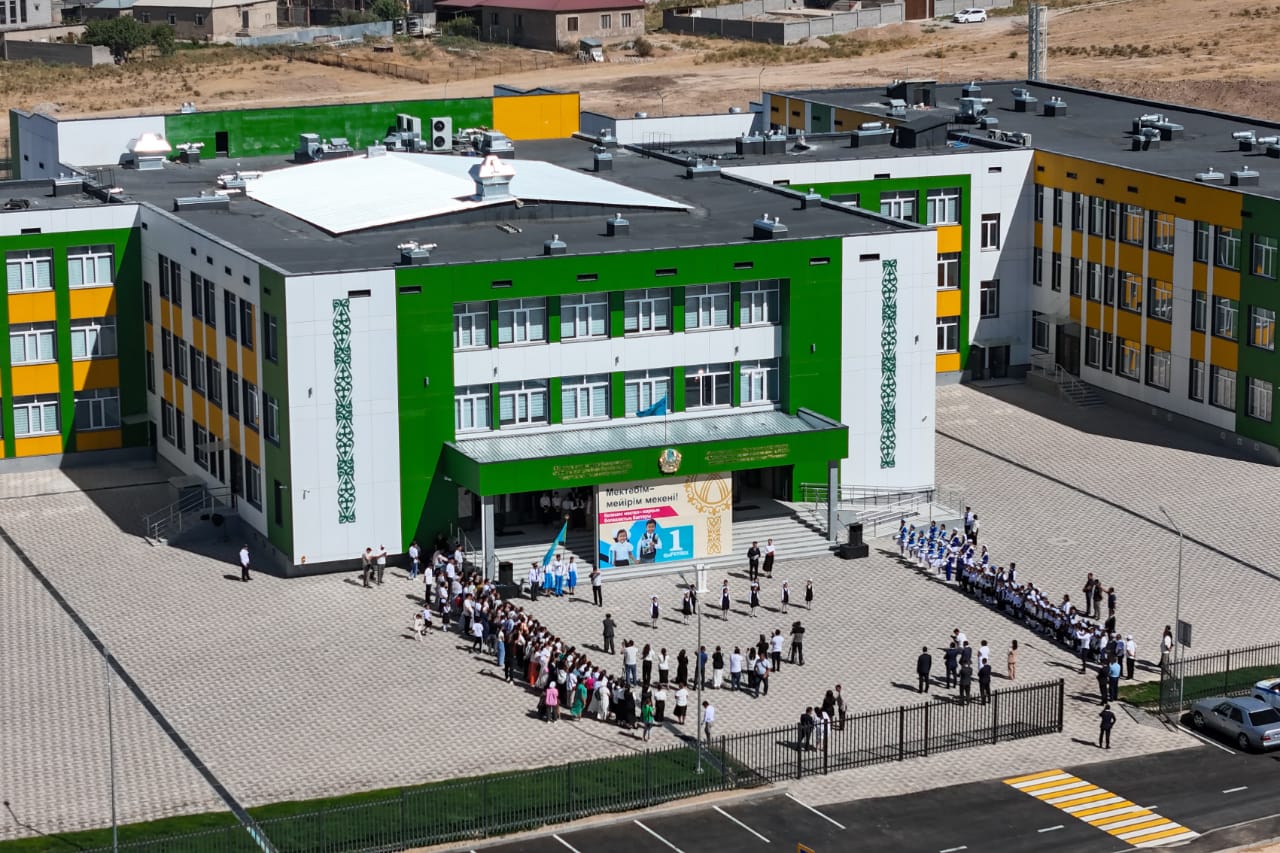
September 1 - Knowledge Day - Shymkent city, within the framework of the national project "Schools of the Future", a secondary school No. 151 was solemnly opened. The new educational institution is located in the Tasken microdistrict. The opening ceremony of the school was attended by the mayor of the city, Gabit Syzdykbekov, who congratulated teachers and students on the significant holiday. In his speech, the Akim emphasized the importance of the "Schools of the Future" project, which is being implemented at the initiative of the Head of State Kassym-Jomart Tokayev. According to him, these schools offer ergonomic educational spaces that meet modern requirements, and their technical equipment is 4 times better than typical projects. All this creates conditions for high-quality and safe education. The new 1,500-seat school is equipped with 60 classrooms, subject classrooms equipped with interactive panels, STEM and IT laboratories, robotics rooms, workshops, three gyms, a library, co-working areas, a 375-seat cafeteria, and a medical center. It also provides classrooms adapted for children with special educational needs and a comfortable environment. The school is equipped with a full-fledged security system. It is worth noting that today another important facility in the city was put into operation - IT School-Lyceum No. 9, which was completely renovated as part of the renovation. In recent years, Shymkent has paid special attention to the development of educational infrastructure in accordance with the instructions of the President. For example, two modern Student Palaces have been built, and today their number in the city has reached three. As a result, 95 percent of students are provided with additional education. In total, the construction of 12 schools will begin in Shymkent in 2023 as part of the national project, while 11 schools have already been commissioned. Today, their ranks have been replenished with another new educational institution. This academic year began in Shymkent with more than 400 thousand students in 1352 educational institutions. Of these, about 28 thousand children entered school for the first time. All students were fully provided with textbooks. In addition, children from socially vulnerable families are 100 percent provided with school uniforms and hot meals.
Schools of the Future: An Educational Institution Opened in Shymkent Under the Keleshek Mektebi Project 01.09.2025
On September 1, Knowledge Day, the grand opening of School No. 151, built as part of the national project "Keleshek Mektebi", took place in Shymkent. The new educational complex is located in the Tasken microdistrict. The opening ceremony was attended by the city akim Gabit Syzdykbekov, who congratulated teachers and students on the beginning of the school year. In his speech, the Akim emphasized the importance of the project, which is being implemented on the initiative of President Kassym-Jomart Tokayev. According to him, new generation schools meet modern requirements and create an ergonomic educational space. Their technical equipment is four times superior to standard projects, which ensures high-quality and safe education. The new school is designed for 1,500 students. It has 60 classrooms, subject classes with interactive panels, STEM and IT labs, robotics rooms, workshops, three gyms, a library, coworking areas, a canteen for 375 people, and a medical center. Particular attention is paid to creating an inclusive environment: specialized classes and conditions for children with special educational needs are provided. The institution is equipped with a modern security system. On the same day, another important facility was put into operation in Shymkent after a complete renovation – school-lyceum No. 9 with an IT focus. The development of educational infrastructure remains among the priority tasks set by the President. Thus, in recent years, two Palaces of Schoolchildren of a new format have been built in Shymkent, and now there are three of them in the city. Thanks to this, the coverage of children with additional education has reached 95%. In 2023, construction of 12 schools began in Shymkent as part of the national project; 11 educational institutions had already been commissioned before. Today, this list has been expanded with another modern school. The new school year in the city began in 1,352 educational institutions, with more than 400,000 students sitting at their desks. About 28,000 first-graders went to school for the first time. All children were provided with textbooks, and schoolchildren from socially vulnerable families were also provided with uniforms and hot meals.
.png)
The "Taza Kazakhstan" campaign forms the ecological culture of city residents 01.09.2025
On August 20, 2025, a large-scale city clean-up day was held in Shymkent, organized within the framework of the "Taza Kazakhstan" program. This event covered several districts of the metropolis at once and brought together residents, employees of government agencies, young people and volunteers. The action was a continuation of the republican initiative to form an environmental culture and draw attention to issues of cleanliness and improvement. One of the main objects of the cleanup was the territory of the Karatau district, where in the Nurtas microdistrict at the intersection of Kenzharyk and Kulager streets, cleaning work was carried out. About thirty people gathered here, and six units of special equipment were also used. With joint efforts, the participants cleared the streets of household garbage, dry branches and construction waste, preparing the site for further improvement. According to Alibek Kaldybekov, chief specialist of the Karatau district akim’s office, the campaign has a much broader meaning than just cleaning. It forms a sense of personal responsibility for cleanliness in city residents and creates conditions for developing an environmental culture. “Taza Kazakhstan” is not a one-time event, but a long-term initiative that lays the foundation for changing society’s attitude to the environment. It is especially important that young people actively participate in such campaigns. They see an example and begin to perceive caring for the city as a norm of life, not an exception,” he noted. The cleanup day was accompanied by live communication between residents and government officials. For many city residents, participation in the event became an opportunity to contribute to improving the area, meet neighbors, and feel the cohesion of the community. Such events demonstrate that ecology is not an abstract problem, but a part of everyday life, where the cleanliness of the streets directly affects the quality of life and health. The Taza Kazakhstan program has been in effect for several years now, and each time it covers new territories. In Shymkent, it has become a tradition: cleanups, restoration work in green areas, cleaning of irrigation ditches and parks are carried out in different areas of the city. Last year, for example, a large-scale cleanup day was held in the Abay and Enbekshinsky districts with the participation of more than a thousand people. Then, it was possible to collect tens of tons of garbage and tidy up public areas. Even earlier, in the spring of 2023, the campaign focused on cleaning riverbeds and parks. Shymkent residents, together with municipal services, cleaned green areas, making them convenient for walking and recreation. Many recall that it was that campaign that became a turning point: the city saw a noticeable increase in interest in environmental issues and more active participation of the population in city improvement programs. If we look even deeper into history, the first republican campaign "Taza Kazakhstan" took place in 2019. Then, mass cleanups were organized across the country in one day. For Shymkent, this became especially relevant, because the city with a million population is in dire need of regular cleanliness support. In 2020, despite the restrictions associated with the pandemic, the tradition was not interrupted - residents independently organized small local cleanups in courtyards and public places. The difference of the current clean-up day is that it is carried out more precisely: the emphasis is on specific microdistricts, where residents are directly involved in the process. This helps people feel that they are responsible for their home, street, block. This approach creates a more sustainable result - cleanliness is maintained longer, and residents begin to monitor order on a permanent basis. It is noteworthy that not only activists and volunteers, but also employees of state institutions take part in the action. This is an important signal to society: the government and citizens are on the same side, solving a common problem. When officials go out to clean up together with residents, this strengthens trust and shows that caring for the city is a common cause. Shymkent today is a metropolis with a dynamic population growth, and the environmental situation here requires constant attention. Accumulation of household waste, air pollution, reduction of green areas - all these are risks to the health of citizens. That is why such initiatives are important not only as one-time actions, but also as an element of the long-term strategy for the city's development. If we compare the clean-up day on August 20 with previous years, we can see that the level of people's involvement is growing. Residents increasingly come not under duress, but on their own initiative. For many, this is an opportunity to spend time with family and friends with benefit, to instill respect for nature in children. Thus, "Taza Kazakhstan" is gradually turning into a social movement that unites different generations and social groups. The August 20 campaign once again confirmed that caring for the cleanliness of the city is not only the work of public utilities, but the responsibility of everyone. Thanks to joint efforts, Shymkent is becoming cleaner, more comfortable and more attractive. But what is even more important is that along with clean streets, a new culture is being formed - a culture of respect for the environment, which will remain with the city residents for a long time. As a result, the past Cleanliness Day can be called a successful step in the development of environmental awareness of Shymkent residents. It showed that the joint work of residents, authorities and volunteers gives tangible results. And if such events continue on a regular basis, Shymkent may well become an example for other cities in the country in how to form a clean and safe space for life through joint efforts.
.png)
The city-wide "Clean Kazakhstan" Saturday was held in Shymkent 01.09.2025
On August 20, 2025, another city-wide cleanliness day was organized in Shymkent as part of the “Clean Kazakhstan” program. This event covered several districts of the city and was held with the participation of residents, volunteers, and government employees. Such initiatives not only increase the responsibility of Shymkent residents for the environment, but also significantly contribute to strengthening the city's ecological culture. In particular, a clean-up was held at the intersection of Kenzharyk and Kulager streets in the Nurtas microdistrict of Karatau district. About 30 people and 6 special vehicles were involved in cleaning work in this area. Participants cleaned the area of household waste and took the collected garbage to special places. As a result, a step was taken to create a comfortable, clean and comfortable environment for the residents of the microdistrict. Alibek Kaldybekov, chief specialist of the Karatau district akim's office, said, emphasizing the significance of the event: "The "Clean Kazakhstan" campaign is not just a garbage collection event. It is a way to educate residents, especially young people, about the environment and show compassion for nature. Such cleanups increase shared responsibility for the cleanliness of the city and should be held regularly." The young people who participated in this Saturday also expressed their thoughts, noting that protecting nature is the duty of every citizen. According to them, such joint events unite residents, strengthen unity and cooperation. Indeed, as a result of joint efforts, the city streets have become more beautiful and have had a positive impact on the mood of residents. The republican program "Clean Kazakhstan" has been implemented for several years. Its main goal is to protect the environment, preserve nature, and establish a culture of cleanliness in society. Such cleanups are held regularly in Shymkent. In recent years, the activity of city residents has increased, and the level of participation in cleanups has also increased. For example, last year, large-scale cleaning works were carried out in the Abay and Enbekshi districts within the framework of this program. At that time, more than a thousand people participated in the Sabbath, and dozens of tons of garbage were removed. And in 2023, the “Clean Kazakhstan” campaign was organized in the spring, and riverbeds and parks in the city were cleaned. As a result of this event, the green areas of Shymkent became a comfortable and clean place for residents to relax. If we look back even further, in 2019, the first republican environmental campaign "Clean Kazakhstan" was launched. At that time, large-scale cleanups were organized simultaneously in all regions of the country, a major step towards the formation of an ecological culture. And although in 2020 such events were held on a limited basis due to the pandemic, residents did not lose their responsibility for cleanliness and organized small cleanups in their territories. This year's special feature is that the Sabbilak is organized in specific microdistricts and is held in direct contact with residents. This approach makes people feel directly responsible for the cleanliness of their neighborhood. The campaign in the Karatau district was a clear example of this. Participants were not limited to collecting garbage, but also carried out work such as protecting young seedlings and cleaning flower beds. Another important aspect is the active participation of civil servants in the Shabbat. This sets an example for society and creates the idea that "cleanliness is not just the work of public utilities, but our common cause." Such steps also have an impact on strengthening trust between the people and the authorities. Shymkent is a large metropolis with a population of over a million. In such a city, environmental issues are not far from the agenda. Air pollution, an increase in household waste, a decrease in green areas - all this directly affects the quality of life of residents. Therefore, the city administration and public organizations plan to hold more frequent environmental initiatives such as "Clean Kazakhstan". If we recall past experiences, large-scale Sabbaths have always played a significant role in fostering solidarity among residents and shaping the culture of the city. In Soviet times, Sabbaths were organized as a labor holiday, attended by schoolchildren and workers. Today, this tradition has acquired a new meaning and has become a means of environmental education. The citywide Cleanup Day, held on August 20, is a modern continuation of this tradition. It not only beautified the city, but also reminded residents of the importance of protecting nature and treating the environment responsibly. According to the participants, such events should not be limited to Saturday work, but paying attention to cleanliness in everyday life is the duty of every citizen. Thus, the Saturday event in Shymkent once again proved how important the "Clean Kazakhstan" program is for society. It not only created an ecological culture, but also strengthened social unity. Compared to previous years, this year's event was distinguished by its scale and the active participation of local residents. This event occupies a special place in the history of the ecological development of Shymkent. It clearly demonstrates the need for systematic holding of such events in the future.
.png)
In Shymkent, the work of a large farm was presented as part of the agricultural census 01.09.2025
On August 18, 2025, an important event dedicated to the National Agricultural Census was held in Shymkent. A special filming and meeting with representatives of the Department of Statistics took place on the territory of the Bolashagy Zor farm, where the farm's activities and its plans for the future were presented in detail. Such visits allow not only to get acquainted with the state of the agricultural sector, but also to demonstrate the effectiveness of agricultural producers who have achieved success thanks to hard work and government support. The Bolashagy Zor farm, created by entrepreneur Maksat Lesbekuly, started with a small number of animals - only twenty lambs. Today, this enterprise has already turned into a large farm, numbering about 800 heads of cattle, almost a thousand sheep and about 200-300 horses. The main focus of the farm is fattening cattle, which is then sold both on the domestic market and outside the country. The entrepreneur noted that some of the products are already supplied to Uzbekistan, which is a step towards expanding the export potential. According to Maksat Lesbekula, the development of the farm became possible thanks to systemic state support. The state offers farmers preferential loans, as well as leasing for agricultural machinery. Now the farm is preparing documents to receive machinery and expand production capacity. Thus, the example of this enterprise shows how farmers who started with small volumes can grow into significant farms that supply products not only to their region, but also to foreign markets. A representative of the Department of Statistics of Shymkent, the head of the industrial and agricultural statistics department, Yerzhan Tulbasiyev, spoke about the progress of the census. The National Agricultural Census started across the country on August 1. In Shymkent, 1,450 farms have so far taken part in it, having registered online. There are 7,180 farms in the city in total, and it is planned to cover all participants by August 30. For the convenience of farmers, 13 special points were opened in the city, where specialists help fill out documents and take the census online. It is important to note that the census covers only officially registered farms and entrepreneurs. Personal subsidiary farms of citizens keeping a small number of livestock in the yard are not included in the census. Yerzhan Tulbasiyev also emphasized that the census is mandatory. In case of refusal, farmers receive a warning, and in case of repeated evasion, they may be assigned administrative measures in accordance with the law. Thus, the census is conducted not only for statistics, but also to ensure the accuracy of the data that the state needs for planning the development of agriculture. The importance of the census is hard to overestimate. It allows the state to see the real picture: how much livestock there is in the country, which areas of agriculture are developing faster, where support is needed. Based on this data, decisions are made on subsidies, issuing loans and introducing new technologies in the agricultural sector. Similar events have taken place in previous years. In 2010, during the agricultural census, important information on the amount of farmland and livestock was collected. This data became the basis for adjusting the state program to support agriculture and develop livestock subsidies. In 2020, the census was conducted online for the first time, which was an important step in the digitalization of the industry. However, at that time, there were difficulties with the Internet in rural areas, which made work difficult. This year, 2025, thanks to special points and the support of specialists, these difficulties were minimized. The peculiarity of the current census is that it is accompanied by a demonstration of real examples of successful farms. The visit to "Bolashagy zor" showed how a properly organized farming business can bring a stable income and contribute to the regional economy. For aspiring entrepreneurs, this became a clear example. Young farmers and students who attended the event were able to see for themselves that agriculture opens up wide opportunities for business. In addition, such meetings increase the interest of young people in the agricultural sector. Today, when many young people are striving to work in the technology and service sectors, demonstrating successes in agriculture helps change attitudes towards this industry. This is especially important for the southern regions of the country, where livestock and crop production have always played a key role in the lives of the population. The event in Shymkent on August 18 became a significant event not only for statisticians, but also for the entire agricultural community. It showed that the agricultural census is not just a formal procedure, but a real tool for developing the industry. The experience of past years has proven that the collected data directly influences government decisions. In 2010, these were subsidies, in 2020, the transition to digitalization, and the current census emphasizes openness, farmer participation, and demonstration of successful practices. Thus, the meeting held at the Bolashagy Zor farm confirmed that the future of Kazakhstan's agriculture is linked to accurate statistics, state support and farmers' readiness for development. Shymkent, where thousands of farms are actively working today, plays one of the key roles in this process.
.png)
On August 18, the work of a large farm was presented in Shymkent on the occasion of the agricultural census 01.09.2025
On August 18, 2025, a special filming was organized in Shymkent as part of the National Agricultural Census at the “Bolashagy Zor” farm. Specialists from the Shymkent City Statistics Department participated in this event and got acquainted with the current state of the farm and its future development plans. Such meetings not only increase the transparency of the census work, but also allow us to show the real situation in the agricultural sector. According to the owner of the farm, Maksat Lesbekuly, one of the main directions is cattle breeding. Currently, the farm has about 800 cattle, about 1,000 sheep and 200-300 horses. According to the entrepreneur, starting in September, it is planned to increase the number of animals for fattening. The most interesting thing is that the history of this farm began with just twenty lambs, and today it has grown into a large farm with thousands of animals. Maksat Lesbekuly emphasized the great importance of state support in the development of the farm. He said: "Today, in addition to raising Kisar sheep, we also fatten horses and cattle and sell them live. We have even managed to export them to the Uzbekistan market. The state provides support for agriculture, such as preferential loans and leasing of equipment. We are also preparing to process the necessary documents and purchase new equipment." Yerzhan Tolbasiev, head of the industrial and agricultural statistics department of the Shymkent city statistics department, provided detailed information on the progress of the agricultural census. According to him, the census began on August 1 and is being conducted simultaneously across the country. In Shymkent itself, 1,450 farms have registered online and submitted their data to date. There are a total of 7,180 farms in the city, and it is planned to fully cover all of them by August 30. For this purpose, 13 special sites have been opened in the city, equipped with the Internet and specialists. As industry experts note, only farms and officially registered entrepreneurs will participate in this census. Several heads of livestock of individual residents at their doorsteps will not be counted. In addition, farms that have not passed the census will be warned, and farms that refuse to register even after several warnings may be subject to administrative measures within the framework of the law. The National Agricultural Census is an important tool that allows us to determine the exact situation in the agricultural sector. The collected data allows for effective planning of state programs aimed at the development of the agricultural sector, the correct selection of support mechanisms and the determination of the amount of financing. This is especially important for regions engaged in livestock and crop farming. Such measures have been carried out before. For example, during the 2010 agricultural census, detailed information was collected on the number of livestock and the amount of arable land in the country. At that time, based on census data, a number of changes were made to agrarian policy and the system of distributing subsidies to farms was improved. And in the 2020 census, an online registration system was introduced for the first time. This saved farmers time and accelerated data processing. However, it is known that at that time, poor Internet access in many regions was an obstacle. The 2025 census is more systematic and convenient in this regard. Specialists are working at special sites opened in Shymkent to advise farmers and help them complete online registration. In addition, it is planned to set an example for other farms by demonstrating the experience of large farms in the city. The success of the “Bolashagy Zor” farm is proof of this. The event also attracted the interest of young people. Students and young entrepreneurs who visited the farm listened to the experience of the farm owner and learned the ins and outs of starting a livestock farming business. This is an important step that will contribute to the arrival of a new generation in the agricultural sector. In general, the event held on August 18 was not only a process of collecting statistical data, but also a sign of a new impetus in the development of agriculture. As the experience of previous years has shown, such censuses become the basis for subsequent state decisions. If in 2010, the allocation of subsidies to livestock farming increased as a result of the census, then in 2020, thanks to the online system, the direction of digitalization intensified. And the main feature of the 2025 census is the active participation of farmers and ensuring transparency. The agricultural census is of strategic importance for the city of Shymkent and our country as a whole. This is because agriculture is not only an economic sector, but also a factor that directly affects the social situation of the population. Therefore, the event held on August 18 will undoubtedly contribute to raising the country's agrarian policy to a new level.
.png)
On August 20, in Shymkent, youth and public utilities united for the sake of cleanliness of the city 01.09.2025
On August 20, 2025, a large-scale environmental campaign was held in Shymkent as part of the republican project "Taza Kazakhstan". The event was organized by the municipal state institution "Zhastar Resurstyk Ortalygy" with the support of the city authorities. This time, the focus was on Turkestan Street, where apartment buildings are located. The campaign united employees of the KGU "Taza Elke" and active youth of the city, as well as residents of the district who did not stay away from the common cause. As a result, almost 1 ton of household waste, collected manually and with the help of specialized equipment, was removed from the territory. The peculiarity of the August campaign is that the emphasis was placed on involving young people. If earlier such events were mainly carried out by public utilities and municipal services, now the organizers are increasingly involving students, high school students and volunteer associations. This allows solving two problems at once: cleaning urban areas from garbage and forming environmental awareness in the younger generation. The participants of the action began their work early in the morning. Active cleaning was carried out in the courtyards of apartment buildings, on the sidewalks and in green areas. Young volunteers collected plastic, paper and household waste in special bags, utility workers loaded them into cars, and equipment took the waste to the landfill. Many residents of Turkestan Street noted that such actions make the city not only cleaner, but also more comfortable to live in. If we compare the 2025 event with previous years, we can see clear dynamics. For example, in 2023, a similar event was also held on this street, but then it was mainly municipal services that took part in it. The amount of garbage removed did not exceed 300-400 kilograms. In 2024, students from universities and colleges actively participated in the event for the first time, thanks to which it was possible to collect about 600 kilograms of waste. But it was in 2025 that the results turned out to be the most impressive - almost a ton of garbage, and most importantly, the number of young people involved in the process increased significantly. Thus, we can say that the environmental movement in Shymkent is gaining momentum. If in previous years such actions were perceived as one-time cleanups, now they are turning into regular initiatives with elements of educational work. Volunteers not only cleaned up garbage, but also communicated with residents, explained the importance of caring for nature, and talked about separate waste collection. Environmental campaigns like the one that took place on August 20 have a broad social effect. They help to form the habit of caring for their yard, street and neighborhood among city residents. For young people, this is also a school of civic responsibility. Young people learn to work in a team, see the results of their work and understand that their efforts directly affect the state of the environment. In the future, they will be the ones who will shape the environmental policy of the city and the country. It is important to note that city authorities are paying more and more attention to environmental issues. In recent years, senbiliki have been held every week, and not only municipal services participate in them, but also representatives of various departments, educational institutions, public organizations and business structures. Such coordination allows achieving more noticeable results. Comparing current events with past ones, one can see another important aspect – the attitude of the population to such actions. If several years ago the participation of residents was minimal, now one can increasingly see how people go out into the yard together with volunteers, help clean the territory, ask how to properly sort garbage. This indicates the growth of environmental culture in society. On August 20, the event ended in a positive atmosphere. Young people shared their impressions, posted photos and videos on social networks, calling on other city residents to join the initiative. Thus, senbilik turned into not only a practical cleanup of the territory, but also an information campaign, where environmental ideas were disseminated in the digital space. The scale of the work carried out and the involvement of young people give reason to say that such events are becoming an important element of urban life in Shymkent. They help to form a new culture - a culture of cleanliness, responsibility and respect for the environment. And if in 2023 the result was measured in kilograms of collected garbage, now the main achievement can be called the growing environmental awareness of city residents, especially young people. August 20, 2025 became another important milestone on the way to forming an environmentally responsible society in Shymkent. Senbilik proved that even one day of joint work can change the appearance of an entire district and give a powerful impetus for further positive transformations. Participants are confident that such initiatives will continue, and the number of involved residents will only grow.
«Келешек мектептері»: в Риддере открылась современная школа на 600 мест 01.09.2025
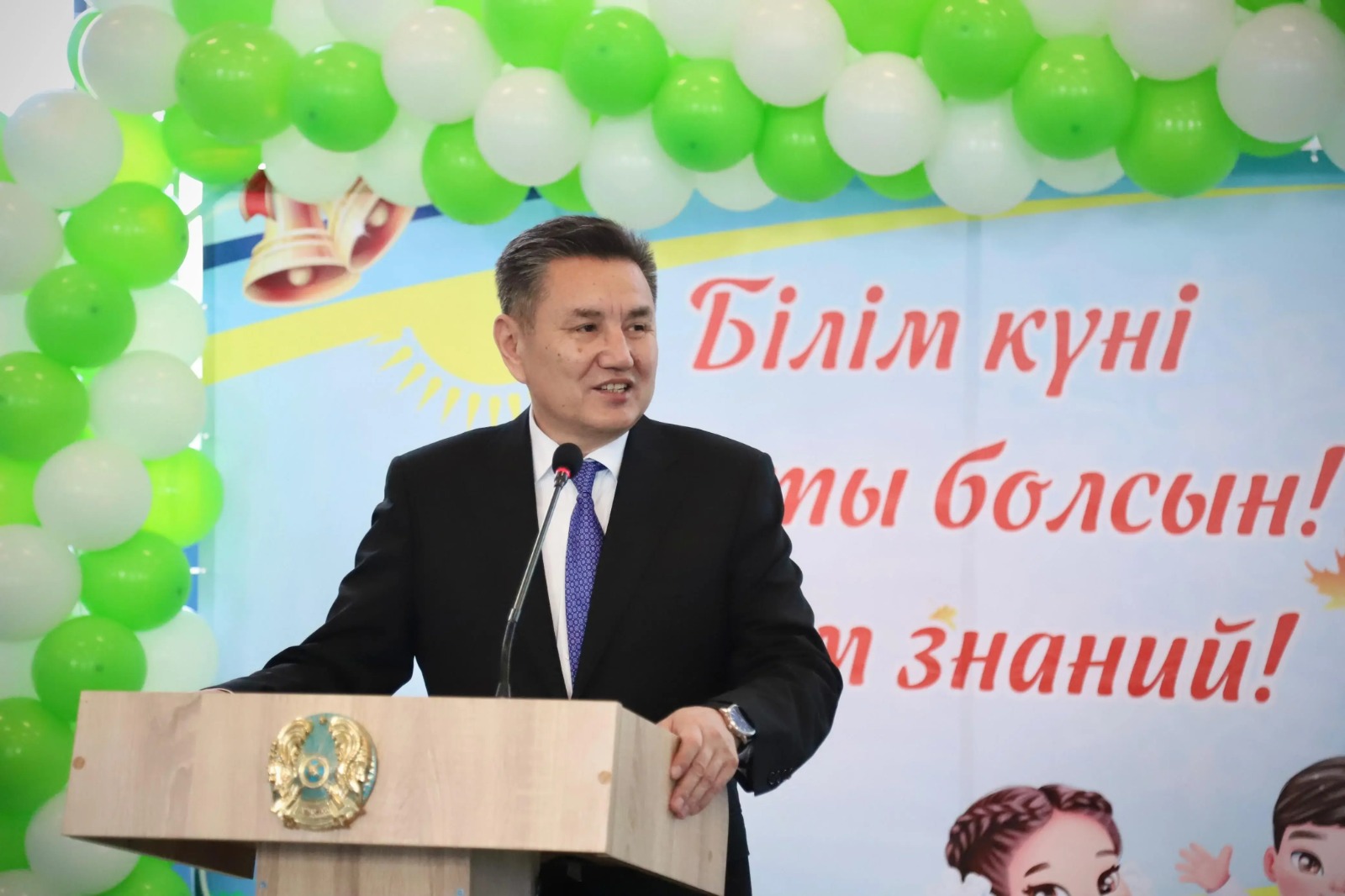
Бүгін Риддер қаласында 600 орынға арналған жаңа №12 мектептің салтанатты ашылуы өтті. Бұл оқу орны «Келешек мектептері» ұлттық жобасы аясында салынды және қаланың ең маңызды әлеуметтік нысандарының біріне айналды.Салтанатты жиынға Шығыс Қазақстан облысының әкімі Нұрымбет Сақтағанов жұмыс сапары аясында қатысты.— Мұндай мектептердің салынуы — болашаққа салынған инвестиция. Біз үшін балалардың жайлы әрі қауіпсіз жағдайда білім алуы, ал мұғалімдердің сапалы жұмыс істеуіне барлық мүмкіндіктердің болуы өте маңызды. Бұл — қаланың және өңірдің дамуына негіз, — деп атап өтті облыс әкімі.«AN Groups» компаниясы салған жаңа мектеп қазіргі заманғы білім беру стандарттарына толық сәйкес келеді. Мұнда кең әрі жарық сыныптар, арнайы пәндік кабинеттер, акт және спорт залдары жабдықталған, сондай-ақ цифрлық оқытуға қажетті барлық техника орнатылған.— Бізде мұндай көлемде жабдық бұрын-соңды болмаған, бұл — шын мәнінде «болашақтың мектебі», — деп бөлісті оқу орнының шаруашылық меңгерушісі.Ата-аналар мен мұғалімдер бұл оқиғаны ұзақ күттік дейді. Енді жүздеген бала жайлы жағдайда білім алып, мектеп тек оқу орны ғана емес, мәдени өмірдің де орталығына айналмақ.— Мұндай керемет мектепте сабақ оқымау немесе үй тапсырмасын орындамау ұят сияқты, — дейді оқушылар.Айта кетейік, биыл бұл мектепте алғаш рет 30-дан астам бала партаға отырды.Риддерде жаңа білім беру мекемесінің ашылуы — білім сапасын арттыру мен өсіп келе жатқан ұрпаққа тең мүмкіндік жасау жолындағы маңызды қадам.Source : https://www.gov.kz/memleket/entities/akimvko/press/news/details/1059917?lang=kk
Concerning the Meeting between the Ambassador of Kazakhstan to Mongolia Almas Seitakynov and the Member of the State Great Hural of Mongolia, Head of the Parliamentary Friendship Group «Mongolia – Kazakhstan» Otgonbayar Ukhnaa 01.09.2025
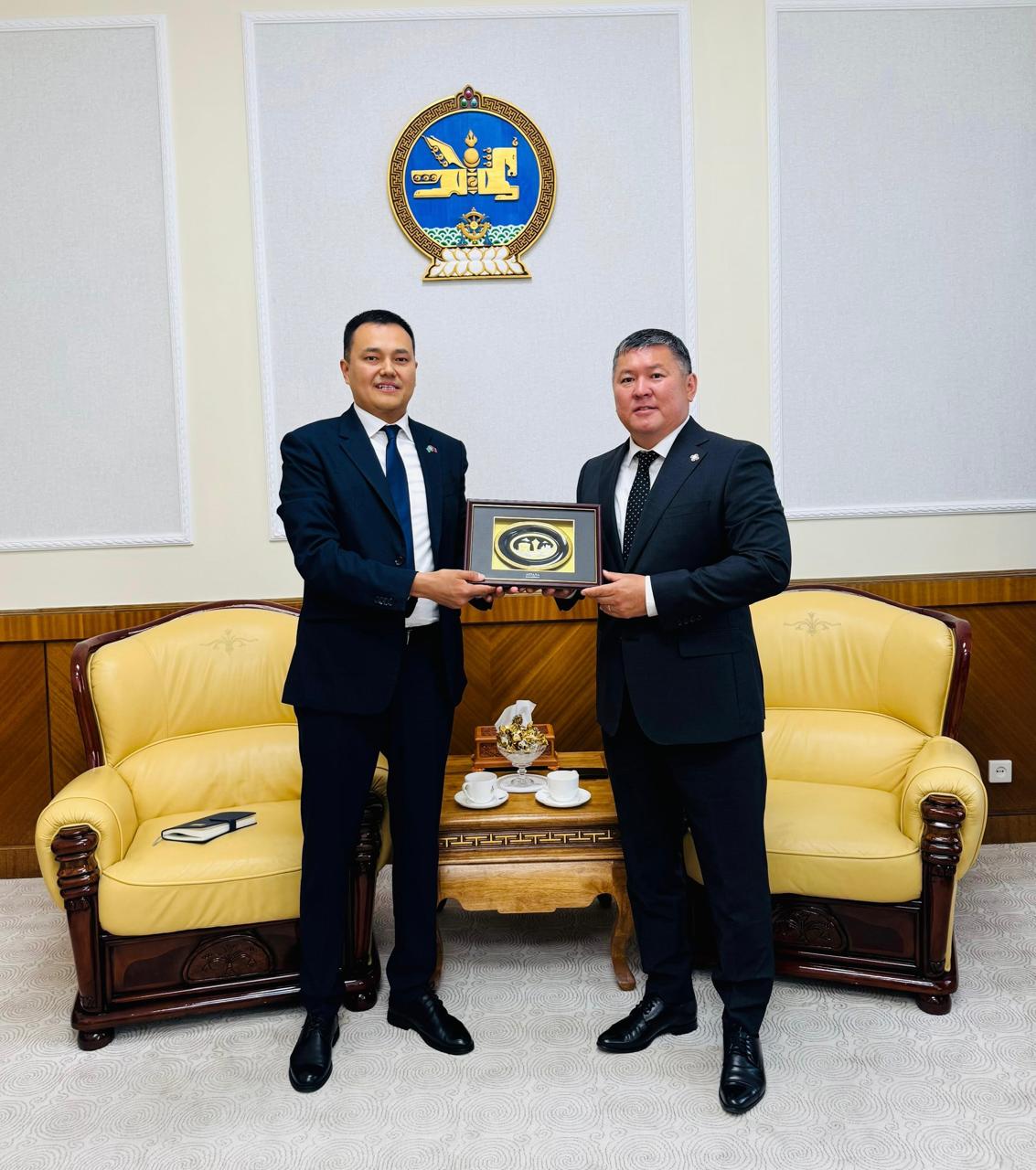
Ulaanbaatar, September 1, 2025 – Ambassador of Kazakhstan to Mongolia Almas Seitakynov met with Member of the State Great Hural of Mongolia, Head of the Parliamentary Friendship Group «Mongolia-Kazakhstan» Otgonbayar Ukhnaa.During the talks, the parties discussed ways to further strengthen inter-parliamentary cooperation, expand political dialogue, and enhance exchanges between parliamentary groups. Particular attention was given to issues of trade and economic cooperation, transport and logistics interaction, as well as contacts in the humanitarian and educational spheres.Ambassador A.Seitakynov reaffirmed Kazakhstan’s commitment to deepening multifaceted relations with Mongolia, underlining the special role of parliamentary diplomacy in strengthening mutual understanding and friendship between the two nations.For his part, U.Otgonbayar expressed readiness to contribute to the practical advancement of bilateral cooperation and emphasized the importance of regular interaction between the legislative bodies of both countries.At the conclusion of the meeting, both sides confirmed their intention to maintain active dialogue and implement joint initiatives aimed at further bringing the two countries closer together.Source : https://www.gov.kz/memleket/entities/mfa-ulaanbaatar/press/news/details/1059915?lang=kk
.png)
On August 20, a large-scale Sabbath was held in Shymkent with the participation of young people. 01.09.2025
On August 20, 2025, in Shymkent, at the initiative of the Youth Resource Center for Internal Policy and Youth Affairs, a large-scale cleaning operation was organized as part of the “Clean Kazakhstan” republican campaign. This time, the cleanup covered the courtyards of multi-storey residential buildings located on Turkestan Street. Employees of the “Clean Country” Youth Organization and volunteer youth of the city actively participated in the event, as a result of which about 1 ton of household waste and garbage was removed using special equipment. The peculiarity of this Saturday is that the organizing force is mainly directed at young people. It is known that the cleanliness of the environment, the neatness of streets and yards is the common responsibility of every resident. However, increasing the activity of young people in this direction, forming their ecological culture, is becoming one of the main goals today. During the event, volunteers spoke with residents and carried out explanatory work on the importance of maintaining cleanliness. Saturday work began in the morning and continued until the evening. The courtyards, pedestrian paths and green areas of several apartment buildings on Turkestan Street were cleaned of garbage. Special equipment removed household waste on time, and young people collected garbage with their own hands, contributing to keeping the city clean. Such work contributes to the spiritual development of young people by instilling a sense of responsibility in them and benefiting society. If we compare this event with similar clean-ups in previous years, we can see that the changes are developing in a positive direction. For example, in 2023, a city-wide clean-up was held near this very Turkestan Street. At that time, the event was mainly attended by employees of municipal institutions, and the participation of residents and young people was small. The amount of garbage collected was also limited to about 300-400 kilograms. And in the campaign organized in 2024, the share of young people increased, and students from various higher education institutions of the city began to participate. That year, about 600 kilograms of garbage were collected. The 2025 Shabbat was the most productive step after this two-year experiment. First, the number of participants increased, as evidenced by the mobilization of specialists from several institutions and more than 50 young volunteers. Second, in addition to the number of equipment, the quality of organization also improved. Third, cleaning work was not limited to garbage collection, but was also supplemented with educational activities for residents. These changes indicate that Shabbat has raised its place and significance in society to a new level. Such environmental campaigns not only ensure the cleanliness of the city, but also increase the ecological culture of residents. Especially for young people, these events are like a big educational school. They not only contribute to the beautification of the city through their work, but also feel the need to protect nature with their hearts. Usually, the topic of ecology is explained to young people mostly in theory, but such practical events have a much deeper impact on their minds. In general, the main goal of the "Clean Kazakhstan" campaign is to protect the environment, encourage residents to take care of nature, and most importantly, to form a culture of cleanliness in society. In recent years, systematic work has been carried out in this direction in Shymkent. The city administration and various government agencies organize weekly clean-ups, attracting representatives of various industries. Each clean-up is not just a garbage collection event, it is a social movement that unites people and mobilizes them for a common goal. After the clean-up on August 20, a particularly upbeat mood was observed among young people. They posted photos and videos on social networks, urging others to protect nature. This is also a new aspect of modern clean-up - not only cleaning up the area, but also contributing to the spread of environmental ideas at a social level. Thus, the Saturday event held on August 20 made a real contribution to the growth of the ecological culture of Shymkent. The activity of young people and the support of residents increased the effectiveness of this event. The achievements compared to previous years prove that the environmental policy of our city is gradually becoming a stable system. It is expected that such initiatives will continue in the future, and with the participation of young people, the city's cleanliness and care for the environment will rise to a new level. For the residents of Shymkent, such clean-up days are not just a day of cleanliness, but are becoming a good tradition that unites society and increases everyone's love for nature. The clean-up day on August 20, 2025 was another clear proof of this trend.
.png)
In Shymkent, cultural representatives took part in a citywide clean-up day 01.09.2025
On August 16, 2025, another citywide clean-up day was held in Shymkent, organized within the framework of the republican environmental campaign "Taza Kazakhstan". This time, special attention was drawn to the participation of workers in culture, archival affairs and the sphere of language development, as well as young people, who, together with other city structures, took to the streets to contribute to the cleanliness of the metropolis. The large-scale event covered various areas of the city. Participants cleared streets, courtyards, squares, public spaces from accumulated garbage, and also tidied up green areas. In total, several tons of household waste were removed from the city, which was a noticeable result of collective work. The peculiarity of this particular clean-up day was that it was actively attended by employees of cultural institutions – employees of libraries, archives, cultural centers, as well as artists and representatives of youth associations. If usually public utilities and district akimats are involved in the clean-up, then this time the initiative was supported by those who work daily in the field of spiritual and cultural development of society. Thus, the idea is emphasized that caring for the environment is not only the work of public utilities, but a common task in which everyone can play an important role. For cultural workers, participation in the clean-up day has become a symbolic step of sorts. After all, the cleanliness of streets and parks is also part of the general culture of society. When librarians, musicians or archivists go out to clean up together with residents, it increases trust, unites people and gives an example of how spiritual values can be combined with practical actions. An important part of the event was the presence of young people. Young professionals and students involved in the cultural sphere helped not only to clean the area, but also to conduct outreach work. They distributed leaflets, reminded passers-by of the importance of caring for nature and talked about how even small steps – sorting garbage, refusing plastic, keeping the yard clean – can change the urban environment. If we compare this clean-up day with previous years, we can note a clear expansion in scale and involvement. In 2023, cultural representatives also went out to clean up, but then such events were more of a one-off nature and were timed to coincide with holidays. So, in the spring of that year, on the eve of Nauryz, employees of museums and cultural centers cleaned the area around monuments and parks in order to celebrate the holiday in a clean environment. In 2024, creative groups joined the action, which after the clean-up organized small concert programs for city residents, reminding that caring for nature can be not only useful, but also festive. However, in 2025, environmental events became more regular: clean-up days began to be held every week, which allowed to significantly increase the volume of work done. If in previous years it was possible to collect and remove 10-15 tons of garbage during one clean-up day, now we are talking about 40 tons or more. This means that not only the scale has grown, but also the willingness of residents and organizations themselves to actively participate in such initiatives has become higher. An important result of the current clean-up day was the formation of a sense of shared responsibility for the urban environment in society. When utility workers, officials, librarians, artists and young people work shoulder to shoulder during the clean-up, a feeling of unity is created. Residents, seeing such a picture, also join in more often. Thus, the clean-up day turns into not just a business event, but a social movement uniting people of different professions and ages. It is worth emphasizing separately that the participation of the cultural sphere also has an educational effect. Those who are used to seeing cultural workers on stage or within the walls of libraries perceive their participation in the clean-up as a visual lesson. This shows that caring for nature is part of the general cultural code. In this way, a new view of ecology is formed: it is not an abstract task, but daily behavior, where everyone can make an effort. On August 16, the clean-up day in Shymkent became another milestone in the implementation of the Taza Kazakhstan program. The organizers and participants emphasize that such events will continue in the future, involving more and more citizens. The main achievement is that the involvement of the population increases each time, and along with this, the environmental culture grows. Comparing the current clean-up day with previous years, we can say that it has become more systematic, widespread and effective. If earlier ecology was perceived as a one-time event for a holiday, today it is gradually becoming a part of city life. A clean city is a comfortable environment, and residents of Shymkent are increasingly aware that this is a common task that requires constant attention. Thus, the past clean-up day with the participation of cultural representatives and youth not only helped to clean the city streets, but also demonstrated a new level of public consciousness. The experience of past years shows that such initiatives should be regular and massive. And this is exactly what Shymkent is doing today: turning city cleaning into a tradition that unites people for the sake of the future.
.png)
Saturday, August 16: Activities of representatives of the cultural sphere 01.09.2025
On August 16, 2025, another city-wide clean-up was held in Shymkent. This time, the environmental event was organized as part of the "Clean Kazakhstan" republican campaign, and employees of the city's Department of Culture, Language Development and Archives and affiliated institutions, as well as young people, actively participated in it. During the clean-up, a number of parts of the city's territory were cleaned of garbage and green areas were maintained. A distinctive feature of this event is the active involvement of representatives of the cultural sphere and young people. Usually, public utilities and local akimat employees are more involved in such work, but this time, art groups, archive workers, specialists from libraries and cultural centers also took up gloves and bags and contributed to the beautification of the city. This step shows that the role of the cultural sphere in society is not limited only to the formation of spiritual values, but also goes hand in hand with concrete actions, such as environmental protection. Hundreds of people took part in the Sabbath, and several tons of household waste were removed. Particular attention was paid to parks and recreation areas in the city center. Since Shymkent is a metropolis that receives thousands of residents and guests every day, the cleanliness and order of public places is primarily a reflection of the city's culture. Therefore, the involvement of cultural workers in such matters with their own hands is a great example for the people. Another important aspect of this year's Sabbath is the activity of young people. From young specialists working in archives and libraries to young artists engaged in creativity in cultural centers, they were not left out of this event. During the Sabbath, they not only collected garbage, but also distributed information leaflets explaining the importance of forming an ecological culture among residents. This turned the ecological Sabbath into a unique event, combining education and enlightenment work with a social campaign. If we look at the experience of previous years, it is not the first time that cultural workers have participated in the sebbilik. For example, in 2023, on the eve of the Nauryz holiday, employees of the Department of Culture organized sebbilik in the territory of central parks and historical places, calling on city residents to take care of nature. And in 2024, a joint environmental campaign was held with the "Zhasyl el" group, and young artists from cultural centers not only participated in sebbilik on the streets of the city, but also organized small concerts and sang patriotic songs about nature protection. This trend continued in 2025, but this year's feature is that the scope of the campaign has expanded and includes all cultural institutions. In comparison, in previous years, Saturdays were mostly organized in the spring and autumn months, before holidays. Now, ecological Saturdays are traditionally held every Saturday. This indicates that an ecological culture is being systematically formed in the city. For example, if in 2022, as a result of one-time Saturdays, approximately 10–15 tons of garbage were removed each Saturday, in 2024 this figure reached 20–25 tons. And in 2025, more than 40 tons of household waste were removed during each citywide Saturday. This proves that, in addition to the increased activity of residents, state institutions are also widely involved in the work. The participation of representatives of the cultural sphere in such events also has a special impact on the city's residents. Seeing singers, librarians, and museum workers who perform on stage every day, walking side by side to collect garbage on Saturday, residents also expressed their support and voluntarily joined in. This is an important factor that strengthens public trust and cooperation. After all, the problem of ecology cannot be solved by the efforts of public utilities alone, it requires the involvement of the whole society. The principle “A clean city is a comfortable environment” has become a widespread slogan in Shymkent today. The active participation of the Department of Culture in the Sabbath further strengthened this idea. Cleanliness and order are not only measures to improve living conditions, but also an indicator of the cultural level of city residents. In world practice, the main feature of developed cities is their cleanliness and the environmental responsibility of their residents. The Saturday event on August 16 was another important milestone in the environmental movement of Shymkent. On this day, not only was garbage collected in the city, but the importance of environmental culture was also instilled in the minds of residents. Compared to previous Saturday events, this year's event was held at a higher level both in terms of scale and public resonance. The city authorities plan to continue such events in the future. In conclusion, the Saturday clean-up, which was held with the active participation of representatives of the cultural sphere, showed the city residents a new example of ecological culture. This is not just a cleaning operation, but also a great education for society. Compared to the experience of previous years, this year's campaign was distinguished by its large scale and public support. It is clear that the future of Shymkent is aimed at creating a clean and comfortable environment. Regularly held Saturday clean-up events are becoming the main mechanism for achieving this goal.
.png)
Cleanup in Nurtas: employees of city departments and public utilities unite for the sake of cleanliness 01.09.2025
On August 16, 2025, another citywide cleanup day was held in the Karatau district of Shymkent, which became part of regular environmental events within the framework of the Taza Kazakhstan program. This time, the large and densely populated microdistrict "Nurtas" was chosen as the venue for the action. The initiative combined the efforts of several structures at once. Employees of the land relations department, the architecture and urban planning department, the economics and budget planning department, the finance department, as well as representatives of the entrepreneurship department took part in the cleanup. In addition, specialists from the municipal state institution "Karatau" and employees of LLP "Zhasyl zher" actively joined the work. The scale of the action turned out to be significant: more than 400 people came out to clean the territory, and 25 units of specialized equipment were used to transport waste and restore order. As a result of the cleanup day, it was possible to collect and remove over 46 tons of garbage and household waste. For just one microdistrict, this figure seems colossal. But it reflects not only the volume of accumulated garbage, but also the level of organization of the event itself. Today, citywide clean-up days in Shymkent are no longer just a symbolic gesture, but a coordinated effort by departments, utilities, and residents. "Nurtas" is considered one of the largest residential areas in the Karatau district. Several tens of thousands of people live here, and sanitary issues remain relevant. Therefore, holding such a large-scale clean-up day in this microdistrict is of particular importance. Clean streets, cleaned courtyards, and the removal of tens of tons of garbage are a direct contribution to improving the quality of life of local residents. If you look at the statistics of previous years, you can see clear progress. In 2022, according to the Akimat, about 15 tons of garbage were collected during an environmental campaign in Nurtas. In 2023, the volume increased to 28 tons. And this year, the result exceeded 46 tons. This growth is explained by several factors. Firstly, in recent years, more government agencies and institutions have been involved in cleanups, which increases the number of participants. Secondly, the city began to allocate more equipment, which makes it possible to cope with large volumes of waste in a short time. If in 2021 only 8-10 units of equipment were used at similar events, today their number has increased to 25. The third factor is the active participation of residents and volunteers themselves. Students, members of youth organizations and citizens' initiative groups are increasingly joining the work. This practice is gradually turning cleanups into a common city movement. Clean-up days in Shymkent perform not only a utilitarian function of garbage collection. They play an important role in the formation of environmental culture and public responsibility. When students or business representatives work shoulder to shoulder with department employees, this creates an atmosphere of trust and teamwork. In recent years, the interest of young people in such events has noticeably increased. For example, in 2024, students from voluntary associations participated in several clean-up days, helping elderly residents clean up yards and take out heavy garbage. In 2025, this tradition continued, which became an additional factor in increasing efficiency and involvement. A clean city is not only aesthetics, but also a guarantee of health and well-being of its residents. Clean-up days, held every week, have become part of a long-term strategy for the development of environmental culture. It is important that we are not talking about one-time events, but about systemic work that covers all areas of the city. If 10-15 years ago such events were perceived as forced campaigns, now they have become a common practice. People increasingly understand that order in the city depends not only on public utilities, but also on each resident. The cleanup day on August 16, 2025 in Nurtas became a clear example of how joint efforts can bring significant results. More than 400 people and 25 units of equipment cleared the microdistrict of 46 tons of waste in one day. Compared to previous years, it is clear that environmental campaigns are becoming larger and more effective. In 2022, the figures were three times lower, in 2023 - almost twice as low. Today, Shymkent demonstrates a completely different level of organization. Such dynamics confirm that the city is moving in the right direction: environmental culture is strengthening, and public participation is becoming the norm. In the future, we can expect that such campaigns will not just be Saturday traditions, but part of the daily life of Shymkent residents. The clean-up day in Nurtas is not only a clean-up of the territory, but also an important social signal. It shows that government agencies, public utilities and city residents are ready to work together to create a clean and comfortable living space. Shymkent is confidently securing its status as a city where ecology and cleanliness are a priority. And each such event is a step towards the formation of a new ecological image of the metropolis. Today, we can say with confidence that such events in Shymkent are becoming a good tradition and an important tool in environmental education. After all, each generation of city residents gets used to the idea that the cleanliness around them depends on their own efforts. As not only public utilities, but also government employees, business representatives, schoolchildren and students participate in the cleanup, a strong culture of collective responsibility is formed. That is why the event that took place on August 16 in Nurtas is not an ordinary episode, but part of a large and significant work. It reflects both the current priorities of city policy and the general trend that has been developing in Shymkent in recent years. Here they no longer wait for the environmental situation to be resolved for them, but rather join forces. It is also important that the city authorities pay attention to the systemic support of such initiatives: they allocate equipment, ensure coordination, and invite various structures to participate. All this forms the basis for the successful continuation of environmental campaigns in the future. Thus, the clean-up day in Nurtas became not only an example of a successful clean-up campaign, but also a reflection of a new urban philosophy, where cleanliness and ecology are seen as a common cause.
.png)
The Sabbath in the Nurtas microdistrict of the Karatau district: joint work of residents and institutions 01.09.2025
On August 16, 2025, another city-wide clean-up was held in the Karatau district of Shymkent. This time, the cleaning event was organized in the "Nurtas" microdistrict, and several departments and municipal institutions in the city actively participated in it. The event was attended by employees of the departments of land relations, architecture and urban planning, economics and budget planning, finance, and entrepreneurship of Shymkent, as well as representatives of the Karatau municipal state institution and the Zhasyl Zher limited liability partnership. The scale of the cleanup was very extensive: in total, more than 400 employees were mobilized and 25 special equipment was involved. As a result, more than 46 tons of garbage and household waste were removed from the territory. This figure reflects the results achieved in just one day. The production of such a volume of waste, on the one hand, indicates that the sanitary situation in the district still needs to be improved, and on the other hand, it indicates the increasing responsibility of the city authorities and residents for cleanliness. The purpose of the regular weekly cleanups in the city is not only to collect garbage. It is to educate residents in respect for the environment, ecological culture, and also to prove that government agencies, public utilities, and ordinary citizens in the city can work together. The Nurtas microdistrict is one of the largest residential areas in the Karatau district. The large population, the accumulation of household waste, and the need for improvement require systematic monitoring of the sanitary cleanliness of this area. In this regard, the past Sabbath was very important for the residents. City-wide clean-ups are held regularly in Shymkent every year. For example, in 2022, during an environmental event held in the Nurtas microdistrict, about 15 tons of garbage were removed. In 2023, the figure reached 28 tons. The fact that more than 46 tons of garbage were collected during this year's clean-up indicates an increase in the activity of residents, as well as the expansion of the technical capabilities of the organizers. While previously such Sabbaths were mainly attended by municipal employees and representatives of local akimats, now various departments, government employees, and business entities are involved. This is an important indicator that environmental culture has reached a new level. The increase in the number of vehicles has also brought about a clear change. For example, while only 8-10 vehicles were mobilized for the 2021 Sabbilik, 25 special vehicles participated in this year's event. This made it possible to remove a large amount of waste in a short time. Another important aspect of the Sabbath is that it strengthens the sense of solidarity and responsibility in society. When residents see with their own eyes how cleanliness is being established, they are more likely to avoid littering and take care of the environment in the future. And the joint work of government officials and residents strengthens the relationship between the government and the people. The activity of young people is also increasing year by year. In 2024, members of the "Zhasyl el" squad and volunteer students participated in such Sabbaths several times and made their contribution. This trend continued this year. Young volunteers who participated in the Sabbath in "Nurtas" helped the elderly and helped clean up the area. Saturdays are not limited to temporary cleaning, but also contribute to the formation of an ecological culture. City-wide cleaning events held every Saturday make city residents understand how important it is to live in a clean environment. If 10-15 years ago, the understanding of garbage disposal was at a low level, now the situation has improved significantly. This is the result of such systematic events. For example, in 2015, an average of only 5-7 tons of garbage was collected in the city during one Saturday. The current figure has increased several times. On the one hand, this indicates the expansion of the city and the increase in its population, and on the other hand, it indicates an improvement in the organizational level. The Saturday garbage collection event held on August 16, 2025 in the Nurtas microdistrict of the Karatau district was an important event in the ecological life of the city of Shymkent. Thanks to the joint efforts of more than 400 people and the work of 25 pieces of equipment, more than 46 tons of garbage were removed. This is the result of just one day. Compared to previous years, the current Sabbaths are much larger, more organized, and more effective. Thanks to the combined efforts of the city authorities and residents, environmental culture is reaching a new level. Based on the principle that "a clean city is the key to a bright future," the regular and systematic holding of such cleanups will undoubtedly change the face of Shymkent. The cleanup event in the Nurtas microdistrict is a clear example of this trend.
.png)
Al-Farabi district continues clean-up days: on August 20, residents and municipal services united for the sake of cleanliness of the city 01.09.2025
On August 20, another clean-up day was held in Shymkent in the Al-Farabi district as part of the republican environmental campaign "Taza Kazakhstan". The initiator was the office of the district akim, and the event itself was attended by employees of the district administration, specialists of the Al-Farabi state municipal enterprise and active residents. The goal of the event is simple, but very important: to create a comfortable and safe living environment in the city, to raise the level of environmental culture, and to show an example of how, through joint efforts, we can change the surrounding space. As a result of the work, more than 70 people came out to clean the streets, courtyards and public areas. Four units of specialized equipment were used to collect and remove waste. Together, they managed to collect and remove about six tons of garbage that had been accumulating in the area. Al-Farabi district occupies a special place in the urban structure: not only residential areas are located here, but also important cultural, business and educational centers. The high population density and active city life make the issue of the sanitary condition of the district especially relevant. That is why regular clean-up days have become part of the improvement system. Compared to previous years, several positive changes can be noted. Just a few years ago, participation in such events was limited mainly to officials and public utilities. Residents, as a rule, remained on the sidelines, perceiving the cleanup as a task exclusively for city structures. However, in recent years, the situation has changed: young people, students, and concerned citizens are increasingly joining the events. This time, it was possible to notice that representatives of yard committees also came out to clean up, which became a good example of self-organization. Particular attention should be paid to the technical equipment of the clean-up days. If previously the cleaning was carried out mainly manually, now the district administration is using specialized machines: loaders, dump trucks, and garbage removal equipment. This allows for the elimination of the volume of waste in a few hours, which would previously have taken several days. Comparing the current campaign with similar events of previous years, we can say that the organizational evolution is also noticeable. For example, in 2021, as part of the spring campaign in the same area, it was possible to remove about 3 tons of garbage. Then the event was more symbolic: more emphasis was placed on drawing attention to the problem. This year, the work has become systemic: each clean-up day has a specific plan, and the results are measured by real indicators. It is also important that such actions are no longer isolated. Now they are held every week and are no longer perceived as a one-time campaign, but as part of city life. This also changes the attitude of residents: they begin to understand that cleanliness depends not only on public utilities, but also on each individual. The organizers note that the regularity of such clean-up days helps to develop an environmental culture. After all, participation in them is not just about cleaning up trash, but also about cultivating a respectful attitude towards the city. When a person cleans up the street with his own hands, he is unlikely to want to throw a piece of paper or a bottle in the wrong place again. Participation of young people is especially important. In the Al-Farabi district, many students and schoolchildren come to such events voluntarily. For them, this is not only a contribution to the improvement, but also an opportunity to feel their involvement in a common cause. In previous years, such involvement was almost non-existent: everything was limited to official structures. Another aspect is support from local businesses. Some entrepreneurs help with equipment, inventory, or even provide drinking water and gloves for participants. In 2025, this practice is becoming more widespread, which indicates the growth of social responsibility of business. Such actions are important not only from the point of view of sanitation, but also as a way to unite society. Residents of the district, working side by side with officials and utility workers, understand that they have a common goal - to make the city cleaner and more comfortable. This reduces the distance between the authorities and the population, creates trust and a sense of unity. Of course, one clean-up day is not enough to solve all environmental problems. But regularity and systematicity of events allow to gradually reduce the number of spontaneous dumps, eliminate garbage in time, and most importantly — prevent its occurrence. After all, cleanliness is not only the result of cleaning, but also the habit of each person. On August 20, the cleanup day in the Al-Farabi district became yet another proof that changes are possible if all parties are involved: the government, utilities, residents and businesses. Compared to previous years, progress is noticeable: the actions are becoming more widespread, organized and effective. A clean city is not only a beautification, but also an indicator of culture. And culture begins with responsibility. And if earlier environmental campaigns were perceived as a formality, now they are increasingly becoming a symbol of common concern for the future of Shymkent.
.png)
Sabbath work is gaining momentum in the Al-Farabi district, giving impetus to environmental culture 01.09.2025
On August 20, the next weekly meeting was held in the Al-Farabi district of Shymkent as part of the “Clean Kazakhstan” environmental campaign. This event was organized at the initiative of the district akim’s office, and was actively attended by employees of state institutions and specialists of the Al-Farabi municipal state enterprise. The main goal of the meeting was to create a comfortable environment for city residents, contribute to the reduction of household waste, and strengthen environmental culture. More than 70 people were involved in the event, including akimat employees, municipal specialists, volunteer youth, and active residents. In addition, 4 special vehicles were used for garbage collection, resulting in the removal of about 6 tons of waste. This is one of the big steps taken to maintain cleanliness in the district. Since Al-Farabi district covers the central part of Shymkent, it is densely populated and the amount of household waste collected is larger than in other regions. Therefore, the district akimat regularly organizes cleanliness and order maintenance activities. Previously, such clean-ups were systematically organized and showed their results with the participation of residents. Compared to previous years, this year's Sabbath has a number of features. For example, in the environmental actions organized in 2022, there was a decrease in the level of participation of residents. Most often, akimat employees and municipal specialists participated. However, in this year's events, it can be seen that the activity of young volunteers has increased, and residents have joined them of their own free will. This is clear evidence that an environmental culture is gradually forming among the population. In addition, the use of machinery and equipment has also improved in recent years. While in the past, manual collection was the norm on Saturdays, special trucks, loading equipment, and mechanisms for transporting garbage containers are now widely used. As a result, work productivity has increased, and it has become possible to remove large volumes of garbage in a short time. According to the residents of the district, the regular holding of such Saturdays is one of the most effective ways of environmental education. Because people not only contribute to the cleanliness of their yard or street, but also form the habit of protecting nature and being attentive to the environment. The active participation of young people in particular will contribute to the strengthening of environmental culture in the future. Another feature of this Saturday is the increased social responsibility. Local businessmen and heads of institutions are also interested in and supporting the event. Some organizations are independently organizing cleaning work in their territories, setting an example for residents. This trend has strengthened the understanding in society that "city cleanliness is a common responsibility for all of us." Based on the experience of previous years, it is important to maintain sanitary cleanliness throughout the year, not just during the Sabbath. For example, during the 2021 campaign "Clean City - Bright Future" held in the city, several Sabbaths were organized in the spring months, and as a result, the streets were cleaned, but household garbage increased again in the summer. This year, the district akimat introduced a regular schedule to prevent such shortcomings and made it a tradition to hold weekly cleaning events. From this perspective, the results of the 2025 Sabbaths are much more effective. Firstly, they are becoming a systematic work, not just a one-time event. Secondly, the activity of residents is increasing and support is being provided by society. Thirdly, the use of modern technology is saving time and helping to improve the quality of work. Cleanup efforts in the Al-Farabi district will continue in the future. The district akim's office has set the main task of expanding measures in this direction and increasing the participation of residents. In addition, the issues of forming a culture of waste disposal, preventing spontaneous landfills, and maintaining green areas are not left on the agenda. In general, the Sabbilik, which took place on August 20, made a significant contribution to improving the ecological situation in the Al-Farabi district. It was not only a cleaning operation, but also an important event that increased the collective responsibility of society and called on residents to unite. Compared to previous years, the quality and scope of this year's Sabbilik expanded, and the results were significantly higher. Cleanliness is a measure of culture. Therefore, each resident's contribution not only improves the appearance of the city, but also guarantees a clean and comfortable environment for future generations.
.png)
Employees of the Shymkent Land Relations Department took part in and contributed to the citywide clean-up day 01.09.2025
On August 16, a citywide clean-up day was held in Shymkent again, in which employees of the land relations department took an active part. As every week, they went out into the streets and courtyards to contribute to the cleanliness and improvement of the city. Such initiatives have long ceased to be a one-time action - today it is part of a systematic work that forms an environmental culture and strengthens the sense of responsibility among residents. The current clean-up day covered different areas of the city, where garbage was cleared, areas around buildings and public spaces were cleaned. The department employees, having joined forces, showed an example of careful attitude to the environment. At the same time, the organizers emphasize: cleanliness is not a one-time event, but a daily habit that every resident should follow. If we compare the current practice with the last decade, the difference is noticeable. Previously, clean-up days were held no more than a few times a year – in spring or autumn, most often as part of the national campaign "Taza Kazakhstan". On such days, city residents came out en masse to clean up, but after a short time, the cleanliness was again replaced by the usual picture - garbage on the roadsides, unkempt yards, unauthorized dumps. Today, the approach has changed. The city authorities have made clean-up days regular, and now residents can join the common cause every Saturday. This has had a tangible effect: order has become more noticeable, and the habit of throwing garbage in bins is gradually becoming entrenched. The peculiarity of the current clean-up days is that not only municipal services or individual activists join them. Civil servants, business representatives, students, schoolchildren and simply concerned residents participate in the action. Such unification of different social groups shows that concern for cleanliness has become a common cause. It was not possible to achieve such a scale in previous years. On August 16, the organizers focused not only on cleaning, but also on educational work. Residents were reminded of the need to protect green areas, properly sort waste, and not throw garbage in unauthorized places. Such explanations were almost never given before, and therefore the results of the cleanups were short-lived. Now the situation is changing: people are beginning to understand that the cleanliness of the city directly depends on their behavior in everyday life. It is important to note that in recent years the appearance of Shymkent has really changed. Where previously one could see spontaneous dumps, today there are container sites. The number of violators throwing garbage in the wrong places is decreasing. This is largely due to regular clean-up days, which remind residents of the importance of order and discipline. Comparing today's events with the past, one can note another difference: previously, clean-up days were perceived more as an obligation or a formality. People came out because "that's how it's supposed to be," but their attitude to work was superficial. Today, participation has become conscious. Many city residents come with their families, bring their children, in order to cultivate respect for work and nature. This approach creates a completely different result - a long-term effect appears, not a temporary order. On August 16, employees of the land relations department showed by their example that every person can influence the state of the city. Such actions form a positive image of state bodies that not only perform administrative functions, but also participate in socially useful work. This is another important step towards the word "cleanliness" ceasing to be associated only with the duties of utility workers. City authorities note that the practice of clean-up days will be continued and expanded. The plans include not only garbage collection, but also landscaping of green areas, tree planting, and development of playgrounds and sports grounds. If previously clean-up days were limited to a few hours of cleaning, now it is turning into a comprehensive program to improve the urban environment. Residents of Shymkent are increasingly taking part in these events. According to them, they feel the real benefit of their efforts – clean streets, well-kept yards and a sense of unity with neighbors and colleagues. Many admit that participation in clean-up days has changed their attitude to everyday habits: they have become more attentive to waste sorting, have stopped passing by discarded garbage, and have begun to value public space more. Thus, the clean-up day on August 16 became another confirmation that the tradition of regular cleaning in Shymkent has taken root and is producing results. Unlike previous years, when such events were one-time events, today they have become part of a sustainable city culture. Cleanliness and order in the city are now perceived not as the responsibility of individual services, but as a common task for the entire society. Shymkent is gradually turning into a city where caring about cleanliness is becoming the norm. And this is largely due to those who take to the streets every Saturday – be it officials, entrepreneurs, students or ordinary citizens. Their joint work is forming a new face of the city and shows that only together can we achieve real changes.