World
.png)
Clean shore – clean city: Shymkent hosted a clean-up day on the Koshkar-Ata River 19.08.2025
On August 15, an environmental campaign was held in Shymkent as part of the republican project "Taza Kazakhstan". The organizers were the "AMANAT" party and the apparatus of the Akim of the Al-Farabi district. The venue was one of the most significant natural sites of the city - the Koshkar-Ata River, the banks of which have long needed a general cleaning. The event was attended by party representatives, district akimat employees, utility services and active residents. In total, dozens of vehicles and hundreds of volunteers came out. Their efforts helped collect and remove several tons of garbage that had been accumulating for months and sometimes years. Plastic bottles, bags, branches, construction waste and even old household items were removed from the coastal zone and the riverbed itself. The Koshkar-Ata River occupies a special place in the lives of Shymkent residents. It is not only a natural source of water, but also a historically significant object, with which many legends are associated. Maintaining its purity directly affects the ecological state of the city, as well as the health of citizens. That is why the action aroused great interest and brought together a wide range of participants - from government officials to ordinary residents. Cleaning the shore became not only a practical event, but also a symbolic step, emphasizing the importance of caring for nature. After all, the condition of such objects as Koshkar-Ata shows the level of environmental culture of the entire society. This is not the first time that such clean-ups have been held on the Koshkar-Ata River. For example, last August, a mass clean-up was also organized, during which more than 150 tons of waste were collected. Then, students and schoolchildren joined the action, which gave the event an educational character. In the summer of 2024, the river bank was cleaned as part of a youth environmental camp: for a week in a row, teenagers and volunteers were busy cleaning up, whitewashing trees, and installing trash cans. In comparison, this clean-up day was more organized. The organizers focused not only on cleaning, but also on educational work. Residents were told about the importance of sorting waste, the benefits of recycling, and why it is unacceptable to throw garbage into water bodies. Thus, the event was not only practical, but also educational. One of the features of the clean-up day was that all participants worked as equals. Officials, utility workers, party activists and ordinary citizens stood in one row, cleaning up trash and tidying up. This created an atmosphere of unity and showed that the cleanliness of the city is a shared responsibility. Particularly noteworthy is the participation of young people. Students and schoolchildren who came to the event demonstrated activity and diligence. Many of them noted that such events not only help improve the environment, but also instill in the younger generation a sense of patriotism and responsibility for their small homeland. The cleanliness of the river bank is important not only for the environment. It is an important element of urban development and the attractiveness of Shymkent. It is difficult to imagine a modern metropolis without clean recreation areas where city dwellers can come with their families. A well-kept bank of the Koshkar-Ata can become not only a favorite place for walks, but also a tourist attraction. In addition, the preservation of natural objects is directly related to the quality of life in the city. Clean water and fresh air are the basis of public health. Therefore, each such event becomes a contribution to the future of Shymkent. As a result of the clean-up, the river bank was noticeably transformed: the sidewalks were cleared, dry branches were cut, and landscaping elements were painted. But the main victory was not only the tons of garbage removed, but the change in people's attitudes toward the environment. The organizers emphasized that such events will continue, and anyone can take part in them. The goal is not just to clean the area once, but to form a sustainable habit of caring for cleanliness. Thus, the clean-up day on Koshkar-Ata became an important event in the ecological life of the city. It showed that only through joint efforts can real changes be achieved. The experience of past years confirms: such initiatives bring long-term effects, because clean nature is not a one-time action, but constant work. Shymkent is gradually moving towards becoming a modern and environmentally sustainable metropolis. And every such step, whether it is cleaning the river or planting trees, brings the city closer to this goal.
.png)
Clean Kazakhstan: The banks of the Koshkar Ata River have been cleaned 15.08.2025
On August 15, another clean-up was organized in Shymkent as part of the "Clean Kazakhstan" environmental campaign, initiated by the "AMANAT" party and supported by the Al-Farabi district akim's office. This time, the clean-up work took place on the banks of the Koshkar Ata River, one of the historical and special places in the city. The Koshkar Ata River is a natural feature that is like the heart of Shymkent. It has long been closely connected with the lives of the city's residents. The cleanliness of the river directly affects not only the environment, but also the general sanitary situation in the city, air quality and the health of the population. Therefore, it is no coincidence that Shabbat is held here. The participants emptied the trash cans along the river, swept the sidewalks, and cleaned the riverbed. Plastic waste, bags, broken products, and branches were collected and removed with special equipment. According to the participants, systematic implementation of such work will allow to radically improve the ecological image of the city. Clean-up campaigns have been organized on the Koshkar Ata River before. For example, during the Sabbilik last August, more than 150 tons of garbage were collected. At that time, the event was mainly attended by students, schoolchildren, and youth organizations. At the same time, environmental quizzes were organized for children, and the importance of nature protection was explained. And the peculiarity of this year's Saturday is in the organizational level. The event was not limited to garbage collection, but also took on an ecological educational character. Residents were given explanations about the benefits of waste sorting, recycling, and the culture of proper disposal of household waste. This, in turn, contributes to increasing environmental literacy in society. Everyone who participated in the Sabbath felt like an important part of nature conservation. Both officials and ordinary citizens worked together. This is a clear demonstration of unity in society. Of particular note is the activity of young people. University and college students worked actively, setting an example for adults. They understand very well that protecting the environment is the key to the future. Many young participants commented that "this Sabbath taught us to be responsible for the environment." Nature protection is not limited to the Sabbath. It should become a daily culture and way of life. The organizers often reminded that the cleanliness of the riverbank is the responsibility of every resident, not just municipal services. The cleanliness of the Koshkar Ata River also affects the tourist potential of Shymkent. Visitors to the city first visit natural places. And the clean, picturesque riverbank reflects the love of Shymkent residents for nature. As a result of the campaign, the riverbank has changed significantly: the footpaths have been cleared, branches have been cut, and special containers have been installed. But the greatest achievement is the formation of a culture of nature conservation in people's minds. The organizers said that they will continue such events systematically. That is, the Saturdays should not be just a one-day event, but a long-term environmental movement. If every city resident contributes to this initiative, Shymkent will undoubtedly become a clean and comfortable metropolis. The Sabbilik, which took place on August 15, is not just a cleanliness event, but also a demonstration of the unity and responsibility of society. As experience from previous years has shown, such events not only improve the ecological condition of the city, but also improve the culture of its residents. Cleaning the banks of the Koshkar Ata River is a real example of protecting nature and leaving a legacy for future generations. Clean nature is the guarantee of a bright future.
.png)
Shymkent youth made a significant contribution to city cleanup 16.08.2025
On August 16, the next stage of the citywide clean-up day was held in Shymkent as part of the environmental campaign "Taza Kazakhstan". A special feature of this event was the active participation of the employees of the Youth Resource Center, who showed an example of a responsible attitude to the environment and involved city residents in the process of cleaning. The main site for the cleanup was Sh. Ualikhanov Street, where many multi-story residential buildings are located. The youth concentrated specifically on the areas around the buildings: they removed household waste, mown grass, dry branches, cleared the yards of old objects and tidied up the places where children walk and adults relax every day. Thanks to this, residents felt noticeable changes in their neighborhood that same day. It is important to note that the participation of young people in such initiatives plays a dual role. On the one hand, it is a real contribution to the improvement of the city, on the other - an educational mission. The staff of the Youth Resource Center not only worked themselves, but also communicated with residents, especially with teenagers, reminding them that the cleanliness of streets and courtyards depends on each person. They emphasized that the habit of throwing garbage in the trash can and taking care of green spaces forms the environmental culture of the future generation. As a result of the cleanup, several tons of garbage were collected on Ualikhanov Street alone. Dozens of courtyards were put in order, dry bushes were cut down, trees were whitewashed, and playgrounds were cleaned. Residents of the area noted that, thanks to the efforts of the youth, the courtyards were transformed and became noticeably more comfortable. If we compare the current campaign with previous years, we can note positive dynamics in the degree of youth involvement. Thus, in 2023, spring and summer clean-up days in Shymkent were also held on a large scale, but then college students and volunteer organizations more often acted only as assistants to public utilities. In 2024, their participation has already become more organized - young people not only cleaned up garbage, but also initiated greening campaigns, including planting hundreds of seedlings along central streets and in park areas. The August 2025 cleanup day is also different in that young people acted as leaders of the process. The work was divided into groups, each of which was assigned a specific yard or street section. This approach made the process more systematic, and the result – tangible. In total, over 3,000 people participated in the clean-up day across the city, and over 200 units of equipment were used to remove garbage. The contribution of young people was especially noticeable – they created an atmosphere of involvement and gave the event an energetic mood. Their example showed that caring for cleanliness should not be limited to the duties of public utilities, but is the business of every resident of the metropolis. It is worth noting that regular holding of such events makes a significant contribution to improving the environmental situation. Shymkent is a dynamically developing city with a growing population, and the problem of cleanliness is always relevant here. The participation of young people helps not only to physically improve the condition of the streets, but also to form a more responsible attitude towards the common space among the population. Experience from previous years confirms that when schoolchildren, students and young professionals join in the cleanup, the effect is more sustainable. After the spring cleanups of 2024, in which young people played a key role, the number of illegal dumps in some areas of the city has noticeably decreased. A similar result is expected this year, as residents, seeing the enthusiasm of young people, themselves become more attentive to the cleanliness of their surroundings. Thus, the clean-up day held on August 16 was not just an environmental action, but a clear demonstration of the active civic position of the youth of Shymkent. Their energy, organization and readiness to take responsibility make such events more effective. And for the city, this means not only clean streets and cozy courtyards, but also the formation of a new level of urban culture, where the younger generation sets the tone and becomes an example for others. Large-scale cleanups, conducted annually, show the evolution of the approach to ecology and improvement. If earlier such events were considered exclusively as a one-time cleanup, now they are becoming part of the systemic work on the formation of a clean and comfortable urban space. And the main driver of this process is youth initiatives that turn a simple cleanup into a movement for a clean and green Shymkent.
.png)
Active participation of Shymkent youth in Shabbat is a model for the cleanliness of the city and society 16.08.2025
On August 16, 2025, another city-wide clean-up was organized in Shymkent. This event was held as part of the "Clean Kazakhstan" campaign. Although various institutions and organizations in the city were involved in the clean-up, one of the most active was the staff of the Youth Resource Center. They not only participated themselves, but also set an example by inviting residents to participate in the clean-up. The main object of this Saturday was the courtyards of multi-storey residential buildings along Sh. Ualikhanov Street. The employees of the Youth Center collected garbage near the houses, cut grass, and put the courtyards in order. They were especially pleased with the cleaning work in the areas where residents walk every day, and many expressed their gratitude for the activity of the young people. In general, it is known that the issue of city cleanliness is the common responsibility of not only municipal services, but also of the entire society. In this regard, the participation of young people in such initiatives demonstrates their civic position and love for their native city. Another feature of this Saturday is that young people, along with cleaning, also participate in landscaping work. They arranged green areas, loosened the roots of trees, and conducted explanatory work for residents about environmental protection. Representatives of the Youth Resource Center not only worked during the Sabbath, but also communicated with residents and explained the importance of forming an ecological culture. They especially taught children and adolescents about simple ways to protect nature - throwing garbage in a special place, caring for greenery, and keeping public places clean. This is a step of great educational value. After all, by setting an example for the younger generation, we can shape the ecological future of society. If we look at the history of such Sabbaths, we can see that in previous years, the activity of young people was particularly noticeable. For example, in 2023, students of city colleges and members of volunteer organizations actively participated in the spring Sabbaths, cleaning parks and yards in several districts. In the summer of 2024, the Sabbath, initiated by young people, attracted a wide audience of residents and turned into an environmental campaign. That year, hundreds of trees were planted by young people, and green belts were formed on several streets. This year's Sabbath is a continuation of that tradition. But one thing is special - the organizational skills of young people have increased. They are not just participants, but are responsible for certain areas and work according to a specific plan. For example, during the Sabbath on Sh. Ualikhanov Street, each group was assigned a certain yard, and garbage collection, grass cutting, and construction waste removal were systematically carried out. In total, more than three thousand people participated in the citywide cleanup, and more than 200 special vehicles were deployed. Among them, the share of young people was significant. This proved that the city's youth can promote environmental culture not only among themselves, but also throughout society. In comparison, in the past, young people were often seen as additional volunteers. Now they are taking on the role of initiators, organizers, and leaders. This is evidence that the youth policy, as well as the work of the Youth Resource Center, is moving in the right direction. Such Saturdays are of great importance for city residents. First, timely removal and cleaning of household waste improves sanitary conditions. Second, the activity of young people inspires and serves as an example to other residents. Third, such events form the culture of the city and increase the love of residents for their homeland. In conclusion, the August 2025 cleanup was not just a garbage collection event, but a manifestation of the active civic position of young people. These initiatives will give a great impetus to the transformation of Shymkent into a green, clean and comfortable city. And taking into account the experiences of past years, it is clear that the participation of young people in such good deeds will become the basis for creating a society with a high level of environmental culture in the future.
.png)
Big city cleanup in Shymkent: how residents unite for cleanliness and ecology 19.08.2025
On August 16, a large-scale improvement campaign was held in Shymkent as part of the Taza Kazakhstan project. The cleanup event brought together more than 3,100 city residents, and over 200 units of special equipment were involved in the work. As a result, more than 182 tons of garbage were collected and removed. The event covered five districts of the city at once, and residents in each of them showed high activity. In the Abay district, 400 people with the support of 15 units of equipment came out to clean up — the result was 42 tons of waste removed. In the Al-Farabi district, 335 volunteers with the help of 22 machines collected 27 tons of garbage. In the Yenbekshinsky district, 411 participants worked, 33 units of equipment were involved, and almost 16 tons of waste were removed to landfills. The Karatau district distinguished itself with a particularly high result: 440 people with the help of 25 machines removed 45.9 tons. In the Turansky district, 426 participants and 36 units of equipment worked harmoniously, clearing the territory of 18.3 tons of garbage. The clean-up was not limited to waste removal. The campaign included cutting down dead wood, cutting down old branches, mowing grass, whitewashing trees and dismantling old fences. General cleaning and landscaping work were carried out in public places and courtyards. Thus, the event acquired a comprehensive nature - it was aimed not only at maintaining cleanliness, but also at improving the urban environment. According to the participants, such events provide an opportunity not only to make the city cleaner, but also to feel unity when people of different ages and professions work side by side. Many residents brought their children to the cleanup to show them an example of caring for nature and to teach them a responsible attitude towards the environment. Compared to previous years, the scale of the current campaign has expanded significantly. For example, in 2022, less than two thousand citizens took part in similar events, and the volume of garbage collected was about 100 tons. In 2023, the activity of the population increased, and it was possible to collect about 150 tons of waste. But it was the 2024 cleanup that became a record-breaking one in both the number of participants and the volume of work. This development shows that the environmental culture in the city is gradually strengthening. If earlier such actions were perceived more as a formal event, now they have become a tradition uniting residents. It is especially important that schoolchildren, students and youth organizations are joining the initiative. They not only participate in the cleanup, but also actively spread the ideas of environmental responsibility through social networks, thereby involving even more people. Positive changes can also be noted in the organization of the process itself. Previously, events were often limited to local cleaning of individual areas, and equipment was used in a limited volume. Today, however, systemicity is visible: each district receives its own area of responsibility, modern equipment is used, and the entire process is more coordinated. The support of local authorities also plays an important role. Public utilities provided the necessary resources, and district akimats took on the coordination of the work. This made it possible to avoid chaos and ensure high efficiency. At the same time, experts emphasize that even such large-scale actions do not solve the problem of household waste at its root. This requires a comprehensive waste management system, including sorting, recycling and reducing their generation. However, clean-up days are important as a social tool: they help to form a habit of cleanliness in the population and show that every resident is able to influence the ecological state of the city. It is interesting to note that the practice of clean-up days in Shymkent has a long tradition. Just ten years ago, such events were held in a small format and were perceived as an initiative of individual organizations or schools. Gradually, they turned into a mass movement. Today, "Taza Kazakhstan" has become a brand symbolizing environmental awareness and collective responsibility. In addition, the current clean-up coincided with the active phase of summer improvement works. These days, greenery is being planted in the city, sidewalks and small architectural forms are being repaired. The combination of all these measures allows to significantly improve the appearance of the city and create a comfortable environment for its residents. In the future, it is planned to expand the scale of such events. Representatives of the city authorities stated that clean-up days will be held regularly and will become part of the general environmental strategy of Shymkent. The possibility of involving businesses is also being considered - companies will be able to participate not only with their labor resources, but also finance the purchase of equipment or the organization of waste processing. Thus, the clean-up day held on August 16 became a notable event in the life of Shymkent. It showed that the ecology and cleanliness of the city is not only the task of public utilities, but also the common responsibility of all its residents. Comparison with previous years clearly demonstrates positive dynamics: the number of participants is growing, the volume of work is increasing, and along with this, the environmental culture of society. With each such event, Shymkent becomes cleaner, more comfortable and more modern, and the city residents themselves become more united around the idea of caring for their city.
.png)
Shymkent Sabbilik: More than 3,100 residents participated 16.08.2025
On August 16, a city-wide clean-up drive called "Clean Kazakhstan" was organized in Shymkent, in which more than 3,100 residents participated. During the clean-up drive, 212 special equipment was mobilized, and more than 182 tons of garbage were removed from the city. This event was assessed as an important step aimed not only at cleaning work, but also at increasing the environmental culture of city residents. The citywide cleanup was held in five districts. Each district actively engaged in the improvement of its own area. In particular, 400 employees and 15 vehicles were mobilized in the Abay district, as a result of which 42 tons of garbage were removed. In the Al-Farabi district, 335 employees and 22 vehicles collected 27 tons of garbage. In the Enbekshi district, 411 employees and 33 vehicles cleaned 15.7 tons of garbage. In the Karatau district, 440 people and 25 vehicles made a significant contribution, removing 45.9 tons of waste. And in the Turan district, 426 employees with 36 vehicles removed 18.3 tons of garbage from the city. Another feature of the Sabbath is that it is not limited to cleaning, but also includes landscaping work. Dead trees and branches were cut down in the city, grass was mowed, trees were whitewashed. In some places, fences were removed, and garbage was completely cleaned in parks and public places. These works are aimed at creating conditions for a comfortable life for city residents. The scale of this year's Sabbath can be compared with the events of previous years. For example, in 2022, during the Sabbaths held in the summer months, about 100 tons of garbage were removed throughout the city. Although the activity of residents was somewhat lower at that time, interest in environmental culture was just beginning to form. In 2023, the size of the Sabbath increased, and about 150 tons of garbage were collected. And this year's figure - the removal of more than 182 tons of waste - clearly demonstrates the increased interest of residents in environmental initiatives. In comparison, a few years ago, such clean-ups were mostly held only with the participation of government employees and municipal workers. The activity of ordinary residents was low. And the participation of more than 3 thousand people in this clean-up indicates that the environmental culture of society has reached a new level. It is especially worth noting the activity of young people and volunteers. They did not limit themselves to collecting garbage, but also promoted environmental cleanliness on social networks and invited others to participate in the event. Another important aspect of such measures is the preservation of the city's ecosystem. Timely garbage removal and maintenance of green spaces improve air quality and contribute to maintaining ecological balance. In addition, Shabbats ensure that people are engaged in a common cause and increase social responsibility. According to city residents, thanks to the Senbiliks, the appearance of Shymkent is significantly improving. Previously, garbage accumulated in some streets and yards was not removed for a long time, causing inconvenience to residents. Now such situations have decreased, and the cleanliness of public places has significantly improved. In this regard, the coordinated work of local authorities and utilities plays an important role. In general, the "Clean Kazakhstan" Saturday is reaching a new level every year. If in the early years its main goal was limited to garbage collection, today it has become a tool for shaping urban culture, educating residents to protect nature, and strengthening social unity. It is planned to organize such events more often in the future. According to experts, it is necessary to turn Sabbilik into a permanent environmental movement, not just a one-time event. In this regard, it is proposed to create environmental clubs in schools and universities, and conduct special programs to promote a culture of cleanliness among the population. In conclusion, the August 16th cleanup was an important event in ensuring the cleanliness of Shymkent, as well as in increasing the ecological culture of residents. The increase in the volume of garbage compared to previous years indicates not only the increase in household waste in the city, but also the active participation of residents in cleaning work. This is clear evidence of the growing environmental awareness and the beginning of society to unite in common interests.
.png)
The largest greenhouse for year-round tomato production will appear in Shymkent 01.08.2025
In early August, negotiations took place in Shymkent that could become the starting point for a major agricultural breakthrough in the region. The Minister of Agriculture of the Republic of Kazakhstan, Aidarbek Saparov, met with the Chairman of the Board of the Turkish company Sine Midas Stroy, Ahmet Budan. The meeting also discussed the participation of the Polish company Fabe Agro in a large-scale agro-industrial project. We are talking about the construction of a modern greenhouse with a capacity of 36 thousand tons of tomatoes per year, which will be one of the largest projects in Central Asia. The total cost of investments is estimated at 120 million US dollars. The Minister noted that Kazakhstan is interested in high-tech investments in the agricultural sector. According to him, the project will not only strengthen the country's food security, but also create export-oriented production. In conditions when the demand for environmentally friendly vegetables is growing not only within the country, but also in foreign markets, such a project is becoming strategically important. Today, greenhouse farming in Kazakhstan is already developing, but most complexes are limited to the domestic market and have relatively low productivity. For example, in 2015-2017, several greenhouses with a capacity of 5 to 7 thousand tons of produce per year were opened in Shymkent and nearby areas. They partially solved the problem of seasonal vegetable shortages, but due to high costs and the lack of large-scale investments, some enterprises eventually reduced production. The new project is fundamentally different: it is designed for long-term sustainability, the use of innovative technologies and an export focus. The future greenhouse in Shymkent will allow growing tomatoes all year round, regardless of weather conditions. For this purpose, it is planned to introduce automated climate control systems, drip irrigation and energy-efficient lighting. Such technologies are successfully used today in Turkey and Poland, and will now be introduced in Kazakhstan. This means that the country will be able to produce fresh tomatoes not only in summer, but also in winter, when vegetable prices traditionally increase several times. The economic significance of the project is enormous. First of all, these are hundreds of new jobs for residents of the region. The greenhouse will require agronomists, engineers, technologists and workers. In addition, the project will require the creation of related infrastructure: transport and logistics centers, processing facilities. Thus, the multiplier effect of the greenhouse construction will affect several sectors of the economy at once. The project is also of great social importance. Vegetables, particularly tomatoes, are an important part of the diet of the people of Kazakhstan. Today, a significant portion of tomatoes consumed in winter are imported from neighboring countries. This increases the dependence of the domestic market on external supplies and affects prices. With the advent of the new complex, the share of imported tomatoes will be significantly reduced, which means that consumers will be able to receive a more affordable and fresh domestically produced product. If we compare the current initiative with previous similar projects, we can see obvious progress. Previously, greenhouse complexes were created mainly by domestic investors and had a limited scale. At best, they provided for one region or city. The new project is designed not only to provide for the domestic market, but also to go beyond it. With proper organization of export, Kazakhstani tomatoes can take a worthy place in the markets of Russia, China and the Persian Gulf countries, where there is a high demand for fresh vegetables in the winter season. Historically, Shymkent and the southern regions of Kazakhstan in general have always paid attention to agriculture. Cotton, vegetables, and melons were grown here. However, for many years the industry developed according to old schemes, and depended on weather conditions and manual labor. Today, the situation is changing: the agricultural sector is gradually becoming high-tech. The construction of a greenhouse with a capacity of 36 thousand tons is a striking example of the transition from traditional farming to an innovative approach. In the future, the implementation of such projects will allow Kazakhstan to gradually diversify the economy and reduce its dependence on raw material exports. After all, the agricultural sector has enormous potential, especially with the correct use of modern technologies and the attraction of foreign investment. Following the talks in early August, the parties confirmed their readiness to speed up the signing of the investment agreement and begin practical steps in the near future. If the process goes according to plan, in a few years Shymkent will become not only a major industrial and cultural center, but also a leader in vegetable production. Thus, the upcoming implementation of the project to build a modern greenhouse in Shymkent opens a new page in the history of the agricultural sector of Kazakhstan. Unlike previous local initiatives, this program is systemic, has international participation and is oriented towards the long-term perspective. It is capable of changing not only the appearance of agriculture in the region, but also the place of Kazakhstan in the global agricultural market.
.png)
Project to build a new modern greenhouse in Shymkent: a boost to the future of agriculture 01.08.2025
In early August, important news for the agricultural sector was announced in Shymkent. Negotiations were held between the Minister of Agriculture of the Republic of Kazakhstan Aidarbek Saparov and the Chairman of the Board of the Turkish company Sine Midas Stroy Ahmet Budan, as a result of which a specific plan was discussed for the construction of a modern industrial greenhouse in the city with a capacity of 36 thousand tons of tomatoes per year. The Polish company Fabe Agro will also participate in the project as an additional partner. The total investment volume is estimated at 120 million US dollars. Minister Aidarbek Saparov noted that attracting high-tech investments to the agricultural sector of Kazakhstan is a strategically important direction for the state. According to him, this project will not only provide the domestic market with high-quality products, but also increase export potential. Currently, the process of signing an investment agreement is underway. The document will clearly indicate the terms of the project implementation, financial obligations and responsibilities of both parties. The main feature of this greenhouse complex is that it allows for a stable harvest twelve months a year, using modern technologies. While tomatoes grown in the open field are seasonal, the new greenhouse will allow for continuous production, regardless of climatic conditions. This, in turn, will allow for stable prices in the domestic market, as well as a planned increase in exports. Greenhouse farming has long been known in the southern regions of Kazakhstan. For example, in the mid-2010s, several greenhouse complexes were launched in Shymkent and Turkestan regions. However, most of them were limited in capacity and were adapted only for the domestic market. Some were forced to stop working after a few years due to high production costs. The new project is distinguished by the fact that it will be implemented with the participation of international partners and involves large-scale production. This is the main difference from previous experiences. Given the agricultural potential of Shymkent, such a project will give a significant boost to the regional economy. Tomatoes are one of the most consumed vegetables in Kazakhstan. It is known that their price increases several times, especially in winter. A modern greenhouse will help to solve this problem to some extent. In addition, if a significant part of the 36 thousand tons of products is directed to export, Kazakhstan will be able to enter the international market at a new level. If we look at the experience of previous years, although greenhouse farming in Kazakhstan is gradually developing, the share of foreign investment has been small. Local entrepreneurs have often given priority to small-scale projects. For example, in 2017, a number of greenhouse complexes with a capacity of up to 5-7 thousand tons were launched in the Turkestan region. Although they met the region's vegetable needs, they did not reach the export level. The current project is aimed at filling this gap. If a new greenhouse complex is built, hundreds of new jobs will be created. This is a great opportunity, especially for young people and specialists involved in agriculture. The use of high technologies also requires improving the professional skills of local personnel. Thus, a new generation will be formed in the agricultural sector, accustomed to innovative approaches. It should be noted that in international practice, such projects are distinguished not only by their economic, but also by their social significance. For example, in Turkey and the Netherlands, modern greenhouse complexes are not limited to production, but also contribute to the development of agrotourism. A new complex in Kazakhstan may also take a similar direction in the future. In comparison, in previous years, other initiatives aimed at developing agriculture have been implemented in Shymkent. For example, there were projects such as improving irrigated agriculture and introducing drip irrigation systems. But their impact was often felt only on a local scale. The new greenhouse project could affect the agricultural image of the entire country. In short, the planned greenhouse complex, which was launched in early August as a result of negotiations, will bring new opportunities to the agricultural sector of Kazakhstan. This will not only attract investment, but will also be a real example of the use of high technologies in agriculture. Unlike small projects of previous years, the new complex is large-scale, modern and export-oriented. This will allow Shymkent to become one of the agricultural centers not only within the country, but also in the international market.
.png)
Autumn stage of small cattle parasite treatment launched in Shymkent 16.08.2025
On August 16, 2025, in Shymkent, in the Karatau district, in the residential area of Sairam, the next scheduled stage of veterinary measures for the treatment of small cattle began. The autumn season of togytu (disinfection of animals in special solutions) is carried out annually and is one of the most important preventive measures in agriculture. Its goal is to protect sheep and goats from external parasites such as ticks, fleas and lice, which cause significant damage to the health of animals and the economy of farms. According to veterinary specialists, special disinfectant solutions are used during the procedure, which are safe for animals but lethal for parasites. All animals undergo complete treatment, which significantly reduces the risk of spreading infectious diseases. In addition, farm owners are explained the rules for keeping livestock and given recommendations on preventing parasitic diseases. The autumn stage is especially important, as it is carried out on the eve of wintering. With the arrival of cold weather, animals will spend more time indoors, and in the absence of timely prevention, the risk of infection with parasites and infections increases several times. Treated animals endure the winter more easily, maintain productivity, and also produce high-quality offspring. In Shymkent, such events are held regularly. In recent years, the practice of togytu has proven its effectiveness. Thus, in 2022, in suburban farms, after scheduled treatments, the level of diseases transmitted by ticks decreased almost by half. In 2023, veterinary services also noted a decrease in livestock mortality and an increase in animal productivity. In 2024, preventive measures became more comprehensive: in addition to treating animals, sanitary disinfection of premises and pastures was carried out, which reduced the number of complaints from farmers. This year, the program has become even more widespread. While previously the main focus was on large farms, now the treatment also covers small farmsteads in residential areas. This is important, since it is precisely in such small farms that there are often insufficient conditions for proper care of animals, and they become vulnerable to diseases. Thus, city veterinary services strive to improve the overall level of safety and prevent possible outbreaks of infections. Experts note that parasitic diseases transmitted by ticks and fleas pose a danger not only to animals, but also to humans. In particular, piroplasmosis or theileriosis, affecting livestock, can indirectly affect the quality of livestock products and pose a threat to public health. Therefore, preventive treatment is important not only for the agricultural sector, but also for food security in general. Local residents also understand the importance of such measures. Many farmers note that after regular treatments, their animals have become more resilient, gain weight better and produce more milk. This is especially important for small family farms, for which even a small decrease in productivity can lead to significant financial losses. During the current campaign, veterinary services paid much attention to educational work. Animal owners were given leaflets with explanations about the types of parasitic diseases and methods of their prevention. Issues of sanitation in livestock yards were also discussed: the need for regular cleaning, ventilation of premises, treatment of feeders and waterers. Such measures help to reduce not only the risk of infection of animals, but also to maintain general sanitary well-being in populated areas. If we compare the current campaign with previous years, we can note its more systematic nature. Previously, the emphasis was placed exclusively on the treatment of animals, but now the events cover a whole range of actions: from disinfection of premises to explanatory work among the population. This indicates an increase in the level of veterinary culture and a more responsible approach on the part of farmers. Another innovation of 2025 is the active involvement of small farms in suburban areas in campaigns. If previously the work was carried out mainly with large agricultural structures, now attention is paid to each yard, where even a few sheep or goats are kept. This approach allows preventing local outbreaks of diseases, which, if they spread, could cause serious damage to all livestock breeders in the region. Thus, the autumn stage of small cattle processing in Shymkent, which started on August 16, became a continuation of many years of systematic work aimed at strengthening the health of animals and preventing diseases. Comparison with previous years shows that prevention is becoming more complex and large-scale, covering not only large farms, but also small farmsteads. This indicates that the city's veterinary services work in close contact with the population and strive to create safe conditions for the development of agriculture. In the long term, such events will have a positive impact not only on the state of livestock farming, but also on the socio-economic development of the region. After all, healthy livestock is a reliable basis for food security, a stable income for farmers and confidence of residents in the quality of the products they consume.
.png)
Autumn cattle grazing season begins in Shymkent 16.08.2025
On August 16, 2025, the autumn periodic deworming of livestock began in the Sairam residential area of the Karatau district of Shymkent city. This event is one of the important veterinary and sanitary requirements in the agricultural sector. The main goal is to protect livestock from harmful external parasites such as ticks, fleas, and lice and prevent the spread of infectious diseases. Livestock slaughtering is carried out using specially prepared disinfectant solutions. According to veterinary specialists, the effectiveness of such preventive measures is very high. Planned slaughtering strengthens the immunity of livestock, increases productivity, and significantly reduces the risk of spreading infectious diseases. In addition, citizens engaged in agriculture were given additional instructions on animal care and explained the importance of strict adherence to sanitary standards. In recent years, special attention has been paid to livestock farming in Shymkent. Although the city is not among the agricultural regions, livestock farming is widespread in private farms and residential areas. Therefore, the regular work of veterinary services is equally relevant for both the city and rural settlements. During the vaccination event, experts explained in detail to livestock owners the dangers of parasitic diseases. For example, diseases such as piroplasmosis, theilerosis, and anaplasmosis, which are spread by ticks and pose a threat to both humans and animals, can lead to the death of livestock. In addition, the ability of livestock infected with parasites to gain weight decreases, milk production decreases, and overall productivity decreases. This directly causes economic losses to agriculture. Based on the experience of previous years, the results of such preventive measures are obvious. For example, in 2022, as a result of spring and autumn deworming, the prevalence of parasitic diseases in a number of farms in the suburbs was reduced by 40%. This practice continued in 2023, and official data were recorded on a decrease in livestock losses and an increase in milk yield. During the deworming work carried out in 2024, it was noted that the veterinary culture of livestock owners had increased: farm owners began to listen to the advice of specialists and pay special attention to animal care. A feature of the autumn period of 2025 is the expanded scope of the event. Previously, only large farms were covered, but now livestock from small farms in individual residential areas is also being processed. This indicates the need to protect animals not only in rural areas, but also in small farms near the city. In addition, experts explained to livestock owners that deworming is not only a preventive measure, but also an important part of strengthening the overall health of animals. According to experts, deworming should be carried out twice a year - in spring and autumn. In the spring, livestock are treated before being taken out to summer pastures, and in the fall, they are completely cleansed of parasites before being moved to winter housing. This cyclical system ensures that animals are protected from diseases all year round. Local residents are well aware of the benefits of such measures. Some farm owners have noted that in recent years, parasitic diseases have decreased, and livestock have become more alert and productive. This is especially important for small dairy farms. Because the health of livestock directly affects the quality of milk. Compared to previous years, another feature of this year's work is the increased information and explanatory work. Specialists did not limit themselves to vaccinations, but distributed special leaflets to residents, explaining in detail how to prevent parasitic diseases. In addition, livestock owners were given additional advice on observing hygiene requirements, timely cleaning of livestock pens, and monitoring water supplies. This campaign once again proved the importance of prevention in the agricultural sector. If in previous years the main focus was only on processing, now a comprehensive approach has been developed: cattle slaughter, disinfection of farms, and public awareness raising are carried out simultaneously. Such a system contributes to improving the quality of agricultural products and protecting the health of the population. In general, the work on the deworming of livestock, which began in August 2025, is one of the most important preventive measures in agriculture. This is a step aimed not only at preserving animal health, but also at ensuring food security for the population. Compared with the experience of previous years, this year's work is more extensive and substantive. This, in turn, indicates an increase in the professional level of veterinary services in Shymkent and an increase in agricultural culture.

Правила оказания государственной услуги "Постановка на очередь на получение земельного участка через портал электронного правительства" 19.08.2025
Для получения государственной услуги физические лица через портал «электронного правительства» подают следующие документы:- заявление на постановку на очередь на получение земельного участка, удостоверенного ЭЦП услугополучателя.Срок оказания государственной услуги: в течение 20 минут.Результат государственной услуги: уведомление о постановке на специальный учет заявления, либо мотивированный отказ в оказании государственной услуги.График работы: портала – круглосуточно, за исключением технических перерывов в связи с проведением ремонтных работ (при обращении услугополучателя после окончания рабочего времени, в выходные и праздничные дни согласно трудовому законодательству Республики Казахстан, прием заявления и выдача результата оказания государственной услуги осуществляются следующим рабочим днем).Более подробную информацию можно получить в аппарате акима Шелекского сельского округаАдрес: с.Шелек, ул. Жибек жолы,40Контактный телефон: 8 (72776) 2-14-30Source : https://www.gov.kz/memleket/entities/enbekshikazakh-shelek/press/news/details/1053356?lang=kk

Astana will host the VIII Congress of World and Traditional Religious Leaders in September. Media accreditation is now open. 19.08.2025
On 17-18 September 2025, the capital of the Republic of Kazakhstan, Astana, will host the VIII Congress of the Leaders of World and Traditional Religions under the Chairmanship of the President of the Republic of Kazakhstan, Kassym-Jomart Tokayev.The VIII Congress is expected to bring together over 100 delegations from approximately 60 countries. Among the participants will be spiritual leaders of Islam, Christianity, Buddhism, Judaism, Hinduism, Taoism, Zoroastrianism, and Shinto, as well as representatives of international organizations, scholars, political and public figures.Programme highlights:16 September – The XXIII session of the Secretariat will take place under the Chairmanship of the Speaker of the Senate of the Parliament of the Republic of Kazakhstan – Head of the Secretariat of the Congress of the Leaders of World and Traditional Religions Maulen Ashimbayev. In addition, a Special Session on Safeguarding Religious Sites will take place under the auspices of the United Nations Alliance of Civilizations. The session will bring together leading religious and political leaders, diplomats, and representatives of public and international organizations to address global challenges related to threats to places of worship, shrines, and religious sites.17 September – The plenary session of the VIII Congress of Leaders of World and Traditional Religions, chaired by the President of Kazakhstan, Kassym-Jomart Tokayev, will take place. Centered on the theme “Dialogue of Religions: Synergy for the Future”, the session will include a series of breakout sessions addressing a wide range of pressing global issues.18 September – The II Forum of Young Religious Leaders on the theme “Youth for Peaceful Coexistence: Synergy for the Future”.Dates and Venues of EventsSeptember 16, 202510:00 – The XXIII Session of the Secretariat of the Congress (Astana, Palace of Peace and Reconciliation, 57 Tauelsizdik Ave.);15:00 – Special Session on Safeguarding Religious Sites under the auspices of the United Nations Alliance of Civilizations (Astana, Palace of Independence, 52 Tauelsizdik Ave.). September 17, 202510:00 – Opening and Plenary Session of the VIII Congress of the Leaders of World and Traditional Religions (Astana, Palace of Independence, 52 Tauelsizdik Ave.).September 18, 202510:00 – Breakout sessions of the VIII Congress of the Leaders of World and Traditional Religions10:00 – II Forum of Young Religious Leaders15:00 – Closing Ceremony of the VIII Congress of the Leaders of World and Traditional Religions (Astana, Palace of Independence, 52 Tauelsizdik Ave.).To obtain accreditation for foreign journalists, it is necessary to complete the attached form and send it to the email address mfakzaccreditation@gmail.com no later than 12:00 PM on August 29, 2025.For additional inquiries, please contact the Press Service of the Ministry of Foreign Affairs of the Republic of Kazakhstan:– Meiram Mutashev, work phone: +7 (7172) 72-01-45– Yerlan Utegenov, work phone: +7 (7172) 72-01-11.Source : https://www.gov.kz/memleket/entities/mfa-lisbon/press/news/details/1053327?lang=kk
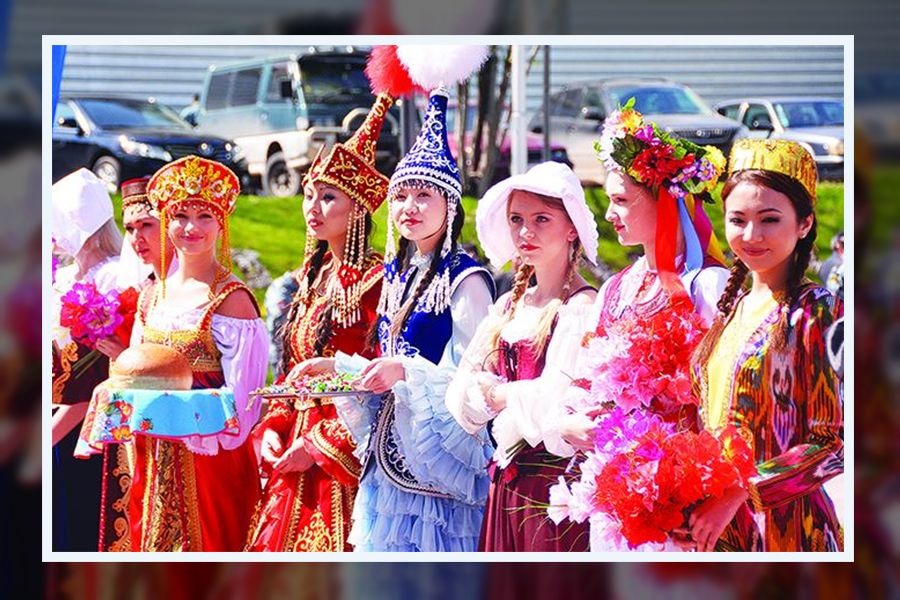
WHERE THERE IS UNITY, THERE IS HAPPINESS 19.08.2025
The great wisdom of the Kazakh people is the proverb “Where there is unity, there is happiness.” This saying is not just a beautiful phrase, but a vital principle that determines the law of social development. If we look back at history, when our people were united, they overcame any difficulties and preserved their nationhood. When they were able to pull their heads together and their hands together, the Kazakh people became stronger and their spirits soared. On the contrary, when they were divided, the nation weakened and its integrity was undermined. Therefore, unity is a strong guarantee not only of the past, but also of the future. Peace and peaceful life in society begin, first of all, with people respecting each other and striving for a common goal. Trust grows in a society where justice prevails and the work of every citizen is valued. Where there is trust, there is unity, and where there is unity, there is stability. And stability is the main condition for the development of a country. Today, Kazakhstan has become a unique state that unites representatives of more than a hundred ethnic groups under one roof. The harmonious coexistence of different nationalities and cultures is a real manifestation of peace and harmony. This experience is the main achievement of our country and a valuable example for the world. The Kazakh people have long been known for their hospitality and generosity. Today, Kazakhstan continues this tradition, embracing different nationalities. All of them contribute to the development of our common homeland. This is a clear result of friendship, unity, and solidarity. Friendship and peace are the greatest wealth of any state. Because natural resources can be depleted, but if the unity of the people is strong, any difficulty can be overcome. The generations before us know the value of a peaceful life. The main dream of our ancestors, who experienced the darkness and hardships of war, was to live freely under a peaceful sky. We have achieved that dream. But each of us has a responsibility to preserve a peaceful life. Solidarity is the guarantee not only of today, but also of tomorrow. It paves the way for a bright future for young people, strengthens the foundations of the country, and increases the power of the state. The wise saying "Where there is unity, there is harmony" should become the life principle of every Kazakhstani. If this principle is reflected in every aspect of our society, in our work, and in our relationships, our country will prosper. Solidarity is the prosperity of the country, harmony is the guarantee of stability, peaceful life is the foundation of the future. Only by preserving these values can we confidently take a step towards a prosperous future. #МыВместе #PeaceAndHarmony #PeaceForAll #TogetherForPeace #АНК30жил #АНК30лет #APK30years #АНК #ANK
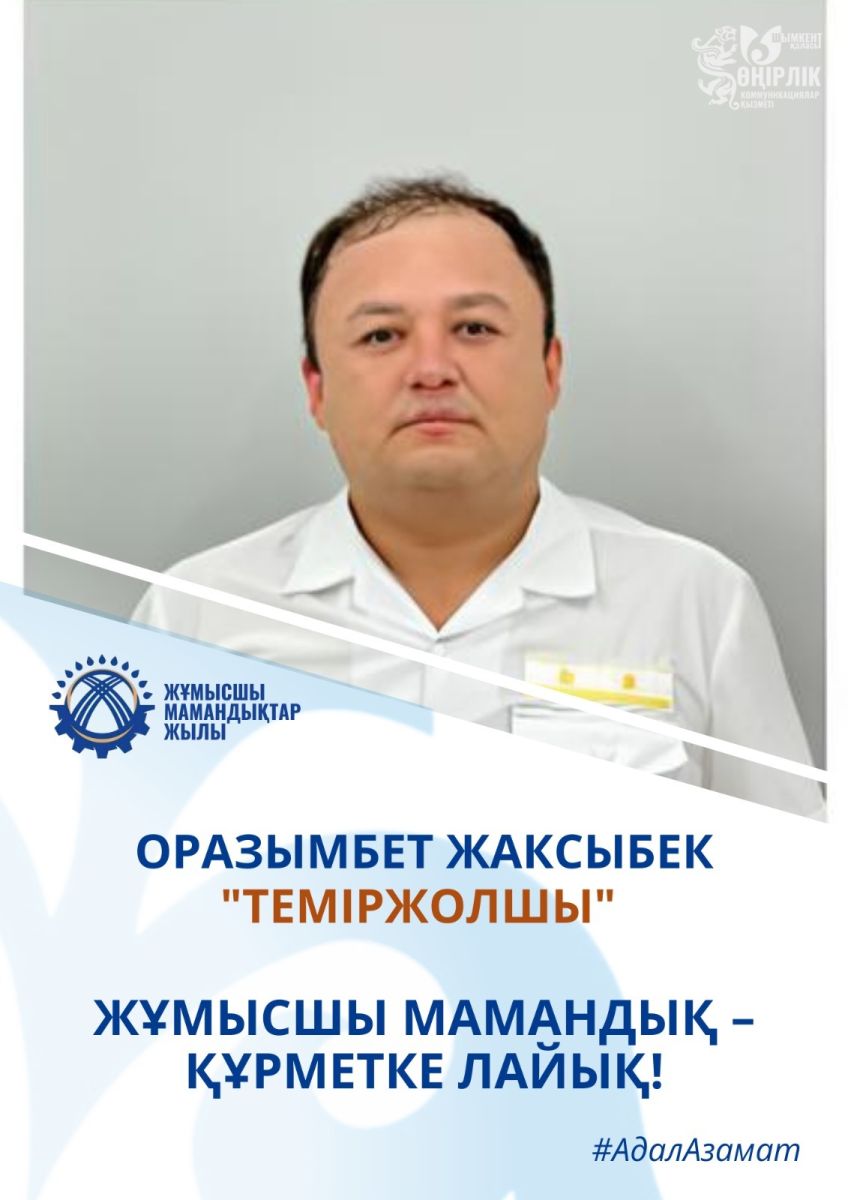
21 YEARS OF HONEST WORK IN THE RAILWAY INDUSTRY 19.08.2025
Orazymbet Zhaksybek is a specialist with many years of experience in the railway industry. His career began as a cargo and baggage handler at the Saryagash station. Starting from this position, he performed responsible duties as a train handler with honor and honed his professional skills. Currently, Orazymbet Zhaksybek Aga works as a cargo and baggage handler. He makes a significant contribution to the development of the railway industry, adhering to high professionalism and honesty in his work. His 21 years of work experience are a clear testament to his hard work, aimed at effectively fulfilling the complex tasks of this industry and providing reliable service. Orazymbet's work is an example of reliable and stable work in the railway sector. His experience and professionalism serve as an example for the new generation of specialists and contribute to the development of railway infrastructure.
.png)
A specialist who predicts the weather and predicts the future is a METEOROLOGY 19.08.2025
If the sky changes, they know. Wind direction, cloud movement, rainfall and drought — everything is under the meteorologist's watch. A meteorologist is not just someone who predicts the weather. He is a professional who speaks the language of nature, combining science and technology to provide safety and comfort to humanity. They are: - Forecasts rain and storms, - Provides timely warnings to field workers, - Helps determine the safe path of aircraft and ships, - Studies climate change, - Contributes to the prevention of environmental disasters. This field of observation from space and research from the ground is the intersection of technology and nature. 2025 is the year of working professions. The future of our country is in the hands of qualified professionals like you! #Meteorologist #WorkerProfessionsYear2025
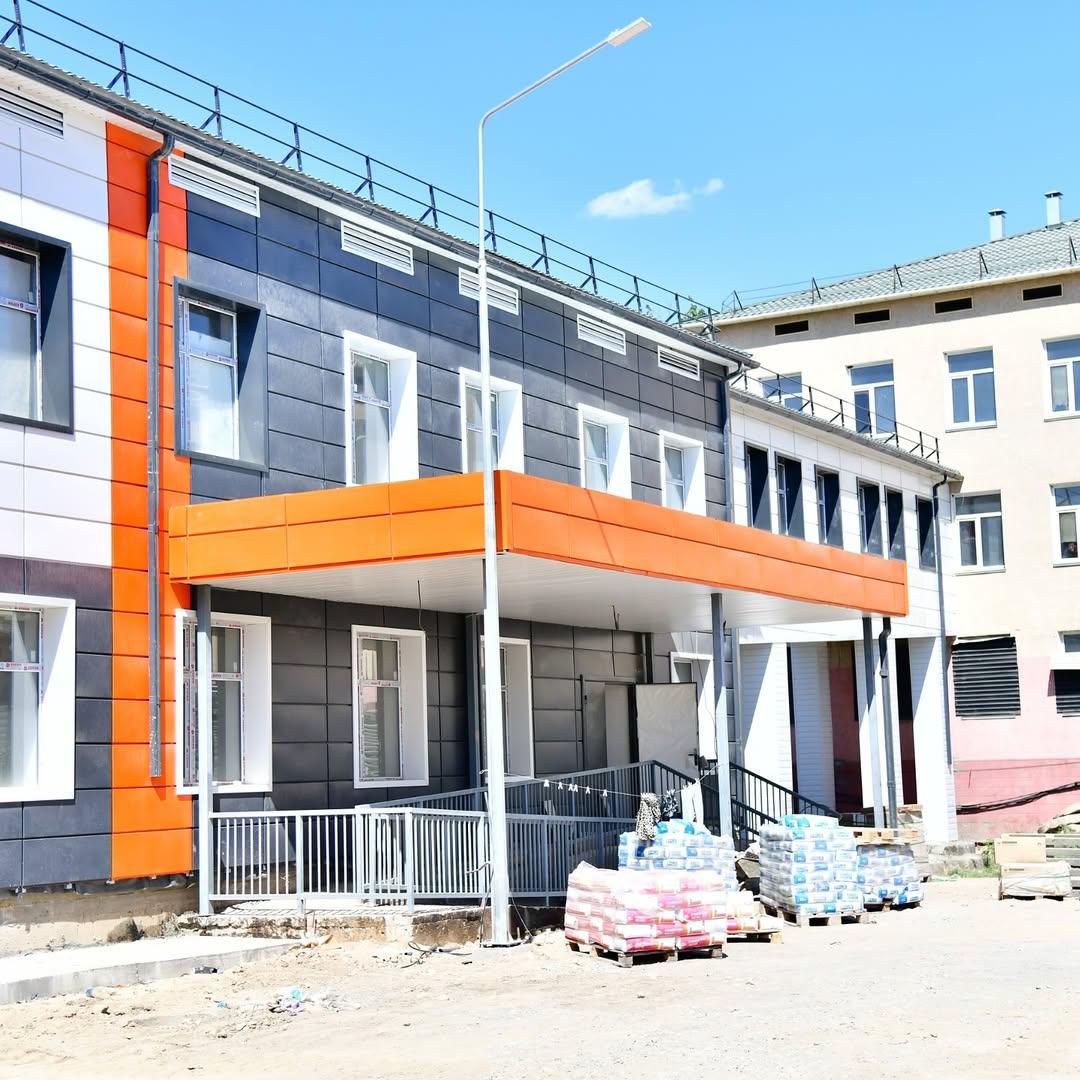
A NEW CENTER FOR CITIZENS WITH DISABILITIES IS BEING CONSTRUCTED IN SHYMKENT CITY. 19.08.2025
The construction of a special services center for citizens with health limitations in Shymkent is in full swing. Currently, construction of a new building for 50 places is underway. The institution works to provide social support to people facing difficult life situations and with special needs. Construction of the new facility began in 2024, and commissioning is scheduled for 2025. The commissioning of the new building will improve the quality of social services and create more accessible conditions for city residents. In addition, the material and technical base of the center, which will be built in accordance with modern standards, will also be significantly upgraded. The construction progress is being monitored regularly and the work is expected to be completed on time.
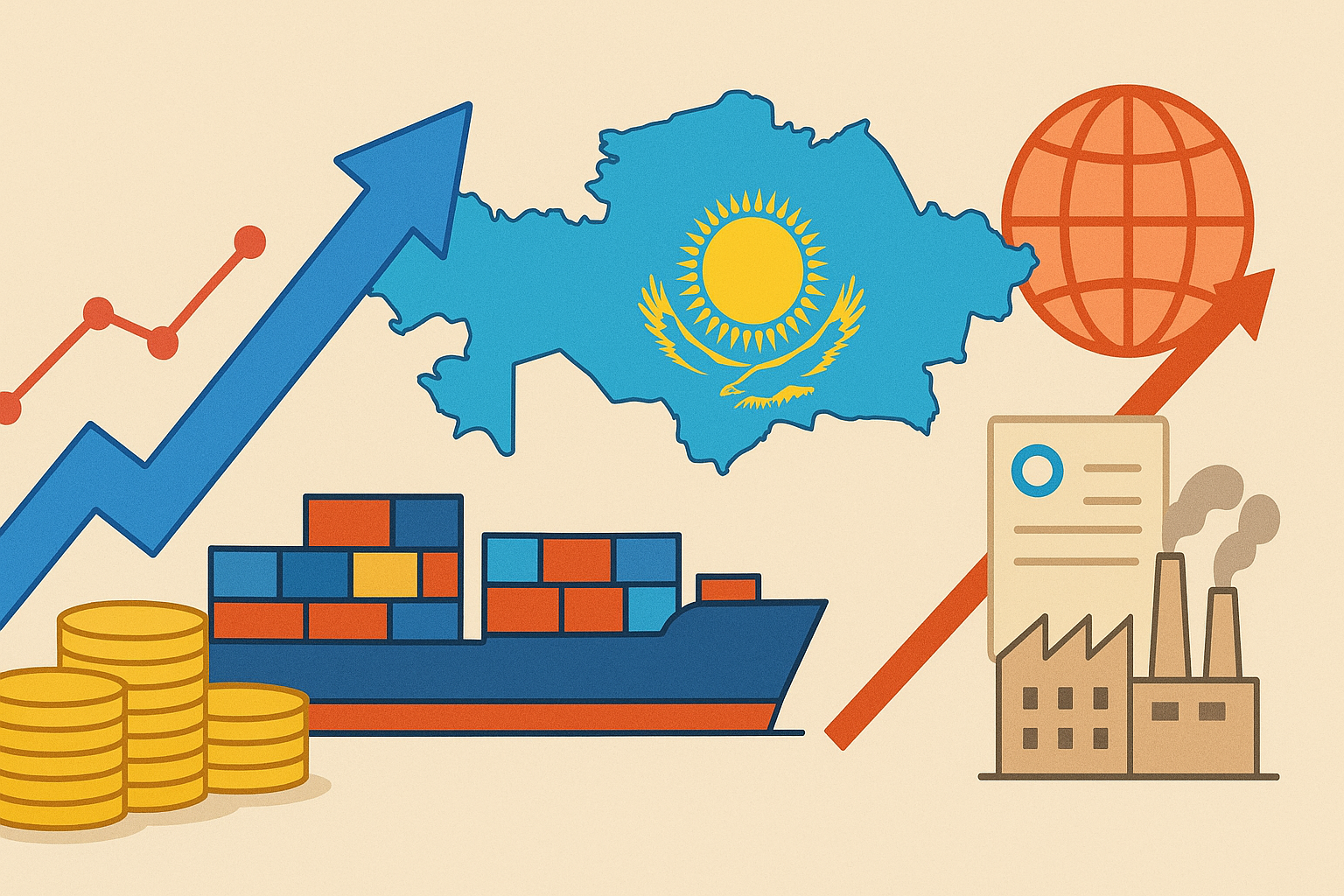
Economic growth and exports: how Kazakhstan used 10 years in the WTO 19.08.2025
In 2025, it will be 10 years since the Republic of Kazakhstan joined the World Trade Organization. During this time, the country has established itself as an active and responsible participant in the international trading system.Kazakhstan's foreign trade volume increased from $76.5 billion in 2015 to $134.7 billion in 2024. Exports increased from $45.8 billion to $77.6 billion. Today, about 98 percent of Kazakhstan's foreign trade is carried out with WTO member countries.Kazakhstan's participation in the WTO has also contributed to the growth of the country's investment attractiveness. Foreign direct investment increased from $4.1 billion in 2015 to $12.7 billion in 2024. This was made possible by the consistent implementation of a policy of transparency and predictability in business regulation.A significant milestone for Kazakhstan was the chairmanship of the 12th WTO Ministerial Conference in Geneva in 2022. This event is recognized as one of the most successful in the history of WTO conferences. Following the conference, more than ten key decisions were made that contribute to the development of world trade.In September 2024, the First Trade Policy Review of Kazakhstan was held in Geneva. Following its results, WTO member countries highly appreciated Kazakhstan's efforts to reform trade policy. In particular, simplification of procedures, increased transparency, diversification of the economy and contribution to strengthening the stability of the global trading system were noted.Membership of the Republic of Kazakhstan in the WTO provides the country with access to a dispute resolution mechanism, which allows it to effectively protect national economic interests and prevent the introduction of unilateral trade restrictions. Due to this, other states consider Kazakhstan as a WTO member and apply appropriate procedures within the framework of the multilateral system, rather than unilateral measures.Significant changes were made in the field of customs administration. As part of the implementation of the WTO Agreement on Trade Facilitation, Kazakhstan has introduced electronic declaration, the Single Window system and switched to automatic data processing. The new model of customs posts and the principle of post-control have reduced the time for completing procedures from two days to 20 minutes.WTO membership has become an important factor in the modernization of Kazakhstan's economic policy. The country will continue its course towards deep integration into international trade and will actively participate in building a fair and effective global economic architecture.Source : https://www.gov.kz/memleket/entities/mti/press/news/details/1053311?lang=kk
Government agencies have strengthened control over the import and sale of chicken eggs in Kazakhstan 19.08.2025
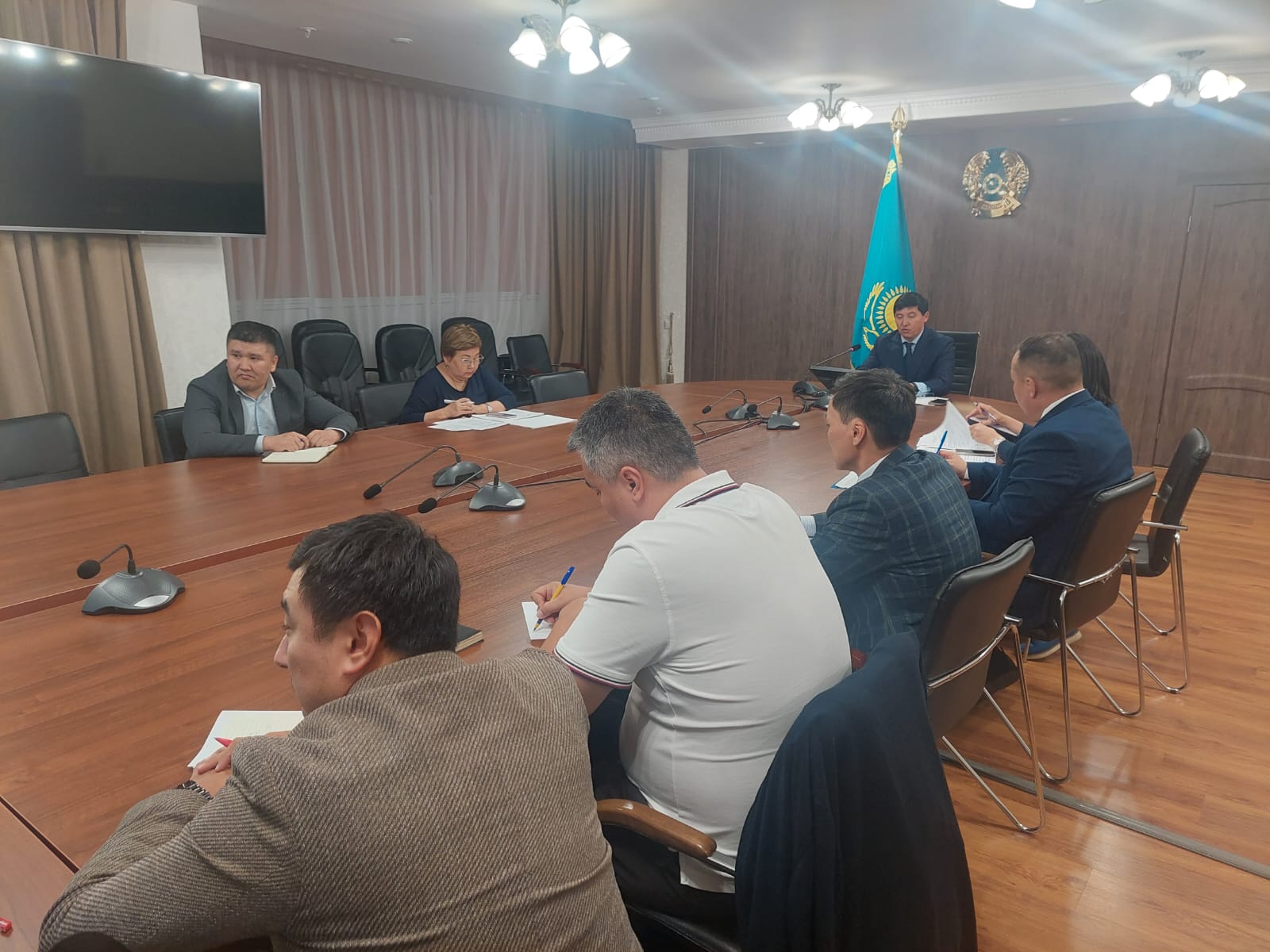
On August 15, 2025, a meeting on combating the illegal import of chicken eggs and their sale on the domestic market was held under the chairmanship of Aidar Abildabekov, Vice-Minister of Trade and Integration of the Republic of Kazakhstan.The meeting was attended by representatives of the Ministry of Agriculture of the Republic of Kazakhstan, the State Revenue Committee of the Ministry of Finance of the Republic of Kazakhstan, the Committee for Veterinary Control and Supervision of the Ministry of Agriculture of the Republic of Kazakhstan, the Committee for Sanitary and Epidemiological Control of the Ministry of Health of the Republic of Kazakhstan, the Committee for Technical Regulation and Metrology and the Trade Committee, as well as territorial divisions of the above structures and the Departments of Trade and Consumer Protection of the Ministry of Trade and Integration of the Republic of Kazakhstan.The meeting discussed the development of effective and prompt mechanisms for responding to cases of illegal import of products, strengthening border controls, and preventing violations in the sale of chicken eggs on the domestic market.In order to ensure the protection of the domestic market, authorized government agencies are implementing a set of systemic measures. As a result of interaction with the Union of Poultry Farmers, about six cases of suspected illegal import of chicken eggs intended for sale on the domestic market were identified. Based on the results of the work carried out, measures were taken in accordance with the norms of the current legislation in three cases, verification activities are currently ongoing in one case, and violations were not confirmed in two cases.“Illegal import of chicken eggs poses a direct threat to food security, distorts the competitive environment and undermines confidence in the measures taken by the state,” noted Vice Minister of Trade and Integration of the Republic of Kazakhstan Aidar Abildabekov.On February 17 of this year, the Ministry of Trade and Integration, together with the Ministry of Agriculture, the Union of Poultry Farmers, the Industry Association of Egg Producers and the Union of Retail Networks, signed a Memorandum of Cooperation, providing for coordinated actions to stabilize prices for chicken eggs.As part of efforts to protect the domestic market and support domestic producers, a ban on the import of chicken eggs into the territory of the Republic of Kazakhstan for a period of 6 months was introduced on April 4 this year. This ban was approved by the Order of the Minister of Agriculture.Following the meeting, a common understanding was reached on the need for further coordinated work and strengthening interdepartmental cooperation. The measures taken are aimed at ensuring stability in the consumer market, protecting the interests of domestic producers and increasing the level of food security in the country.Source : https://www.gov.kz/memleket/entities/mti/press/news/details/1053277?lang=kk
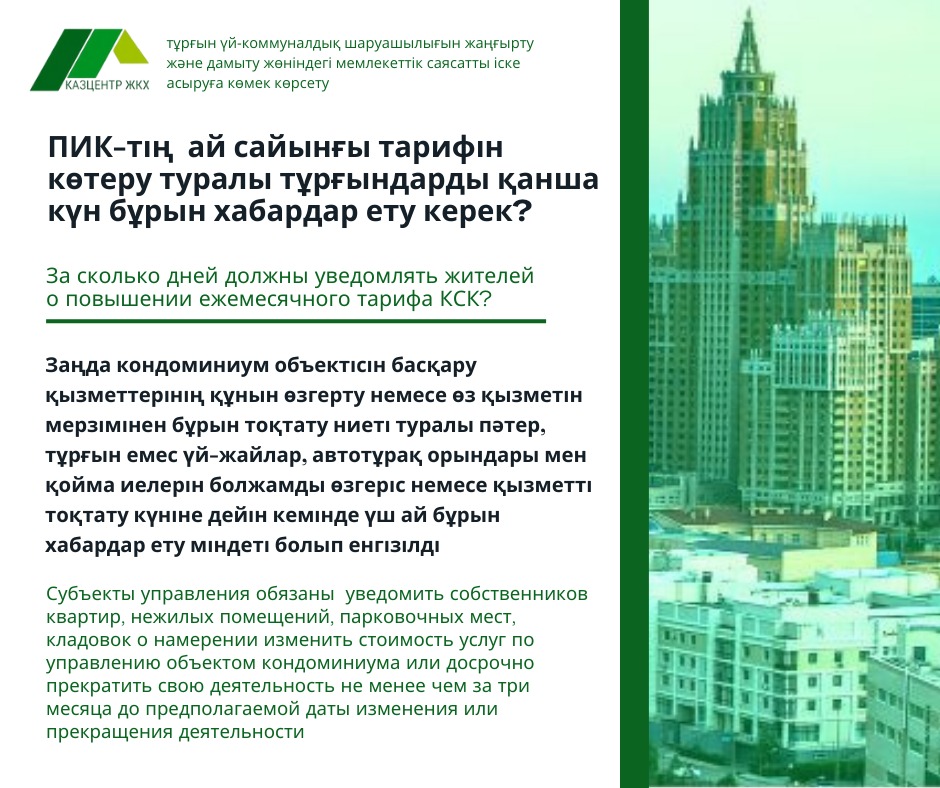
How many days should residents be notified about the increase in the monthly tariff? 19.08.2025
Source : https://www.gov.kz/memleket/entities/almobl/press/news/details/1053261?lang=kk

On the procedure for submitting a declaration of participation in an international group 19.08.2025
In accordance with Order of the Minister of Finance of the Republic of Kazakhstan dated 14 February 2018 No.178 «On approval of the form of the declaration of participation in an international group and the Rules for its completion» (hereinafter – the Order), the declaration of participation in an international group (hereinafter – the declaration) shall be submitted to the State Revenue Committee of the Ministry of Finance of the Republic of Kazakhstan (hereinafter – the Committee) no later than 1 September of the year following the reporting financial year. In cases where submission through the IS SONO system is not possible due to the transition to the «Taxpayers’ Cabinet Integrated Tax Administration System» (KNP ISNA – https://knp.kgd.gov.kz), the declaration shall be submitted via KNP ISNA. This position has been confirmed by the latest clarifications published on the official website of the Committee. According to paragraph 3 of the Order, the Declaration shall be submitted electronically, certified by an electronic digital signature, through the central node of the tax reporting reception and processing system (Taxpayers’ Cabinet – ISNA). In the event of technical difficulties, taxpayers are required to immediately contact the technical support service of the above-mentioned information resource for assistance with correct submission of the declaration. If software is unavailable or if technical errors are identified in the software of the state revenue authorities, the declaration shall be submitted electronically through the e-Otinish unified platform for receiving and processing citizens’ appeals or via the unified electronic document management system. In accordance with the Order, where submission in electronic form is not possible, the participant to the transaction must provide supporting documents confirming this fact. In this regard, the Committee reminds taxpayers of the need to comply with the above-mentioned procedure for submitting the declaration of participation in an international group.Source : https://www.gov.kz/memleket/entities/kgd/press/news/details/1053266?lang=kk