World

The 16th Asian Shooting Championship has begun in Shymkent 18.08.2025
The mayor of the city, Gabit Syzdykbekov, together with the Prosecutor General of the Republic of Kazakhstan - President of the Kazakhstan Shooting Federation, Berik Asylov, as well as the Minister of Science and Higher Education of the Republic of Kazakhstan, Sayasat Nurbek, and the Chairman of the Committee for Sports and Physical Culture of the Ministry of Tourism and Sports of the Republic of Kazakhstan, Ruslan Yesenalin, attended the opening ceremony of this large-scale sporting event. The mayor congratulated the athletes, coaches, and guests on the start of the championship and expressed his gratitude to the organizers, sports federations, and citizens who made efforts to hold the tournament at a high level. It is worth noting that the championship, which was held with the support of the city administration, was attended by distinguished guests. Among them were Luciano Rossi, President of the International Shooting Sport Federation, Sheikh Salman Sabah Al-Salem Al-Sabah, Head of the Asian Shooting Confederation, and representatives of world sports organizations. Their presence testifies to the high status of the competition. From August 16 to 30, 800 athletes from 27 countries will compete in pistol, rifle, moving target, skeet, trap, skeet and skeet-mix at the Shymkent Shooting Plaza. More than 700 medals will be awarded during the championship. The competition will also be held in two Olympic sports: target shooting and skeet shooting. The purpose of the competition is to promote shooting sports, improve the skills of athletes, determine their ratings, and improve the professional qualifications of coaches and judges. Press service of the Shymkent city mayor
.png)
Ecological culture in action: how the cleanup day went in the Al-Farabi district of Shymkent 11.08.2025
On August 11, 2025, another large-scale clean-up day was held in the Al-Farabi district of Shymkent as part of the republican campaign "Taza Kazakhstan". This event became part of a series of environmental initiatives that take place in the city on a regular basis and unite residents, utilities, educational institutions and activists in an effort to make the city cleaner and more comfortable. The action was aimed not only at cleaning the area, but also at developing environmental thinking among city residents. The organizers emphasize: clean streets and courtyards are not a one-time action, but the result of the constant responsibility of each resident for their area. That is why not only utility workers took part in the cleanup, but also schoolchildren, students, pensioners, entrepreneurs and simply caring city residents. During the work, courtyards, sidewalks, squares and green areas were cleared. Teams of participants collected household waste, removed dry branches, trimmed bushes, and mowed weeds. An important part of the work was devoted to cleaning irrigation ditches, which is of direct importance for improving the drainage system and preventing flooding during rains. With the help of specialized equipment, the collected garbage was quickly removed from the district. The use of loaders, garbage trucks and mowers allowed to significantly increase the volume of work performed compared to what could have been done manually. This year's special feature was that the event took place in the summer, in conditions of high temperatures, when such events are traditionally held less frequently. Nevertheless, this did not prevent a large number of participants from gathering, which indicates increased activity of the population and support for environmental ideas. If you compare it with similar events of previous years, you can notice several changes. For example, in 2023, "Taza Kazakhstan" was mainly attended by public utilities and small groups of activists. Cleanups were held mainly in the spring and autumn, and their goal was to clean up the most polluted areas. By 2025, the format had changed significantly. Now the events are held more often, cover more locations, and combine not only cleaning, but also educational work. During the last clean-up, participants were told about the importance of separate waste collection, recycling plastic and glass, and how small daily habits can reduce the burden on the environment. Mini-quizzes and tasks on environmental topics were prepared for children, which makes the event also educational. In addition, it is worth noting the growth of technical equipment. If previously the main emphasis was placed on manual labor, now modern machines and equipment are actively used to help volunteers. This allows more tasks to be completed in less time and achieve a more noticeable result. In historical perspective, clean-up days in Shymkent have always been an integral part of city life. Even in the Soviet period, they served as a tool for team building and involving people in socially useful activities. However, back then, the emphasis was on the process of collective work itself, while today the main focus is on the long-term result - changing people's attitudes towards the environment and strengthening the habit of maintaining cleanliness constantly. The example of the Al Farabi district in 2025 demonstrates how such initiatives have evolved: from simple cleanups to systemic actions, where both physical work and information support play an equal role. The organizers understand that one day a year is not enough if citizens do not take on the responsibility of monitoring the condition of their street or yard on a daily basis. It is also important that representatives of different age and social groups began to participate in the action. The presence of schoolchildren and students indicates that the ideas of environmental responsibility are being passed on to the younger generation, and the participation of pensioners shows that caring for cleanliness is a value that unites everyone without exception. Business also made a contribution. Some entrepreneurs allocated funds for the purchase of inventory and consumables, and some organized the delivery of drinking water for the participants. Such support strengthens the interaction between the local community and business, creating conditions for jointly solving environmental problems. As a result, the clean-up day on August 11 became an example of how to combine physical work on improvement with an educational mission, inspiring people to take care of the city every day. This event showed that "Taza Kazakhstan" in Shymkent is not just a one-time campaign, but a whole movement that is becoming larger, more technically equipped and more meaningful year after year. If the pace and format of work are maintained, then in the coming years we can expect that participation in such events will become a natural part of the city culture, and Shymkent will be able to claim the title of one of the cleanest and most environmentally responsible cities in the country.
.png)
Creating a culture of cleanliness in Shymkent: the experience of Sabbath observance in the Al-Farabi district 11.08.2025
On August 11, 2025, another Saturday was organized in the Al-Farabi district of Shymkent as part of the nationwide environmental campaign "Clean Kazakhstan". This initiative was undertaken to protect the environment, improve the city's territory, and form an ecological culture among residents. Residents of the district, employees of municipal institutions, teams of educational organizations, volunteers, and active citizens participated in the campaign, and significant work was done in one day. During the weekend, the courtyards of apartment buildings, pedestrian paths, public places and green areas were cleaned. Garbage was collected and taken out using special equipment. In addition, sediment was removed from the ditches, trees and bushes were trimmed, and dead grass was mowed. All of these works contributed not only to the beautification of the city, but also to improving the sanitary conditions. The Al-Farabi district akimat promoted a culture of cleanliness among residents, emphasizing that "everyone's responsible attitude to the cleanliness of their yard and street is the main guarantee of improving the quality of life." During the campaign, participants were provided with information about sorting household waste, recycling plastic and glass, and the importance of implementing environmental habits in everyday life was explained. This 2025 Sabbath was somewhat different from similar events in previous years. For example, in 2023, the number of participants in the “Clean Kazakhstan” actions held in Shymkent was significantly smaller, and at that time Sabbaths were organized mainly only in the spring and autumn seasons. This year, the environmental initiative has become permanent and continues even in the summer heat. This indicates that the activity of residents is increasing, and the idea of protecting nature is becoming a permanent part of city life. Another difference from previous years is the increased level of technical support. In previous sabbaticals, manual labor was predominant, and special equipment was rarely used. Several forklifts, garbage trucks, and lawn mowers were used in the 2025 sabbatical. This increased the scope of work done in a day and made the results visible. Moreover, while in previous years participation in the Sabbath was mostly the responsibility of municipal employees and a few activist groups, this year schoolchildren, students, retirees, and local entrepreneurs also participated. The activity of young people is especially encouraging, as this is a clear sign of the passing on of environmental responsibility from generation to generation. Compared to similar events held in 2024, the 2025 Sabbath has not only expanded in scope, but also enriched in content. Previously, only garbage collection and yard cleaning were carried out, but this year sanitary and educational activities have also been added. For example, during the campaign, special leaflets were distributed to residents about the economic and environmental benefits of waste recycling. In addition, mini-quizzes on environmental protection were organized for children. If we look back at history, mass clean-ups in Shymkent have deep roots. In the Soviet era, the concept of "clean-ups" was often a means of promoting labor and collective responsibility, but in modern times it has become the main mechanism for forming an ecological culture in society. If in the past clean-ups the main goal was to clean up the territory on a visible level, today's goal is to form a conscious attitude towards nature among residents. The 2025 Sabbilik in the Al-Farabi district was a clear example of positive changes in this direction. Here, not only cleaning work was carried out, but also educational work with the population was carried out. This approach will help ensure the long-term results of the environmental initiative. In general, the "Clean Kazakhstan" campaign has become a major environmental movement today, encouraging residents of Shymkent to unite and join forces towards a common goal. Its main value is to show that the small efforts of each person lead to great results. If the work done within the framework of a one-day Sabbath immediately affects the appearance of the city, then the environmental habits formed in the minds of residents will become the basis for creating a sustainable and clean city in the future. That is why the Saturday cleanup in the Al-Farabi district, which took place on August 11, 2025, is not just a cleaning event, it is a vivid example of environmental culture that has learned from past years and risen to a new level.
.png)
Turansky district of Shymkent joined the republican campaign "Taza Kazakhstan" 09.08.2025
On August 9, 2025, as part of the national environmental initiative "Taza Kazakhstan", a large-scale clean-up day was held in the Turan district of Shymkent, covering the territory of the Kazygurt microdistrict and Altay-Sayan Street. The goal of the event is not only to clean urban spaces from garbage, but also to improve environmental culture among residents and form a responsible attitude towards the environment. From early morning, hundreds of participants came to the site of the event: local residents, representatives of public utilities, kindergarten and school staff, employees of the Turansky District Akim's office, as well as activists and volunteers. Thanks to the coordinated work, it was possible to carry out a significant amount of improvement and sanitary measures. Particular attention was paid to the elimination of accumulated garbage and dead wood. First, the participants mowed the grass and removed dried bushes in green areas, after which they began cleaning sidewalks, pedestrian paths and roadside strips. Ditches providing water drainage and irrigation were also put in order. The collected household and plant waste was promptly removed in specialized vehicles provided by public utilities. The organizers emphasize that "Taza Kazakhstan" is not a one-time cleanup, but part of a comprehensive environmental program operating in Shymkent and other regions of Kazakhstan. The campaign has been held weekly since spring and will last until the end of the year, gradually covering all areas of the city. This approach allows maintaining cleanliness on an ongoing basis, and not just before major events or holidays. If we look at past experience, we can note that similar environmental initiatives have been held in Shymkent for many years, but at different times they had different names and scales. For example, in 2019–2021, the city regularly held spring and autumn beautification months, during which parks, squares, courtyards and adjacent areas were cleaned. However, at that time, the events were limited to certain seasons, and after their completion, the garbage problem returned in a number of areas. The current format of "Taza Kazakhstan" is different in that it is designed for systematic work throughout the year and is aimed not only at physical cleaning, but also at cultivating in citizens the habit of keeping their city clean. As part of the campaign, explanatory talks, meetings with the population, environmental lessons in schools are held, where children are told about the importance of waste sorting and caring for nature. The positive effect is already noticeable: in areas where clean-up days are held regularly, the number of illegal dumps has decreased, and residents have become more active in cleaning their yards and streets. In addition, the events help to unite local communities - people get to know each other, communicate and work together, which strengthens the sense of mutual assistance and responsibility. In the Turan district, the "Taza Kazakhstan" campaign also became a vivid example of joint efforts. Thanks to the interaction of the district administration, public utilities and the population, it was possible to clean a significant area in one day, improve the sanitary condition of the streets and increase their amenities. It is important to note that the fight for the cleanliness of the city requires consistency. Even after large-scale cleanups, there are cases of garbage being thrown out in the wrong places. To prevent such cases, the authorities plan to strengthen control and introduce additional measures, including the installation of video surveillance cameras in places where dumps often appear. Violators will be held administratively liable, and the collected fines will be used for environmental needs. Thus, the "Taza Kazakhstan" campaign in the Turan district is not only a cleanup of the territory, but also an element of a long-term program to improve the environmental situation and form a new level of public consciousness. Unlike previous years, when cleanups were more symbolic events, the current format assumes a real, tangible and sustainable impact on the state of the urban environment. Local residents who participated in the clean-up day expressed hope that such initiatives will continue in the future, because a clean and well-kept city is a comfortable environment for life, the health of the population and an attractive appearance of Shymkent in the eyes of guests. And the example of the Turansky district shows that by combining the efforts of all parties, significant results can be achieved in a short time.
.png)
The “Clean Kazakhstan” campaign in Turan district: An example of cleanliness and unity in Kazygurt 09.08.2025
On August 9, 2025, as part of the nationwide “Clean Kazakhstan” environmental campaign, which is traditionally held in our country, another clean-up was held in the Turan district of Shymkent. This time, the event was organized near Altai-Sayan Street in the Kazygurt microdistrict. Since the morning, residents of the district, utility workers, school and kindergarten teams, as well as specialists from the Turan district akim's office, have been working together to protect the environment and maintain cleanliness. During the clean-up, dry grass was mowed and green areas were put in order. The edges of the streets and along the ditches were cleaned, and the collected garbage was taken out of the city using special equipment. In addition, pedestrian paths and public areas were put in order in terms of sanitation. The “Clean Kazakhstan” campaign is not just a garbage collection event, it is a large-scale initiative aimed at forming an ecological culture and increasing the responsibility of residents for the environment. Through such events, you can see the tangible results of national unity and common interests. In particular, the active participation of young people will contribute to the formation of a high level of environmental awareness in the future. According to the participants, this is not just a one-day cleaning operation, but protecting nature should become a habit in the daily life of every citizen. It should be noted that the “Clean Kazakhstan” campaign has been held for several years. For example, in 2023, within the framework of this initiative, more than 50 clean-up drives were organized in each district of Shymkent, and more than 4 thousand tons of garbage were removed. And in 2024, the scope of the environmental campaign expanded, and the volunteer movement and various public organizations joined it. That year, in the Turan district alone, about 120 streets were cleaned and more than 300 green areas were put in order. In addition, important work was also carried out to clean ditches and increase the capacity of water channels. Another feature of this year's event is that it was supported not only by residents, but also by local entrepreneurs. A number of business representatives provided garbage collection equipment, gloves, and bags at their own expense. This is a clear demonstration of social responsibility. Thanks to such cooperation, the cleaning work in the Kazygurt microdistrict was completed ahead of schedule. During the weekend, the participants had a conversation and small explanatory work on environmental topics was also carried out. Children and teenagers were explained the importance of nature protection, waste sorting, and recycling. In this regard, the organizers used a practical method: for example, the collected plastic, glass, and paper waste were collected separately. Compared to previous years, the level of organization of this year's Sabbath cleans has increased significantly. For example, in 2022, such events were often limited to garbage collection and grass cutting, but now additional activities such as tree planting, landscaping, and lighting are being introduced. This approach will not only ensure cleanliness, but also improve the beauty of the city and create conditions for residents to live comfortably. Another important aspect of the “Clean Kazakhstan” campaign is its sustainability. Previously, such cleanups were mostly held only in spring or autumn, but now they are organized regularly throughout the year. This has a positive impact on the city's ecology and contributes to a decrease in the number of cases of unauthorized dumping of garbage. In conclusion, the Senbilik in Turan district, which took place on August 9, is part of a systematic work to form an ecological culture in the country. Through such events, residents understand the importance of protecting nature more deeply and contribute to the beautification of the city. As the experience of previous years has shown, campaigns such as “Clean Kazakhstan” are not just one-day events, but form the basis of a long-term environmental strategy. And the Senbilik in Kazygurt microdistrict proved to be a successful continuation of this initiative.

School graduates are supported in the Almaty region for admission to universities and colleges 18.08.2025
Source : https://www.gov.kz/memleket/entities/almobl/press/news/details/1052549?lang=kk
.png)
Clean Water Comes to Tekesa: Long-Awaited Project Changes Lives of Residents 06.08.2025
August 6, 2025, was a truly significant day for the residents of Tekesu. On this day, a new water supply system was officially launched in the microdistrict, which will provide people with stable access to clean drinking water. The opening was attended by the Akim of Shymkent Gabit Syzdykbekov, who personally congratulated local residents on this event and emphasized that the project has not only engineering but also social significance. The history of this project began long before its launch. At one of the meetings of the Akim with the residents of Tekesu, people openly spoke about their main problem - the lack of a permanent source of quality water. Many families were forced to use imported water for years or build their own wells, which took time, effort and money. In the summer heat, the issue became especially acute, and the lack of water affected both living conditions and people's health. The situation changed when a decision was made to implement a project to build a centralized water supply system. The work was completed in a short time - 14 kilometers of new water pipes were laid, 130 subscribers were connected to the system. An important feature of the project is that it was implemented not at the expense of budget funds, but with the support of philanthropists. This approach became an example of how the social responsibility of business and the initiative of the authorities can unite for a common goal. The city mayor thanked everyone who participated in the project, from contractors to sponsors, emphasizing that it was thanks to their efforts that residents received constant access to safe and high-quality water that complies with sanitary standards. According to city residents, the first days of the system's operation have already shown that water is supplied without interruptions, is of good quality and has sufficient pressure. Compared to similar projects of previous years, Tekesu can be called an example of a successful partnership between the state and business. For example, in 2023, new water supply networks were launched in the Kainarbulak and Asar-2 microdistricts, but funding came mainly from the state budget, which extended the approval and execution of work. In the case of Tekesu, the process was more flexible, and the result was achieved faster. Such projects have a long-term effect. After the water supply systems in Samal-3 were upgraded in 2022, residents noted a reduction in domestic conflicts and an improvement in the sanitary situation. When water is supplied directly to homes in the required volume, queues at the pumps and disputes over access to the source disappear, and life itself becomes more comfortable. The environmental aspect should also be noted. Before the launch of the new system, residents of Tekesu used mainly wells and imported water in cisterns. This led to excessive pressure on underground aquifers, and in some places the groundwater level began to drop significantly. Centralized supply will reduce this pressure and ensure more rational use of water resources. The new water supply system also opens up additional development opportunities for Tekesu. Permanent access to water will have a positive impact on the condition of household plots, will allow people to do more gardening, and will improve conditions for small businesses, especially in the service and catering sectors. It is worth noting that Shymkent has already approved a development plan for 2025–2029, in which the modernization of water supply networks occupies one of the key places. The city authorities plan to gradually connect all residential areas to the centralized water supply, as well as replace old and worn-out pipes in order to minimize water loss and improve its quality. The experience of Tekesu can become a model for solving similar problems in other areas. Today, in Karatau, Al-Farabi and Enbekshi there are microdistricts where access to clean water is still limited. Using the mechanism of partnership with business, attracting patrons and public initiative can significantly speed up the implementation of projects in these areas. It is important to understand that for residents such changes have more than just a utilitarian meaning. Clean water is a matter of health, convenience, and confidence in the future. When there is no need to spend time and money on water delivery, people have more opportunities to focus on their families, work, and developing their homes and yards. August 6, 2025 will go down in Tekesu history as the day when a long-standing problem was solved. The taps with clean water flowing from them have become a symbol of change and proof that with the coordinated work of the authorities, businesses and residents, tangible results can be achieved. For many families, this event marks a new page in their lives, where comfort and safety are not a dream, but a reality.
.png)
Clean drinking water arrives in Tekesu residential area: Infrastructure breakthrough in Shymkent 06.08.2025
On August 6, 2025, the mayor of Shymkent, Gabit Syzdykbekov, took part in the opening of a newly commissioned water supply system in the Tekesu residential area. This is one of the important steps aimed at improving the city's infrastructure. The mayor congratulated local residents on this significant event and emphasized the social significance of the project. This project was undertaken on the direct instructions of the city akim. Previously, during one of the meetings with residents, Tekesu residents expressed the lack of stable access to drinking water and the need to urgently solve the problem. Water transportation from outside, dependence on wells or temporary systems has made life difficult for the local population. In order to solve this problem, 14 kilometers of water pipes were laid, and 130 subscribers were connected to centralized clean drinking water. This is a long-awaited news for the residents of Tekesu. The project was implemented at the expense of sponsors. The city akim thanked the sponsors and contractor organizations for their work, feeling social responsibility and benefiting the people. The advantages of the new system are obvious. First, residents will have access to high-quality water that meets sanitary requirements and is continuously supplied. Second, there is no need to buy drinking water or transport it over long distances, as before. Third, household hygiene and health standards will improve, which in turn will have a positive impact on the quality of life of the population. The Tekesu project is part of the initiatives to improve the water supply infrastructure that have been actively underway in Shymkent in recent years. If we look at the experience of previous years, such work has been carried out systematically. For example, in 2023, centralized drinking water systems were also launched in the Kaynarbulak and Asar-2 residential areas. These projects also included the construction of several kilometers of water pipes, significantly improving the living conditions of thousands of residents. In comparison, while previous projects were mainly financed from the state budget, the Tekesu project was characterized by the active participation of sponsors. This was a real example of partnership between local businesses and society. Such a model could be effective in solving other infrastructure problems in the city. Past experience has shown that the construction of a water system not only improves technical infrastructure, but also contributes to social stability. After the water system was renovated in the Samal-3 microdistrict in 2022, domestic conflicts between residents decreased, as problems such as disputes over drinking water or queuing were resolved. Taking this factor into account, a similar positive effect can be expected from the Tekesu project. The development plan of Shymkent for 2025–2029 identifies the modernization of water supply systems as one of the main directions. It is planned to provide every residential area in the city with clean drinking water, replace worn-out pipes, and lay new main networks. Work in this direction will be carried out in stages. Another important aspect of the Tekesu project is its environmental efficiency. Previously, local residents often obtained water from wells or transported tankers, which put excessive pressure on groundwater and led to a decrease in water levels in some areas. Now, a centralized system will prevent these problems. From the very first day of the project's launch, residents were pleased with the consistent water pressure and good taste. This will undoubtedly have a positive impact on the health of children and the elderly, in particular. The Tekesu project can serve as a model for other districts in the city. There are also settlements in Karatau, Al-Farabi, and Enbekshi districts that still do not have full access to clean drinking water. If, using this experience, donors and the state work together, this problem can be completely solved within a few years. Considering that projects under the "Clean Water for Every Home" program in recent years have significantly improved the quality of life of the population, the Tekesu residential area will undoubtedly become a comfortable area with developed infrastructure in the future. The city administration views such projects not just as engineering solutions, but as social steps aimed at fundamentally improving the quality of life of residents. Therefore, it is expected that the pace of work in this direction will not slow down in the future. This day has become a historic event for the residents of Tekesu. Access to clean, uninterrupted drinking water, which they have been waiting for for years, is a change that will directly affect the lives of every family. This is the result of the joint efforts of the city authorities, sponsors, and residents.
.png)
Shymkent united for cleanliness: thousands of citizens came out for a cleanup day 09.08.2025
On August 9, 2025, another large-scale citywide clean-up day was held in Shymkent as part of the republican environmental initiative "Taza Kazakhstan". This campaign started in the spring and is held weekly, covering all areas of the metropolis. The campaigns will continue until the end of the year, and their goal is not only to restore order, but also to instill in residents a culture of caring for the environment. According to city authorities, over 3,765 people took part in the cleanup. Among them were employees of district akimats, representatives of city departments, public utilities, activists, volunteers and simply concerned residents. For effective work, 243 units of special equipment were involved, including garbage trucks, excavators, loaders and tractors. As a result, in just one day, it was possible to collect and remove more than 174 tons of garbage, which was one of the record figures of recent months. The work was carried out in several directions. Particular attention was paid to clearing river beds and their coastlines, as this is where waste often accumulates, worsening the quality of water and spoiling the appearance of natural areas. In addition, volunteers and utility workers collected household waste on the streets, in parks and courtyards, removed dry bushes, mowed the grass, cleaned pedestrian paths and irrigation ditches, ensuring free access of water to green spaces. The organizers note that the participation of a large number of residents, including those from remote neighborhoods, was a key factor in success. If in previous years the events more often covered central streets and popular parks, then in 2025 attention is also paid to the outskirts of the city, where the problem of littering is especially acute. It is worth remembering that in 2023, the city campaign "Taza Kala" was held in Shymkent, which attracted mainly employees of organizations and students. Despite the noticeable effect in the central part of the city, remote areas remained almost without attention. In 2024, environmental months helped to reduce the amount of garbage in green areas by about 20%, but after the events, some of the illegal dumps reappeared. This experience showed that it is necessary to maintain order systematically, without long breaks. A distinctive feature of the current campaign is the wider use of waste sorting technologies. Plastic, glass and paper waste were collected in separate containers for further processing. A similar approach was tried in Shymkent back in 2022 as part of a pilot project on the territory of several schools, but it was not widely used then. In 2025, separate collection became a mandatory element of city clean-up days. According to the plan, by the end of the year, weekly campaigns will remove more than 5 thousand tons of garbage and improve hundreds of hectares of territory. In addition to standard cleaning, the plan of activities includes planting trees, arranging flower beds, and expanding the irrigation system so that the planted plants take root and maintain a decorative appearance. On August 9, many participants shared their impressions on social networks. For some, it was an opportunity to spend time with family in the fresh air, for others, it was a way to meet neighbors and discuss the problems of their area. Many noted that participation in such events creates a sense of responsibility for the city, and also helps children from an early age understand the value of cleanliness and order. The city authorities emphasize that clean-up days have not only ecological but also social significance. Joint work strengthens ties between people, teaches mutual assistance and promotes the development of civic activity. That is why the Shymkent development plan for 2025–2029 pays special attention to involving residents in improvement activities. Comparing the current campaign with previous years, several key differences can be identified. Firstly, more specialized equipment is used, which increases the efficiency of cleaning and allows for a larger volume of work to be covered in a short time. Secondly, the participation of residents has become more widespread and diverse — from schoolchildren to pensioners. Thirdly, the events have ceased to be one-off and have become regular, which is critically important for consolidating the results. The experience of other cities in Kazakhstan confirms that where environmental campaigns are held weekly, the number of illegal dumps decreases, and residents are more active in reporting violations. Shymkent has already begun to implement a similar practice - any city resident can send a photo of a spontaneous dump to public utilities via a mobile application, and a cleaning team will leave for there as soon as possible. Thus, the clean-up day on August 9 became not just another event to restore order, but a vivid example of how the interaction of the authorities and society can give tangible results. The involvement of a large number of participants, the use of modern approaches to cleaning and sorting garbage, as well as the regularity of the events create conditions for Shymkent to become cleaner and more comfortable for living. The main conclusion that can be drawn from the experience of past years and the current campaign is that the cleanliness of the city depends not only on the efforts of public utilities, but also on the daily behavior of each resident. If the habit of throwing garbage in the trash bin, protecting green spaces and respecting the work of cleaners becomes the norm for the majority, then the need for large-scale clean-up days will decrease over time. However, at this stage, they remain an important tool in the fight for a clean and well-maintained urban environment.
.png)
Thousands of residents participated in a city-wide Sabbath in Shymkent 09.08.2025
On August 9, 2025, another city-wide cleanup was held in Shymkent as part of the "Clean Kazakhstan" republican environmental campaign. This event has been organized every week since March and will continue until the end of the year. According to the city administration, this year's plan involves full coverage of all four districts. More than 3,765 city residents actively participated in this Saturday. 243 special equipment was deployed to clean yards, streets, parks and waterways. As a result of the day, more than 174 tons of household and construction waste were removed. This is one of the highest figures in recent months in terms of the volume of garbage cleaned in one day. Cleaning work was carried out in a number of areas. First of all, the channels of the Koshkarata and Badam rivers were cleaned, and waste was collected from the banks. This directly affects the preservation of the ecosystem of water bodies and the improvement of water quality. In addition, household garbage and scattered waste collected on the streets of the city were cleaned, and dead bushes in green areas were cut. In some areas, grass was mowed, and soil and garbage were removed from irrigation ditches and pedestrian paths. The event was attended by employees of district akimats, representatives of city administrations and departments, active youth, volunteer organizations, and just plain indifferent city residents. According to the organizers, such enthusiasm and joint work of residents plays a big role in maintaining the cleanliness of the city. Within the framework of the Shymkent City Improvement and Ecology Improvement Plan for 2025–2029, such Saturdays will continue not only as a seasonal event, but also on a regular basis. The document sets goals such as improving the city's infrastructure, increasing the area of greenery, restoring the irrigation network, and introducing a separate household waste collection system. A distinctive feature of this year's Saturday clean-ups is the increased involvement of special equipment and the fact that the work is not limited to central streets, but also covers remote microdistricts. In previous years, such a large-scale coverage was rare. For example, in 2023, during the "Clean City" city campaign, cleaning was carried out mainly in central parks and along main highways, and the volume of garbage collection in peripheral areas was significantly smaller. Therefore, this year's approach allows for a balanced cleaning of the city. As the experience of previous years has shown, the regular organization of clean-ups has a positive impact on the culture of the city. In 2024, as a result of weekly cleaning activities within the framework of the Ecological Month, the amount of garbage in green areas decreased by 20% at the end of spring. However, after the end of the season, when regular cleaning activities stopped, illegal dumping increased again. This indicates that continuous action and regular participation of residents are needed to maintain environmental order. This year's cleanup on August 9 was distinguished by the large number of participants and the high level of technical coverage. Judging by the comments of city residents on social networks, many citizens who participated in the cleanup appreciated this day not only as a laborious task, but also as an opportunity to get to know each other, exchange ideas, and unite for a common goal. The city administration noted that such Saturdays are not only an ecological, but also a socially significant event. Because joint work increases cooperation between people, forms a sense of responsibility for their environment, and teaches young people the importance of environmental culture. Another advantage of the 2025 Sabbaths compared to previous years is the introduction of the practice of separate waste collection. Volunteers and municipal workers put plastic, glass and paper waste in separate bags and sent them to recycling centers. This practice was tested in a pilot mode in 2022 only in a few school districts, and this year it was expanded to the entire city. According to the organizers, through weekly cleanups until the end of the year, more than 5,000 tons of garbage will be removed from Shymkent and hundreds of hectares of land will be improved. In addition, work will be carried out to plant trees, create flower beds, and improve the capacity of water channels. In conclusion, the August 9th Cleanup Day is an important step that proves that the residents of Shymkent are ready to work together to improve the city's ecology. As experience in previous years has shown, such events will be effective only if they form a permanent habit rather than a temporary cleanup. And this year's systematic approach and the active participation of participants will allow us to achieve significant success in this direction.
.png)
Shymkent records increase in illegal waste dumping cases 12.08.2025
On August 12, 2025, cases of illegal dumping of household and construction waste were again revealed in Shymkent. This time, municipal services discovered spontaneous dumps in Karatau and Turan districts, including the Turan and Tasken microdistricts, as well as on Pavlov Street. City service workers note that such situations are happening more and more often, despite regular garbage removal and environmental campaigns. According to city authorities, garbage is collected and removed daily, and within the framework of the republican project "Taza Kazakhstan" in Shymkent for several years in a row large-scale clean-up days have been held. However, some city residents demonstrate indifference to the citywide rules of improvement. Some deliberately throw garbage on the roadsides, in green areas and even in the courtyards of apartment buildings, creating a threat to sanitary conditions and spoiling the appearance of the city. Such actions not only violate sanitary standards, but also pose a health hazard to residents. Rotting waste promotes the reproduction of insects and rodents, the unpleasant smell spreads over a considerable distance, and microparticles of waste can get into the air and soil. In addition, spontaneous dumps often become a place where construction waste containing potentially hazardous materials is dumped. The authorities remind that administrative measures and fines are provided for illegal dumping of waste. Before imposing a penalty, the facts of the violation are recorded and evidence is collected. At the same time, it is emphasized that fines are only one of the tools, while the key task is to increase the level of environmental responsibility of the population. Comparing the situation with previous years, certain fluctuations can be noticed. For example, in 2023, the “Clean City is a Common Cause” campaign was held in Shymkent, during which dozens of courtyards were improved, new containers and urns were installed, and streets and parks were cleared of garbage. In those months, the number of illegal dumps decreased, but after six months, a gradual return to the previous level of violations was recorded. The reason is that many residents perceive cleaning the territory as a one-time event, and not as a permanent obligation. In 2024, the Green Initiative project was launched, with special attention paid to the formation of environmental culture in the younger generation. Schoolchildren and students took part in waste sorting, tree planting and courtyard improvement campaigns. However, this effect was also temporary: after a while, reports of illegal dumps appeared again, especially in areas with active construction. The situation in August 2025 indicates that the problem persists and requires a systemic approach. Clean-up days and raids alone are not enough. A set of measures is needed, including the installation of additional containers in places where there is the greatest congestion, the organization of round-the-clock video surveillance of green areas and wastelands, as well as active informing of citizens about the harm of illegal waste dumping. Construction waste deserves special attention. In the private sector and during the construction of apartment buildings, it is not uncommon to see construction waste dumped right on vacant lots or along roads. Such waste not only spoils the landscape, but also poses a real danger - sharp objects, glass, metal can injure children and animals. The authorities are considering the possibility of introducing additional requirements for construction companies, obliging them to provide confirmation of waste removal to authorized landfills. Experience from previous years shows that not only punitive measures are effective, but also involving the population in joint actions. For example, in 2022, in some microdistricts, initiative groups of residents were created who monitored the cleanliness of courtyards, installed warning signs, and even agreed on duty. In such places, the level of violations was significantly lower. City authorities emphasize that cleanliness in Shymkent is a common cause, and without the conscious participation of city residents it is impossible to achieve long-term results. Utility workers do their job every day, but the efforts of specialists will be in vain if residents continue to ignore the rules of improvement. Shymkent is the third largest city in Kazakhstan, and its appearance is formed not only by large-scale construction projects and landscaping, but also by basic discipline in matters of cleanliness. It is possible to keep the city comfortable and attractive for living only with the joint actions of residents and authorities. The situation recorded on August 12, 2025, should serve as a reminder that the habit of throwing garbage "wherever" is unacceptable. The city calls on its residents to respect the work of utility workers and protect the common space, because only in this way can Shymkent be truly clean, green and cozy.
.png)
Illegal waste disposal cases on the rise in Shymkent 12.08.2025
On August 12, 2025, representatives of municipal services in the Karatau and Turan districts once again discovered that household and construction waste was being dumped in unauthorized places. In recent days, garbage heaps have been increasing in the Turan and Tasken microdistricts, as well as on Pavlov Street, and are accumulating daily as if on credit. This situation continues despite the regular Saturday cleanings held within the framework of the "Clean Kazakhstan" environmental project. Some residents have become accustomed to throwing garbage on the roadside, in green areas, and even in the courtyards of apartment buildings, deliberately ignoring the requirements of landscaping. This irresponsibility causes significant damage not only to the environment, but also to the sanitary situation. The environment becomes polluted, a foul odor appears, and harmful bacteria multiply. Often, people want to relax in such places, but they ignore the danger that untreated waste poses to their health, and it spoils the beauty of the city. In a special announcement, the city administration warned that administrative measures will be taken against those who illegally dispose of garbage and fines will be imposed. However, in addition to legal sanctions, it is important to increase public responsibility. The cleanliness of the city is a common task, so every resident needs to think about it in solidarity and respect the work of municipal workers. This situation requires special attention compared to the environmental situation in Shymkent in previous years. For example, in 2023, as part of the “Let's Create a Clean City Together” campaign, large-scale cleanups were held in all districts of Shymkent. Then, the courtyards of apartment buildings were re-equipped, the number of garbage containers increased, and streets and parks were systematically cleaned. Residents were initially active, equipping the neighborhoods of their houses, putting roads, bus stops, and gardens in order. But after the cleanups, no action seemed to end - after some time, illegal garbage collection resumed. This indicates that the environmental culture is unstable and subsequent measures are insufficient. In 2024, the next campaign, the “Green Initiative” project, was implemented. It involved schools and university students in taking responsibility for nature, sorting waste, and caring for the environment, and it seemed that the habit of “not throwing garbage on the street” was beginning to form in the population. State authorities posted posters and eco-themed information, and restricted the storage of illegal production materials outside homes. But these actions did not last long and showed short-term results - now we see that new garbage is being thrown out, leaving comments about the trips. The current trend of illegal dumping is due to a lack of environmental awareness. Some citizens think, "I'll just dump my trash in my yard" or "it's always been like this, nothing will be done." Such attitudes indicate a lack of public responsibility. In the future, in Shymkent, in addition to announcements, the issue of illegal dumping should be legally put on the agenda through information campaigns through social media, the participation of public activists, and educational classes in schools. Citizens should be invited to an ecological drive, in coordination with sports, cultural events, and eco-campaigns. In addition, it is recommended to introduce a permanent practice of protecting and maintaining green areas: creating an environmental police committee, installing 24-hour surveillance cameras in the areas, and calling garbage collectors responsible for garbage collection. This approach will not only improve the cleanliness of the city, but also allow for the renewal of the environmental culture of city residents. At the same time, special measures should be taken regarding construction waste. In society, in multi-storey buildings and in the private sector, construction workers do not take construction waste to special places, but spread it on the road. This poses a danger to off-road vehicles and children's playgrounds. It is necessary to introduce responsibility for construction companies and institutions through special city laws. Currently, municipal institutions are collecting garbage every day, but some residents do not pay attention to it. The press service of the city administration calls on residents to keep their territories clean and recommends respecting the work of municipal workers. Only through unity and collective responsibility can we turn Shymkent into a truly clean and beautiful city.
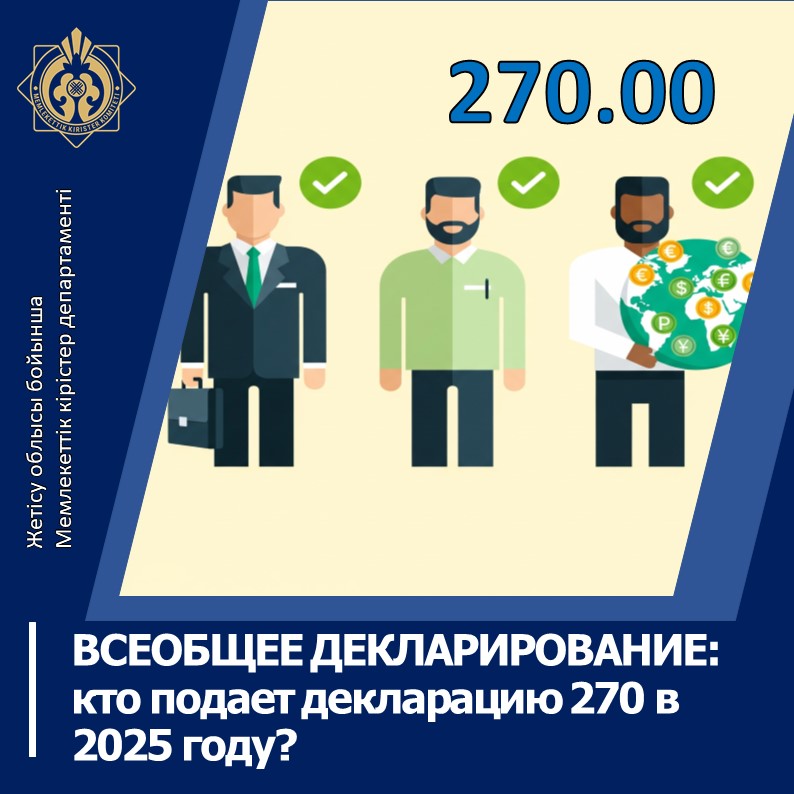
GENERAL DECLARATION: who is filing a 270 return in 2025? 18.08.2025
On July 15, 2025 the Head of State signed the Law of the RK “On Amendments and Additions to the Code of the RK ”On Taxes and Other Obligatory Payments to the Budget“ (Tax Code) and laws of the RK on issues of its enactment” №208-VIII LRK. From January 1, 2025, the remaining category of the population, which was not included in the first three stages of universal declaration, was exempted from mandatory declaration:- pensioners;- employees of private structures;- students;- housewives, etc. Who still has the obligation to submit Form 270? Who is obliged to submit a declaration of income and property (Form 270.00)? Obliged to submit a declaration of income and property (Form 270.00) are:civil servants and persons equated to them, as well as their spouses;major participants of banks, securities market and insurance organizations, as well as their spouses;managers, founders (participants) of legal entities owning more than 10 percent of shares in the authorized capital (shares of joint-stock companies), as well as their spouses, except for founders (participants) of non-commercial organizations;persons engaged in private practice (notaries, lawyers, private bailiffs, mediators);persons who have received income subject to independent taxation (income from property rental; remuneration on foreign bank accounts; income from transactions with digital assets; other income on which tax was not withheld at source), except for income from sole proprietorships;persons who have funds in foreign bank accounts, if their aggregate amount exceeds 1,000 MRP (in 2025 - 3,932,000 tenge);persons having property abroad for which rights and (or) transactions are subject to state or other registration with the competent authority of a foreign state (real estate, vehicles, etc.);persons owning digital assets;persons who during the reporting tax period acquired property with an aggregate value exceeding 20,000 MRP (in 2025 - 78,640,000 tenge), including property outside of the Republic of Kazakhstan:- real estate;- vehicles;- shares of participation in the authorized capital of a legal entity;- securities;- derivative financial instruments (except for derivative financial instruments, the execution of which occurs through the acquisition or realization of the underlying asset);- participatory interests in housing construction;- investment gold.persons who have submitted to the tax agent an application for tax deductions in the form of a provisional amount of other deductions. Now the Law supplements the categories of persons obliged to reflect in the declaration information on the acquisition/disposal of property, as well as on the sources of covering the costs of acquisition. Thus, in addition to the persons who in accordance with the Law of the Republic of Kazakhstan “On Combating Corruption” have such an obligation, also represent:- major participants of a bank, insurance (reinsurance) organization, investment managers and their resident spouses;- managers, founders (participants) of legal entities owning more than 10 percent of shares in the authorized capital (shares of joint stock companies), as well as their resident spouses;- persons who during the reporting tax period acquired property with an aggregate value exceeding 20,000 MRP. Deadline for submission of income and property declaration (Form 270.00) Declaration of income and property (Form 270.00) is submitted at the place of residence (stay) - not later than September 15 of the year in which the obligation to submit a declaration arose. In 2025 we submit the Declaration for 2024.The deadline for submission of declarations on assets and liabilities, income and property is not extended, except for cases of submission of declarations by military conscripts.It should be noted that payment of the personal income tax calculated on the taxable income of an individual based on the results of a calendar year is due no later than September 25 of the year following the reporting year. Source : https://www.gov.kz/memleket/entities/kgd-zhetysu/press/news/details/1052528?lang=kk
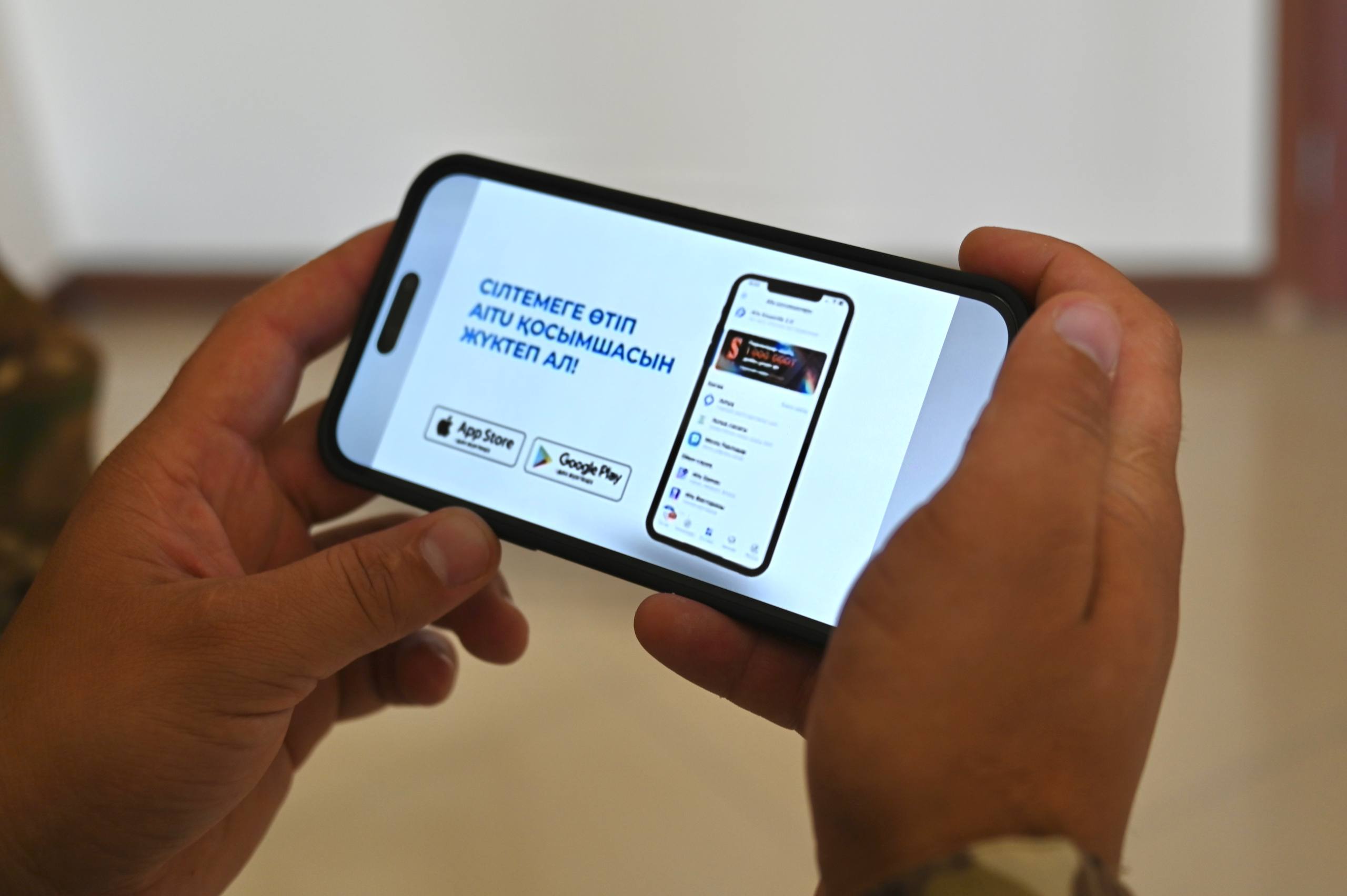
Kazakhstan's Armed Forces Switch to National Messenger Aitu 18.08.2025
Source : https://www.gov.kz/memleket/entities/mod/press/news/details/1052525?lang=kk
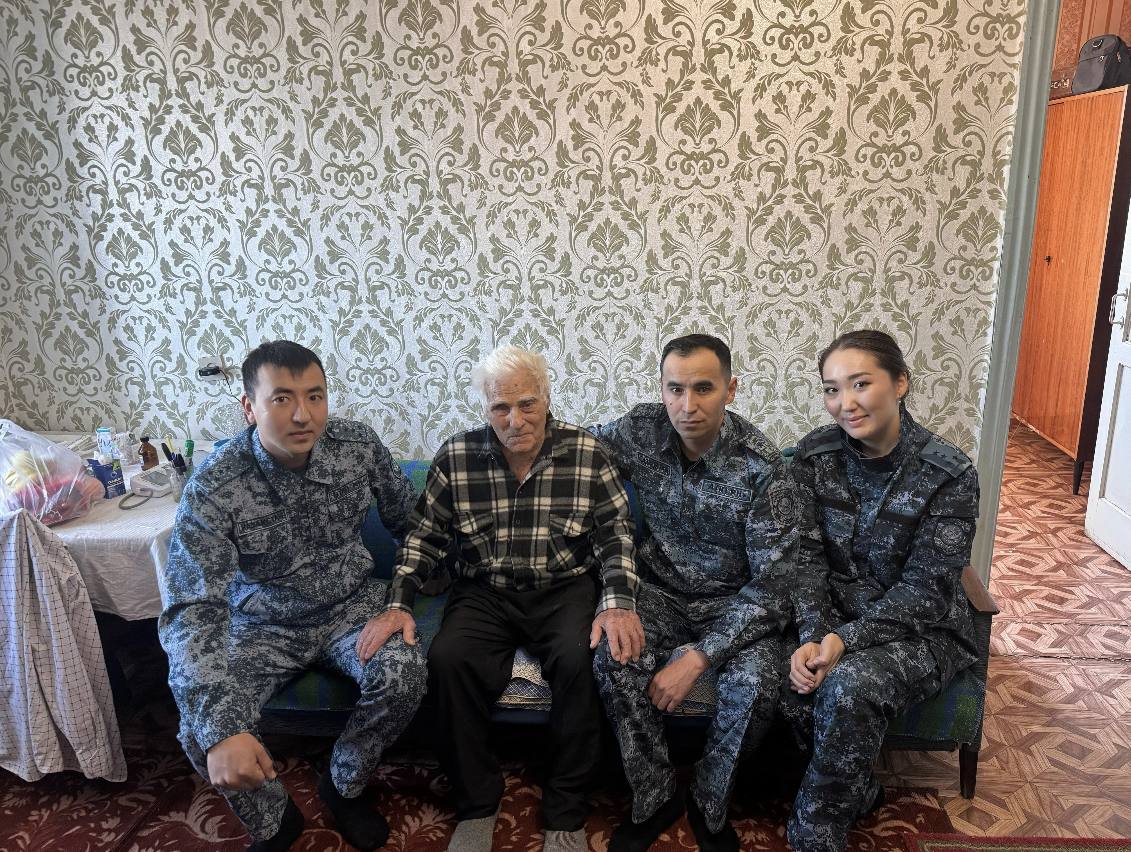
In the Abai region, UIS employees honored the memory of the WWII veteran. 18.08.2025
The staff of the UIS institution in the Abai region honored the memory of the Great Patriotic War veteran V. Shevtsov. As part of the Ardakty Ardagerim campaign, employees of the institution No. 20 DUIS in the Abai region honored the memory of Ivan Romanovich Shevtsov, a veteran of the Great Patriotic War, who celebrated his 99th birthday. Ivan Shevtsov was born in 1926 in the village of Antonovka, Altai Territory. In 1942, at the age of 16, he was accepted into a sniper school, and two years later he was drafted into military service in the Red Army. He distinguished himself by his valor, participating in the battles for the liberation of Poland and Czechoslovakia. The veteran was awarded the Order of the Patriotic War II degree, the Order of the Red Star and medals for conscientious work for courage and bravery shown during his activities. After the war, he returned to his homeland and worked as a site manager at the Kazelectromontazh enterprise. He is recognized as a responsible specialist in his field. In 1952, he moved with his family to Semipalatinsk, and now lives in this city. During the conversation with the staff, the veteran shared his memories of his youth, military service and comrades-in-arms. - We express our great gratitude to you, the soldiers of the Great Motherland, who defended our country and the whole world from fascism. You're like real movie characters. You are an example for modern youth," said Dinara Karabayeva, Head of the Department of Educational and Human Resources Work.Source : https://www.gov.kz/memleket/entities/duisabai/press/news/details/1052461?lang=kk
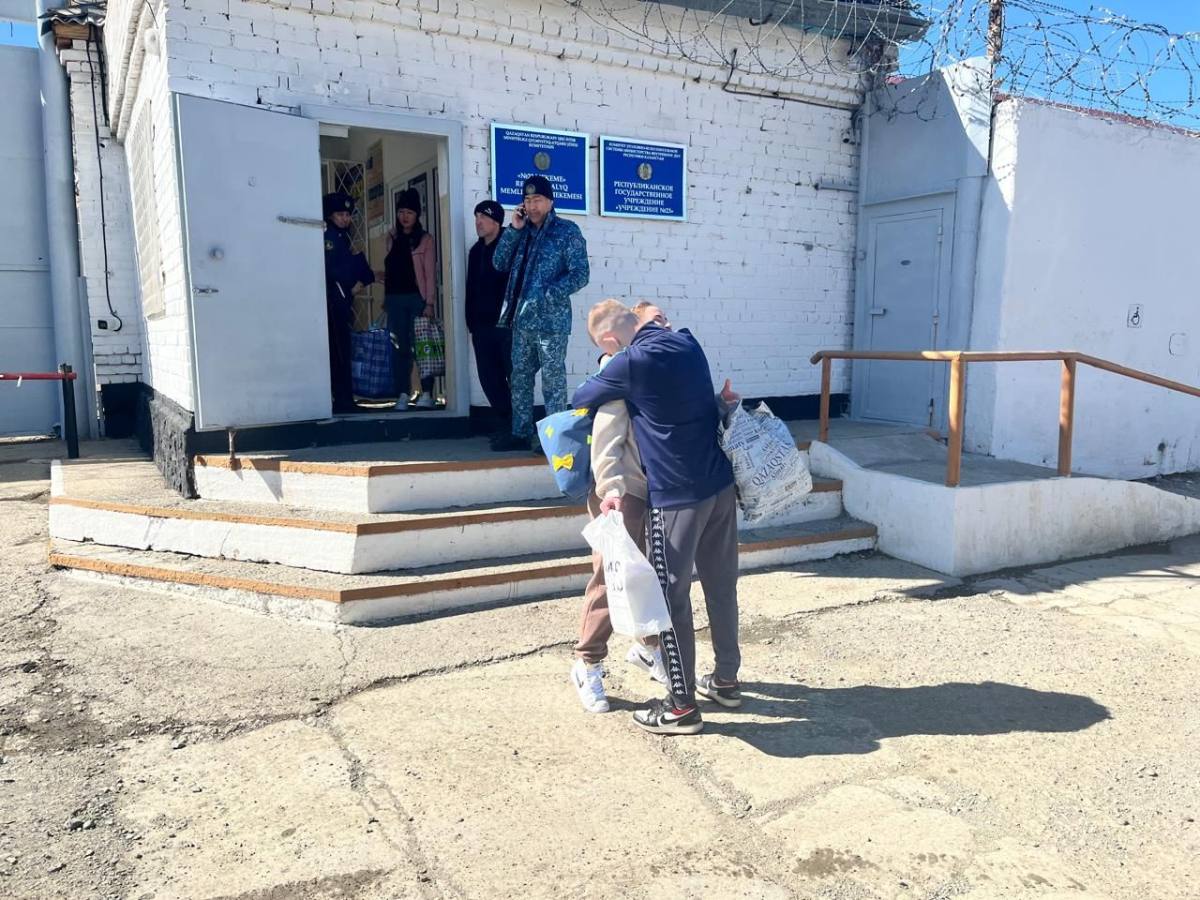
Time-tested love. 18.08.2025
In the women's colony of the Abai region, a convict was released for planting drugs. The woman was met by her beloved man. In the women's colony of the Abai region, four convicts waited for the end of their term and were released. Their relatives and friends were waiting at the gate. For one of the convicts, this meeting was the most long—awaited - she was met by her loving husband. The young people met as students, they had common dreams and plans for the future. But things didn't go the way they wanted. The girl contacted the wrong people and began to plant narcotic drugs, for which she was sentenced to seven years in prison in 2021. Despite this, the man constantly came to her, always with flowers and gifts. In 2022, they married in the colony. He was there for me all the time. And today, on one of the happiest days for her, he meets her at the gate. — I am grateful to my spouse for his support given to me during all this time. We've been really waiting for this moment. I believe that we will realize our dreams and plans," the convict shared. The social project "Meeting at the Gate" helps to guide those released from prison on the right path. And I really want to hope that the colony's doors will no longer be opened to the released citizens," said Anar Sabiyeva, deputy head of the institution.Source : https://www.gov.kz/memleket/entities/duisabai/press/news/details/1052489?lang=kk
.png)
UNITY IS THE MAIN PILLAR OF THE COUNTRY'S DEVELOPMENT 18.08.2025
The Kazakh people have long said, "Where there is unity, there is life." In fact, unity is the foundation of society, the main guarantee of the development of the state. If we look at world history, only countries with strong internal unity have been able to prosper and overcome difficulties. On the contrary, we see that states with discord have weakened and lost their future. Kazakhstan, as a multi-ethnic and multi-confessional state, is today an example to the world. Representatives of more than a hundred ethnic groups live in harmony under one roof in our country. This is not an accidental achievement, but the result of a conscious policy and the wisdom of the people. The activities of the Assembly of the People of Kazakhstan play a special role in this direction. It is not only a platform for dialogue between ethnic groups, but also a public institution that leads the country to unity. In the first years of independence, the country faced great challenges: an economic crisis, social difficulties, and the task of building a new state. During those times, the unity and faith of the people led Kazakhstan out of the impasse. Even during the global financial crises and pandemics, thanks to unity and solidarity, we were able to overcome difficulties. This is an important lesson from history: the prosperity of the country is preserved only thanks to unity. Today, global economic changes, geopolitical instability, environmental problems, information wars - all of them can affect the integrity of the country. In such a situation, the strength of society, the inviolability of the state - are directly related to unity. Unity is not just a slogan, it should be reflected in the daily actions of every citizen. Supporting each other, benefiting society, putting the common interest first - a real manifestation of unity. The future of Kazakhstan is in the hands of young people. Instilling peace and respect in them is the main task of the state and society. After all, if a consciousness based on peace and harmony is formed, future generations will lead the country to new heights. Maintaining friendship and unity is a trust not only for today, but also for future generations. Unity is the strength of the state. It is the basis for economic development, social stability, and cultural prosperity. Today, every citizen must contribute to maintaining unity. After all, unity is the strongest force that leads to a common goal, and peace is the guarantee of the country's future. #МыВместе #PeaceAndHarmony #PeaceForAll #TogetherForPeace #АНК30жил #АНК30лет #APK30years #АНК #ANK
A resident of the Abai region received 18 hours of community service for obscene messages. 18.08.2025
A 52-year-old Ayaguz resident became jealous of her husband's daughter. She sent her obscene WhatsApp messages that humiliated and insulted her. After that, an application was filed to bring the woman to justice. The court found her guilty and sentenced her to a fine of twenty monthly calculation indices. The convict did not comply with the court's decision, explaining that she did not work and was unable to pay the fine. After that, the fine was commuted by the court to 18 hours of community service. The convict was registered with the probation service of the Ayaguz district. The woman was employed as a handyman in a cultural center.Source : https://www.gov.kz/memleket/entities/duisabai/press/news/details/1052453?lang=kk
Little Abai is Born in Oskemen: A Name Not Chosen by Chance 18.08.2025
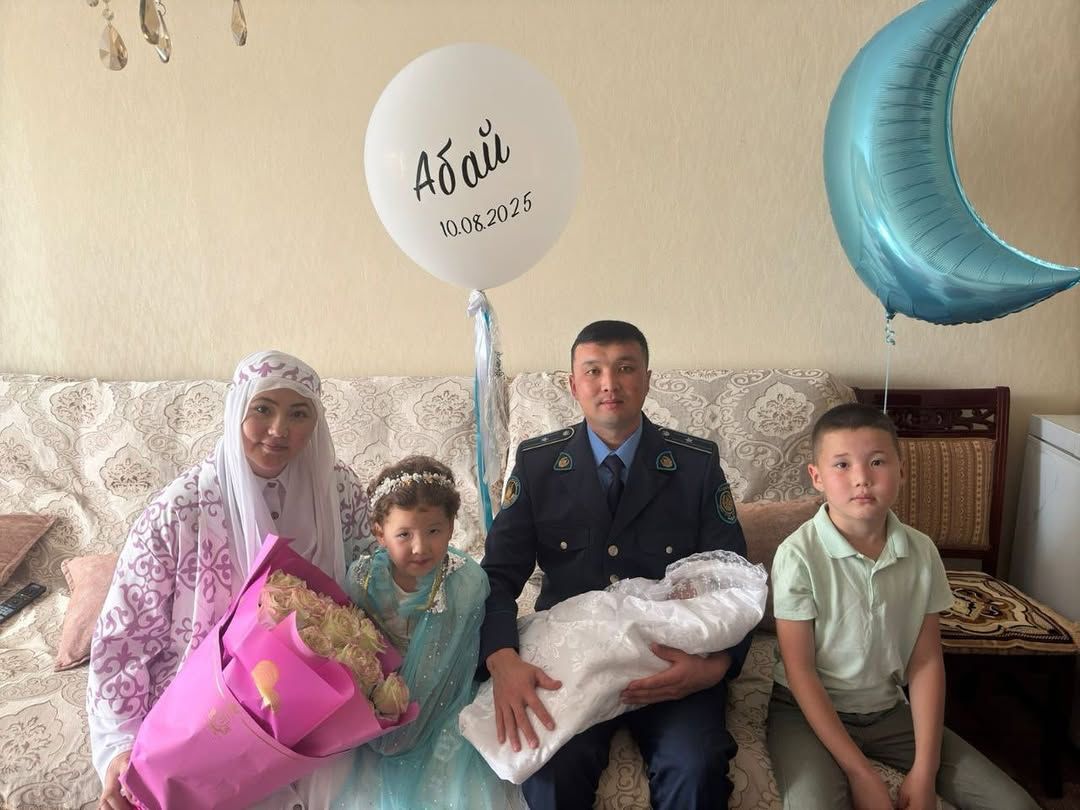
Little Abai is Born in Oskemen: A Name Not Chosen by ChanceIn Oskemen, a joyous event occurred in the family of Beibit Oralkanuly, an employee of Institution No. 17 of the Penitentiary Committee of the Ministry of Internal Affairs of the Republic of Kazakhstan. He and his wife became parents for the third time and named their newborn son Abai.Justice Major Beibit Oralkanuly serves as the Assistant Duty Officer to the Head of Institution No. 17 of the Penitentiary Committee of the Ministry of Internal Affairs of the Republic of Kazakhstan. Beibit, a career officer, graduated from the Sh. Kabylbayev Academy in Kostanay and has served in the penitentiary system for over 10 years."We thought about the name for a long time. We wanted it to be strong and meaningful. The name Abai is not just a tribute to the great thinker; it is also a symbol of wisdom and justice, which are so important in our lives. We believe our son will grow up to be a worthy person and a true patriot of his country," the young father shared.The choice of name was particularly symbolic because the baby was born in the year when all of Kazakhstan is celebrating the 180th anniversary of the great poet and thinker Abai Kunanbayuly."Our parents supported us in this choice. They said that this name would bring blessings and wisdom to our home. We are very grateful to them for that," Beibit added.Despite his serious profession, Beibit always tries to find time for his family. He notes that the birth of a third child is a great happiness and a great responsibility."Family is our rear, our main support. And now that there are more of us, we feel even stronger. We want to raise our children with love, give them a good education, and instill in them the most important values," he says.This story is another reminder that even in the most demanding professions, there is a place for family warmth and simple human joys.Source : https://www.gov.kz/memleket/entities/duis-vko/press/news/details/1052429?lang=kk
Реализация Послания-2024: рост отечественного производства и поддержка МСБ 18.08.2025
Исполнение поручений Президента Касым-Жомарта Токаева из Послания 2024 года «Справедливый Казахстан: закон и порядок, экономический рост, общественный оптимизм» остается приоритетом Правительства: создаются условия для привлечения капитала в режиме «здесь и сейчас», расширяется гарантированный рынок сбыта для отечественных товаропроизводителей (ОТП), повышается доля казахстанского содержания в закупках. Особое внимание уделяется расширению инструментов финансовой и нефинансовой поддержки малого и среднего бизнеса (МСБ). Ключевая задача проводимой работы — формирование предсказуемой, конкурентной среды и прозрачных правил для бизнеса, что прямо соответствует установкам Главы государства. Наращивание доли казахстанского содержанияДля увеличения загрузки отечественных предприятий Правительством расширены инструменты регулируемых закупок и внедрены долгосрочные договоры и офтейк-контракты. В рамках государственных закупок установлены изъятия из национального режима до 4 834 позиций. По итогам шести месяцев 2025 года заключено более 106 тыс. договоров на сумму 333,4 млрд тенге — рост более чем в 2 раза по сравнению с аналогичным периодом 2024 года. Одновременно ведется работа по созданию единого Реестра отечественных товаропроизводителей, который обеспечит приоритетный доступ компаний к закупкам и мерам господдержки, а также позволит исключить «лжепроизводителей».Реестр отечественных товаропроизводителей: цифровая верификация и защита рынкаВо исполнение поручений Президента завершается создание Реестра товаров казахстанского происхождения. Платформа заменит сертификаты СТ-KZ и индустриальные сертификаты, обеспечит автоматическую верификацию данных через госбазы, снизит коррупционные риски и позволит подтверждать фактическое производство. Компании будут получать бесплатную онлайн-выписку с QR-кодом; включение — только при подтвержденном производстве. Полноценный запуск запланирован на 1 января 2026 года. Роль системообразующих предприятий и недропользователейФондом «Самрук-Казына» совершенствуется качество поддержки отечественных товаропроизводителей, ведется работа по наращиванию закупок: в 2024 году дочерние компании заключили 287 договоров на 537,4 млрд тенге (почти втрое больше, чем в 2023-м), за январь–июнь 2025 года оформлено 417 договоров на 230,3 млрд тенге. Сфера недропользования является одной из ключевых для развития промышленного потенциала страны. В этом секторе в 2024 году заключено 290 договоров на 138,9 млрд тенге (в 2,6 раза больше, чем в 2023-м), а за первые полгода 2025-го — 551 договор на 901,4 млрд тенге. В целом доля закупок недропользователей и системообразующих предприятий превышает 40% от общего объема — это отражает акцент Президента на вовлечение крупного бизнеса в индустриальное развитие.Долгосрочные договоры и офтейк-контрактыВсего в 2024 году заключено 898 долгосрочных договоров и офтейк-контрактов на сумму свыше $2 млрд (около 1 трлн тенге). За январь–июнь 2025 года — 968 договоров на 1,132 трлн тенге, что в 1,9 раза больше, чем годом ранее. Показательный пример — офтейк-контракт KazMinerals с чилийской ME Elecmetal на строительство в Талдыкоргане завода по производству мелющих шаров с объемом инвестиций $85 млн, что соответствует поручению Главы государства по расширению партнерства с международными инвесторами и реализации проектов «под ключ». Законодательные изменения: гарантированный закуп и программы локализацииВместе с тем в текущем году принят ряд поправок, обязывающих крупных заказчиков, включая недропользователей, разрабатывать и исполнять программы по росту казахстанского содержания в закупках товаров, работ и услуг. В целях поддержки промышленности внедрен новый вид договора – договор гарантированного закупа. Он предусматривает, что предприятие обрабатывающей промышленности обязуется стабильно поставлять продукцию в определенном объеме, а заказчик гарантирует долгосрочные закупки.Комплексная поддержка МСБ: льготное финансирование, гарантии и консультацииКлючевые инструменты Комплексной программы поддержки предпринимательства реализует Фонд «Даму». По итогам 2024 года мерами льготного финансирования через субсидирование кредитов охвачено более 17 тыс. проектов бизнеса на сумму займов порядка 1 трлн тенге, гарантирование предоставлено по 8 тыс. проектам в объеме 310 млрд тенге. В разрезе регионов наибольшая часть проектов по субсидированию реализована в городах Алматы, Астана, Шымкент, Алматинской, Туркестанской и Актюбинской областях. Меньше всего проектов в областях Ұлытау, Жетісу и Абайской. По отраслям, по итогам 2024 года, лидируют обрабатывающая промышленность (33,3%), транспорт и складирование (17%), образование (7,8%). В 2025 году на льготное финансирование планируется направить 271,1 млрд тенге. В рамках нефинансовой поддержки обучено порядка 15 тыс. предпринимателей, предоставлено более 135 тыс. консультаций по различным вопросам предпринимательства. Новая архитектура гарантий: гарантийные фонды «Даму» и изменения в законодательствеС 2025 года на базе фонда «Даму» запущены два гарантийных механизма – для крупных инвестиционных проектов и кредитования малого и среднего бизнеса. Это позволяет активнее вовлекать банковскую ликвидность в реальный сектор экономики.Гарантийный фонд для крупных инвестиционных инициатив охватывает проекты с суммой от 7 млрд тенге, что помогает решить проблему недостаточного залогового обеспечения. Поддержка направлена на ключевые сектора экономики – промышленность, энергетику, инфраструктуру и экспортно-ориентированные отрасли. В настоящее время ведется работа с потенциальными заемщиками, принимаются заявки, прорабатываются вопросы нормативного регулирования, а также источников капитализации. Параллельно подготовлены изменения в Бюджетный кодекс, позволяющие предоставлять государственные гарантии по обязательствам фонда.Гарантийный фонд для МСБ распространяется на проекты до 7 млрд тенге. Он ориентирован на поддержку предпринимателей, не располагающих достаточным залогом, и направлен на снижение зависимости от государственных средств. На сегодня заключены соглашения о портфельном гарантировании с десятью банками второго уровня: «Народный Банк Казахстана», «Банк ЦентрКредит», «Фридом Банк Казахстана», «ForteBank», «Bereke Bank», «ДБ КЗИ Банк», «Нурбанк», «Bank RBK», «Jusan Bank», «Евразийский банк». Важно отметить, что финансовые институту уже сделали добровольные взносы в Гарантийный фонд МСБ: «Фридом» — 537 млн, «Народный Банк» — 2 млрд, «Банк ЦентрКредит» — 2,6 млрд, «ForteBank» — 1 млрд, «Bank RBK» — 500 млн тенге.Вместе с тем 26 июня 2025 года Главой государства подписан Закон «О внесении изменений и дополнений в некоторые законодательные акты Республики Казахстан по вопросам лесного хозяйства, особо охраняемых природных территорий и гарантирования обязательств субъектов частного предпринимательства», закрепивший систему гарантирования займов для бизнеса. По состоянию на 12 августа 2025 года поддержано 1 069 проектов на 170,2 млрд тенге, из них 92,16 млрд составили выданные гарантии. Гарантии предоставляются по упрощенной процедуре в течение двух рабочих дней. Основные направления – обрабатывающая промышленность, транспорт, складирование и образовательные услуги. Новая программа льготного кредитования «Өрлеу»Для стимулирования инвестиций и занятости с текущего года запущена программа «Өрлеу» на условиях софинансирования: 60% — средства банков, 40% — Фонда «Даму». Программа предусматривает предоставление льготных займов на инвестиционные цели, пополнение оборотных средств, а также на рефинансирование действующих кредитов, выданных не ранее 1 января 2025 года.Цель программы – создание благоприятных условий для расширения производства, технологического обновления и диверсификации экономики. Финансирование будет направлено в приоритетные отрасли: обрабатывающую промышленность, агропереработку, логистику, образование, здравоохранение и другие.Средства «Даму» размещены в «Фридом Банке Казахстан», «Народном банке Казахстана», «Банке ЦентрКредит», «Нурбанке» и «ForteBank» в объеме 81,5 млрд тенге. Уже обеспечено финансирование 417 проектов на 203,7 млрд тенге. Улучшение делового климата: «1 in 2 out», «регуляторная гильотина» и «прокурорский фильтр»Начиная с 2021 года в Казахстане ведется работа по поэтапному введению новой регуляторной политики в сфере предпринимательской деятельности. Действует принцип «1 in 2 out» и метод «регуляторной гильотины» в отношении требований, негативно влияющих на бизнес-среду. 6 апреля 2024 года принят закон о ведении бизнеса, которым усовершенствован госконтроль и отменено свыше 10 тыс. избыточных требований. По данным Генеральной прокуратуры, в 2024 году контрольная нагрузка на бизнес снизилась на 58% по сравнению с 2019 годом. 30 декабря 2024 года Законом по вопросам биржевой торговли и предпринимательства в целях снижения контрольной нагрузки на инвесторов внедрен механизм «прокурорского фильтра», предполагающий согласование любых ограничительных и запретительных мер с прокурорами.Вместе с тем повышается доступность и предсказуемость лицензирования: до конца года будут пересмотрены квалификационные требования для получения бизнесом различных лицензий и разрешений, а также оптимизированы процедуры и сроки их получения.Также бизнес освобожден от сдачи ряда отчетностей. Из имеющихся в 58 сферах предпринимательской деятельности 381 информационного инструмента оптимизировано 49% и автоматизировано 37%.В результате принимаемых мер количество малого и среднего бизнеса по сравнению с 2024 годом выросло на 4,7%, или 96 209 предприятий, и составило 2 125 003 предприятий.Доля МСБ в экономике также выросла на 0,9 п.п. и достигла 38,6%. Объем выпуска продукции субъектами малого и среднего бизнеса составил 18,7 трлн тенге, увеличившись на 11,4%.Цифровизация для предпринимателей: eGov Business как «цифровой ассистент»Согласно поручению Президента, меняются подходы по взаимодействию государства с бизнесом — от контроля к партнерству. Запущено и 1 апреля 2025 года обновлено мобильное приложение eGov Business – современный цифровой ассистент, созданный специально для поддержки предпринимателей.Приложение предназначено для автоматизации процессов оказания государственных услуг, мер государственной поддержки и сервисов «Электронного правительства» для МСБ посредством устройств мобильной связи.Запущены новые сервисы, такие как регистрация предприятия, налоговый календарь, получение электронных сертификатов и цифровое подписание документов. Государственно-частное партнерство: портфель проектов и обновленная нормативная базаПо состоянию на 1 июля 2025 года, заключено 1 110 договоров ГЧП и концессий на 2,6 трлн тенге: 15 республиканских проектов стоимостью более 1,4 трлн и 1 095 местных — свыше 1,17 трлн тенге.С 2022 года по поручению Главы государства проведена реформа сферы ГЧП: устранены возможности обхода закупочного законодательства, внедрены методики оценки социально-экономической эффективности. Также в 2022-2023 годах была проведена объемная методологическая работа, направленная на повышение качества разработки проектов. Системная реализация поручений Президента из Послания-2024 дает комплексный эффект: для отечественных товаропроизводителей формируется предсказуемый спрос через регулируемые закупки, долгосрочные договоры и договоры гарантированного закупа; для МСБ — расширяется доступ к финансированию благодаря субсидированию, гарантиям, программе «Өрлеу» и цифровым сервисам; для инфраструктуры — запускается масштабная модернизация с максимальным вовлечением отечественных производителей. Законодательные изменения, регуляторная перезагрузка и новая архитектура ГЧП обеспечивают устойчивость этих решений и соответствуют ключевому требованию Главы государства — росту инвестиций, занятости и технологической модернизации экономики Казахстана.#МПС #МСБ #Поручение Президента #Цифровизация #ЭкономикаSource : https://www.gov.kz/memleket/entities/aktobe-shalkar/press/news/details/1052443?lang=kk