World
Malaysia’s Parliament Supports Kazakhstan’s Political Reforms and Parliamentary Elections 25.08.2026
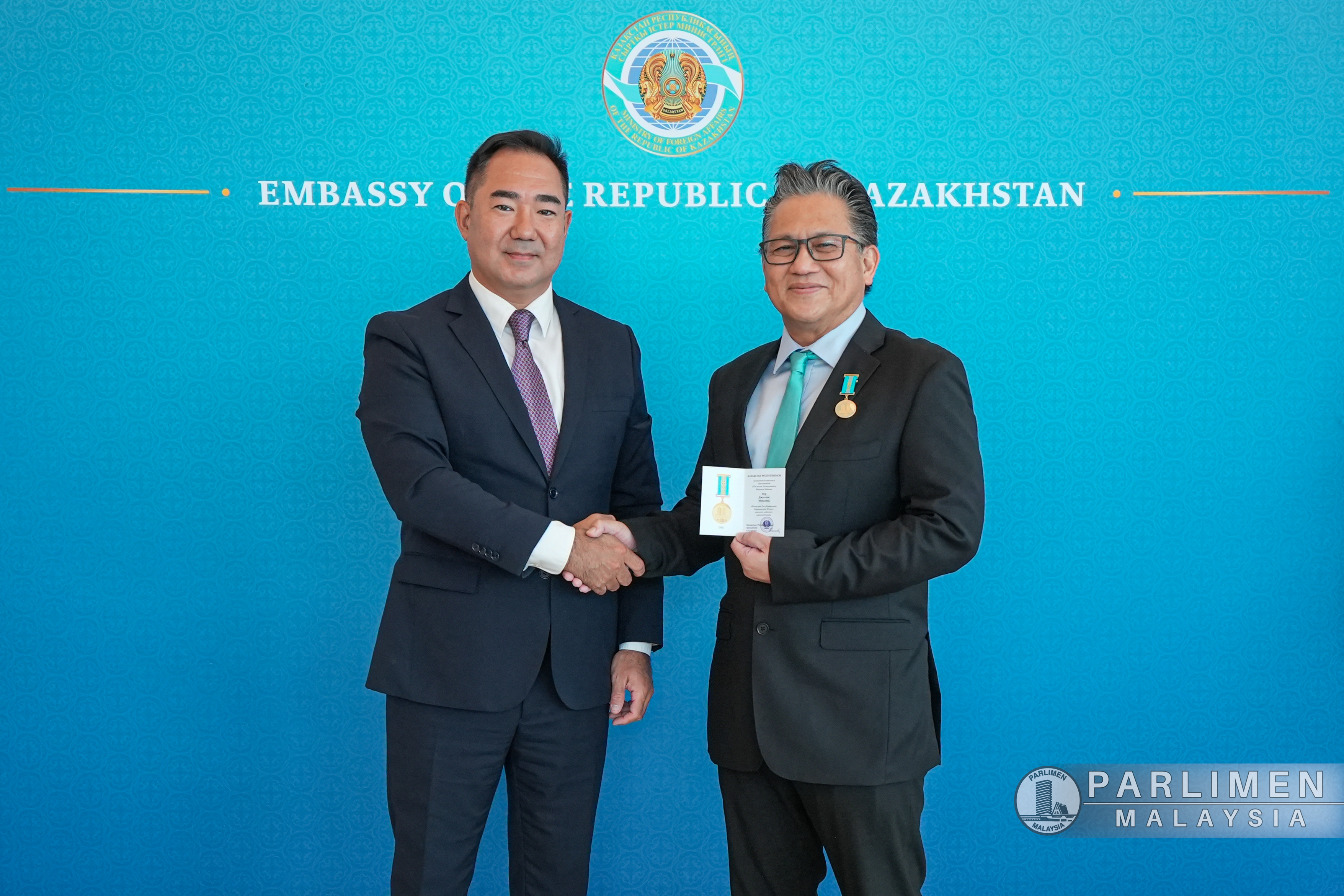
Kuala Lumpur, 25 August 2026 – Ambassador of Kazakhstan to Malaysia Bulat Sugurbayev discussed with Deputy President of the Senate of the Parliament of Malaysia Nur Jazlan Mohamed the progress of the constitutional reform initiated by President of the Republic of Kazakhstan Kassym-Jomart Tokayev, as well as the first elections of deputies to the Kurultai, the new unicameral Parliament of the Republic of Kazakhstan, held on 23 August.Particular attention was paid to further developing interparliamentary cooperation between Kazakhstan and Malaysia. The sides noted the importance of strengthening direct contacts between the legislative bodies, exchanging experience and enhancing the activities of the Kazakhstan-Malaysia Parliamentary Friendship Group.Nur Jazlan Mohamed, who has served as Deputy President of the Senate of Malaysia since June 2023, has consistently supported the development of parliamentary dialogue with Kazakhstan and the strengthening of bilateral ties.He highly commended the constitutional reforms being implemented in Kazakhstan, highlighting their modern and progressive character.“This parliamentary evolution represents a decisive and modern step forward. The establishment of a compact unicameral legislature elected through proportional representation will contribute to creating a more flexible and effective Parliament,” said Senator Nur Jazlan Mohamed.He also underscored the historical and cultural significance of the name “Kurultai”, noting that it reflects the traditions of the Great Steppe while at the same time symbolizing the combination of Kazakhstan’s rich cultural heritage with modern and progressive governance.At the conclusion of the meeting, Ambassador Bulat Sugurbayev presented Nur Jazlan Mohamed with the commemorative medal “30 Years of the Parliament of the Republic of Kazakhstan” in recognition of his contribution to the development of interparliamentary cooperation and the strengthening of Kazakhstan-Malaysia relations. The medal was established to mark the 30th anniversary of the Parliament of the Republic of Kazakhstan and is awarded to citizens of Kazakhstan and foreign nationals who have made a significant contribution to the development and establishment of Kazakhstan’s parliamentarism.Source : https://www.gov.kz/memleket/entities/mfa-kuala-lumpur/press/news/details/1279567?lang=ru

Requests for public services through "e-Atinish" are not considered 25.08.2026
Dear taxpayers and participants of foreign economic activity!Please note that according to part 3 of Article 69 of the Administrative Procedural Procedure Code of the Republic of Kazakhstan, applications received regarding the provision of public services are not subject to registration in the Electronic Appeals information analytical system.In this regard, applications for the provision of public services submitted through the e-Atinish platform are not subject to accounting and consideration, with the exception of applications provided for in subparagraph 3) paragraph 1 of Article 4 of the Law of the Republic of Kazakhstan "On Public Services".Receiving public services in electronic form is carried out exclusively through the Public Services service of the egov e-Government portal.kz and information systems of state revenue authorities (Taxpayer's Office, Keden and other services). Source : https://www.gov.kz/memleket/entities/kgd-pavlodar/press/news/details/1283119?lang=ru

Kazakhstanis' pension savings reached 28.35 trillion tenge. 25.08.2026
As of August 1, 2026, the pension savings of Kazakhstanis amounted to 28.35 trillion tenge, an increase of 3.50 trillion tenge (or 14.1%) over the past 12 months.The bulk of pension savings come from compulsory pension contributions (CPCs). As of August 1, 2026, their volume reached 26.31 trillion tenge, an increase of 2.69 trillion tenge (or 11.4%) over the past 12 months.The volume of pension savings formed through compulsory occupational pension contributions (COPCs) exceeded 751.56 billion tenge. This figure has grown by 6.6% over the past 12 months.Savings formed through voluntary pension contributions (VPCs) continued to grow. As of August 1, 2026, their volume amounted to 10.41 billion tenge, an increase of 14.9% over the 12 months.A significant increase in pension savings formed through employer’s compulsory pension contributions (ECPC), which have been deposited into the pension accounts of contributors (beneficiaries) since January 1, 2024, has also been noted. As of August 1, 2026, their volume amounted to 1,273.93 billion tenge, an increase of 2.5 times over the 12 months.IncomesThe total savings volume is provided by pension contributions and investment income. In the first seven months of 2026, 2,127.27 billion tenge in contributions were received into individual and conditional pension accounts, an increase of 15.7% (or 289.09 billion tenge) compared to the same period last year.Individual pension savings accounts (IPSAs) for the purpose of accounting for compulsory pension contributions (CPCs) received 1,630.80 billion tenge as of August 1, 2026 (an increase of 8.1% compared to the same period last year), 87.69 billion tenge in COPCs (an increase of 11.0%), and 1,251.28 million tenge in VPCs. ECPC since the beginning of the year as of August 1, 2026, amounted to 407.53 billion tenge.Net investment income received by contributors since the beginning of the year as of August 1, 2026, amounted to 1,233.05 billion tenge.Benefits and transfersBenefits for all types of contributions and transfers to insurance companies from the UAPF for January-July 2026 reached 1,083.51 billion tenge.The volume of old-age payments amounted to 170.95 billion tenge. The average monthly payment scheduled from the UAPF upon reaching retirement age was 38,993 tenge.Lump-sum pension benefit payments (LSPBPs) for housing improvements and medical treatment from the beginning of 2026 as of August 1, 2026, amounted to 435.20 billion tenge, inheritance payments amounted to 63.06 billion tenge, payments related to departure for permanent residence outside the Republic of Kazakhstan amounted to 28.13 billion tenge, payments to persons with disabilities amounted to 2.05 billion tenge, and funeral payments amounted to 5.56 billion tenge. An amount of 378.56 billion tenge was transferred to insurance organizations.IPSA numberThe total number of pension accounts in the UAPF as of August 1, 2026, was 18.89 million (an increase of 1.12 million or 6.3% over the 12 months). The number of individual pension savings accounts of contributors (beneficiaries) in the UAPF as of August 1, 2026, was 12.84 million, of which 11.39 million were under the CPC, 789,480 under the COPC, and 463,690 under the VPC. It should be noted that the total number of accounts for recording the CPC (11.39 million) also includes accounts of beneficiaries who have permanently resided outside the country but have not applied for their savings, deceased contributors whose heirs have not formalized the inheritance of their pension savings, military personnel who transferred to full state pension provision in 2016, and other categories of contributors (beneficiaries) whose accounts, according to Kazakhstani law, should not receive contributions.The number of notional pension accounts in the UAPF recording information on received CPC totaled 6.06 million.All up-to-date information on pension asset statistics is available on the enpf.kz website in the "Statistics and Analytics" section.UAPF was founded on August 22, 2013 on the basis of GNPF APF JSC. The founder and shareholder of the UAPF is the Government of the Republic of Kazakhstan represented by the State Institution Committee of State Property and Privatization of the Ministry of Finance of the Republic of Kazakhstan. Trust management of UAPF pension assets is carried out by the National Bank of the Republic of Kazakhstan. In accordance with the pension legislation, the UAPF attracts compulsory pension contributions, employer’s compulsory pension contributions, compulsory occupational pension contributions, voluntary pension contributions, as well as carries out enrollment and accounting of voluntary pension contributions formed at the expense of the unclaimed amount of guaranteed compensation for the guaranteed deposit, transferred by the organization carrying out mandatory guarantee of deposits, in accordance with the Law of the Republic of Kazakhstan "On mandatory guarantee of deposits placed in second-tier banks of the Republic of Kazakhstan", ensures the implementation of pension benefits. The Fund also carries out accounting of target assets and target requirements, accounting and crediting of target savings (TS) to target savings accounts, payments of TS to their recipients in bank accounts, accounting for returns of TS in the manner determined by the Government of the Republic of Kazakhstan within the framework of the National Fund for Children program (More details at www.enpf.kz)Source : https://www.gov.kz/memleket/entities/vko-katon-karagay/press/news/details/1288002?lang=ru
До $70,6 млрд увеличатся валютные активы Нацфонда к 2029 году 25.08.2026
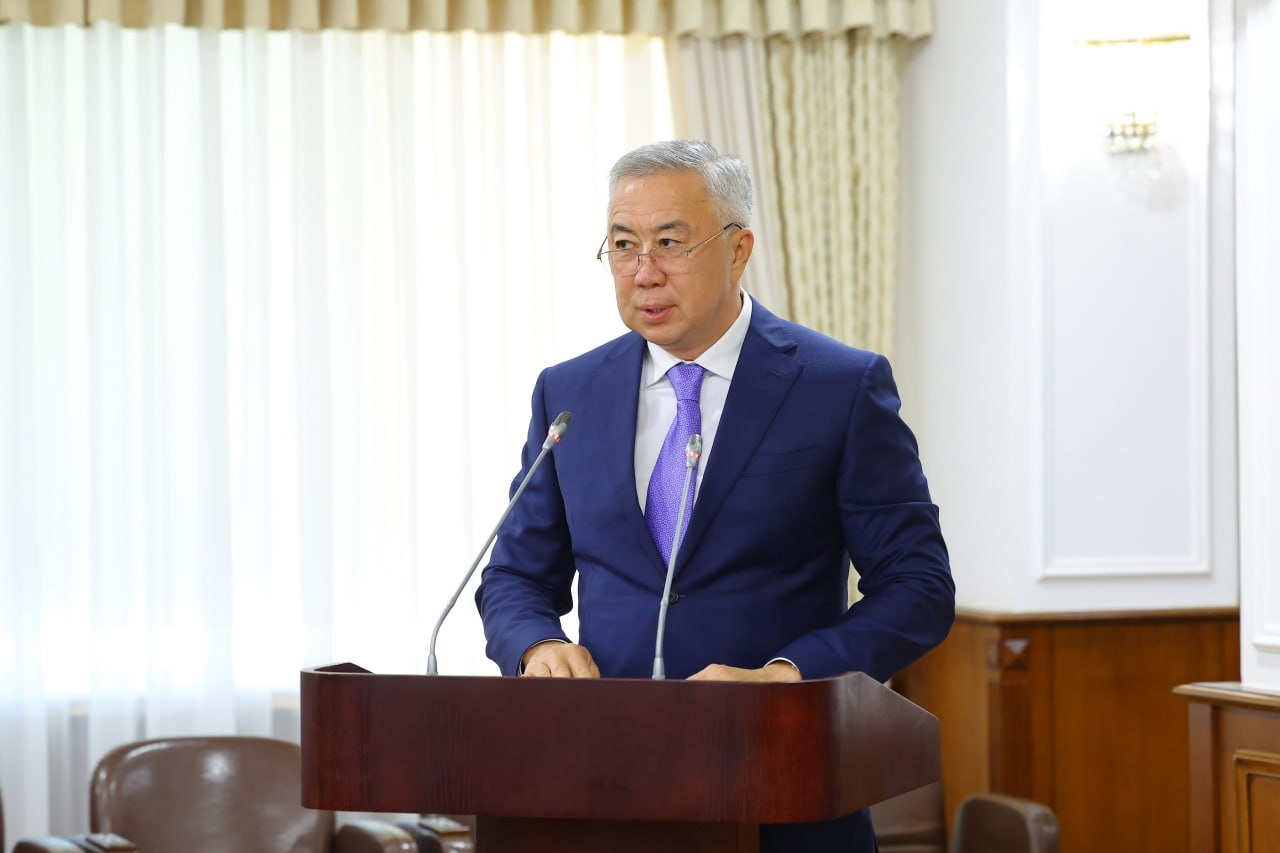
Согласно базовому сценарию развития экономики, объем валютных активов Национального фонда РК вырастет с $65,2 млрд в 2027 году до $70,6 млрд в 2029 году. Такие расчеты на заседании Правительства озвучил заместитель Премьер-министра – министр национальной экономики Серик Жумангарин.«Общий объем поступлений в Нацфонд при базовом сценарии прогнозируется на уровне 5,1 трлн теңге в 2027 году, 5,5 трлн теңге – в 2028 году и 5,7 трлн теңге – в 2029 году. Чистые поступления в Нацфонд прогнозируются в размере 0,5 трлн теңге в 2027 году, 1,4 трлн теңге – в 2028 году и 2 трлн теңге – в 2029 году»,— доложил Серик Жумангарин.Размер гарантированного трансферта в республиканский бюджет определен в соответствии с бюджетными правилами и составит 2,4 трлн теңге ежегодно в 2027 и 2028 годах с последующим снижением до 2 трлн теңге в 2029 году.Для финансирования критически важных объектов инфраструктуры и проектов общестранового значения предусмотрено привлечение целевого трансферта из Нацфонда: 2 трлн теңге в 2027 году и по 1,5 трлн теңге ежегодно в 2028 и 2029 годах.Source : https://www.gov.kz/memleket/entities/economy/press/news/details/1279482?lang=ru
Дефицит республиканского бюджета снизится до 0,4% к ВВП к 2029 году 25.08.2026
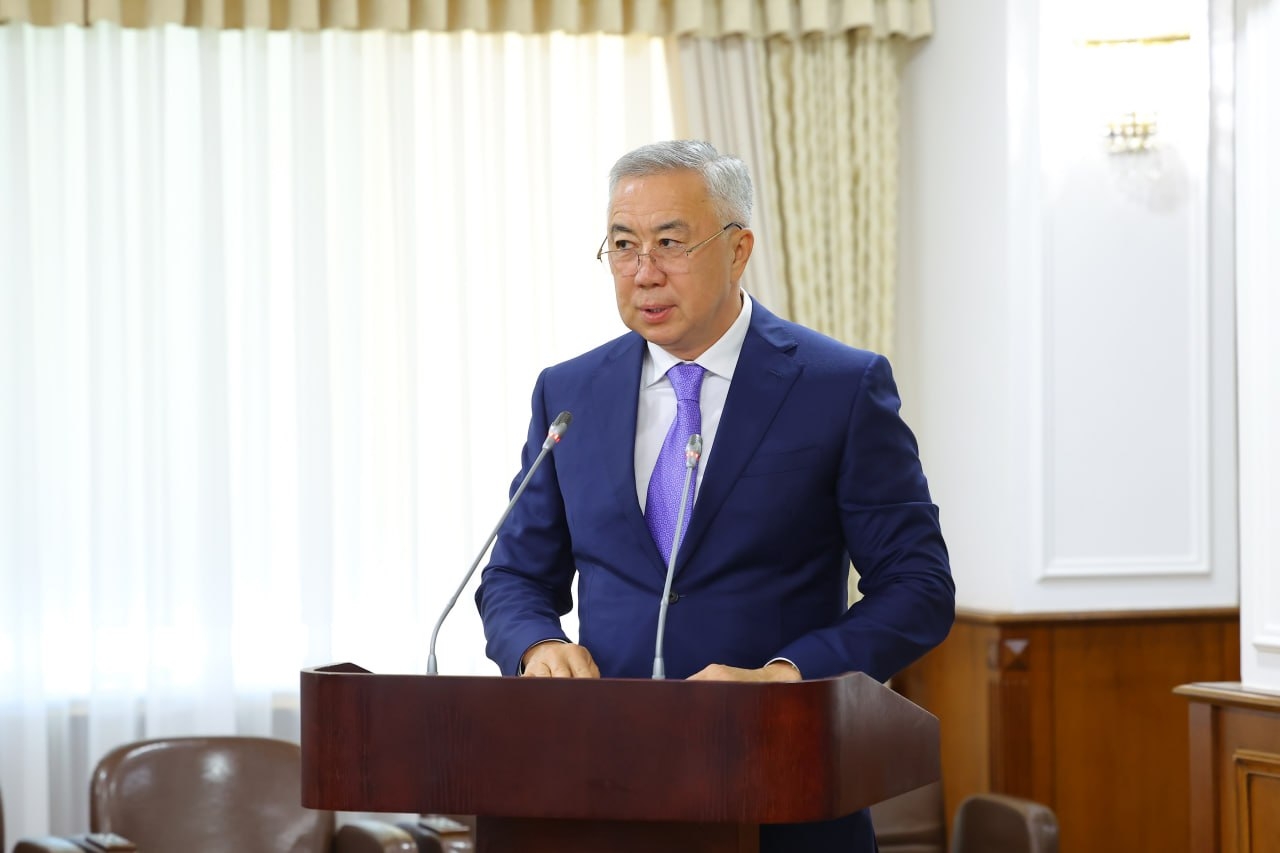
Дефицит республиканского бюджета сократится с 2,3% к ВВП в 2027 году до 0,4% к ВВП в 2029 году. Об этом на заседании Правительства доложил заместитель Премьер-министра – министр национальной экономики Серик Жумангарин.«Для поддержания устойчивости государственных финансов дефицит бюджета определен на уровне 2,3% к ВВП в 2027 году со снижением до 0,4% к ВВП в 2029 году. Ненефтяной дефицит сократится с 5,3% к ВВП до 2,5% к ВВП. С учетом этого расходы республиканского бюджета составят 30,2 трлн теңге в 2027 году, 29,4 трлн теңге – в 2028 году и 29,6 трлн теңге – в 2029 году», — сообщил Серик Жумангарин.По расчетам миннацэкономики, доходы республиканского бюджета в 2027 году составят 19,9 трлн теңге, в 2028 году достигнут 21,7 трлн теңге, а в 2029 году вырастут до 23,4 трлн теңге.Source : https://www.gov.kz/memleket/entities/economy/press/news/details/1279478?lang=ru
Свыше 5% составит среднегодовой реальный рост ВВП Казахстана в 2027–2029 годах 25.08.2026
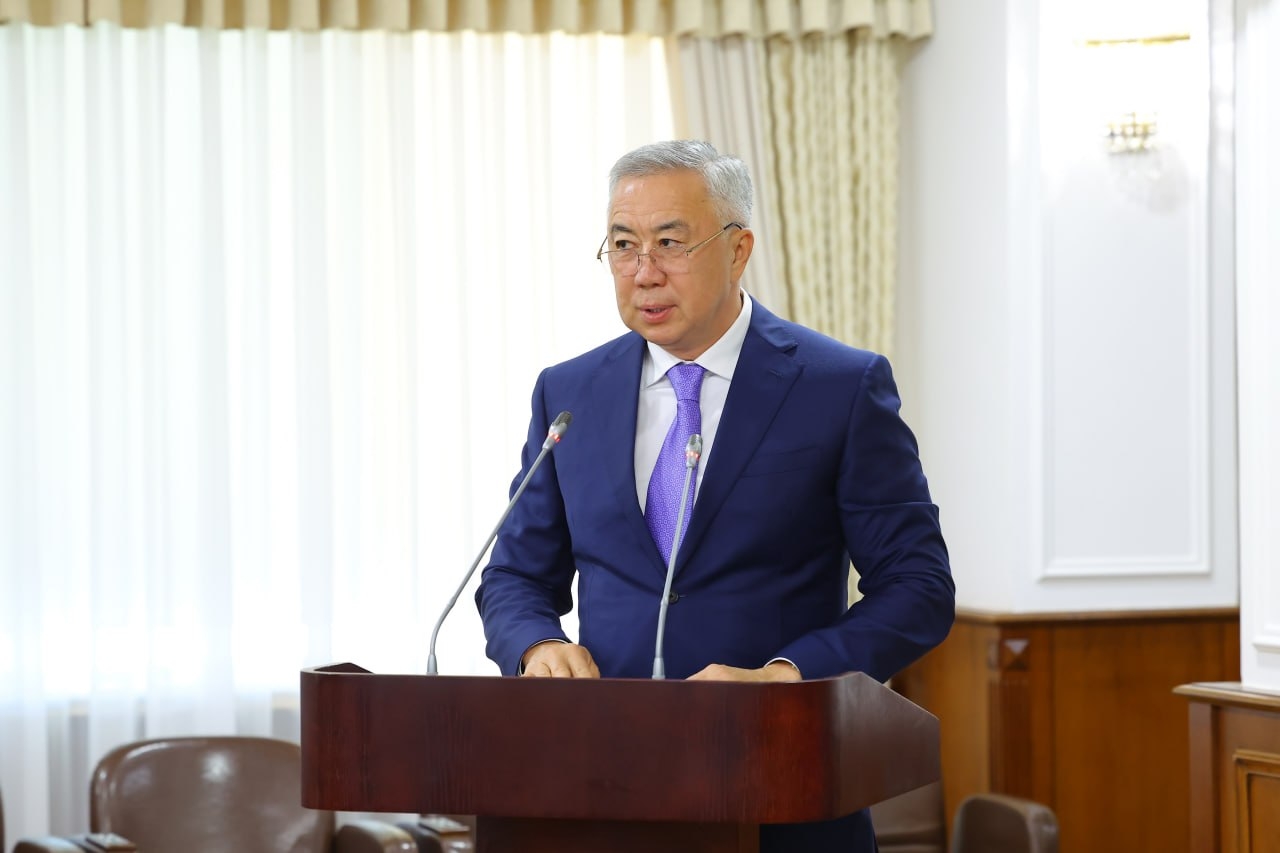
В рамках базового варианта Прогноза социально-экономического развития на 2027–2029 годы среднегодовой рост ВВП Казахстана прогнозируется на уровне выше 5%. Об этом на заседании Правительства сообщил заместитель Премьер-министра – министр национальной экономики Серик Жумангарин.«Номинальный ВВП вырастет со 199,3 трлн теңге в 2027 году до 245 трлн теңге в 2029 году. Рост экономики будет обеспечиваться увеличением производства в ненефтяных секторах. Темпы роста обрабатывающей промышленности будут опережать рост в горнодобывающей промышленности. Основной вклад в рост обработки внесет металлургия, машиностроение, производство строительных материалов, химическая промышленность, производство продуктов питания», — доложил Серик Жумангарин.Вице-премьер отметил, что драйвером роста также станет сельское хозяйство с ежегодным показателем не менее 5%. В строительном секторе ожидается повышение темпов с 16% в 2027 году до 17,3% в 2029 году за счет развития транспортно-логистической, энергетической, водной, жилищно-коммунальной и социальной инфраструктуры.В сфере услуг прогнозируется среднегодовой прирост торговли на 5,7%, транспорта и складирования – на 10,4%, информации и связи – на 9,2%.Внешнеторговый баланс сохранится положительным: экспорт товаров вырастет с $82,8 млрд в 2027 году до $88,5 млрд в 2029 году при увеличении импорта с $80,5 млрд до $88,4 млрд. Коридор инфляции определен на уровне 7,5-9,5% в 2027 году с последующим снижением до 6-8% в 2028–2029 годах.Source : https://www.gov.kz/memleket/entities/economy/press/news/details/1279431?lang=ru
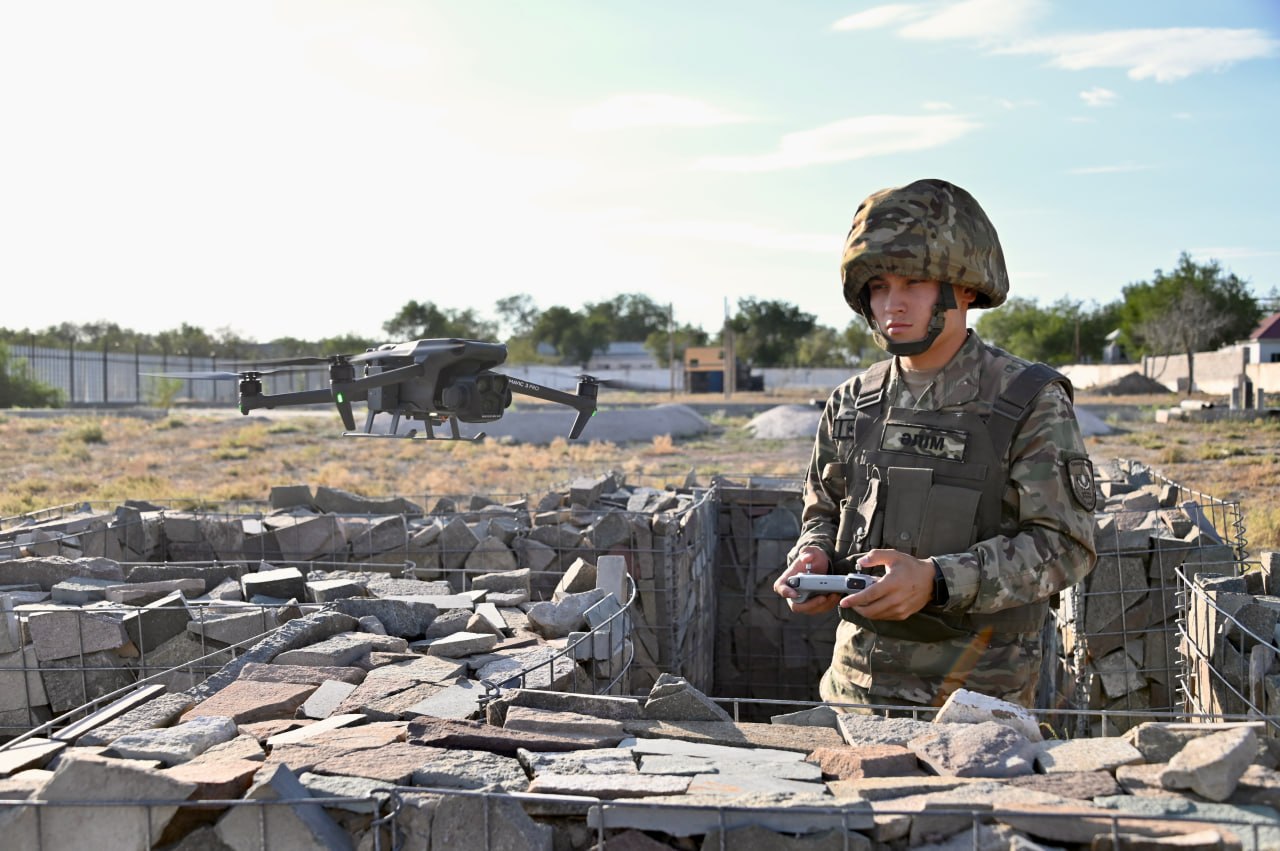
The commanders of the sapper units have completed training camps 25.08.2026
Source : https://www.gov.kz/memleket/entities/mod/press/news/details/1279390?lang=ru
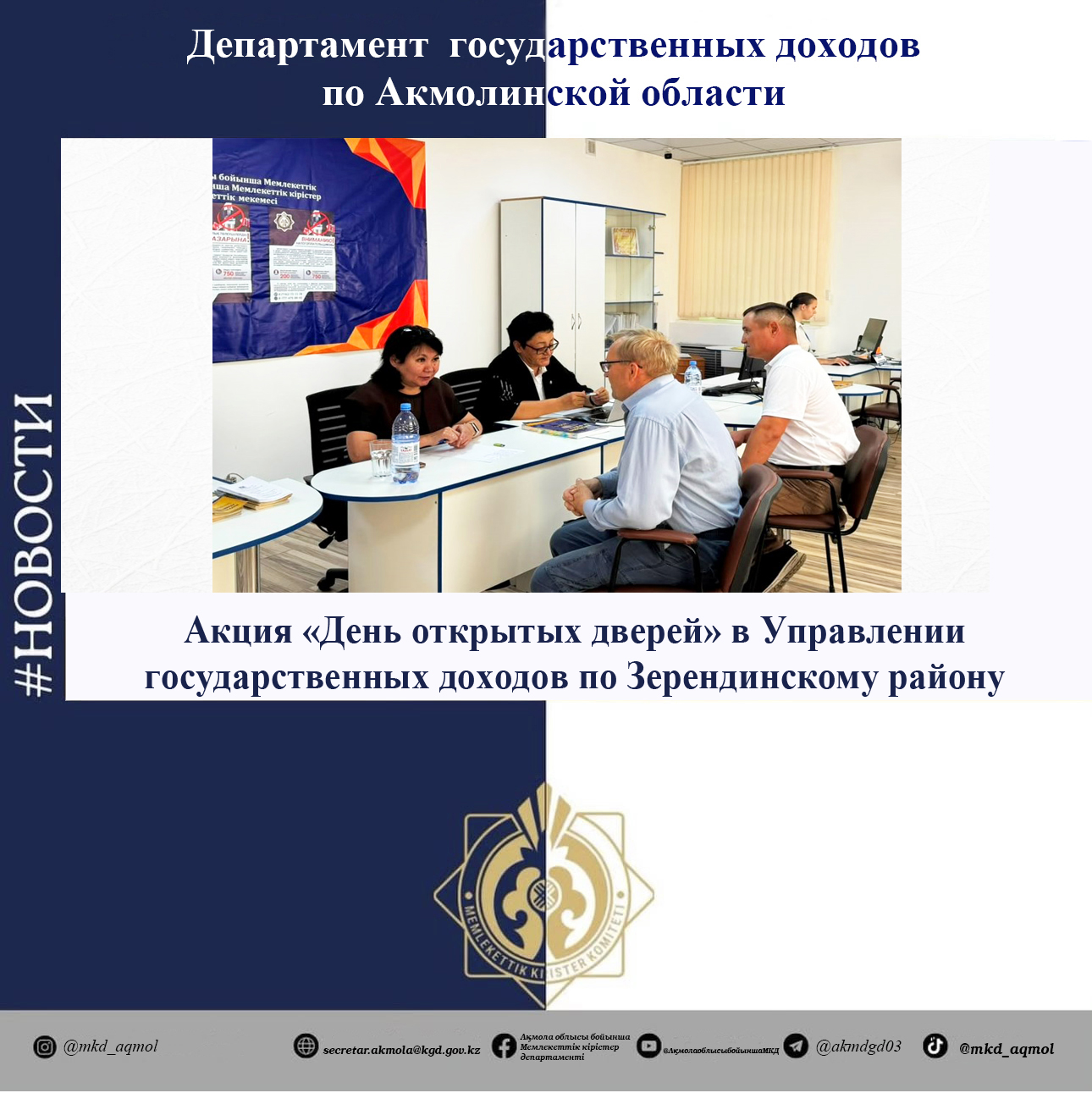
Action "Open Day" in the State Revenue Department for the Zerendinsky District 25.08.2026
On August 24 of this year. within the framework of the "Open Day" campaign in the Department of State Revenues in the Zerendinsky District, employees of the Department of State Revenues in the Akmola region carried out explanatory work with taxpayers.During the event, topical issues of taxation, the application of tax legislation, as well as the procedure for obtaining public services were considered.Particular attention is paid to the issues of registration of peasant farms, collection of tax arrears, filing a form 270.00 - Declaration of income and property of an individual, payment of local taxes, as well as improving the openness and quality of interaction between state bodies and taxpayers.Source : https://www.gov.kz/memleket/entities/kgd-akmola/press/news/details/1279369?lang=ru

98.6% of services provided by UAPF to the population since the beginning of the year were carried out in digital format. 25.08.2026
The UAPF is the single operator of Kazakhstan's funded pension system, ensuring the reliability and transparency of pension savings. Its primary objective is to accumulate citizens' pension savings and ensure their future benefits. The Fund's services help citizens not only accumulate the necessary funds for a decent retirement but also actively participate in financial planning for their future. The UAPF provides various digital services to Kazakhstanis and continues to develop them, adapting to customer needs. The 24/7 availability of the Fund's services on its website and mobile app is a key factor in increasing contributor interest.From January 1, 2026, to July 31, 2026, the Fund provided 32.4 million services to the population. Of these, 20.7 million were provided electronically, and 11.0 million were provided automatically. Thus, the share of services provided automatically, electronically, and remotely amounted to 98.6% of the total. 454,400 services were provided in person, including 443,100 directly at the Fund's offices..As a reminder, all pension accounts are opened automatically in the UAPF upon receipt of the first contribution. Target requirements are also automatically calculated for citizens of the Republic of Kazakhstan under 18 years of age, and target savings accounts (TSAs) are opened to record and pay out targeted savings to adult recipients of targeted savings under the National Fund for Children program.During the reporting period, the total number of automatically opened individual pension savings accounts (IPSAs) for all types of individual pension contributions, as well as notional pension savings accounts (NPSAs) for recording employer’s compulsory pension contributions (ECPCs) transferred by employers from their own funds, and targeted savings accounts (TSAs, opened to record and pay out targeted savings to recipients of targeted savings under the National Fund for Children program) exceeded 1.1 million.Receiving statements from IPSA, NPSA, and TSA remains the most popular service. Since the beginning of the year, 21.7 million statements have been issued for all account types, 19.3 million of which were issued electronically and 2.1 million automatically. UAPF reminds that receiving account information through your personal account is the most convenient, reliable, and efficient way to monitor your pension savings. The service operates online 24/7, allowing you to receive up-to-date information at any time and from anywhere. Account information is available not only through the ENPF mobile app and your personal account on the UAPF website, but also through the egov.kz portal or the e-government mobile app. This provides additional convenience for users who prefer to interact with government services through a unified platform. UAPF notes that, starting in 2025, the annual automatic mailing of statements will no longer be provided. However, it is still possible to receive information about the status of pension savings by mail by submitting a corresponding request to the UAPF address.In addition to receiving statements in their personal account on the website and in the mobile app, contributors (beneficiaries) can use services such as making changes and additions to their details, obtaining a certificate of account availability, submitting an application for pension benefits in connection with the establishment of a disability of groups 1 or 2 indefinitely or in connection with reaching the age of fifty through voluntary pension contributions, tracking the status of a benefit application, transferring a portion of pension savings to an investment portfolio manager (IPM), projecting a future pension using a pension calculator, etc. Over the past period, 74,000 contributor applications for the transfer of a portion of pension savings to IPM trust management were accepted, the majority of which were in electronic format.The UAPF reminds that its unified online information platform for investment management of citizens' pension assets, invest.enpf.kz, brings together all key information about investment portfolio managers (IPMs) in a single digital space and provides a systematic approach to providing data on investment activities. On the invest.enpf.kz portal, users have access in Kazakh and Russian to information about the pension savings system, securities, investment strategies (criteria), basic concepts, and the pension asset allocation structure, as well as the financial performance of each IPM, data on the IPM's compliance with regulatory requirements, and other information allowing contributors to develop a profile of their IPM and its investment activities.During the reporting period, 67,200 applications for changes to account details were received, 63,100 of which were submitted at the Fund's offices.When applying for a service from UAPF specialists, contributors typically receive additional consultations and advice on savings management. As part of its outreach efforts, 34,700 roadside presentations were held, attended by 689,000 people. The number of materials published in the media based on UAPF announcements was 24,100.The number of inquiries received from contributors and beneficiaries through feedback channels (call center, website consultations, instant messaging, social media, and other communication channels) was 255,800.As a reminder, any company can request an on-site presentation and consultation on the funded pension system by simply calling the call center at 1418 or through the Fund's website or mobile app.UAPF consulting services can be obtained through instant messengers (chat bot in WhatsApp and Viber at +7 777 000 14 18), call center at 1418 (free call within Kazakhstan), on the corporate website enpf.kz, as well as on the official UAPF pages on social networks Instagram, Facebook, VKontakte, Telegram, Odnoklassniki.UAPF was founded on August 22, 2013 on the basis of GNPF APF JSC. The founder and shareholder of the UAPF is the Government of the Republic of Kazakhstan represented by the State Institution Committee of State Property and Privatization of the Ministry of Finance of the Republic of Kazakhstan. Trust management of UAPF pension assets is carried out by the National Bank of the Republic of Kazakhstan. In accordance with the pension legislation, the UAPF attracts compulsory pension contributions, employer’s compulsory pension contributions, compulsory occupational pension contributions, voluntary pension contributions, as well as carries out enrollment and accounting of voluntary pension contributions formed at the expense of the unclaimed amount of guaranteed compensation for the guaranteed deposit, transferred by the organization carrying out mandatory guarantee of deposits, in accordance with the Law of the Republic of Kazakhstan "On mandatory guarantee of deposits placed in second-tier banks of the Republic of Kazakhstan", ensures the implementation of pension benefits. The Fund also carries out accounting of target assets and target requirements, accounting and crediting of target savings (TS) to target savings accounts, payments of TS to their recipients in bank accounts, accounting for returns of TS in the manner determined by the Government of the Republic of Kazakhstan within the framework of the National Fund for Children program (More details at www.enpf.kz)Source : https://www.gov.kz/memleket/entities/vko-katon-karagay/press/news/details/1288003?lang=ru
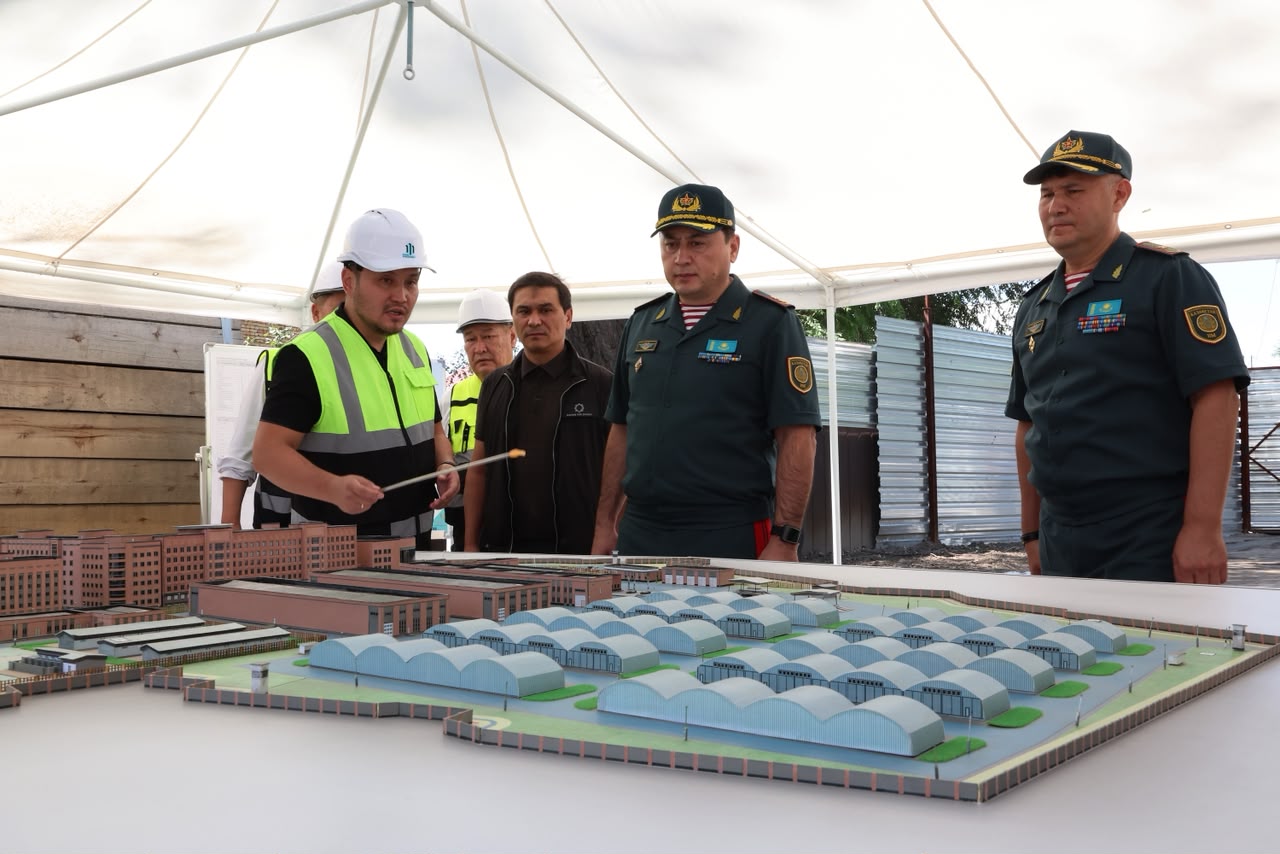
A Modern National Guard Military Campus to Be Built in Almaty 25.08.2026
A large-scale National Guard facility will be built in the Samgau residential district of Almaty, covering an area of approximately 27 hectares. Construction work is currently underway at the site.Deputy Minister of Internal Affairs and Commander-in-Chief of the National Guard, Lieutenant General Ansagan Baltabekov, inspected the progress of construction. During his visit, particular attention was given to the development of the key facilities предусмотренных by the project.The new military campus will be a comprehensive complex with fully developed infrastructure. Administrative buildings and residential facilities for National Guard servicemen will be constructed. The project also includes specialized parks for military equipment and the necessary storage facilities.A dedicated canine training complex will also be established on the territory. This will provide the necessary conditions for housing and training service dogs, as well as supporting the work of canine units. In addition, engineering facilities will be built and all essential utility networks will be installed.The new facility will therefore become a fully integrated military complex, providing all the necessary conditions for military service, accommodation for servicemen, and the performance of daily service and operational duties.Construction is progressing at a rapid pace. According to the plan, the new military campus in Almaty is expected to be completed by the end of 2027. Once operational, the facility will strengthen the National Guard’s material and technical capabilities in Almaty and provide modern conditions for servicemen of the law enforcement troops. Press Service of the National Guard of the Ministry of Internal Affairs of the Republic of KazakhstanSource : https://www.gov.kz/memleket/entities/kvv/press/news/details/1279327?lang=ru
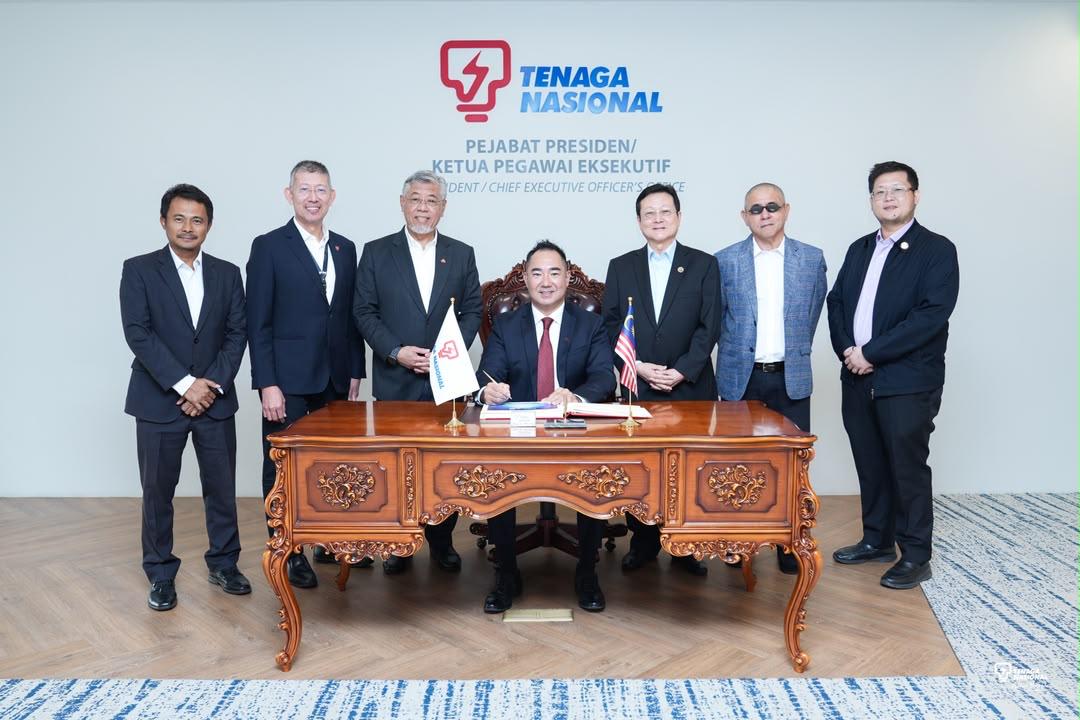
Prospects for Long-Term Partnership with Malaysia in the Energy Sector 25.08.2026
Kuala Lumpur, 20 August 2026 – As part of efforts to further develop Kazakhstan–Malaysia cooperation in the energy sector, Ambassador of Kazakhstan to Malaysia Bulat Sugurbayev held talks with Shamsul bin Ahmad, President and Chief Executive Officer of Tenaga Nasional Berhad (TNB).Tenaga Nasional Berhad is Malaysia’s leading national energy company, with extensive expertise in electricity generation, transmission and distribution, as well as infrastructure development, education and research.The parties held a constructive discussion on prospects for partnership in the field of energy security and the expansion of Kazakh coal supplies to Malaysia. Over the past two years, Malaysia has begun importing coal from Kazakhstan, and discussions are currently underway to expand this area of cooperation towards a strategic partnership and long-term supply arrangements.Particular attention was paid to the development of cooperation in education. Work is currently underway on concluding a Memorandum of Understanding between Universiti Tenaga Nasional (UNITEN) and Kazakhstani higher education institutions, aimed at strengthening academic ties, joint research, academic exchanges and capacity building. This area opens up prospects not only for enhanced academic cooperation but also for further exploring the potential of emerging areas of energy, including solar and nuclear energy.The parties also explored prospects for cooperation in developing electric vehicle infrastructure, taking into account Malaysia’s extensive experience and technological capabilities in this field.Source : https://www.gov.kz/memleket/entities/mfa-kuala-lumpur/press/news/details/1279317?lang=ru

ҚАЗАҚСТАН РЕСПУБЛИКАСЫ ҚҰРЫЛТАЙЫНА ДЕПУТАТТАРДЫ САЙЛАУ БОЙЫНША ДАУЫС БЕРУДІҢ АЛДЫН АЛА НӘТИЖЕЛЕРІ 24.08.2026
Орталық сайлау комиссиясы (ОСК) Қазақстандағы Құрылтай депутаттарының сайлауы бойынша дауыс берудің алдын ала нәтижелерін жариялады24 тамыз таңертеңгі жағдай бойынша дауыс берудің алдын ала нәтижелері келесідей:"Әділет" партиясы - 71,17 пайыз;Жалпыұлттық социал-демократиялық партия (ЖСДП) - 5,11 пайыз;"Байтақ" жасылдар партиясы - 1,7 пайыз;Қазақстанның халық партиясы (ҚХП) - 3,10 пайыз;"Ауыл" халықтық-демократиялық патриоттық партиясы - 6,26 пайыз;"Ақ жол" демократиялық партиясы - 5,21 пайыз;Respublica - 5,56 пайыз;"Барлығына қарсымын" - 2,51 пайыз.Партиялар Құрылтайға өту үшін жалпы дауыс берушілер санының кемінде 5 пайызын жинауы тиіс болатын.ОСК төрағасы Нұрлан Әбдіровтің айтуынша, сайлаушылардың жалпы саны 12 623 289 адам болған. Сайлауға 9 351 539 адам немесе тізімге енгізілген азаматтардың 73,8 пайызы қатысты.Елімізде сайлау учаскелері жабылғаннан кейін бірден дауыстарды санау басталды. Содан кейін аумақтық комиссиялар ОСК-ға нәтижелер бойынша есеп береді. Орталық сайлау комиссиясы қорытындыны арнайы отырыста шығарады.Соңғы қорытындылар 30 тамызға дейін белгілі болады.Source : https://www.gov.kz/memleket/entities/mfa-ljubljana/press/news/details/1279304?lang=ru
Kazakhstan on the threshold of a new political phase 24.08.2026
International Institute for Middle East and Balkan Studies (IFIMES), based in Ljubljana, Slovenia, regularly analyzes developments in the Middle East, the Balkans, and other regions worldwide. H.E. Altay Abibullayev, Ambassador Extraordinary and Plenipotentiary of the Republic of Kazakhstan to the Republic of Slovenia, in his article entitled »Kazakhstan on the Threshold of a New Political Phase/Казахстан на пороге нового политического этапа«, provides a comprehensive and well-substantiated overview of Kazakhstan’s constitutional, political, economic and technological transformation, presenting the elections to the Kurultai as a significant test of the country’s new institutional framework and its future development.Kazakhstan on the threshold of a new political phaseOn 23 August 2026, Kazakhstan will hold the first election of members of the Kurultai following the entry into force of the new Constitution. This will be the country’s first nationwide electoral campaign to form its new supreme representative body. The outcome of the vote will determine the composition of the Kurultai, whose members will serve five-year terms, adopt legislation and participate in addressing issues of national importance.A total of seven political parties are participating in the elections: Adilet, the Nationwide Social Democratic Party (OSDP), the Baitak Green Party, the People’s Party of Kazakhstan, Auyl, Ak Zhol, and Respublica. According to the Central Election Commission, the party lists comprise a total of 545 candidates competing for 145 seats. Adilet has nominated the largest party list, comprising 186 candidates. Its platform focuses on building a “Just Kazakhstan” and includes human capital development, digital transformation of the state, economic modernization, regional development, social policy, culture, and environmental issues. The party places particular emphasis on digital government, a fair economy, and improving the quality of public administration. The OSDP is running 33 candidates under its “20 Peaks on the Path to Progress” programme. The party’s platform is based on three core values — freedom, justice, and solidarity — and calls for greater social responsibility of the state, economic efficiency, technological development, and greater accountability of the authorities to society. Baitak has nominated 51 candidates and has the most distinct environmental agenda among the participating parties. Its programme, entitled “Kazakhstan — A Country for Life,” focuses on environmental protection, clean air and water, environmentally responsible economic development, and greater public participation in decision making. Constitutional reform, political modernization and digital transformation of KazakhstanThe People’s Party of Kazakhstan, with 72 candidates, places particular emphasis on social policy, quality domestic education, and protecting the social interests of the population. Auyl, which has nominated 69 candidates, focuses on food security, rural development and infrastructure, social policy, education and science, environmental protection, and traditional family values. The party says its programme was developed taking into account proposals collected from residents of all 20 regions through a dedicated digital platform. Ak Zhol is running 63 candidates under its programme “Change Is Inevitable.” Its key priorities include strengthening parliamentarianism, developing a free market economy, protecting the interests of domestic businesses, combating corruption, developing human capital and modern technologies, as well as safeguarding Kazakhstan’s national interests and independence. The party also advocates stronger checks and balances and greater accountability of government bodies. Respublica, which has nominated 76 candidates, maintains its focus on entrepreneurship, with particular emphasis on developing small and medium-sized businesses, reducing administrative barriers, protecting entrepreneurs, digitalization, and the development and application of artificial intelligence. Overall, the party platforms cover a broad range of issues, from social protection and rural development to the digital economy, entrepreneurship, environmental policy, and institutional reform. The election campaign began on July 23 and has included public meetings between parties and voters, programme presentations, and televised debates. On July 29, Qazaqstan TV hosted a debate involving representatives of all seven parties under the theme “The Future of Kazakhstan — Human Capital.” The participants included Serik Egizbayev of Auyl, Nurgul Kadyrbayeva of Baitak, Renat Bekturov of Adilet, Tazabek Sambetbay of the OSDP, Olzhas Nuraldinov of Ak Zhol, Ekaterina Smolyakova of Respublica, and Sunkar Islam of the People’s Party of Kazakhstan. During the discussion, the party representatives presented their programmes and proposals concerning education, social policy, the economy, regional development, and human capital. The televised debate campaign continued in August on other television platforms. In particular, Jibek Joly hosted team debates accompanied by online audience voting. The Central Election Commission also officially approved the list of participants for televised party debates on Khabar TV. The final major debate, “Main Debates — 2026,” was held on August 19 and broadcast live by 24KZ, with representatives of all seven political parties taking part. The debate served as the final major discussion platform for the parties ahead of the August 23 vote. The election of members of the Kurultai is a key stage in the formation of the country’s representative bodyThe upcoming election of members of the Kurultai represents a significant milestone in the formation of Kazakhstan’s representative body and the continued development of its legislative system under the new constitutional framework. Its defining feature is the transition, initiated by the Head of State, from the former bicameral Parliament, consisting of the Mazhilis and the Senate, to a unicameral supreme representative body known as the Kurultai, comprising 145 members elected for five-year terms. The Kurultai will be elected through a proportional party-list system, reflecting the effectiveness of proportional representation and the growing role of political parties in representing citizens’ interests. By casting their votes, citizens will help determine the composition of the body responsible for adopting legislation, considering issues of public importance and shaping the country’s legislative policy. This underscores the civic responsibility of every voter and highlights the exceptional significance of these elections for Kazakhstan’s future. The electoral process serves as a vital link between society and representative institutions. Voting ensures that citizens’ political preferences, priorities and expectations are reflected in the composition of the new Kurultai. This helps ensure that the Kurultai’s work represents the diverse views and interests of society.Elections also provide a mechanism for the periodic renewal of representative authority. Forming a new Kurultai in accordance with the will of the people strengthens the accountability of its members to the electorate and promotes constructive interaction between the state and society.The forthcoming electoral campaign marks a fundamentally new stage in the development of Kazakhstan’s political system, made possible by the adoption of the new Constitution. It represents not merely another institutional reform, but a comprehensive modernization of the system of public administration. The establishment of a new supreme representative body lays the foundations for an updated model of interaction between the state and society, while creating broader opportunities for citizens to participate in public affairs and further strengthening representative institutions. The upcoming elections should therefore be viewed not simply as a process of electing representatives, but as a significant political and civic event that will shape the quality of public representation, enhance the effectiveness of the legislative process and contribute to the continued development of Kazakhstan’s state institutions. Political Reform and the Revival of the Kurultai The election of members of the Kurultai is the result of a comprehensive political reform initiated by the Head of State. The reform reflects the course of consistent political modernization set out by President Kassym-Jomart Tokayev and is aimed at strengthening representative institutions while enhancing the role of citizens in forming the country’s legislative body. The name of the new institution is deeply rooted in Kazakhstan’s historical traditions and reflects a return to the foundations of Kazakh statehood. Historically, kurultais were assemblies at which the nation’s most important issues were debated, laws were adopted, rulers were elected and decisions shaping the future of the state were made. These assemblies served as the highest forums for collective decision-making and provided a means of reconciling the interests of different groups within society. The adoption of this historic name in a modern political context underscores the continuity of Kazakhstan’s traditions of statehood and reinforces the connection between the country’s new constitutional framework and its historical heritage. Beyond its symbolic significance, the transition to a unicameral system also serves the practical purpose of improving the efficiency of the legislative process. Under the previous bicameral system, draft laws were considered sequentially by the Mazhilis and the Senate, which lengthened the legislative process and required additional coordination between the two chambers. Consolidating legislative work within a single representative body streamlines this process and improves both the speed and quality of lawmaking. At the same time, the reform seeks to eliminate unnecessary bureaucratic procedures, making the work of the representative body more transparent, accessible and responsive to citizens. The upcoming elections therefore mark the beginning of a new political paradigm in which the country’s supreme representative body is formed through the free expression of citizens’ will.The fundamental principle of the elections is the free expression of citizens’ willThe foundation of the electoral process is the free and informed expression of citizens’ will. Every voter has the right to decide independently whether to participate in the elections and which political party to support. This decision must be made freely, without coercion, intimidation, vote-buying or any other form of unlawful influence. Participation in elections is one of the principal ways in which citizens exercise their constitutional right to take part directly in the governance of the state. By casting their votes, citizens express their views on the formation of the country’s representative body and influence who will represent their interests in the Kurultai. The responsibility of public authorities and all participants in the electoral process is to ensure conditions that enable every citizen to make a free, informed and independent choice. The secrecy of the ballot is a fundamental guarantee of the free expression of citizens’ will. Protecting the confidentiality of each vote strengthens public confidence in the electoral process and safeguards every voter’s freedom to make an independent decision. Equally important is ensuring that citizens have access to accurate and comprehensive information about the participating political parties, their platforms and the voting procedure. An informed choice is possible only when voters are able to compare different political positions, assess the proposals presented by political parties and make decisions based on their own views and convictions. Every stage of the electoral campaign plays an important role The electoral campaign is a structured process in which each stage serves a distinct purpose and helps ensure that the elections are conducted in accordance with the law: 1 July 2026 – Announcement of the elections to the KurultaiFrom 2 July to 6:00 p.m. on 13 July – Nomination of party listsBy 6:00 p.m. on 23 July – Registration of party lists by the Central ElectionCommissionFrom 6:00 p.m. on 23 July to midnight on 22 August – Election campaigning22 August – Day of Silence23 August – Election DayThe nomination of party lists determines the participants in the electoral process. Registration confirms that the submitted documents comply with the requirements of electoral legislation. The campaign period provides political parties with equal opportunities to present their platforms to voters. The verification of voter lists helps ensure that every eligible citizen can exercise the right to vote. The Day of Silence allows voters to make their final decision free from campaigning, while Election Day concludes the process of forming the new Kurultai. The orderly conduct of every stage promotes transparency throughout the electoral process, ensures equal conditions for all participants and strengthens public confidence in the election results. Political competition is a fundamental element of the electoral processPolitical competition is one of the fundamental principles of a democratic electoral process. During the election campaign, political parties and candidates present their platforms, policy proposals and approaches to addressing the country’s key development challenges. This enables citizens to consider different political perspectives and make an informed choice based on their own views and assessment of the proposals presented by participants in the elections. Electoral competition must take place strictly within the framework of the law and be guided by the principles of equal treatment, respect for voters and compliance with the rules governing the election campaign. Public debate should be conducted responsibly and in accordance with the standards of political culture. The dissemination of false information, hate speech, unlawful campaigning and any other actions that could undermine the fairness or transparency of the elections are unacceptable. The presence of diverse political platforms and policy agendas is a natural feature of the electoral process and contributes to meaningful public dialogue. Political competition allows voters to compare the proposals put forward by participants in the elections, evaluate their arguments and determine which approaches best reflect their expectations and interests. The primary purpose of the elections is to enable citizens to express their political preferences freely and independently. By exercising their right to vote, citizens make the final decision on the composition of the Kurultai, thereby ensuring that the country’s supreme representative body is formed through the free expression of citizens’ will. Political parties and the proportional electoral system: the foundation of competitive electionsThe early announcement of the elections by the Head of State provided political parties with sufficient time to prepare thoroughly for the campaign. The upcoming elections clearly demonstrate the effectiveness of the proportional electoral system. The party-list system shifts the focus from the personal ambitions of individual candidates to competition between ideas, comprehensive policy platforms and long-term strategies for the country’s development. Political parties present citizens with coherent visions for Kazakhstan’s future, covering issues ranging from economic renewal and support for entrepreneurship to reforms in education, healthcare and regional governance. The participation of political parties ensures genuine political pluralism and encourages broad public debate. In this context, the civic responsibility of every voter becomes especially important. Understanding party platforms, comparing priorities and making an informed choice are what transform voting into a meaningful instrument of democratic governance. Election campaigning: a time for open dialogue and civic engagementFollowing the completion of the registration of party lists, the electoral campaign enters its most substantive phase: the election campaigning period. This stage is more than a formal legal procedure; it provides an opportunity for direct, open and constructive dialogue between political parties and the public. Through public meetings, media discussions and engagement on digital platforms, political parties must demonstrate the merits and credibility of their proposals. For society, this period highlights the importance of active civic participation in political life. Public engagement in discussions, thoughtful questions put to candidates and critical evaluation of campaign commitments all contribute to the development of a mature political culture. Why this marks the most important stage of the electoral campaignThe significance of the upcoming elections cannot be overstated. Kazakhstan is undergoing a fundamental transformation of its political system under the new Constitution. In this context, the elections to the Kurultai are far more than a routine electoral event. They represent a defining moment in the renewal of the country’s state institutions and lay the foundations for a new political reality. This campaign is particularly significant because all seven officially registered political parties are taking part in the elections. Each party offers its own vision for the country’s future, addressing issues ranging from environmental protection to economic development and social modernization. The participation of the full spectrum of registered political parties guarantees genuine political pluralism and gives every citizen the opportunity to find a political platform that reflects their values and priorities. The earlier organizational stages laid the groundwork for the campaign. The focus now shifts to substantive competition between ideas, with public trust becoming the decisive factor. Every vote cast in these elections represents direct participation in the implementation of Kazakhstan’s constitutional reform. The informed choices made by citizens will determine who represents their interests in the renewed Kurultai and sets the direction of the country’s development over the next five years. Elections are not only a right but also an expression of civic responsibilityParticipation in elections is one of the most important ways for citizens to exercise their constitutional rights and express their views on the country’s development. By exercising their right to vote, citizens take a direct part in forming the representative body that will adopt legislation and represent the interests of the population. The significance of these elections lies in the fact that the broader the participation of citizens in voting, the more fully the diversity of public views and interests will be reflected in the election results. High voter turnout strengthens public confidence in the electoral process and enhances the public legitimacy of the newly elected Kurultai. A representative body elected with broad public participation is regarded as reflecting the will of different social groups and the interests of society as a whole. All the necessary technical arrangements have been put in place to make voting as convenient as possible and to ensure that every citizen can exercise their right to vote. Every voter can verify their electoral status and polling station number online in advance using the Individual Identification Number (IIN) verification service available through official digital platforms. Citizens who will be away from their place of permanent registration on Election Day may obtain an absentee voting certificate in advance, enabling them to vote at another polling station convenient for them. The availability of these services demonstrates the openness of the electoral process and enables every citizen to fulfil their civic responsibility by participating in the elections. Kazakhstan is not presenting the Kurultai elections as an isolated political event, but as a further step in the country’s broader institutional renewal. The true test of the reform, however, will be whether the new institutional framework translates into greater political accountability, meaningful pluralism, and more effective citizen participation in decision-making.Participation in elections is therefore not only the exercise of an individual constitutional right but also an important contribution to the formation of representative institutions, the strengthening of democratic governance and the public legitimacy of the newly elected Kurultai.Ljubljana, 20 August 2026https://www.ifimes.org/en/researches/kazakhstan-on-the-threshold-of-a-new-political-phase/5973# Source : https://www.gov.kz/memleket/entities/mfa-ljubljana/press/news/details/1279299?lang=ru

Underestimation of sales amounts, overestimation of purchase of goods, works and services under VAT and underestimation of income under CIT 24.08.2026
The State Revenue Committee of the Ministry of Finance of the Republic of Kazakhstan informs that in July 2026, notifications of desk control were launched to identify understatement of the VAT amount for sold goods, works, services in value added tax returns (form 300.00) for the 1st quarter of 2026 and understatement of income under CPN (form 100.00) for 2025. Notifications are formed on the basis of comparison of data, electronic invoices, cash registers, information received within the framework of currency control, information on subsidies received, and tax reporting. For the execution of the notice, the taxpayer is given thirty working days (or about 45 calendar days). If you agree with the violation, you need to submit additional tax statements, and if you disagree, an explanation of the absence of violations. The Committee calls on taxpayers to timely comply with the requirements of office control notifications. We remind you that in accordance with the norms of the Tax Code of the Republic of Kazakhstan, in case of failure to eliminate the identified violations upon notification, the tax authorities have the right to conduct a tax audit.Source : https://www.gov.kz/memleket/entities/kgd-akmola/press/news/details/1279280?lang=ru
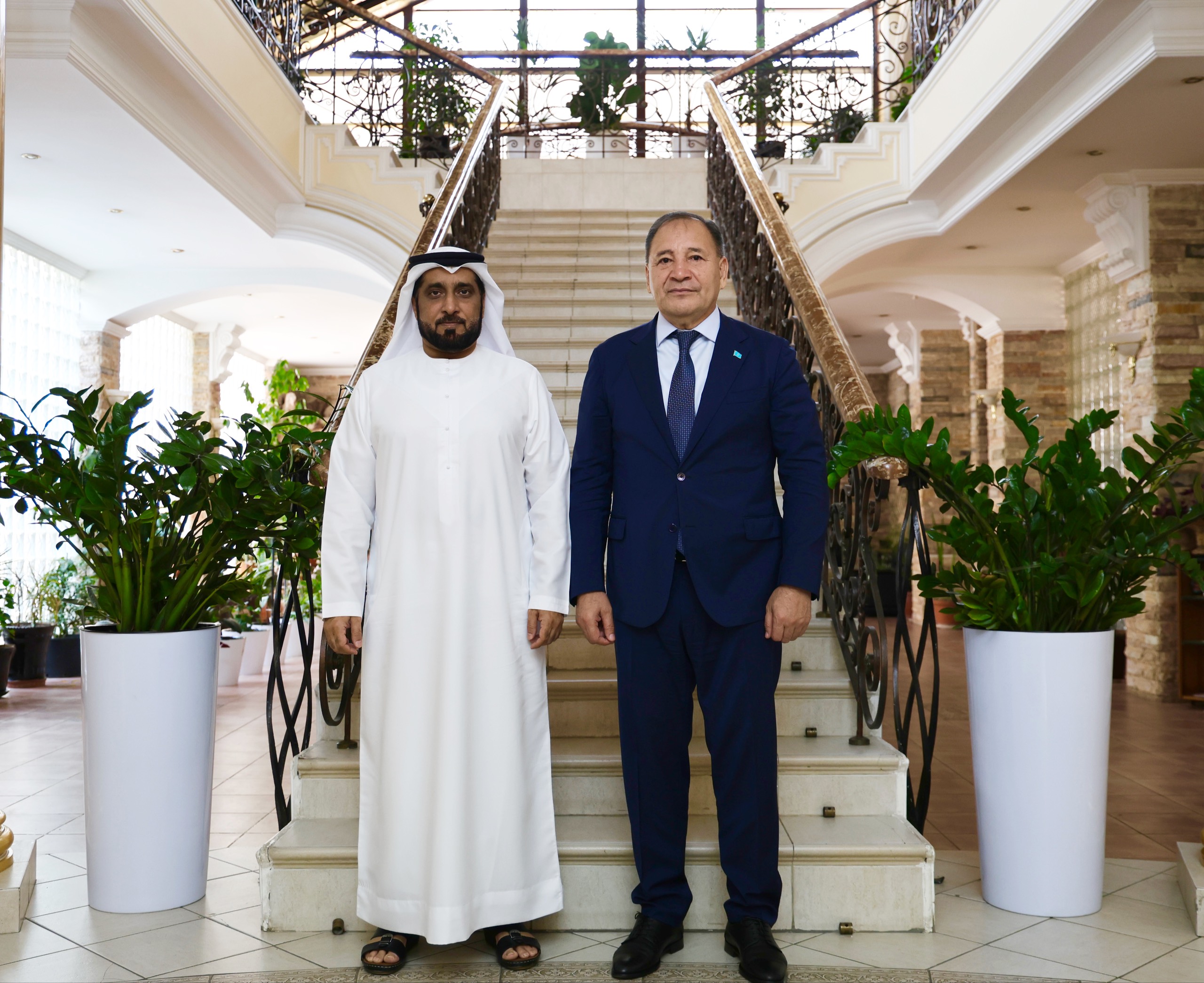
A meeting of the Ambassadors of Kazakhstan and UAE to Uzbekistan took place in Tashkent 24.08.2026
On 24 August 2026, Ambassador Extraordinary and Plenipotentiary of the Republic of Kazakhstan to the Republic of Uzbekistan Yeraly Tugzhanov met with the Dean of the Diplomatic Corps accredited in Uzbekistan, Ambassador Extraordinary and Plenipotentiary of the United Arab Emirates to Uzbekistan Saeed Matar Al-Qemzi.During the meeting, the parties discussed the current state and prospects of Kazakhstan–UAE cooperation, noting the high level of political dialogue and positive dynamics in bilateral engagement.Particular attention was paid to expanding trade, economic and investment ties, implementing joint projects, and deepening cooperation across various sectors of the economy. In this context, the UAE’s advanced experience in developing modern port and logistics infrastructure, particularly in Dubai, was noted as being of practical interest to Kazakhstan in light of the measures being undertaken to strengthen its transit and transport potential and develop international transport corridors.Following the meeting, the parties reaffirmed their readiness to maintain regular working contacts and continue constructive engagement on issues of mutual interest.Source : https://www.gov.kz/memleket/entities/mfa-tashkent/press/news/details/1279282?lang=ru
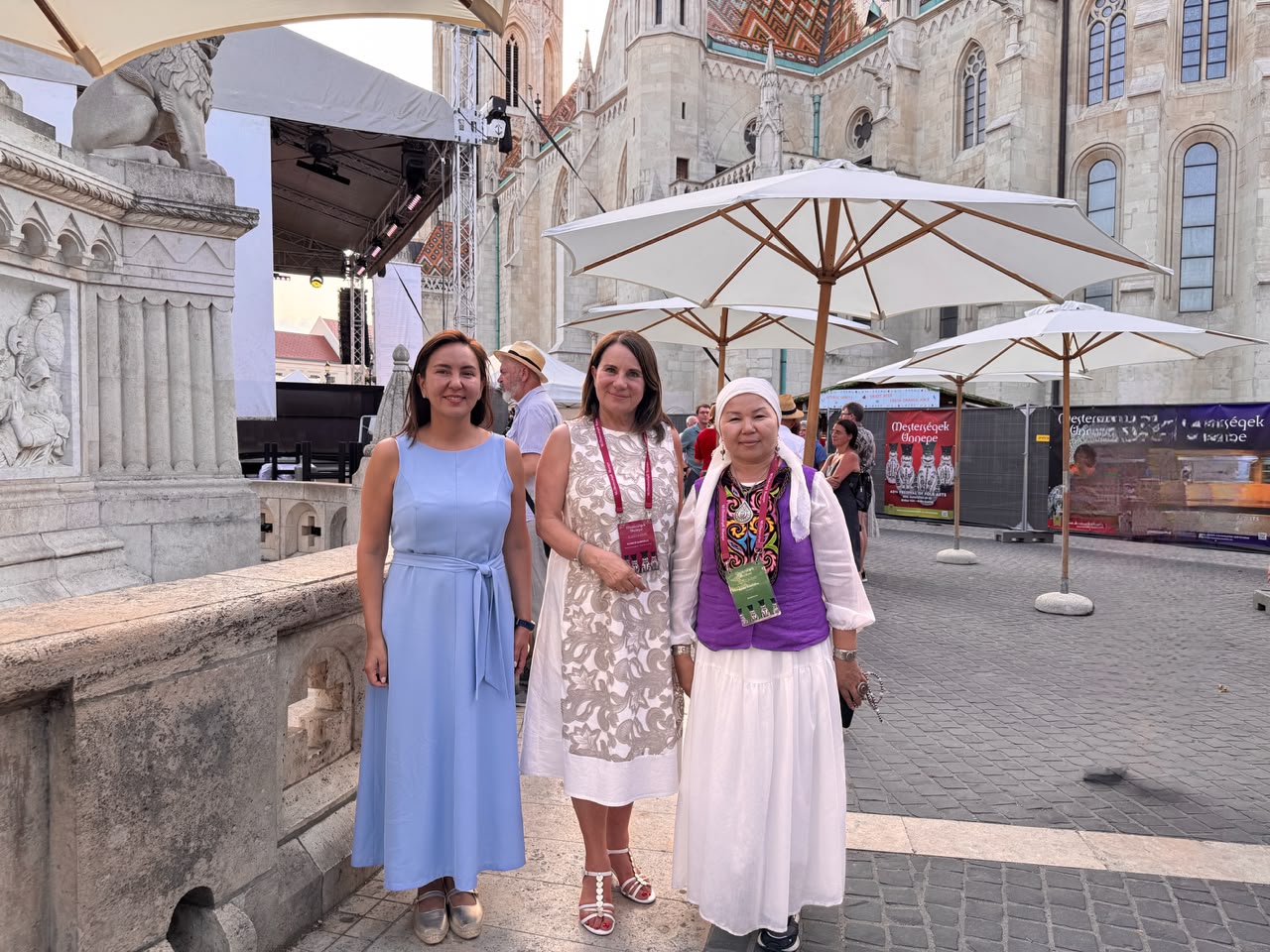
Kazakh Artisans Took Part in the 40th Anniversary Festival of Folk Arts in Budapest 24.08.2026
Budapest, 24 August 2026 - From 20 to 23 August 2026, the 40th anniversary Festival of Folk Arts (“Mesterségek Ünnepe”) was held at Buda Castle. The Festival is one of Hungary’s largest annual cultural events dedicated to the preservation, development and promotion of traditional crafts and folk art.As part of the Festival’s official opening on 20 August 2026, H.E. Ms. Anel Bakytbekkyzy, Ambassador-designate of the Republic of Kazakhstan to Hungary, met with Ms. Gabriella Igyártó, Executive Director of the Association of Hungarian Folk Artists’ Associations. During the meeting, the parties discussed the participation of Kazakh artisans in the Festival, as well as prospects for further cooperation and the expansion of cultural ties between Kazakhstan and Hungary in the fields of traditional crafts and folk art.It should be noted that the Festival traditionally enjoys broad international participation. In 2026, alongside Hungarian artisans, representatives of Kazakhstan, Kyrgyzstan, Uzbekistan, the Republic of Korea, Poland, Türkiye and a number of other countries took part in the event. The United States was the guest of honour in connection with the 250th anniversary of the country’s independence.With the active support of the Embassy of the Republic of Kazakhstan in Hungary, four representatives of Kazakhstan, members of the “Urshyk” Republican Union of Artisans, took part in the anniversary Festival:- Bibigul Kardenova - felt artisan and Chairwoman of the Union;- Zaure Kakimova - weaving artisan;- Saltanat Yeleussinova - traditional crafts artisan;- Ulzhan Muzartbek - traditional crafts artisan.The Kazakh participants introduced Festival visitors to the rich traditions of Kazakhstan’s national applied arts, demonstrating techniques and skills passed down from generation to generation. Their participation provided the wider Hungarian and international public with an opportunity to gain a closer insight into Kazakhstan’s distinctive cultural heritage and the contemporary development of the country’s traditional crafts.Source : https://www.gov.kz/memleket/entities/mfa-budapest/press/news/details/1279286?lang=ru
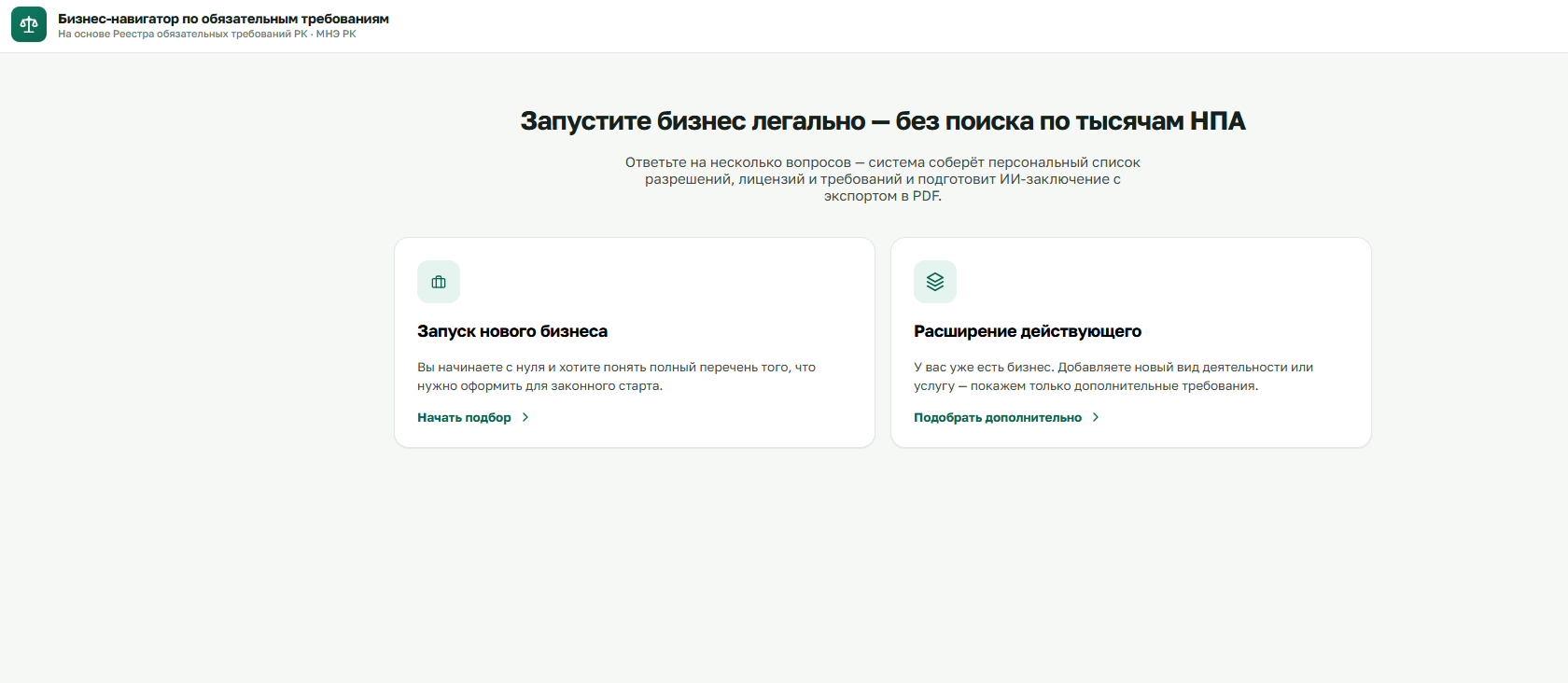
Запущен пилотный проект - AI-навигатор для бизнеса 24.08.2026
Во исполнение Послания Главы государства от 8 сентября 2025 года «Казахстан в эпоху искусственного интеллекта» Министерство национальной экономики РК совместно с Министерством искусственного интеллекта и цифрового развития РК подписали совместный приказ о запуске пилотного проекта «Реестр обязательных требований в сфере предпринимательства».Новый цифровой сервис разработан для упрощения доступа предпринимателей к актуальным требованиям законодательства. В основе проекта алгоритмы искусственного интеллекта, которые автоматически анализируют действующие нормативные правовые акты, выявляют содержащиеся в них требования к бизнесу, систематизируют и актуализируют информацию.Основная задача проекта заключается в снижении административной нагрузки на предпринимателей, повышении прозрачности регулирования и формировании более предсказуемой бизнес среды.Автоматизированный анализ законодательства позволяет сократить время и ресурсы, необходимые предпринимателям для поиска и изучения требований, применимых к конкретному виду деятельности.Структурированная и доступная информация об обязательных требованиях помогает предпринимателям лучше ориентироваться в законодательстве и снижает риск непреднамеренного несоблюдения установленных норм.Система также позволяет оперативно отслеживать изменения в нормативных правовых актах и своевременно учитывать их в деятельности бизнеса.Пилотный проект является одним из инструментов цифровизации регулирования предпринимательской деятельности и повышения качества взаимодействия государства с бизнесом.Новый функционал доступен на цифровой AI-платформе для бизнеса. В ближайшее время сервис будет запущен также на портале eGov Business.Source : https://www.gov.kz/memleket/entities/economy/press/news/details/1279208?lang=ru
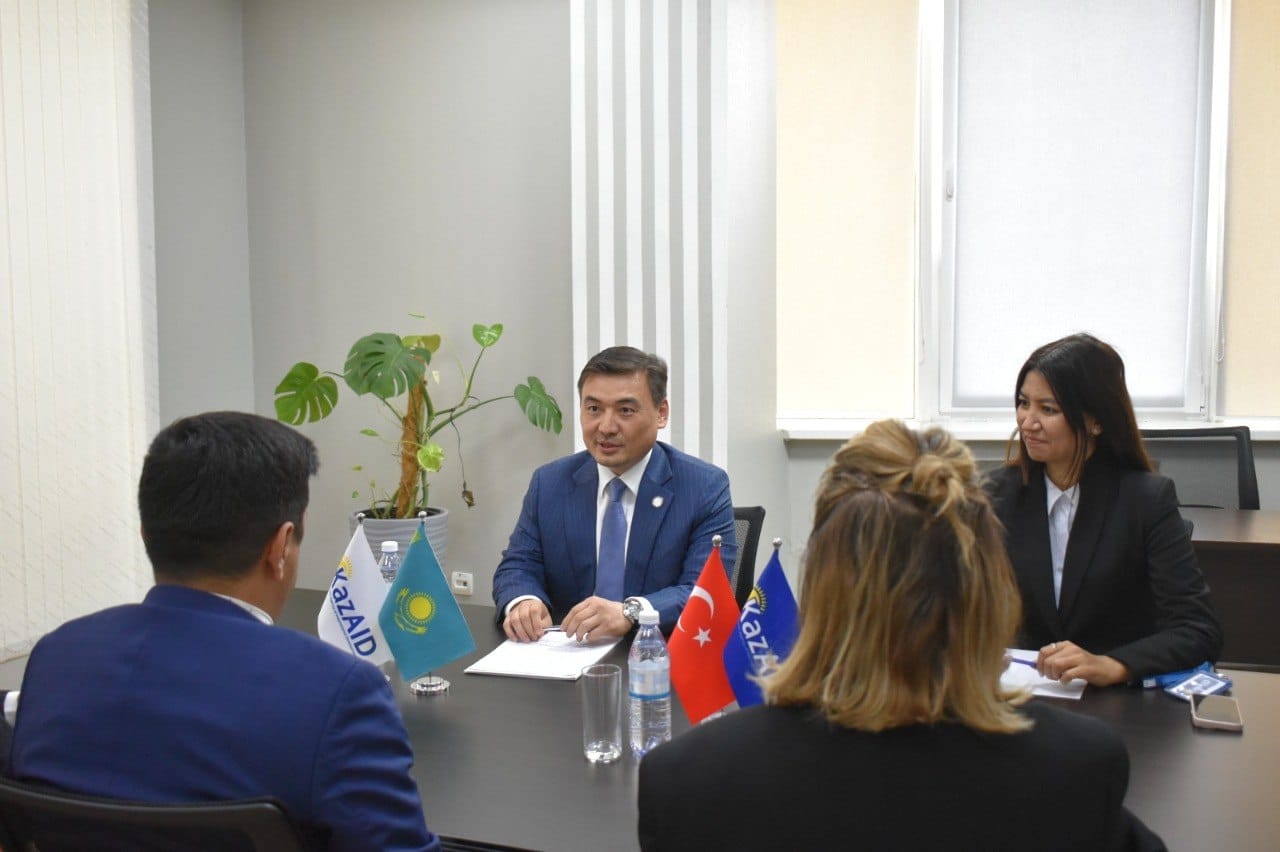
KazAID and TİKA Discussed Prospects for Further Cooperation 24.08.2026
On 18 August 2026, Ambassador Nurgali Arystanov, Chairman of the Board of KazAID met with Fuat Erdoğmuş, Coordinator of the Turkish Cooperation and Coordination Agency (TİKA) in Kazakhstan.During the meeting, the parties discussed current cooperation and further collaboration between KazAID and TİKA. Particular attention was paid to strengthening partnership relations and further coordination of joint activities.Source : https://www.gov.kz/memleket/entities/kazaid/press/news/details/1279209?lang=ru
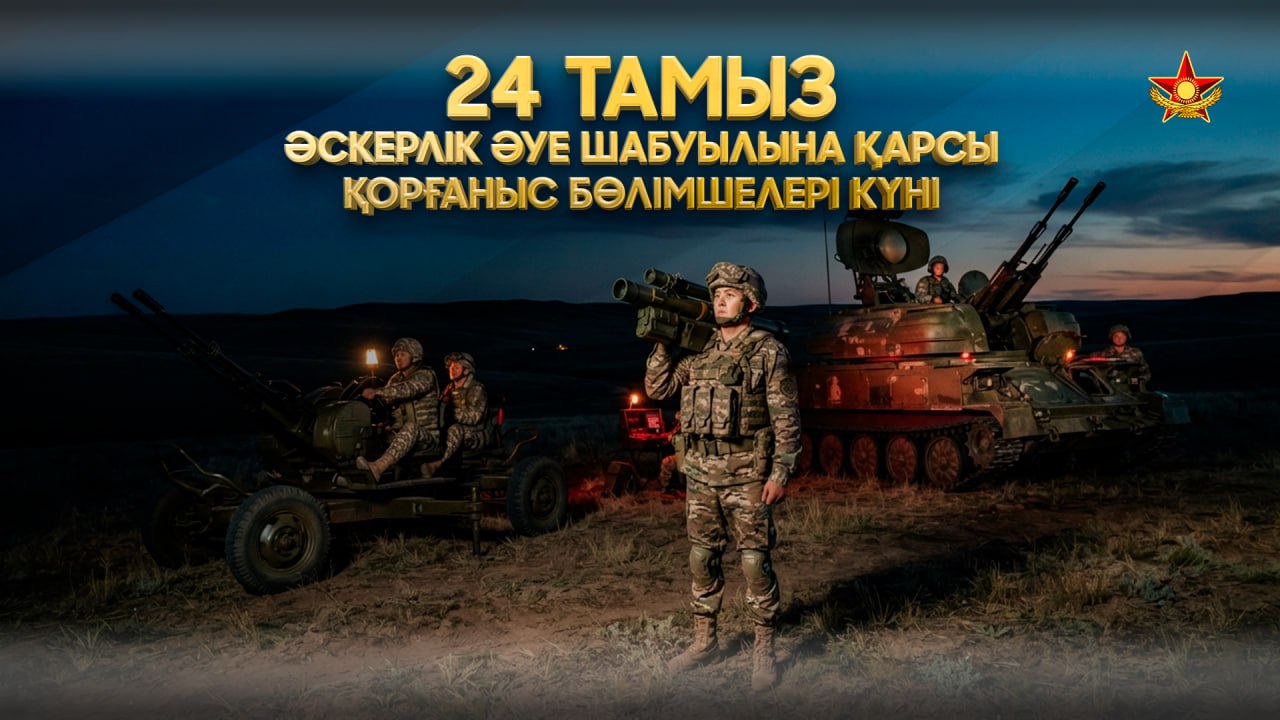
Army Air Defense celebrates professional day 24.08.2026
On August 24, the military personnel of the military air defense units of the Armed Forces of the Russian Federation celebrate their professional holiday. The date of formation of the military air defense was approved by the order of the Minister of Defense dated February 25, 2026.Military air defense is an important component of the combat potential of the Ground Forces. Its main task is to protect troops and important facilities from threats from the air, ensure the stability of units and their readiness to perform their tasks.In the context of the development of modern means of air attack, continuous improvement of the professional training of military personnel is of particular importance. The training of units is based on practical exercises and training calculations, working out the detection and tracking of air targets, as well as improving the interaction between units.Specialists from various fields serve as part of the military air defense – operators and crews of combat vehicles, unit commanders, technical specialists and other military personnel. They are united by high responsibility, professionalism and willingness to act in any conditions. Professional Day is an occasion to express gratitude to military personnel for their conscientious service, to thank veterans for their contribution to the formation and development of military air defense and to remember with respect those who stood at the origins of its formation.Today, military personnel of the military air defense continue to strengthen their military traditions, improve their professional skills and honorably carry out tasks to ensure the safety of the country's troops and airspace.Source : https://www.gov.kz/memleket/entities/mod/press/news/details/1279086?lang=ru
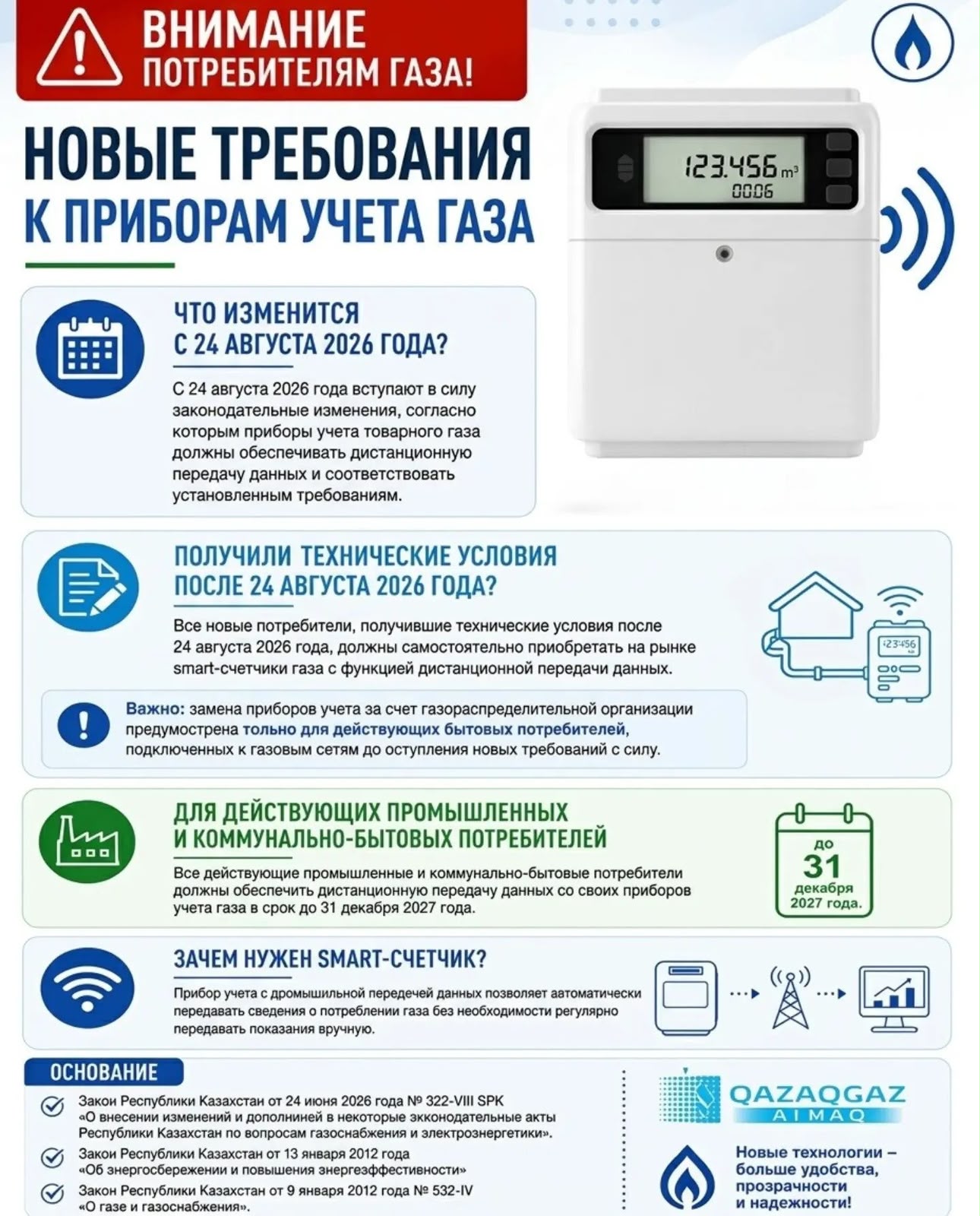
ATTENTION GAS CONSUMERS! 24.08.2026
NEW REQUIREMENTSFOR GAS METERING DEVICESWHAT WILL CHANGE FROM AUGUST 24, 2026?Starting August 24, 2026, legislative amendments will come into force. According to these amendments, commercial gas metering devices must provide remote data transmission and comply with the established requirements.FOR NEW CONSUMERS WHO RECEIVE TECHNICAL SPECIFICATIONS AFTER AUGUST 24, 2026All new consumers who receive technical specifications after August 24, 2026 must purchase, at their own expense, smart gas meters with a remote data transmission function from the market.Important: Replacement of metering devices at the expense of the gas distribution organization is provided only for existing residential consumers who were connected to the gas networks before the new requirements came into force.FOR EXISTING INDUSTRIAL AND COMMERCIAL-RESIDENTIAL CONSUMERSAll existing industrial and commercial-residential consumers must ensure remote transmission of data from their gas metering devices by December 31, 2027.WHY IS A SMART METER NEEDED?A metering device with a remote data transmission function allows information about gas consumption to be transmitted automatically, without the need to regularly submit meter readings manually.LEGAL BASISLaw of the Republic of Kazakhstan dated June 24, 2026, No. 322-VIII RKZ, “On Amendments and Additions to Certain Legislative Acts of the Republic of Kazakhstan on Issues of Gas Supply and Electric Power.”Law of the Republic of Kazakhstan dated January 13, 2012, No. 541-IV, “On Energy Saving and Improving Energy Efficiency.”Law of the Republic of Kazakhstan dated January 9, 2012, No. 532-IV, “On Gas and Gas Supply.”QAZAQGAZ AIMAQNew technologies — more convenience, transparency and reliability!Source : https://www.gov.kz/memleket/entities/kostanai-kalasy-akimat/press/news/details/1297152?lang=ru