World

Минобразования разрабатывает программу обучения педагогов по созданию благоприятного психологического климата в школах 12.04.2025
October 9 at a briefing in the press center following the Government meeting, Vice Minister of Education and Science Elmira Sukhanberdiyeva spoke about the updated content of education, the work of psychologists and the unloading of three-shift schools.In the Address to the People of Kazakhstan “Growing Welfare of Kazakh Citizens: Increase in Income and Quality of Life,” the President noted that the methods and standards of education in Nazarbayev Intellectual Schools should become the single standard for the country's public schools. According to the vice minister, the transmission of NIS experience has already begun in 2016. The entire system of secondary education has switched to updated content. “We have a gradual transition: 1st, 2nd, 5th and 7th grades were engaged, now 3rd, 6th and 8th grades have been transferred. Until 2021, we will have completed the entire phased transition to the updated curriculum, and in 2021 all classes will proceed in stages and will graduate with the updated curriculum. The format has been completely revised: we have trained teachers, a new criterion assessment system has been introduced,” said Sukhanberdiyeva. At the same time, the vice minister of education noted the importance of solving the issue of school psychologists, of which there are now more than 7,000 in the country. “We will create a separate group that will address the issue of school psychologists. The question is very serious and it has long been overdue. Psychologists have a huge burden. In our country, according to the standards for one psychologist, we have a class-kit, which is not quite right. Now we have begun to revise the standards,” Sukhanberdiyeva stressed. The vice minister informed that in Almaty there are only 708 students per psychologist, and in Astana — 1,200. “Now we also allocate funds to organize courses, attract foreign experts, create a large program in order to properly and competently train our teachers, unload and direct it to ensure that we have a good psychological climate in schools,” added Sukhanberdiyeva. Also in his Address, the Head of State, in order to increase the availability of education, instructed the Government to provide 2019–2021 additional 50 billion tenge from the republican budget for regions experiencing the greatest shortage of student places and problems with three-shift and emergency schools. Vice Minister of Education and Science Bibigul Assylova noted that the issue of three-shift schools is being solved within 7-10 years. “The republican budget allocates significant amounts of financing for construction, but due to demographic growth and the development of large agglomerations, the problem of three-shift schools remains, especially in urban areas,” said Assylova. According to her, the largest number of three-shift schools in Almaty region. As part of the allocated funds for the three-year period in the Almaty region it is planned to build two schools.https://primeminister.kz/en/news/obrazovanie/minobrazovaniya-razrabativaet-programmu-obucheniyapedag... Source : https://www.gov.kz/memleket/entities/edu/press/news/details/25262?lang=kk
Дорожной картой будут предусмотрены меры повышения квалификации дошкольных воспитателей и пересмотр системы оплаты труда — МОН РК 12.04.2025
October 9 at the Government meeting chaired by Prime Minister Bakytzhan Sagintayev, Minister of Education and Science Yerlan Sagadiyev reported on current issues in the education system. In particular, how the ministry plans to solve tasks set in the President’s Address “Growing Welfare of Kazakh Citizens: Improving Income and Quality of Life” regarding the quality of school, preschool and higher education.October 5, 2018, in his annual Address to the people of Kazakhstan, the Head of State updated a number of pressing issues facing the education system in the light of the new stage of the country's modernization. Among them are the improvement of the quality of school and preschool education, ensuring child safety, raising the status of a teacher and his role in society, synchronizing the construction of schools with plans for the development of human settlements and others. Pre-school Education and Training Sagadiyev reported that in preschool education and training, the coverage of children 3-6 years old is 93%. An automated system for issuing referrals to kindergartens is being introduced: today, 69.5% are automated in the republic. In 58% of kindergartens installed surveillance cameras. “The Head of State instructed to provide kindergartens and schools with video surveillance cameras for three years. For its part, the ministry will monthly monitor and summarize information,” said Sagadiyev. To improve preschool education, the issue of the quality of the staff in kindergartens will be addressed. The minister reported that, in accordance with the instructions of the Head of State, together with the akimats, in 2018 the Road Map will be approved, which will include measures to improve the skills of preschool educators, introduce uniform qualification requirements and revise the wage system. In secondary education, according to the minister, on the instructions of the Head of State, the law “On the Status of the Teacher” will be developed. The law will provide incentives for improving the social status of teachers, reducing the workload and protecting against unnecessary checks and other measures. The approval of the law is scheduled for 2019. The law will be developed and public discussions will take place in 2018. Secondary Education As noted by Sagadiyev, in order to resolve issues with emergency schools and the three-shift training system, 60 schools are being built in the republic today. Funds from the republican budget are allocated for the construction of 11 of them, 27 schools should be built from the republican budget — for these schools and for new three-shift schools, according to the ministry, a national base will be fully formed within a week. For these purposes, the allocated funds in the amount of 50 billion tenge will be directed first of all. The remaining three-shift schools should be built at the expense of local budgets. “As part of the Head of State’s instructions, it is necessary to bring the construction of schools into line with, by analogy with the construction of housing under the programs 7–20–25 and Nurly Zher. In this regard, the regions should envisage the introduction of standards for the provision of new homes with schools, a system for providing private companies with preferential loans for the construction of schools,” emphasized Sagadiyev. To increase the number of psychologists in schools, as well as to increase the level of their professionalism, the Ministry of Education and Science conducted work on the Happy Family Program with the invitation of foreign specialists. The work will continue, the Ministry will prepare a single program. In addition, national testing is being introduced, in all areas, refresher courses for psychologists will be conducted. It is also planned to consider an increase in the category and salary of educational psychologists through a new system of certification and testing for professional competence. The new system will be developed and submitted to the Government in 2018. In addition, answering the questions asked during the meeting, the Minister Sagadiyev reported on ongoing explanatory work on the updated content of education. Today, according to the ministry, 70% of children are enrolled in updated programs. Parents have an understanding, teachers are prepared for work. Work is also being done on introducing electronic textbooks: the work has begun, textbooks on some subjects are available and are being actively used. The ministry plans 100% equipment of schools with electronic textbooks within two years. At the same time, for the convenience of students, the issue of installing lockers in schools is being worked out. In the course of the consideration of the issue in the regions, akims of the Aktobe region B. Saparbayev, Almaty — A. Battalov, Mangistau — E. Tugzhanov, Atyrau — N. Nogayev Turkestan — Z. Tuimebayev, Zhambyl — A. Myrzakhmetov, Kostanay — A. Mukhambetov, North Kazakhstan — K. Aksakalov reported on the ongoing work to improve the quality of education, infrastructure, eliminate three-shift training and construct new schools.https://primeminister.kz/en/news/zasedanie-pravitelstva-rk/dorozhnoi-kartoi-budut-predusmotreni-meri... Source : https://www.gov.kz/memleket/entities/edu/press/news/details/25261?lang=kk
В Казахстане впервые пройдет съезд Генеральной Ассамблеи: экспертов Международной Ассоциации по оценке образовательных достижений IEA 12.04.2025
On October 7 - 12, 2018 in Astana, the Ministry of Education and Science of the Republic of Kazakhstan will receive representatives of the International Association for the Evaluation of Educational Achievement (IEA) from 47 countries. Minister of Education and Science of the Republic of Kazakhstan Mr. Yerlan Sagadiyev and executive director of IEA Dr. Dirk Hastedt will be giving their speeches at the opening session of the meeting. Also Dr. Hastedt expressed his gratitude to the Ministry of Education and Science of the Republic of Kazakhstan for kindly hosting the event and said «I am looking forward to meeting up with our IEA members in Astana for our General Assembly. It will be a great gathering of international experts in educational research and assessment». In 2017, Kazakhstan was elected by the IEA as the host country for the 59th General Assembly Congress of the IEA. This large-scale educational event will be held for the first time in Central Asia. IEA carries out such international projects as TIMSS, PIRLS, ICILS, ICCS, LaNA, which are an effective tool for independent international assessment of the quality of primary and secondary education, as well as contribute to the development of recommendations for improving state educational policy. IEA experts meet annually at the General Assembly to review current and upcoming projects, exchange experiences on the use of research results, discuss technology assessment of educational achievements, assist participating countries and strengthen the interaction of IEA research institutions. Currently IEA includes 67 countries and educational systems. This event was also made possible by participating in the three cycles of the study of the quality of mathematical and natural science education TIMSS (2007, 2011, 2015). So, following the results of TIMSS-2015, Kazakhstani schoolchildren of the 8th grade entered the top 10 leading countries, showing results comparable to Russia and Canada. In April 2016, the country first participated in the study of the quality of reading and understanding of the text of 4th grade students (PIRLS), taking 27th place. At the same time, in 2018, participation in the study of a new format, aimed at assessing computer and information literacy of 8th grade students (ICILS), the report of which will be published in 2020.Source : https://www.gov.kz/memleket/entities/edu/press/news/details/25260?lang=kk

В Правительстве рассмотрели вопросы исполнения Послания Президента «Рост благосостояния казахстанцев: повышение доходов и качества жизни» 12.04.2025
October 5 in Ukimet Uyi Prime Minister Bakytzhan Sagintayev chaired an extended government meeting with the participation of the Head of the Presidential Administration Asset Issekeshev. The meeting was aimed at consideration of the execution of the Head of State’s instructions voiced in the Address “Growth of Kazakhstan's Welfare: Increasing Income and Living Standards.”Opening the meeting, Prime Minister Bakytzhan Sagintayev noted that the Head of State’s Address voiced today finds great support among the population. The main task of the Government is to implement these instructions in the near future; allocate sufficient amount of funds to the regions; quickly adopt necessary changes. The people should not wait for the fulfillment of the instructions made today, they should feel the results of the work.The Head of the Presidential Administration Asset Issekeshev recalled that the Head of State in his Address defined the welfare of Kazakhstanis as the main priority of the Government’s activities, which consists of two components: income growth and quality of life, including quality of social services, comfortable living environment and safety. In addition, the President will keep in check issues of preparation for the winter, harvesting campaigns, unreasonable growth of prices for food, coal and other issues of Kazakhstan's well-being, which affect the socio-political situation.The government members, in turn, reported on plans to implement the tasks set by the Head of State. Income increaseFirst of all, measures will be taken to increase the income level of the population. So, from January 1, 2019, the minimum wage will be increased 1.5 times: from 28,000 to 42,500 tenge. As a result, this will lead to an increase in salaries for 1.3 million citizens. In addition, 275,000 civil servants will receive a salary of an average of 35% more. These are employees of education and health care systems.The Minister of Labor and Social Protection of the Population Madina Abylkassymova reported that in order to fulfill the instructions of the Head of State to increase the minimum wage from January 1, 2019, by 1.5 times to 42,500 tenge, the relevant amendments will be made to the draft law “On Republican Budget for 2019–2021.”“The method of determining the minimum wage will be changed with the exception of binding to the size of the subsistence minimum. In accordance with the instructions of the Head of State, from January 1, 2019, wage increases will be provided for 275,000 civil servants working in budgetary organizations. The growth of wages for them will average 35%,” said Abylkassymova.In addition, with an increase in the minimum wage, the tax burden for the employed population will decrease in proportion to the increase in tax deductions from the incomes of all employees. Reducing the tax burden will affect more than 6 million employees.In general, the increase in the minimum wage will lead to an increase in wages for 1.3 million people working in low-paying positions in all sectors of the economy. Improving the Quality of EducationWork will continue to expand state support for education and health care with a focus on improving the efficiency of spending in these areas. The President has set a task to increase spending from all sources on education and health care from 7.4% to 10% of GDP over the course of 5 years. In addition, measures will be taken to raise the status of a teacher, build new schools, as well as gradually increase the salaries of district health workers by 20%, digitize the healthcare sector and build a new scientific oncology center in Astana.The Minister of Education and Science Yerlan Sagadiyev said that within the framework of a cardinal enhancement of the quality of school and preschool education, the Ministry of Education and Science together with akimats will develop a corresponding Roadmap, which will include measures to improve the skills of preschool educators and introduce uniform qualification requirements.“At school, this work is already underway. This year, a national qualification test has been introduced. According to the results of certification, more than 34,000 teachers were awarded qualification categories in schools. Surcharge to the specified number of teachers is made from September 1, 2018. In general, the size of the surcharge varies from 30% to 50% depending on the category,” the minister reported.The transition to international standards is according to the schedule. In 2019–2020 the whole assessment system will be translated into PISA, SAT, AST standards.In addition, the school will continue to work to reduce the shortage of student places. As part of child safety, measures will be taken to equip schools and kindergartens with video surveillance systems. About 4,000 surveillance cameras will be purchased.On the instruction of the Head of State, a law “On the Status of Teacher” will be developed, which will provide incentives for raising the social status of teachers, reducing the study load and protecting against unnecessary checks, etc. Sagadiyev also noted that work will be continued to raise the quality requirements teaching in higher education. Improving the Quality of Medical ServicesAn important link in the provision of medical services is at the level of polyclinics and dispensaries.The Minister of Healthcare Yelzhan Birtanov reported that in order to improve the quality of the provision of medical services to the population, a gradual increase in the salaries of all local health workers will be carried out by 20%. The salary increase will affect more than 10,000 district doctors and 30,000 nurses, as they learn new methods of work, bringing to 100% by the end of 2019. For this, 5 billion tenge will be allocated. This will improve the quality of medical care, reduce the number of complications and hospitalizations for major diseases, as well as ensure quality patronage of children and pregnant women.At the same time, a pilot project on switching to paperless healthcare is being completed in 2018. It has already been implemented in 92% of pilot organizations. As part of the implementation of the Head of State’s instructions, from January 1, 2019, all clinics and hospitals will fully switch to paperless medical records. In addition, by 2020, 100% of the population will be covered by an electronic passport.On behalf of the Head of State, a new concept of the National Scientific Oncology Center in Astana has been developed, which implies its construction on the basis of the existing medical facilities in Astana. In future, this will allow integrating it with the Medical School and other scientific centers of Nazarbayev University. The Center will provide all modern technologies for the diagnosis and treatment of cancer, including nuclear medicine, proton therapy, radiosurgery, cellular immunotherapy and more. Construction will be started in 2018. New Approaches to IndustrializationThe implementation of the Head of State’s instructions to improve the welfare of citizens will be carried out not only by direct salary increase. Economic growth due to the multiplicative effect also affects the increase in the nominal income of the population. Thus, the government will provide additional incentives for the development of non-commodity exports as the main component of GDP growth in the long term. The transition will be made to the target support of efficient export-oriented manufacturers of the manufacturing industry.The Minister for Investments and Development Zhenis Kassymbek reported on measures to further increase the value added in the economy, export-oriented production processes, improve human potential and quality of life, and integrate the economy in the country, regional and global context.In order to intensify the work on industrialization, new approaches have been developed in both the short and long term. The priority will be the further “complication” of the produced basket of goods and the expansion of presence in foreign markets. As part of industry’s preparation for the “digital era,” the necessary infrastructure and standards, “model factories,” will be created. Digitalization of the industry will become one of the main components of the productivity and competitiveness of our enterprises. The system of comprehensive financial and non-financial support for exporters will also be strengthened. In the next three years, 500 billion tenge will be allocated for these purposes.Among the expected effects of export support: growth in non-oil exports by 1.5 times by 2022, the annual contribution to GDP growth from non-oil exports will increase to 5 pp by 2022, as well as the overall increase in the number of export-oriented enterprises (up to 450). Quality and Affordable HousingThe implementation of the President’s instructions voiced in the Address to support the development of housing construction will allow many citizens to improve their living conditions and will give additional impetus to the country's economic growth, and this will create new jobs and promote the spheres of construction, domestic enterprises and related areas (furniture, household appliances and equipment production).As part of providing high-quality and affordable housing, in the next five years, the Nurly Zher State Program plans to build more than 650,000 dwellings (76.6 million m2), which will provide housing for about 2 million citizens.As part of the 7–20–25 Program in the next five years, about 103,000 citizens will be able to purchase housing. Under this program, akimats are charged to work out a mechanism for partial subsidization of initial contributions from local budgets. According to the mechanism for young families and public sector employees, social assistance is provided for reimbursement of half the size of the down payment.In addition, a special mortgage for servicemen and law enforcement officers has been launched through the Housing Construction Savings Bank system, which will provide housing for 71,000 servicemen and employees of special agencies.According to the Minister Kassymbek, 20,000 rental and 56,000 credit dwellings will be built on state funds. To achieve the goals outlined by the Head of State, the government will increase funding for the construction of rental housing from 25 billion to 35 billion tenge.The government is also considering the issue of increasing up to 100 billion tenge of financing for the engineering and communications infrastructure for connecting houses under construction to networks. Allocated funds will provide high-quality water supply to 80% of villages and improve the quality of life of their people. Improving Business and Investment ClimateThe government will take measures for the full and timely execution of instructions from the Head of State related to improving the business environment.The Minister of National Economy Timur Suleimenov at the Government meeting reported that as part of the development of small and medium-sized businesses, an additional 30 billion tenge will be provided annually for the further implementation of the state program Business Roadmap-2020. Today, a new pool of 4,000 projects has already been formed. Subsidies will be provided directly through the operator – Damu Fund.Support for new projects will create an additional 22,000 jobs and produce products for 3 trillion tenge.For the development of competition and antimonopoly work, as noted by Suleimenov, the proposals in the housing and utilities sector will be implemented under the housing and utilities bill, which is in Parliament (the draft law of the Ministry for Investments and Development). Regarding the elimination of the shadow turnover, the Ministry of National Economy has prepared a number of amendments on unaccounted cashless payments, the use of ERP systems and “cashbacks.” Under the “tax amnesty” for small and medium-sized businesses, the necessary changes will be taken into account in the framework of the draft law on the development of the business environment and regulation of trading activities until the end of 2018. Development of the Agro-Industrial ComplexThe government has begun work on the implementation of Head of State’s instructions to increase labor productivity and export of processed products by 2.5 times. Thus, within the framework of the updated State Program for the Development of the Agro-Industrial Complex, measures will be taken to increase the competitiveness of the industry and its technological re-equipment. At least 100 billion tenge will be additionally allocated for these purposes annually, which will allow to fully implement the tasks assigned to the agro-industrial complex.Deputy Prime Minister, Minister of Agriculture Umirzak Shukeyev noted that the initiatives in the Head of State’s Address are bringing to the new qualitative level the stimulating role of the state in the agricultural sector.“Today the state support of the agricultural sector practically consists of those budget allocations — 240 billion tenge, and 60 billion tenge — loans for spring field work. The Head of State instructed the government to allocate annually up to 100 billion tenge from the republican budget and out of 600 billion allocated from the National Bank, 200 billion tenge — an agricultural quota. That is, state support for agriculture is almost doubled,” said Shukeyev.Now the task of the Ministry of Agriculture, as Shukeyev noted, is to use this money efficiently and make it so that they act as a catalyst for the mobilization of other resources to the sector, that is, these 300 billion tenge should attract much more money to the complex. For this, together with the Majilis deputies, amendments to legislative acts have been developed, which provide for new financial instruments. This is the introduction of agrarian receipts, the improvement of agricultural insurance, as well as the development of a system of credit partnerships. For their implementation, a package of amendments to the legislative acts, which are currently under consideration in the Mazhilis of the Parliament, has been formed. By order of the Head of State, the bill is planned to be adopted by the end of 2018.Work will be done to change the subsidy system. Ineffective subsidies will be reduced. The rest will be maximally simplified and fully automated by the end of 2018. According to the results of the reform, out of 54 types of subsidies, 34 will remain.The reform of agrarian science and education has begun, their adjustment to the needs of business and technology transfer. The work is conducted in three directions: education, science and the system of dissemination of knowledge. In order to improve the quality of agricultural education, a concentration of three agricultural universities is held to provide the industry with specialists of the required quality.The standards of the world's leading universities will be introduced here, following the example of Nazarbayev University, and franchises of foreign universities will be attracted. As a result, it is planned to increase the cover of the agro-industrial subjects from 1.5-2% to 20-25%. Sustainable Development of the RegionsThe Head of State instructed to ensure the introduction of new approaches to the country's territorial development.As the Minister of National Economy Timur Suleimenov noted, currently the ministry, together with the Economic Research Institute, as well as a group of well-known scientists, are already conducting analytical studies on improving the spatial organization of the country with the study of world experience.This study will serve as the basis for the development of a new Forecast Scheme of Spatial Development until 2030, which will be submitted to the Presidential Administration before September 1, 2019. For the qualitative implementation of the Forecast Scheme, by November 1, 2019, a new Program for the development of regions until 2025 will be developed.Taking into account the instructions of the Head of State, the priority will be the development of local infrastructure: energy supply, water supply and sanitation, local roads. In 2018, 332 billion tenge was already allocated for these purposes from the republican budget. As a result of the implementation of the Regional Development Program, access to centralized water supply in cities will be 100%, access to centralized water supply in villages — up to 80%.A new approach to territorial development will raise the quality of life in cities and in remote areas, and will also stimulate the development of the regional economy. Financial Support for President’s OrdersThe Minister of National Economy Timur Suleimenov stressed that the Ministry of National Economy has a clear vision of the mechanisms for practical implementation, financial support and legislative measures to fulfill the objectives of the Address. In this connection, work has begun on the development of a national plan for the implementation of the Address of the Head of State.In his turn, the Minister of Finance Alikhan Smailov reported that work would continue to expand state support for education and health care with a focus on improving the efficiency of spending in these areas. Within five years, the task has been set to increase spending from all sources on education and health care from 7.4% to 10% of GDP. 96.3 billion tenge annually will be allocated for implementation to raise the minimum wage. Including 85.8 billion tenge directly for salary increases of 275,000 civil servants. 10.4 billion tenge — to compensate for the loss of the revenue part of the regions due to an increase in tax deduction. They will be given to the local executive bodies in the form of targeted transfers. As a result, in the economy as a whole, the wage increase will cover about 1.3 million people. Additional financing of the manufacturing industry and exports will be in the amount of 500 billion tenge. The total amount of state financial support for SME development will be 206.4 billion tenge for 2019–2021.“Within the framework of the three-year budget, an increase in expenditures on education is expected from 456.3 billion tenge in 2018 to 752.1 billion tenge in 2021, or by 65%. Over the same period, spending on health care is planned to increase by 24% from 1,076.2 billion tenge to 1,339.1 billion tenge,” reported Smailov.In pursuance of the instructions of the Head of State to decriminalize tax violations, changes will be made to Art. 3 of the Criminal Code to increase the threshold level of damage from tax evasion and / or other mandatory payments to the budget from legal entities from 20,000 MCI (48.1 million tenge) to 50,000 MCI (120.2 million tg). According to the Minister of Finance, under the tax amnesty, the Head of State has been instructed to begin the “tax amnesty” for small and medium businesses from January 1, 2019.Thus, on the financial support of the implementation of the instructions, the budget possibilities have been calculated. Optimization of other areas of expenditure and previously accepted obligations of the state is not required. A total of 1.226 trillion tenge will be channeled over the next three years.The Chairman of the National Bank Daniyar Akishev in his speech assured that the National Bank will fulfill all the instructions that were issued today in the President’s Address.“The National Bank will fulfill all the instructions of the Head of State and will make every effort to ensure stability of prices and in the financial market. Reducing inflation is a key factor in lowering interest rates on loans, increasing real incomes of the population and reducing all costs in the economy. We believe that the joint work of the Government, the National Bank and local executive bodies will allow to contain inflation in the established target corridor this year,” said Akishev.The chairman of the National Bank reported on the planned measures to prevent price increases. Akishev also reported that the National Bank is increasing the activity of the implementation of the 7–20–25 Program. Within two months from the start of the program, banks approved loans worth 25 billion tenge. As reported to the President, more than 2,000 applications have already been approved.During the meeting, Minister of Internal Affairs Kalmukhanbet Kassymov reported on plans to reform the system of the Ministry of Internal Affairs. Work on the simplifying the organizational structure, the reduction of redundant managerial units and certain positions has already begun.“The staffing level will be revised, we plan to reduce it by 10%, which is about 9,000 police officers and 1,600 units of the penal system. We use the resulting budget savings to increase the salaries of employees,” said Kassymov.According to the minister, it is also necessary to provide housing rental compensations for employees of the road patrol police units, local police inspectors and local police inspectors for juvenile matters.In addition, within the framework of the reform, it is planned to implement measures to: free the Ministry of Internal Affairs from irrelevant functions, modernize the penitentiary system, and improve the structure of civil protection bodies. Here it is planned to optimize the number of state institutions — from 54 to 20. It is also planned to reform the departmental education and revise the personnel selection system in order to improve the quality of staff.Chairman of the Board of Atameken National Chamber of Entrepreneurs Ablay Myrzakhmetov spoke about the plans and systemic measures necessary for the development of domestic entrepreneurship, improving the competitiveness and export orientation of Kazakhstani producers in the new message of the President.Following the consideration of the issue, Prime Minister Bakytzhan Sagintayev gave a number of specific instructions. Therefore, a national plan of activities will be prepared in all directions of the Address. The Ministry of National Economy has been entrusted with submitting to the Government a draft of a relevant resolution approving a national plan of activities for the implementation of the Address. Each order of the President should be assigned a specific leader, a clear deadline for its implementation and strict control established.Now work will begin in the regions to explain the Address. In addition, until October 20, in order to provide information support for its implementation, it is planned to have republican information groups consisting of representatives of state bodies and various organizations under the guidance of government members. Akims need to ensure the preparation and conduct of community meetings with information groups. The Ministry of Information and Communications, together with local executive bodies, has been instructed to provide coverage in central and regional media.“People should understand the importance of each task set by the Head of State and the stages of its implementation,” said Bakytzhan Sagintayev.https://primeminister.kz/en/news/zasedanie-pravitelstva-rk/v-pravitelstve-rassmotreli-voprosi-ispoln... Source : https://www.gov.kz/memleket/entities/edu/press/news/details/25257?lang=kk
Б. Сагинтаев провел встречу с немецкими экспертами по вопросам совершенствования системы дуального образования 12.04.2025
October 4 in Ukimet Uyi the Prime Minister Bakytzhan Sagintayev held a meeting with experts from Germany: co-chair of the working group of the Foreign Investors’ Council, director of Marketing and Sales at the KNAUF Company in Kazakhstan, Kyrgyzstan, Tajikistan, Dimitri Propp, head of representative office of German economy in Central Asia, Chairman of the Union of German Economy in Kazakhstan Robert Breitner.At the meeting, issues of development of technical and vocational education in Kazakhstan by improving the highly competitive system of training and retraining further, the practical implementation of dual education, training of teachers in the workplace and in General modernization of the vocational training system of Kazakhstan were discussed. Foreign experts shared their experience of professional education in Germany. In particular, the researcher of the Federal Institute of vocational education and training of Bonn H. L. Kress spoke about the advantages of dual education, mechanisms of implementation and contribution to the national economy. The Kazakh participants represented by the ministers of Education and Science Yerlan Sagadiyev, Labour and Social Protection of the Population Madina Abylkassymova, Investments and Development Zhenis Kassymbek, First Vice Minister of National Economy of Ruslan Dalenov and Deputy Chairman of Atameken National Chamber of Entrepreneurs Olzhas Ordabayev told about the current situation on implementation of dual education in Kazakhstan, noting the importance and relevance of the transition to modernization of professional education and a new level of training for highly qualified personnel.Dual training in Kazakhstan has been implemented since 2012. Today the system is implemented in 460 colleges (70%) (2013 — 176 colleges, 2014 — 280, 2015 — 348, 2016 — 421) with the participation of 3,055 enterprises covering 31,607 students in 80 specialties and 165 qualifications.https://primeminister.kz/en/news/all/b-sagintaev-provel-vstrechu-s-nemetskimi-ekspertami-po-voprosam...Source : https://www.gov.kz/memleket/entities/edu/press/news/details/25255?lang=kk
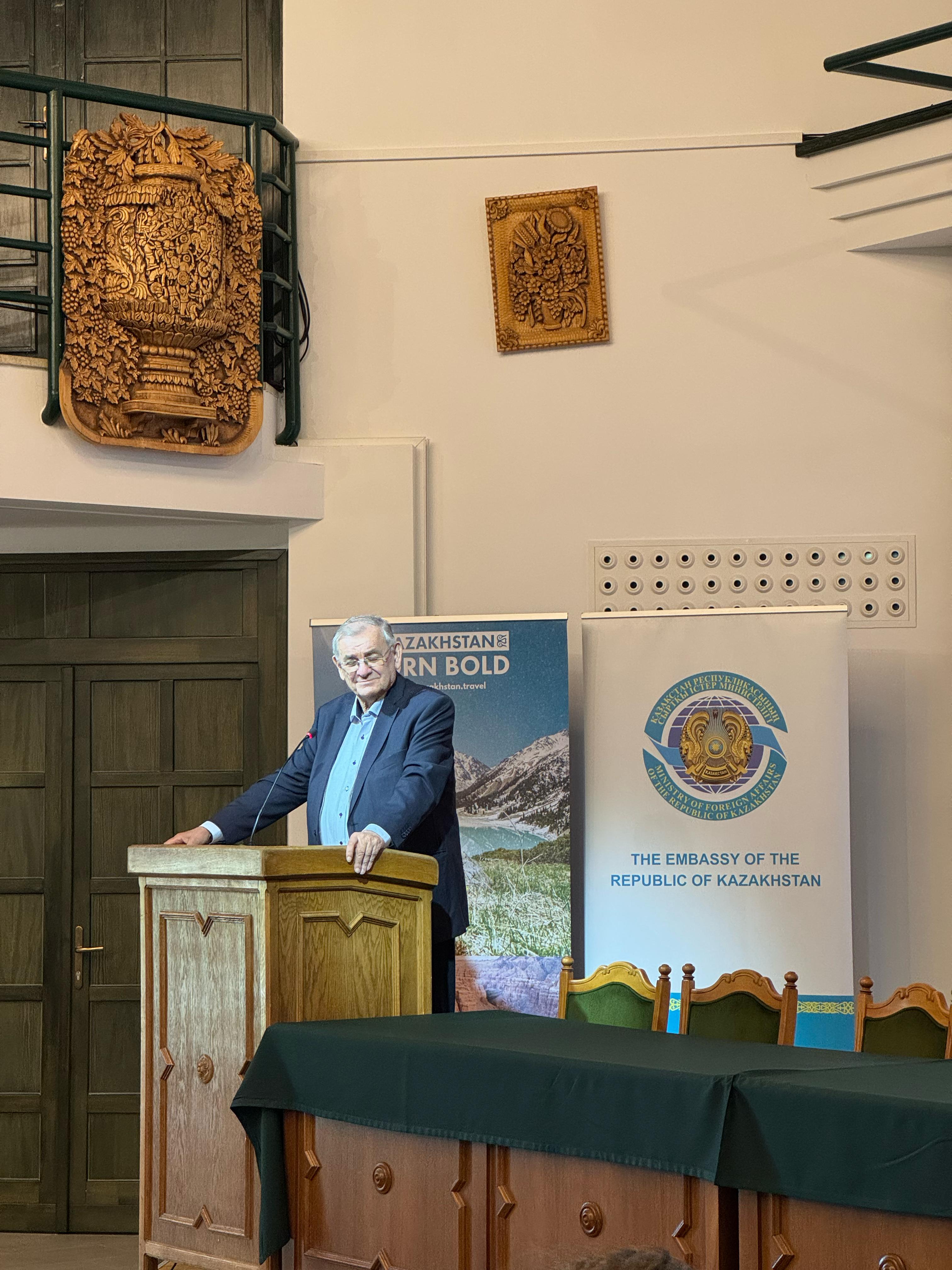
Kazakh-Hungarian Camp in Lakitelek 12.04.2025
Lakitelek, April 10-11, 2025 - in the town of Lakitelek, the Embassy of the Republic of Kazakhstan in Hungary, in cooperation with the Lakitelek Folk High School (LFHS), organized the Kazakh-Hungarian Camp on the campus of the university in Lakitelek. Kazakh students studying at leading Hungarian Universities, as well as students from the Lakitelek Folk High School, Neumann János University, and the University of Debrecen took part in this informative and image-building event.At the opening ceremony of the two-day camp, speeches were delivered by Sándor Lezsák, Chairman of the Board of Trustees of LFHS and Neumann János University, and Deputy Speaker of the Hungarian National Assembly; Ambassador Abzal Saparbekuly; Kanat Ydyrys, representative of the Organization of Turkic States Office in Budapest; Zoltán Varga, Deputy Chairman of the Hungarian-Turan Foundation, the organizer of Kurultai events; Zhanargul Fenvesi, Chairwoman of the Hungarian-Kazakh Cultural Association; and other members of the "Friends of Kazakhstan" group. All speakers emphasized the importance of cultural and humanitarian ties between the two countries.In his festive speech, Sándor Lezsák highlighted the special significance of Kazakh-Hungarian relations, rooted deeply in history, and expressed his continued support for cultural and humanitarian cooperation. He also confirmed his readiness to jointly hold various scientific, cultural, and sports events within the activities of LFHS, with the aim of further strengthening ties between the two nations.Ambassador A. Saparbekuly, in turn, expressed gratitude to the Hungarian side for the opportunity to hold such informational and explanatory events in Lakitelek, which make it possible to comprehensively present our country. The chief diplomat emphasized the depth of the spiritual ties between the Kazakh and Hungarian peoples, drawing attention to the shared values of the two countries. In this context, he called on the youth, following the precepts of the sage Abai, to strive to become fully developed, accomplished individuals, to be observant, to uphold honor and dignity, and to pursue knowledge and science.During the event, presentations were given on the activities of the Organization of Turkic States, the Kurultai, and the opportunities provided by Neumann János University. The event concluded with a screening of the feature film «Baluan Sholak» by N. Sadygulov.Source : https://www.gov.kz/memleket/entities/mfa-budapest/press/news/details/974977?lang=kk
Бакытжан Сагинтаев провел совещание по вопросам развития высшего образования 12.04.2025
At the meeting, new approaches to improving the quality of higher education were discussed, including directions for the development of modern programs, the certification of graduates, the introduction of the system of academic integrity, the conduct of the rating of educational programs of universities. A set of measures to improve the quality of training for the new economy of the country also involves the creation of the League of Academic Integrity and the widespread use of the Anti-Plagiarism system for all written works. Speaking at the meeting, the Minister of Education and Science Yerlan Sagadiyev reported on the current situation in the educational process of higher education institutions and proposed a set of measures to improve the quality of training and competitiveness of universities, including at the international level. The proposals were also made by the rectors of the Gumilyov Eurasian National University Y. Sydykov, Al-Farabi Kazakh National University G. Mutanov, International University of Information Technologies D. Shynybekov, Abay Kazakh National Pedagogical University T. Balykbayev, Asfendiyarov Kazakh National Medical University T. Nurgozhin, Narikbayev Kazakh Humanitarian Law University T. Narikbayev, Almaty Management University G. Kurganbayeva and others. At the end of the meeting, the Prime Minister Bakytzhan Sagintayev instructed the relevant state bodies to thoroughly study the proposals made and to hold a second meeting on this issue by the end of this year. In the world and national practice, the generally accepted procedure for recognizing the quality of services provided is accreditation. In Kazakhstan, the Register of Accreditation Agencies includes eight agencies, five of them are Kazakh and three are foreign. According to the monitoring of the accreditation of educational organizations and programs, in January-June 2018, 107 universities passed institutional accreditation in national agencies, accounting for 93% of the total number of civilian higher education institutions. As a result of the monitoring, 100 Kazakhstani universities, or 87% of the total number of universities, passed specialized accreditation. Kazakhstani universities take an active part in world ratings. So, in 2018 10 Kazakhstan universities were noted in the rating of QS WUR, in comparison with last year the number of universities increased. Kazakh National Agrarian University and Karaganda State Technical University are new Kazakh universities in the ranking. Al-Farabi KazNU joined the Top-300 – 220th place; rising to 16 positions. As part of the digitalization of the education system, 21 universities established a consortium on the basis of Al-Farabi KazNU to promote mass open online courses. In order to train personnel for the digital economy, 22 educational programs have been developed, implemented in the pilot project mode.https://primeminister.kz/en/news/all/bakitzhan-sagintaev-provel-soveshchanie-po-voprosam-razvitiya-v... Source : https://www.gov.kz/memleket/entities/edu/press/news/details/25131?lang=kk
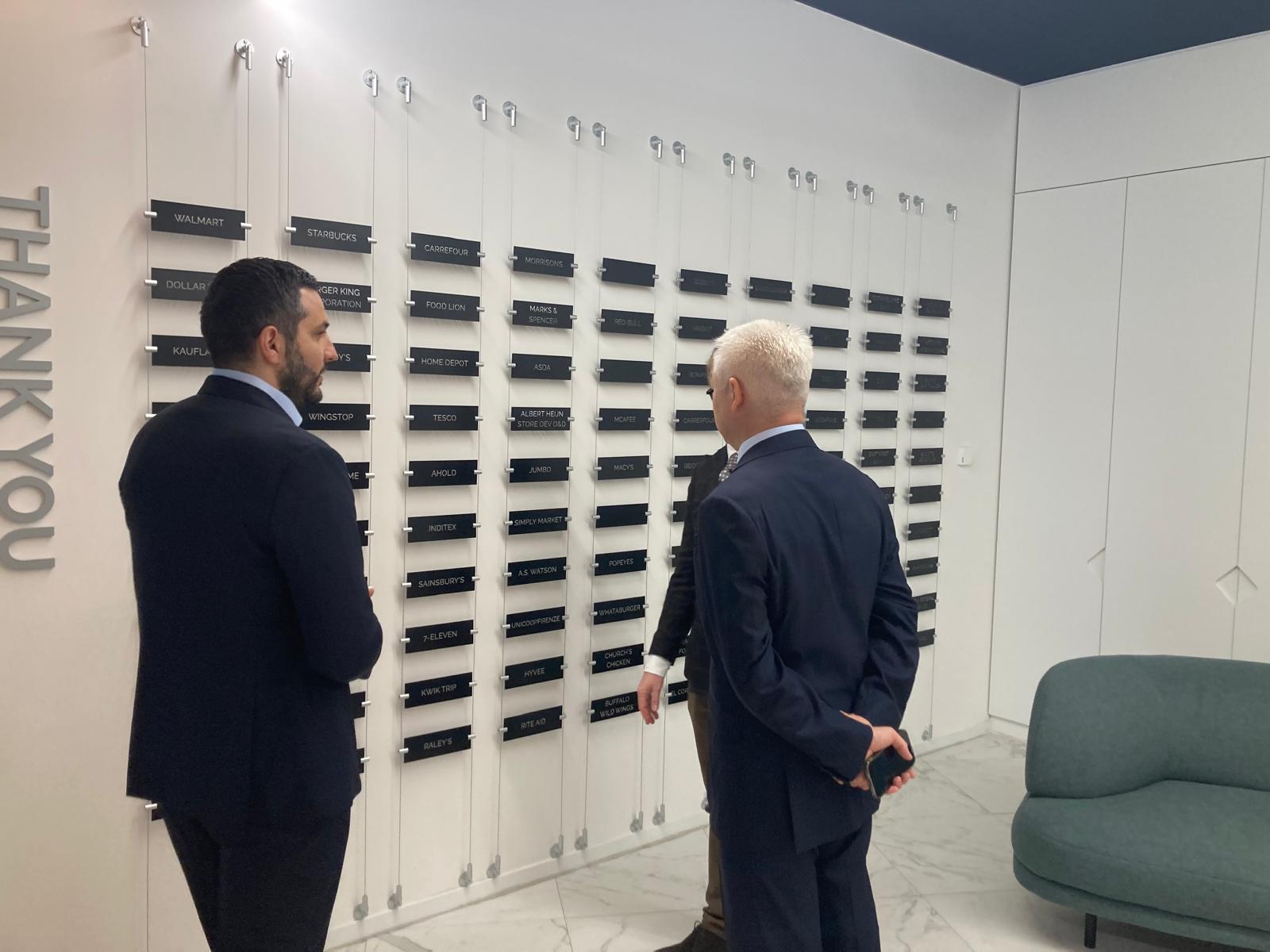
Ambassador of Kazakhstan visited the office of NCR Atleos 12.04.2025
On 10 April 2025, the Ambassador of the Republic of Kazakhstan to the Republic of Serbia H.E. M.Atamkulov visited the office of NCR Atleos in Belgrade.During the visit, Ambassador learned about company's activities, its latest technological solutions in the field of automation of government sector, also banking and trade operations, as well as with the scale of NCR Atleos' presence in the global and regional markets.Particular attention in the conversation with the company's management was paid to the prospects of cooperation with Kazakhstan, including opportunities for sharing experience and attracting technologies to the digital infrastructure of the country.NCR Atleos, a global leader in solutions for the financial and retail sectors, has shown interest in expanding co-operation with Kazakhstan, noting the high potential for the development of the technology sector in the region.For a long time NCR Atleos has been co-operating with the Kazakh company IBS Project in the sphere of banking technologies and financial services on the territory of the Republic of Kazakhstan.Source : https://www.gov.kz/memleket/entities/mfa-belgrad/press/news/details/974952?lang=kk
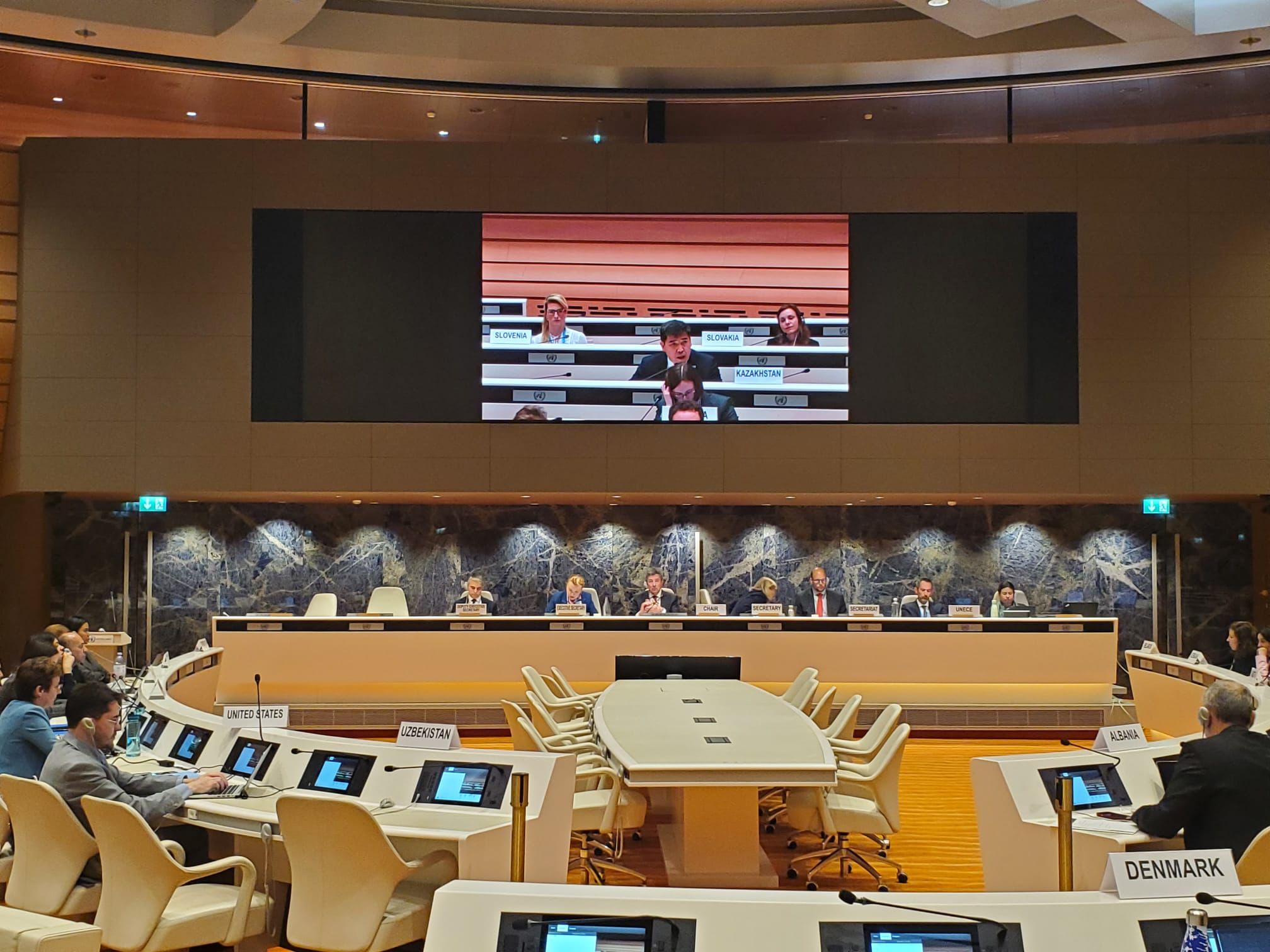
Kazakhstan elected as Vice-Chair of UNECE 12.04.2025
Geneva, April 11, 2025 – The 71st session of the United Nations Economic Commission for Europe (UNECE) took place in Geneva on 9-10 April 2025, bringing together 56 Member States from Europe, America and Central Asia to discuss priorities for regional cooperation on climate change and infrastructure development. During the High-Level Dialogue on “Climate Action and Resilient Infrastructure for Sustainable Development”, Vice-Minister of National Economy of the Republic of Kazakhstan Arman Kassenov emphasized the importance of achieving specific goals of the National Infrastructure Plan of Kazakhstan until 2029, taking into account the priorities of the Strategy for Achieving Carbon Neutrality until 2060. He also called on UN Member States and UN agencies to actively support the UN Regional Centre for Sustainable Development Goals (SDGs) for Central Asia and Afghanistan in Almaty and the Astana International Forum, which will be attended by the UN Under-Secretary-General and UNECE Executive Secretary Ms. Tatiana Molcean. The Vice-Minister also spoke at a High-Level Round Table, reaffirming Kazakhstan's commitment to the SDGs through various mechanisms such as the Parliamentary Commission for Monitoring the Implementation of National Sustainable Development Goals and Targets, national and local SDG reviews, the UN Water Convention, the UN Forum of Mayors, the UN Special Programme for the Economies of Central Asia (SPECA), and also informed about the UN Regional Climate Summit to be convened in Kazakhstan in 2026. A meeting of SPECA participating states’ Heads of Delegation was held on the sidelines of the UNECE session under the chairmanship of Turkmenistan. During the session, the UNECE Member States unanimously elected Kazakhstan to serve as a Vice-Chair of the Commission's Bureau in 2025-2027. Italy was elected as the Chair of the Bureau, and Montenegro as the second Vice-Chair. Permanent Representative of the Republic of Kazakhstan to the UN and other international organizations in Geneva Yerlan Alimbayev expressed his gratitude to the Member States for their trust and assured that Kazakhstan will carry out its activities in the Bureau taking into account the ongoing UN reform under the UN-80 initiative and the interests of all Member States, with a special emphasis on the countries of Central Asia.Source : https://www.gov.kz/memleket/entities/mfa-geneva/press/news/details/974951?lang=kk
International activities of SCO was discussed in Moscow 12.04.2025
MOSCOW, July 12, 2018 – Within the framework of implementation of the agreements reached between the leaders of the SCO member states during the SCO Summit (Qingdao, June 9-10) High-level consultations on the international activities of the Organization were held.Kazakhstan was represented by Mr. Yerlan Alimbayev, Ambassador-At-Large, the National Coordinator on the SCO Activities. The Kazakh diplomat announced the country's position on key issues of the international agenda, drew attention to the need for timely and full implementation of initiatives of the leaders of SCO member states. He also stressed the importance of the President Nursultan Nazarbayev's initiatives on establishment of a platform to share experience in the field of new technologies and economy digitalization within the SCO, as well as for joint elaboration of the SCO Concept of Sustainable Development.Participants was welcomed by Mr. Sergey Lavrov the Foreign Minister of Russia, who noted in his address the growing demand of the SCO in the world and the further strengthening of the strategic cooperation with international and regional structures.Heads of delegations of eight member-states and Mr. Rashid Alimov, the SCO Secretary-General, in their speeches stressed the importance of concerted and coordinated actions of all parties in order to further improve the mechanisms of mutually beneficial cooperation on international arena.Source : https://www.gov.kz/memleket/entities/mfa/press/news/details/25091?lang=kk
Kazakhstan Presents UN Security Council its Vision on Climate Change Mitigation 12.04.2025
NEW YORK, 12 July - “Climate change is a 'threat multiplier' as it can result in poverty, food insecurity, illegal migration, social instability and bitter conflicts”, according to the Deputy Minister of Foreign Affairs of Kazakhstan, His Excellency Yerzhan Ashikbayev, on 11 July, at the open debate of the United Nations Security Council dedicated to Understanding and Addressing Climate-related Security Risks.In his statement, the Deputy Foreign Minister noted that the problem of climate change was a central theme throughout the world community, which had significant economic, social and environmental consequences. Kazakhstan is ready to unite with other Members States in joint multilateral action for global security.“Kazakhstan and the entire Central Asian region has its own tragic experience with dying Aral Sea. This environmental disaster has brought many challenges for the population and nature in neighboring states, affecting more than 60 million people”, Ashikbayev said. He then elaborated on the various measures undertaken to address this alarming concern, within the framework of the International Fund for Saving the Aral Sea, which had resulted in some notable positive improvements of the situation.Highlighting that climate change mitigation is one of the priorities of the Government of Kazakhstan, His Excellency underscored the significant steps taken to reduce the amount of hazardous emissions, as well as to move towards a full transition to renewable energy sources by 2050. The International Center for Green Technologies in Astana, which has been established on the site of Astana Expo 2017, will be crucial in furthering this process.The event chaired by Minister for Foreign Affairs of Sweden Margot Wallström, was addressed by President of the Republic of Nauru Baron Vaca, UN Deputy Secretary-General Amina Mohammed, the Minister of Water Resources of Iraq Hassan Janabi and others.In New York, Mr. Ashikbayev also participated in the forum titled, “Contribution of Transboundary Water Cooperation to Achieving the Sustainable Development Goals”. He shared the experience of Kazakhstan in the use of transboundary rivers with its neighboring countries in Central Asia, and also Russia and China. In addition, he also expressed support for a comprehensive consideration and application of the international water law to resolve the threat posed by the shrinking of the Aral Sea.Deputy Foreign Minister Ashikbayev also stated that Astana attaches great importance to the Meeting of the Parties to the Water Convention of the United Nations Economic Commission for Europe, to be held from 10 to 12 October, later this year, which was expected to attended by more than 400 representatives of governments, international non-governmental organizations and water experts from all around the worldSource : https://www.gov.kz/memleket/entities/mfa/press/news/details/25083?lang=kk
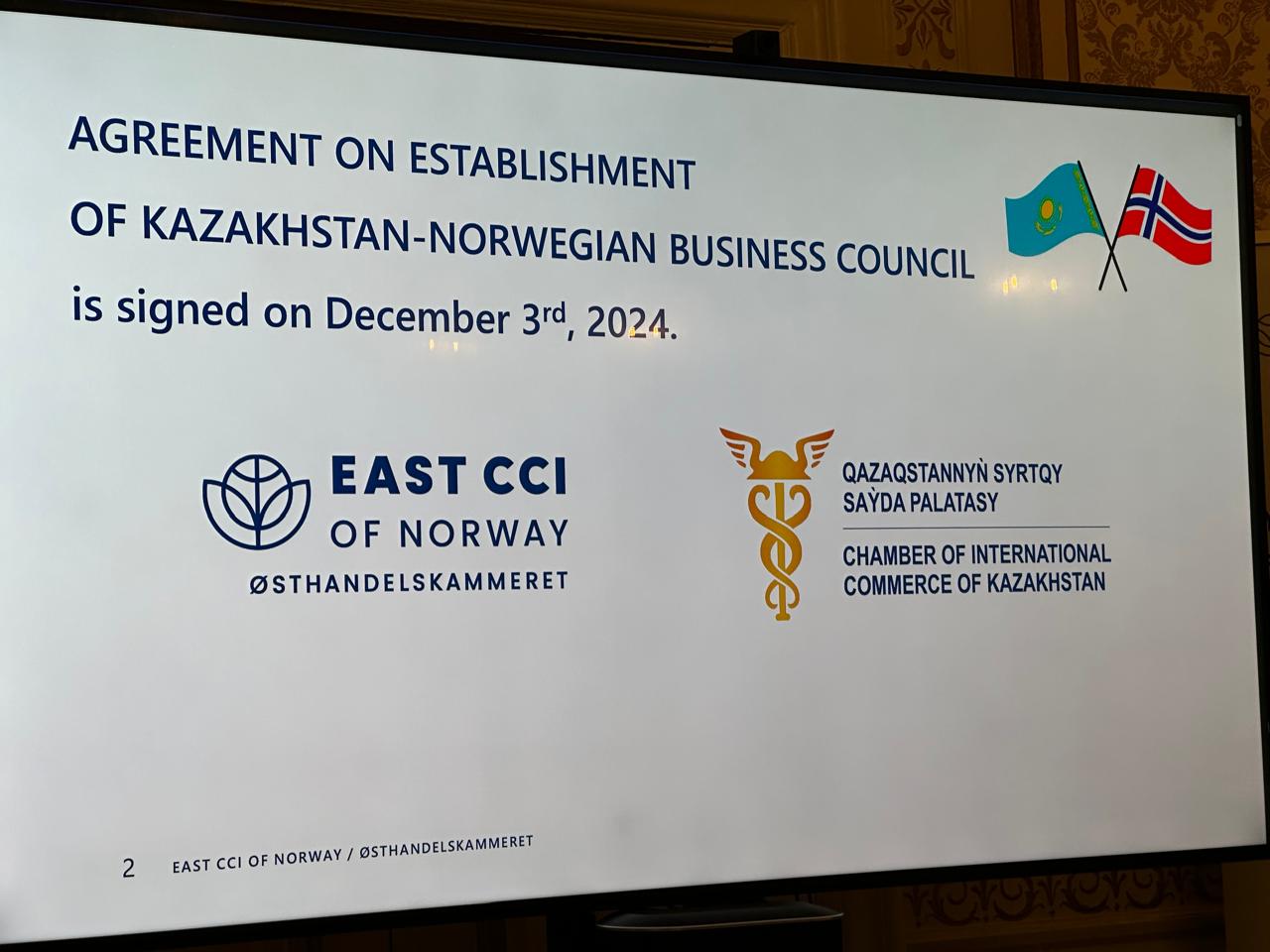
Kazakhstan and Norway held the inaugural meeting of the Business Council 12.04.2025
The first meeting of the Kazakhstan-Norwegian Business Council was held on April 8, 2025 in Oslo.The participants of the meeting discussed opportunities to enhance cooperation in the fields of investment, trade, industry and new technologies.Particular attention was given to potential projects in the areas of renewable energy, organic and chemical production, digitalization, aquaculture, transport, logistics, agriculture, mineral resource extraction, environmental protection and education.A separate session was dedicated to the development of the Middle Corridor and the Trans-Caspian International Transport Route.The event also featured B2B meetings between representatives of Kazakhstan’ and Norwegian business communities.At the conclusion of the meeting, participants emphasized the exceptional importance of establishing the Business Council as a key step toward deepening and expanding Kazakhstan-Norway economic cooperation in the coming period.For reference:The agreement on the establishment of the Kazakhstan-Norway Business Council was signed on December 3, 2024, between the Chamber of International Commerce of Kazakhstan and the EAST Chamber of Commerce and Industry of Norway. The Business Council serves as a platform for uniting companies from both countries and provides practical support to entrepreneurs in establishing and developing trade, economic, and investment cooperation. The main objective of the Council is to establish direct links and dialogue between the business communities of the two countries, facilitate the practical advancement of economic projects, and prepare recommendations and expert assessments on promising areas of cooperation.Source : https://www.gov.kz/memleket/entities/mfa-oslo/press/news/details/974885?lang=kk
We invite you to the fair! 12.04.2025
On April 12, 2025, an agricultural fair with the participation of agricultural producers will be held in Kostanay. Venue of the fair: Kostanay, 131 Karbysheva St., Sayakhat market.Source : https://www.gov.kz/memleket/entities/kostanai-kalasy-akimat/press/news/details/974877?lang=kk
The pilot project "Salyq cashback" is now in the West Kazakhstan region 12.04.2025
The Department of State Revenue for the West Kazakhstan Region announces the expansion of the pilot project "Salyq cashback", which has been in effect since March 15, 2025. The project is aimed at stimulating the receipt of fiscal checks from micro and small businesses through the payment of remuneration.Starting from April 15, 2025, the project will be joined by:- Shal akyn district, named after G.Musrepov, Ayyrtau, Tayynshinsky, and Zhambyl districts (North Kazakhstan region);- Yesilsky district (Akmola region);- Burlinsky district (West Kazakhstan region);- the city of Karaganda (Karaganda region).We remind you that since March 15, 2025, the project has already been operating in the following regions:- the city of Ust-Kamenogorsk (East Kazakhstan region);- Zhetikarinsky district (Kostanay region);- Zhaksynsky, Arshalinsky and Astrakhan districts (Akmola region).Anyone can take part in the Salyq Cashback project. To do this, it is necessary:Receive a fiscal receipt when paying for goods or services;Scan the barcode from the receipt in the special mobile application "Amian" and receive cashback in the amount of 2% of the purchase amount.The funds received can be transferred to a bank card or credited to a mobile phone balance.Rewards are accrued by the operator of IT Analytics LLP through the Amian mobile application, which is available for free download in the App Store and Google Play.The Department of State Revenue in the West Kazakhstan Region calls on citizens to demand receipts from cash registers to protect their consumer rights.Source : https://www.gov.kz/memleket/entities/kgd-zko/press/news/details/974866?lang=kk
A meeting on landscaping and ecology was held in Kostanay with the participation of akim of the region Kumar Aksakalov 12.04.2025
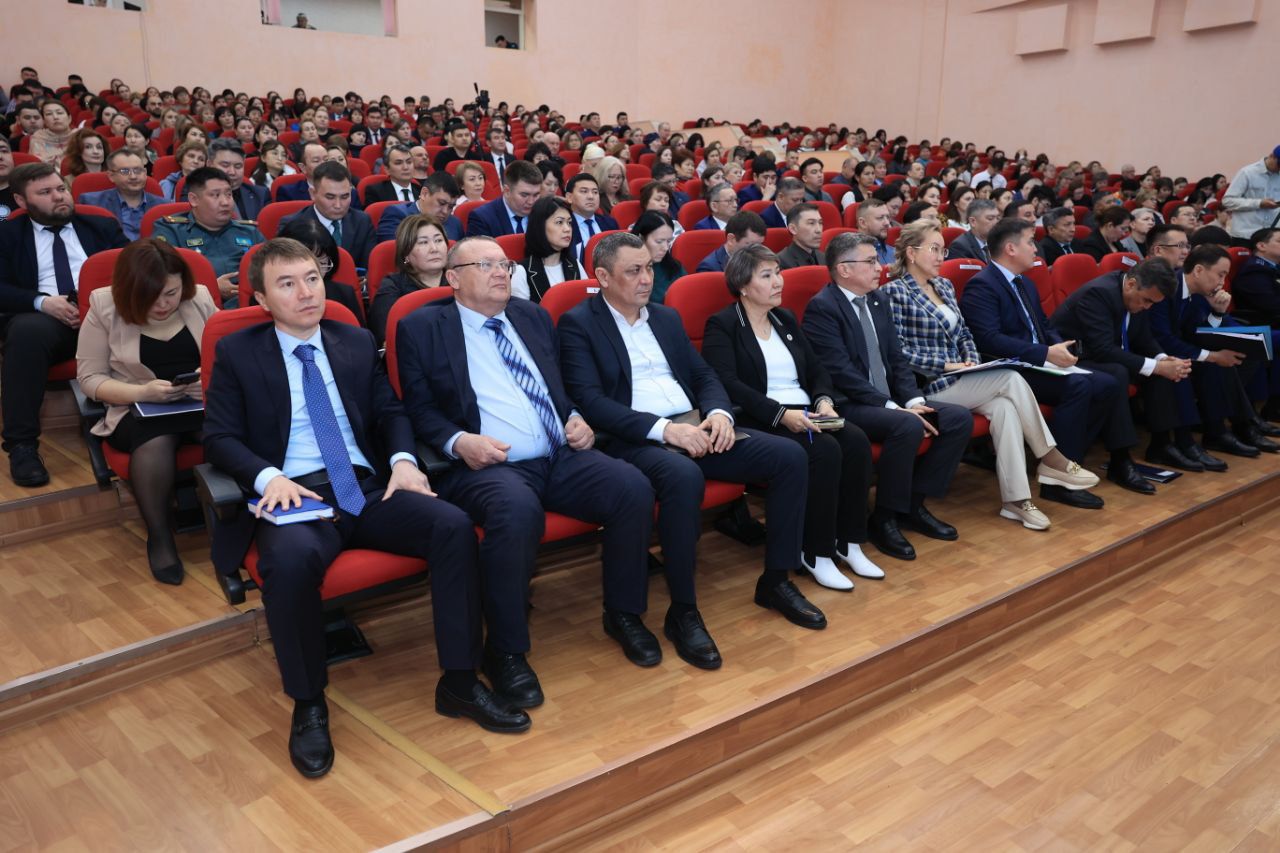
An expanded meeting on landscaping and improvement of the ecological state of the city was held in Kostanay with the participation of Akim of Kostanay region Kumar Aksakalov, the city administration and relevant services. The focus is on the implementation of the initiative of the Head of State Kassym—Jomart Tokayev "Taza Kazakhstan", which has become a new strategy for the formation of ecological culture in the country."Taza Kazakhstan is not a fashion trend, but a new social standard. We have to start small — with a clean yard, a well-tended tree, and a green park. Ecological culture should become the norm of life," Kumar Aksakalov emphasized, opening the meeting.Large-scale improvement plansAccording to the governor of the region, in 2025, more than 37% of the regional budget is directed to the development of the regional center. 17.1 billion tenge is provided for the improvement of urban infrastructure alone, which is 50% more than last year.Special attention is paid to the development of public spaces. This year, 7 parks and 3 squares with a total area of 93.5 hectares are being improved in Kostanay. Construction of a new 4-hectare family park has begun in the area of the former agricultural institute, and work will cover the surrounding area near the mosque. New recreation areas are planned in the MKR. Kunai, Pritobolsky Park, Central Square and other locations. There will also be a new park at the intersection of Temirbaev and Al-Farabi streets."We are not just creating parks, but modern points of attraction. At the same time, it is important not only to build such spaces, but also to maintain them efficiently. The responsibility lies with public utilities, businesses and every citizen," Kumar Aksakalov said.Ecology and landscapingSpecial attention was paid to landscaping issues at the meeting. In 2025, 52.7 thousand trees are planned to be planted in the region, of which 3,168 are in Kostanay. 970.1 million tenge is provided for the landscaping of the city, while part of these funds is allocated for the care of green spaces.Kumar Aksakalov instructed to stop the practice of illiterate and formal "crowning" of trees. Now all the work on the formation of the crown will be carried out only according to indications, with the participation of specialists. A specialized service for the care and accounting of green spaces will also be created, which will begin with a complete revision of the trees in the city."Planting a tree is good. But the real ecological approach is to preserve it, take care of it. We need perennial, stable plants, not seasonal flowers that die in a couple of months," said the head of the region.Modern courtyards and children's infrastructureNew playgrounds and sports grounds worth 1.3 billion tenge will be installed in 39 courtyards of Kostanay this year. All structures will be made of high-quality materials, with mandatory compliance with safety standards."The modern courtyard is a center of communication and life. Safety, comfort and quality must come first here," Kumar Aksakalov emphasized.Order in the city is a common causeAn important topic of the meeting was the maintenance of courtyards, adjacent territories of enterprises, institutions and trade facilities. The akim of the region instructed to amend the Rules for the improvement of settlements in order to expand the boundaries of business responsibility to sidewalks and roadways.The issue of organizing the removal of bulky and construction debris, which remains an unresolved problem, was also discussed. The governor of the region stressed that this could become a promising niche for entrepreneurship, in particular, in the field of processing. There are already 5 processing plants operating in the city, and in 2026, a new investment project for paper waste processing worth 7 billion tenge will begin.Landscaping control will be tightened, including video surveillance systems at container sites. The territory of the city will be divided into sections with the consolidation of responsible organizations, and the operational headquarters will regularly monitor the condition."Ecological culture is not a clean—up day once a year. This is everyone's daily choice. Only zero tolerance for litter and disorder will lead us to real order. "Taza Kazakhstan" is what we will leave to our children. And we must do everything to make them proud of their city," Kumar Aksakalov summed up.Source : https://www.gov.kz/memleket/entities/kostanay/press/news/details/974855?lang=kk
Meeting of the commission on issuing permits to employers to attract foreign labor, as well as carrying out intra-corporate transfers. 12.04.2025
The meeting of the commission for issuing permits to employers to attract foreign labor, as well as the implementation of intra-corporate transfers, will be held on 04/21/2025 at 3 p.m. in the building of the Office for the Coordination of Employment and Social Programs of the Aktobe region at the address: Aktobe, Maresyev Street, 101, 1st floor.According to paragraph 11 of Chapter 2, "Rules and Conditions for issuing and (or) extending permits to employers to attract foreign labor, as well as for carrying out intra-corporate transfers," the employer or his representative may participate in the commission meeting at their discretion.Source : https://www.gov.kz/memleket/entities/aktobe-social/press/news/details/979092?lang=kk
8TH INTERNATIONAL MINING AND METALLURGICAL CONGRESS AND THE ASTANA MINING & METALLURGY EXHIBITION - AMM-2017 HELD IN ASTANA 12.04.2025
Mr. Mamin, the first Deputy Prime Minister of the Republic of Kazakhstan, and Mr. Kelimbetov, the Manager of the Astana International Financial Centre will present overview reports at the plenary session “Strategic drivers of growth for MMC”. Problems and perspectives of the Industry through the prism of individual production companies will present Igor Finogenov, the President of Polymetal UK JSC, Nikola Popovich, the Chairman of the Board of Directors of KazZincHoldings LLP, Paramjit Calon, the General Director of Arcelor Mittal Temirtau JSC and Abdumalik Mirakhmedov, the General Director of ATK Holdings.Mr. Kasymbek, the Minister for Investments and Development of the Republic of Kazakhstan outlined the working agenda of the AMM-2017 in his welcome letter to the delegates: “The Congress is intended to sum up the results of the two-year work on the draft Code “On Subsoil and Subsoil Use”, to outline plans to encourage investments to the mining and metallurgical complex and to consider the possibility of introducing the most promising innovative products and technologies within the current world trend – “Industry 4.0.”At the first session of the forum “Market Leaders. Development Strategy” initiated by the Ministry for Investments and Development, the heads of the major companies of the Industry, Industry Associations and foreign experts will discuss “Modernization 3.0” in the context of MMC, investment expectations and market trends. The agenda of the session includes presentations by Alik Aidarbayev, the First Vice-Minister for Investments and Development of the Republic of Kazakhstan, Nikolay Radostovets, Executive Director of the Republican Association of Mining and Metallurgical Enterprises, Eldar Mammadov, the Chairman of the Board of KAZ Minerals Management LLP, Bakhtiyar Krypkyshev, the General Director of the Management Board of KazakhMys Corporation, Kate Spens, the President of Global Mining Corporation and Andrei Novitsky, the Director of Boston Consulting Group.The second session of the Congress will be devoted to the investment potential of geological exploration. An overview of the financial condition of large investors and their requirements for projects in Kazakhstan, as well as mechanisms for financing mining companies through the Exchange of AIFC will be offered to the delegates. Saule Urazaeva, the Executive Director of KAZRC, will summarize in her speech the results of the first year of Kazakhstan’s membership in CRIRSCO.The third session of the AMM will be held under the banner of Modernization and Industry 4.0. Sanjar Kettebekov, the General Director of Park of Innovative Technologies ACF will tell about digitalization of MMC in Kazakhstan. Foreign experience of digitalization in the MMC will be presented by Bernardo Marinho, Business Development Engineer, Chemtech Siemens (Brazil).Exhibition segment of AMM-2017 will traditionally present the newest equipment for MMC, innovative technological and software solutions in the field of the company management and industrial safety, auditing and consulting services for the Industry. In addition, a series of presentations “Days of the Australian MMC in Kazakhstan” will take place within the framework of the Exhibition.A special place in this year Exposition will take the platform of the AMM innovation partner, Innovation Technologies Park ACF “Start Up Projects Area,” where Kazakhstani and foreign startups of Industry 4.0 will be presented. In addition, PIT will hold a seminar “Industry 4.0. In-depth data analytics and implementation of additive technologies at MMC companies” for the delegates of the Congress.The Round Tables programme at AMM-2017 will be focused on discussing the current problems of the Industry: training of highly qualified engineering and technical personnel for the Mining and Metallurgical Industry, ensuring industrial safety at mining companies, development of jewelry production in Kazakhstan, regional geological survey works as the basis for effective search of mineral deposits. Besides, within the format of the Round Tables, the conceptual issues of the Code of the Republic of Kazakhstan “On Subsoil and Subsoil Use” and state policy in the field of iron-and-steel industry in the light of the accession of the Republic of Kazakhstan to the OECD Steel Committee will be discussed.Within the framework of AMM-2017, the solemn ceremony of awarding the National Industry Prize “Golden Hephaestus” will take place. The award, established by the Ministry for Investments and Development of the Republic of Kazakhstan to mark the best employees of the industry and to promote the achievements of Kazakhstani companies to the public, will be presented already for the eighth time.AMM-2017, as a preparatory site for the 25th World Mining Congress in 2018, initiated the expansion of international industry relations – delegations from Australia, Brazil, Britain, Iran, Canada, Norway, Russia, Saudi Arabia, France and other countries will participate in the AMM. However, already now, without waiting for the upcoming meeting at the AMM, the Organization for Economic Cooperation and Development (OECD), ISSA Mining and the World Coal Association have confirmed their support and participation in the 25th World Mining Congress in Astana.Source : https://www.gov.kz/memleket/entities/aviation/press/news/details/24982?lang=kk
Inclusive Training “Perceiving the World Through the Senses” 12.04.2025
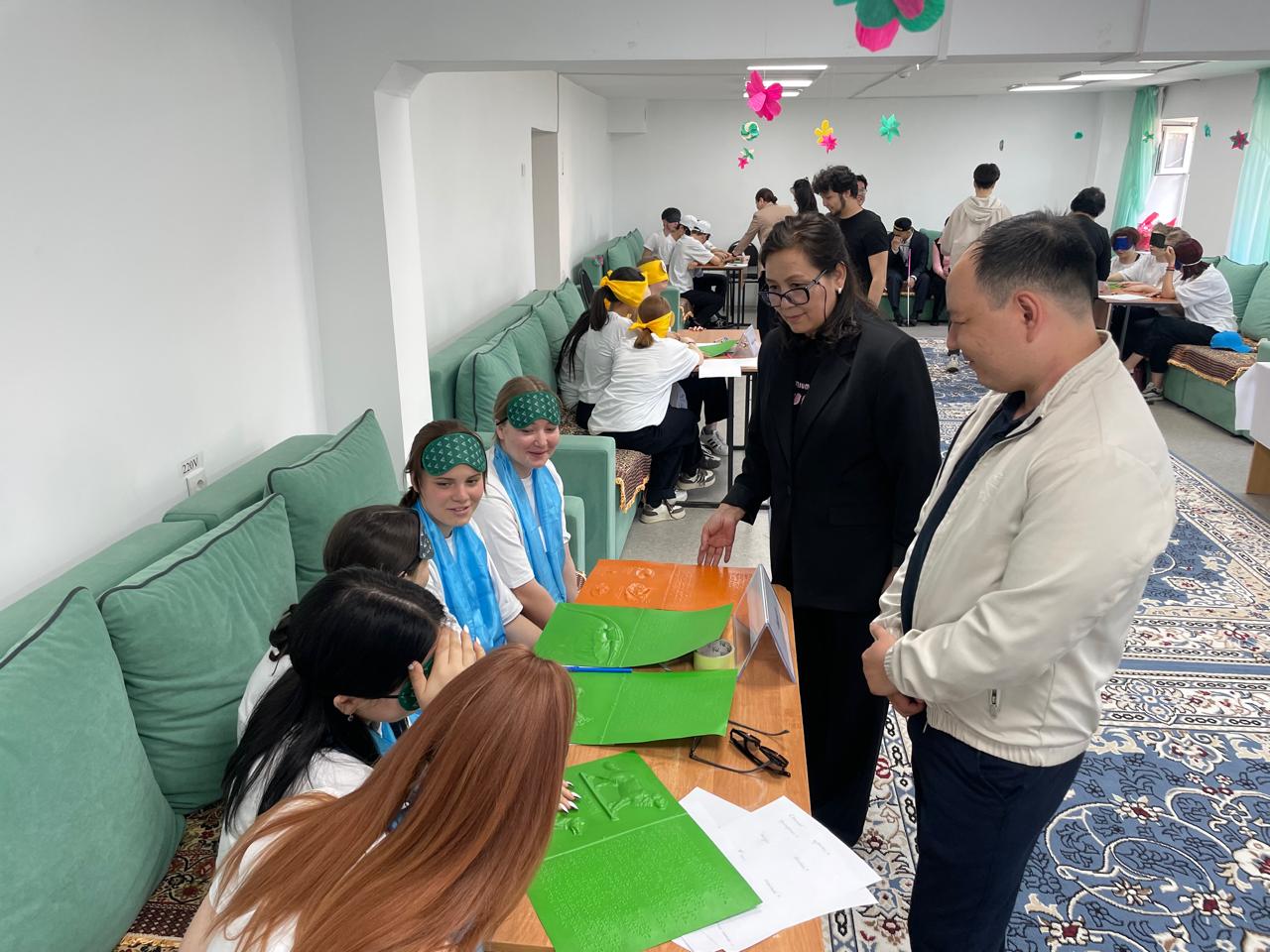
An inclusive training in a unique format was held at the dormitory of the College of Service and Technology. The event was jointly organized by A&A: IT-services & Education and the librarians from the department for the visually impaired of the Saken Seifullin Central Library of Zhetysu Region.College students actively participated in the training and had the opportunity to better understand how people with visual impairments perceive the world around them.The main goal of the event was to highlight the importance of perceiving information through the senses, to show how people with limited vision experience the world, and to foster empathy.The training consisted of three stages:Stage 1: Finding two images in a pictureParticipants were asked to find hidden images in a given picture using their sight. This task focused on enhancing attention and observation skills.Stage 2: Listening to and memorizing soundsParticipants listened to various sounds, identified differences between them, and answered questions based on their memory. This helped to develop auditory perception and memory.Stage 3: Identifying by touchWith their eyes closed, participants used only their fingertips to recognize specially prepared tactile (relief) images. This task demonstrated the power of touch and developed tactile perception.By the end of the training, participants were deeply moved and tried to understand the world of people with visual impairments through empathy. Events like this play a vital role in promoting kindness and understanding in society.Source : https://www.gov.kz/memleket/entities/zhetysu-archive/press/news/details/974816?lang=kk
Athens Explores New Prospects for Scientific and Academic Cooperation with Kazakhstan 12.04.2025
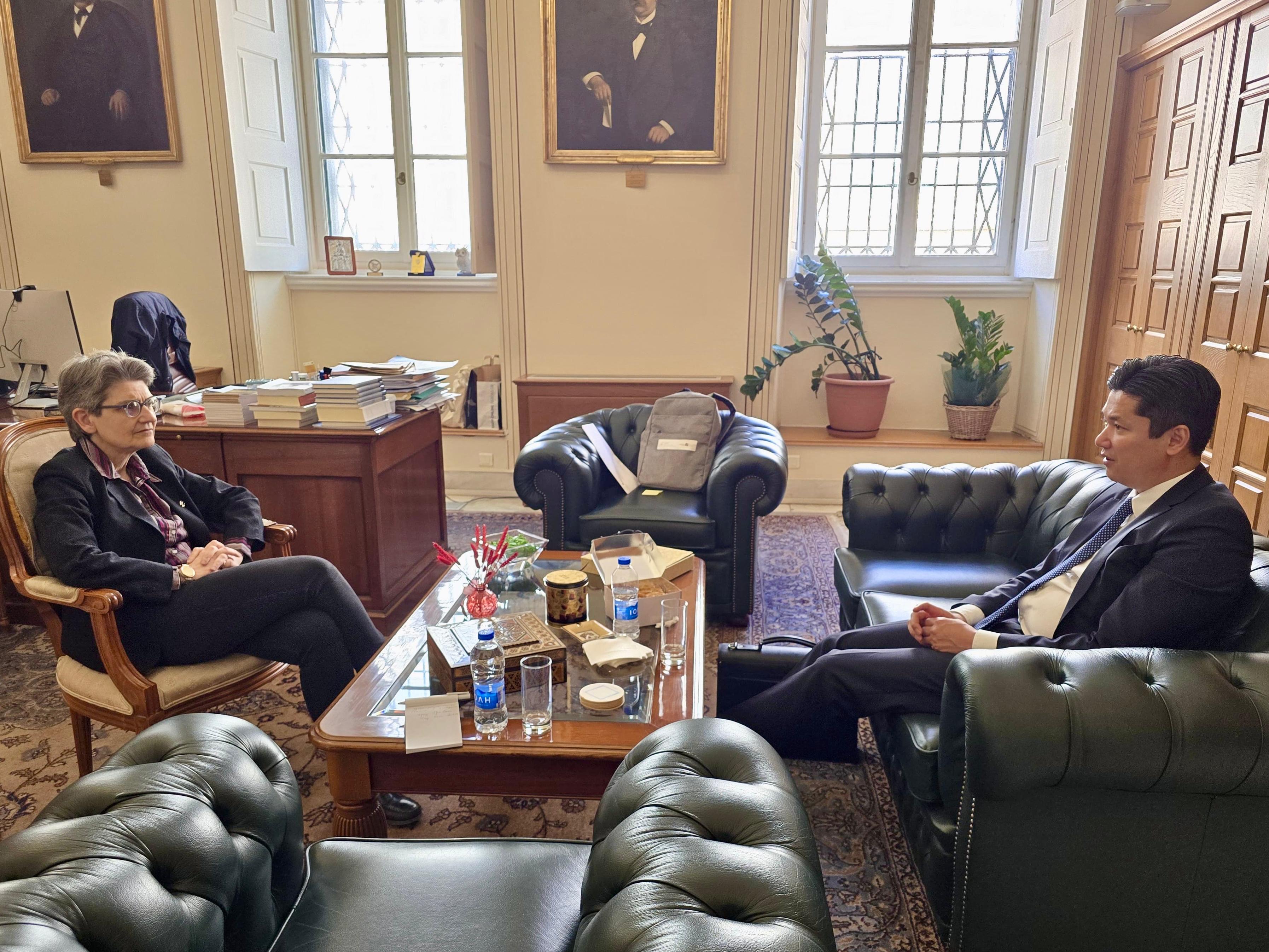
Athens, April 10, 2025 –Ambassador of Kazakhstan to Greece, Timur Sultangozhin, met with Professor Sophia Papaioannou, Vice-Rector for Academic Affairs and International Relations at the National and Kapodistrian University of Athens (NKUA), to discuss ways of enhancing scientific and academic collaboration between the university and higher education institutions in Kazakhstan.During their discussions, both sides expressed particular interest in forming a partnership with Al-Farabi Kazakh National University and Abai Kazakh National Pedagogical University. This envisioned partnership would span a range of joint initiatives – from faculty and student exchanges to the development of collaborative educational programs, scientific research projects, and involvement in both international and European endeavors.As part of this potential collaboration, the institutions also plan to organize joint scientific conferences, including events dedicated to the legacies of Aristotle and the renowned Eastern thinker Al-Farabi, as well as research internships and other activities aimed at strengthening academic ties between Kazakhstan and Greece. Both sides expressed confidence that these efforts will lay the groundwork for a lasting partnership and open new avenues in the fields of education and science.Reference: the National and Kapodistrian University of Athens (NKUA), founded in 1837, is one of Europe’s oldest universities. As the largest university in Greece, it offers a comprehensive range of academic programs at all levels—from undergraduate to doctoral—and conducts extensive research in fields such as the humanities, social sciences, natural sciences, and medicine. Source : https://www.gov.kz/memleket/entities/mfa-athens/press/news/details/974774?lang=kk
- 12.04.2025
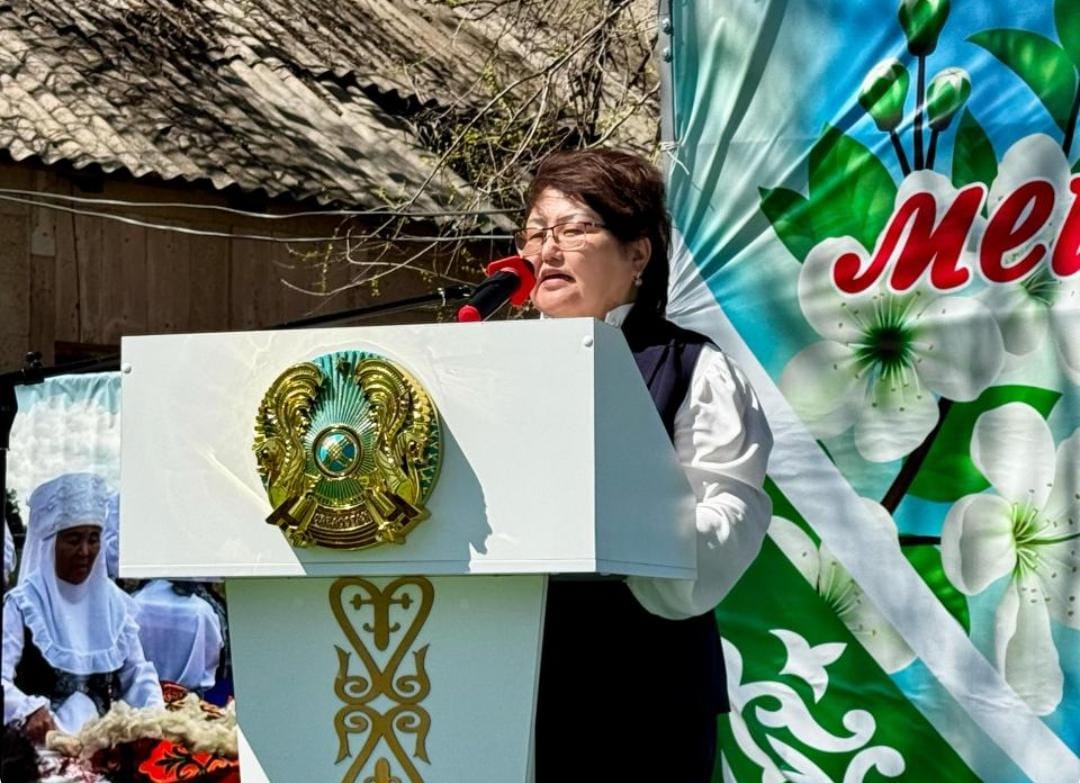
В селе Шенгелды, входящем в состав города Қонаев, после капитального ремонта открылась врачебная амбулатория. Работы были проведены в рамках проекта «Ауыл – Ел бесігі».На торжественном открытии приняли участие заместитель руководителя управления здравоохранения Алматинской области Лейла Серикбаева и заместитель акима города Қонаев Сауле Нурсолтанова, которые поздравили жителей села с этим важным событием.Медицинское учреждение рассчитано на приём до 100 человек в смену. Здесь оказываются услуги по медицинским и профилактическим осмотрам, а также ранней диагностике заболеваний. Теперь около 7 тысяч жителей шести населённых пунктов Шенгелдинского сельского округа смогут получать необходимую медицинскую помощь в своей амбулатории.В учреждении работают врачи общей практики, педиатр, детский стоматолог, медсёстры и младший медицинский персонал. Гинекологи приезжают из города Конаев согласно установленному графику. В случае экстренных ситуаций пациенты будут направляться в город. Амбулатория оснащена современным оборудованием: УЗИ, лабораторией, рентгеном и другими необходимыми технологиями. Открытие медицинского объекта стало важным шагом в реализации поручений Главы государства по улучшению качества жизни населения. В дальнейшем планируется продолжить развитие медицинской инфраструктуры на селе, чтобы каждый житель имел доступ к современным услугам здравоохранения. В этот день жители также отпраздновали Наурыз – установили юрты, накрыли дастарханы и поздравили друг друга с весенним обновлением. «Я сама раньше работала в этом учреждении.Построенное в 1970-х годах здание, сегодня обновилось и вновь будет служить людям. Очень радостно! Пусть наше село продолжает развиваться!» – поделилась жительница Карлыгаш Косбаева. Праздничное настроение подарили жителям города артисты города Қонаев, подготовив концертную программу. Source : https://www.gov.kz/memleket/entities/almobl-densaulyk/press/news/details/974771?lang=kk