Law
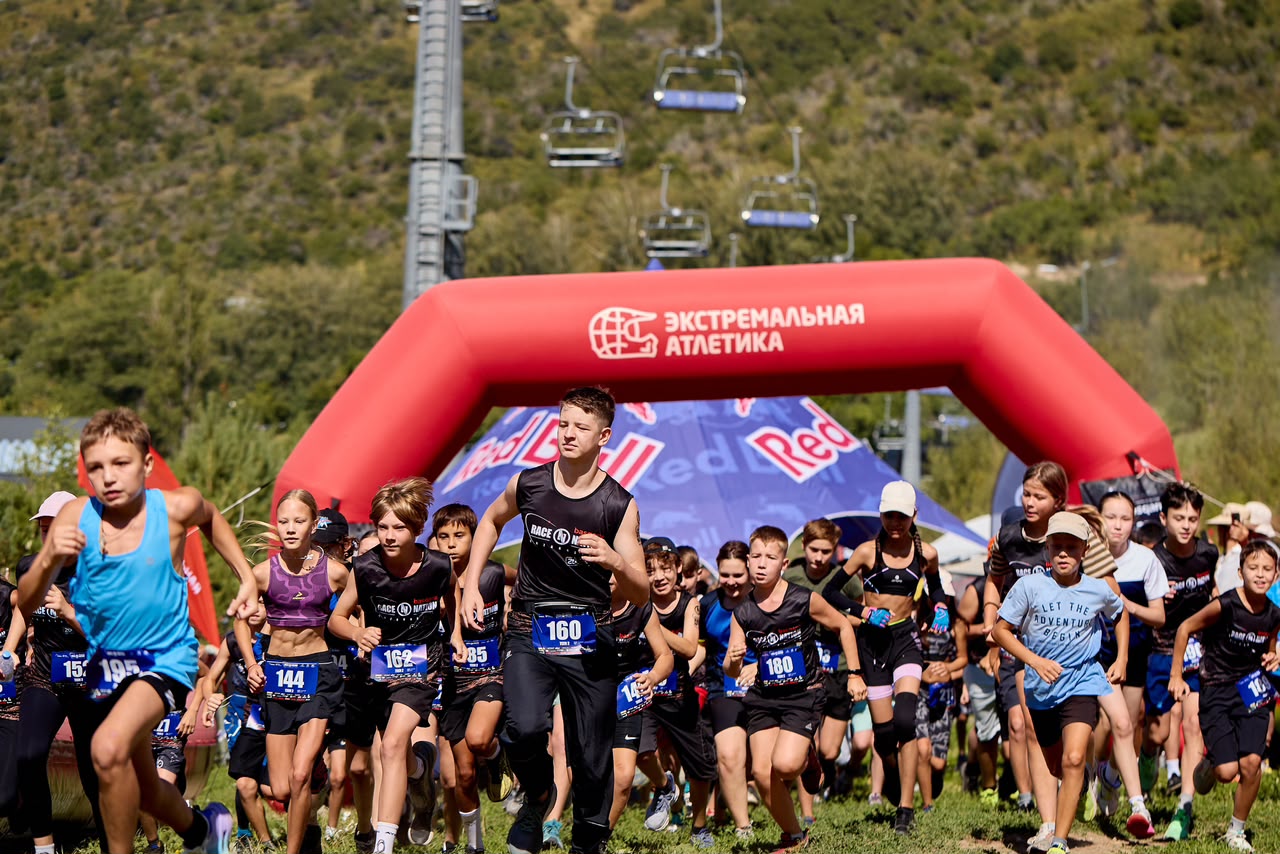
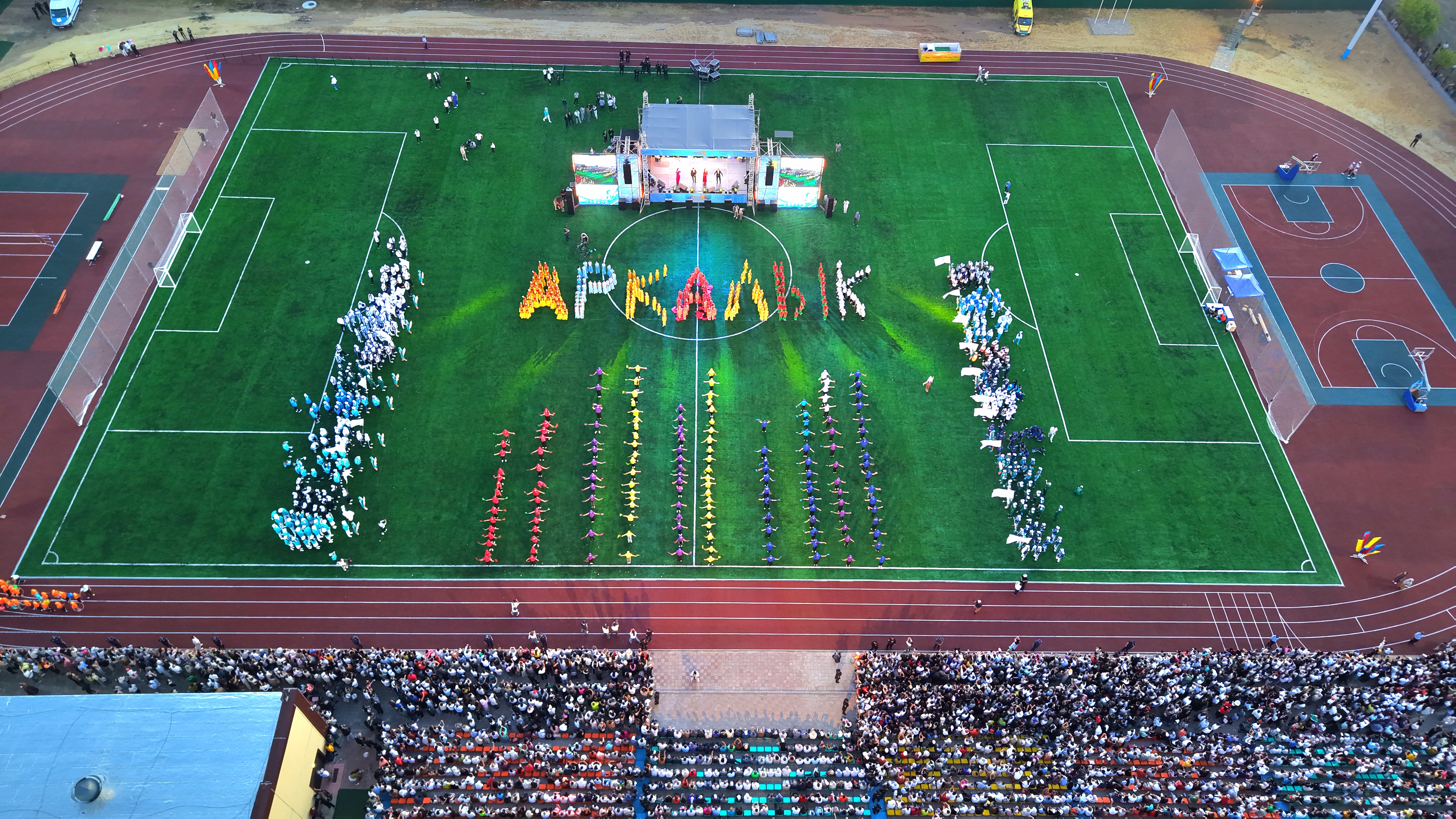
The 39th Summer Regional Sports Contest has ended 10.08.2026
As part of the celebration of the 70th anniversary of the city of Arkalyk, the 39th Summer Regional Spartakiad was held at a high organizational level. The traditional sports festival returned to Arkalyk after 20 years.Today, Arkalyk is receiving a new impetus for development and is being transformed. With the support of the Head of State Kassym-Jomart Tokayev, measures aimed at the socio-economic development of Arkalyk and the entire Torgay region are being systematically implemented.Sport is the key to the nation's health. Therefore, special attention is paid in the region to the development of mass sports and the modernization of sports infrastructure."Over the past three years, more than 30 sports facilities have been built in the region. Among them are 18 physical culture and health complexes, 8 sports halls, 2 stadiums, 6 indoor hockey rinks, an equestrian arena, and a swimming pool. Projects for 7 more sports facilities are currently being implemented. 47 sports grounds have been built in courtyards," noted the head of the region, Kumar Aksakalov.Last year, a wrestling hall, a boarding school for gifted children, and the "Kazakhstan" sports complex were put into operation in Arkalyk, and the "Zhiger" stadium was modernized. Currently, the construction of an indoor hockey rink and a physical culture and health complex is underway in the city.School and student leagues are regularly held in the region to develop mass sports. For many of our athletes, such district and regional competitions have become the first step on the path to great sporting achievements.Source : https://www.gov.kz/memleket/entities/kostanay/press/news/details/1271398?lang=ru
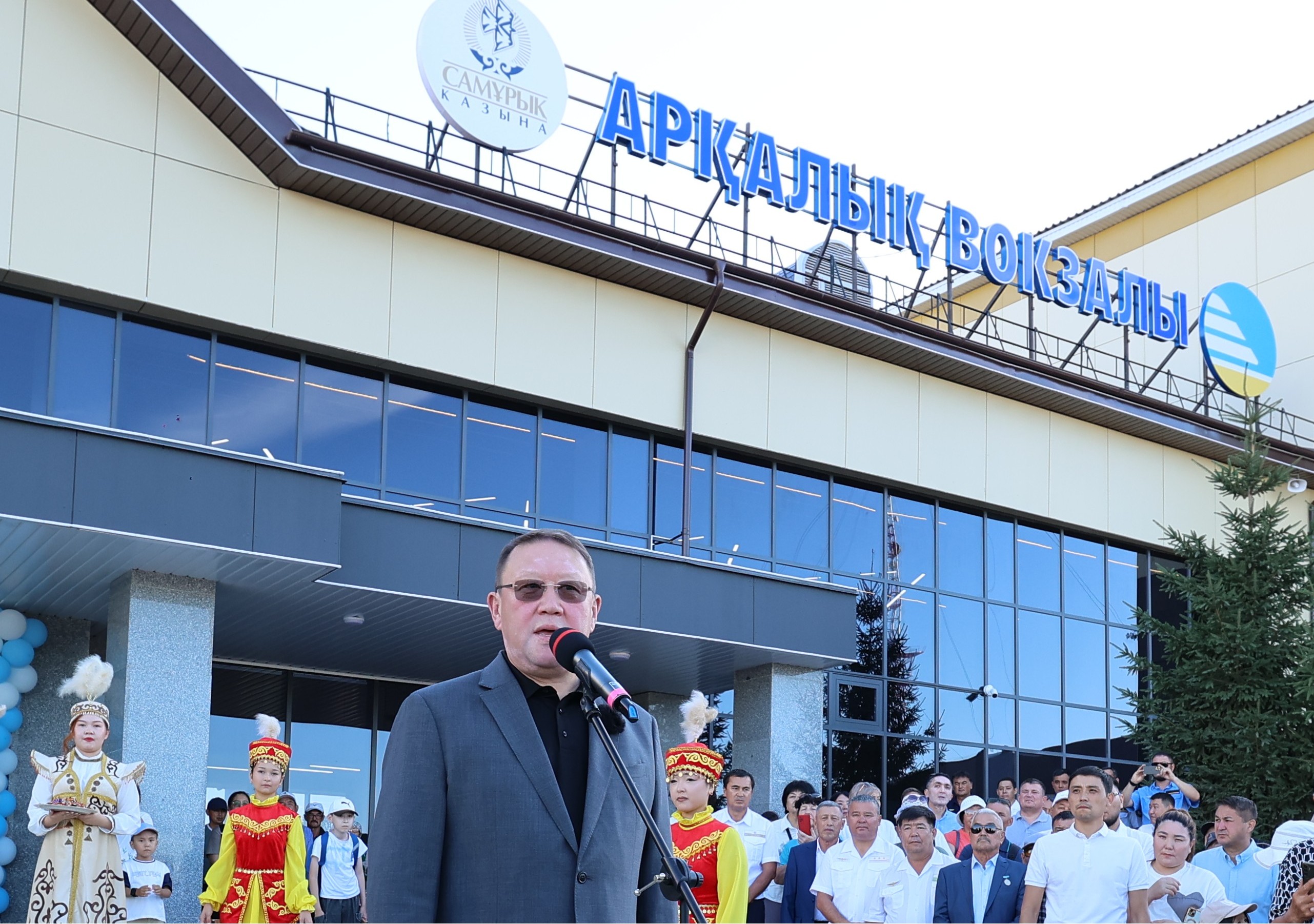
Arkalyk Railway Station reopened after reconstruction 10.08.2026
The 70th anniversary of the city of Arkalyk was celebrated at a high level. One of the significant events within the framework of the jubilee celebrations was the opening of the railway station after reconstruction.On the instructions of the Head of State, a large-scale modernization of 125 railway stations is being carried out in the country. In the Kostanay region, six railway stations are being reconstructed — in Kostanay, Arkalyk, Tobyl, Zhelezorudny, Amankaragay, and Kushmurun. The railway stations of Amankaragay, Kushmurun, and Rudny have already been opened earlier.«Today we have witnessed a very important and joyful event for the city of Arkalyk. On the day of the city's 70th anniversary, the renovated, modern railway station has opened its doors. This is not just an infrastructure project; it is a vivid testament to the development of Arkalyk and the implementation of the Head of State's policy on regional development!» — noted Akim of Kostanay region Kumar Aksakalov in his congratulatory speech.1.3 billion tenge was allocated for the renovation of the station. The building was constructed in 1972, with the last renovation carried out in 2015. This year, the architectural appearance of the building has been completely updated, and the engineering networks have been repaired. The waiting hall, ticket offices, and sanitary rooms are equipped in accordance with modern requirements. The station square has also been landscaped.The area of the railway station has increased from 1,772 to 2,400 square meters.Eight trains pass through the station, including four suburban trains in the directions of Astana, Kostanay, and Shubarkol.«For the 70th anniversary of our city, the passenger train „Nurly Zhol – Arkalyk“, consisting of new carriages and running every other day, has been launched. This is of great importance. The new route has significantly improved the transport accessibility of the region. This project was implemented primarily to provide the population with high-quality, comfortable, and safe services,» — noted Kumar Aksakalov.The station is capable of serving up to 428 passengers per day. A barrier-free environment has been created for people with disabilities, elderly citizens, and passengers with children.The renovated station will contribute to an increase in passenger traffic and business activity. In particular, the transport and logistics potential of the region is increasing. The Head of the region emphasized that without the development of transport links, it is impossible to ensure the growth of the country's economy.In order to give a new impetus to the economy of the Arkalyk region, two important highways are being renovated. The first is the «Zhezkazgan – Arkalyk» highway. The distance from Arkalyk to Zhezkazgan is 309 kilometers. On the section passing through the territory of the Kostanay region, 71 kilometers of the road have been repaired. This year, repair work on another 8 kilometers is nearing completion. Repair work on the road section in the territory of the Ulytau region will also be completed this year. The repair of the highway from Arkalyk to Esil in the territory of the Kostanay region has been fully completed. Thanks to this, the route will be shortened by 500 kilometers.The second is the new «Center – West» highway, the construction of which is being carried out on the instructions of the Head of State. It will pass through Arkalyk and Torgay.«In the near future, we will open the renovated airport. This project is of great importance both for the region and for local residents. As a result, Arkalyk will become an important transport and logistics hub connecting the north, center, west, and south of the country. The development of transport logistics will give a new impetus to the economy of Arkalyk, as well as boost entrepreneurship and domestic tourism,» — emphasized the Akim of the region. Source : https://www.gov.kz/memleket/entities/kostanay/press/news/details/1271360?lang=ru
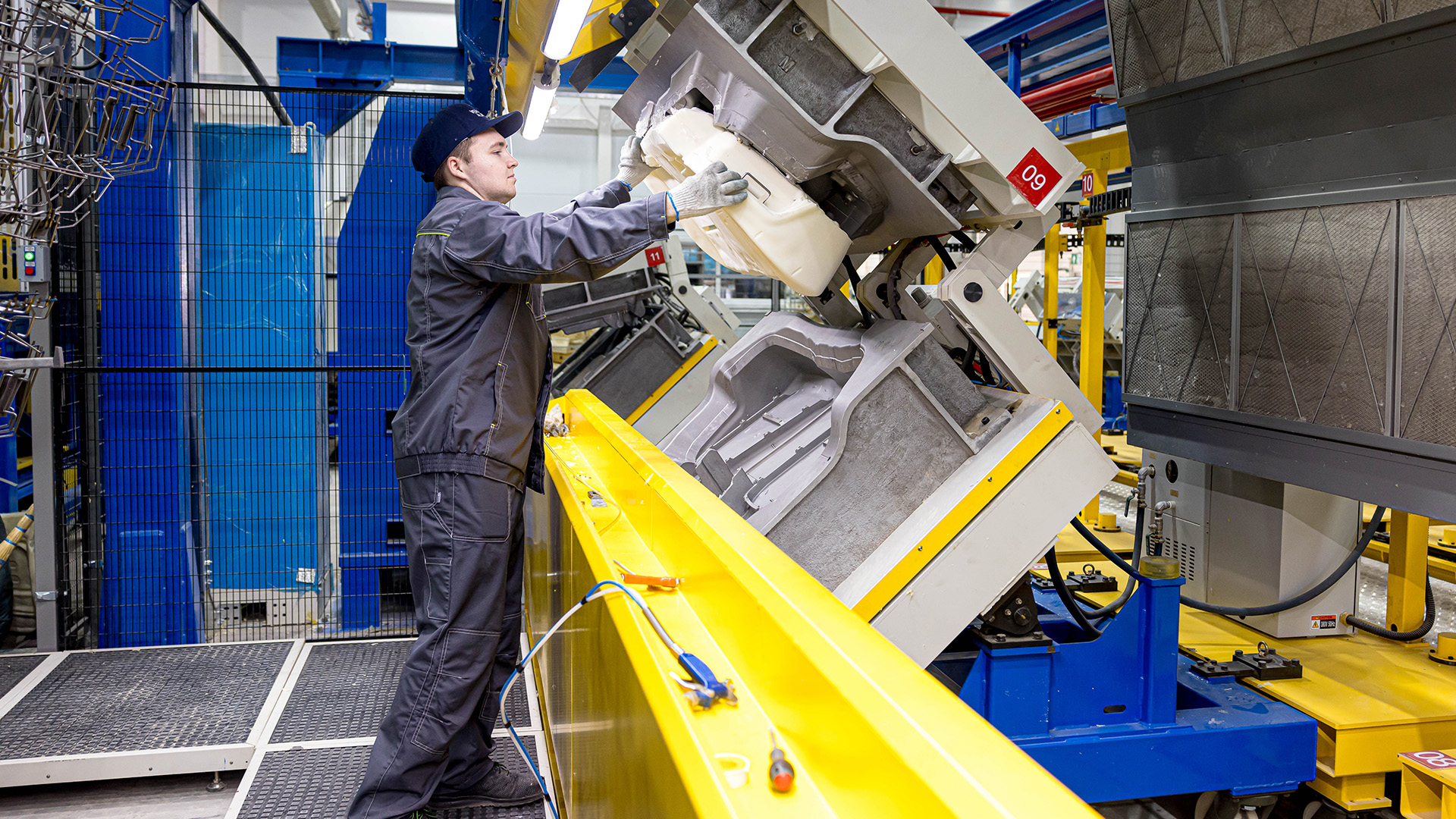
Развитие собственного производства и импортозамещение: как реализуются поручения Президента по усилению мер поддержки отечественных товаропроизводителей 10.08.2026
Поддержка отечественных товаропроизводителей является одним из основных направлений государственной политики. По поручению Главы государства Касым-Жомарта Токаева Правительством реализован комплекс мер, направленных на развитие внутреннего производства, создание новых промышленных предприятий, увеличение доли казахстанского содержания и формирование устойчивых производственных цепочек внутри страны.Сегодня господдержка охватывает весь цикл развития бизнеса, начиная от льготного финансирования, государственных закупок и заканчивая стимулированием крупных предприятий к работе с отечественными поставщиками, развитием промышленной кооперации и расширением экспортного потенциала казахстанских производителей. Гарантированный спрос: госзакупки становятся инструментом поддержки отечественного бизнесаОдним из ключевых инструментов поддержки отечественных производителей являются государственные и квазигосударственные закупки. Принятые Правительством меры предусматривают приоритет казахстанских предприятий, расширение долгосрочных и офтейк-контрактов, а также доступ к льготному финансированию. Это формирует устойчивый спрос и создает условия для модернизации и расширения производственных мощностей. Гарантированный сбыт своей продукции отечественные предприятия получают через Фонд национального благосостояния «Самрук-Қазына». Только за 2025 год объем закупок у казахстанских товаропроизводителей вырос вдвое и составил порядка 2,2 трлн теңге. Группа реализует 62 приоритетных проекта в инфраструктуре и энергетике, создавая постоянный спрос на казахстанские товары и услуги.На сегодняшний день в системе закупок Фонда действует более 16 мер поддержки ОТП и МСБ, в числе которых:обязательные закупки у отечественных производителей,освобождение от всех видов обеспечений,выплата аванса до 30%, если поставщик является ОТП и сокращенные сроки оплаты за поставленную продукцию.Это позволяет отечественному бизнесу эффективно сохранять и наращивать оборотный капитал. Эффективность принимаемых мер подтверждается устойчивым ростом объемов сотрудничества с отечественными производителями. В 2024 году компании группы подписали свыше 11,1 тыс. договоров с 2 070 предприятиями, включенными в реестр Министерства промышленности и строительства, на общую сумму 1,1 трлн теңге. В 2025 году объем заключенных контрактов вырос почти вдвое и достиг 2,17 трлн теңге, при этом было оформлено более 8,9 тыс. договоров с 2 283 отечественными производителями.Положительная динамика сохраняется и в текущем году. По итогам первого полугодия 2026 года подписано более 3,8 тыс. договоров на сумму 594 млрд теңге, что на 46% превышает показатель аналогичного периода прошлого года. В их числе – 171 долгосрочный контракт общей стоимостью 343 млрд теңге, что в 1,7 раза больше, чем годом ранее.Последовательно развивается механизм офтейк-контрактов, который стимулирует запуск новых производств и импортозамещение. В 2024 году было подписано 367 офтейк-контрактов на сумму 190 млрд теңге, в 2025 году – 363 контракта на 257,5 млрд теңге, что на 35% больше по стоимости. За первое полугодие 2026 года заключено еще 115 таких соглашений на сумму около 47 млрд теңге. За этот же период одобрено девять проектов импортозамещения общей стоимостью 53 млрд теңге. Еще 13 проектов общей стоимостью 74 млрд теңге находятся на стадии рассмотрения.В целом за последние семь лет в рамках механизмов поддержки группы «Самрук-Қазына» одобрено 108 проектов по запуску новых производств общей стоимостью 610 млрд теңге, реализация которых позволило создать более 3 тыс. новых рабочих мест.Реестр казахстанских товаропроизводителей обеспечивает прозрачность и равный доступ к закупкамОткрытость и доступность рынка государственных закупок остается ключевым условием для развития национального предпринимательства. По данным Министерства финансов, объем участия отечественных товаропроизводителей ежегодно увеличивается. Так, если в 2024 году с казахстанскими производителями было оформлено свыше 145 тыс. договоров на сумму более 370 млрд теңге, то в 2025 году этот показатель вырос на 16,5% – до 169 тыс. договоров, а их общая стоимость увеличилась почти на 23,3% и достигла 456 млрд теңге. По состоянию на 31 июля 2026 года уже заключено 68 тыс. контрактов на 97 млрд теңге. Важным элементом цифровизации в этой сфере стала информационная система «Реестр казахстанских товаропроизводителей», которая с ноября 2025 года функционирует в штатном режиме. На сегодняшний день в систему поступило и обработано свыше 41 тыс. заявок от бизнеса. По итогам верификации в Реестр включены более 10 тыс. отечественных товаропроизводителей.Реестр интегрирован с основными государственными информационными системами и крупнейшими закупочными площадками. Через портал государственных закупок с его использованием уже проведено свыше 52 тыс. закупок, а через информационную систему АО «Самрук-Қазына» – более 6,7 тыс. закупок. До конца 2026 года планируется завершить ввод информационной системы в промышленную эксплуатацию с интеграцией в Единый личный кабинет.Поддержка бизнеса: государство расширило доступ предприятий к капиталуШирокий спектр инструментов поддержки предпринимателей на всех этапах реализации проектов предоставляют институты развития национального инвестиционного холдинга «Байтерек». Тем самым создаются условия для запуска новых производств, модернизации действующих мощностей, расширения бизнеса и наращивания экспорта, способствуя развитию отечественного предпринимательства и устойчивому росту экономики.В частности, по линии Фонда «Даму» с 2024 года по август 2026 года поддержано 10,3 тыс. проектов в обрабатывающей промышленности на общую сумму кредитов 2,2 трлн теңге. Из них субсидирование получили 4674 проекта, гарантирование – 3633 проекта, льготное финансирование – 1998 проектов.Также по итогам 2025 года Фондом «Даму» оказана поддержка 13 тыс. проектов МСБ на сумму 2,2 трлн теңге. Отдельным инструментом расширения доступа бизнеса к финансированию стал механизм гарантийных фондов, запущенный по поручению Главы государства в апреле 2025 года. Предпринимателям расширили доступ к банковскому финансированию, снизив нагрузку на бюджет. В рамках механизма выдано свыше 3 тыс. гарантий, что обеспечило дополнительные условия для устойчивого роста отечественного бизнеса. На финансовую поддержку крупного бизнеса ориентирован Банк развития Казахстана. В прошлом году БРК профинансировал 77 инвестпроектов и экспортных операций на сумму 2,3 трлн теңге, модернизированы и введены в эксплуатацию 10 крупных производственных объектов. В их числе – строительство мультибрендового автомобильного завода полного цикла мощностью 90 тыс. транспортных средств в год, возведение ветровых электростанций в Мангистауской и Актюбинской областях общей мощностью 200 МВт и ряд других ключевых объектов.Выход казахстанской продукции на внешние рынки стимулирует Экспортно-кредитное агентство Казахстана (ЭКА), направившее 653,7 млрд теңге на поддержку 131 экспортера в ключевых отраслях экономики: металлургии, машиностроении, пищевой и химической промышленности, агропромышленном комплексе и других. Среди крупных сделок – страховая поддержка займа ТОО «Sapa Trade Company», пополнение оборотных средств ТОО «Шин-Лайн», страхование займа на строительство завода по производству мяса птицы ТОО «Прима Кус».Только за I полугодие 2026 года объем поддержки предприятий обрабатывающего сектора достиг 418,5 млрд теңге, инструментами поддержки воспользовались 69 предприятий несырьевого сектора, из них 61% приходится на представителей малого и среднего бизнеса.Инвестиционную активность в несырьевом секторе последовательно наращивает Qazaqstan Investment Corporation (QIC). По итогам 2025 года объем новых инвестиций структуры вырос в 13 раз. Через фонды с участием QIC профинансировано 15 проектов на общую сумму 787,5 млрд теңге, охватывающих широкий спектр отраслей от промышленности и агропромышленного комплекса до инфраструктурных и технологических проектов.Одним из ключевых событий года стало формирование новой архитектуры фондов прямых инвестиций на базе Международного финансового центра «Астана». Флагманским проектом стал Kokzhiyek Fund L.P. с целевым объемом до $4 млрд для финансирования крупных инвестиционных проектов, а также Adal Fund L.P. с целевым объемом до $1 млрд, который будет инвестировать в экспортоориентированное сельское хозяйство, глубокую переработку сельхозпродукции и развитие отечественного агропромышленного комплекса.По линии АО «Аграрная кредитная корпорация» в прошлом году объем финансирования весенне-полевых и уборочных работ достиг рекордных 549 млрд тенге, что позволило обеспечить проведение полевых работ на площади 8,5 млн га. На этом фоне АПК Казахстана продемонстрировал рекордный урожай зерновых. По итогам 2025 года валовой сбор зерна превысил 27,1 млн тонн. Своевременное и доступное финансирование стало одним из ключевых факторов, позволивших аграриям провести посевную и уборочную кампании в оптимальные агротехнологические сроки.В целом по итогам 2025 года совокупный объем финансирования, предоставленного АО «Аграрная кредитная корпорация» совместно с АО «КазАгроФинанс», составил 1,1 трлн тенге – это максимальный показатель поддержки отечественного агропромышленного комплекса.Средства были направлены на проведение весенне-полевых и уборочных работ, обновление парка сельскохозяйственной техники, пополнение оборотных средств сельхозтоваропроизводителей и реализацию инвестиционных проектов, ориентированных на развитие переработки и снижение импортозависимости по продовольственным товарам.Значительный объем поддержки отечественных товаропроизводителей обеспечивает АО «Фонд развития промышленности». Финансирование направляется как на создание новых предприятий, так и на модернизацию действующих производств. Предприятия внедряют современное высокотехнологичное оборудование, обновляют производственные линии, повышая качество и конкурентоспособность выпускаемой продукции. За 2024-2026 годы Фондом поддержано 153 отечественных товаропроизводителя на общую сумму свыше 943 млрд теңге.Одним из ключевых направлений работы институтов развития холдинга «Байтерек» остается обеспечение граждан доступным и комфортным жильем. В 2025 году через механизмы «Отбасы банка» жилье получили более 77 тыс. семей. Объем поддержки жилищного строительства со стороны «Казахстанской Жилищной Компании» составил более 700 млрд теңге, что позволило ввести порядка 3 млн м2 жилья – 22% от общего объема ввода многоквартирного жилого фонда в стране.Полный производственный цикл – основа промышленной независимостиФинансовое стимулирование неразрывно связано с развитием реального сектора. В центре внимания Правительства находится реализация поставленной Президентом задачи по созданию полного производственного цикла внутри страны, начиная от глубокой переработки сырья и заканчивая выпуском готовой продукции с высокой добавленной стоимостью. Развитие локализации позволяет снижать зависимость от импорта, увеличивать загрузку отечественных предприятий и создавать новые высокопроизводительные рабочие места.В рамках этой работы с 2024 года в Казахстане реализуются масштабные инвестиционные проекты.В легкой промышленности ключевым вектором стало формирование полного цикла переработки хлопка: на территории СЭЗ «TURAN» в Туркестанской области ТОО «Туркестан текстиль» совместно с LIHUA GROUP ведет строительство современного текстильного комплекса полного производственного цикла. На одной производственной площадке будут сосредоточены все этапы — от прядения до выпуска готового домашнего текстиля. Реализация проекта позволит создать 1,3 тыс. рабочих мест.Качественную динамику демонстрирует автомобилестроение, где компетенции казахстанских предприятий перешли от крупноузловой сборки к мелкоузловой сборке, благодаря чему средний уровень локализации доходит до 40% по некоторым маркам автомобилей. С 2024 по 2025 год введены в эксплуатацию автозаводы KIA Qazaqstan мощностью 70 тыс. авто в год и мультибрендовый Astana Motors Manufacturing Kazakhstan – 120 тыс. авто в год для CHANGAN, Great Wall Motor и Chery. Пареллельно расширяется компонентная база: в Сарани запущен шинный завод Tengri Tyres, в Алматы действуют предприятия Kazakhstan Mobility Engineering по выпуску мультимедийных систем Hyundai, модулей HVAC и напольных покрытий) и Almaty Autoparts Production, производящее автосидения, а в Костанае специализированный Локализационный центр автокомпонентов.В сельскохозяйственном и железнодорожном машиностроении важнейшим шагом стал старт производства техники John Deere на базе «АгромашХолдингKZ», локализация дождевальных машин Valley компанией Valmont Industries, сборка пассажирских вагонов швейцарской Stadler в Астане и достижение 45% уровня локализации на локомотивном заводе Wabtec.Кроме того, налажен выпуск спецтехники с XCMG Group (ТОО «Barys Truck Manufactory»), телевизоров и стиральных машин Samsung в Сарани и сборка телевизоров Xiaomi в Алматы.Также на производственной площадке ТОО «Машиностроительный завод «КАЗТЕХМАШ» в городе Петропавловске организовано производство дорожно-строительной техники мирового бренда LiuGong.В металлургии и химпроме введены в строй заводы по выпуску стальных труб большого диаметра («ТЭМПО-Казахстан»), алюминиевой упаковки («QazAlPack»), алюминиевых радиаторов («Silumin of Qazaqstan»), а также жидкого стекла, силиката натрия и метилэтанола.Системный эффект обеспечивает комплексная государственная поддержка. Промышленным проектам предоставляется долгосрочное льготное финансирование через институты развития холдинга «Байтерек», действует 21 соглашение об инвестициях и 18 специальных экономических зон, включая СЭЗ «Атырау», «Актөбе», «Қорқыт Ата» и «ИТЛК «Алатау», привлекшие более 11,1 трлн теңге инвестиций.В целом стабильный внутренний спрос, выход на рынки ЕАЭС и Центральной Азии, сырьевая база и промышленные преференции стимулируют инвесторов переходить от простыx сборочных производств к формированию полноценных цепочек с высокой долей отечественной добавленной стоимости. Малый и средний бизнес вокруг крупных предприятийВ рамках поручений Главы государства Правительство формирует новую модель развития предпринимательства, предусматривающую создание вокруг крупных предприятий устойчивой сети МСБ. Основной акцент сделан на развитии регионального бизнеса, вовлеченного в производство товаров и комплектующих, оказание услуг и сервисное обслуживание. Такой подход расширяет производственную кооперацию, способствует локализации и созданию добавленной стоимости внутри страны.Для формирования такой экосистемы государством совершенствуются финансовые инструменты поддержки бизнеса. Одним из ключевых механизмов стала программа льготного финансирования «Өрлеу», запущенная в 2025 году. Она ориентирована на расширение действующих производств, технологическую модернизацию предприятий и запуск новых инвестиционных проектов в приоритетных секторах экономики, включая обрабатывающую промышленность, агропереработку, логистику, образование и здравоохранение.В 2025 году в рамках программы «Өрлеу» финансовую поддержку получили 2 278 проектов на сумму 588 млрд теңге. Накопленный портфель программы показал наиболее высокую активность в крупных индустриально-экономических центрах и промышленно развитых регионах. Лидерами по объему привлеченных средств стали г. Алматы – 319 проектов на 104 млрд теңге, г. Астана – 268 проектов на 90 млрд теңге, Алматинская область – 150 проектов на 56 млрд теңге и г. Шымкент – 182 проекта на 52 млрд теңге. Значительные объемы финансирования также направлены в Костанайскую (30 млрд теңге), Карагандинскую (29 млрд теңге) и Актюбинскую (23 млрд теңге) области. С начала 2026 года в рамках «Өрлеу» профинансирован еще 131 проект на сумму около 23 млрд теңге. В текущем году наибольший объем средств привлекла Актюбинская область, где за счет реализации крупных инициатив профинансировано 12 проектов на 7,4 млрд теңге. Высокая динамика сохраняется в городах Астана – 24 проекта на сумму около 4 млрд теңге, Алматы – 21 проект на 3,7 млрд теңге и Шымкент – 12 проектов на 1,4 млрд теңге, а также в Карагандинской области – 8 проектов на 0,7 млрд теңге и области Абай – 10 проектов на 0,7 млрд теңге.Финансирование предоставляется на условиях софинансирования банков второго уровня и Фонда «Даму», при этом ставка для конечного заемщика не превышает 12,6%. Максимальный объем финансирования достигает 7 млрд теңге на инвестиционные проекты и 3,5 млрд теңге на пополнение оборотных средств. В рамках Единой программы поддержки малого бизнеса «Іскер аймақ», утвержденной Правительством в конце 2025 года во исполнение поручения Президента, поддерживаются проекты микро- и малого предпринимательства в сельских населенных пунктах, районных центрах и малых городах. Приоритет отдается локальному производству, переработке сельхозсырья, ремесленничеству и другим направлениям, создающим региональные цепочки добавленной стоимости. Перечень приоритетных видов деятельности определяется акиматами с учетом специализации территорий.Поддержка предпринимателей включает финансовые, инфраструктурные и консультационные меры – от субсидирования кредитов и подключения к инженерным сетям до предоставления помещений, земельных участков и обучения. По состоянию на конец июля текущего года специалисты уже охватили 127 районов и 16 городов, проведя 146 выездов и предоставив свыше 1,8 тыс. консультаций предпринимателям. На реализацию программы в 2026 году предусмотрено 24 млрд теңге, что позволит поддержать около 5 тыс. новых проектов. Уже к началу августа поддержку получили 266 проектов на общую сумму кредитов 18 млрд теңге.Принимаемые меры создают условия для расширения сети отечественных поставщиков вокруг крупных предприятий и вовлечения МСБ в локализацию продукции, сервис и подрядные работы. Это способствует развитию производственной кооперации, росту занятости и доходов бизнеса в регионах, а также диверсификации экономики.Казахстанское содержание в энергетике Отдельное направление поддержки отечественных производителей связано с энергетическим сектором – одним из крупнейших потребителей оборудования, товаров и услуг.Правительством в лице Министерства энергетики совместно с недропользователями на системной основе реализуется комплекс мер по увеличению доли казахстанского содержания в закупках товаров, работ и услуг, используемых при реализации нефтегазовых проектов. Основная задача заключается не только в увеличении объемов закупок у отечественных производителей, но и в создании устойчивой системы взаимодействия государства, крупных операторов и бизнеса, обеспечивающей долгосрочное развитие национальной промышленности.Для усиления поддержки отечественных производителей совершенствуется законодательство. В контрактах недропользователей закрепляется минимальная доля местного содержания при закупках товаров, усилена ответственность за выполнение обязательств по внутристрановой ценности. При наличии отечественного производителя закупки проводятся среди казахстанских товаропроизводителей, а минимальная доля внутристрановой ценности установлена на уровне 50% в работах и услугах и 80% – в проектных работах.Особое внимание уделяется крупнейшим нефтегазовым проектам страны – Тенгизу, Карачаганаку и Кашагану. Совместно с операторами «Тенгизшевройл», «Карачаганак Петролиум Оперейтинг Б.В.» и NCOC реализуются пятилетние программы развития местного содержания, предусматривающие ежегодное увеличение доли казахстанских товаров, работ и услуг, заключение долгосрочных договоров и офтейк-контрактов, локализацию новых производств, а также внедрение KPI для руководства компаний по достижению установленных показателей. По итогам 2025 года реализация этих программ продемонстрировала положительную динамику по увеличению внутристрановой ценности и расширению участия отечественных производителей в крупных нефтегазовых проектах.Отдельное внимание уделяется развитию нефтегазового машиностроения. Совместно с Центром IMBC изучены потребности крупнейших операторов: определены 19 перспективных товарных категорий, рассмотрено более 120 тыс. позиций и выявлено свыше 160 видов продукции с высоким спросом. На этой основе сформированы конкретные направления для локализации производств в Казахстане.На сегодня в Казахстане локализовано 10 производств оригинального оборудования для нефтегазовой отрасли – от запорной арматуры и контрольно-измерительных приборов до химических реагентов, композитных материалов и антикоррозионных покрытий. До 2027 года планируется локализовать еще 15 производств востребованной продукции с привлечением ведущих мировых производителей.Одновременно расширяется практика заключения долгосрочных договоров и офтейк-контрактов между нефтегазовыми компаниями и отечественными производителями. Если по итогам 2024 года объем таких долгосрочных соглашений составлял 21 млрд теңге, то уже в 2025 году он увеличился более чем вдвое – до 49 млрд теңге. Положительная динамика сохраняется и в 2026 году. Министерством на постоянной основе проводится анализ закупок с целью выявления потенциала импортозамещения, а также организуются совместные совещания с недропользователями по расширению участия казахстанских производителей в поставках оборудования и услуг для нефтегазовой отрасли.Комплекс мер направлен на укрепление внутристрановой ценности, расширение промышленной базы и локализацию современных производств. Это способствует снижению импортозависимости нефтегазовой отрасли, развитию технологических компетенций, привлечению инвестиций и созданию новых рабочих мест.Поддержка отечественного производителя – основа новой модели экономического роста В новой Конституции Республики Казахстан заложен прочный правовой и институциональный фундамент для дальнейшей модернизации национальной экономики и последовательного повышения благосостояния граждан. Реализация комплекса мер по развитию местного производства, расширению доли казахстанского содержания и финансовой поддержке бизнеса прямо отвечает ключевым конституционным ориентирам.Все принимаемые государством меры дают результаты: растут объемы производства и инвестиций, увеличивается количество отечественных предприятий, расширяются возможности для МСБ, укрепляются позиции казахстанской продукции на внутреннем и внешних рынках. Создание полного производственного цикла, эффективная локализация и развитие регионального пояса МСБ становятся основой устойчивого развития промышленности и экономики страны. Таким образом, стимулирование отечественных товаропроизводителей становится не просто текущим инструментом промышленной политики, а главным драйвером долгосрочной экономической независимости и конкурентоспособности Казахстана на новом этапе государственного развития. Source : https://www.gov.kz/memleket/entities/economy/press/news/details/1271236?lang=ru

A case of "gray-market" certification of frozen meat-based semi-finished products has been uncovered in Uralsk 10.08.2026
As a result of interaction between the Department of the Committee for Technical Regulation and Metrology for the West Kazakhstan Region and the sanitary and epidemiological control authorities, a fact of so-called «grey» certification of food products was revealed.The basis for carrying out the relevant work was the materials received following the results of a control purchase of frozen meat-containing semi-finished products. The products were accompanied by a declaration of conformity of the EAEU, issued by a certification body of the Republic of Belarus.During the study of the conformity assessment materials, it was established that the declaration was adopted on the basis of a test report allegedly issued by an accredited testing laboratory in the city of Almaty.To verify the authenticity of the document, the Department sent an official request to the specified laboratory. According to the received response, the tests of this product were not conducted by the laboratory, and the corresponding test report was not drawn up or issued.Thus, the declaration of conformity was registered on the basis of unreliable evidentiary material, which did not actually confirm the testing of the products and their compliance with the mandatory requirements of the technical regulations of the Eurasian Economic Union.Based on the results of the review of the materials, a decision was made to cancel the validity of the declaration of conformity on the territory of the Republic of Kazakhstan. The information was sent to the authorized body and state bodies exercising control and supervision in the field of technical regulation.For violation of the rules for conducting conformity confirmation and assessment procedures, the product manufacturer was brought to administrative responsibility.This case shows that the formal presence of a declaration in the register does not always mean the actual completion of the tests provided for by law. Verification of the authenticity of test reports and the traceability of evidentiary materials is one of the key tools for countering «grey» certification and protecting the market from products with unconfirmed safety.The Department will continue interdepartmental work to identify unreliable conformity assessment documents and suppress the practice of registering declarations without actually conducting the necessary tests.Source : https://www.gov.kz/memleket/entities/mti/press/news/details/1271202?lang=ru
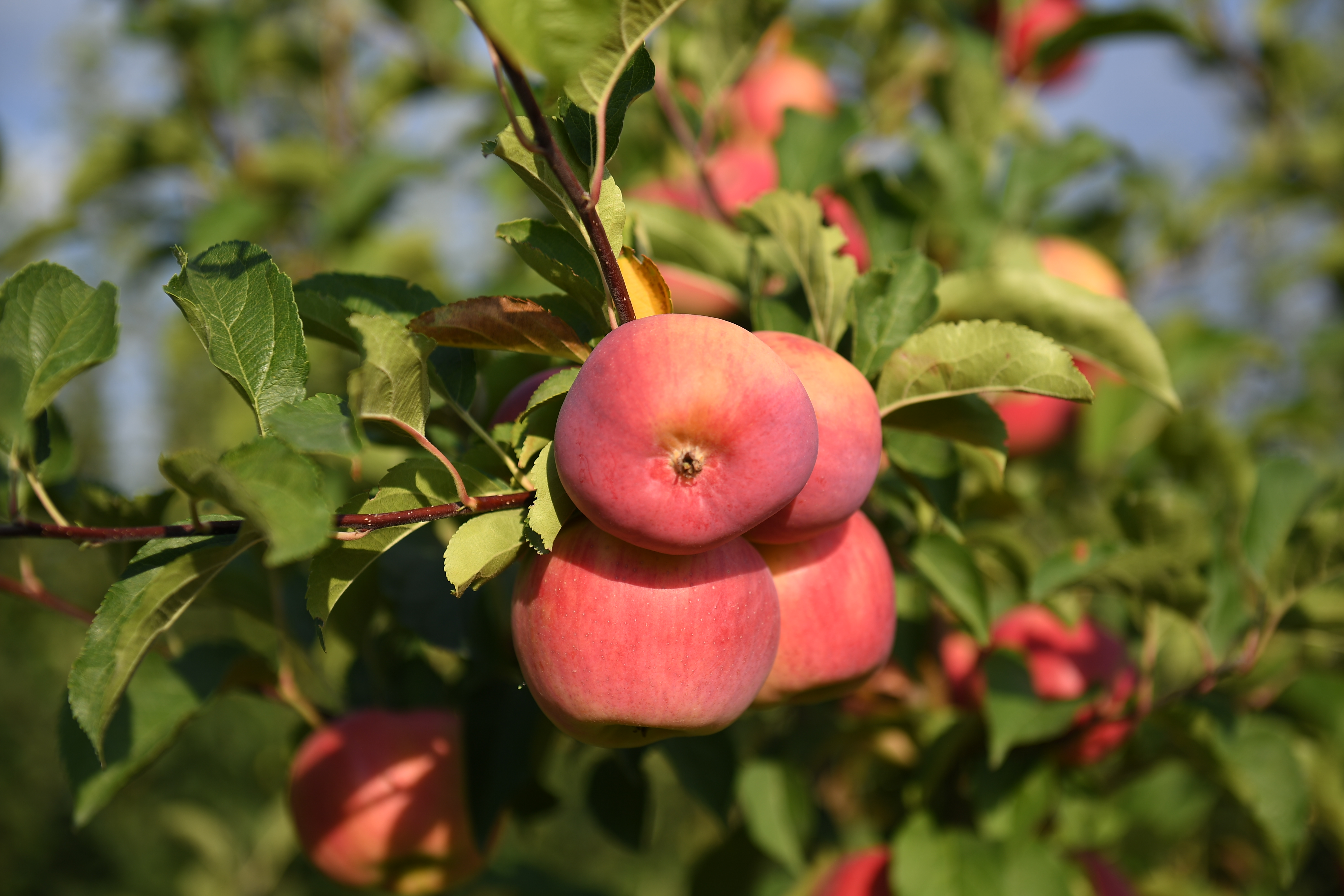
От апорта до экспорта: в Алматинской области развивают яблочное производство 10.08.2026
В этом году садоводы Алматинской области планируют собрать около 100 тысяч тонн яблок. 80% урожая будет направлено на внутренний рынок, остальные 20% - на экспорт. Яблоки из Алматинского региона в основном экспортируются в Таджикистан, Кыргызстан, Россию и Беларусь. Кроме того, 10% собранного урожая планируется использовать для производства соков, пюре, варенья и другой переработанной продукции.Сегодня общая площадь яблоневых садов в области составляет 9,9 тысячи гектаров. Из них 2,2 тысячи гектаров занимают интенсивные сады. По объемам выращивания яблок лидирует Еңбекшіқазақский район. Здесь ежегодно собирают 34,1 тысячи тонн продукции. Далее следуют Уйгурский, Талгарский, Карасайский и Жамбылский районы.В регионе выращивают 21 сорт яблок. Среди них - Алматинский апорт, Фуджи, Гала, Голден Делишес, Синап, Кандиль, Айдаред и другие распространенные сорта. Особым спросом на международном рынке пользуется сорт Гала.За последние три с половиной года в Алматинской области собрано более 282 тысяч тонн яблок, из которых 1,5 тысячи тонн экспортировано на зарубежные рынки. Экспортная выручка составила около 1 млн 549 тысяч долларов США. В настоящее время ведется работа по расширению экспорта на рынки стран Европы, Китая, Центральной Азии и Ближнего Востока. При этом планируется поставлять за рубеж не только свежие яблоки, но и переработанную продукцию - соки, сушеные яблоки, пастилу и другие изделия.Для повышения урожайности высаживаются продуктивные саженцы, внедряются системы капельного орошения и цифровые технологии, расширяются площади интенсивных садов.Особое внимание в Алматинской области уделяется развитию Алматинского апорта как бренда международного уровня. В рамках проекта по восстановлению апортовых садов увеличивается производство качественного посадочного материала и закладываются новые сады. Сегодня общая площадь апортовых садов в области составляет около 2,3 тысячи гектаров. Ежегодно здесь собирают 6,6 тысячи тонн апортовых яблок, средняя урожайность составляет 88,5 центнера с гектара.Параллельно реализуются новые проекты в сфере хранения и переработки плодово-овощной продукции. Один из них - строительство завода «QAZAQ Global Food JV», мощность которого составит 80 тысяч тонн плодоовощной продукции в год. После запуска предприятия объем переработки увеличится, а возможности для длительного хранения яблок расширятся. Это позволит реализовывать продукцию на рынке и в межсезонье, а также увеличивать экспортные поставки.В регионе также работают небольшие крестьянские хозяйства, занимающиеся выращиванием яблок. Одно из них - сад «Хишманов», расположенный в селе Әймен Еңбекшіқазақского района. Общая площадь сада составляет 14 гектаров. На 4 гектарах выращиваются саженцы. На остальных площадях разбит сад и проводятся различные эксперименты.Крестьянское хозяйство также обеспечивает работой жителей села Әймен и близлежащих населенных пунктов. Здесь на постоянной основе трудятся 15 человек, а в период сбора урожая и посадки саженцев численность работников увеличивается до 30–45 человек. В прошлом году было получено 12 тонн продукции. В этом году планируется увеличить объем до 24 - 28 тонн.При сборе яблок отходов практически не остается: вся продукция проходит специальную сортировку и используется. Практически весь урожай реализуется на территории Казахстана.«Мы работаем над размножением сортов казахстанской селекции - Анель, Айнур, Дамира, Восход и Раши, которые ранее находились на грани исчезновения». Эти сорта дают хороший урожай и отличаются прекрасным вкусом. У нас есть небольшой питомник, где в основном выращиваем саженцы для собственного сада. Изучаем, какие сорта лучше подходят для нашего региона, и только после этого начинаем выращивать их в саду», - говорит руководитель крестьянского хозяйства Руслан Хишманов.В настоящее время садоводы, которые обеспечили надлежащий уход за яблоневыми садами, уже приступили к первому сбору урожая. В области системно проводится работа по повышению урожайности яблок, сохранению и увеличению количества отечественных сортов.Расширяются площади новых садов, внедряются современные системы орошения и цифровые технологии. Одновременно приоритетное внимание уделяется развитию инфраструктуры хранения и переработки продукции, что позволит укрепить экспортный потенциал местных яблок.В перспективе эта работа позволит вывести яблочное производство области на новый уровень и увеличить объем качественной отечественной продукции.Source : https://www.gov.kz/memleket/entities/almobl/press/news/details/1271177?lang=ru

Abai is a spiritual landmark of the defenders of the Fatherland 10.08.2026
Source : https://www.gov.kz/memleket/entities/mod/press/news/details/1271112?lang=ru
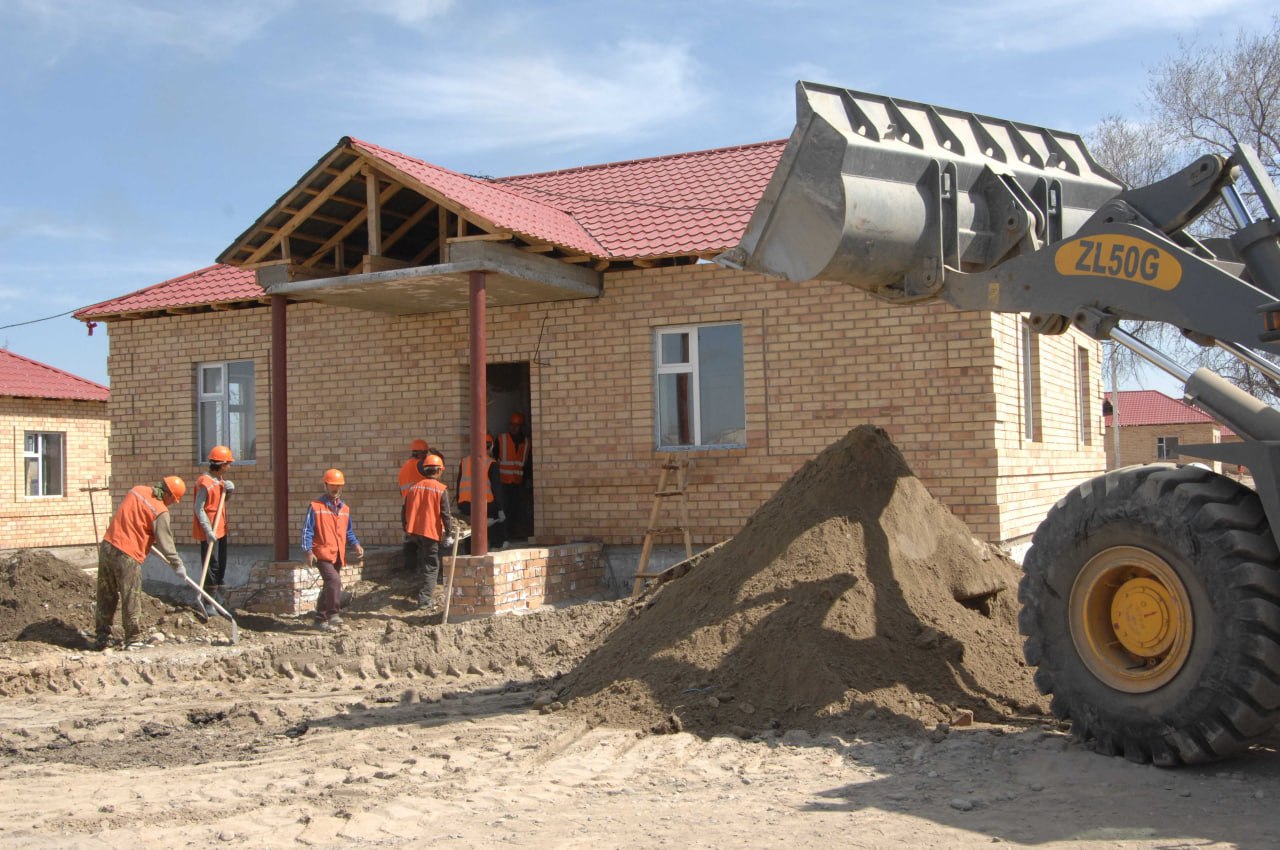
Military Development: The Foundation of the Armed Forces' Combat Readiness 09.08.2026
Source : https://www.gov.kz/memleket/entities/mod/press/news/details/1271054?lang=ru
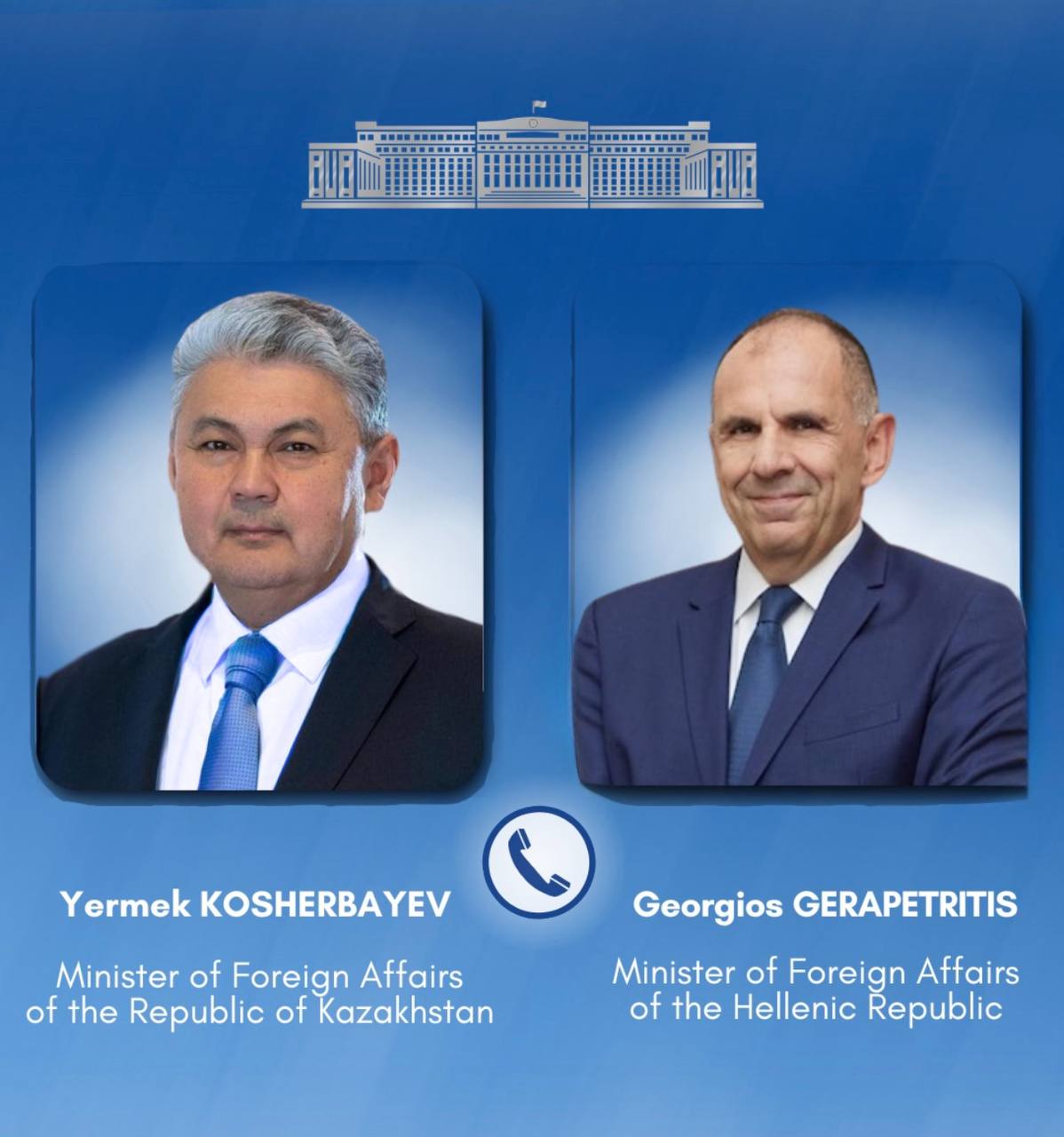
Astana and Athens Discuss Energy Security Issues 08.08.2026
Astana, August 8, 2026 – Minister of Foreign Affairs of the Republic of Kazakhstan Yermek Kosherbayev held a telephone conversation with the Minister of Foreign Affairs of the Hellenic Republic, Georgios Gerapetritis. During the conversation, the sides discussed current issues related to strengthening political dialogue, expanding trade and economic ties, as well as promising areas of cooperation.Energy cooperation was at the focus of the talks between the heads of the foreign ministries, with particular emphasis on the sustainability of global hydrocarbon transportation routes.The Ministers discussed the situation surrounding the Caspian Pipeline Consortium (CPC), a key artery supplying European markets with Kazakh oil.The sides agreed that the stable operation of the CPC directly depends on adherence to the principles of free and safe maritime navigation, and stressed that any attempts to destabilize the route are unacceptable.The diplomats also addressed a broad range of issues on the bilateral agenda, expressing their shared commitment to expanding ties in areas of mutual interest.At the conclusion of the conversation, the sides agreed to maintain regular political dialogue and continue high-level contacts. Source : https://www.gov.kz/memleket/entities/mfa/press/news/details/1271037?lang=ru
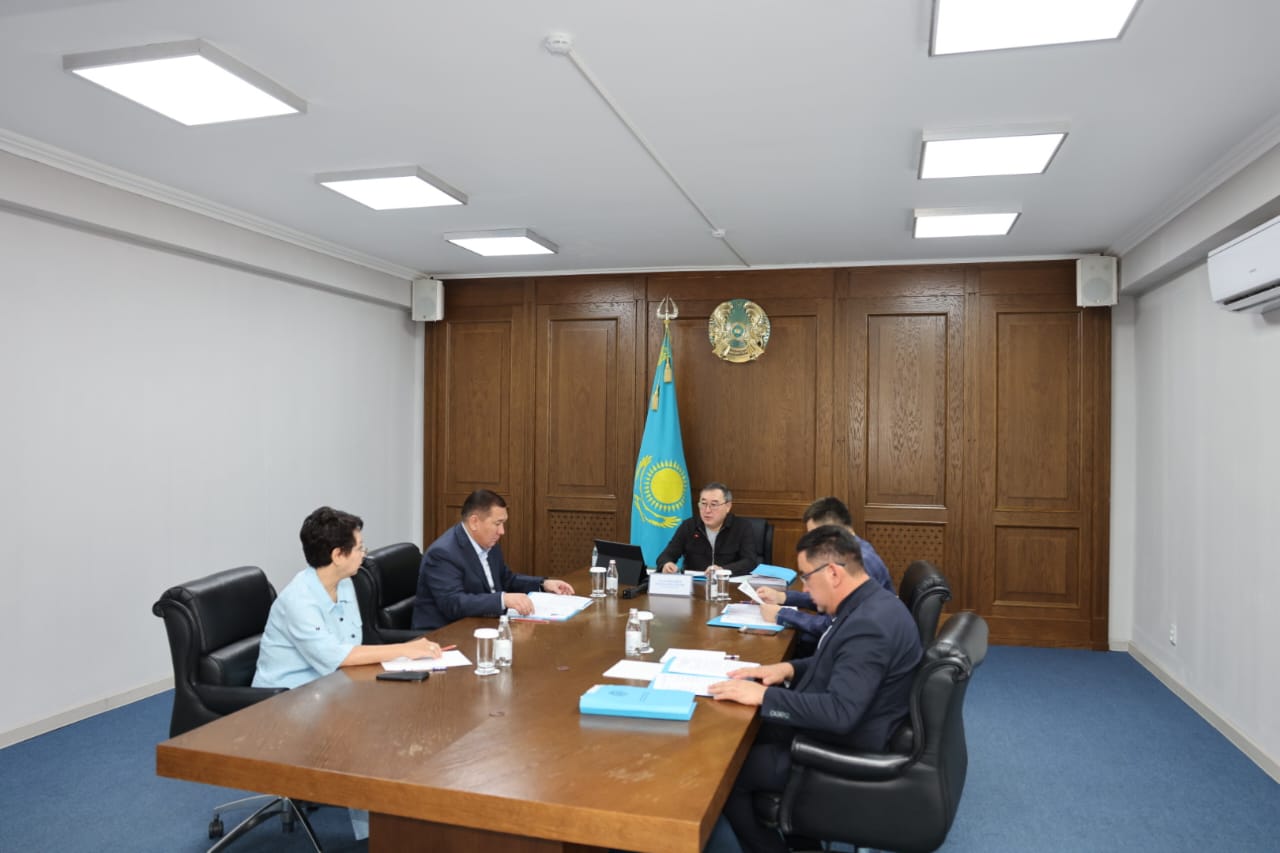
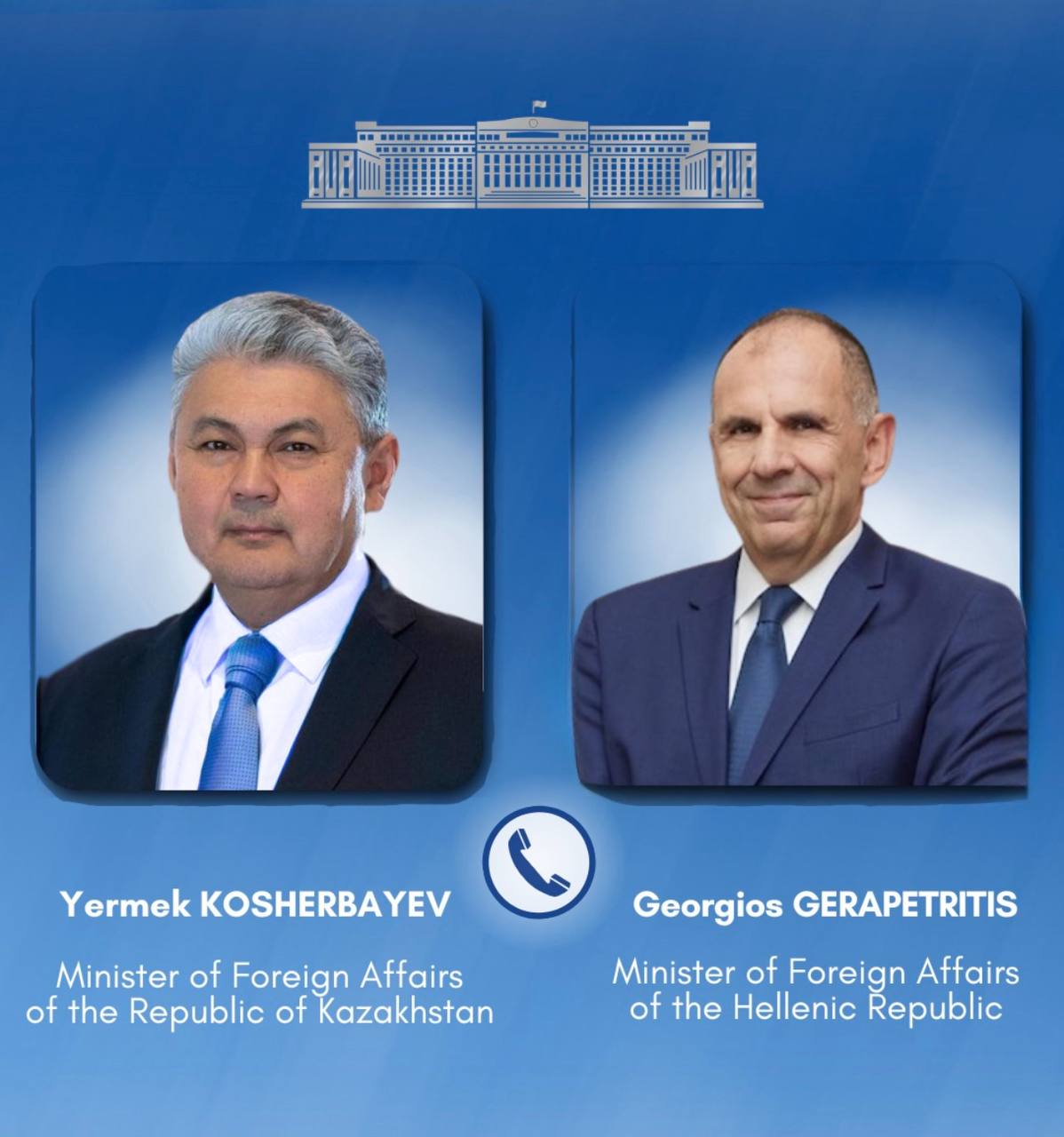
Foreign Ministers of Kazakhstan and Greece Hold Telephone Conversation 08.08.2026
Astana, August 8, 2026 – Minister of Foreign Affairs of the Republic of Kazakhstan Yermek Kosherbayev held a telephone conversation with the Minister of Foreign Affairs of the Hellenic Republic, Georgios Gerapetritis.During the conversation, the ministers reviewed the current state and prospects of Kazakhstan-Greece cooperation, reaffirming their commitment to further strengthening political dialogue, expanding trade and economic ties, and enhancing cooperation in priority areas.Particular attention was devoted to ensuring the resilience of international energy supplies. In this context, the sides exchanged views on the situation surrounding the Caspian Pipeline Consortium (CPC), one of the key export routes for transporting Kazakh oil to global markets.Emphasizing the importance of the uninterrupted operation of the CPC infrastructure and the stable supply of oil to the European market, Yermek Kosherbayev stressed the need to ensure the safety of navigation and the freedom of maritime navigation, while underscoring the inadmissibility of any actions that could jeopardize the Consortium’s operations.Foreign Ministers reaffirmed their interest in further developing practical cooperation in the energy sector and expressed their readiness to strengthen the existing mechanisms of bilateral cooperation.Concluding the conversation, Minister Kosherbayev emphasized the importance of maintaining a regular political dialogue and continuing high-level contacts. Source : https://www.gov.kz/memleket/entities/mfa/press/news/details/1271033?lang=ru

A Situation Center for providing students with dormitory accommodation has begun operations at QyzPU 08.08.2026
A Situation Center for providing students with dormitory accommodation has begun operations at QyzPUAt the initiative of the Ministry of Science and Higher Education of the Republic of Kazakhstan and the Akimat of Almaty city, the Situation Center for Providing Students with Dormitory Accommodation has traditionally opened ahead of the new academic year at the Kazakh National Women's Teacher Training University (QyzPU).The primary objective of the center, located in the university building at 142 Bogenbai Batyr Street, Almaty, is to provide prompt and effective support to students who have been unable to secure a place in a dormitory.Students who failed to reserve a room through university digital platforms or encountered difficulties during the check-in process can contact the Situation Center directly. The center's specialists promptly review each application and facilitate options for temporary housing in appropriate dormitories or partner organizations using the vacant places database.To ensure rapid service, 8 fully functional workstations have been organized at the center. Each workstation is equipped with modern computer hardware, access to digital databases, and a multi-channel communication system capable of handling up to 10 incoming calls simultaneously. This enables specialists to maintain continuous communication with local higher education institutions and dormitory administrations to resolve student issues without delay.Additionally, all necessary amenities have been provided within the center for students and visitors. It features a waiting and lounge area for applicants, a study corner, a coffee break area, as well as a conference room for conducting meetings and urgent briefings.Address of the Situation Center: 142 Bogenbai Batyr Street, AlmatyContact Numbers:+7 700 255 14 43+7 700 950 95 28+7 727 237 01 70Source : https://www.gov.kz/memleket/entities/sci/press/news/details/1271009?lang=ru

Accreditation is being digitized in Kazakhstan 07.08.2026
Laboratories, certification bodies, and inspection organizations in Kazakhstan have begun to undergo part of their mandatory assessments remotely. The National Accreditation Center of the CTRM MTI RK has already conducted 32 remote assessments, confirming that the digital format allows maintaining a high level of objectivity, independence, and quality of procedures. The transition to remote assessment has become the next stage in the digitalization of the national accreditation system. The new mechanism reduces time and organizational costs for businesses, lowers the administrative burden, and contributes to more efficient use of public resources. At the same time, the key principles of accreditation remain unchanged, such as independence, competence, and reliability of results. As experts note, in 2026, remote assessment is being conducted in a pilot mode during the second scheduled assessments. As early as 2027, the National Accreditation Center plans to expand the practice and extend the remote format to all scheduled assessments. At the same time, conducting assessments in a remote format is not mandatory. This mechanism is applied only to accreditation entities that meet the established criteria and have the necessary technical capabilities for remote interaction. To implement the new format, the Center has developed a set of methodological documents, including the working instruction «Remote Assessment», recommendations for assessors, and a feedback questionnaire for accreditation entities. This will ensure a unified, transparent, and clear approach to conducting remote assessments, as well as improve the mechanism based on practical experience and feedback from process participants.Source : https://www.gov.kz/memleket/entities/mti/press/news/details/1270748?lang=ru
The Concept of Anti-Corruption Policy of the Republic of Kazakhstan for 2022–2026 identifies as one of the priority areas the formation of an anti-corruption culture in society, principles of integrity, increasing legal literacy of citizens, as well as strengthening sustainable intolerance to any manifestations of corruption. 07.08.2026
The Concept of Anti-Corruption Policy of the Republic of Kazakhstan for 2022–2026 identifies as one of the priority areas the formation of an anti-corruption culture in society, principles of integrity, increasing legal literacy of citizens, as well as strengthening sustainable intolerance to any manifestations of corruption.Source : https://www.gov.kz/memleket/entities/kostanay/press/news/details/1270705?lang=ru
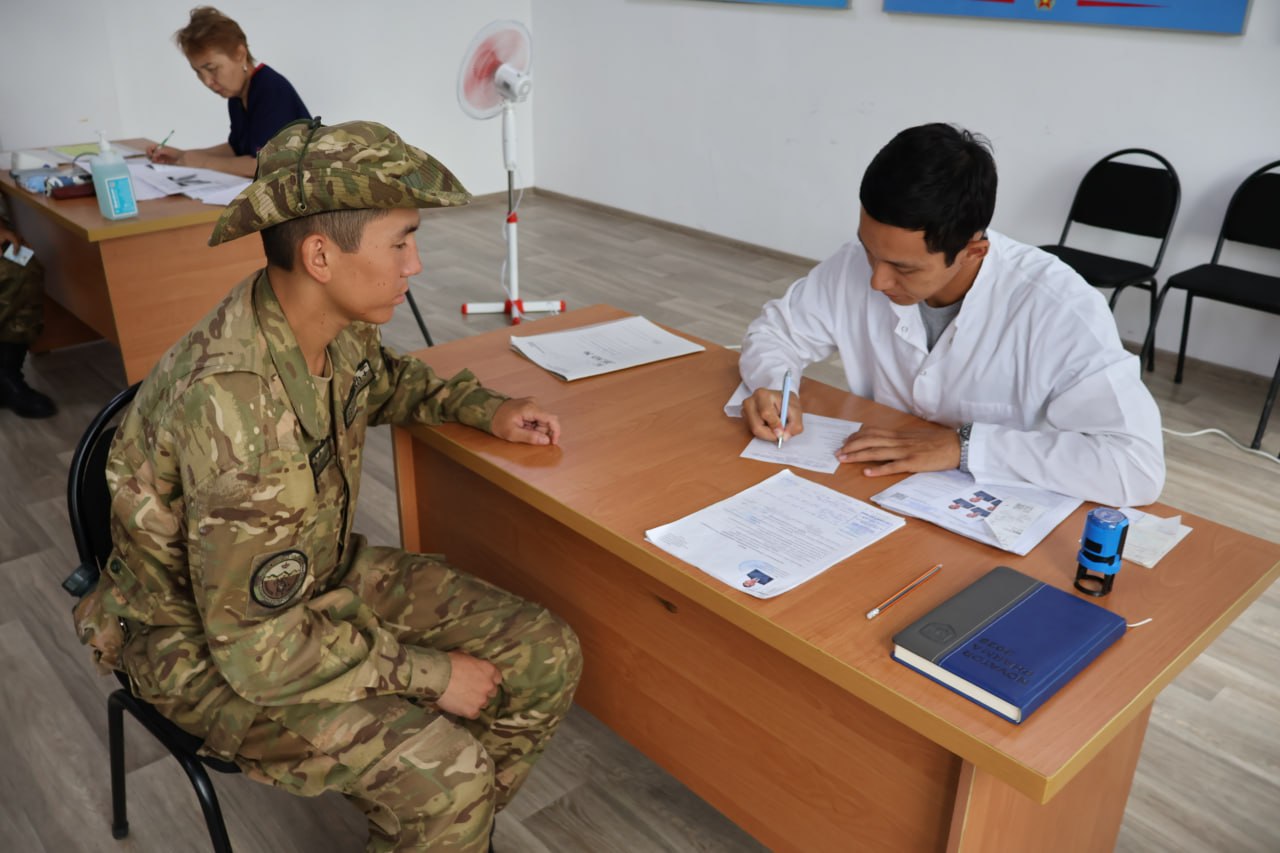
Candidates are being selected at the higher educational institutions of the Ministry of Defense 07.08.2026
Source : https://www.gov.kz/memleket/entities/mod/press/news/details/1270625?lang=ru
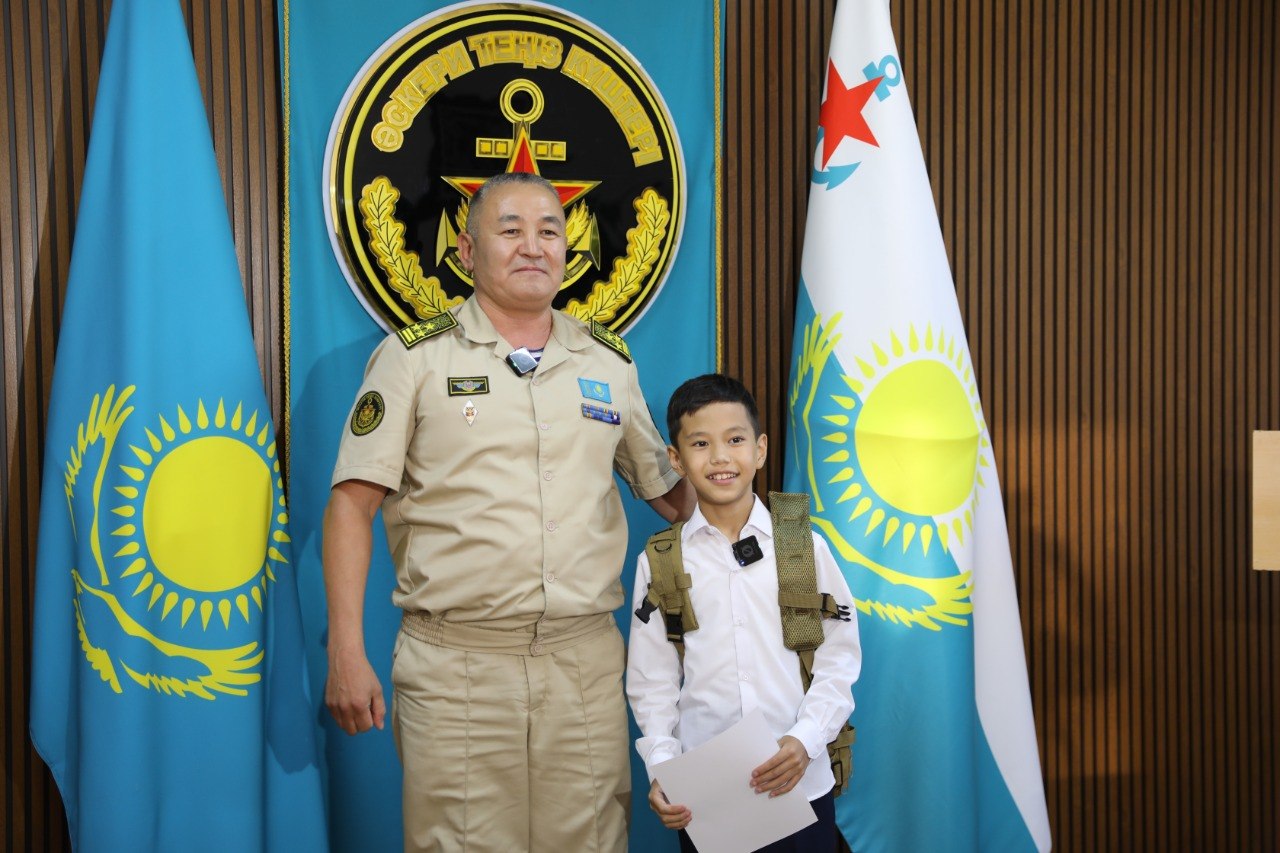
The Armed Forces launched a challenge to read the works of Abai 07.08.2026
Source : https://www.gov.kz/memleket/entities/mod/press/news/details/1270426?lang=ru
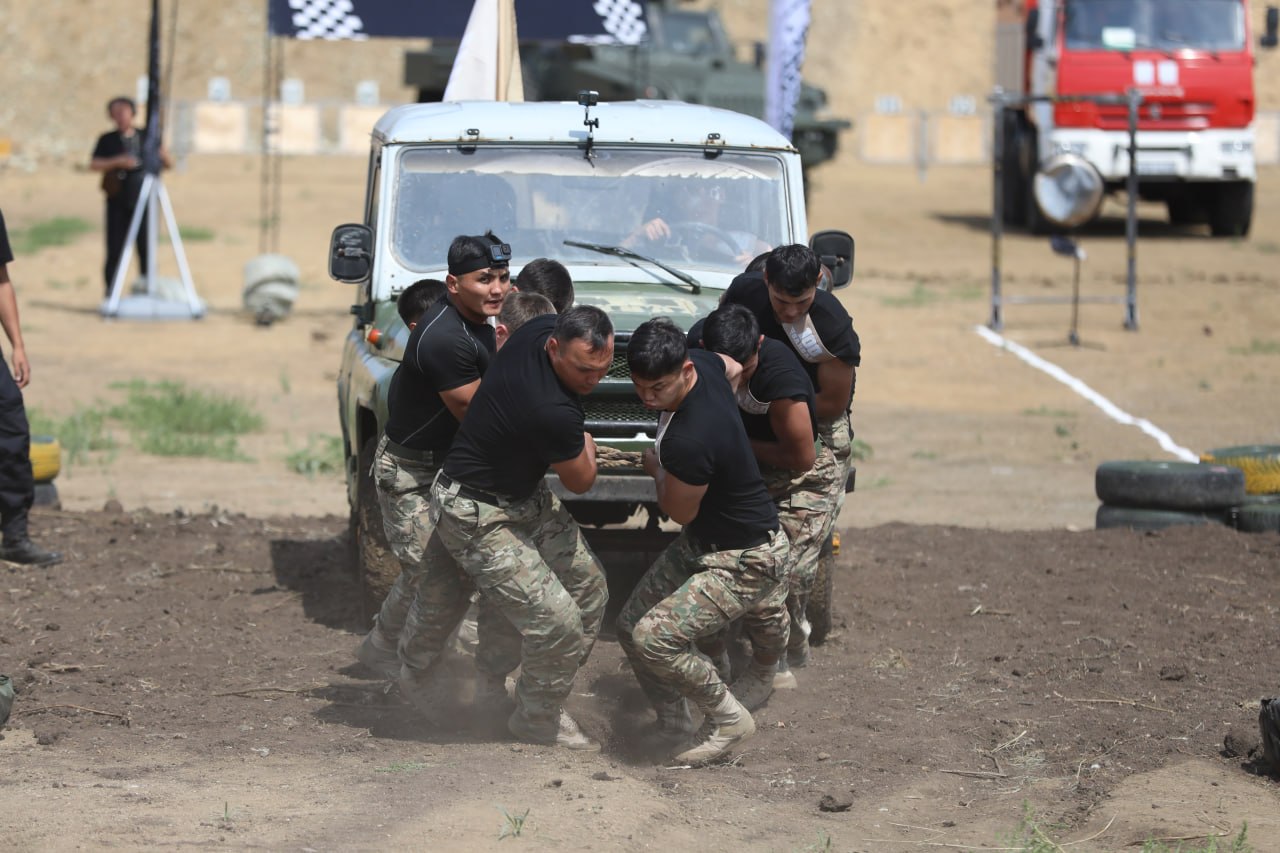
The "100 Sarbaz" reality show is taking place in the Borovoe resort area 07.08.2026
Source : https://www.gov.kz/memleket/entities/mod/press/news/details/1270254?lang=ru
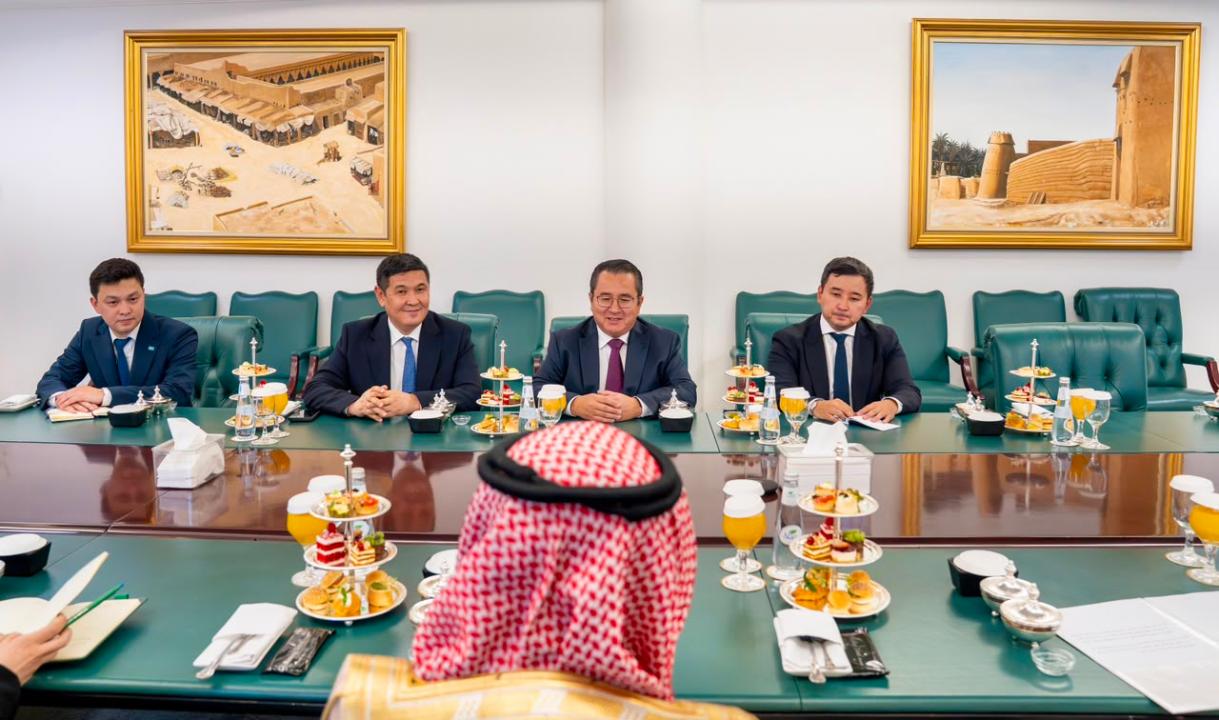
Kazakhstan and Saudi Arabia Discuss Priorities for Multilateral Cooperation 07.08.2026
Deputy Minister of Foreign Affairs of the Republic of Kazakhstan Arman Issagaliyev held meeting with Deputy Minister of Foreign Affairs of the Kingdom of Saudi Arabia for International Multilateral Affairs Abdulrahman Al-Rassi.During the conversation, the parties positively noted the dynamic development of Kazakh-Saudi relations, based on the principles of friendship and mutually beneficial partnership.Particular attention was paid to cooperation between Kazakhstan and Saudi Arabia within international and regional organizations, including the coordination of approaches and mutual support for the two countries’ initiatives in multilateral fora.The parties also reviewed the schedule of upcoming bilateral engagements at the high and highest levels, emphasizing the importance of achieving concrete agreements and practical outcomes.Following the meeting, the parties agreed to maintain an active and constructive dialogue between the foreign ministries of the two countries.Source : https://www.gov.kz/memleket/entities/mfa/press/news/details/1270752?lang=ru
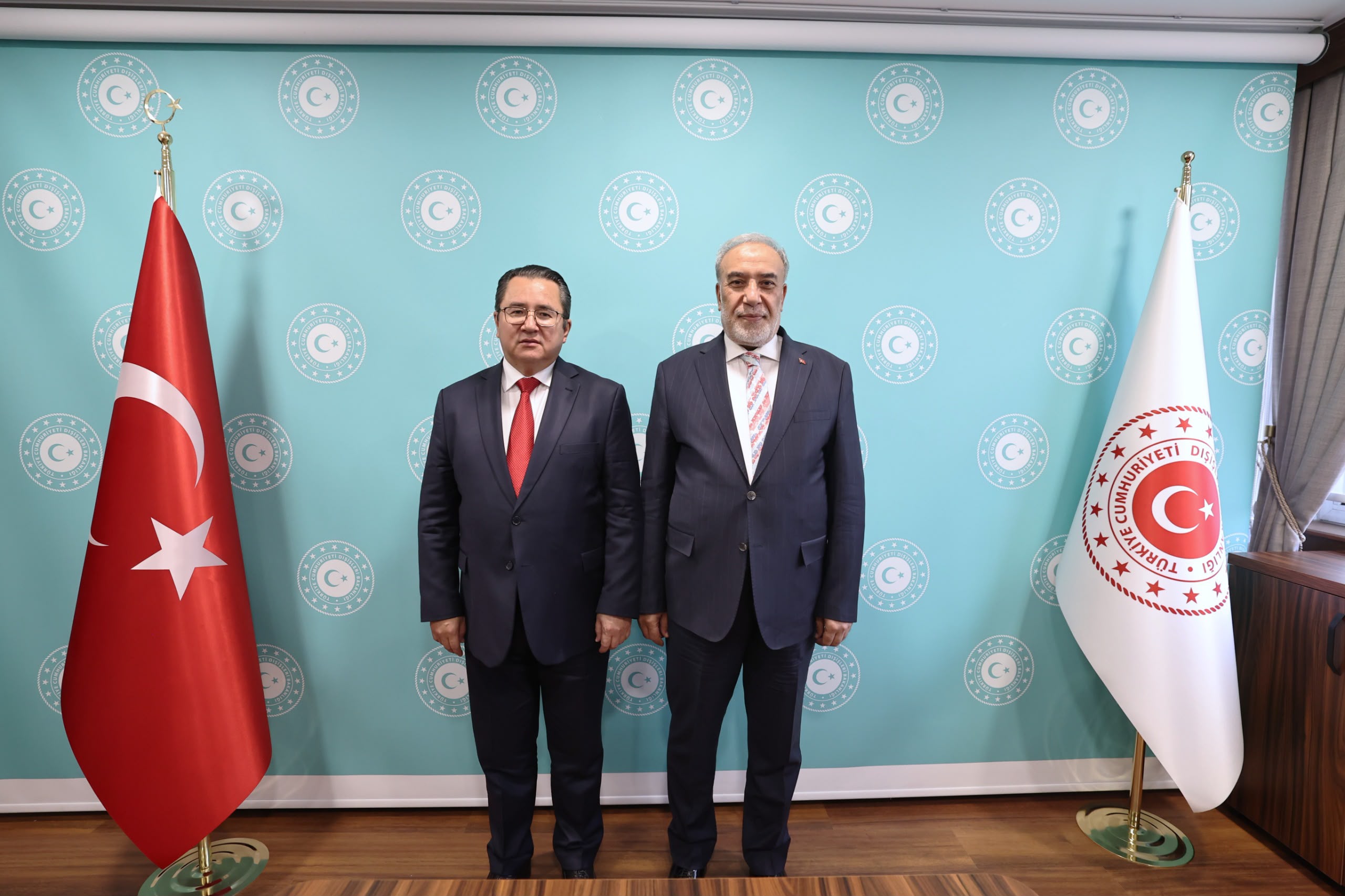
Kazakhstan and Türkiye Strengthen Political Dialogue 06.08.2026
Ankara, 5 August 2026 – During his working visit to Ankara, Deputy Minister of Foreign Affairs of the Republic of Kazakhstan Arman Issagaliyev held negotiations with Deputy Ministers of Foreign Affairs of the Republic of Türkiye Ayşe Berris Ekinci and Musa Kulaklıkaya.During the meetings, special attention was paid to opportunities for further strengthening relations based on an enhanced strategic partnership, covering a wide range of political, trade-economic, and cultural-humanitarian fields.The parties exchanged views on the progress of bilateral and multilateral cooperation between Kazakhstan and Türkiye, as well as current issues on the regional agenda, and outlined concrete steps to implement the agreements reached at the high and highest levels.Ways to develop cooperation within international platforms, including the Organization of Islamic Cooperation and the Organization of Turkic States, were discussed.Following the meetings, the sides reaffirmed their commitment to continuing effective cooperation on a systematic basis in the discussed areas.Source : https://www.gov.kz/memleket/entities/mfa/press/news/details/1270184?lang=ru