Law
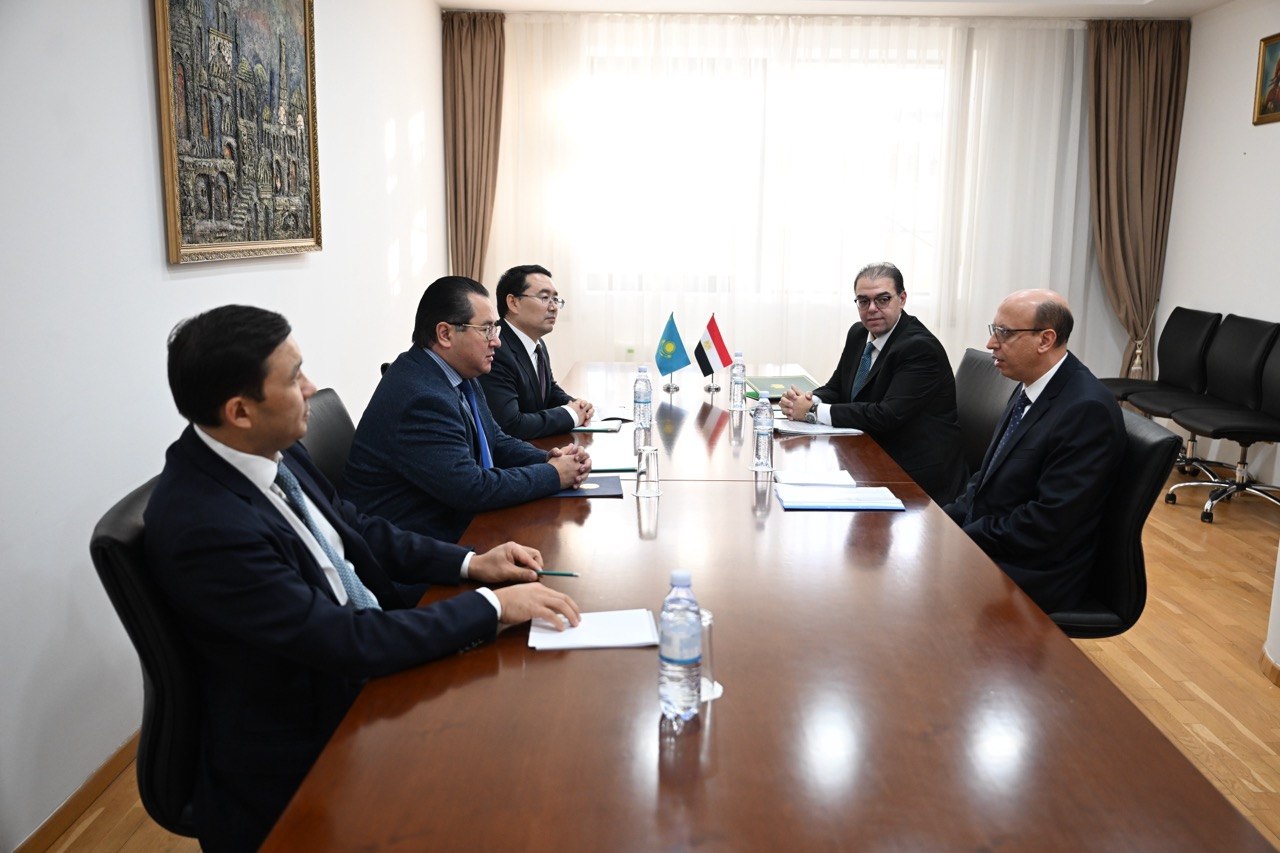
Kazakhstan’s Deputy Foreign Minister Receives Egyptian Ambassador 27.10.2026
Astana, 15 October 2026 – Deputy Minister of Foreign Affairs of the Republic of Kazakhstan Arman Issagaliyev received Ambassador of the Arab Republic of Egypt to Kazakhstan Sameh Shehata.During the meeting, the parties discussed current issues of bilateral political, trade and economic, cultural and humanitarian, and consular cooperation, including ways of easing visa requirements for Kazakhstani citizens.The sides exchanged views on preparations for upcoming high-level events and agreed to expand the treaty and legal framework of bilateral relations.Source : https://www.gov.kz/memleket/entities/mfa/press/news/details/1311843?lang=ru
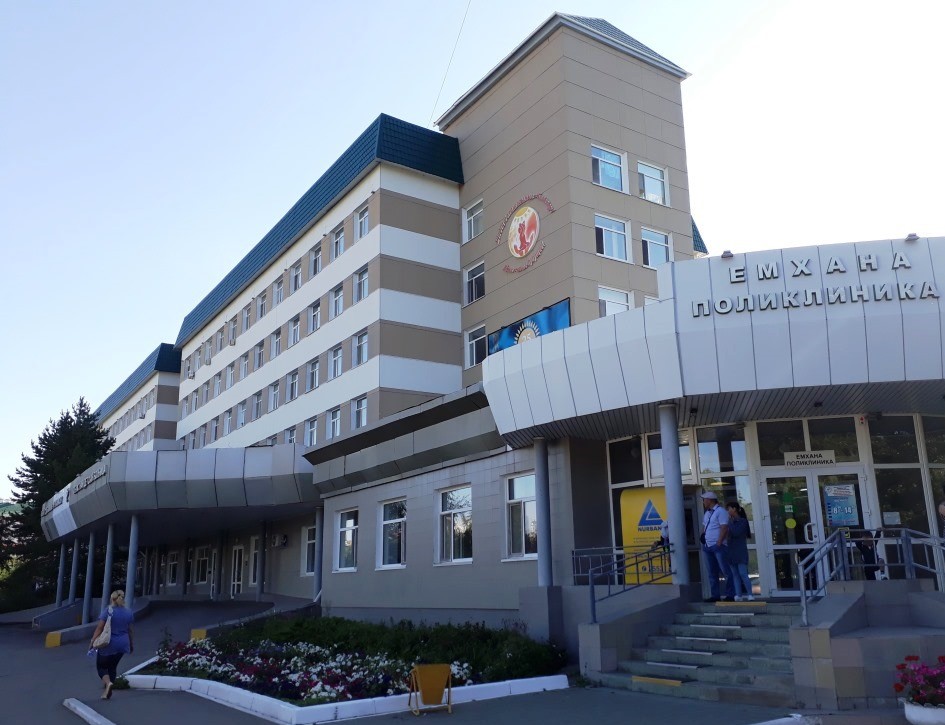
Regional Children’s Hospital to Reopen 26.10.2026
The issue surrounding the Kostanay Regional Children’s Hospital, which has been non-operational since 2021, has been resolved. The facility will undergo a complete major renovation. This was announced by Regional Akim Kumar Aksakalov.The regional akim noted that the development of the design and cost estimate documentation, which had taken more than a year, has been completed. Most importantly, the funding issue has been resolved.The funds required for the hospital’s renovation have been allocated in full from the national budget.“This is good news for our region. The necessary procedures have now been completed, and we are ready to begin renovation works before the end of this year,” the regional akim said.According to the regional akim, the project предусматривает not only a major renovation of the building but also equipping the hospital with modern medical equipment.It is worth noting that the closure of the Kostanay Regional Children’s Hospital has been a frequent source of public criticism in recent years. Parents had to take their children to other hospitals for treatment. Now, the region’s main paediatric medical facility is set to resume operations.Source : https://www.gov.kz/memleket/entities/kostanay/press/news/details/1311622?lang=ru
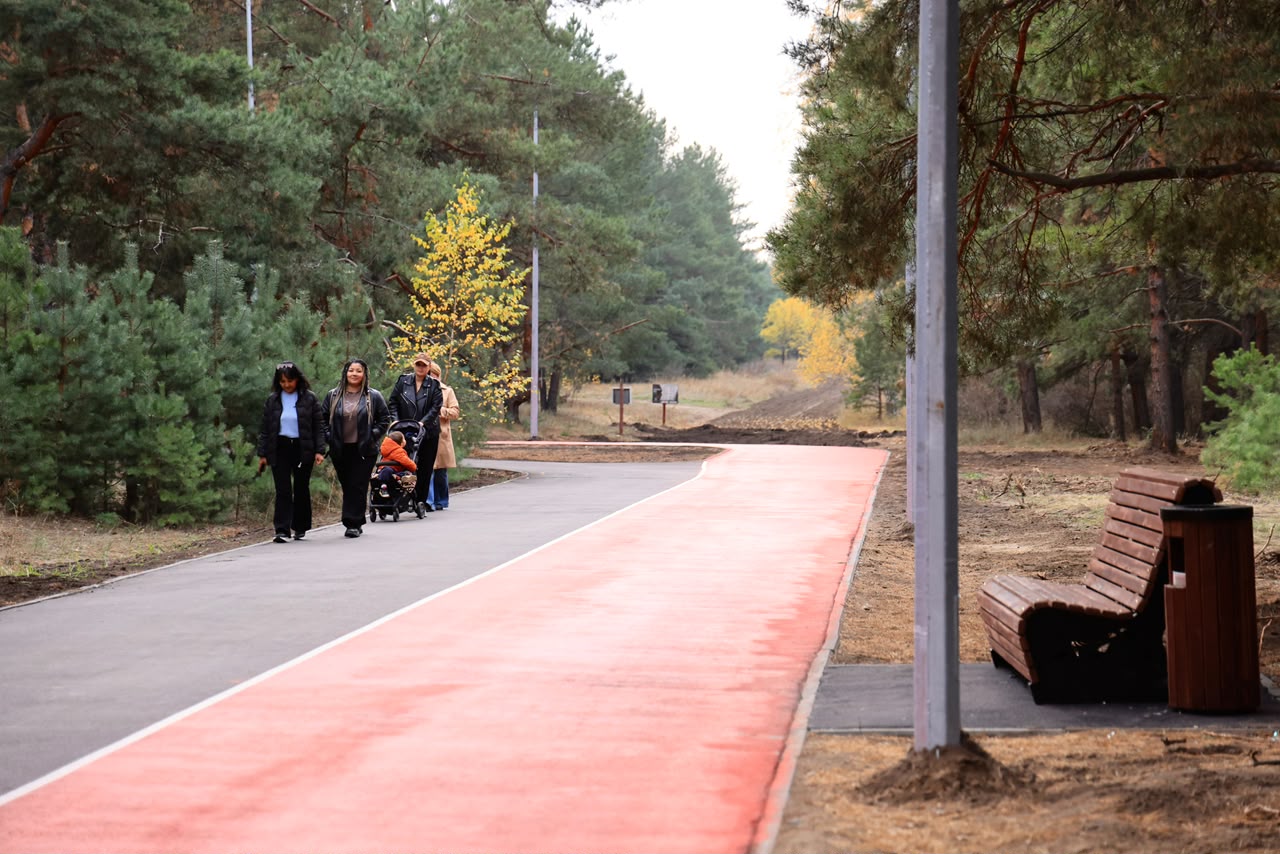
An Eco-Park Covering Nearly 44 Hectares Opens in Kostanay Region 26.10.2026
The opening of a 43.8-hectare eco-park on the outskirts of Kostanay marks a significant event in the region’s environmental and cultural life. The opening ceremony of the park, valued at KZT 660 million, was attended by Regional Akim Kumar Aksakalov, renowned weightlifter and four-time world champion Ilya Ilyin, regional community activists, athletes, and young volunteers.The new eco-park is located in a forested area of the Michurinsky Rural District in Kostanay District. It is designed to provide residents with opportunities for recreation, sports, and spending time in nature. The project was implemented as part of the nationwide “Taza Kazakhstan” initiative.Speaking at the opening ceremony, Kumar Aksakalov emphasised the importance of implementing the Head of State’s directive to establish eco-parks near major cities and regional centres.The new eco-park features the infrastructure necessary for active recreation. It includes a football field, a workout area, a children’s playground, a running track, and a car park.The running track is 2,015 metres long and covers an area of 5,030 square metres. The children’s playground occupies 5,050 square metres. The eco-park also features entrance gates and an underpass. The underpass will connect the park with the developing Astana residential area, making it easier for residents to access the new recreational space.The total cost of the project amounts to KZT 660 million. Construction and landscaping works were completed this year.Speaking at the opening ceremony, Kumar Aksakalov highlighted the importance of creating such public spaces.“Work to develop public spaces in Kostanay is continuing systematically. Last year alone, five parks and public gardens were opened in the city. Next year, efforts to improve the Bereke, Yubileiny, and Konai residential neighbourhoods and transform them into modern public spaces will continue,” the regional akim said.According to the regional akim, the eco-park will give residents opportunities to engage in sports, spend quality time with their families, and relax in nature. Such spaces also help foster a culture of responsible environmental stewardship.“Environmental protection is not only about preserving nature but also about creating a comfortable living environment for people. That is why we must pay particular attention to greening the areas surrounding settlements, increasing the number of green spaces, and developing public areas for residents. Such facilities allow families to spend time together, children to grow up closer to nature, and residents to enjoy an active lifestyle,” the regional akim said, highlighting the importance of environmental initiatives.According to the regional akim, efforts to develop similar public spaces across the region will continue. These initiatives should extend beyond the regional centre to include other cities and rural settlements.At the opening ceremony, Ilya Ilyin, Honoured Master of Sport of the Republic of Kazakhstan, four-time world champion in weightlifting, and winner of the Asian Games, congratulated those in attendance and emphasised the importance of sports and a healthy lifestyle.His participation in the event reflected the goals of the initiative, which aims to promote mass participation in sports and encourage residents to lead more active lives. The new eco-park will allow residents not only to enjoy walks but also to go running and take part in other physical activities.Several initiatives aimed at protecting the environment and improving environmental conditions are being implemented in Kostanay Region.According to the regional akim, an eco-taxi service has been launched in Kostanay. The region is also developing renewable energy sources. Currently, two solar power plants and five wind farms are operating in the region. In addition, separate waste collection practices are being introduced in rural areas.These measures are aimed at developing a green economy, reducing environmental pressure, and fostering environmental awareness.The new eco-park will provide residents of Kostanay District with opportunities to relax in nature, take walks with their children, and engage in sports. Its infrastructure includes everything needed for comfortable recreation, from walking and running paths to children’s playgrounds and sports facilities. Source : https://www.gov.kz/memleket/entities/kostanay/press/news/details/1311600?lang=ru
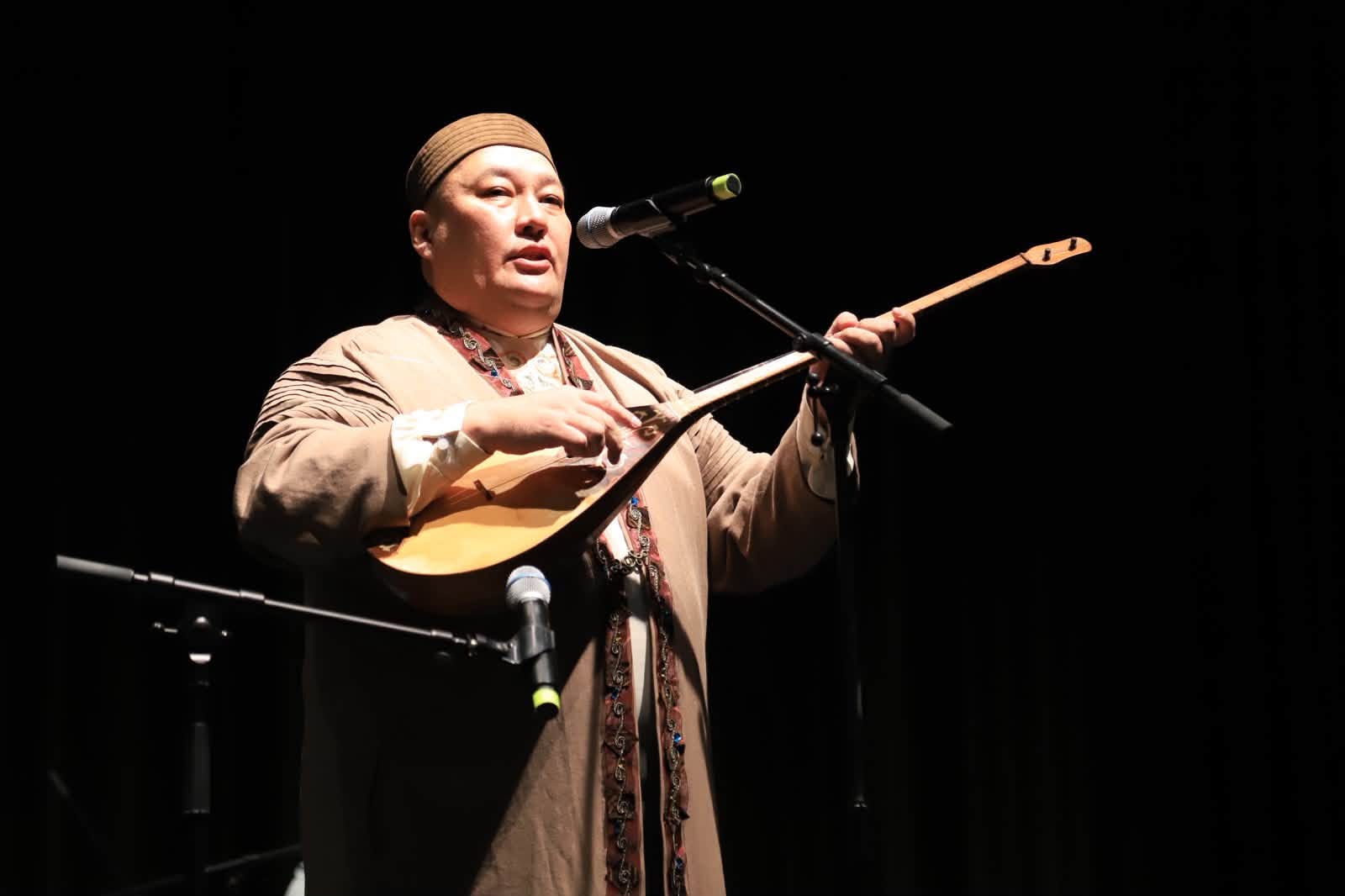
Kazakh Art in Berlin 25.10.2026
In Berlin, the capital of Germany, artists from Kyzylorda held a celebratory concert in honor of Republic Day. The event was attended by Nurlan Onzhanov, Ambassador of Kazakhstan to Germany, representatives from the Embassy and the Kazakh diaspora, members of the diplomatic corps, as well as compatriots living in Berlin and local culture enthusiasts.Organized with the support of the Kyzylorda Regional Akimat, this cultural event aimed to promote the rich spiritual heritage, national arts, and cultural values of the Kazakh people on an international stage, while also showcasing the creative output of the Kyzylorda region to an overseas audience.The delegation of artists represented national art with distinction, demonstrating the richness and distinctiveness of Kazakh culture. The concert featured the "Akmeshit" folklore ensemble, cultural figures Serik Zhaksygulov and Marat Sugirbay, and award-winning performers from international and national competitions—Aidos Shadayev, Gulnaz Nagashybay, Rinat Usenov, Aruzhan Toregali, and Rano Sabankulova. The "Tomiris" dance ensemble further enriched the evening by presenting the finest examples of national choreography.The concert opened with a kuy by Korkyt, a figure who has become a symbol of the Kazakh people’s spiritual heritage. The program included gems of the zhyrau tradition, folk songs, examples of aitys, and patriotic compositions. This diverse program, which highlighted the multifaceted nature of national art, underscored the continuity of creative traditions that have been carefully preserved over the centuries.As part of the event, guests were treated to dishes from traditional Kazakh cuisine, offering them an introduction to the nation’s renowned hospitality and the culture of the dastarkhan. This sparked great interest among the audience in the customs and national values of the Kazakh people.The tour by artists from Kyzylorda represents an important step toward promoting our culture internationally, strengthening creative ties, and showcasing Kazakhstan’s cultural potential. By sharing the sounds of Kazakh songs and kuys with an international audience, the performers vividly presented the spiritual richness of their home region and once again demonstrated the enduring vitality of their national art. The artists received a warm welcome and enthusiastic applause from the audience in Berlin.Source : https://www.gov.kz/memleket/entities/kyzylorda/press/news/details/1311536?lang=ru
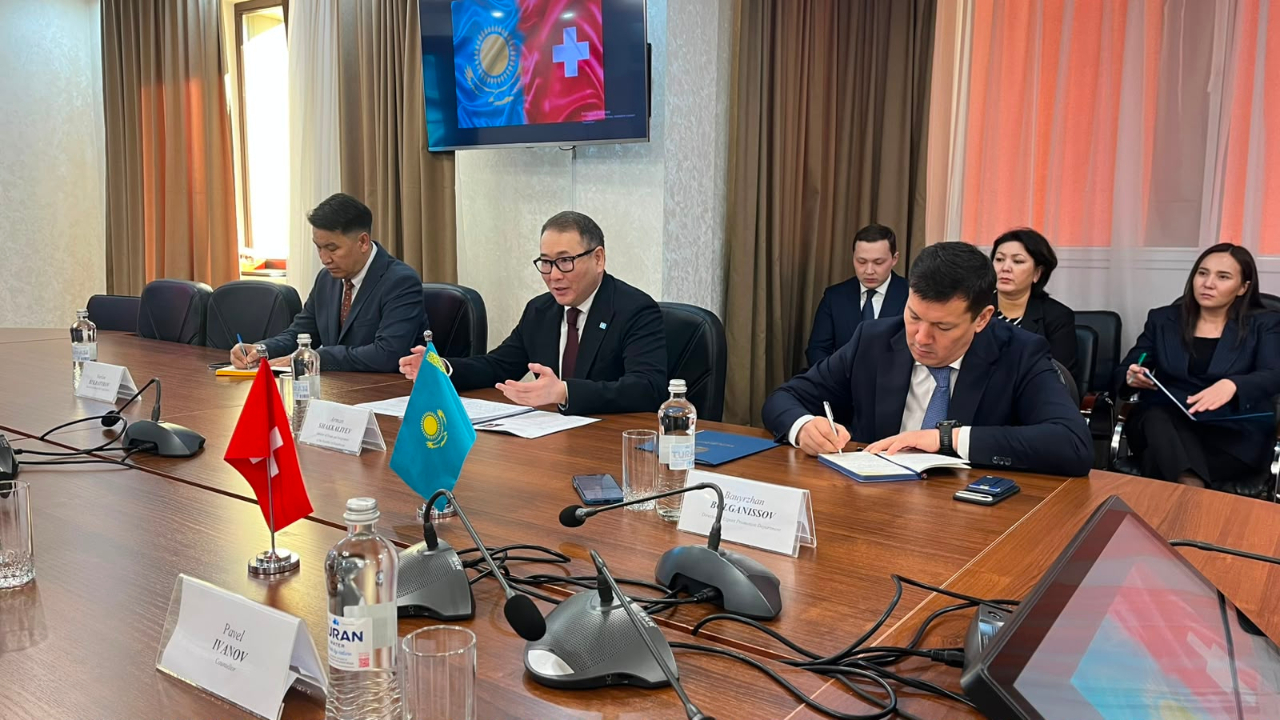
Kazakhstan Plans to Increase Exports of Processed Goods to Switzerland 25.10.2026
“From January to August 2026, trade turnover between Kazakhstan and Switzerland amounted to USD 1,120.9 million, which is 19.3% higher than in the same period last year.”This was announced by Kazakhstan’s Minister of Trade and Integration, Arman Shakkaliyev, during a meeting with the Ambassador of the Swiss Confederation, Ms. Christina Honegger.The meeting took place ahead of the Minister’s upcoming working visit to the Swiss Confederation. The 12th meeting of the Commission on Trade and Economic Cooperation is scheduled to take place in Bern on October 22. The parties discussed strengthening bilateral trade and economic ties, as well as prospects for expanding mutual trade and investment cooperation.During the first eight months of this year, Kazakhstan’s exports to Switzerland increased by 15.4%, reaching USD 820.5 million.According to the Minister, Kazakhstan has the potential to increase exports of processed goods to Switzerland across 30 product categories. The most promising sectors include metallurgy, food processing, petrochemicals, mechanical engineering and chemicals. Potential export products include aluminium, rolled steel, ferroalloys, sunflower oil, flour, pasta and confectionery.In turn, Swiss Ambassador Christina Honegger supported the Minister’s position and expressed Switzerland’s commitment to further strengthening trade and economic relations between the two countries.It is worth noting that Switzerland is one of Kazakhstan’s largest investors. Over the past 20 years, Swiss investment in Kazakhstan has exceeded USD 36 billion. Today, around 400 companies with Swiss capital operate in the country.Source : https://www.gov.kz/memleket/entities/mti/press/news/details/1311488?lang=ru
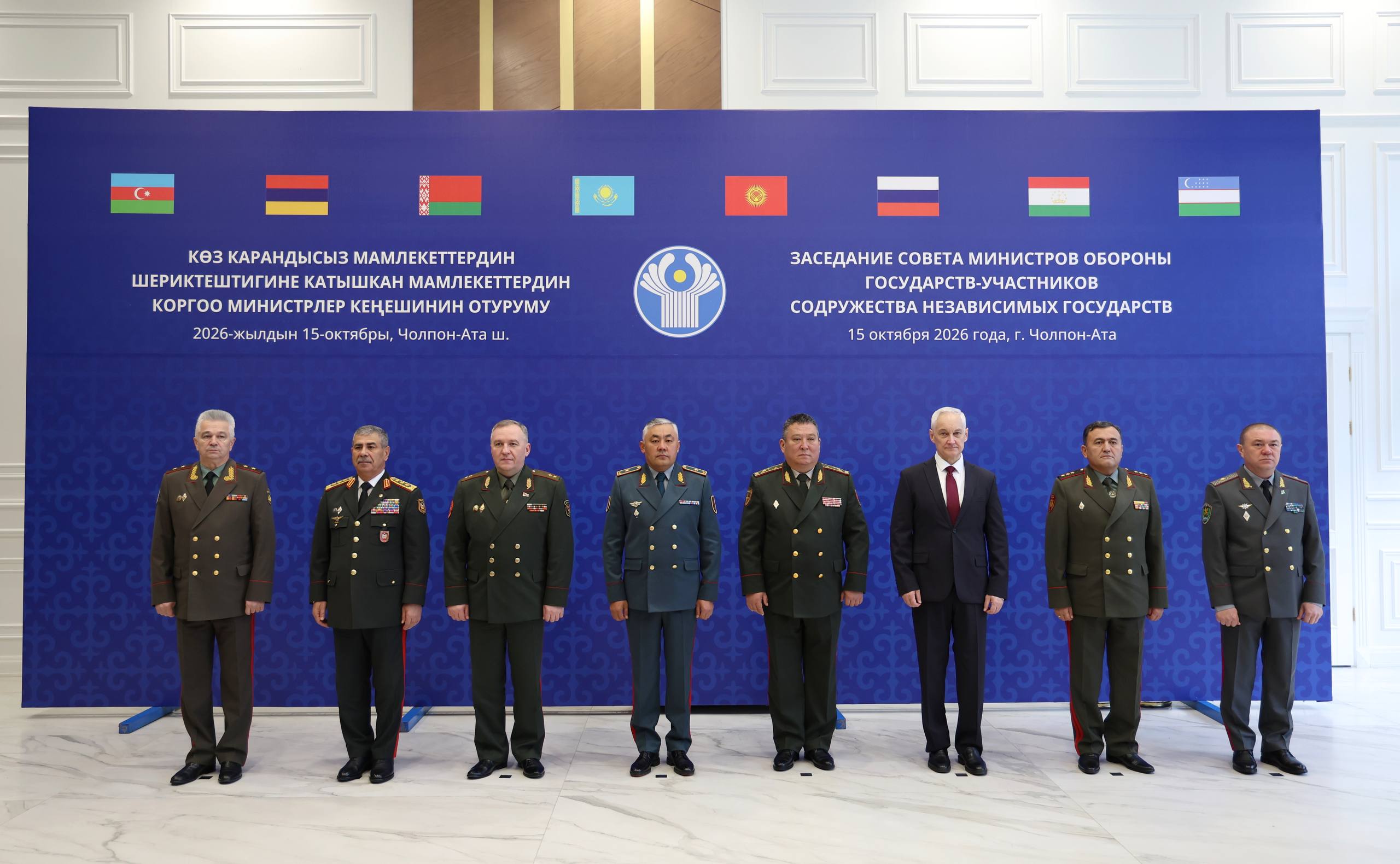
Kazakhstan’s Minister of Defense Participated in the Meeting of the CIS Council of Defense Ministers in Cholpon-Ata 24.10.2026
Руководитель оборонного ведомства Республики Казахстан генерал-майор Айдос Мырзахметов принял участие в заседании Совета министров обороны государств – участников СНГ в Кыргызстане.Стороны рассмотрели основные приоритеты и результаты деятельности рабочих органов Совета в 2026 году по развитию военного сотрудничества в области образования, кадровой политики, учебно-боевой подготовки и другие вопросы многосторонней повестки. Также обсужден план работы на 2027 год.Отдельное внимание было уделено развитию сотрудничества в области армейского спорта и военно-патриотического воспитания молодежи.По итогам заседания подписаны документы, регламентирующие дальнейшее военное сотрудничество государств – участников Содружества.В рамках заседания министр обороны Республики Казахстан провёл ряд двусторонних встреч со своими коллегами. Стороны обменялись мнениями по вопросам военного сотрудничества.Source : https://www.gov.kz/memleket/entities/mod/press/news/details/1311345?lang=ru
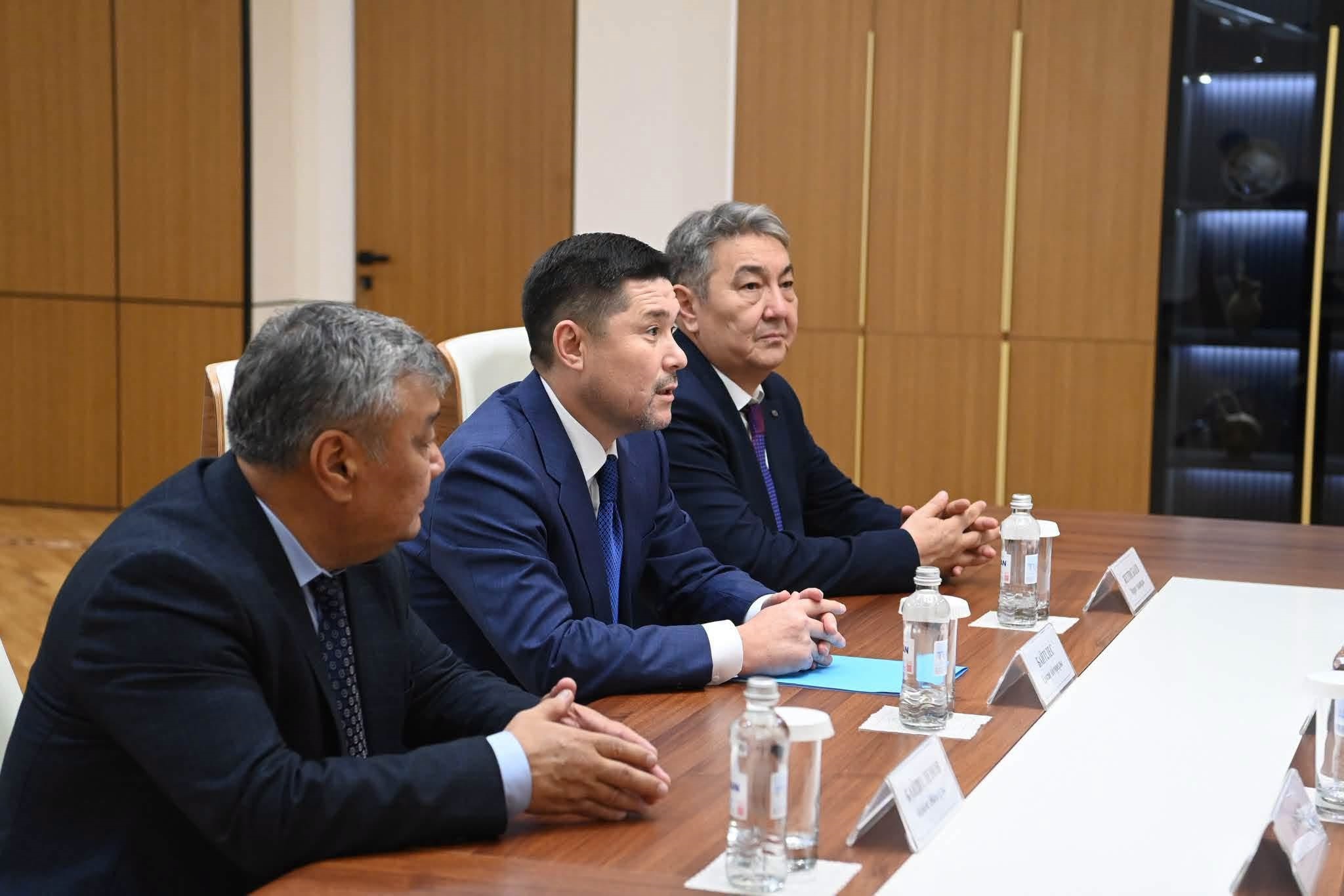
The head of the region held a meeting with the general director of Kazakh Gazetteri LLP 23.10.2026
Regional Akim Murat Ergeshbayev met with Erzhan Baitiles, General Director of "Kazakh Gazetteri" LLP, who began his working tour of the regions in the Kyzylorda region. The regional head congratulated him on his appointment as the leader of one of the country’s most respected media holdings, highlighting Erzhan Aitoreevich’s long-standing dedication, professionalism, and organizational skills in the field of journalism.During the meeting, the two sides discussed in detail how to strengthen cooperation between regional and national media outlets."As a native of Kyzylorda, you are well-acquainted with life in your home region and the needs of its people. We believe your experience will help strengthen the ties between the region’s information landscape and that of the nation as a whole. Today, enriching the content of the national press, developing high-quality material in the Kazakh language, and bolstering the standing of traditional journalism are among our most critical tasks. These publications provide extensive coverage of the large-scale reforms initiated by the President, while keeping the public informed about significant developments in the country’s socio-political, cultural, and spiritual life. I am confident that your knowledge and experience will pave the way for new initiatives in this ongoing, systematic work. I wish you continued success in your service to the country—elevating the prestige of the national press and fostering the professional growth of young journalists",- said Murat Nalkhozhayevich."Kazakh Gazetteri" LLP is a creative organization that encompasses several publications of great significance to the nation’s media landscape, including "Egemen Kazakhstan", "Kazakhstanskaya Pravda", "Ana Tili", "Akikat", "Mysl", "Uyghur Avazi", "Ulan", "Ak Zhelken", "Baldyrgan", and "Druzhnye Rebyata". At the conclusion of the meeting, Erzhan Aitoreevich expressed his gratitude and put forward a number of proposals aimed at providing broad coverage of the region’s achievements at the national level and promoting spiritual and cultural values.Source : https://www.gov.kz/memleket/entities/kyzylorda/press/news/details/1311183?lang=ru
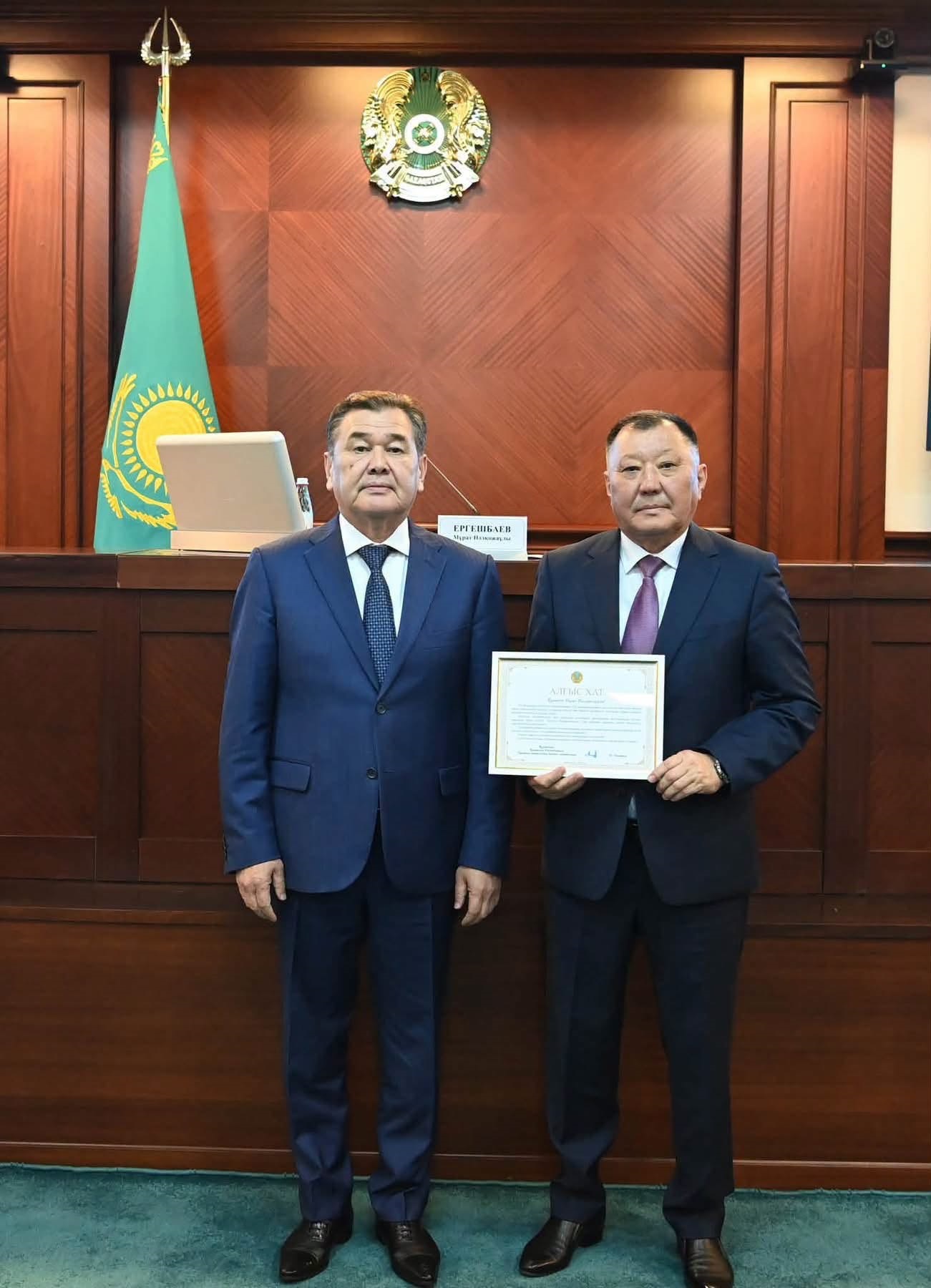
The head of the region met with deputies of the regional maslikhat of the VIII convocation 23.10.2026
Regional Akim Murat Ergeshbayev met with deputies of the 8th convocation of the regional Maslikhat. The meeting was attended by members of the intelligentsia, heads of law enforcement agencies, and directors of regional departments and territorial offices. Akims of cities and districts, as well as deputies of city and district Maslikhats, joined the meeting via an online link.At the fifth meeting of the National Kurultai, held in Kyzylorda, the Head of State announced political reforms, which led to the adoption of a new Constitution through a national referendum. The Kurultai and the People’s Council of Kazakhstan have since commenced their work.As part of the constitutional modernization, systems of local public administration and self-governance are being developed in parallel. Earlier this week, the Head of State signed a decree on the early termination of the powers of Maslikhats at all levels. This marks an important milestone, consolidating the initiatives put forward at the National Kurultai. Recently, the Central Election Commission scheduled elections for deputies of Maslikhats at all levels for November 29.During the meeting, the head of the region acknowledged the contribution of the deputies to the development of the region."In 2023, the 8th convocation of the Maslikhat began its work, comprising representatives from various political parties. This has enabled a comprehensive discussion of local issues.In this regard, it is worth noting that the Maslikhat deputies have effectively fulfilled their responsibilities. Having earned the trust of the public, these representatives established strong ties with both government bodies and their constituents, playing an active role in major political campaigns initiated by the President. They consistently raised pressing issues aimed at improving the population's quality of life and contributed to their effective resolution." "During the period when the region was led by First Deputy Prime Minister Nurlybek Mashbekovich, the collaboration between local maslikhats and executive authorities played a crucial role in addressing issues related to the budget, social facilities, and regional development",- said Murat Nalkhozhaevich.During the meeting, individuals who had made significant contributions to the region's socio-economic development were honored with letters of appreciation from First Deputy Prime Minister Nurlybek Nalibayev and the regional akim, as well as with certificates of honor from the Kyzylorda region and medals "For Contribution to the Development of the Kyzylorda Region."Speakers at the event included public figure Bekmyrza Elamanov, Chairman of the Regional Veterans' Council Serik Duisenbayev, and Murat Tleumbetov, who previously served as Chairman of the regional maslikhat.Deputies of the VIII convocation brought pressing issues faced by the region's residents to the agenda and facilitated their resolution. Systematic oversight was established to ensure the efficient and targeted expenditure of budget funds, and cooperation with government agencies was secured to address the needs and requests of the public.At the initiative of the deputies, a number of settlements in the Aral and Kazaly districts were provided with access to natural gas and centralized drinking water supplies. Support was also provided for the rational use of water resources, the resolution of challenges in agriculture and crop production, and developments in construction, road and transport infrastructure, and logistics.Furthermore, extensive work was carried out to foster entrepreneurship, improve the quality of education and healthcare services, support culture and the arts, enhance rural infrastructure, and promote grassroots sports.Source : https://www.gov.kz/memleket/entities/kyzylorda/press/news/details/1311168?lang=ru
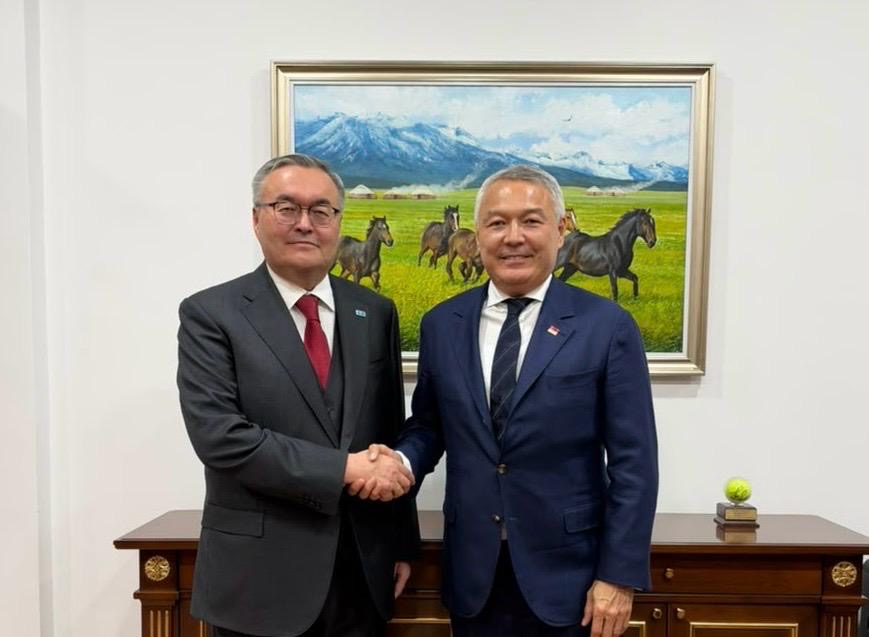
Kazakhstan’s Foreign Minister Receives Honorary Consul of Singapore 23.10.2026
Astana, 13 October 2026 - Minister of Foreign Affairs of the Republic of Kazakhstan Mukhtar Tileuberdi received the Honorary Consul of the Republic of Singapore in Kazakhstan Talgat Chinikeyev.During the meeting, the parties discussed the activities of the Honorary Consulate and exchanged views on further strengthening bilateral cooperation between Kazakhstan and Singapore. Special attention was given to joint projects, including the strategic involvement of the Singaporean company Changi Airports International in the construction and development of Kazakhstan's airport infrastructure.The parties reaffirmed their mutual commitment to deepening trade, economic, and investment partnerships. Source : https://www.gov.kz/memleket/entities/mfa/press/news/details/1311078?lang=ru
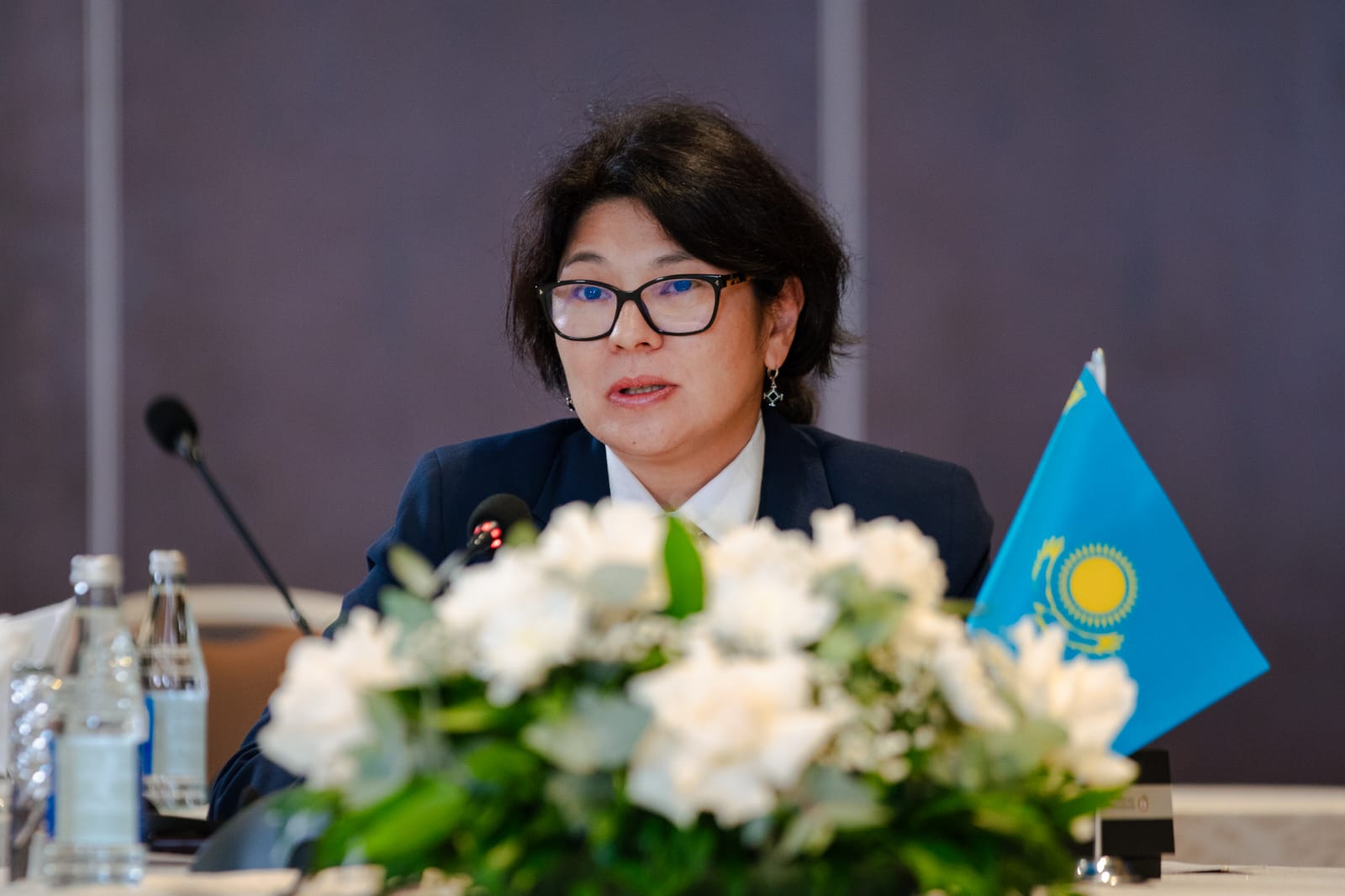
The Second Meeting of the Heads of Intellectual Property Offices of the Member States of the Organization of Turkic States Held in Baku 23.10.2026
Sholpan Abdreeva, Chair of the Intellectual Property Rights Committee of the Ministry of Justice of the Republic of Kazakhstan, participated in the Second Meeting of the Heads of Intellectual Property Offices of the Member States of the Organization of Turkic States (OTS), held in Baku.During the meeting, the participants discussed issues related to the protection of intellectual property rights, current developments in artificial intelligence, and prospects for the establishment of a Turkic States Patent Organization.The Kazakhstani side emphasized the importance of enshrining the protection of intellectual property in the new Constitution and reaffirmed its commitment to strengthening cooperation among the OTS member states.Following the meeting, a Joint Declaration was adopted. The participants also agreed that the next meeting of the heads of the relevant authorities would be held in Kazakhstan.Source : https://www.gov.kz/memleket/entities/adilet/press/news/details/1311056?lang=ru

The draft republican budget for 2027 provides for 10.5 trillion tenge for human capital. 21.10.2026
The Minister of Finance of the Republic of Kazakhstan, Madi Takiyev, presented at the plenary session of the Kurultai the draft Law “On the Republican Budget for 2027–2029”. The document was prepared based on the forecast of socio economic development up to 2030, considering budgetary and macroeconomic risks. “The main goal is to maintain a balance between stimulating economic growth, maintaining financial discipline, and unconditionally fulfilling all the state’s social obligations to its citizens. The central element of this budget is investment in people and for people,” Madi Takiyev emphasized. In 2027, revenues of the republican budget are projected at 25.4 trillion tenge, and expenditures at 30.2 trillion tenge. The deficit will amount to 4.6 trillion tenge, or 2.3% of GDP. It is planned to increase own revenues to 23.4 trillion tenge by 2029. In 2027, 10.5 trillion tenge, or 35% of the total budget, are allocated for human capital. Of this amount, 6.9 trillion tenge will be allocated for social assistance and support, and 2.5 trillion tenge for healthcare. The funding covers the guaranteed volume of free medical care, drug provision, and health insurance. In the field of education and science, measures are envisaged to provide health improvement and rehabilitation for 18,000 children, to improve the qualifications of 76,000 teachers, to enhance educational methodology in 217 “Keleshek Mektepterі” schools, and to provide approximately 25,000 dormitory places for students, master’s and doctoral candidates. 60.4 billion tenge has been allocated for a new pool of scientific projects. The total amount of expenditure aimed at stimulating economic development will amount to 7.5 trillion tenge. Over a three year period, it is planned to implement 347 strategic projects in the areas of transport and logistics, social infrastructure, energy, and water resources, using funds from the National Fund. Their implementation will create about 31,000 jobs and ensure access to infrastructure benefits for approximately 13 million people. The draft law continues to be discussed at meetings of working groups and committees of the Kurultai.Source : https://www.gov.kz/memleket/entities/minfin/press/news/details/1310700?lang=ru
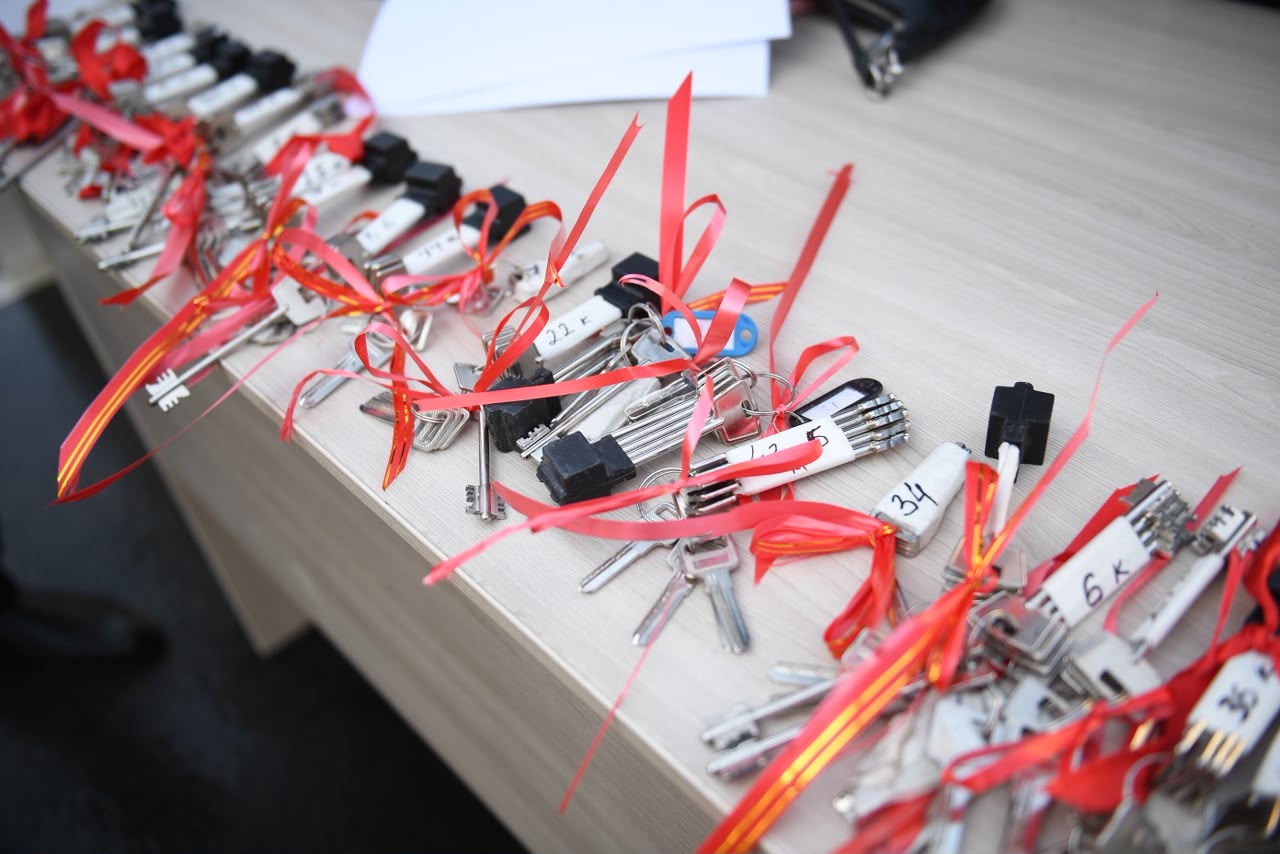
In the Almaty Region, families from socially vulnerable groups have received housing. 21.10.2026
Сегодня в Талгарском районе Алматинской области 29 семей получили ключи от новых квартир. Среди новосёлов — многодетные матери, граждане с особыми потребностями, родители, воспитывающие детей с особыми потребностями, а также семьи, лишившиеся кормильца.В торжественной церемонии вручения ключей от квартир в селе Тузусай принял участие аким Алматинской области Чингис Аринов, который поздравил новосёлов с долгожданным событием и выразил пожелания благополучия и счастья, сообщает пресс-служба акима Алматинской области.Глава региона отметил, что обеспечение населения жильём является одной из важных задач, поставленных Президентом страны.«Глава государства Касым-Жомарт Токаев неоднократно подчёркивал, что повышение благосостояния населения и создание комфортных условий для жизни граждан — одни из главных задач государства. В этом контексте вопрос обеспечения жильём занимает особое место.Численность населения Алматинской области ежегодно увеличивается. Это свидетельствует о развитии региона и его привлекательности для жизни. Собственное жильё — важная составляющая благополучия каждой семьи. Получение ключей от квартиры сегодня стало исполнением заветной мечты, к которой новосёлы шли долгие годы. Наличие собственного дома укрепляет уверенность в завтрашнем дне и создаёт основу для стабильного будущего.Вопросы граждан, состоящих в очереди на получение жилья, всегда находятся в центре нашего внимания. В дальнейшем мы продолжим системную работу в этом направлении, уделяя особое внимание увеличению жилищного фонда», — сказал Чингис Аринов.В настоящее время в Талгарском районе в очереди на получение жилья состоят около 7,5 тысячи граждан. За последние два года в районе было приобретено 459 квартир, из которых 275 уже переданы новым владельцам. Сегодня ключи от жилья получили ещё 29 семей.Среди новосёлов — Зиягуль Ержанова, которая воспитывает ребёнка с особыми потребностями.«Мы встали в очередь на жильё в 2015 году. И вот спустя 11 лет дождались этого долгожданного момента — наконец получили собственную квартиру. Разделить нашу радость приехал аким области, который лично поздравил нас с новосельем. Он также подарил электрическую плиту и телевизор, необходимые для дома. Для нас это большая помощь.Мне понравились планировка и качество двухкомнатной квартиры. Здесь большие окна, светлые комнаты и красивый вид на горы. Выражаю благодарность Президенту страны, акиматам области и района за оказанную поддержку», — поделилась жительница.Source : https://www.gov.kz/memleket/entities/almobl/press/news/details/1310654?lang=ru
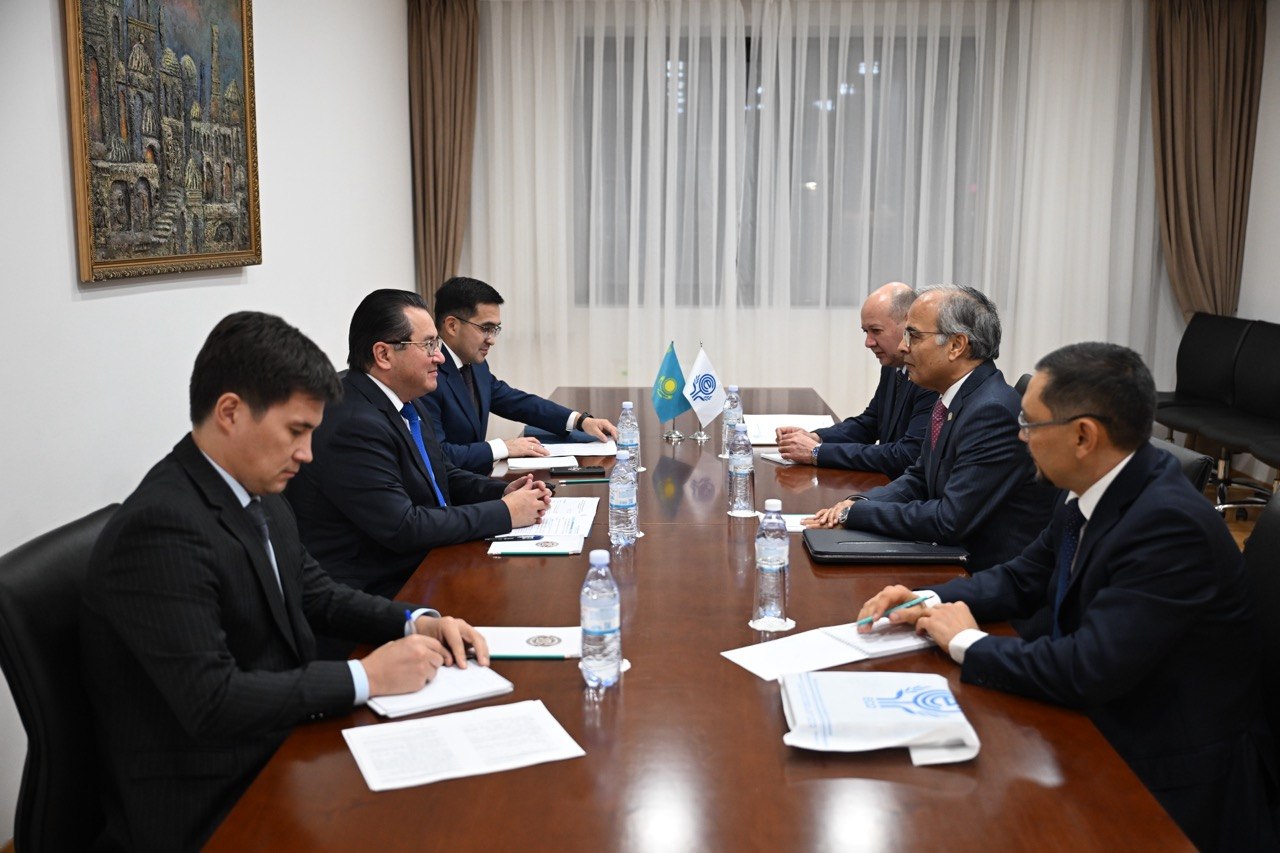
Kazakhstan and ECO Cooperation was Discussed at the Kazakhstan Foreign Ministry 21.10.2026
Deputy Minister of Foreign Affairs of the Republic of Kazakhstan Arman Issagaliyev received Secretary-General of the Economic Cooperation Organization (ECO) Asad Majeed Khan, who arrived in Astana to participate in the 14th Meeting of the ECO Ministers of Transport.Deputy Minister Issagaliyev emphasized that, as one of the key participants in the development of international transport corridors, Kazakhstan attaches particular importance to strengthening transport and logistics cooperation within the ECO framework. In this regard, he highlighted the importance of practical engagement and the implementation of joint projects in priority areas.Secretary-General Khan warmly commended Kazakhstan’s contribution to the Organization’s activities and expressed confidence in the further deepening of cooperation.The parties also discussed preparation for the 30th Meeting of the ECO Council of Ministers of Foreign Affairs, scheduled to take place in Islamabad on 15–16 November this year, and exchanged views on current issues of the international and regional agenda.Source : https://www.gov.kz/memleket/entities/mfa/press/news/details/1310600?lang=ru

From Shubat to Camelccino: Kazakhstan Develops a Standard for Camel Milk 21.10.2026
Kazakhstan has approved a national standard for pasteurized camel milk. The standard establishes uniform product requirements and aims to help domestic enterprises expand their product range and develop exports. The document will come into force on November 1, 2026.The national standard ST RK 4050-2026, “Pasteurized Camel Milk. Technical Specifications,” was approved by Order No. 41-NQ of September 11, 2026, issued by the Chair of the Technical Regulation and Metrology Committee of the Ministry of Trade and Integration of the Republic of Kazakhstan.The document was developed by the Kazakhstan Institute of Standardization and Metrology (KazStandard) under the National Standardization Plan for 2026. The applicant was Antigen Research and Production Company LLP.In Kazakhstan, camel milk has traditionally been used to produce fermented dairy drinks such as shubat and kymyran. Over the past 15–20 years, global interest in camel milk has grown, along with the range of products made from it.Camel milk is used to produce ice cream and confiture, as well as in coffee-based drinks. For example, it can be used to prepare camelccino, a camel-milk version of cappuccino. Pasteurized camel milk is used in the production of such products.The new standard establishes requirements for product quality and safety, labelling, packaging, transportation and storage. It also defines common terminology, product classifications and indicators for assessing product characteristics.The standard will enable producers to expand their product range for domestic and international markets. The countries of the Eurasian Economic Union, China and the Middle East are considered promising export destinations.The introduction of uniform requirements is intended to support Kazakhstani producers and strengthen their competitiveness. Developing this sector will also help diversify exports and increase the international recognition of Kazakhstan’s camel-milk products.Source : https://www.gov.kz/memleket/entities/mti/press/news/details/1310577?lang=ru
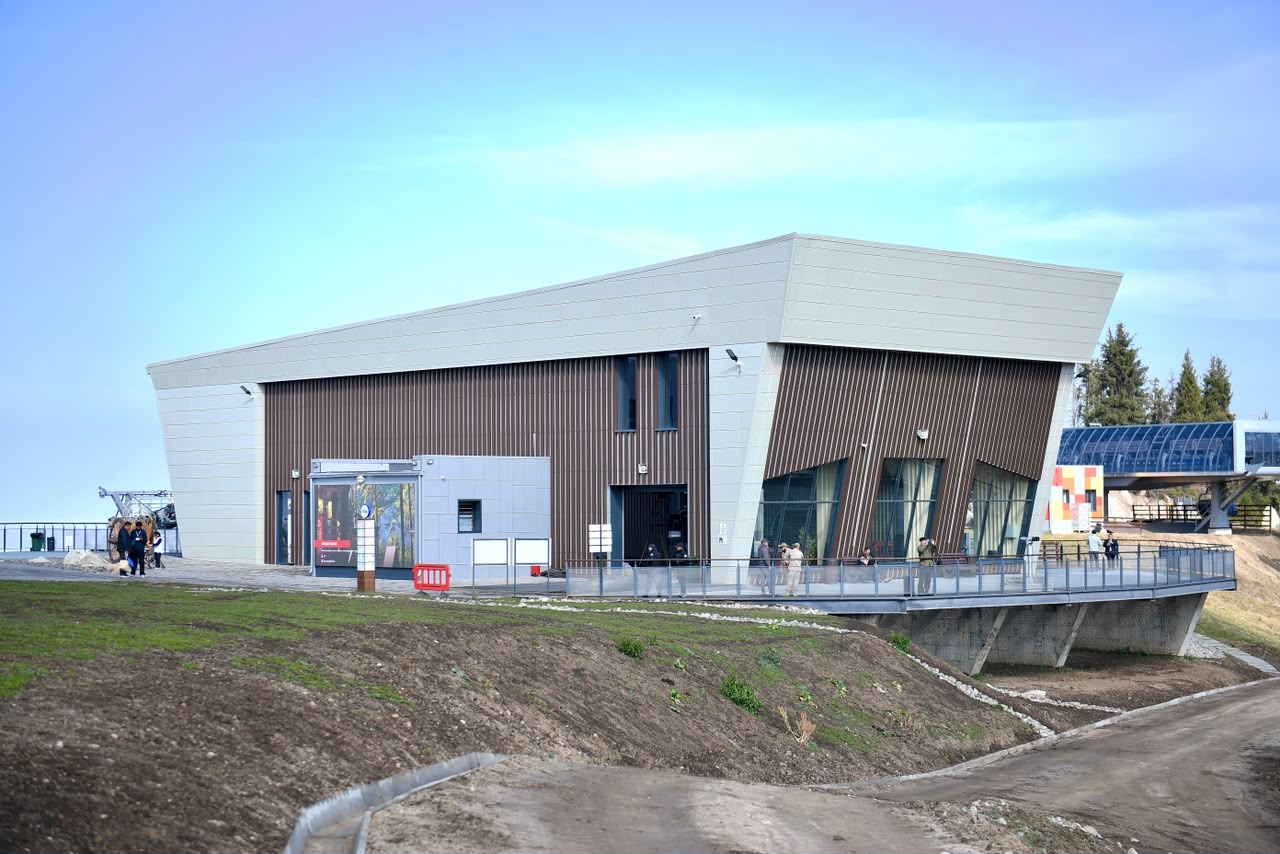
A tourist attraction has been opened in the Almaty Region at an altitude of 2,140 meters. 20.10.2026
На горном курорте «Ой-Қарағай» в Алматинской области введён в эксплуатацию новый туристический комплекс, расположенный на высоте 2 140 метров над уровнем моря на вершине “Актас”. В его состав входят ресторан, конференц-зал для проведения деловых встреч и гостиница для отдыхающих. Строительство комплекса велось на протяжении двух лет. В проект инвестировано 58 млрд тенге.В рамках проекта протяжённость трасс для катания на сноуборде и горных лыжах увеличена с 28 до 38 километров. Кроме того, впервые в Казахстане введены в эксплуатацию два подъёмника на 10 и 6 мест. Таким образом, в Алматинской области начал принимать посетителей новый туристический объект, полностью соответствующий международным стандартам.В прошлом году горный курорт «Ой-Қарағай» посетили более 660 тысяч туристов. С начала текущего года этот показатель вырос ещё на 20%.«В настоящее время функционируют большой конференц-зал вместимостью 350 человек и ресторан. Это позволяет проводить мероприятия различного формата. Кроме того, у нас есть гостиница на семь номеров, обеспечивающая возможность качественного обслуживания гостей. Мы рассчитываем, что увеличение протяжённости трасс для зимних видов спорта и строительство двух подъёмников позволят в несколько раз увеличить количество туристов. Сегодня курорт посещают не только гости из Казахстана, но и туристы из России, Индии, Китая и стран Персидского залива. Этому во многом способствуют эффективные меморандумы о сотрудничестве с зарубежными странами, заключённые акиматом Алматинской области в сфере туризма», — отметил руководитель PR-службы горного курорта «Ой-Қарағай» Максим Козлов.Отметим, что в настоящее время в туристической отрасли Алматинской области реализуются 30 инвестиционных проектов общей стоимостью 638,2 млрд тенге. В прошлом году постановлением Правительства утверждён Комплексный план развития Алматинского горного кластера на 2025–2029 годы, предусматривающий реализацию в регионе 15 проектов по шести ключевым направлениям.Source : https://www.gov.kz/memleket/entities/almobl/press/news/details/1310435?lang=ru
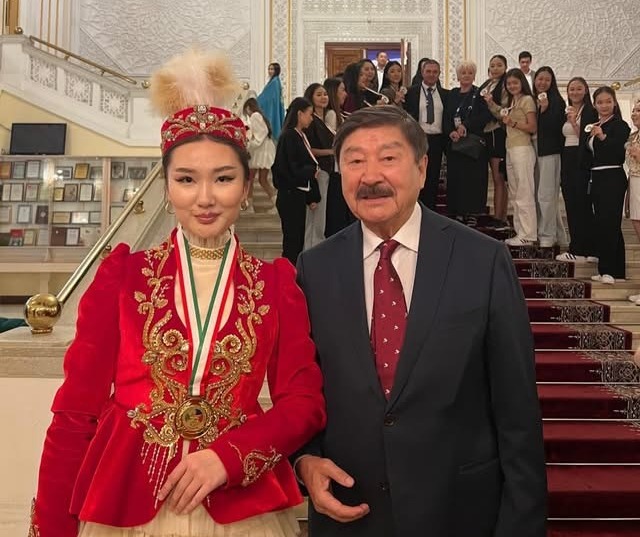
Aizere Toleu from Karaganda has won gold at the Delphic Games 20.10.2026
Aizere Toleu, a young performer from Karaganda, won a gold medal at the 20th Youth Delphic Games, held in Dushanbe, Tajikistan. This milestone event brought together hundreds of young talents from nine CIS countries: Azerbaijan, Armenia, Belarus, Kazakhstan, Kyrgyzstan, Russia, Tajikistan, Turkmenistan, and Uzbekistan. Participants competed across ten creative categories.Aizere Toleu is a 12th-grade student at a specialized music boarding school, where she studies folk instruments. At the Delphic Games, she competed in the "Solo Folk Song Performance" category and took first place.The "Saryarka Daryny" Regional Scientific-Practical Center for Supplementary Education for Children noted that the young performer's victory was the result of her hard work and love for national art, as well as the professionalism of her teachers."Aizer’s success in such a prestigious international competition is a major achievement, confirming the vitality of the traditional Kazakh art of singing. It also demonstrates that the national heritage is being revived through the performances of the younger generation and is gaining well-deserved recognition on the global stage," the center emphasized.Source : https://www.gov.kz/memleket/entities/karaganda/press/news/details/1310375?lang=ru
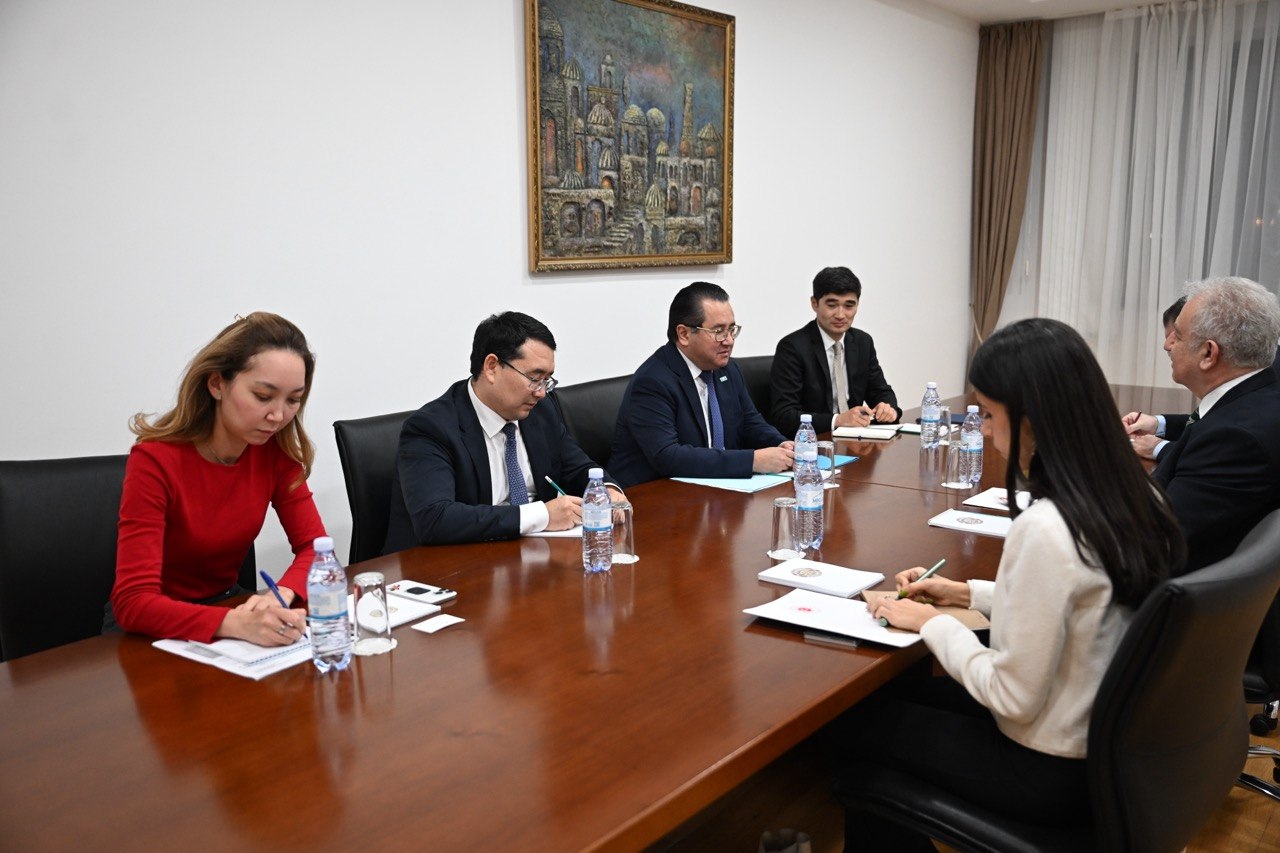
Deputy Minister of Foreign Affairs of Kazakhstan meets with Ambassador of the Republic of Türkiye 19.10.2026
Astana, 13 October 2026 – Deputy Minister of Foreign Affairs of the Republic of Kazakhstan Arman Issagaliyev met with Ambassador Extraordinary and Plenipotentiary of the Republic of Türkiye to the Republic of Kazakhstan Mustafa Kapucu.During the meeting, the sides discussed current issues on the agenda of bilateral and multilateral cooperation between Kazakhstan and Türkiye.The sides also discussed preparations for the upcoming high-level events.Source : https://www.gov.kz/memleket/entities/mfa/press/news/details/1310268?lang=ru
The Ministry of Finance discussed the quality of tax audits and the results of reviewing business complaints 19.10.2026
The Appeals Department of the Ministry of Finance of the Republic of Kazakhstan and the State Revenue Committee held a joint meeting on the quality of tax audits. Territorial departments of state revenue took part in the discussion in an online format. The meeting was held at the State Revenue Committee under the chairmanship of the Committee’s deputy chairpersons, Nurzhanov Zh. M. and. Akhmetov S. A., Aisin S. U., Director of the Appeals Department of the Ministry of Finance of the Republic of Kazakhstan, presented an analysis of violations during tax audits related to the refund of excess VAT.Special attention was paid to the quality of checks of mutual settlements with unreliable suppliers. The participants discussed the reasons for the cancellation of the results of tax audits following the consideration of complaints by the Appeal Commission. These include shortcomings in the “Pyramid” reports, errors in calculating the VAT amounts to be refunded, untimely submission of requests for counter audits, and failure to account for documents confirming export operations. Shortcomings in the analysis of product traceability chains and in assessing the possibility of performing work or providing services were also noted.The results of the work of the Appeal Commission for the consideration of tax and customs disputes for the nine months of 2026 were also presented. Of the 323 complaints received from taxpayers and participants in foreign economic activity, 194 were considered. Based on the results of the consideration of complaints, the results of 57 inspections were fully or partially overturned in favor of businesses. The quality of tax and customs inspections is under constant monitoring by the Ministry of Finance of the Republic of Kazakhstan.Source : https://www.gov.kz/memleket/entities/minfin/press/news/details/1310234?lang=ru
State budget revenues increased by 16.3% over nine months 19.10.2026
Based on the results of the first nine months of 2026, state budget revenues, excluding transfers, amounted to 20.2 trillion tenge, or 98.5% of the plan. Compared to the same period last year, revenues increased by 16.3%, or by 2.8 trillion tenge. This was announced by Minister of Finance Madi Takiyev at a government meeting on October 13. “During the reporting period, funding for the state’s social obligations has been secured. The revenues of the republican budget are close to the planned figures,” Madi Takiyev noted. The revenues of the republican budget increased by 2.7 trillion tenge, or by almost 26%. The growth in revenues is due to global prices for export goods, an increase in trade turnover, and changes in tax rates. By the end of the year, the focus will be on expanding the tax base and improving the quality of administration. State budget expenditures have been completed at 98%, with the funding amounting to 26.2 trillion tenge. Expenditures of the republican budget reached 19.6 trillion tenge, with an execution rate of 99.6%. 5.3 trillion tenge was allocated for pensions and benefits, 4.4 trillion tenge for regional support, and 2 trillion tenge for support of the real sector. Local budget revenues amounted to 6.9 trillion tenge, or 96.1% of the plan. The shortfall amounted to 278.3 billion tenge. The plan has not been met in nine regions, with the largest deviations recorded in the Atyrau, Pavlodar, and Mangystau regions. Local budget expenditures have been met at 96.3%, with non compliance amounting to 458.4 billion tenge. The minister emphasized the need to take measures to ensure timely and high quality budget execution by the end of the year. During the reporting period, 811.5 billion tenge in VAT was refunded to businesses. Customs payments amounted to 1.9 trillion tenge, an increase of 706 billion tenge. Work continues on developing border infrastructure and simplifying customs clearance. A special state fund ensures the implementation of 501 projects with a total value of 617.7 billion tenge; 351 facilities have been completed. Funding has been allocated from the Infrastructure Development Fund for 262 projects with a total value of 1.5 trillion tenge, including in the areas of healthcare, water supply, and transport. The minister noted the need to complete construction and prepare the facilities for operation. The digitalization of the social sector makes it possible to prevent unjustified payments. Thanks to monitoring and anti fraud control at the Social Health Insurance Fund, financial losses amounting to 22.4 billion tenge were prevented over nine months. The Qalqan platform has implemented functionality for paying for 57 types of medical services. 634 schools have been transferred to the digital education financing system. The reconciliation of the student population to identify duplicates and overstatements resulted in savings of 34 billion tenge.Source : https://www.gov.kz/memleket/entities/minfin/press/news/details/1310196?lang=ru
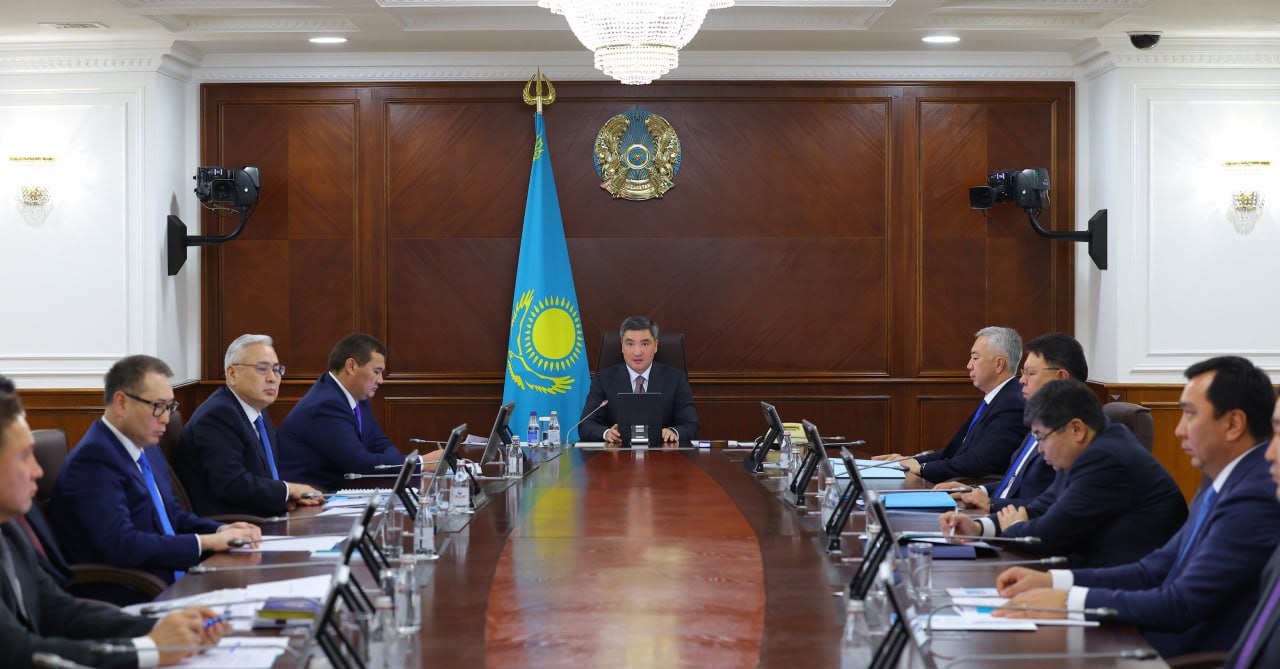
The number of businesses in Kazakhstan has increased by almost a third 18.10.2026
Entrepreneurial activity in the country maintains positive momentum and demonstrates resilience to external and internal economic changes, according to Deputy Prime Minister and Minister of National Economy Serik Zhumangarin.Including the self-employed, the total number of businesses increased by 32.5%, reaching 3.2 million. The number of entrepreneurs operating under the general regime—VAT payers—increased by 28%. Conditions have been created for citizens to exit the shadow economy: 981,000 people are registered as self-employed, of whom 807,000 registered for tax purposes for the first time."In the first nine months of 2026, 277,000 new businesses were registered, including 34,700 legal entities and 242,300 individual entrepreneurs. During the same period, 19,700 legal entities and 356,000 individual entrepreneurs were deregistered. Deregistration of individual entrepreneurs does not mean the actual cessation of economic activity. Of the 356,000 individual entrepreneurs who closed, 42.6% had no income in 2025, and 20.8% transitioned to self-employment status, continuing their activities,” the Deputy Prime Minister noted.Source : https://www.gov.kz/memleket/entities/economy/press/news/details/1310108?lang=ru