
Kazakhstan highlights the legacy of the Golden Horde as part of Eurasian history
21.05.2026 09:08:41 2061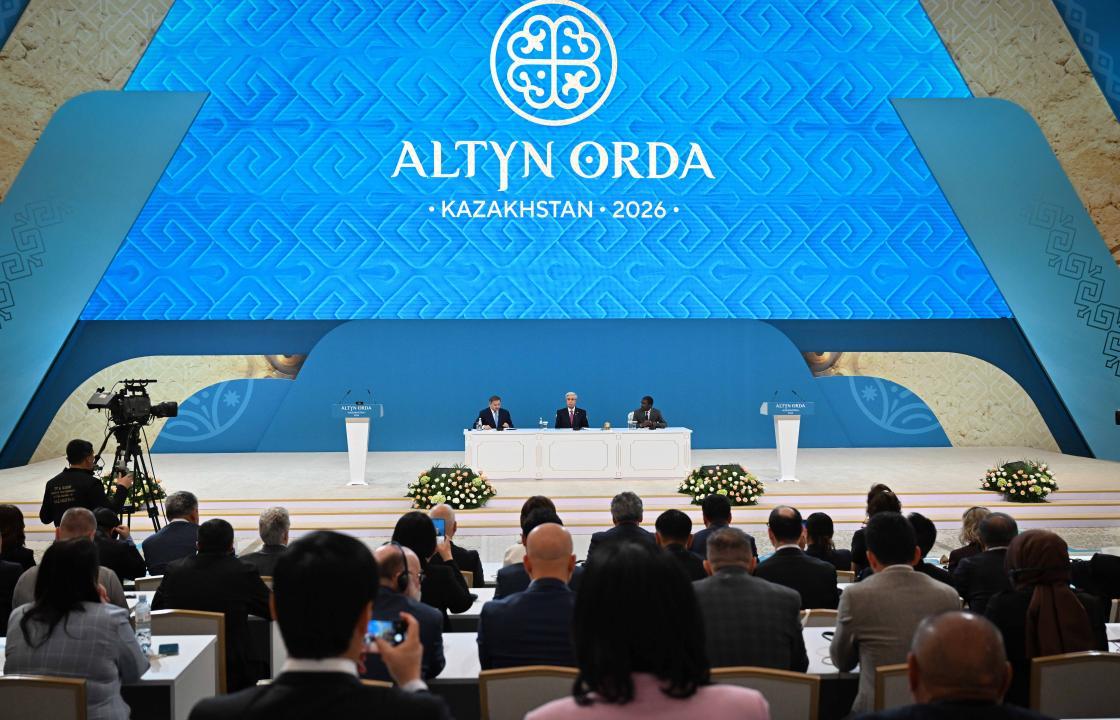
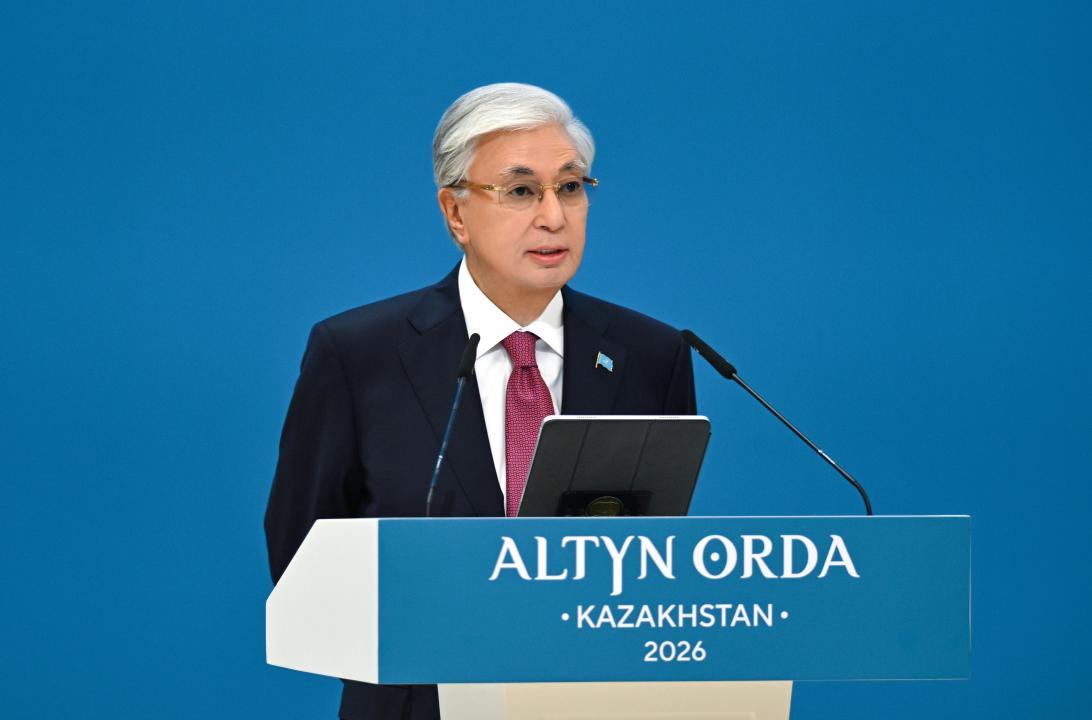
On May 19–20, Astana is hosting the international symposium “The Golden Horde and the Civilization of the Great Steppe: History, Archaeology, Culture and Identity” with the participation of President Kassym-Jomart Tokayev and the support of UNESCO.
The forum has brought together around 350 researchers and experts from more than 20 countries across Europe, Asia, North America and the Middle East. Historians, archaeologists, orientalists and cultural heritage specialists are discussing the historical role of the Golden Horde in shaping Eurasia, as well as its influence on the political, commercial and cultural dynamics of the Silk Road.
For Kazakhstan, the symposium is not only an academic event, but also an international platform for rethinking the historical legacy of the Great Steppe and strengthening global scientific cooperation. Kazakh officials emphasize that the Golden Horde was one of the key spaces of Eurasian integration during the medieval period, facilitating interaction between nomadic and sedentary civilizations.
The program includes a large thematic exhibition dedicated to the culture of the Golden Horde. The exhibition features manuscripts, archaeological artifacts, coins, weapons, traditional clothing and historical materials from various museums and archives. Digital 3D reconstructions of ancient cities and architectural monuments linked to this historical era are also on display.
During the plenary sessions, international experts stressed the importance of studying the Golden Horde from a modern perspective and beyond historical stereotypes. According to the organizers, the main objective is to better understand how the political, economic and cultural processes of that era influenced the formation of contemporary Eurasia.
The symposium is expected to conclude with the adoption of the Astana Declaration on the legacy of the Golden Horde, along with recommendations aimed at expanding international scientific cooperation. Academic papers and symposium materials will also be published in open digital archives.
Kazakhstan believes that initiatives of this kind contribute to strengthening international cultural dialogue and reinforcing the country’s role as one of the key centers for the study of Eurasian history and the civilization of the Great Steppe.
Source : https://www.gov.kz/memleket/entities/mfa-nairobi/press/news/details/1226202?lang=ru