Alakol State Nature Reserve
14.07.2026 15:16:36 2472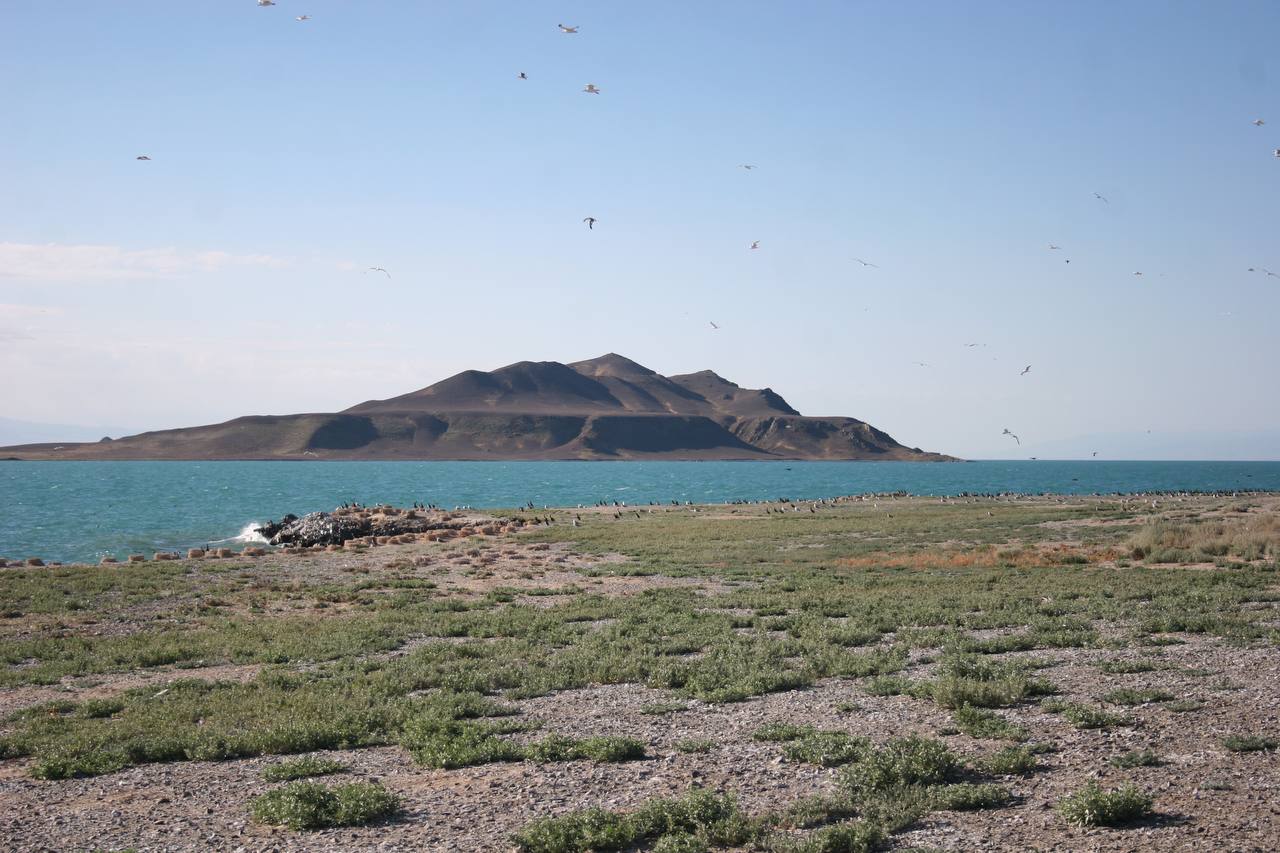
The Alakol Region – A Sacred Place for All Living Things
Since ancient times, the Alakol region has been renowned for its natural beauty and the healing properties of its lake water, always captivating people’s attention. It is a true paradise for migratory birds, praised in the poetry and songs of writers and poets, and passed down to us as a heritage from our ancestors. Preserving it in its pristine state and passing it on to future generations is our duty today.
The Alakol State Nature Reserve was established in 1998 with the purpose of protecting the flora and fauna of the Tentek River delta and the unique population of the relic gull on the Araltobe Islands in Lake Alakol.
The reserve covers an area of 65,672 hectares, of which 17,877 hectares are located in the Alakol District of the Zhetysu Region, and 47,795 hectares in the Urzhar and Makanshy Districts of the Abai Region. The territory of the reserve is distributed in a mosaic pattern within the Alakol Depression and is geographically divided into five sections.
Since this region is part of the Central Asian–Indian migratory route for birds, on November 25, 2009, the Alakol–Sasykkol lake system was included in the Ramsar Convention List under number 1892 and is today recognized as a wetland of international importance.
On May 29, 2013, the Alakol Reserve became part of the UNESCO World Network of Biosphere Reserves.
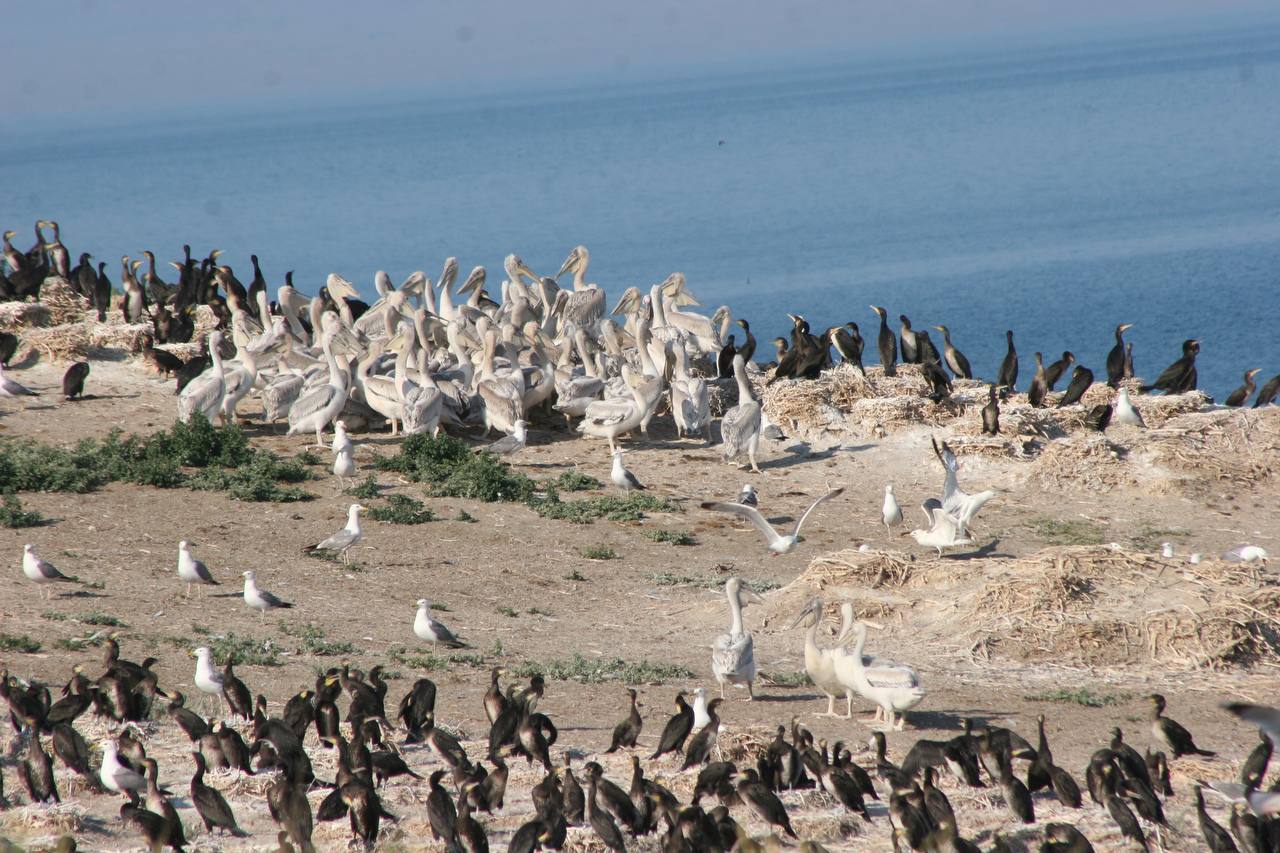
The reserve is one of the largest sites in Kazakhstan for nesting, molting, and stopovers of wetland birds during migration. The main representatives of its wildlife are birds and fish.
The bird fauna of the reserve comprises 330 species, 133 of which nest permanently in the area. Sixteen species are listed in the Red Book of Kazakhstan, with the relic gull being the symbol and pride of Alakol.
The reserve is home to 35 species of mammals, most of which are rodents inhabiting desert areas. The most ecologically significant among them are the wild boar, fox, badger, roe deer, hare, muskrat, and wolf.
Its water bodies contain 18 species of fish, 9 of which are native. Among them are endemics of the Balkhash–Alakol Depression: the Balkhash perch and the Balkhash marinka.
Within the Alakol Depression, 24 species of reptiles are found, 10 of which occur within the reserve.
Two species of amphibians have been recorded, including Pevtsov’s toad, listed in the Red Book of the Republic of Kazakhstan.
A total of 392 insect species are known in the reserve.
The flora is represented by 290 plant species, including 288 species of higher plants and 2 species of lower plants.
The reserve’s activities are carried out in four main areas: protection of the territory, scientific monitoring, environmental education, and fire prevention.
Conservation measures are extensive, yet support is still needed. Although our nature is still intact, the future raises concerns. It is important to build a proper relationship between humans and nature — to not only use its resources but also replenish them, and to actively participate in environmental protection. Even though people recognize the importance of nature for human life, the lack of ecological awareness is still felt. And even when nature shows its formidable character, people often fail to treat it with care and responsibility. Nature is an incomparable wealth given to humankind.
Source : https://www.gov.kz/memleket/entities/ecogeo/press/news/details/1254494?lang=ru