
Society
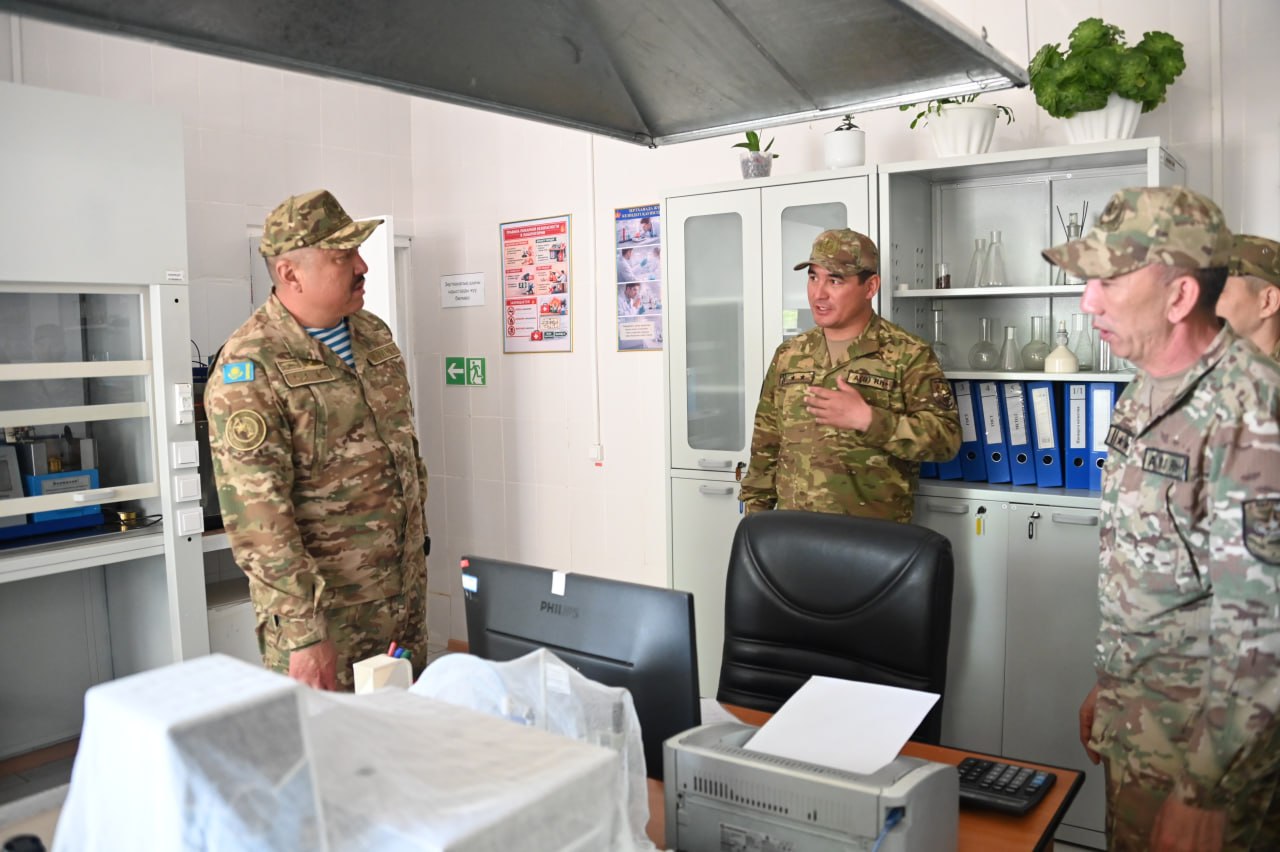
The development of the army's operational units was discussed at the Abay garrison. 26.05.2026
Source : https://www.gov.kz/memleket/entities/mod/press/news/details/1228411?lang=ru
To the attention of residents of Ridder! 26.05.2026
To the attention of residents of Ridder!RSU «Ridder Сity Emergency Management» of the Ministry of Emergency Situations of the East Kazakhstan Region informs you that on may 28, 2026, 11:00 p.m. a technical check of the Automated Centralized public Notification System will be carried out by launching all electric sirens of the city .We ask everyone to remain calm.Ridder City Emergency Management DepartmentSource : https://www.gov.kz/memleket/entities/vko-ridder/press/news/details/1228301?lang=ru
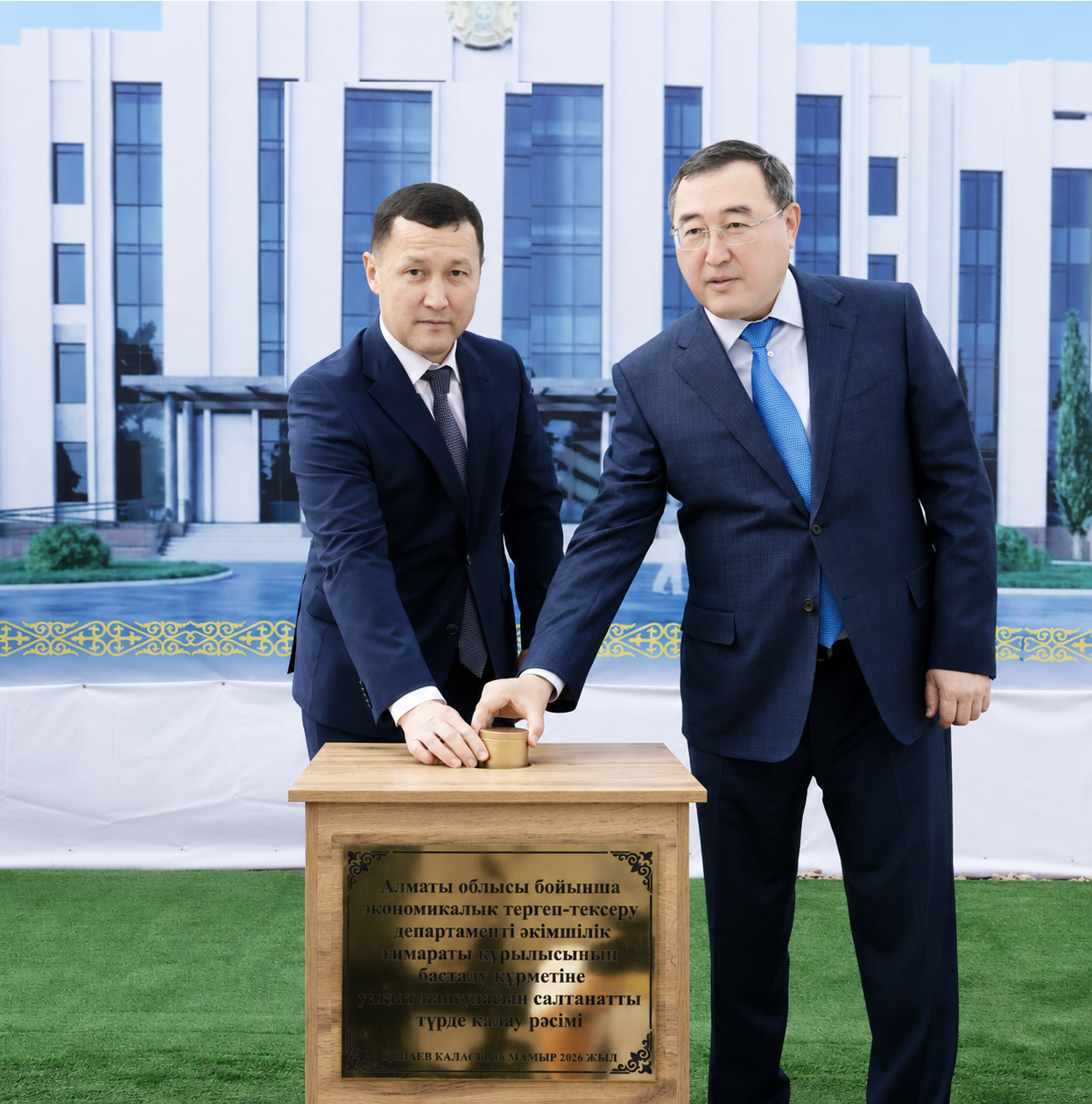
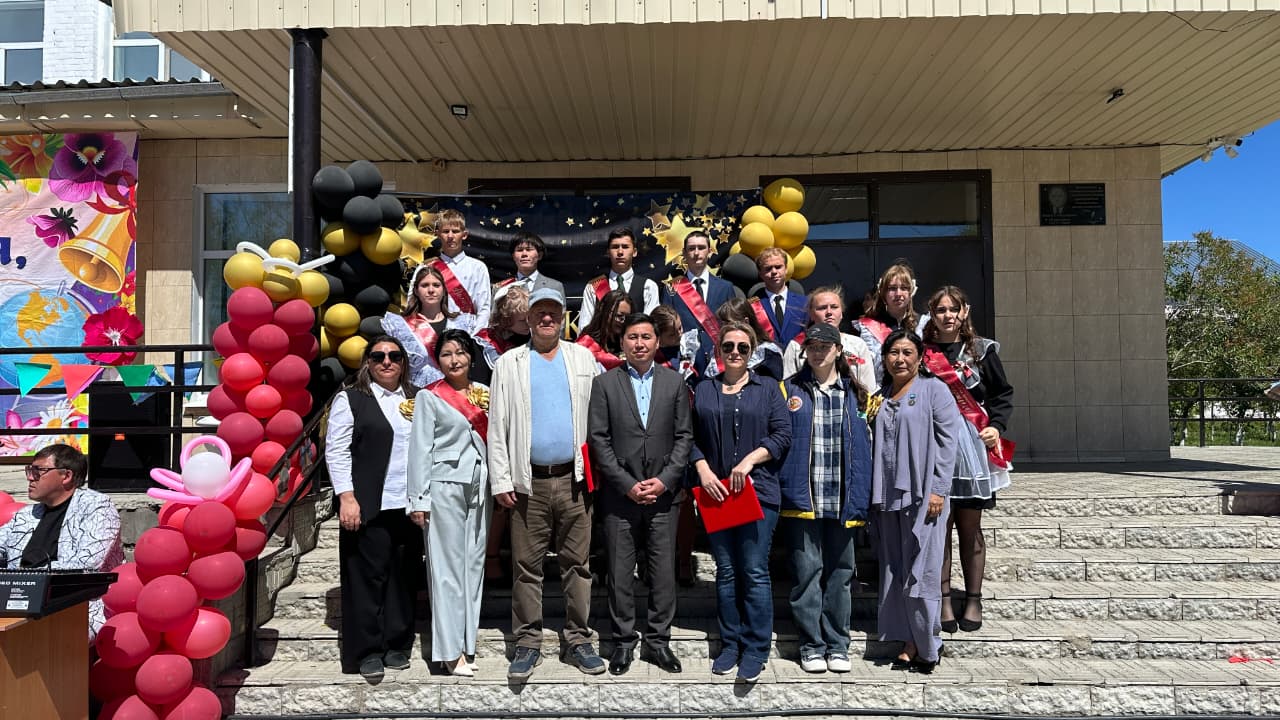
The last bell rang in the Samara region 26.05.2026
The final bell rang today at all schools in the Samara district. For graduates, this day symbolized the completion of an important stage in their lives and the beginning of a new journey.Samara District Akim Serik Zhenisov attended the graduation ceremony at Samara School No. 1, where he congratulated the graduates on the end of the school year and wished them success, confidence, and the achievement of their goals.This year, 79 students are graduating from school in the Samara district. Of these, nine students are candidates for the "Altyn Belgi" (Golden Age) badge, and three more are vying for a diploma with honors.Festive events were held in a festive and warm atmosphere at all schools in the district.Source : https://www.gov.kz/memleket/entities/vko-samar/press/news/details/1228223?lang=ru

THE ANNOUNCEMENT! Live broadcast of the Department of State Revenue in Pavlodar region on the topic: "Clarification on the administration of mobile transfers" 26.05.2026
Dear taxpayers,On May 26, 2026, at 3 p.m., a live broadcast on the topic will be held on the Department's Instagram page @pavlodar_mkd: "Clarification on the administration of mobile transfers."Tolegen Bilyalovich Shaimardanov, Head of the Department of Explanatory work and the Contact Center, will be the speaker and moderator of the live broadcast.In order not to miss the broadcast, subscribe to the Instagram of the Department of State Revenue for the Pavlodar region – pavlodar_mkd.Department of Explanatory Work and Contact CenterState Duma of the Pavlodar regionSource : https://www.gov.kz/memleket/entities/kgd-pavlodar/press/news/details/1228158?lang=ru
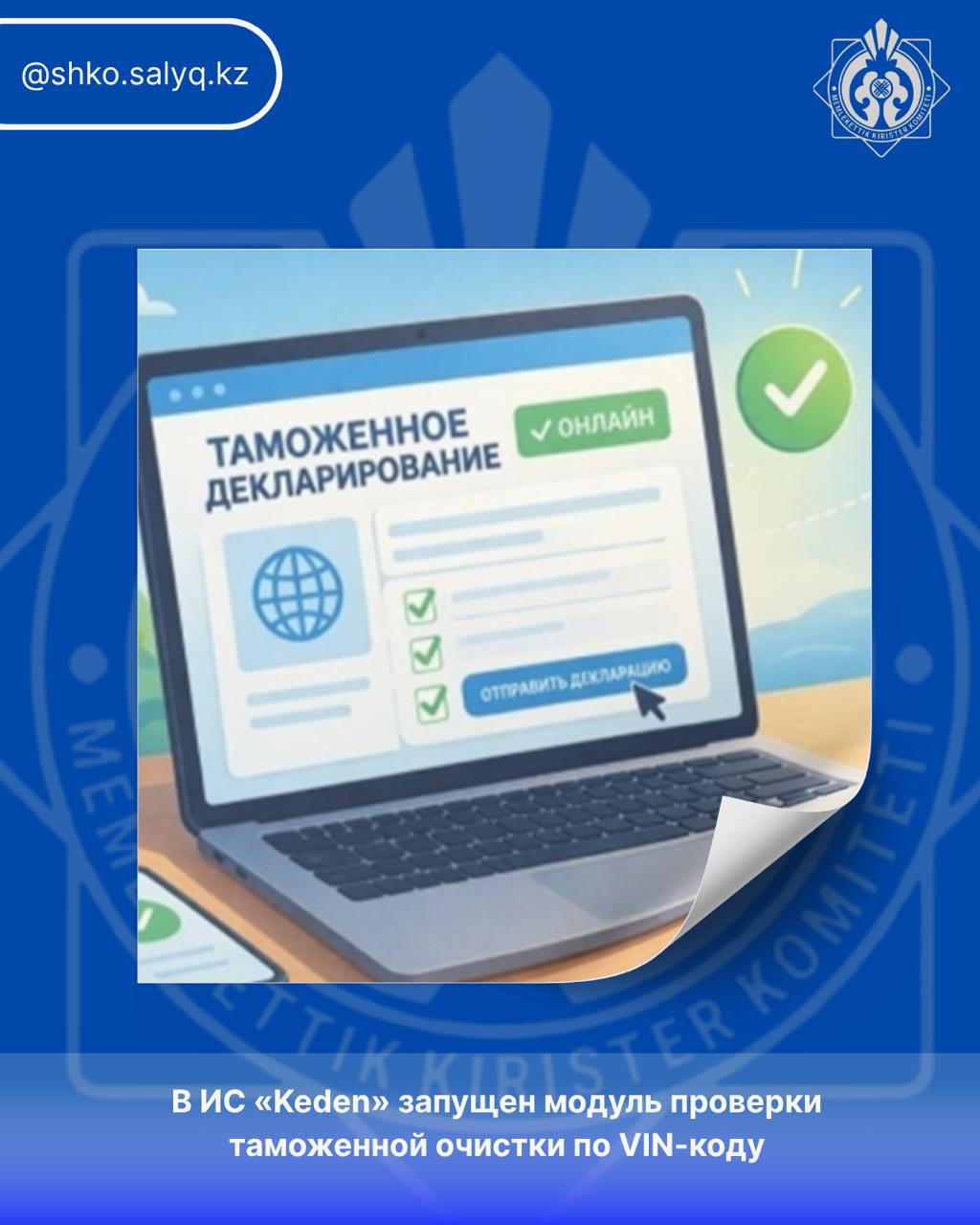
A module for checking customs clearance by VIN code has been launched in the “Keden” information system 26.05.2026
The State Revenue Committee of the Ministry of Finance of the Republic of Kazakhstan announces that, starting from April 11, 2026, the "Goods Declaration" module has been launched in the "Keden" information system. Within this module, a function has been implemented to view the customs clearance status of vehicles by VIN code, processed using either a goods declaration or a passenger customs declaration.In addition, the system provides access to registers of special economic and industrial zones, the register of medicines and medical devices, the state register of intellectual property objects, the register of state registration certificates, the database of documents and licenses, the register of conformity assessment documents and accreditation entities in the field of technical regulation, as well as customs registers maintained by the state revenue authorities.This functionality enables officials and owners of temporary storage warehouses to verify the statuses of customs declarations and monitor the relevant supporting documents.Additionally, the system provides the capability to verify the status of a goods declaration using a QR code when the declaration is printed.Source : https://www.gov.kz/memleket/entities/kgd-vko/press/news/details/1228068?lang=ru
Financial Manager 26.05.2026
In accordance with Article 15 of the Law of the Republic of Kazakhstan "On restoration of solvency and bankruptcy of citizens of the Republic of Kazakhstan". A financial manager may be a citizen of the Republic of Kazakhstan, whose notification of the commencement of the financial manager's activity is included in the state electronic register of permits and notifications in accordance with the legislation of the Republic of Kazakhstan on permits and notifications.The notification of the commencement of the financial manager's activity may be submitted:1) an administrator who carries out activities in accordance with the Law of the Republic of Kazakhstan "On Rehabilitation and Bankruptcy";2) professional accountant;3) the auditor;4) Legal consultant.The Financial Manager is not entitled to exercise his powers in the following cases::1) whether he has claims or obligations to the debtor or his creditors;2) if he is a close relative, spouse, or close relative of the debtor's or creditor's spouse.If the data specified in the notice of commencement of activity changes, the financial manager is obliged to send a notification of these changes to the authorized body within ten working days from the date of the data change.Upon termination of activity, the financial manager is obliged to send a corresponding notification to the authorized body within ten working days from the date of termination of activity.The exclusion of the notification of the financial manager from the state electronic register of permits and notifications is carried out by the authorized body within five working days from the date of identification of the cases established by paragraph 9 of this Article.The authorized body, within five working days from the date of exclusion of the notification from the state electronic register of permits and notifications, shall send to the debtor and creditor information on the exclusion of the financial manager from such register and on the appointment of a new financial manager. A person whose notification has been excluded by the authorized body from the state electronic register of permits and notifications has the right to re-submit a notification on the commencement of the financial manager's activity, provided that the reasons for the exclusion are eliminated, but not earlier than three years after the date of exclusion.Source : https://www.gov.kz/memleket/entities/kgd-sko/press/news/details/1250506?lang=ru
Conditions for the application of the procedure of out-of-court bankruptcy of citizens 26.05.2026
Since March 3, 2023, the Law of the Republic of Kazakhstan "On Restoration of Solvency and Bankruptcy of Citizens of the Republic of Kazakhstan" (hereinafter referred to as the Law) has been put into effect. This Law was adopted as part of the execution of the instructions of the Head of State on reducing the debt burden of the population.To maximize the achievement of the purpose of the Law – the release of an insolvent citizen from obligations – the Law provides for a simplified procedure for declaring a citizen bankrupt – an out-of-court bankruptcy procedure.This procedure is a public service provided by the state revenue authorities.One of the mandatory conditions for applying for the application of this procedure is the absence of ownership of property, including property in common ownership.Verification of compliance with this condition is carried out automatically by verifying the data of registering state bodies and organizations (paragraph 7 of the Order of the Deputy Prime Minister - Minister of Finance of the Republic of Kazakhstan "On Approval of the Rules and Forms of public service provision "Application of the out–of-court Bankruptcy Procedure" dated February 28, 2023 No. 218).At the same time, it is not uncommon for the debtor to register securities in the form of financial instruments, such as exchange-traded notes, according to the information system "Depository and Registrar System of Securities" of JSC "Central Securities Depository" of the National Bank of the Republic of Kazakhstan.In accordance with article 115 of the Civil Code of the Republic of Kazakhstan, financial instruments are classified as property.This circumstance has led to a large number of refusals to apply the out-of-court bankruptcy procedure, since, in accordance with the requirements of article 5 of the Law, one of the mandatory conditions for applying the out-of-court bankruptcy procedure is the absence of ownership of property, including property in common ownership.Source : https://www.gov.kz/memleket/entities/kgd-sko/press/news/details/1250508?lang=ru
Information for taxpayers 26.05.2026
The Declaration of Income and Property in the Form 270.00 in 2026 for the 2025 reporting year must be submitted by:1) civil servants, individuals equated to them, and their spouses;2) heads of legal entities and their resident spouses;3) founders (participants) of legal entities owning a stake of more than 10 percent in the authorized capital (or shares of joint-stock companies), as well as their resident spouses, with the exception of founders (participants) of non-profit organizations;4) major participants in banks, insurance (reinsurance) organizations, and investment portfolio management companies, in accordance with the laws of the Republic of Kazakhstan "On Banks and Banking Activities in the Republic of Kazakhstan," "On Insurance Activities," and "On the Securities Market," as well as their resident spouses;5) individuals engaged in private practice;6) individuals who received income during the reporting tax period that is subject to self-assessment, with the exception of income derived from entrepreneurial activity;7) individuals holding funds in bank accounts with foreign banks located outside the Republic of Kazakhstan, in an aggregate amount exceeding 1 000 times the monthly calculation index;8) individuals holding property abroad;9) individuals who own digital assets;10) individuals who, during the reporting tax period, acquired property within the Republic of Kazakhstan and (or) abroad worth more than 20,000 times the monthly calculation index (immovable property; motor vehicles and trailers; shares in the authorized capital of a legal entity; securities; derivative financial instruments; shares in residential housing construction; and investment gold);11) individuals who have submitted an application to a tax agent to claim tax deductions in the form of a preliminary amount for other deductions (effective January 1, 2026, based on applications filed in 2025).The deadline for submitting declarations is September 15, 2026.The declaration may be submitted electronically through the "ITAS Taxpayer's office" and "e-Government" web portals, as well as "e-Salyq Azamat", Halyk, Bank CenterCredit, and Kaspi mobile applications. Alternatively, citizens retain the right to submit a hard-copy declaration by mail, through Public PSCs, or in person at the State Revenue Office.Source : https://www.gov.kz/memleket/entities/kgd-vko/press/news/details/1228096?lang=ru
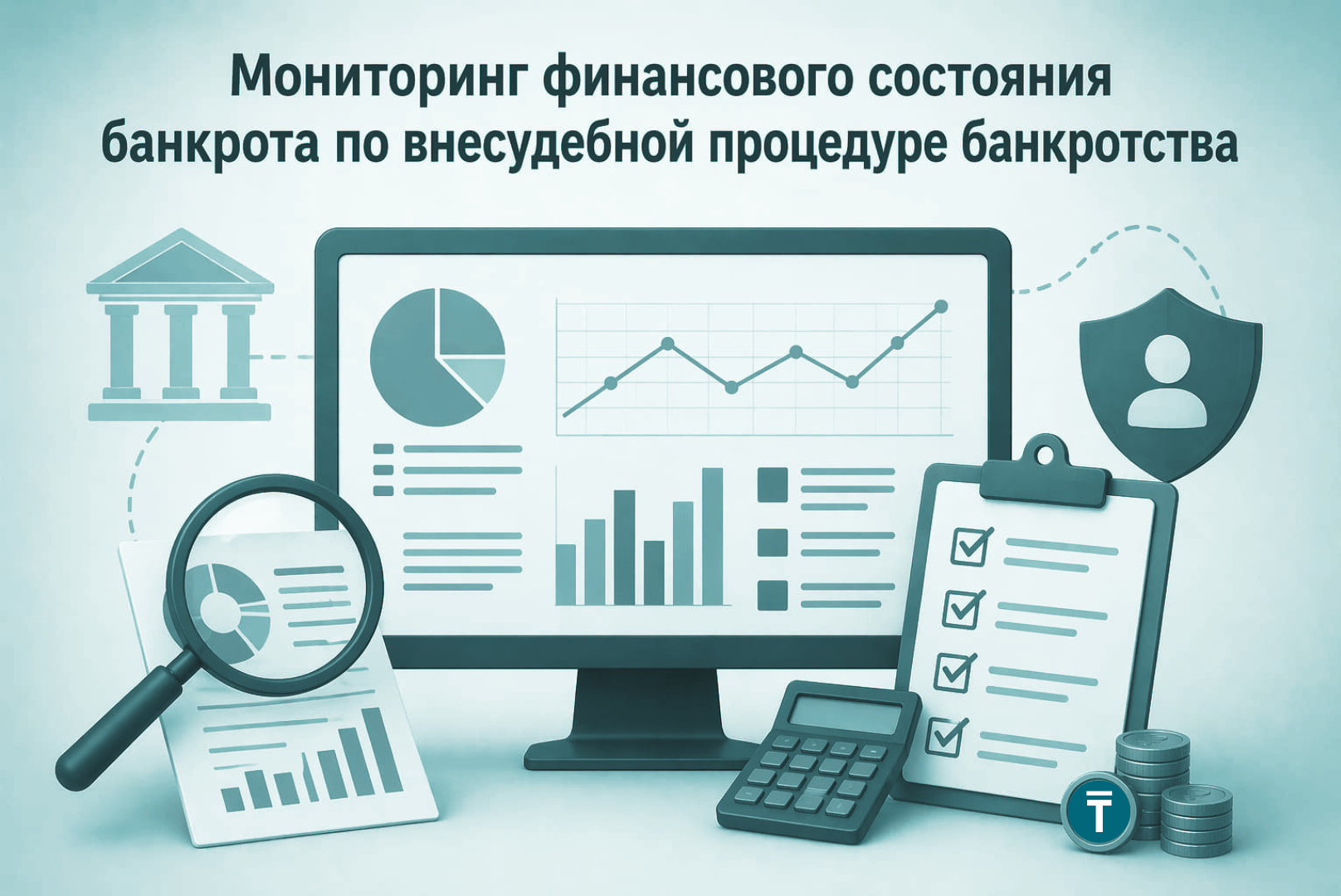
Conditions for the application of the procedure of out-of-court bankruptcy of citizens 26.05.2026
Since March 3, 2023, the Law of the Republic of Kazakhstan "On Restoration of Solvency and Bankruptcy of Citizens of the Republic of Kazakhstan" (hereinafter referred to as the Law) has been put into effect. This Law was adopted as part of the execution of the instructions of the Head of State on reducing the debt burden of the population.To maximize the achievement of the purpose of the Law – the release of an insolvent citizen from obligations – the Law provides for a simplified procedure for declaring a citizen bankrupt – an out-of-court bankruptcy procedure.This procedure is a public service provided by the state revenue authorities.One of the mandatory conditions for applying for the application of this procedure is the absence of ownership of property, including property in common ownership.Verification of compliance with this condition is carried out automatically by verifying the data of registering state bodies and organizations (paragraph 7 of the Order of the Deputy Prime Minister - Minister of Finance of the Republic of Kazakhstan "On Approval of the Rules and Forms of public service provision "Application of the out–of-court Bankruptcy Procedure" dated February 28, 2023 No. 218).At the same time, it is not uncommon for the debtor to register securities in the form of financial instruments, such as exchange-traded notes, according to the information system "Depository and Registrar System of Securities" of JSC "Central Securities Depository" of the National Bank of the Republic of Kazakhstan.In accordance with article 115 of the Civil Code of the Republic of Kazakhstan, financial instruments are classified as property.This circumstance has led to a large number of refusals to apply the out-of-court bankruptcy procedure, since, in accordance with the requirements of article 5 of the Law, one of the mandatory conditions for applying the out-of-court bankruptcy procedure is the absence of ownership of property, including property in common ownership.Source : https://www.gov.kz/memleket/entities/kgd-sko/press/news/details/1228098?lang=ru
The powers of the financial manager during the procedure of restoration of solvency or judicial bankruptcy 26.05.2026
The Law "On the Restoration of Solvency and Bankruptcy of Citizens of the Republic of Kazakhstan" (hereinafter referred to as the Law) regulates public relations arising from the insolvency of a citizen of the Republic of Kazakhstan, establishes the grounds for applying the procedure for restoring solvency, as well as procedures for out-of-court and judicial bankruptcy, the procedure and conditions for their conduct.In accordance with article 23 of the Law, the authorized body, within two working days from the date of the court ruling on the initiation of a solvency restoration or judicial bankruptcy procedure, appoints a financial manager from among the persons whose notifications of the commencement of financial managers' activities are included in the state electronic register of permits and notifications in accordance with the legislation of the Republic of Kazakhstan on permits and notifications.Financial Manager:1) no later than five working days after his appointment, demands from government agencies, individuals and legal entities information about the bankrupt, owned (owned) his property and copies of supporting documents, which must be submitted to him free of charge no later than ten working days from the date of the request.;2) no later than five working days after his appointment, requests from the authorized body information on the availability and numbers of bank accounts of the bankrupt, which must be provided to him free of charge no later than ten working days from the date of the request;3) no later than five working days from the date of identification of persons in arrears to the bankrupt, to file claims for recovery of this debt in court;4) identifies transactions made by the debtor under the circumstances specified in Article 14 of this Law, and within two months from the date of the discovery of such a transaction, submits claims for their invalidation or for the return of property in court, including at the request of the creditor who revealed such a transaction.;5) carries out the sale of the bankrupt's property in accordance with the sale plan;6) maintains a register of creditors' claims;7) performs settlements with creditors no later than five working days after receipt of money in favor of the debtor, and also performs settlements with creditors in accordance with the order of satisfaction of creditors' claims;8) provides the authorized body with current and requested information on the progress of the bankruptcy procedure in the form, in the manner and within the time limits established by the authorized body;9) informs the creditor about the progress of the bankruptcy procedure and the financial condition of the debtor on the basis of his written request within three working days from the date of receipt of the request.;10) in the case of a judicial act affecting the interests of the bankrupt and his creditors, within seven working days from the date of its receipt, considers the issue of appealing this judicial act.;11) within three working days after the entry into force of the judicial act on the completion of the bankruptcy procedure, sends a copy of it to the authorized body;12) within three working days from the date of cancellation of the judicial act declaring the debtor bankrupt, transfers to the debtor the title documents for the property, as well as material and other valuables. If there is a property that is the subject of a pledge, the title documents for such property are subject to transfer to the secured creditor.;13) in case of dismissal of the financial manager, he shall transfer to the newly appointed financial manager, within three working days from the date of his appointment, the title documents for the bankrupt's property, tangible and other valuables belonging to the bankrupt, as well as the available information on the availability and numbers of the bankrupt's bank accounts, on the balances and on the movement of money in these accounts;14) performs other powers in accordance with this Law.The powers assigned by this Law to the financial manager may not be transferred to other persons.Source : https://www.gov.kz/memleket/entities/kgd-sko/press/news/details/1250528?lang=ru
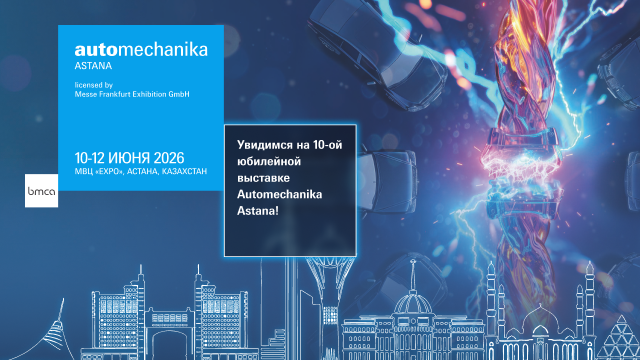
The international exhibition Automechanika Astana 2026 will take place in Astana 26.05.2026
From June 10 to 12, 2026, the International Exhibition Center "EXPO" in Astana will host the international exhibition Automechanika Astana 2026 – the largest event in Central Asia in the field of automotive components, equipment for service stations, service and logistics solutions, oils, technical fluids, and automotive chemicals.In 2026, the exhibition celebrates its 10th anniversary and will be held in the largest format in its history. The anniversary edition will unite over 400 companies: manufacturers, suppliers, and distributors of automotive components and service equipment from Kazakhstan, Germany, France, Poland, the United Arab Emirates, the Republic of Korea, India, China, Malaysia, Thailand, Turkey, the Russian Federation, and a number of other countries.Automechanika Astana is held under the global exhibition brand Automechanika, owned by Messe Frankfurt GmbH, one of the world's largest exhibition companies with over 800 years of history and representations in more than 50 countries. The global Automechanika network unites over 20 exhibitions on five continents and sets international standards for the automotive components, service, and logistics market. The organizer of the exhibition in Central Asia is the company Business Media Central Asia (BMCA), the official representative of Messe Frankfurt GmbH in the region.International industry exhibitions are a significant tool for developing foreign trade, export potential, and trade diplomacy. Such platforms contribute to expanding the geography of trade and economic cooperation, strengthening business ties with foreign partners, promoting domestic products to external markets, developing dealer and distributor networks, and deepening integration processes within the Eurasian Economic Union and other multilateral formats. The exhibition's business program includes the educational program Automechanika Academy, the demonstration platform Automechanika Live Stage, B2B negotiation sessions between manufacturers, distributors, and customers, presentations of new products and technological solutions, as well as expert sessions with the participation of industry associations and international partners.Participation in the exhibition is relevant for specialists and managers of export and import enterprises, manufacturers of automotive components and related products, service and logistics companies, dealer and distributor networks, wholesale and retail trade operators, industry associations, chambers of commerce and industry, scientific and educational organizations, and government customers.Admission to the exhibition is free; to register, visit https://exhibition.techno-light.kz/event.php?id=40&utm_source=mintorgSource : https://www.gov.kz/memleket/entities/mti/press/news/details/1228138?lang=ru

Procedure for Tax Calculation for Peasant and Farm Enterprises 26.05.2026
Starting from January 1, 2026, a new Tax Code came into force in Kazakhstan, introducing an updated Special Tax Regime (STR) for peasant and farm enterprises (PFE). The main change was the abolition of the unified land tax and the transition to a new taxation procedure.The STR may be applied by PFEs that own or legally use land plots within the territory of the Republic of Kazakhstan. The regime must be applied for at least one calendar year. In case of violation of the established conditions, the enterprise switches to the generally established taxation procedure.The STR applies only to income derived from:production and sale of self-produced agricultural products;processing of own agricultural products and sale of processed products.Activities related to the production and sale of excisable goods are not covered by the special regime.The tax period is a calendar year. Individual Income Tax (IIT) is calculated independently by the taxpayer at a rate of 0.5% of the taxable object. The previously existing 70% reduction benefit for IIT has been abolished and replaced with a unified reduced tax rate.PFEs applying the STR are exempt from paying:land tax and fees for the use of land plots;vehicle tax;property tax;social tax related to PFE activities;payments for negative environmental impact;Value Added Tax (VAT), except for import VAT and VAT payable for non-residents.Thus, for most enterprises, only one main tax effectively remains — IIT at a rate of 0.5%.The tax declaration under the STR for PFEs must be submitted no later than March 31 of the year following the reporting year, at the location of the land plot.If an enterprise receives income from activities not related to agriculture, such income is taxed separately under the generally established regime or under the STR based on a simplified declaration, provided the necessary conditions are met.Source : https://www.gov.kz/memleket/entities/kgd-vko/press/news/details/1228057?lang=ru
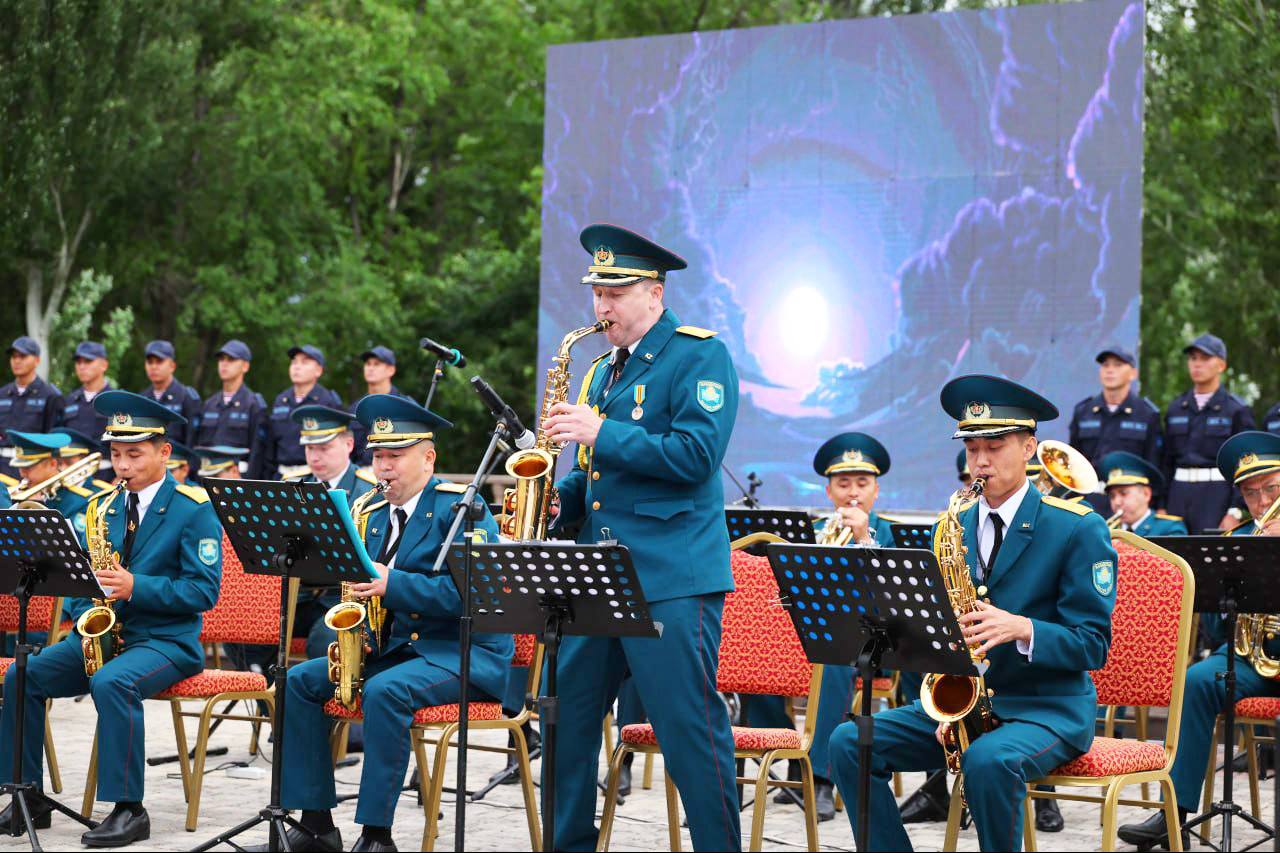
Military Conductors of the National Guard Completed a New-Format Training and Methodological Gathering 26.05.2026
A three-day training and methodological gathering for heads of military orchestras of the law enforcement troops was held in Taraz at the base of military unit 5513 of the National Guard of the Ministry of Internal Affairs of the Republic of Kazakhstan. This year, the event was organized in a new format featuring modern digital solutions and the practical introduction of artificial intelligence technologies into the military music sphere.Twenty leaders of military orchestras from National Guard units across all regions of Kazakhstan gathered in the Zhambyl Region. Over several days, participants improved their professional skills, exchanged experience, and discussed modern approaches to the development of military orchestral service.The main focus was placed not only on performance mastery, but also on finding new formats for military orchestras. As part of the gathering, conductors studied the possibilities of using artificial intelligence in creating musical arrangements and preparing concert programs.The musical training program was conducted by the Head of the Military Orchestra Center, Major Olzhas Kudaikulov. Classes were held in several areas simultaneously, including specialized training, ensemble performance, individual musical skills, and drill training.The practical stage of the gathering concluded with a series of performances for residents of Taraz. Military musicians gave a concert in the regional center, while the final performance took place outdoors in Zhenis Park.The repertoire included some of the best works of Kazakh and international pop music — from patriotic compositions to popular melodies familiar to several generations of listeners. The audience gave a particularly warm response to songs from the repertoire of legendary singer Batyrkhan Shukenov, Yuri Shatunov’s composition “Sedaya Noch,” as well as the famous work “Ana turaly zhyr” by the king of the Kazakh waltz, Shamshi Kaldayakov.It should be noted that today the law enforcement troops system includes 17 military orchestras staffed by more than 300 contract servicemen and officers. The Exemplary Military Orchestra of the National Guard достойно represents Kazakhstan on the international stage, performing at prestigious festivals such as “Amur Waves,” “Fanfares of Kazan,” “Astana Samaly,” “Trumpet of Peace,” “Vivat, Saint Petersburg!” and other international brass band events. Press Service of the National GuardMinistry of Internal Affairs of the Republic of KazakhstanSource : https://www.gov.kz/memleket/entities/kvv/press/news/details/1228059?lang=ru
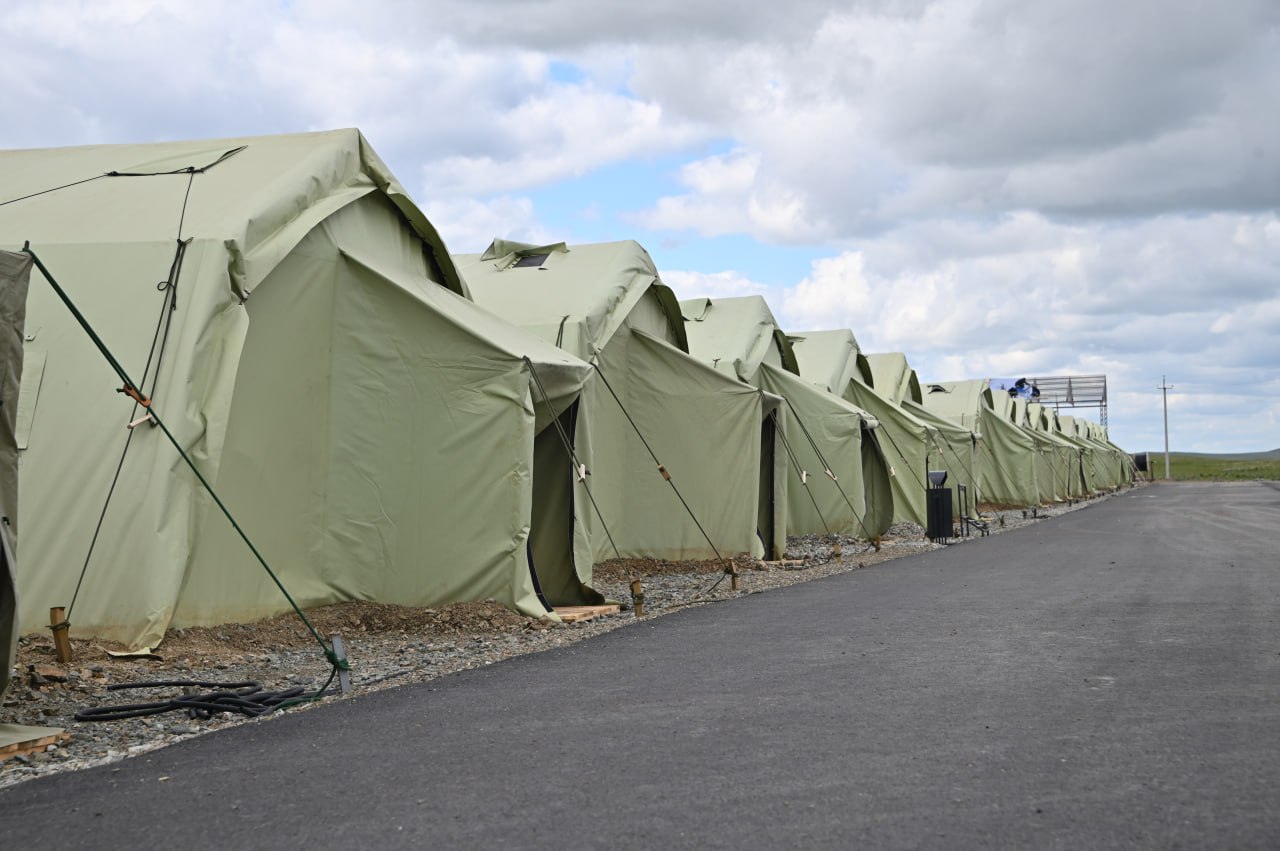
Akmola region is preparing to welcome participants of the international youth gathering "Aibyn" 26.05.2026
Source : https://www.gov.kz/memleket/entities/mod/press/news/details/1228061?lang=ru
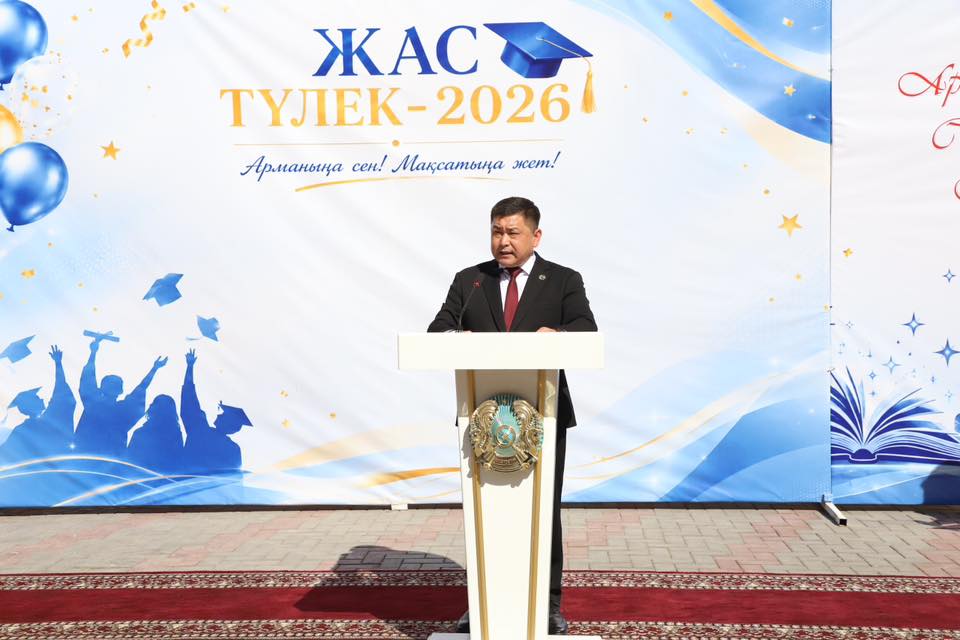
Best Wishes to the Young Graduates Taking Flight! 26.05.2026
The school graduation ceremony, which comes together with the bright days of May, is a special milestone marking the farewell to carefree school years and the beginning of a new chapter in life. On this occasion, a ceremonial event titled “My School, a Thousand Thanks to You!” was held today at Secondary School-Lyceum No. 250 named after Taimbet Komekbayev.District Akim Jandos Erkinbek attended the event and congratulated teachers, parents, and graduates on the successful completion of the academic year.“No matter what field you choose in life, the most important thing is to become citizens who serve their homeland. Therefore, never grow tired of learning and striving for self-improvement. The bright future of a Just and Strong Kazakhstan is in your hands! Taking this opportunity, I would like to express my sincere gratitude, on behalf of RegionalAkim Murat Nalqozhauly and the residents of the district, to all teachers who tirelessly fulfill the noble and highly responsible mission of educating the younger generation,” he said.This year, 903 students are graduating across the district, with 91 percent applying to participate in the Unified National Testing. A total of 61 students are candidates for the “Altyn Belgi” honor, while 81 graduates are candidates for certificates of excellence.During the ceremony, Chairman of the District Veterans Council Askar Merekov, veteran teacher Raikul Karatayeva, and Chairman of the School Fathers’ Council Yesset Nazarkulov wished the graduates success and shared their heartfelt congratulations.As part of the event, graduates performed beautiful songs, danced a farewell waltz, and expressed their warm appreciation for their school. Outstanding students and candidates for the “Altyn Belgi” award were honored, and the symbolic key of knowledge was passed on to the next generation of students.At the end of the evening, graduates were wished a bright future and a successful journey ahead.Source : https://www.gov.kz/memleket/entities/kyzylorda-karmakshy/press/news/details/1228050?lang=ru
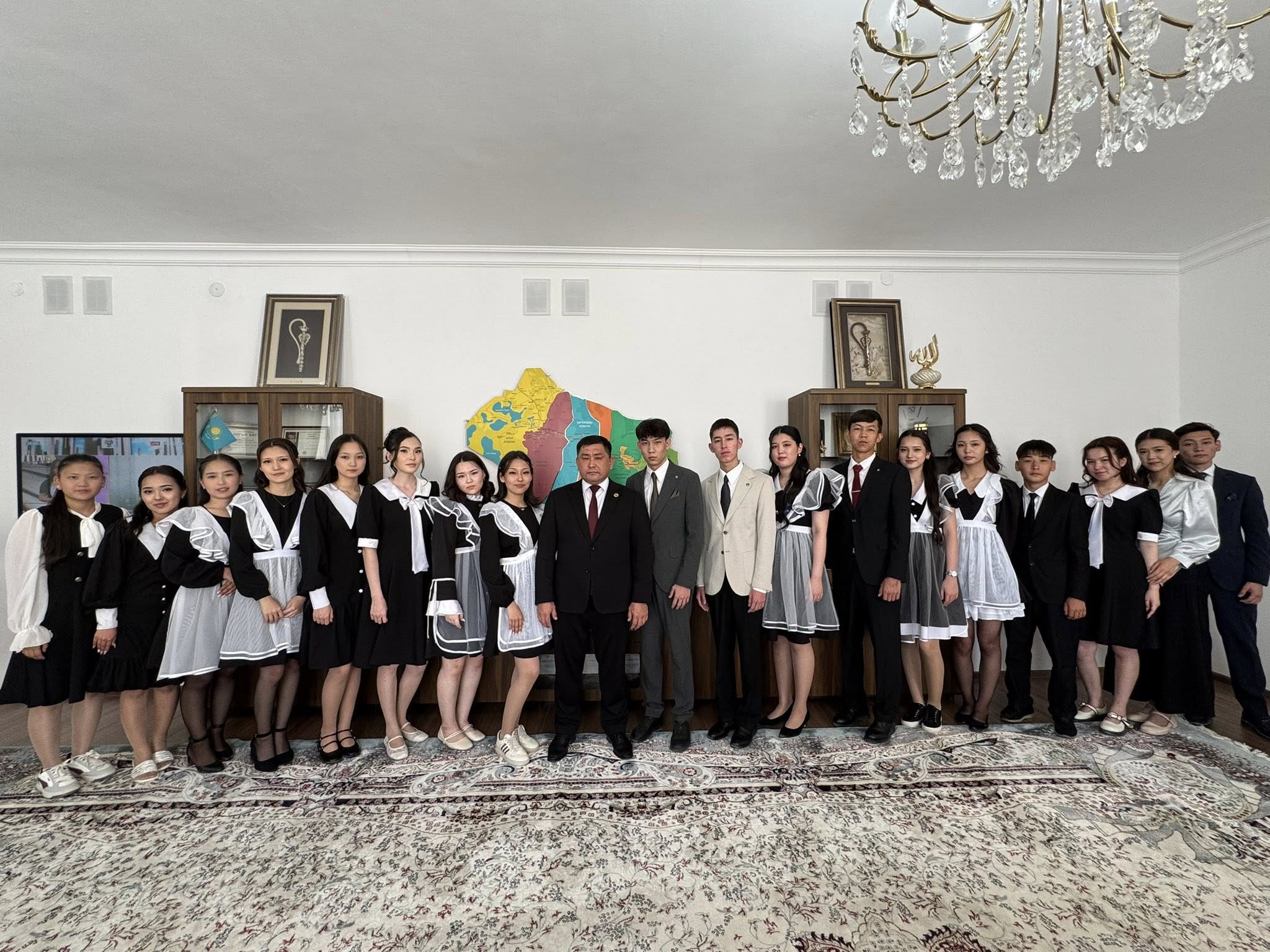
A Free-Format Meeting Was Held with Young Graduates 26.05.2026
Today’s younger generation is a reliable pillar of the country’s future. Therefore, supporting young people in receiving quality education and confidently stepping into the future remains one of the district leadership’s top priorities. In this regard, District Akim Jandos Erkinbek held a free-format meeting today at the district administration building with young graduates from schools in Zhosaly settlement who are candidates for the “Altyn Belgi” award.During the meaningful meeting, around 20 students asked questions and exchanged views on public service and the opportunities being created for young people. They also expressed gratitude for the support and efforts aimed at ensuring quality education and comfortable learning conditions.Addressing the youth, Jandos Erkinbek shared his sincere wishes:“You are the future of the nation and the bright future of our independent country. Wherever you may be, I hope you become educated and highly qualified citizens who contribute to the development of your homeland. Most importantly, do not be afraid of big dreams, always strive for knowledge, and keep moving forward. I wish you nothing but success,” he said.As part of the meeting, the graduates visited the district akim’s office and became acquainted with materials related to the history of the district and the country’s development. They also met with the deputy akims and heads of the district administration office, learning about the responsibility and significance of public service.During the event, organized to strengthen young people’s love for their country, the students also visited the conference hall where important socio-political issues are discussed, exchanged opinions, and shared their thoughts on the future of the nation.Source : https://www.gov.kz/memleket/entities/kyzylorda-karmakshy/press/news/details/1228051?lang=ru

Agricultural Representatives from Kazakhstan Explore Czechia’s Agro-Industrial Sector 26.05.2026
Prague, 22 May 2026 – At the invitation of the Embassy of the Czech Republic in the Republic of Kazakhstan, a delegation from Kazakhstan comprising representatives of agricultural companies and higher education institutions visited a number of agro-industrial enterprises in various regions of Czechia. During the visit, the delegation held substantive meetings and exchanged experience in agricultural digitalisation.Agricultural specialists and experts from Kazakhstan also visited the Czech University of Life Sciences Prague, renowned for its contribution to the global education and research system, including through the development of sustainable agricultural technologies, improved production efficiency, the introduction of innovative technologies, and the promotion of cooperation between science and industry.The discussions confirmed the commitment of business circles to further strengthening bilateral cooperation with a view to implementing the high-level agreements reached during the recent visit of the Prime Minister of the Czech Republic to Astana.The Kazakh side expressed its gratitude to the organisers, including the Czech diplomatic mission in Kazakhstan and the Ministry of Agriculture of the Czech Republic, for arranging a comprehensive and results-oriented programme of the visit.Source : https://www.gov.kz/memleket/entities/mfa-prague/press/news/details/1228015?lang=ru

Kazakhstan and Norway Build Economic Bridges 25.05.2026
With the support of the Embassy of Kazakhstan in Oslo, a Norwegian business delegation led by Chairman of the Board of Directors of the East Chamber of Commerce and Industry of Norway, Ronny Solberg, visited Kazakhstan on 19–21 May this year.During the visit to Almaty, the group of Norwegian business representatives held meetings with Deputy Mayor of the city, Olzhas Smagulov, as well as with representatives of Norway’s «Jotun» and Denmark’s «Carlsberg».During their stay in Astana, the Norwegian business representatives held meetings at the Ministries of Transport, Healthcare, Artificial Intelligence and Digital Development, Agriculture, and Foreign Affairs, as well as at «Baiterek» National Investment Holding.On 21 May 2026, the Norwegian delegation took part in the second meeting of the Kazakhstan–Norway Business Council, organized by the Chamber of International Commerce of Kazakhstan and the East Chamber of Commerce and Industry of Norway.Established in December 2024, the Business Council has served as a dedicated platform bringing together representatives of government institutions, businesses, development institutions, and sector-specific companies from both countries to discuss prospects for bilateral trade, economic, and investment cooperation.Opening remarks at the ceremony were delivered by Chairman of the Kazakh side of the Business Council and Chairman of the Board of the Chamber of International Commerce of Kazakhstan, Murat Karimsakov; Chairman of the Board of Directors of the East Chamber of Commerce and Industry of Norway, Ronny Solberg; and Ambassador of the Republic of Kazakhstan to the Kingdom of Norway, Adil Tursunov.Ambassador of the Republic of Kazakhstan to the Kingdom of Norway, Adil Tursunov, emphasized the particular significance of holding the second meeting of the Kazakhstan–Norway Business Council in Astana, noting that it was the first time the event had been held in Kazakhstan. The Kazakh diplomat highlighted the important institutional role of the Kazakhstan–Norway Business Council as the first dedicated platform bringing together the business communities of the two countries. He also underscored the positive momentum in bilateral economic cooperation, including a 40% increase in mutual trade turnover in 2025 and the expanding presence of Norwegian companies in Kazakhstan. The Ambassador further pointed to the growing mutual interest among the business communities of Kazakhstan and Norway, as evidenced by the increasing number of participants in business missions and Business Council meetings.During the meeting, the parties discussed key areas of cooperation in the fields of energy and the oil and gas sector, agriculture and aquaculture, as well as logistics and sustainable infrastructure.Particular attention was paid to the potential for practical cooperation between Kazakh and Norwegian companies, while B2B meetings between entrepreneurs from both countries were held as part of the Business Council.Following the event, a Memorandum of Understanding was signed between the Kazakh company «Organic Fish LLP» and the Norwegian company «Optimar», aimed at further advancing cooperation in aquaculture and fish processing in the Caspian Sea.Source : https://www.gov.kz/memleket/entities/mfa-oslo/press/news/details/1227999?lang=ru
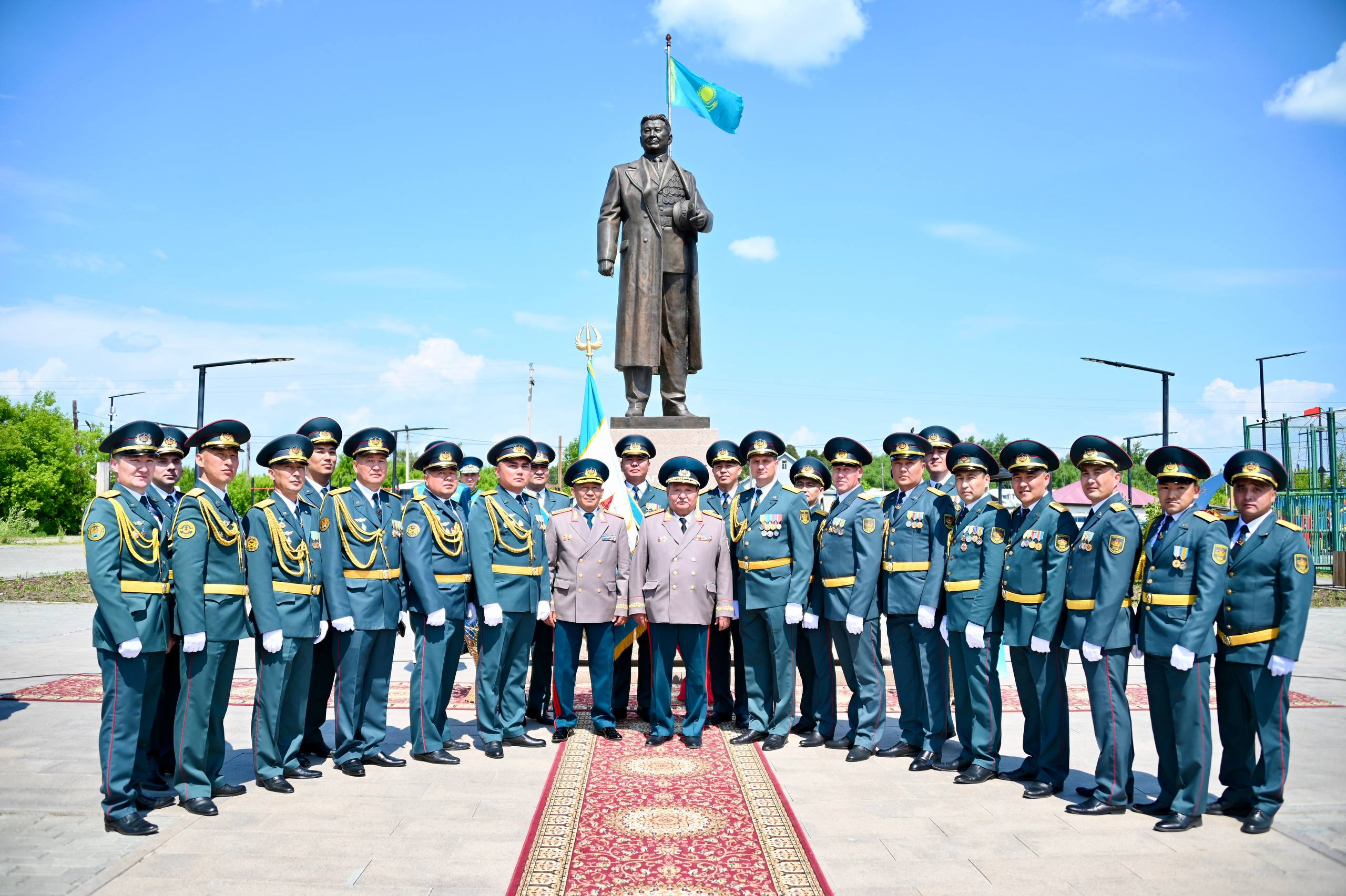
Kazakh military paid tribute to the memory of the first Minister of Defense 25.05.2026
Source : https://www.gov.kz/memleket/entities/mod/press/news/details/1227863?lang=ru