
Society
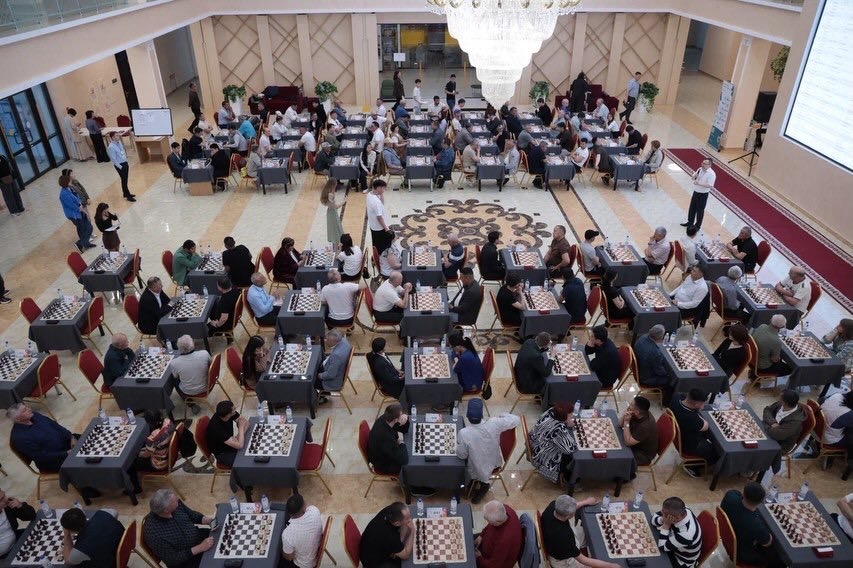
Senate Open is a chess tournament uniting the society of Kostanay region 22.05.2026
On May 17, the grand opening of the quarterfinals of the III Senate Open Chess Cup took place. For the third year in a row, the tournament brings together deputies, public figures, representatives of government agencies, social workers, cultural workers, the media, veterans and chess fans from all over Kostanay region.About 140 people took part in the competition this year. According to the results of the tournament, the first place in the team competition was taken by the team of the city of Kostanay, which included deputies of the city maslikhat — Arman Ismailov and Arman Alpysov.The victory of the city's team confirms the high level of skill of the participants and demonstrates the active participation of deputies in the cultural and sports life of the region.Source : https://www.gov.kz/memleket/entities/kostanai-kalasy-akimat/press/news/details/1226760?lang=ru
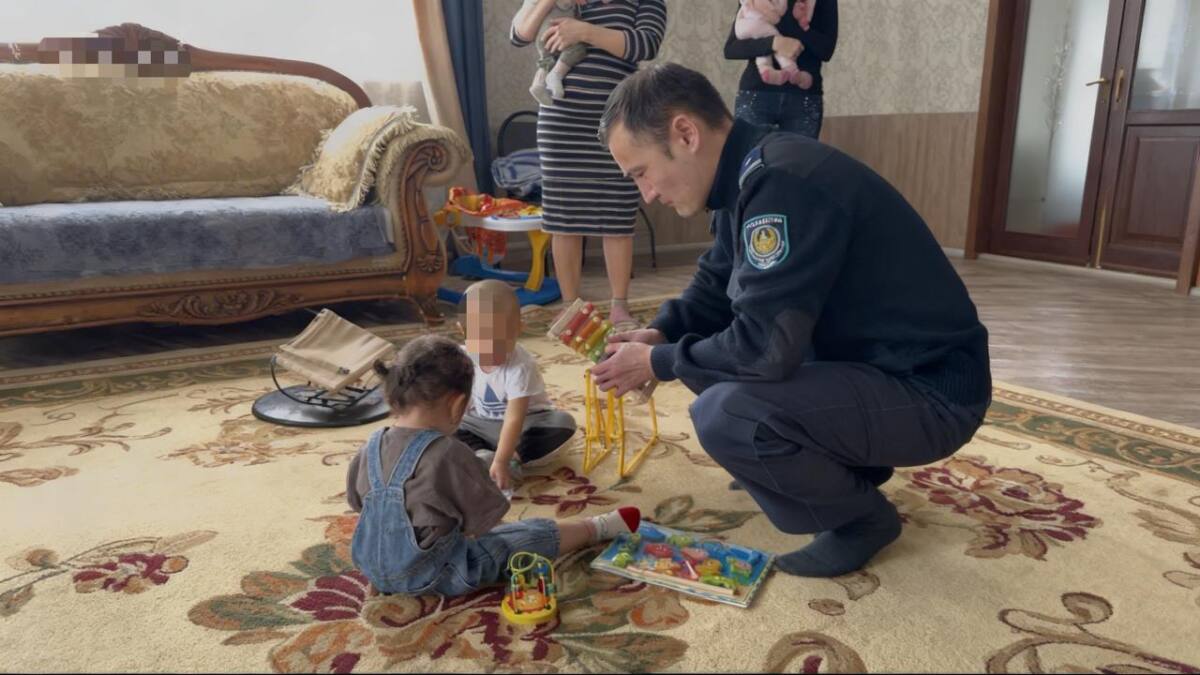
In the Abai region, UIS employees held a social campaign "New Me" for women at Mom's House 22.05.2026
On the eve of International Women's Day, employees of the medium security institution of the Department of the Penal Correction System in the Abai region organized a social project "New Me" in the Semey Mom's House, aimed at supporting women in difficult situations. Today, more than ten women between the ages of 18 and 40 live in their mother's House, either in the late stages of pregnancy or raising newborn children. For six months, they receive social, psychological and household assistance that allows them to restore documents, establish relationships with their families and prepare for independent living. As part of the event, a makeup workshop was held for the participants. The experts talked about basic skin care, demonstrated the technique of performing daytime makeup and shared professional recommendations. The main goal of the master class was not only the external transformation of the participants, but also the training of practical skills that can later become an additional source of income. Mastering the beauty skills in demand opens up the possibility of self-employment, financial independence and confidence in the future for women. In parallel, the staff of the institution, together with a psychologist, conducted a training on psychological support. The participants discussed ways to overcome anxiety, mastered simple self-regulation techniques, and received practical recommendations for strengthening self-esteem during life changes. A particularly touching moment was the sincere emotions of the women who saw their reflection after the transformation and heard words of support. We strive to give women not only moral support, but also practical skills that will help them become independent and confidently build their future," said Nazgul Shakarimova, a psychologist at the institution. The social action has become part of the work to strengthen the principles of humanization and social adaptation of citizens. At the end of the meeting, the participants were presented with memorable gifts and congratulations on the upcoming holiday.Source : https://www.gov.kz/memleket/entities/duisabai/press/news/details/1226779?lang=ru
Announcement of internal analysis of corruption risks 22.05.2026
Since July 14, 2026, an internal analysis of the corruption risks of the activities of the specialized authorized organization of the Aktau Turgyn Uy Limited Liability Company has been conducted.Source : https://www.gov.kz/memleket/entities/mangystau-enc/press/news/details/1251819?lang=ru
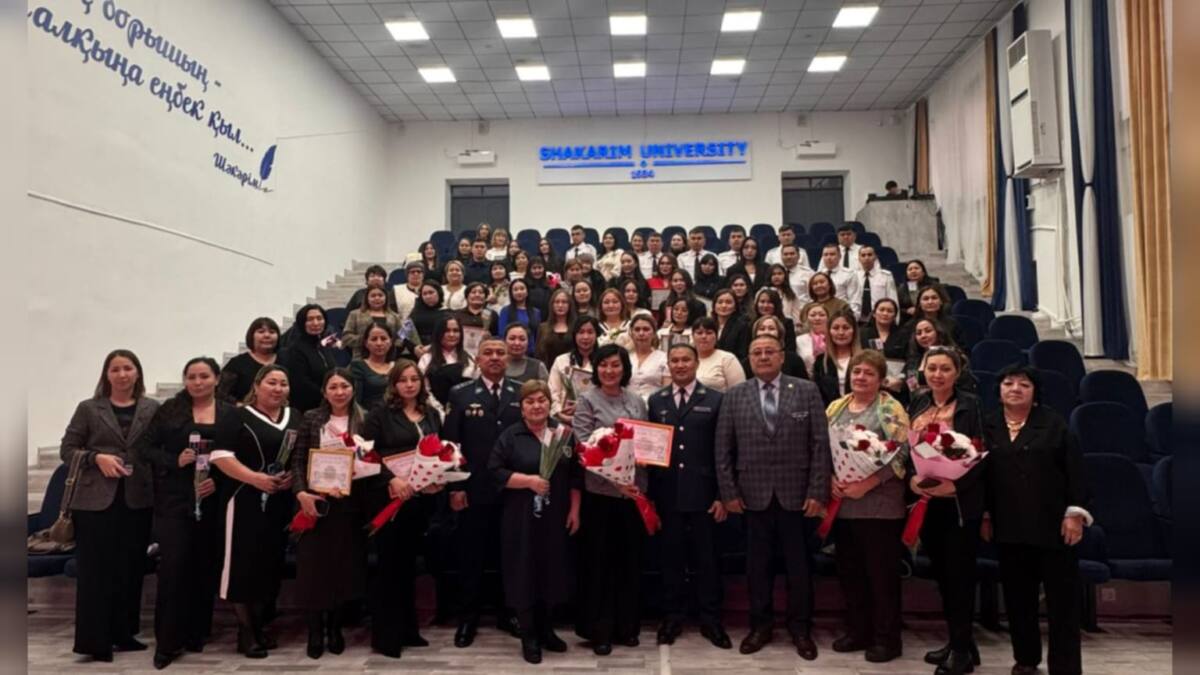
The women employees of the Abai regional penitentiary system were honored on the eve of March 8. 22.05.2026
On the eve of International Women's Day, the Department of the Penal Correction System in the Abai region hosted a solemn event dedicated to honoring female employees and veterans of the service. The head of the Department, Colonel of Justice Galymzhan Baltabayev, congratulated the representatives of the beautiful half of the Department and the institutions of the Penal Correction in the Abai region on the upcoming holiday. He noted the important role of women in the penal service system, emphasizing their professionalism, responsibility and dedication to their chosen cause.Today, women serve with dignity in the penal system, successfully performing complex and responsible tasks. You are not only professionals in your field, but also a source of warmth, wisdom and support in our teams. Thank you for your service, for your dedication to the profession, and I wish you good health, well—being, family happiness, and new achievements," said Galymzhan Baltabayev, Head of the Department. In a solemn atmosphere, a number of female employees were rewarded for their conscientious service. They were awarded special titles ahead of schedule, and were awarded medals, badges, certificates of honor, and letters of appreciation. Special words of appreciation were also expressed to the veterans of the penal correction system of the Abai region, who devoted many years to service and made a significant contribution to the development of the system. Letters of appreciation were presented to the veterans as a sign of respect and gratitude.I have devoted many years to serving in the penal correction system and I know how responsible and difficult it is. This job requires discipline, endurance, and complete dedication. Today, it is very pleasant to see that there are many professional and strong women serving in the system who continue the traditions of service with dignity. It is especially touching that the management and staff do not forget the veterans, invite us to such events and express their gratitude for the years of service. It's really expensive for each of us," said Abai, a veteran of the UIS region. The festive event continued with a concert program with the participation of employees of the institutions. Creative performances and musical performances created a warm atmosphere and became a pleasant gift for female employees. The solemn meeting was a sign of recognition of the contribution of women to the development of the penal system and once again emphasized their important role in the service.Source : https://www.gov.kz/memleket/entities/duisabai/press/news/details/1226812?lang=ru
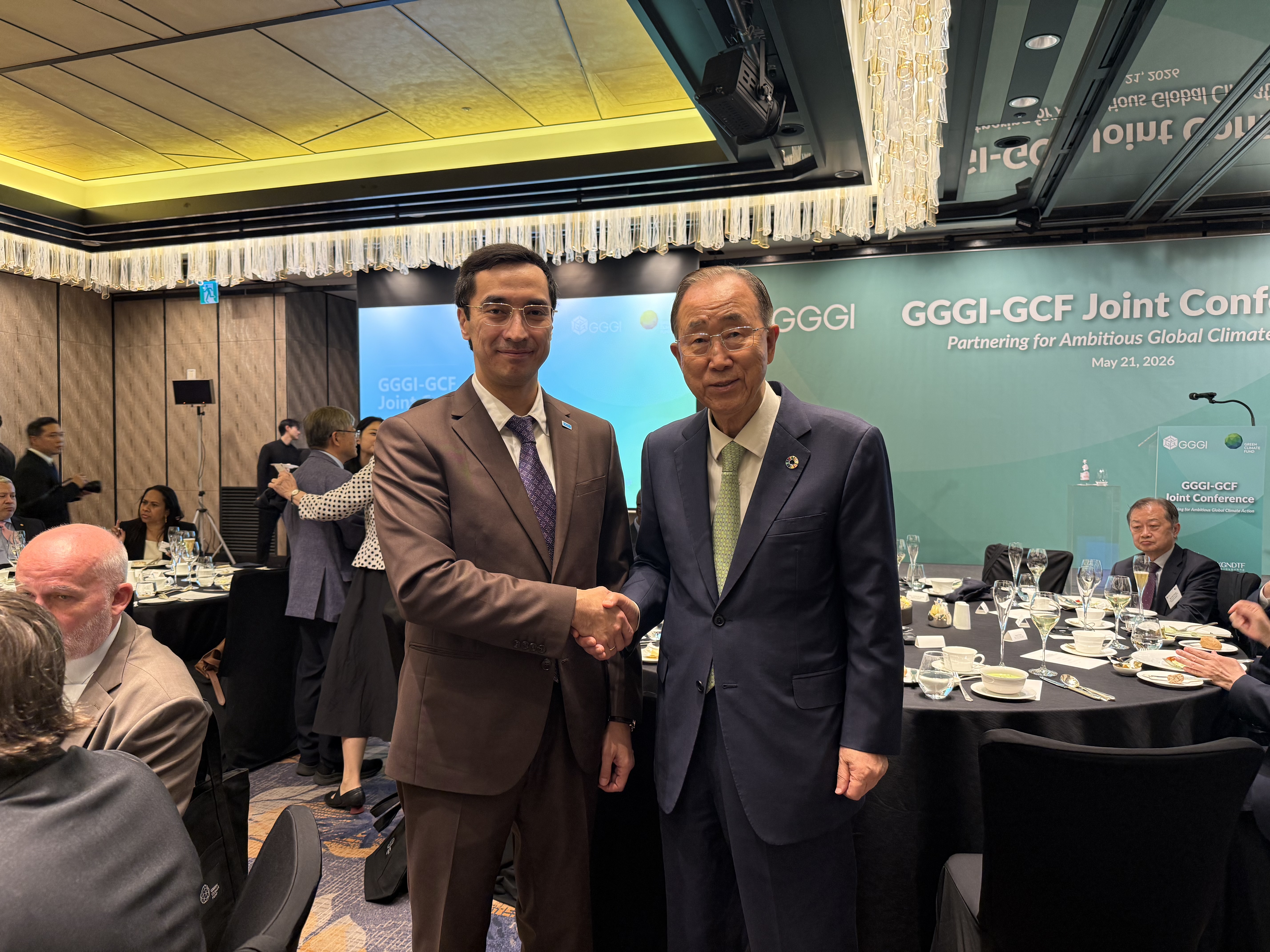
Kazakhstan’s Ambassador in Seoul Meets with 8th UN Secretary-General Ban Ki-moon on the Sidelines of the GGGI–GCF Joint Conference 22.05.2026
Seoul, May 21, 2026 – on the margins of the Global Climate Fund & Friends of GGGI Conference, Ambassador of the Republic of Kazakhstan to the Republic of Korea Asset Issenali met with Ban Ki-moon, President of the Assembly and Chair of the Council of the Global Green Growth Institute (GGGI).During the meeting, the parties discussed key issues on the international climate agenda, the promotion of sustainable development principles, and the strengthening of multilateral cooperation aimed at ensuring sustainable and inclusive economic growth.Special attention was paid to Kazakhstan’s cooperation with GGGI and prospects for expanding joint efforts to advance initiatives in green development, climate resilience, and the introduction of modern environmental solutions.The parties confirmed their readiness to continue close cooperation and Kazakhstan’s active engagement in GGGI’s activities aimed at supporting countries in achieving the Sustainable Development Goals, mobilizing climate finance, and promoting long-term models of economic growth.The Kazakh diplomat emphasized Kazakhstan’s consistent commitment to the principles of sustainable development and the ecological modernization of the economy. It was noted that Kazakhstan views green transformation not only as an environmental objective, but also as an important factor in enhancing competitiveness, attracting investment, and improving the quality of life of its citizens.Kazakhstan’s participation in GGGI events reflects the country’s aspiration to make a practical contribution to international efforts to protect the environment and build a sustainable future for the next generations.The Global Green Growth Institute, headquartered in Seoul, carries out an important international mission by bringing together governments, international financial institutions, and partner organizations to develop practical solutions in response to today’s climate challenges. The Institute’s work contributes to shaping new approaches to economic development based on a balance between economic growth, technological progress, and environmental responsibility.Source : https://www.gov.kz/memleket/entities/mfa-seoul/press/news/details/1226484?lang=ru
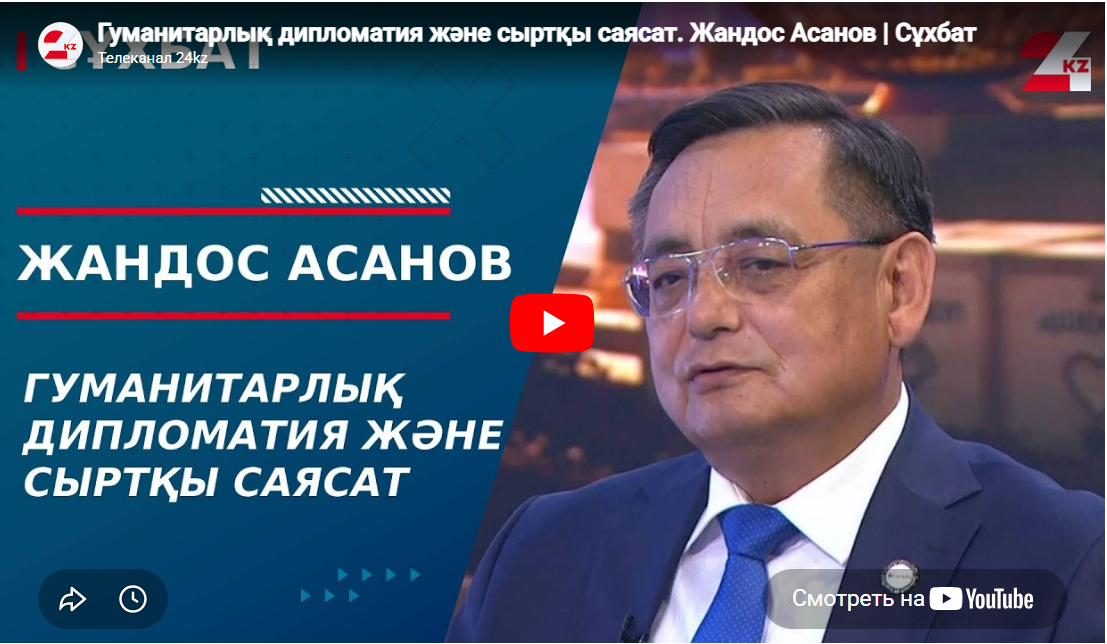
Asanov Jandos, Deputy Chairman of the Management Board of KazAID gave an interview to 24KZ on the topic: "Humanitarian diplomacy and foreign policy". 22.05.2026
Asanov Jandos, Deputy Chairman of the Management Board of KazAID gave an interview to 24KZ on the topic: "Humanitarian diplomacy and foreign policy". The interview is available via the link:https://24.kz/kz/telepoject/s-khbat/770096-gumanitarlyk-diplomatia-zane-syrtky-saasat-zandos-asanov Source : https://www.gov.kz/memleket/entities/kazaid/press/news/details/1226488?lang=ru
Question and Answer 22.05.2026
Question:Can a taxpayer operating under a STR according to teh simplified declaration run multiple retail outlets across different regions of Kazakhstan?Answer:Yes. Subject to the conditions stipulated in Article 723 of the Tax Code of the Republic of Kazakhstan, a taxpayer has the right to apply the simplified declaration regime while operating through multiple outlets or facilities located in different districts, cities, and regions of the Republic of Kazakhstan. There are no territorial restrictions.However, in the declaration form 910.00, it is necessary to indicate all territorial departments of state revenue corresponding to the locations of activity, reflecting the addresses of all operational facilities.If different tax rates apply, separate income records must be maintained. The declaration must indicate the appropriate tax rate, including any adjusted rates established by local maslikhats (local representative bodies).The standard tax rate under the simplified declaration regime is 4% according to the Tax Code, unless a different rate has been established by a decision of the local representative body.Source : https://www.gov.kz/memleket/entities/kgd-vko/press/news/details/1226485?lang=ru
Changes in the regulatory framework 22.05.2026
The tax reporting forms with explanations of their preparation and the procedure for their submission were approved by Order No. 695 of the Minister of Finance of the Republic of Kazakhstan dated November 12, 2025. This order also approved the Rules for submitting Tax Reporting Forms, as well as the Rules for the provision of public services "Receiving tax reporting" and "Suspending, resuming tax reporting."Additionally, we would like to note that if you have any technical problems when sending TRF, contact the TAIS technical support service. knpsd@ecc.kz, SONO sonosd@ecc.kz.We recommend that taxpayers avoid violating reporting submission deadlines, verify the data before submitting tax reporting forms, and actively use electronic services.Source : https://www.gov.kz/memleket/entities/kgd-vko/press/news/details/1226384?lang=ru
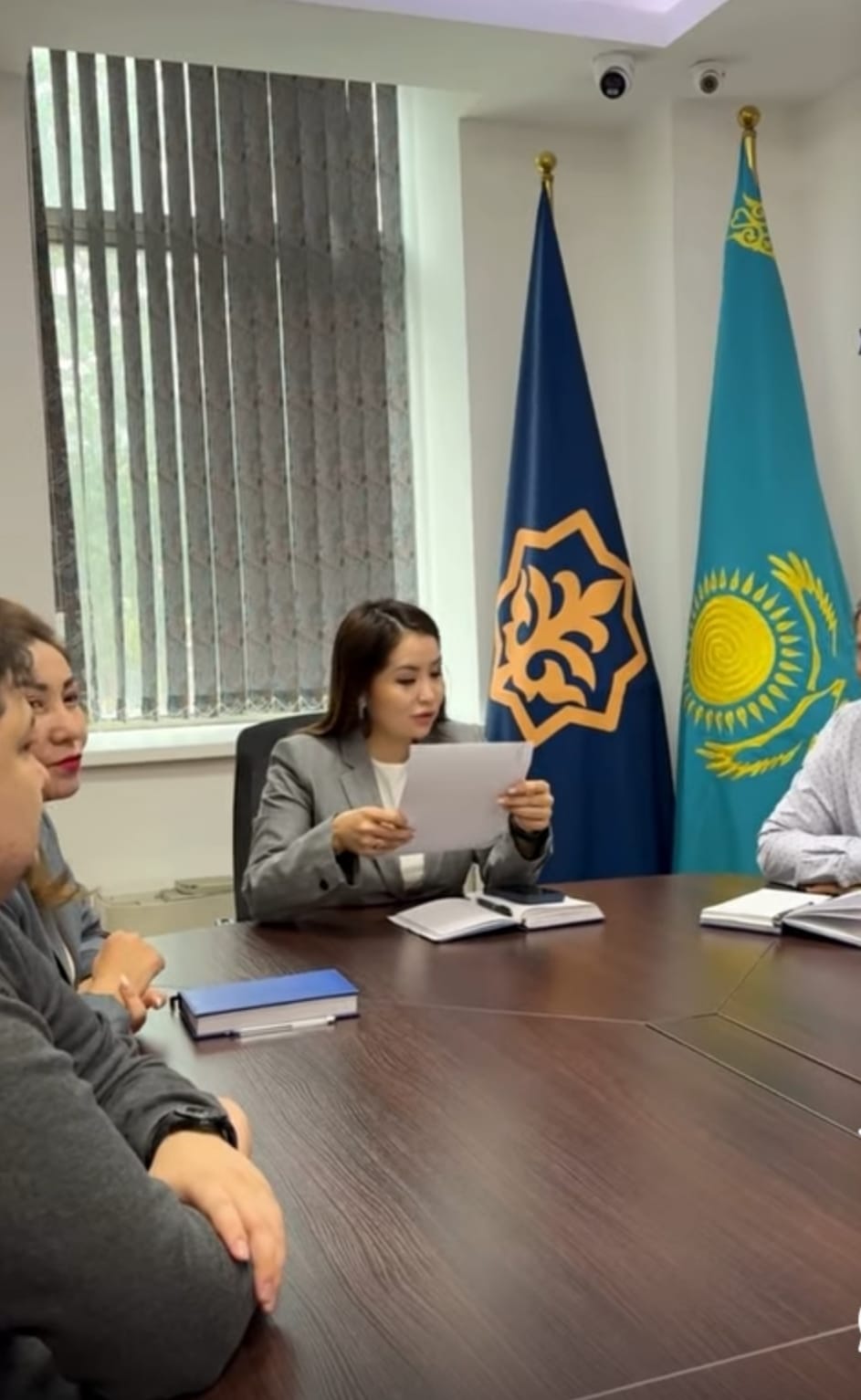
Imangazina Aigerim Mukhitovna conducted training on explaining the new Constitution 22.05.2026
Deputy Head of the Department of State Property and Privatization of Almaty, Aigerim Mukhitovna Imangazina, conducted technical training on the new Constitution. During the training, the main innovations and changes introduced to the Constitution, as well as their significance for the state and society, were explained in detail.Aigerim Mukhitovna clearly and fully outlined the main directions of constitutional reforms and paid special attention to the principles of protecting citizens' rights, strengthening the role of law and justice. During the training, participants received clarification on changes in the public administration system, expanding the powers of state institutions, and increasing the accountability of government bodies to the population.The training provided was informative and useful, allowing for a deeper understanding of the essence of the changes to the Constitution and their practical significance.Source : https://www.gov.kz/memleket/entities/gosreestr/press/news/details/1226403?lang=ru
Frequently asked questions -answer 22.05.2026
Question:Who is required to submit Form 493-O "Services," and under what circumstances does this obligation arise?Answer:Form 493-O "Services" must be submitted exclusively by legal entities (organizations) that directly provide services to third parties (such as water supply, electricity, waste disposal, and transportation) and maintain records of their service consumers.Individual entrepreneurs, self-employed individuals, and private individuals are exempt from this requirement.For transportation services, the form must be submitted by the carrier organization if it provides cargo or passenger transportation on its own behalf under a contract with a customer, including international transportation. If transportation is conducted solely for the company’s internal operations without providing services to third parties, no obligation to submit the form arises.Information on the form must be specified individually for each service consumer, without aggregating the data. The completed form can be uploaded to the system in JSON format via the Taxpayer's Office.Source : https://www.gov.kz/memleket/entities/kgd-vko/press/news/details/1226411?lang=ru
On the introduction of a declaration for e-commerce goods 22.05.2026
The State Revenue Committee of the Ministry of Finance of the Republic of Kazakhstan informs that in accordance with the amendments to the customs legislation of the Eurasian Economic Union and the Republic of Kazakhstan, it is planned to introduce a customs declaration of electronic commerce goods using the Electronic Commerce Goods Declaration (DET).The decision of the Board of the Eurasian Economic Commission dated December 17, 2024 No. 143 approved the form and procedure for filling out the declaration for electronic commerce goods. In addition, the Board's decision No. 144 dated December 17, 2024 approved the structure and format of the declaration for e-commerce goods in the form of an electronic document.Currently, work has been completed on the implementation of the relevant functionality in information systems, and the "Declaration for Electronic Commerce Goods" (DET) functionality has been developed in the Keden information system. The introduction of this functionality and the use of DET will be carried out from July 1, 2026.In addition, a special chat has been launched in the Telegram application: Death Testing of the Department of Internal Affairs. https://t.me/+guX61IzTzwU1YTcy .Information about testing will be published in the specified chat. In this regard, the above-mentioned stakeholders are invited to participate in the testing of the system. If you find any comments or suggestions during the use of the system, you can send them to the specified chat.Source : https://www.gov.kz/memleket/entities/kgd-sko/press/news/details/1226447?lang=ru

Национальное китайское рейтинговое агентство China Lianhe Credit Rating Co., Ltd присвоило Республике Казахстан наивысший суверенный кредитный рейтинг «ААА» с прогнозом «Стабильный» 22.05.2026
В рамках размещения государственных долговых инструментов Республики Казахстан на рынке КНР, национальное китайское рейтинговое агентство China Lianhe Credit Rating Co., Ltd присвоило нашей стране и государственным облигациям долгосрочный кредитный рейтинг «ААА».Агентство отмечает, что макроэкономическая политика страны ориентирована на обеспечение устойчивого экономического роста, снижение инфляции и диверсификацию экономики.Казахстан последовательно реализует прогрессивные реформы, благодаря чему повышается эффективность государственного управления. Среди ключевых направлений отмечена новая инвестиционная политика, сокращение участия государства в экономике, укрепление МСБ, а также развитие агропромышленного комплекса и инфраструктуры.Аналитики также подчеркивают относительно низкий уровень государственного долга и высокую способность обслуживания внешнего долга.Рейтинг «ААА» отражает высокую способность страны выполнять свои финансовые обязательства и высокую устойчивость к неблагоприятным внешним экономическим условиям.Source : https://www.gov.kz/memleket/entities/economy/press/news/details/1226476?lang=ru
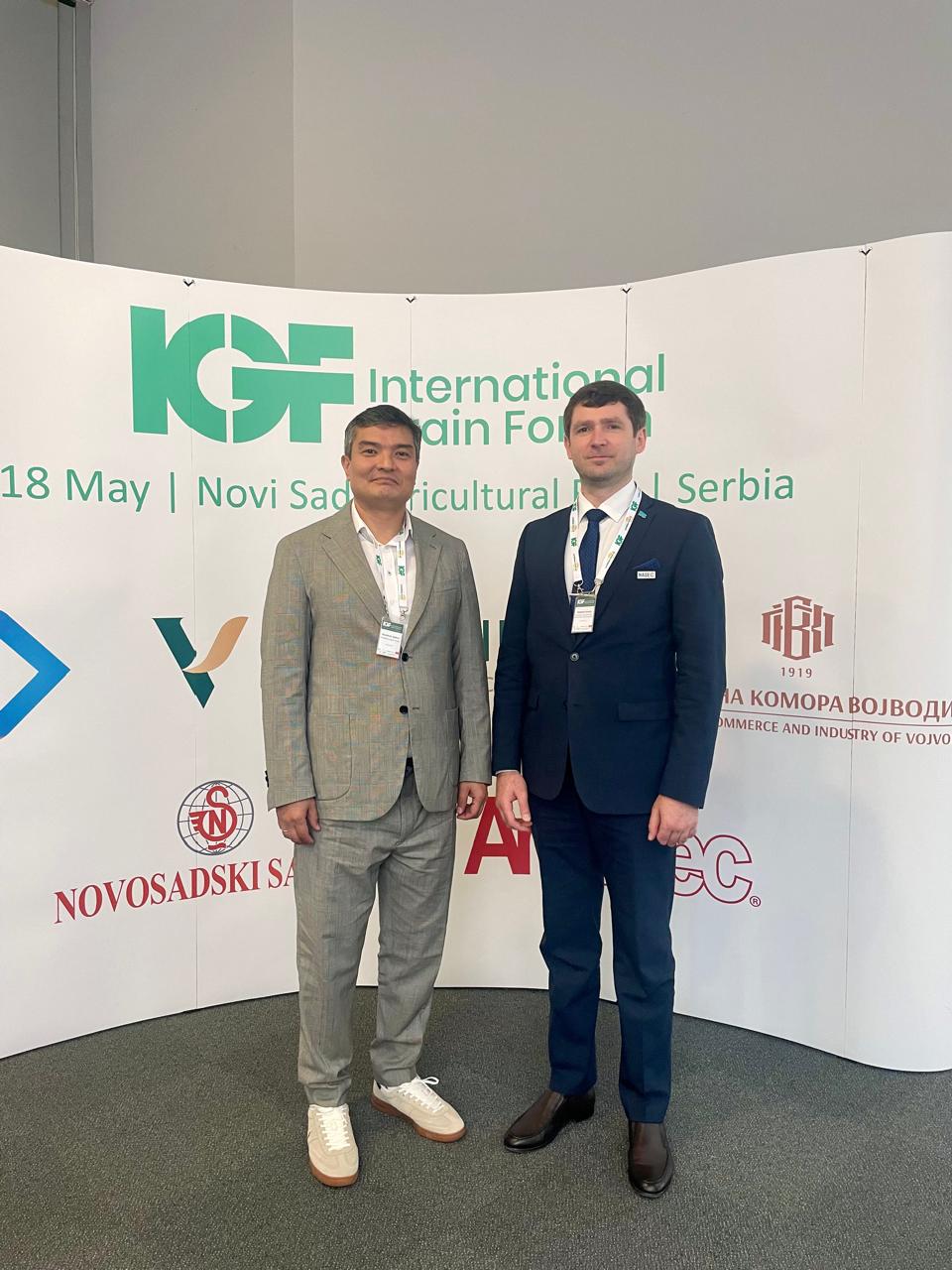
Kazakhstan and Serbia Strengthen Cooperation in Seed Production 22.05.2026
May 18–20, Belgrade – Novi Sad – The Embassy of Kazakhstan in Serbia organized Kazakh delegation’s participation in Serbia’s largest agricultural exhibition in Novi Sad.Representing Kazakhstan at the exhibition were Mr Sutula, Deputy Chairman of the Board of the National Agrarian Scientific and Educational Center of the Republic of Kazakhstan, and Mr. Adilov, Director of Atameken Agro Trade LLP. As part of its participation in the 93rd International Agricultural Exhibition, the Kazakh delegation signed memorandums of understanding between the National Agrarian Scientific and Educational Center and Serbia’s leading agricultural research institutes, such as the Institute of Field and Vegetable Crops in Novi Sad (NS Seme), the Institute for Vegetable Crops in Smederevska Palanka, and the Maize Research Institute Zemun Polje.Kazakh Ambassador Madi Atamkulov emphasized the importance of deepening cooperation between Kazakhstan and Serbia in the field of seed production to strengthen food security in both countries.During the talks, the Kazakh side reached agreements on cooperation in the areas of breeding and genetics of oilseed and cereal crops, as well as vegetable crops needed by Kazakhstan.The parties also agreed to intensify cooperation in the field of joint scientific projects and academic exchanges of faculty and students. Source : https://www.gov.kz/memleket/entities/mfa-belgrad/press/news/details/1226360?lang=ru
- 22.05.2026
Source : https://www.gov.kz/memleket/entities/almobl-densaulyk/press/news/details/1226362?lang=ru
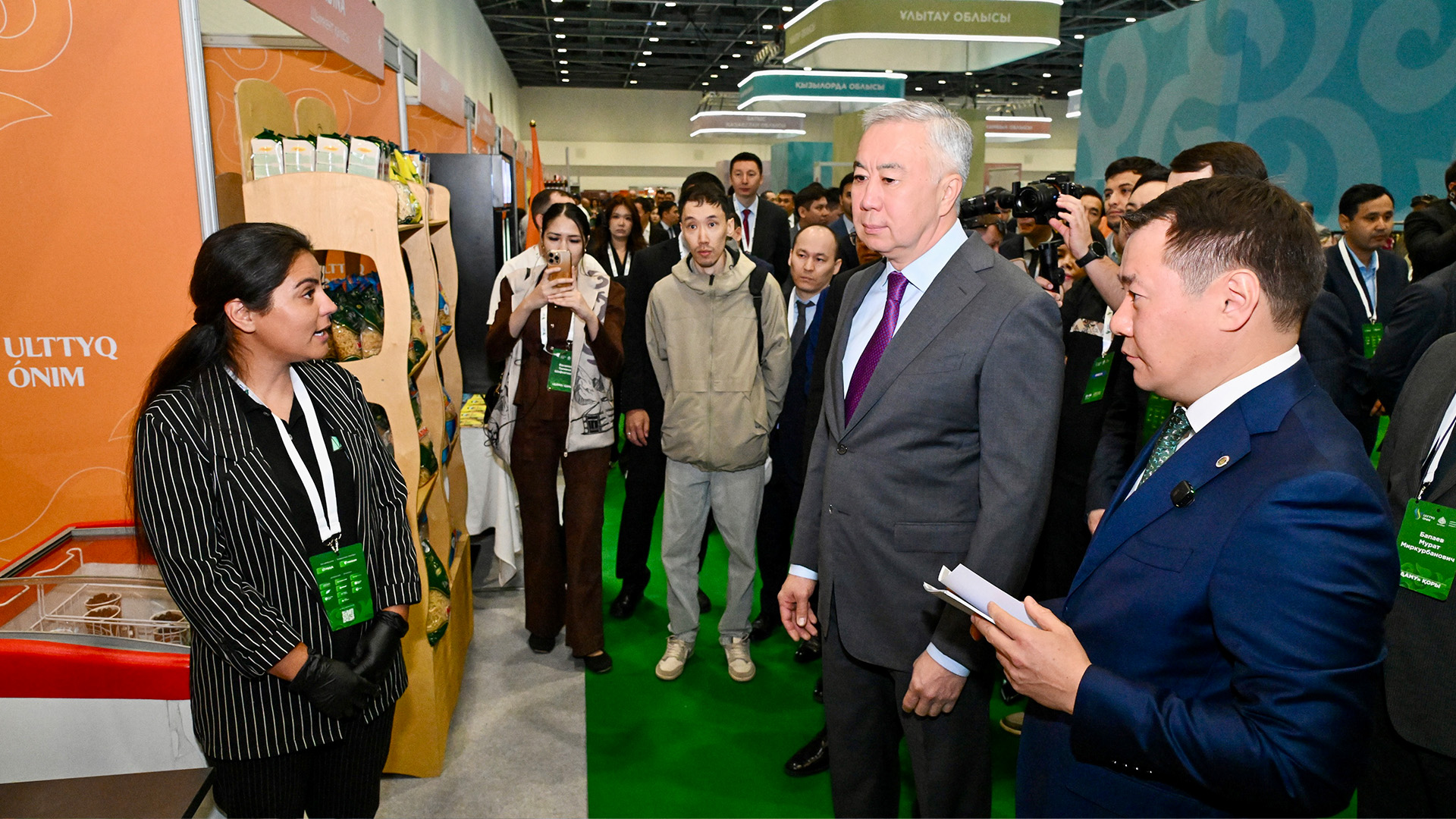
В Астане открылась крупнейшая выставка отечественных производителей «ULTTYQ ÓNIM - 2026» 22.05.2026
В Международном выставочном центре EXPO стартовала ежегодная IX выставка казахстанских производителей «Ulttyq ónim – 2026». В этом году выставка стала самой масштабной за все время проведения. На полях выставки свою продукцию представили 600 товаропроизводителей из всех регионов Казахстана, что почти вдвое превышает показатели прошлого года. В торжественной церемонии открытия приняли участие заместитель Премьер-министра – министр национальной экономики РК Серик Жумангарин, представители государственных органов и бизнес-сообщества.На открытии выставки Серик Жумангарин зачитал обращение Премьер-министра Республики Казахстан Олжаса Бектенова.«Президент страны Касым-Жомарт Кемелевич Токаев уделяет особое внимание развитию малого и среднего бизнеса, являющегося ключевым драйвером роста экономики. Государством последовательно реализуется комплекс мер, направленных на поддержку и улучшение условий для бизнеса, расширение деловой активности и укрепление экономического потенциала», — говорится в обращении.Подчеркнуты перспективы дальнейшего развития предпринимательства.«В новой Конституции, одним из основополагающих принципов деятельности государства является повышение благосостояния народа, продвижение идеи ответственного, созидательного патриотизма. Отечественные товаропроизводители являются ярким примером реализации этих принципов. Для дальнейшего устойчивого роста предпринимательской активности будет продолжена поддержка производственных инициатив, включая импортозамещение и наращивание экспортного потенциала, внедрение современных технологий и создание новых точек экономического роста в регионах», — подчеркнуто в тексте приветственного слова Премьер-министра. В числе реализуемых мер господдержки особое внимание уделяется расширению доступа бизнеса к финансированию и инструментам льготного кредитования. В 2025 году через Фонд «Даму» бизнесу было направлено более 560 млрд тенге. Благодаря этому мерами господдержки охвачено 13 тыс. проектов МСБ на общую сумму кредитов 2,2 трлн тенге. Реализованные меры обеспечили создание почти 15 тыс. новых рабочих мест, рост выпуска продукции на 27,7 трлн тенге и около 2 трлн тенге налоговых поступлений.Одним из ключевых механизмов развития реального сектора экономики названа программа «Заказ на инвестиции». Ее основная задача – поддержка проектов в отраслях с высокой импортозависимостью и создание новых производств, ориентированных на внутренний рынок и экспорт. Ключевая роль в реализации программы отведена институтам холдинга «Байтерек» и Фонду «Даму». Для повышения доступности государственной поддержки расширены инструменты гарантирования, усилены рыночные механизмы поддержки на понятных и долгосрочных условиях, а также запущена программа комплексной поддержки микро- и малого бизнеса в малых городах и селах «Іскер аймақ». Кроме того, на базе региональных филиалов Фонда «Даму» созданы единые фронт-офисы по всем программам поддержки холдинга «Байтерек», а для отдаленных районов запускаются мобильные фронт-офисы.Отдельное внимание уделяется сопровождению предпринимателей, столкнувшихся с трудностями. В этой связи при Фонде «Даму» формируются «реабилитационные центры», где бизнес сможет получить финансовую, консультационную и организационную поддержку для восстановления устойчивости.От имени Правительства Республики Казахстан вице-премьер выразил благодарность отечественным предпринимателям за их вклад в укрепление экономического потенциала и престижа страны. В ходе посещения выставки Серик Жумангарин ознакомился с деятельностью ряда представленных предприятий из различных регионов страны.Среди них – мебельная фабрика «Феникс» из Павлодара, производящая школьную мебель, офисные кресла и стулья для социальных и коммерческих объектов. Благодаря государственной поддержке предприятие приобрело новое оборудование, расширило производственные мощности и увеличило штат сотрудников с 15 до 60 человек. Сегодня фабрика выпускает до 60 тыс. стульев, порядка 40 тыс. единиц школьной мебели и 7 тыс. офисных кресел в год. Продукция предприятия поставляется в образовательные учреждения по всей стране.Также вице-премьер ознакомился с продукцией ТОО «WEC TRADE» из Карагандинской области – первого в Казахстане производителя экологичной бытовой химии на растительной основе. Начав деятельность в 2016 году с выпуска автохимии, сегодня бренд WEC производит безопасную для человека и окружающей среды продукцию, соответствующую принципам устойчивого развития и экологической ответственности.Отдельное внимание вице-премьер уделил деятельности завода очистных сооружений TAZAU – ведущего казахстанского производителя оборудования для внешних инженерных сетей. Предприятие работает уже более десяти лет, реализует проекты на территории Казахстана и стран СНГ, создает решения в области очистки сточных вод. Выставка «Ulttyq ónim – 2026» продолжит свою работу в МВЦ EXPO до 24 мая. На протяжении всех дней проведения она станет эффективной площадкой для B2B-встреч, панельных сессий, мастер-классов и демонстрации достижений казахстанского бизнеса. Source : https://www.gov.kz/memleket/entities/economy/press/news/details/1226333?lang=ru
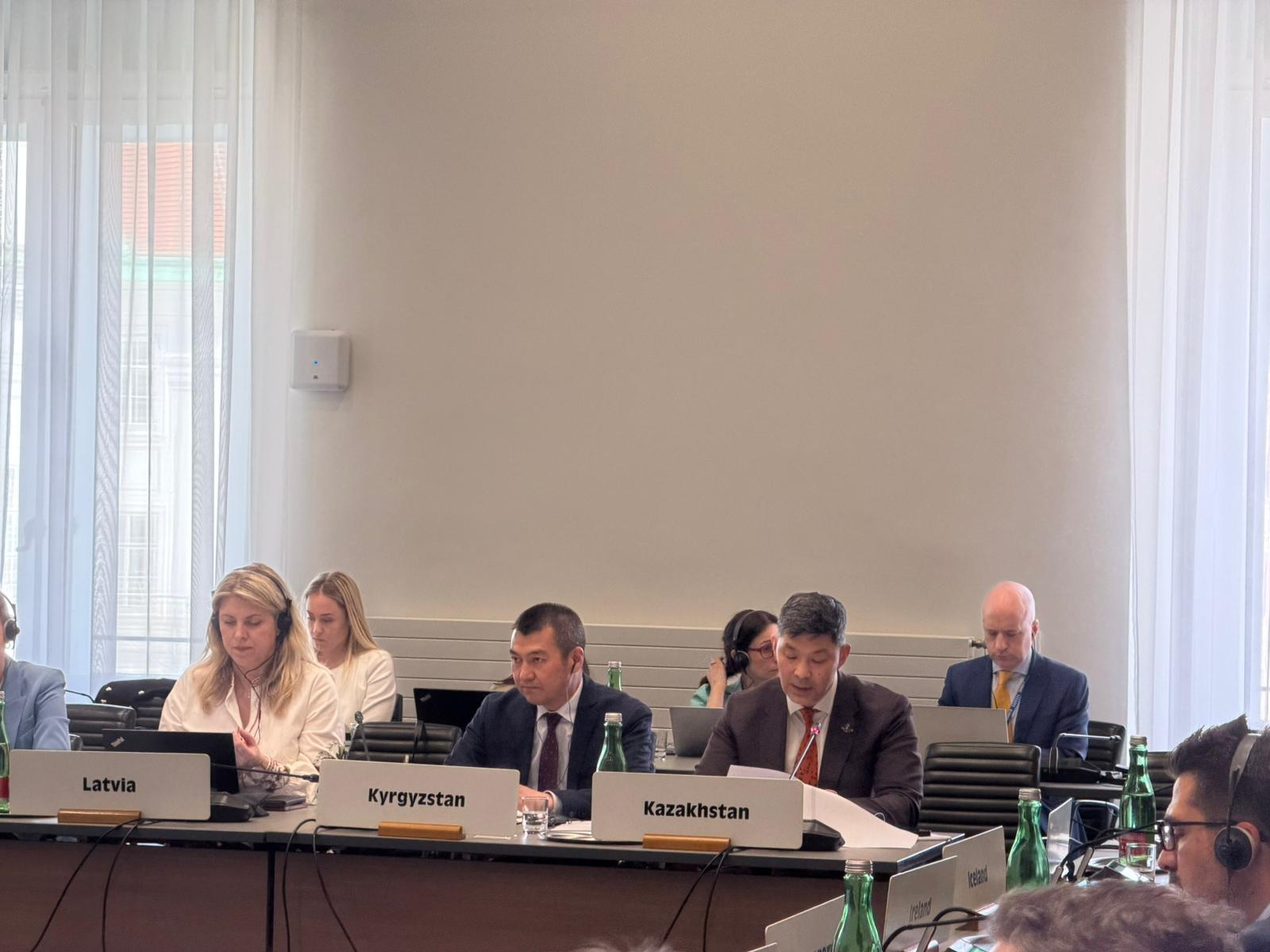
OTS Turkistan Summit’s outcomes presented in Vienna 22.05.2026
Vienna, May 21, 2026 — At the OSCE Permanent Council meeting the delegation of the Republic of Kazakhstan presented the outcomes of the Informal Summit of the Organization of Turkic States (OTS), held in Turkistan on May 15.The summit devoted to “Artificial Intelligence and Digital Development” focused on strengthening cooperation between the OTS Member and Observer States in the areas of digital transformation, innovation, artificial intelligence, connectivity and sustainable economic development. It was emphasized that given the complex geopolitical environment, growing international competition and ongoing conflicts, strengthening the unity of the Turkic States is particularly urgent. In addition, the position of the President of Kazakhstan Mr. Kassym-Jomart Tokayev that the OTS is not a geopolitical project or a military alliance, but rather a unique platform for developing trade, economic, high-tech, digital, cultural and humanitarian cooperation between fraternal countries was pointed out.President Tokayev's calls to consolidate efforts to adapt to new technological realities and advance a joint digital agenda was also noted. In this regard, the Head of State's initiatives to establish a Digital Monitoring Center of the OTS, a Digital Innovation Center and a Cybersecurity Council were presented.The delegations of Azerbaijan, Kyrgyzstan, Türkiye and Uzbekistan expressed their support for Kazakhstan's statement on the results of the OTS summit.Source : https://www.gov.kz/memleket/entities/mfa-vienna/press/news/details/1226276?lang=ru
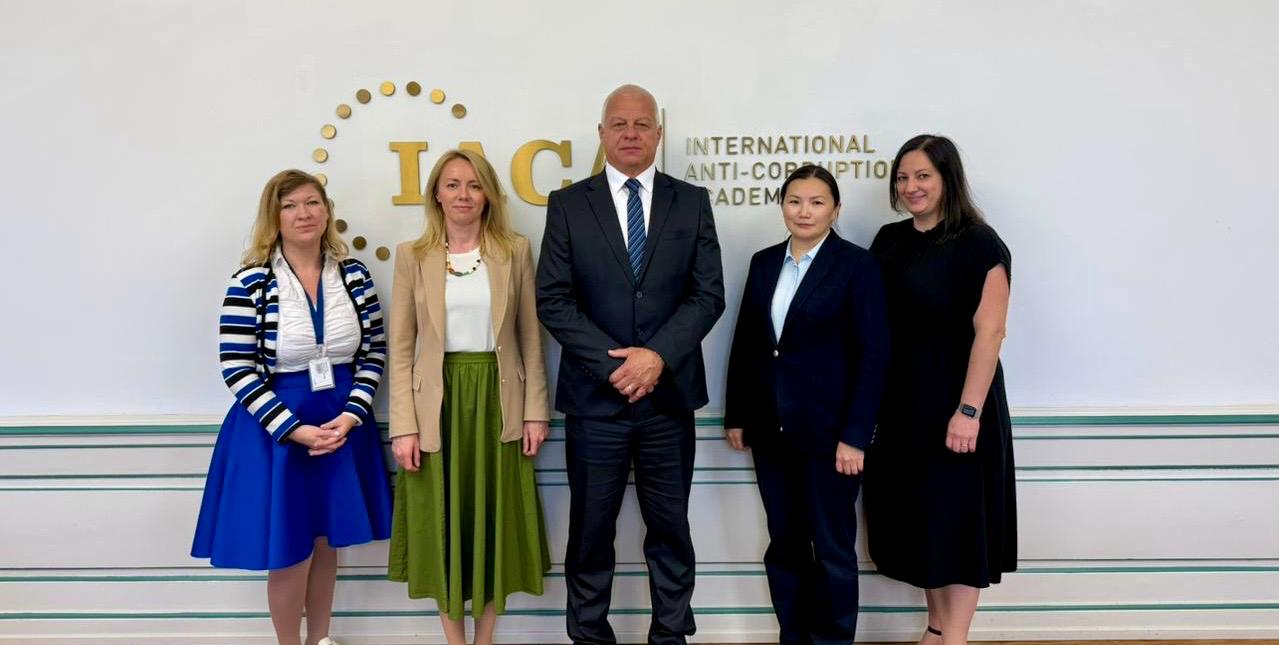
Kazakhstan Representative Concludes Three-Year Mandate as External Auditor of the International Anti-Corruption Academy 22.05.2026
21 May 2026, Laxenburg (Austria) - Ms. Lyailim Kashimova, Director of a Department at the Supreme Audit Chamber of Kazakhstan, has concluded her three-year mandate as an independent external auditor of the International Anti-Corruption Academy (IACA).From 2024 to 2026, Ms. Kashimova served as a member of the Academy’s Board of Independent External Auditors.In cooperation with fellow auditors representing two other IACA Member States, she participated in the annual audits of the Academy’s financial statements and contributed to recommendations aimed at strengthening the organization’s financial management, accountability, and institutional sustainability. The Board members carried out their responsibilities in a personal capacity, ensuring the functional and organizational independence of the audit process.The leadership of the IACA expressed its appreciation to Ms. Kashimova for her professional and dedicated work as a member of the Board of External Auditors.Kazakhstan’s participation in this Board reflects the country’s continued commitment to the principles of transparency, good governance, accountability, and international cooperation in the fight against corruption. Source : https://www.gov.kz/memleket/entities/mfa-vienna/press/news/details/1226278?lang=ru
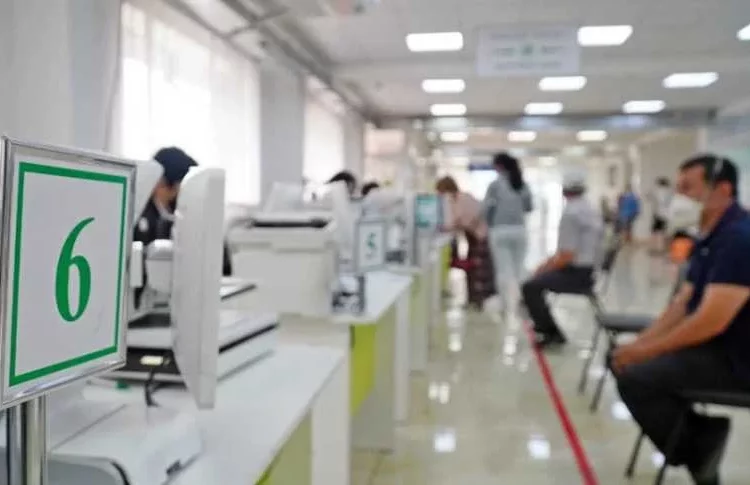
Residents of the region can pre-book a visit to the Public Service Center and save time. 22.05.2026
Residents of the Kostanay region can plan their visit to the Public Service Center (CSC) in advance and receive services without waiting. To do this, it is enough to select a convenient branch, date, and time of visit through the CSC mobile application.At the branch of the National Company "State Corporation 'Government for Citizens' in the Kostanay region, various services are available to citizens for the convenience of receiving public services. One of the popular services remains the possibility of pre-booking a visit to Public Service Centers. This allows for a significant reduction in waiting time when receiving public services.Pre-booking is especially relevant when applying for the most in-demand public services – real estate registration, document processing, obtaining identity cards and driver's licenses, as well as services in the field of migration, land relations, and civil status registration.Pre-booking is particularly in demand during periods of high load on CSCs, to increase visitor comfort and optimize the work of Public Service Centers. Thanks to digital solutions, citizens can independently plan their visit, choose the most convenient branch, and receive services at the appointed time.Furthermore, the pre-booking system helps reduce the load on the operational halls of CSCs and evenly distribute the flow of visitors. In the Kostanay region, 21 departments of Public Service Centers and 3 sectors of specialized departments operate, serving on average about 3 thousand citizens daily. This is especially important during periods of increased demand for public services – during the holiday season, during the submission of documents to educational institutions, as well as during periods of mass document renewal.To receive the service, a citizen needs to select a CSC, date, and time of visit, after which the system will automatically generate an electronic reservation. At the appointed time, it is enough to come to the branch a few minutes before the appointment and confirm the booking through the electronic queue terminal.Specialists of the branch remind that when visiting a CSC, it is necessary to have a full set of documents required for receiving a specific public service. The list of services, their provision timelines, and the list of necessary documents can be found on official electronic resources.In the CSCs of the Kostanay region, citizens have access to digital services, including pre-booking visits, an electronic queue service, and receiving service results online, allowing them to receive public services in a more convenient format. Special attention is paid to the development of digital services and reducing waiting times in the region's CSCs.Annually, hundreds of thousands of public services are provided through the CSCs of the Kostanay region, and the pre-booking service remains one of the popular digital tools among the region's residents.We remind you that citizens can receive consultations on public services issues by calling 1414, as well as through the official services of "Government for Citizens".Source : https://www.gov.kz/memleket/entities/kostanai-bmalin-audany-akimat/press/news/details/1226369?lang=ru
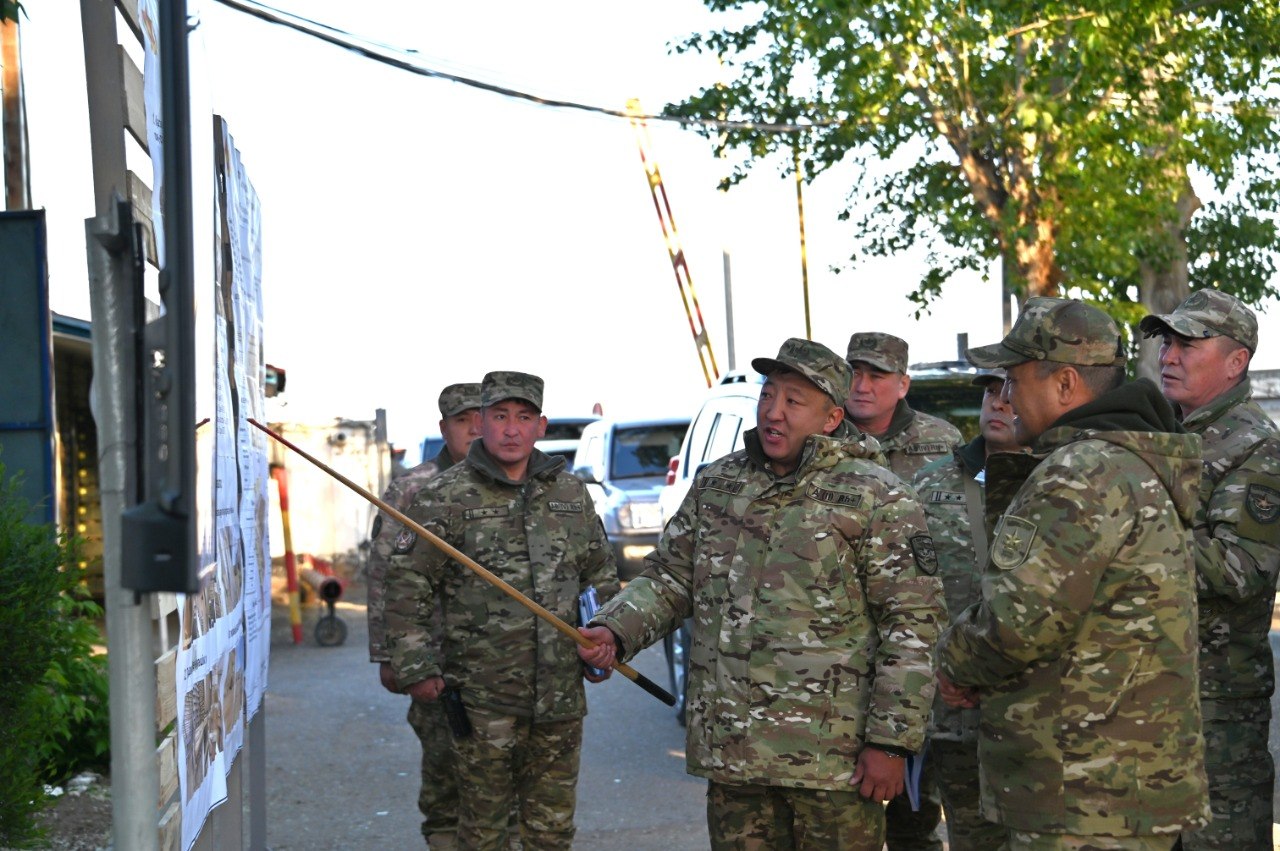
The Chief of the General Staff inspected the organization of combat training in garrisons in the east of the country. 22.05.2026
Source : https://www.gov.kz/memleket/entities/mod/press/news/details/1226270?lang=ru
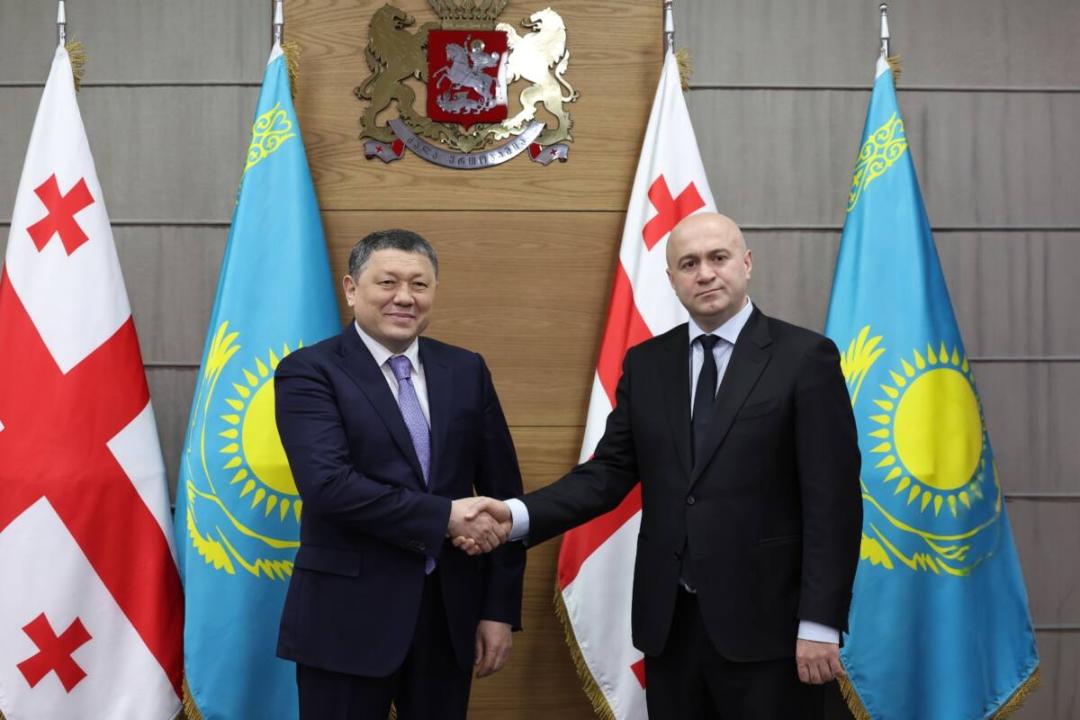
From Cyber Threats to International Search: Interior Ministries of Kazakhstan and Georgia Strengthen Cooperation 22.05.2026
A delegation of the Ministry of Internal Affairs of the Republic of Kazakhstan, headed by Minister of Internal Affairs Yerzhan Sadenov, arrived in Georgia on a working visit.A bilateral meeting between the Head of the Ministry of Internal Affairs of Kazakhstan and the Minister of Internal Affairs of Georgia, Sulkhan Tamazashvili, was held in Tbilisi.During the talks, the parties discussed topical issues related to ensuring public security, combating organized and transnational crime, searching for wanted criminals, suppressing channels of illegal migration and drug-related crimes, as well as countering modern cyber fraud schemes.Yerzhan Sadenov noted that Kazakhstan views Georgia as a reliable strategic partner, emphasizing the high level of trust and the steady development of interagency cooperation.Special attention was paid to the practical results of cooperation between the law enforcement agencies of the two countries.It was noted that the agreements reached during the February meeting of the heads of the two ministries in Astana are being consistently implemented and further developed.The meeting also addressed issues related to improving the legal framework, including in the field of migration.The parties paid particular attention to cooperation in personnel training and the exchange of professional experience.For its part, the Ministry of Internal Affairs of Kazakhstan confirmed its readiness to share its experience in training special police units.Following the talks, the parties reaffirmed their mutual interest in further strengthening partnership and developing direct cooperation between the relevant units of the Ministries of Internal Affairs of Kazakhstan and Georgia.As part of the visit, the Minister of Internal Affairs of Kazakhstan was also received by Prime Minister of Georgia Irakli Kobakhidze.During the meeting, the parties discussed issues of further strengthening Kazakh-Georgian cooperation in the field of security and law enforcement. Source : https://www.gov.kz/memleket/entities/mfa-tbilisi/press/news/details/1226193?lang=ru